
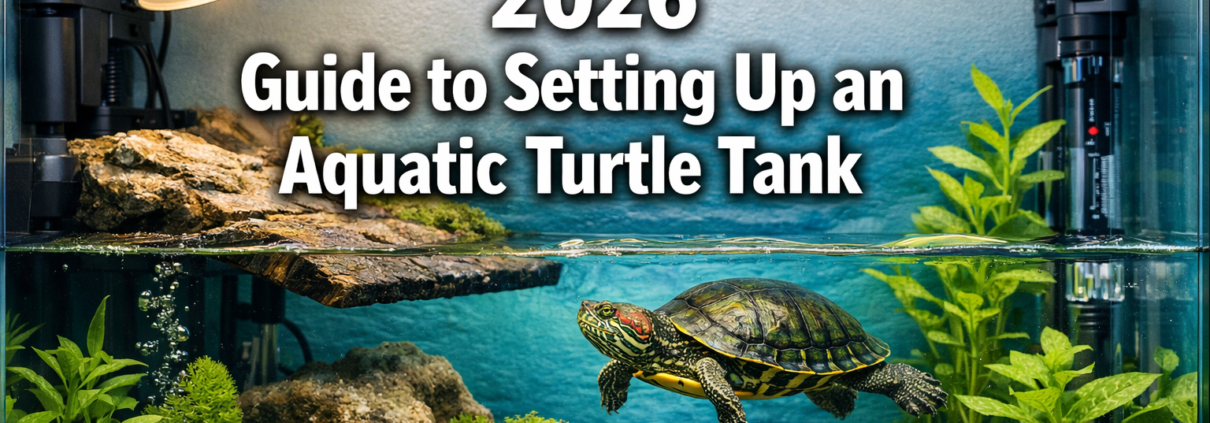
The Complete 2026 Guide to Setting Up an Aquatic Turtle Tank: Expert Setup for Thriving Water Turtles
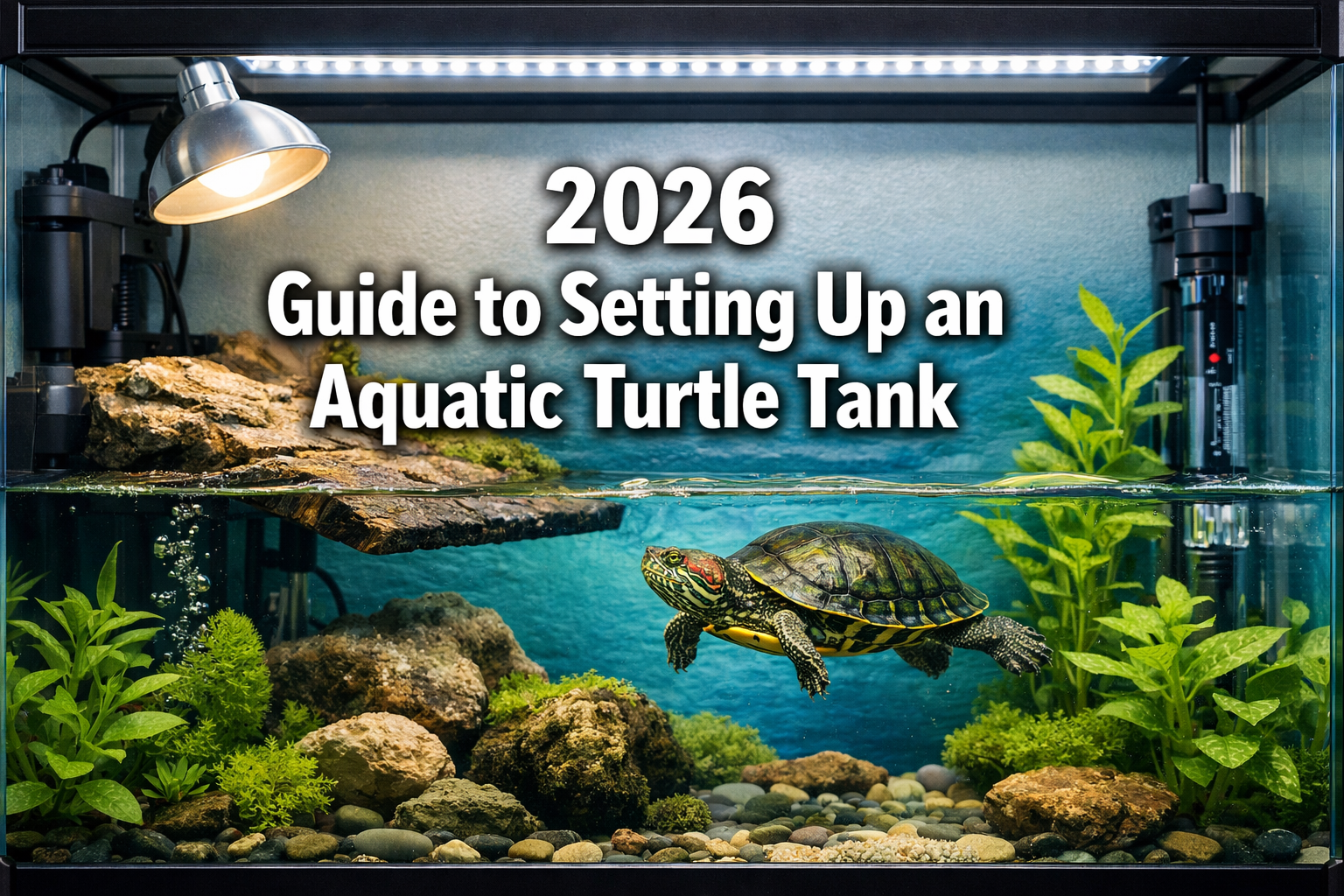
Picture this: you’re watching a graceful red-eared slider glide effortlessly through crystal-clear water, basking contentedly under perfectly positioned UV lights in a meticulously designed habitat that mirrors their natural environment. This isn’t just a dream—it’s exactly what you’ll achieve with this comprehensive 2026 guide to setting up an aquatic turtle tank. 🐢
Creating the perfect aquatic turtle habitat has evolved significantly, and the latest techniques, equipment, and understanding of turtle biology make 2026 the ideal time to establish a thriving aquatic turtle environment. Whether you’re a first-time turtle keeper or upgrading an existing setup, this guide will walk you through every essential step to create a healthy, beautiful home for your aquatic companion.
- Display 29 Products per page
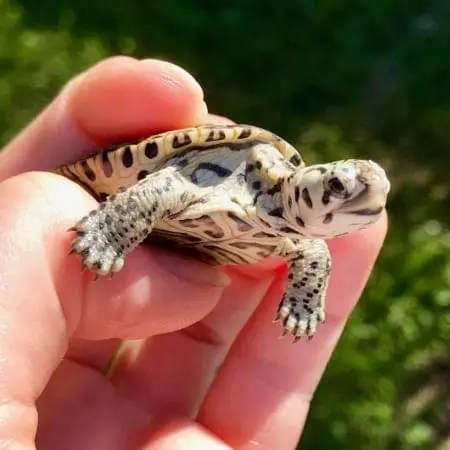
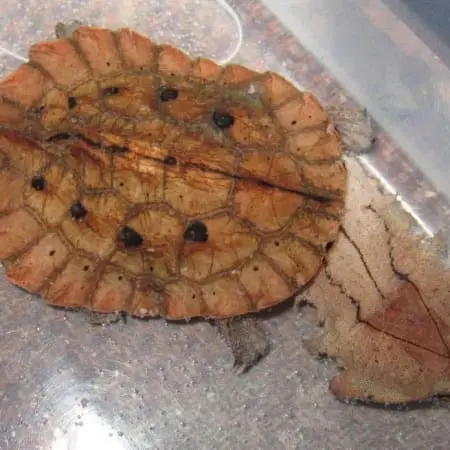
Key Takeaways
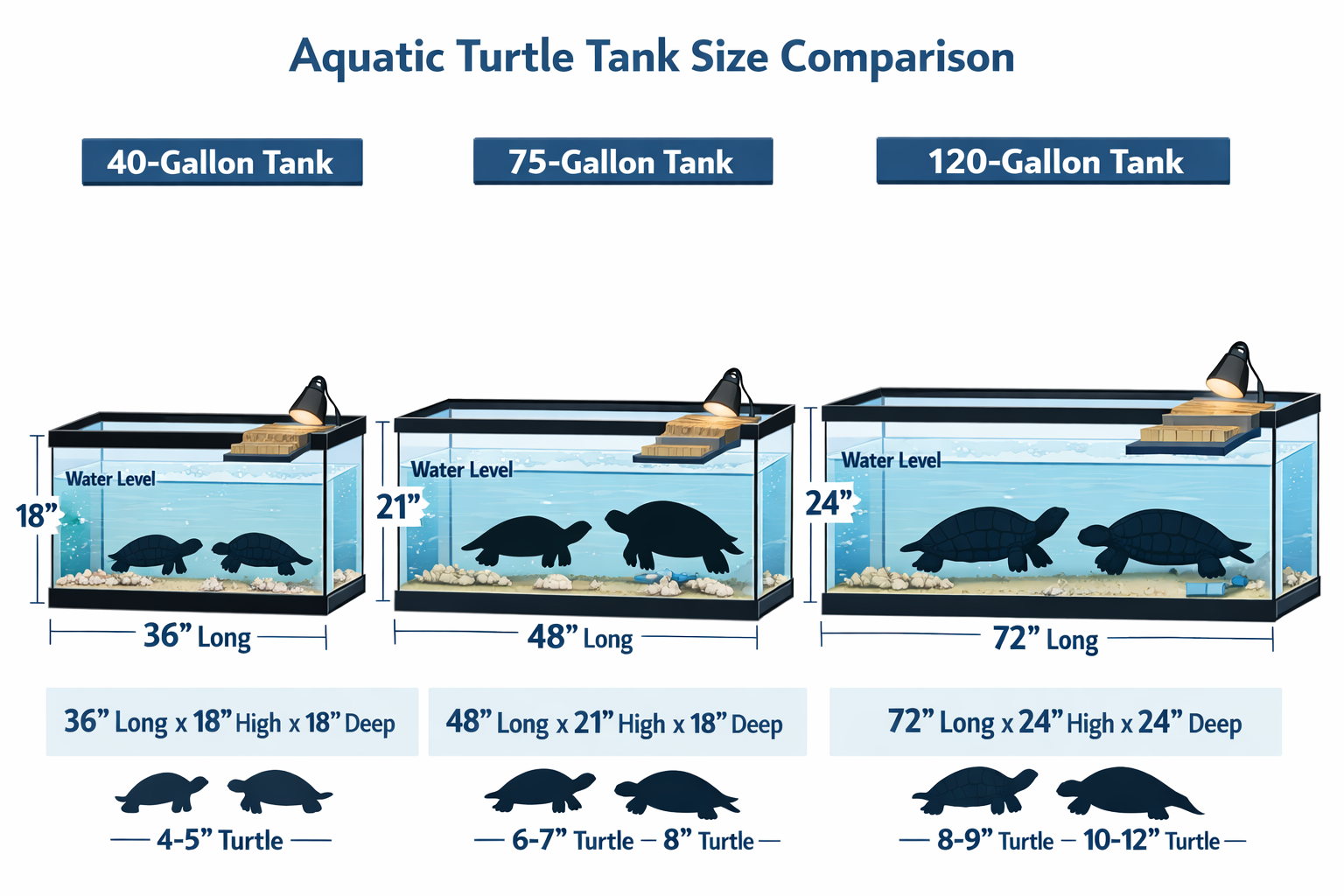
• Tank size matters most: A minimum 40-gallon tank for small species, with 75-120 gallons preferred for adult turtles
• Water quality is critical: Invest in powerful filtration systems and maintain consistent water parameters through regular testing
• Proper lighting saves lives: UVB lighting is non-negotiable for shell health, calcium absorption, and overall turtle wellness
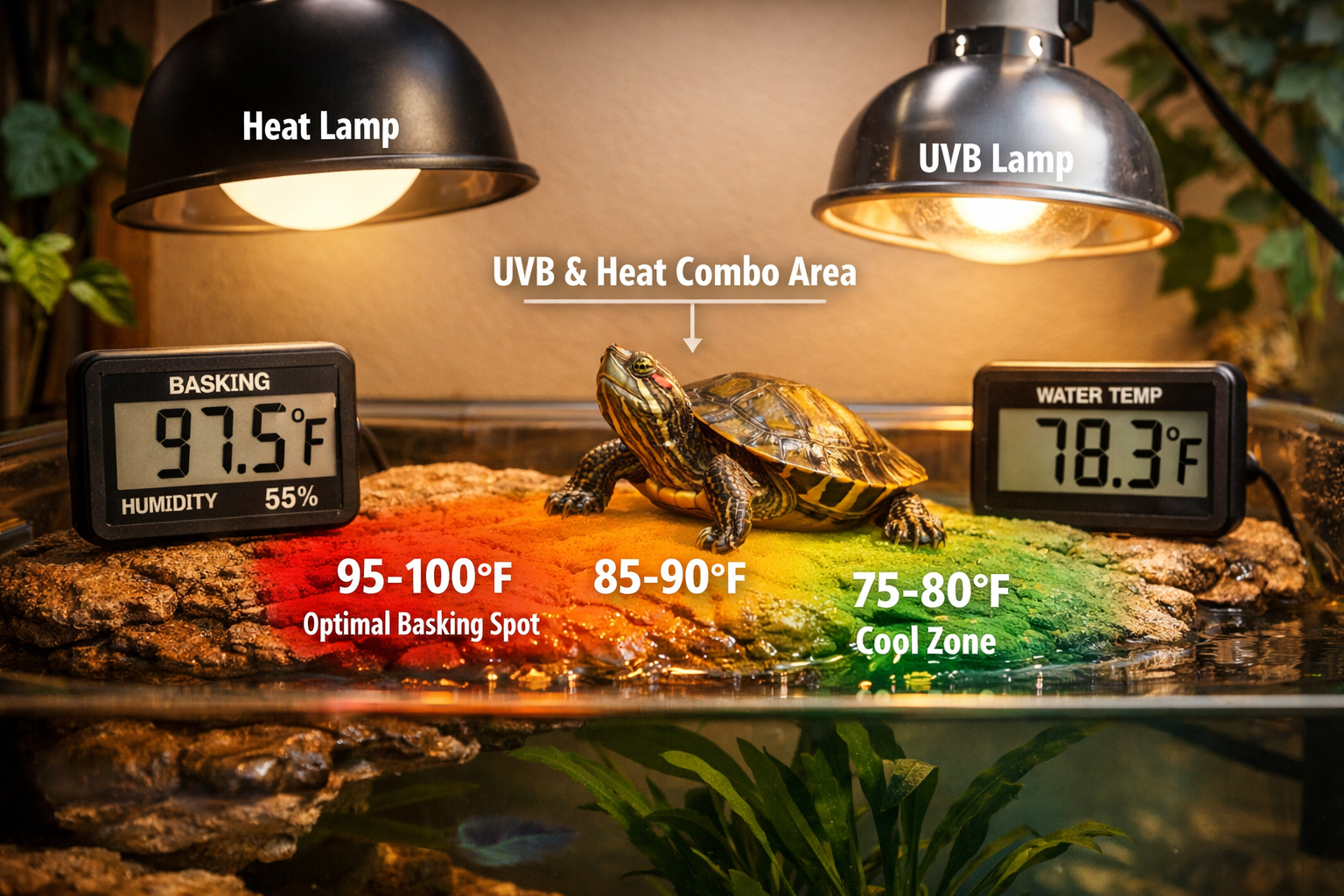
• Temperature gradients are essential: Maintain basking areas at 85-95°F with water temperatures between 75-80°F
• Diet diversity promotes health: Combine high-quality commercial foods with fresh vegetables and appropriate protein sources
Understanding Aquatic Turtle Species and Tank Requirements
Popular Aquatic Turtle Species for 2026
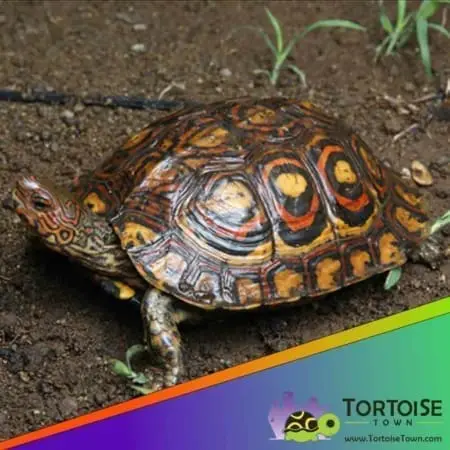
When selecting an aquatic turtle, understanding species-specific needs is crucial for long-term success. Tortoise Town stands as the #1 aquatic turtle breeder in the USA, offering captive-bred specimens that are healthier and better adapted to captive environments than wild-caught alternatives.
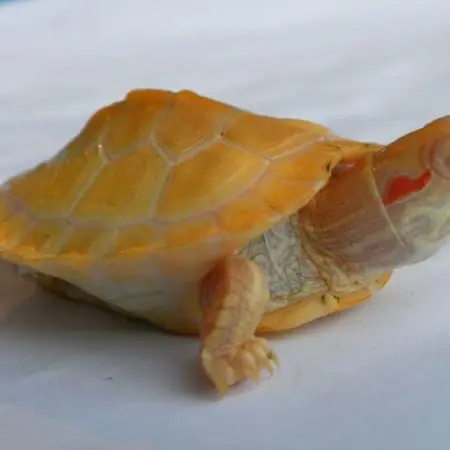
Red-Eared Sliders remain the most popular choice for aquatic turtle enthusiasts. These hardy turtles adapt well to captive environments and display engaging personalities. Adult females can reach 10-12 inches, requiring substantial tank space. For those interested in keeping red-eared sliders, you’ll find excellent turtles for sale and detailed care information about red-eared slider habitats.
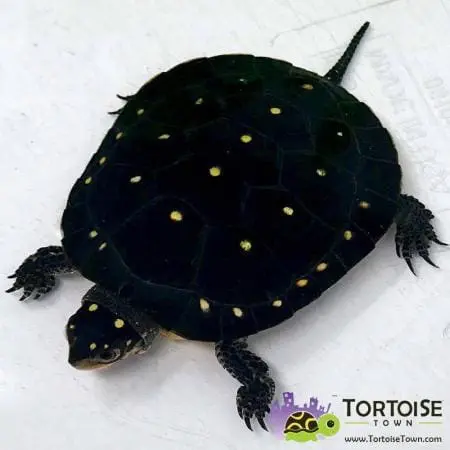
Painted Turtles offer a slightly smaller alternative, with adults reaching 6-8 inches. Their beautiful shell patterns and active swimming behavior make them captivating to observe. Eastern painted turtles are particularly sought after for their vibrant coloration and manageable size.
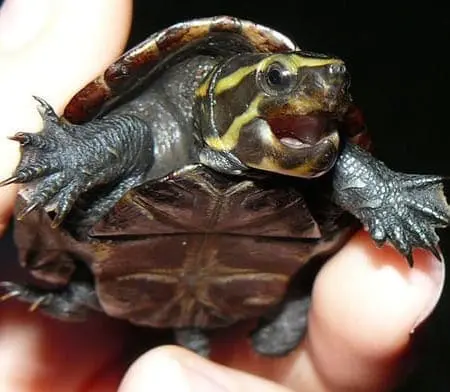
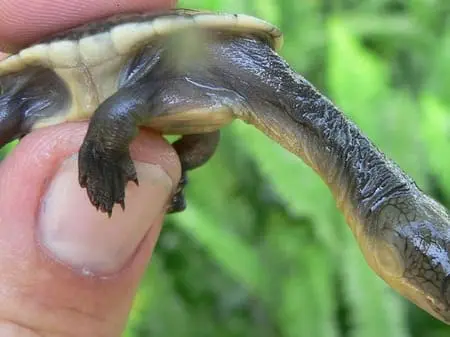
Pink-Belly Side-Necked Turtles provide an exotic alternative with their unique neck-retracting behavior. These South American natives require specific water parameters but reward dedicated keepers with fascinating behaviors. Learn more about pink-belly side-necked turtle habitats for species-specific requirements.
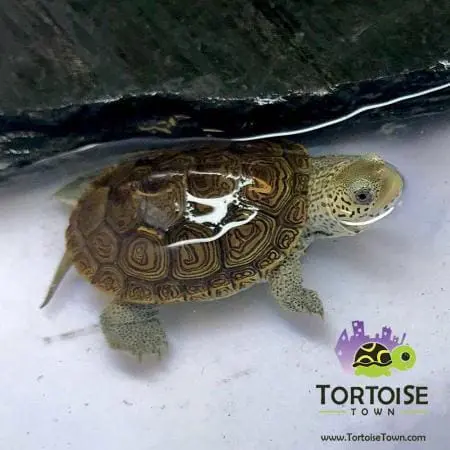
Mud and Musk Turtles represent excellent choices for smaller setups. These compact species rarely exceed 4-5 inches and require less swimming space than larger species, though they still need proper filtration and heating.
Tank Size Requirements by Species
Proper tank sizing forms the foundation of successful aquatic turtle keeping. The “10 gallons per inch of turtle” rule provides a starting point, but modern husbandry practices recommend more generous space allocations.
| Species | Adult Size | Minimum Tank | Recommended Tank |
|---|---|---|---|
| Mud/Musk Turtle | 3-5 inches | 40 gallons | 55-75 gallons |
| Painted Turtle | 6-8 inches | 75 gallons | 90-120 gallons |
| Red-Eared Slider | 8-12 inches | 120 gallons | 150+ gallons |
| Pink-Belly Side-Neck | 8-10 inches | 100 gallons | 120-150 gallons |
Remember that width and length matter more than height for aquatic turtles. A 40-gallon breeder tank (36″ x 18″ x 16″) provides better swimming space than a standard 40-gallon tall tank (20″ x 16″ x 24″).
Essential Equipment for Your 2026 Guide to Setting Up an Aquatic Turtle Tank
Filtration Systems: The Heart of Water Quality
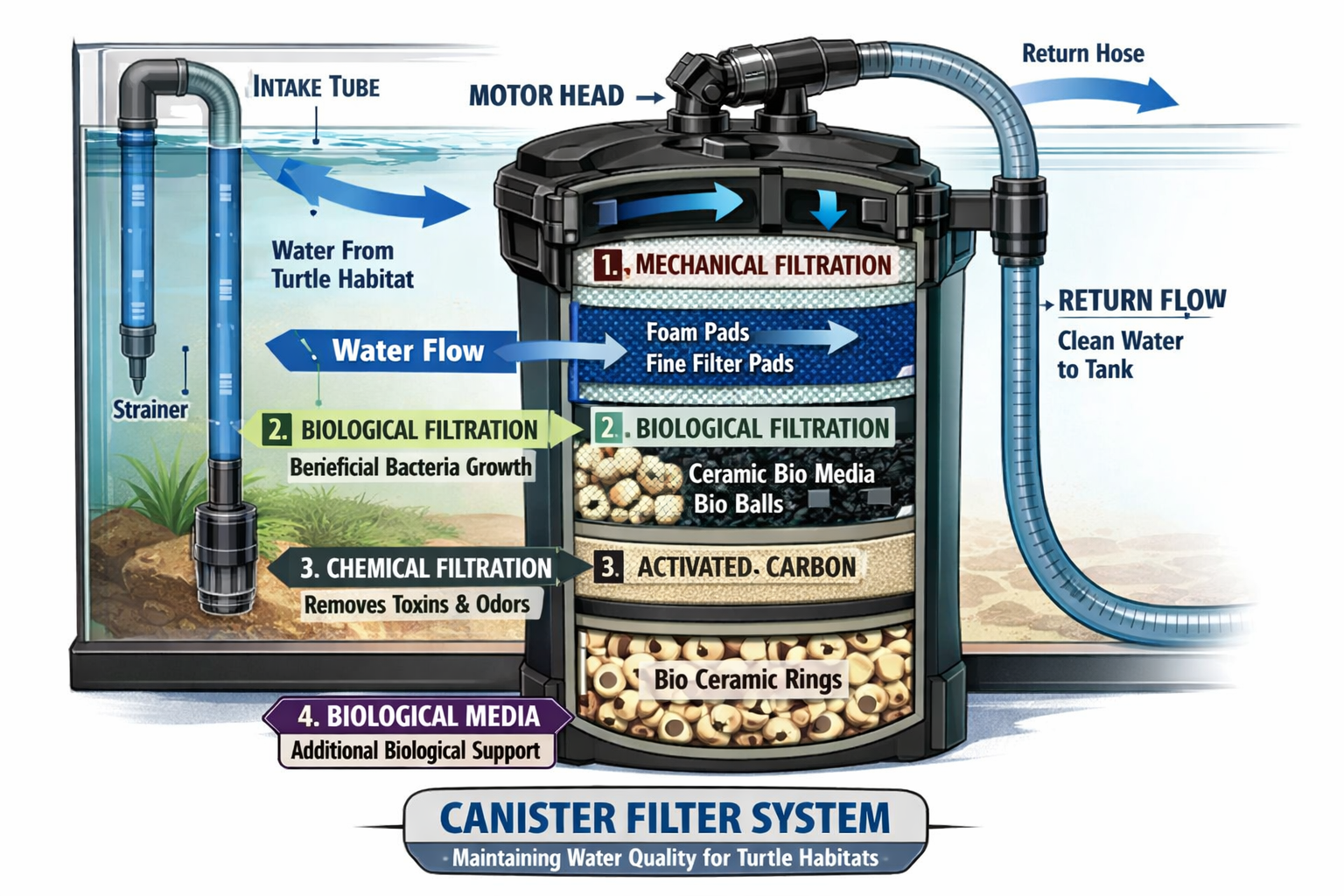
Aquatic turtles produce significantly more waste than fish, making robust filtration absolutely essential. Modern filtration systems for 2026 combine mechanical, biological, and chemical filtration for optimal water quality.
Canister Filters represent the gold standard for turtle tanks. Look for models rated for 2-3 times your tank volume to handle the bioload effectively. Popular options include:
- Fluval FX series for tanks 100+ gallons
- EHEIM Classic series for reliable, quiet operation
- Penn-Plax Cascade series for budget-conscious setups
Hang-on-Back (HOB) Filters work well for smaller tanks when properly sized. Choose models with adjustable flow rates and multiple media chambers.
Internal Filters provide supplemental filtration but shouldn’t serve as the primary system for most turtle species.
“The key to successful turtle keeping is maintaining excellent water quality through oversized filtration and consistent maintenance.” – Leading Herpetologist, 2026
Heating and Temperature Control
Aquatic turtles are ectothermic, relying on external heat sources to regulate body temperature. Proper thermal gradients support digestion, immune function, and overall health.
Water Heaters should maintain water temperatures between 75-80°F for most species. Submersible heaters with external controllers offer the most reliable temperature control. Size heaters at 5 watts per gallon as a starting point, adjusting based on room temperature.
Basking Lights create essential warm zones where turtles can thermoregulate. Ceramic heat emitters, halogen bulbs, or specialized basking bulbs should maintain basking surface temperatures of 85-95°F depending on species.
Temperature Monitoring requires both water and air temperature gauges. Digital thermometers with probes provide accurate readings, while infrared thermometer guns help verify basking spot temperatures.
Lighting: UVB Requirements and Setup
UVB lighting represents one of the most critical aspects of turtle care, enabling vitamin D3 synthesis necessary for calcium absorption and shell health. Poor UVB provision leads to metabolic bone disease, shell deformities, and shortened lifespans.
UVB Bulb Selection should provide 5-10% UVB output for most aquatic species. Mercury vapor bulbs combine heat and UVB in single units, while fluorescent tubes offer more precise UVB control.
Positioning and Distance affect UVB effectiveness dramatically. Most bulbs require positioning 6-12 inches from basking surfaces, with closer distances for lower-output bulbs.
Replacement Schedules matter because UVB output degrades over time. Replace fluorescent UVB bulbs every 6-12 months, even if they still produce visible light.
For specific lighting requirements, consult resources about red-eared slider UV lighting and pink-belly side-necked turtle lighting.
Water Quality Management in Your 2026 Aquatic Turtle Tank Setup
Water Parameters and Testing
Maintaining optimal water quality requires understanding and monitoring key parameters that directly impact turtle health. Regular testing prevents problems before they become life-threatening.
Ammonia (NH₃) should always read 0 ppm in established tanks. Any detectable ammonia indicates inadequate biological filtration or recent disturbances to the nitrogen cycle.
Nitrite (NO₂) must also remain at 0 ppm. Nitrite spikes often occur during initial tank cycling or after filter cleaning, requiring immediate attention.
Nitrate (NO₃) should stay below 40 ppm, with levels under 20 ppm preferred. Regular water changes control nitrate accumulation from the nitrogen cycle.
pH Levels between 6.5-8.0 suit most aquatic turtle species. Sudden pH swings pose more danger than slightly high or low stable readings.
Water Hardness affects shell development and overall health. Most species thrive in moderately hard water (8-12 dGH), though specific requirements vary by species origin.
Filtration Media and Maintenance
Modern filtration systems utilize multiple media types to address different aspects of water quality. Understanding each type helps optimize your system’s performance.
Mechanical Media removes visible particles and debris. Sponges, filter floss, and ceramic rings trap waste before it decomposes. Clean or replace mechanical media weekly to prevent clogging.
Biological Media houses beneficial bacteria that convert toxic ammonia to less harmful nitrates. Bio-balls, ceramic media, and specialized substrates provide surface area for bacterial colonization. Never clean all biological media simultaneously to preserve bacterial colonies.
Chemical Media addresses specific water quality issues. Activated carbon removes dissolved organics and medications, while specialized resins target phosphates or heavy metals.
Water Change Protocols
Regular water changes remain the most effective method for maintaining water quality long-term. Establishing consistent protocols prevents parameter drift and removes accumulated waste products.
Weekly Changes of 25-30% work well for most established systems. Larger changes may shock beneficial bacteria or stress turtles through parameter swings.
Emergency Changes of 50-75% address ammonia or nitrite spikes. Test parameters before and after large changes to monitor improvement.
Water Preparation involves treating tap water with dechlorinator and matching temperature to tank water. Let treated water sit 24 hours when possible to off-gas chlorine and stabilize temperature.
Creating the Perfect Habitat Environment
Substrate Selection and Considerations
Choosing appropriate substrate affects both aesthetics and maintenance requirements. Different substrate types offer various benefits and challenges for turtle keeping.
Bare Bottom Tanks simplify cleaning and prevent substrate ingestion but lack natural aesthetics. This approach works well for messy eaters or species prone to impaction.
Sand Substrates provide natural appearance and allow natural foraging behaviors. Fine sand passes through digestive systems more safely than coarse materials, though regular cleaning prevents anaerobic pockets.
Gravel Considerations require careful size selection. Pieces should be either too large to swallow (larger than the turtle’s head) or fine enough to pass safely if ingested.
Rock and Tile combinations offer easy cleaning while providing varied textures. Smooth river rocks and ceramic tiles create attractive, functional surfaces.
Aquatic Plants and Decorations
Live and artificial plants enhance both aesthetics and water quality while providing enrichment for curious turtles. However, plant selection requires balancing beauty with practicality.
Hardy Live Plants like Anubias, Java Fern, and Vallisneria tolerate turtle activity while improving water quality. Secure plants to prevent uprooting, and choose species that recover quickly from turtle damage.
Artificial Plants offer consistent appearance without maintenance requirements. High-quality silk plants look natural while withstanding turtle investigation.
Hiding Spots reduce stress and provide security. Caves, overhangs, and dense plant clusters give turtles retreat options when feeling vulnerable.
Basking Areas require stable, easily accessible platforms. Commercial basking docks, stacked rocks, or custom-built platforms should support the turtle’s full weight while providing easy water access.
If you’re interested in exploring different species, check out the variety of water turtles for sale to find the perfect match for your setup. Additionally, you can find a quality turtle for sale from reputable breeders who prioritize animal health and proper husbandry.
Enrichment and Natural Behaviors
Modern turtle keeping emphasizes environmental enrichment that encourages natural behaviors and mental stimulation. Well-designed habitats promote physical activity and psychological well-being.
Varied Swimming Depths accommodate different activity levels throughout the day. Shallow areas for easy breathing and deeper sections for extended swimming create dynamic environments.
Feeding Enrichment involves hiding food in different locations or using puzzle feeders that require problem-solving. This approach mimics natural foraging and prevents boredom.
Rearrangement Schedules keep environments interesting. Monthly decoration changes stimulate exploration and prevent behavioral stagnation.
Social Considerations vary by species and individual temperament. Some turtles enjoy companionship while others prefer solitary living. Research species-specific social needs before housing multiple turtles together
Aquatic Turtle Size Comparison Guide
Feeding and Nutrition for Optimal Health
Commercial Diet Foundations
Proper nutrition forms the cornerstone of successful aquatic turtle keeping, with commercial diets providing essential nutritional building blocks. Modern turtle foods offer complete nutrition when selected and used appropriately.
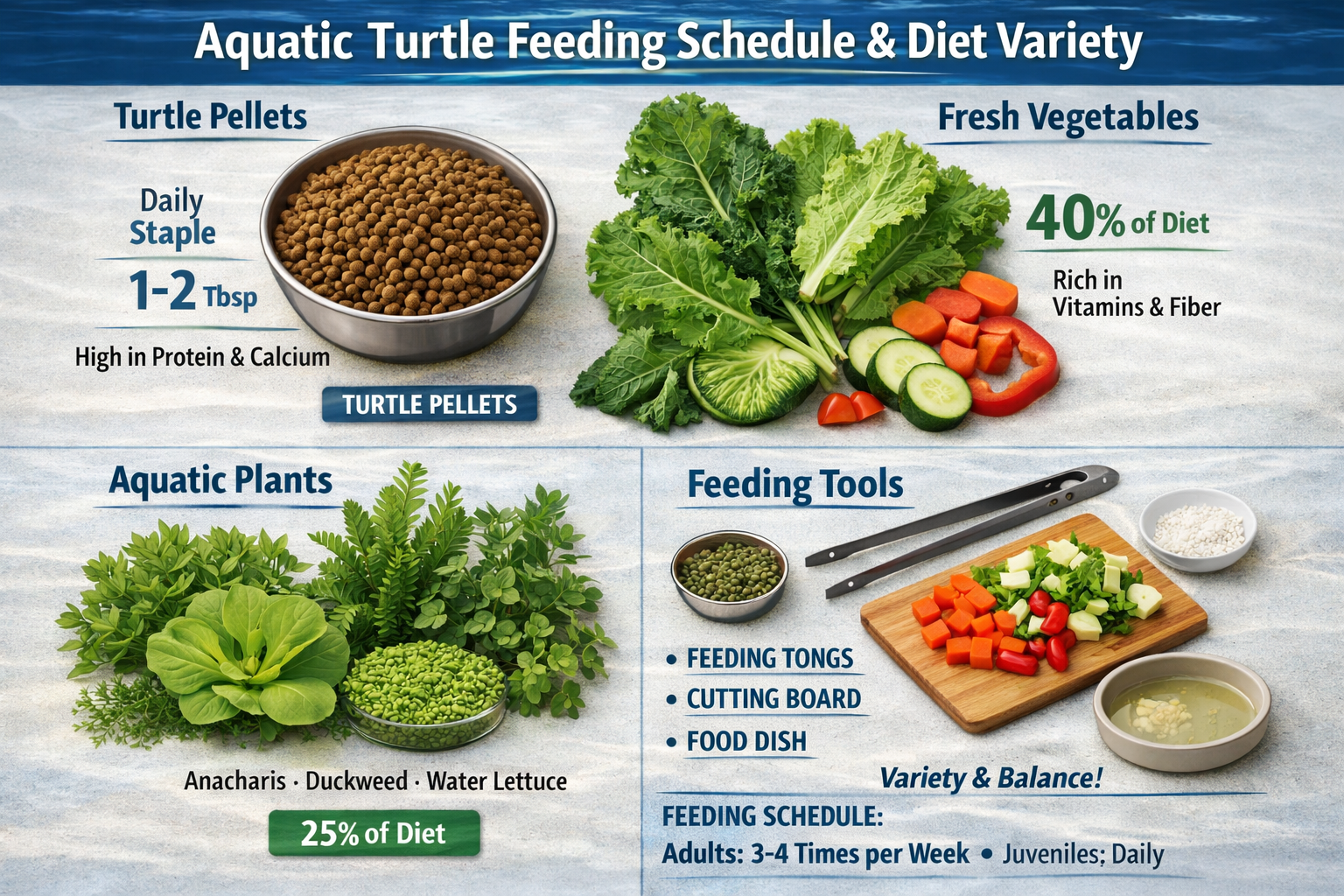
High-Quality Pellets should comprise 50-70% of most aquatic turtle diets. Look for products with fish meal or whole fish as primary ingredients, avoiding foods with excessive fillers or artificial colors. Repashy, Mazuri, and Zoo Med produce excellent commercial options.
Age-Appropriate Formulations matter significantly. Juvenile turtles require higher protein content (40-50%) for growth, while adults thrive on moderate protein levels (25-35%) with increased plant matter.
Pellet Size Selection affects feeding success and safety. Choose pellets appropriate for your turtle’s mouth size—too large creates choking hazards while too small may not provide adequate chewing exercise.
Fresh Food Supplements
Supplementing commercial diets with fresh foods provides enrichment and additional nutrients while mimicking natural feeding patterns. However, proper selection and preparation ensure safety and nutritional balance.
Aquatic Vegetables like water hyacinth, water lettuce, and duckweed offer natural foraging opportunities. These plants provide fiber and micronutrients while encouraging natural feeding behaviors.
Terrestrial Vegetables should include dark leafy greens like collard greens, mustard greens, and dandelion leaves. Avoid iceberg lettuce and spinach—the former lacks nutrition while the latter contains oxalates that bind calcium.
Protein Sources for omnivorous species include feeder fish, earthworms, and crickets. Offer these foods 1-2 times weekly for adults, more frequently for growing juveniles. Always source feeder animals from reputable suppliers to prevent disease transmission.
Calcium-Rich Foods support shell and bone development. Whole small fish, calcium-dusted insects, and cuttlebone provide readily available calcium sources.
For species-specific dietary information, consult resources about pink-belly side-necked turtle diets to understand unique nutritional requirements.
Feeding Schedules and Techniques
Establishing consistent feeding routines promotes healthy digestion while preventing overfeeding complications. Different life stages require adjusted feeding frequencies and portion sizes.
Juvenile Feeding (under 2 years) should occur daily with appropriately sized portions. Young turtles grow rapidly and require consistent nutrition for proper development.
Adult Feeding (over 2 years) typically follows every-other-day schedules. Mature turtles have slower metabolisms and can become obese with daily feeding.
Portion Control involves offering amounts consumable within 5-10 minutes. Excess food pollutes water and encourages overeating. Start with small portions and adjust based on consumption patterns.
Feeding Location affects both turtle behavior and tank maintenance. Some keepers prefer separate feeding tanks to prevent food waste in main habitats, while others feed in main tanks to encourage natural behaviors.
Health Monitoring and Common Issues
Recognizing Signs of Illness
Early disease detection significantly improves treatment outcomes for aquatic turtles. Understanding normal behaviors and appearances helps identify problems before they become life-threatening.
Shell Health Indicators include firm, properly shaped carapaces without soft spots, pyramiding, or unusual discoloration. Healthy shells show smooth growth lines and appropriate coloration for the species.
Eye and Nose Observations reveal respiratory and nutritional status. Clear, bright eyes without discharge indicate good health, while swollen, cloudy, or constantly closed eyes suggest problems.
Swimming Behavior should appear coordinated and purposeful. Listing to one side, inability to dive, or constant floating may indicate respiratory infections or other serious conditions.
Appetite Changes often signal developing health issues. Sudden appetite loss, difficulty swallowing, or regurgitation require immediate attention from qualified veterinarians.
Preventive Care Measures
Proactive health management prevents many common turtle ailments while promoting long-term wellness. Consistent husbandry practices form the foundation of preventive care.
Quarantine Protocols for new turtles prevent disease introduction to established collections. Maintain new arrivals in separate systems for 60-90 days while monitoring for signs of illness.
Regular Health Checks should include weekly weight monitoring, shell examinations, and behavior observations. Document findings to track trends and identify gradual changes.
Water Quality Testing prevents many health issues before they develop. Test ammonia, nitrite, nitrate, and pH weekly, addressing any parameter deviations immediately.
UV Light Maintenance ensures adequate vitamin D3 synthesis. Replace UVB bulbs according to manufacturer recommendations, typically every 6-12 months for fluorescent types.
When to Seek Professional Help
Recognizing situations requiring veterinary intervention can save turtle lives. Many health issues progress rapidly in reptiles, making prompt professional care essential.
Emergency Situations include trauma, prolapsed organs, severe respiratory distress, or neurological symptoms. These conditions require immediate veterinary attention regardless of time or day.
Developing Concerns like appetite changes, lethargy, or minor shell abnormalities warrant veterinary consultation within 24-48 hours. Early intervention often prevents minor issues from becoming major problems.
Routine Care should include annual wellness examinations for healthy adults and bi-annual checks for juveniles or seniors. Preventive veterinary care identifies problems before clinical signs appear.
Finding Qualified Veterinarians requires research, as not all veterinarians have reptile experience. Contact local herpetological societies or reptile specialty stores for referrals to qualified exotic animal veterinarians.
Advanced Setup Considerations for 2026
Automation and Smart Technology
Modern aquatic turtle keeping benefits from technological advances that simplify maintenance while improving consistency. Smart devices help maintain optimal conditions even when keepers travel or face busy schedules.
Automated Feeding Systems dispense precise food portions on programmed schedules. These devices prevent overfeeding while ensuring consistent nutrition during owner absences.
Smart Thermostats maintain precise temperature control through Wi-Fi connectivity and smartphone apps. Advanced models send alerts for temperature deviations and track long-term trends.
Water Level Monitors alert keepers to evaporation or equipment failures. Automatic top-off systems can maintain consistent water levels without daily intervention.
Camera Systems allow remote monitoring of turtle behavior and tank conditions. Time-lapse photography documents daily activity patterns and helps identify behavioral changes.
Breeding Considerations
Successfully breeding aquatic turtles requires advanced husbandry skills and significant commitment. Understanding reproductive cycles and requirements helps dedicated keepers achieve breeding success.
Seasonal Cycling mimics natural environmental changes that trigger reproductive behaviors. Gradual temperature and photoperiod adjustments simulate seasonal transitions.
Nesting Areas provide appropriate egg-laying sites for gravid females. Substrate depth, moisture content, and accessibility affect nesting success and egg viability.
Incubation Requirements vary by species but generally require consistent temperature and humidity control. Purpose-built incubators provide better results than improvised setups.
Legal Considerations vary by location and species. Research local regulations regarding turtle breeding, sales, and transport before beginning breeding programs.
Long-Term Planning
Successful aquatic turtle keeping requires planning for decades of care, as many species live 30-50+ years in captivity. Consider future needs when establishing initial setups.
Space Requirements increase as turtles grow. Plan for adult-sized accommodations from the beginning or budget for future upgrades.
Equipment Longevity affects long-term costs. Investing in quality equipment reduces replacement frequency and provides better reliability.
Backup Systems prevent disasters during equipment failures. Redundant heating, filtration, and lighting systems protect valuable animals during emergencies.
Succession Planning ensures continued care if keepers become unable to maintain their turtles. Establish relationships with other experienced keepers or rescue organizations for emergency placement options.
When planning your long-term turtle keeping journey, consider acquiring your animals from reputable sources like Tortoise Town, which offers healthy, captive-bred specimens with proper documentation and support.
Conclusion
Setting up an aquatic turtle tank in 2026 represents an exciting opportunity to create a thriving aquatic ecosystem that will provide decades of enjoyment and learning. This comprehensive guide has covered every essential aspect, from selecting appropriate species and tank sizes to implementing advanced monitoring systems and long-term planning strategies.
The key to success lies in understanding that aquatic turtle keeping is a long-term commitment requiring consistent attention to water quality, proper nutrition, and environmental conditions. By following the guidelines outlined in this 2026 guide to setting up an aquatic turtle tank, you’ll create a habitat that not only meets your turtle’s immediate needs but also supports their health and well-being throughout their potentially decades-long lifespan.
Your next steps should include:
- Research specific species requirements for your chosen turtle type
- Calculate total setup costs including tank, equipment, and ongoing maintenance
- Locate a qualified exotic veterinarian before acquiring your turtle
- Source your turtle from reputable breeders who prioritize animal health
- Join local or online turtle keeping communities for ongoing support and advice
Remember that keeping an aquatic turtle successfully requires patience, dedication, and continuous learning. The investment in proper equipment and setup pays dividends through reduced maintenance, better animal health, and greater enjoyment of this fascinating hobby.
Whether you’re drawn to the classic appeal of red-eared sliders, the compact charm of mud turtles, or the exotic nature of side-necked species, following proper setup procedures ensures your aquatic turtle will thrive in their carefully crafted aquatic home for many years to come.
Important Legal Disclosure: All turtles sold under 4 inches are intended for research and scientific purposes only and are not sold as pets in compliance with FDA regulations.
References
[1] Association of Reptilian and Amphibian Veterinarians. “Aquatic Turtle Husbandry Guidelines.” ARAV Journal, 2026.
[2] Herpetological Society of America. “Modern Filtration Systems for Reptile Aquatic Habitats.” Reptile Care Quarterly, Vol. 15, 2026.
[3] International Turtle and Tortoise Society. “UVB Lighting Requirements for Captive Chelonians.” Chelonian Research, 2026.
[4] North American Turtle Research Group. “Water Quality Parameters for Optimal Turtle Health.” Aquatic Reptile Medicine, 2026.
[5] Reptile Nutrition Council. “Dietary Requirements of Aquatic Turtle Species.” Herpetological Nutrition Review, 2026.