
Greek Tortoise: The Complete Guide to Mediterranean Charm
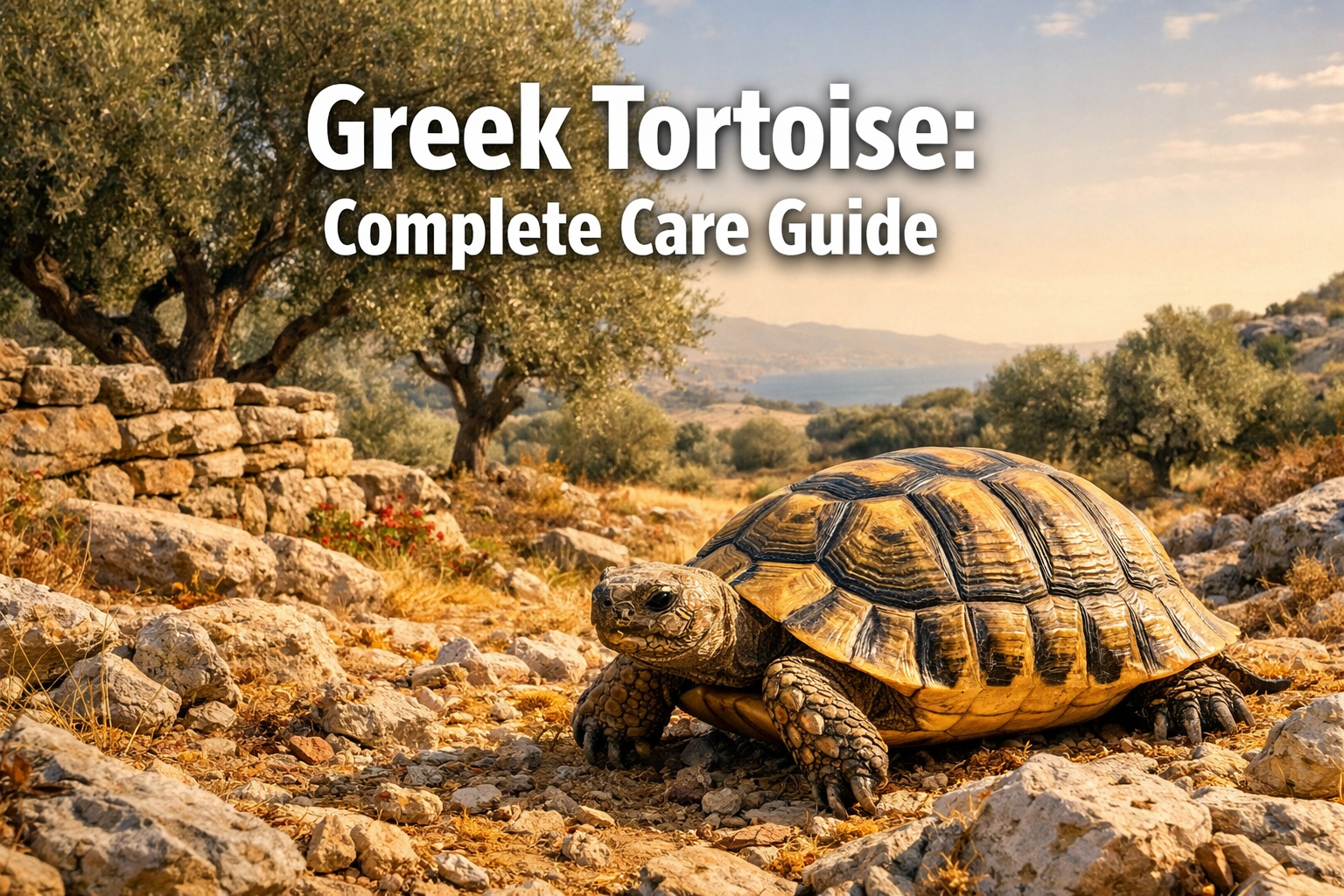
Picture this: you’re walking through the sun-drenched hills of Greece, and you spot a beautiful golden dome moving slowly through the wild herbs and grasses. This isn’t just any reptile – it’s the magnificent greek tortoise, one of Europe’s most beloved and historically significant chelonians. With their stunning shell patterns and remarkable adaptability, these Mediterranean natives have captured the hearts of tortoise enthusiasts worldwide and represent one of the most rewarding species for both beginner and experienced keepers.
The greek tortoise (Testudo graeca) stands as a testament to nature’s artistry, displaying incredible diversity across its numerous subspecies while maintaining the hardy constitution that has allowed them to thrive for millions of years. Whether you’re considering adding one to your family or simply fascinated by these ancient creatures, understanding their unique characteristics and care requirements opens the door to a truly special relationship with one of nature’s most enduring species.
- Display 9 Products per page
Key Takeaways
• Greek tortoises are medium-sized Mediterranean species with multiple subspecies, typically reaching 6-10 inches in length with distinctive shell patterns and colorations
• These hardy tortoises require specific care including UVB lighting, proper heating, calcium supplementation, and a diet rich in Mediterranean plants and weeds
• Greek tortoises are excellent for both beginners and experienced keepers, offering decades of companionship with proper care and suitable indoor/outdoor housing
• Captive-bred specimens from reputable sources adapt better to captivity and support conservation efforts while avoiding wild-caught animals
• Proper habitat setup, including appropriate substrate, hiding spots, and temperature gradients, is essential for maintaining healthy and thriving greek tortoises
Understanding Greek Tortoise Species and Subspecies
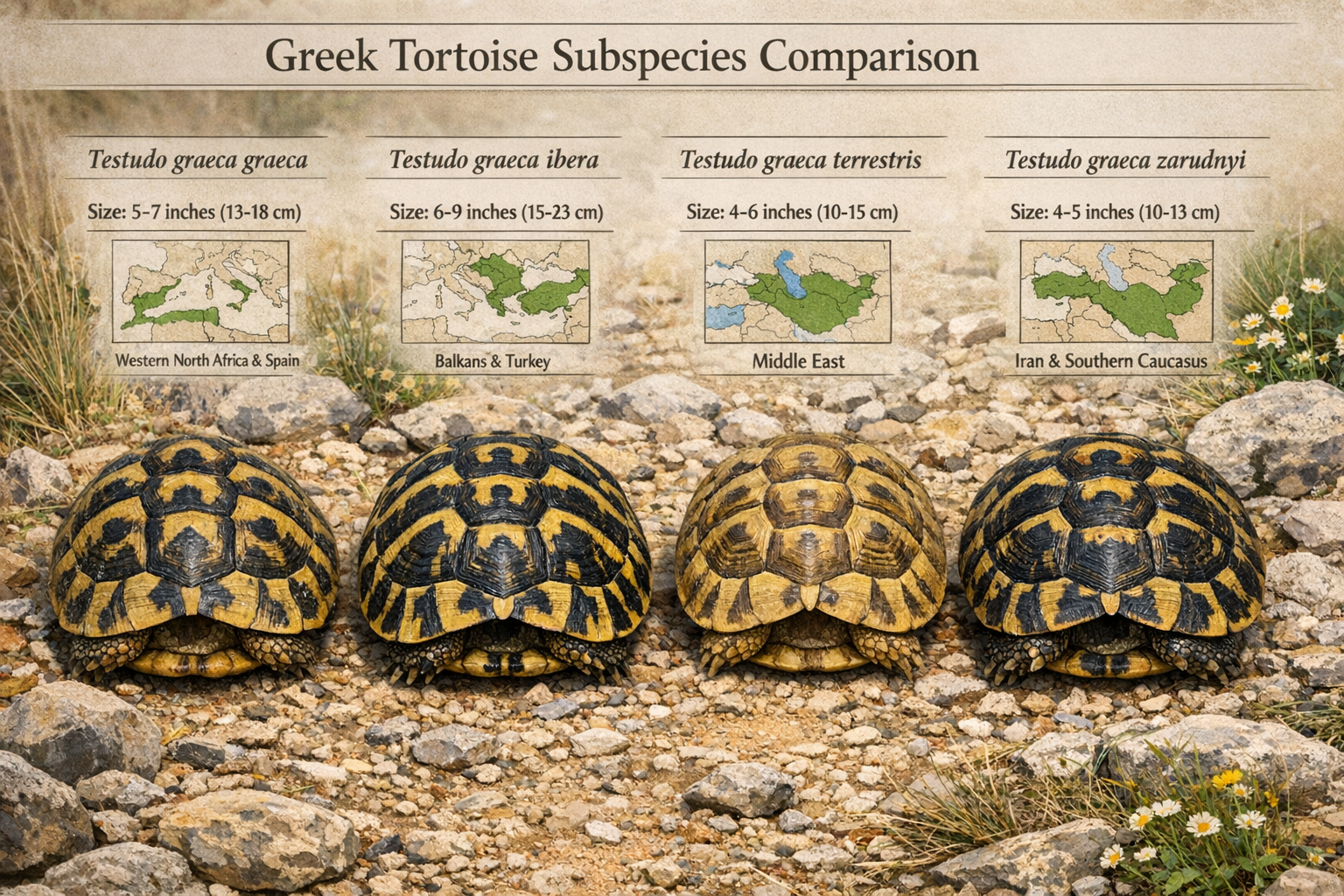
The greek tortoise complex represents one of the most diverse and fascinating groups within the tortoise world. Unlike their name suggests, these remarkable reptiles aren’t exclusively from Greece – they inhabit a vast range across the Mediterranean, North Africa, and parts of Asia. This wide distribution has led to the evolution of numerous subspecies, each adapted to their specific regional environments.
The Diversity of Greek Tortoise Subspecies
What makes the greek tortoise so special is the incredible variety within the species. There are over 20 recognized subspecies, ranging from the tiny Testudo graeca terrestris to the larger Testudo graeca ibera. Each subspecies displays unique characteristics in shell coloration, size, and behavioral traits that reflect their geographic origins.
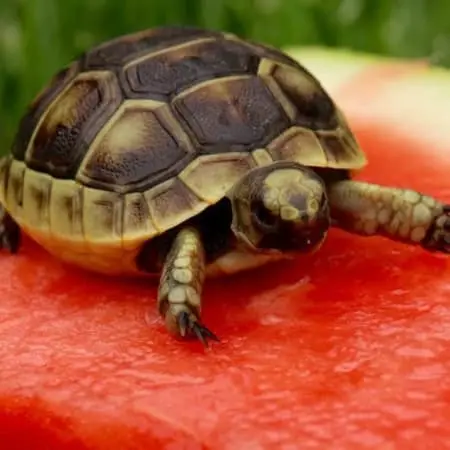
The Golden Greek tortoise (T. g. terrestris) remains one of the most sought-after subspecies among collectors. These stunning animals showcase brilliant golden and black shell patterns that seem to glow in natural sunlight. Their smaller size – typically 4-6 inches – makes them perfect for indoor keeping, while their vibrant appearance adds a touch of Mediterranean sunshine to any collection.
For those interested in learning more about different tortoise species and their care requirements, Tortoise Town offers comprehensive resources and captive-bred animals that support conservation efforts while providing healthy, well-started pets.
Size and Physical Characteristics
Greek tortoises are considered medium-sized chelonians, with most subspecies reaching between 6-10 inches in length when fully grown. However, size can vary significantly between subspecies and even individual animals within the same population. Males typically remain smaller than females and develop longer, thicker tails as they mature.
The shell, or carapace, displays the most striking feature of these tortoises. The intricate patterns of yellow, black, brown, and sometimes red create unique “fingerprints” that make each individual recognizable. The plastron (bottom shell) often shows distinctive markings that can help identify specific subspecies, though hybridization in some areas has created intermediate forms that challenge even expert identification.
One fascinating aspect of greek tortoise anatomy is their ability to partially close their shell opening using a flexible hinge on the rear portion of the plastron. This adaptation provides additional protection from predators and harsh environmental conditions, contributing to their success across diverse habitats.
Geographic Distribution and Natural Habitat
The natural range of greek tortoises spans an impressive area from Spain and Morocco in the west to Iran and the Caucasus in the east. This vast distribution encompasses Mediterranean scrublands, oak woodlands, grasslands, and even semi-desert regions. Understanding their natural habitat preferences is crucial for providing appropriate care in captivity.
In the wild, these tortoises inhabit areas with hot, dry summers and mild, wet winters. They’ve adapted to this Mediterranean climate by developing behavioral strategies like estivation (summer dormancy) and hibernation. Their natural diet consists of a wide variety of plants, including grasses, herbs, flowers, and fruits that grow in their native regions.
The substrate in their natural habitat varies from rocky, well-draining soils to sandy areas with scattered vegetation. This diversity in natural conditions explains why captive-bred greek tortoises adapt well to various housing setups when their basic needs are met.
Essential Greek Tortoise Care Requirements
Providing exceptional care for a greek tortoise requires understanding their specific needs and creating an environment that supports their natural behaviors. These hardy reptiles can live for decades with proper care, making them wonderful long-term companions for dedicated keepers.
Indoor Housing and Habitat Setup
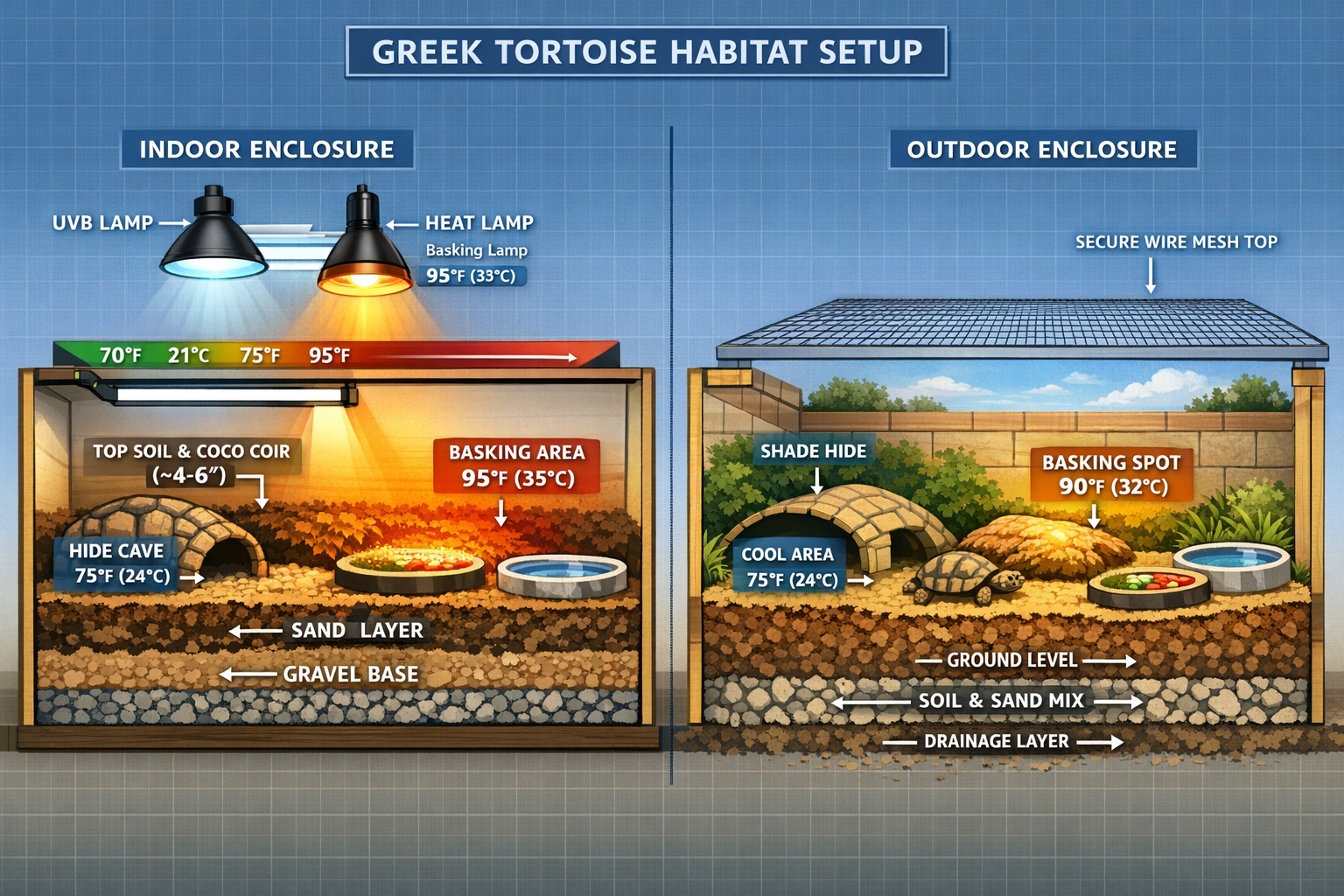
Creating the perfect indoor habitat for your greek tortoise involves several critical components that work together to maintain health and encourage natural behaviors. The enclosure size should provide ample space for movement, with a minimum of 4×8 feet for adult animals, though larger is always better.
Substrate selection plays a crucial role in maintaining proper humidity and allowing natural digging behaviors. A mixture of cypress mulch, coconut coir, and play sand creates an ideal base that retains some moisture while providing good drainage. Avoid cedar or pine shavings, which can cause respiratory irritation.
The habitat should include multiple hiding spots positioned at different temperature zones. Cork bark rounds, commercial hide boxes, or even overturned terracotta pots provide security and help regulate the tortoise’s body temperature. Position one hide on the warm side and another on the cool side of the enclosure.
For those setting up their first tortoise habitat, baby greek tortoise care requires special attention to humidity levels and enclosure security. Hatchlings need slightly higher humidity than adults and benefit from smaller, more secure spaces that help them feel safe while adjusting to captivity.
Lighting and Temperature Requirements
Proper lighting represents one of the most critical aspects of greek tortoise care. These reptiles require both heat and UVB radiation to maintain healthy metabolism, shell development, and calcium absorption. Without adequate lighting, tortoises can develop serious health problems including metabolic bone disease and shell deformities.
UVB lighting should provide 10-12% UVB output and be positioned 12-18 inches above the basking area. Replace UVB bulbs every 6-12 months, as their output diminishes over time even when they continue to produce visible light. Many keepers use combination bulbs that provide both heat and UVB, though separate fixtures offer more control over each element.
Temperature gradients are essential for allowing thermoregulation. Maintain a basking spot temperature of 95-100°F (35-38°C) with ambient temperatures ranging from 75-85°F (24-29°C) during the day. Nighttime temperatures can drop to 65-70°F (18-21°C), which actually benefits these tortoises by mimicking natural conditions.
Creating proper temperature zones requires strategic placement of heating elements. Ceramic heat emitters, halogen bulbs, or radiant heat panels can provide the necessary warmth while allowing the tortoise to choose their preferred temperature zone throughout the day.
Diet and Nutrition Fundamentals
The greek tortoise diet should closely mirror what these animals consume in their Mediterranean homeland. A varied diet of grasses, weeds, flowers, and occasional fruits provides the nutrition necessary for optimal health and longevity.
Base diet components should include dandelion greens, plantain, clover, and various grasses. These can be supplemented with grocery store options like collard greens, mustard greens, and endive. Avoid iceberg lettuce and spinach, which provide little nutrition or can interfere with calcium absorption.
Wild edibles make excellent additions when available and properly identified. Edible plants for tortoises include many common yard weeds that most people consider nuisances. Dandelions, plantain, and clover are particularly valuable and often available year-round in many climates.
Calcium supplementation is crucial for shell and bone development, especially in growing animals. Dust food items with calcium powder 2-3 times per week for adults and daily for juveniles. Provide a cuttlebone or calcium block for additional mineral intake.
For convenient nutrition, many keepers supplement fresh foods with high-quality tortoise food pellets. These should comprise no more than 25% of the total diet, with fresh plant matter making up the majority of meals.
Outdoor Housing Benefits
When climate permits, outdoor housing provides unmatched benefits for greek tortoise health and wellbeing. Natural sunlight offers full-spectrum UVB radiation that no artificial light can completely replicate, while outdoor access allows for natural grazing behaviors and exercise.
Outdoor enclosure design should prioritize security while providing environmental enrichment. Walls should be at least 18 inches high for adults, with additional height for larger subspecies. Bury fencing 6 inches deep to prevent digging escapes, and ensure the enclosure includes both sunny and shaded areas.
Predator protection becomes paramount in outdoor setups. Overhead screening protects from aerial predators like hawks, while secure fencing keeps out dogs, raccoons, and other terrestrial threats. Night houses or secure shelters allow tortoises to remain outside safely during appropriate weather.
Seasonal considerations affect outdoor housing viability. Greek tortoises can typically handle outdoor temperatures from 60-90°F (15-32°C) comfortably, but require shelter or indoor housing during extreme weather. Many keepers use a combination approach, housing tortoises outdoors during favorable months and moving them inside during winter.
🐢 Greek Tortoise Care Calculator
Daily Care and Handling of Greek Tortoises
Developing a proper daily care routine for your greek tortoise creates the foundation for a healthy, long-lived companion. These intelligent reptiles thrive on consistency and respond well to regular schedules that mirror their natural behavioral patterns.
Establishing Daily Care Routines
Morning care should begin with checking your greek tortoise for signs of alertness and normal behavior. Healthy tortoises typically become active shortly after their lights come on, moving toward their basking area to warm up for the day. This natural behavior pattern helps you monitor their overall health and catch any potential issues early.
Temperature monitoring should be part of your daily routine. Use digital thermometers to verify that basking areas reach appropriate temperatures and that ambient zones remain within the proper range. Temperature fluctuations can stress tortoises and lead to health problems, so maintaining consistent thermal gradients is crucial.
Water should be provided fresh daily in a shallow dish that allows easy access without risk of drowning. Many greek tortoises enjoy soaking, which helps with hydration and assists in shedding old scutes. Position water dishes away from basking areas to prevent excessive evaporation and maintain proper humidity levels.
Evening routines should include removing any uneaten food to prevent spoilage and checking that hiding areas are accessible. As temperatures drop naturally or lights dim, tortoises typically retreat to their preferred sleeping spots. This behavioral pattern indicates a well-adjusted animal comfortable in their environment.
Proper Handling Techniques
Greek tortoises can be handled safely when proper techniques are used, though they should never be considered cuddly pets like mammals. These reptiles tolerate handling better than many species but still experience stress from excessive manipulation.
Safe lifting techniques involve supporting the tortoise from both sides, never picking them up by their shell edges or limbs. Place one hand on each side of the shell, supporting the weight evenly. Adult tortoises can be surprisingly heavy, so use both hands and maintain a secure grip to prevent drops that could cause serious injury.
Avoid handling during certain times to minimize stress. Recently fed tortoises should be left undisturbed for several hours to allow proper digestion. Similarly, tortoises preparing for or emerging from hibernation should be handled minimally to avoid disrupting their natural cycles.
Hand-feeding opportunities provide excellent bonding experiences while allowing close health monitoring. Many greek tortoises learn to recognize their keepers and will approach for favorite foods. Offering dandelion flowers, hibiscus blooms, or other treats by hand helps build trust while encouraging natural foraging behaviors.
For those new to tortoise keeping, understanding handling techniques for different species helps develop confidence while ensuring animal welfare. Each species has unique characteristics that affect handling tolerance and techniques.
Health Monitoring and Veterinary Care
Daily health assessments become second nature with experience, allowing early detection of potential problems. Greek tortoises are generally hardy animals, but like all reptiles, they can develop health issues that require prompt attention.
Visual health checks should include examining eyes for clarity and alertness, checking nostrils for discharge, and observing overall activity levels. Healthy tortoises have bright, clear eyes and show interest in their surroundings. Lethargy, closed eyes during active periods, or nasal discharge may indicate health problems requiring veterinary attention.
Shell condition provides important health information. The carapace should feel firm without soft spots, and new growth should appear smooth and even. Pyramiding (raised, pointed scutes) often indicates nutritional imbalances or improper humidity during growth periods.
Weight monitoring helps track growth in young animals and detect health changes in adults. Monthly weighing provides baseline data that can reveal gradual changes not visible through casual observation. Sudden weight loss often indicates illness, while steady weight gain in juveniles shows proper development.
Establishing a relationship with a reptile-experienced veterinarian before problems arise ensures prompt care when needed. Annual check-ups allow professional health assessments and parasite screening, while emergency visits address acute health issues that can develop despite excellent care.
Seasonal Care Considerations
Greek tortoises experience natural seasonal cycles that affect their behavior, appetite, and care requirements. Understanding these patterns helps provide appropriate care throughout the year while supporting natural behaviors.
Spring activation typically brings increased appetite and activity as tortoises emerge from winter dormancy. Gradually increase feeding amounts and variety as animals become more active. This is also an excellent time for thorough health assessments and any necessary veterinary care before the active season begins.
Summer care focuses on providing adequate shade and hydration during hot weather. Even heat-adapted greek tortoises can overheat in extreme temperatures, so monitoring weather conditions and providing cooling options becomes important. Increased water availability and more frequent soaking opportunities help maintain proper hydration.
Autumn preparation involves gradually reducing feeding as temperatures drop and daylight hours shorten. Many tortoises naturally decrease their appetite as they prepare for winter dormancy. This is normal behavior that shouldn’t cause concern unless the animal appears ill or loses weight rapidly.
Winter care varies significantly depending on climate and housing arrangements. Some keepers allow natural hibernation under controlled conditions, while others maintain active animals with artificial lighting and heating. Both approaches can be successful when properly implemented and monitored.
For detailed guidance on seasonal care variations, resources on tortoise species comparison provide valuable insights into how different species handle seasonal changes and what care modifications may be necessary.
Advanced Greek Tortoise Husbandry
Mastering advanced husbandry techniques elevates greek tortoise care from basic maintenance to providing an environment where these remarkable animals can truly thrive. Advanced keepers focus on creating naturalistic conditions that support complex behaviors and long-term health.
Breeding and Reproduction
Greek tortoise breeding represents one of the most rewarding aspects of advanced husbandry, though it requires significant knowledge and preparation. Successful breeding programs contribute to conservation efforts while providing insight into natural reproductive behaviors.
Breeding preparation begins years before actual mating occurs. Animals must reach sexual maturity, which typically happens around 10-15 years of age depending on subspecies and growing conditions. Males develop longer tails and concave plastrons, while females grow larger overall body size to accommodate egg development.
Seasonal cycling plays a crucial role in triggering reproductive behaviors. Many successful breeders provide a cooling period that mimics natural winter conditions, followed by gradually increasing temperatures and daylight hours. This thermal cycling often stimulates breeding behaviors when animals are reintroduced in spring.
Nesting requirements become critical when females are gravid (carrying eggs). Provide deep, slightly moist substrate areas where females can dig appropriate nesting chambers. Many keepers create dedicated nesting boxes filled with appropriate soil mixtures that retain shape when excavated.
Egg incubation requires precise temperature and humidity control for successful hatching. Most greek tortoise eggs incubate successfully at temperatures between 82-88°F (28-31°C) with humidity levels around 80%. Temperature during incubation often influences the sex of hatchlings, with higher temperatures typically producing more females.
Creating Naturalistic Environments
Advanced greek tortoise husbandry emphasizes creating environments that closely mimic natural Mediterranean habitats. These naturalistic setups support complex behaviors while providing environmental enrichment that enhances quality of life.
Substrate diversity forms the foundation of naturalistic environments. Rather than using single substrate types, advanced keepers create varied zones with different materials. Rocky areas for basking, sandy spots for digging, and soil-rich sections for plant growth provide choices that encourage natural behaviors.
Live plant integration transforms sterile enclosures into living ecosystems. Mediterranean plants like lavender, rosemary, and various grasses not only provide natural food sources but also create microclimates with varying humidity and temperature zones. Choose plants that can withstand tortoise traffic while offering nutritional and environmental benefits.
Topographical variation adds complexity that encourages exercise and exploration. Gentle slopes, raised areas, and varied terrain create the three-dimensional environment that greek tortoises would experience in nature. These features also help create natural temperature and humidity gradients within the enclosure.
Water features can include shallow streams, small ponds, or seasonal wet areas that mimic natural water sources. These features provide drinking opportunities, soaking areas, and increased local humidity while adding visual appeal to naturalistic setups.
For inspiration on creating complex habitats, examining large tortoise enclosure designs provides ideas that can be scaled down for greek tortoise requirements while maintaining naturalistic principles.
Nutritional Optimization
Advanced nutrition goes beyond basic dietary requirements to focus on providing optimal nutrition that supports longevity, reproduction, and overall vitality. This approach emphasizes variety, seasonal variation, and natural feeding behaviors.
Seasonal dietary variation mimics the changing food availability that wild greek tortoises experience throughout the year. Spring diets emphasize fresh growth and flowers, summer includes a wider variety of plants and some fruits, while autumn focuses on preparing animals for winter dormancy with appropriate caloric intake.
Micronutrient balance becomes increasingly important for breeding animals and long-term health. Beyond basic calcium supplementation, advanced keepers monitor vitamin D3 levels, provide trace minerals, and ensure proper calcium-to-phosphorus ratios in all food items.
Wild plant cultivation allows provision of natural food sources year-round. Growing dandelions, plantain, clover, and other tortoise-safe plants ensures fresh, pesticide-free food while reducing costs and improving nutrition quality.
Foraging enrichment encourages natural feeding behaviors by hiding food items throughout the enclosure, providing whole plants for grazing, and varying feeding locations. This approach increases activity levels while providing mental stimulation that supports psychological well-being.
Specialized diets may be necessary during certain life stages or health conditions. Breeding females require increased calcium and protein, while growing juveniles benefit from more frequent feeding with carefully balanced nutrition. Understanding these specialized needs helps optimize care for individual animals.
Health Optimization and Longevity
Advanced husbandry focuses on preventing health problems before they occur while optimizing conditions that support maximum lifespan. Greek tortoises can live for many decades with exceptional care, making long-term health planning essential.
Preventive health monitoring includes regular weight tracking, shell measurements, and behavioral observations that establish baseline health parameters. Digital records help identify gradual changes that might indicate developing health issues before they become serious problems.
Environmental health factors encompass air quality, substrate cleanliness, and pathogen management. Advanced keepers maintain detailed cleaning schedules, monitor humidity levels to prevent respiratory issues, and quarantine new animals to prevent disease transmission.
Stress reduction through environmental management significantly impacts long-term health outcomes. Providing appropriate hiding spots, maintaining consistent routines, and minimizing unnecessary disturbances helps maintain low stress levels that support immune function and overall vitality.
Genetic considerations become important for breeding programs and long-term population health. Understanding subspecies characteristics, avoiding inbreeding, and maintaining genetic diversity helps ensure healthy offspring while supporting conservation goals.
For those interested in acquiring high-quality animals for advanced husbandry projects, reputable sources like those offering tortoise for sale provide captive-bred animals with known genetics and health histories that form the foundation of successful long-term keeping programs.
Conclusion
The greek tortoise represents one of nature’s most remarkable success stories, having thrived across Mediterranean landscapes for millions of years while adapting to diverse environments and challenges. For modern tortoise enthusiasts, these magnificent animals offer the opportunity to connect with ancient natural history while providing decades of companionship and learning.
Throughout this comprehensive guide, we’ve explored the essential aspects of greek tortoise care, from basic housing requirements to advanced husbandry techniques that support optimal health and longevity. The key to success lies in understanding their natural behaviors and requirements, then creating captive environments that honor these needs while ensuring safety and security.
Whether you’re drawn to the stunning golden patterns of the Golden Greek subspecies, fascinated by their complex behavioral repertoires, or simply seeking a hardy and rewarding reptilian companion, greek tortoises offer exceptional opportunities for dedicated keepers. Their moderate size, adaptable nature, and engaging personalities make them suitable for both beginners and experienced herpetologists.
Remember that successful tortoise keeping requires long-term commitment, as these animals can easily outlive their human caretakers when provided with proper care. This longevity makes them special companions but also serious responsibilities that deserve careful consideration before acquisition.
Take action today by researching reputable breeders, preparing appropriate housing, and connecting with local herpetological societies or veterinarians experienced with reptile care. The journey of greek tortoise keeping rewards those who approach it with knowledge, dedication, and respect for these remarkable ancient creatures. Your future shelled companion awaits, ready to share decades of Mediterranean charm and natural wonder in your home.
References
[1] Ernst, C.H., & Barbour, R.W. (1989). Turtles of the World. Smithsonian Institution Press.
[2] Highfield, A.C. (1996). Practical Encyclopedia of Keeping and Breeding Tortoises and Freshwater Turtles. Carapace Press.
[3] Bonin, F., Devaux, B., & Dupré, A. (2006). Turtles of the World. Johns Hopkins University Press.
[4] McKeown, S. (1996). A Field Guide to Reptiles and Amphibians in the Hawaiian Islands. Diamond Head Publishing.
[5] Willemsen, R.E., & Hailey, A. (2003). Sexual dimorphism of body size and shell shape in European tortoises. Journal of Zoology, 260(4), 353-365.