
The Ultimate Guide to Baby Water Turtles: Everything You Need to Know in 2026
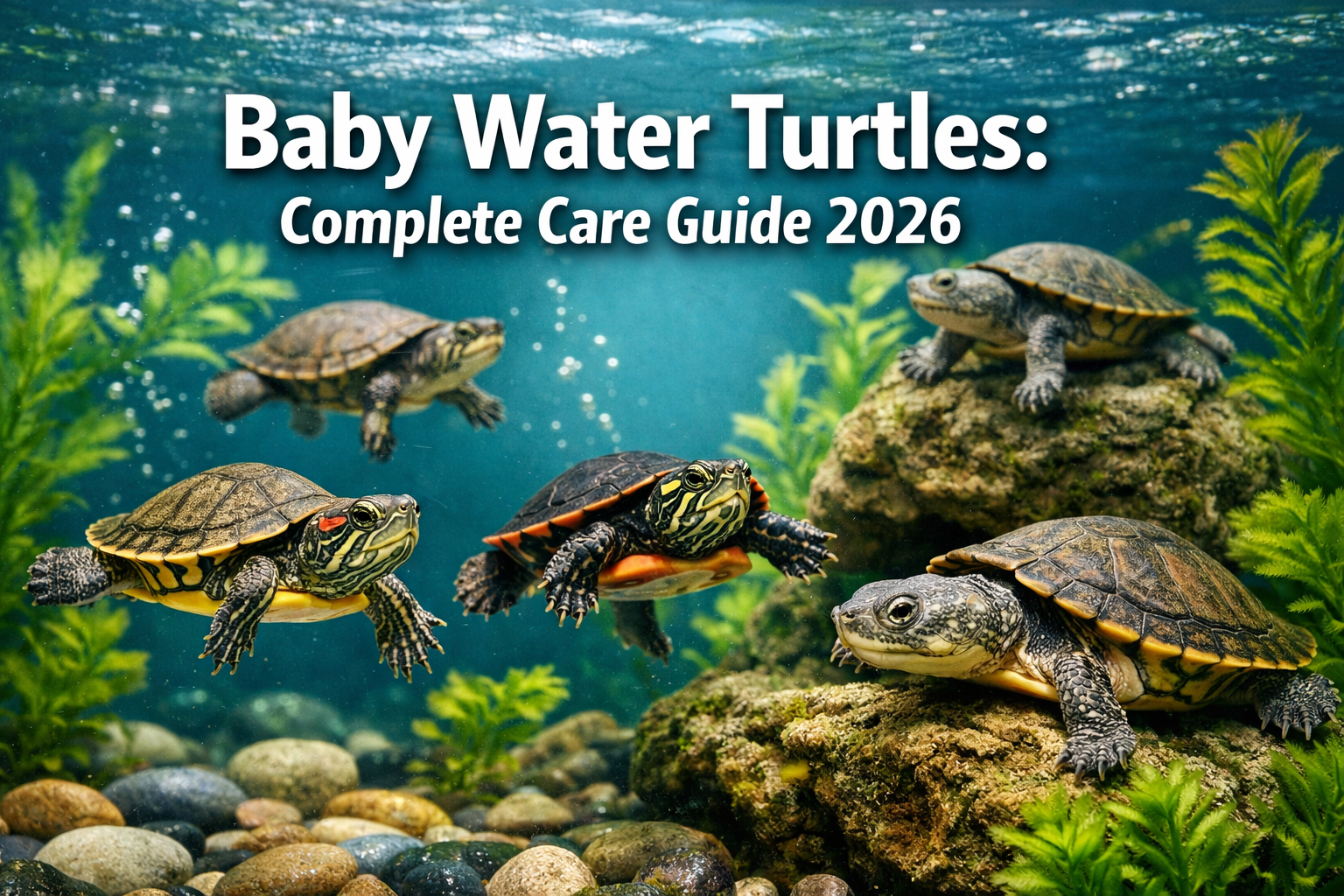
Picture this: you’re standing in front of a pristine aquarium, watching tiny, perfectly formed baby water turtles paddle gracefully through crystal-clear water, their miniature shells glistening under specialized lighting. These remarkable creatures represent millions of years of evolution packed into shells barely larger than a quarter. Whether you’re a researcher, educator, or reptile enthusiast, understanding baby water turtles opens a window into one of nature’s most fascinating aquatic ecosystems.
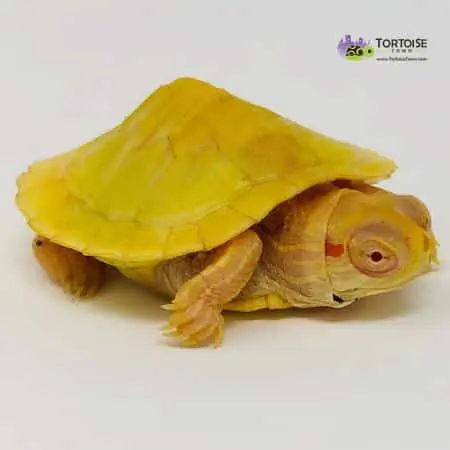
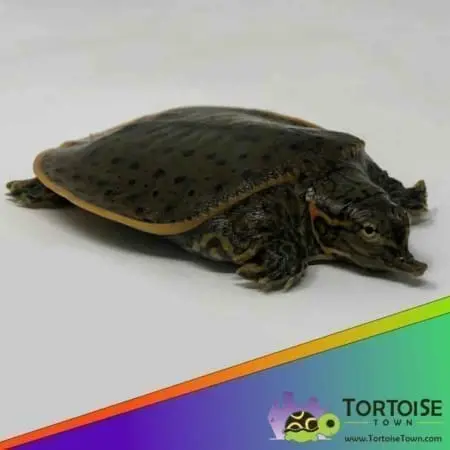
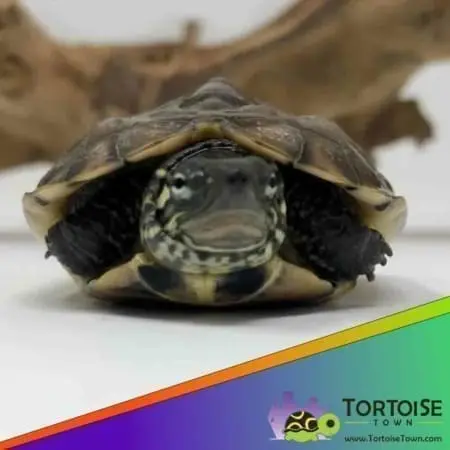
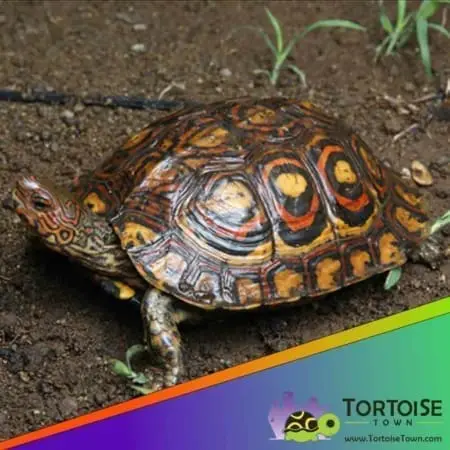
Baby water turtles captivate us with their incredible diversity, from the vibrant patterns of painted turtle hatchlings to the distinctive markings of red-eared slider juveniles. In 2026, captive breeding programs have reached new heights of success, making these remarkable creatures more accessible than ever for legitimate research and educational purposes.
- Display 33 Products per page


Key Takeaways
• Baby water turtles require species-specific care with precise water temperature, quality, and habitat requirements
• Proper nutrition during the juvenile stage is critical for healthy shell development and long-term wellbeing
• Captive-bred specimens from reputable sources offer better health outcomes and genetic diversity than wild-caught alternatives
• Different aquatic turtle species have varying space, lighting, and environmental needs that must be met for successful keeping
• All turtles under 4 inches are sold exclusively for research and scientific purposes, not as pets
Understanding Baby Water Turtles: Species and Characteristics
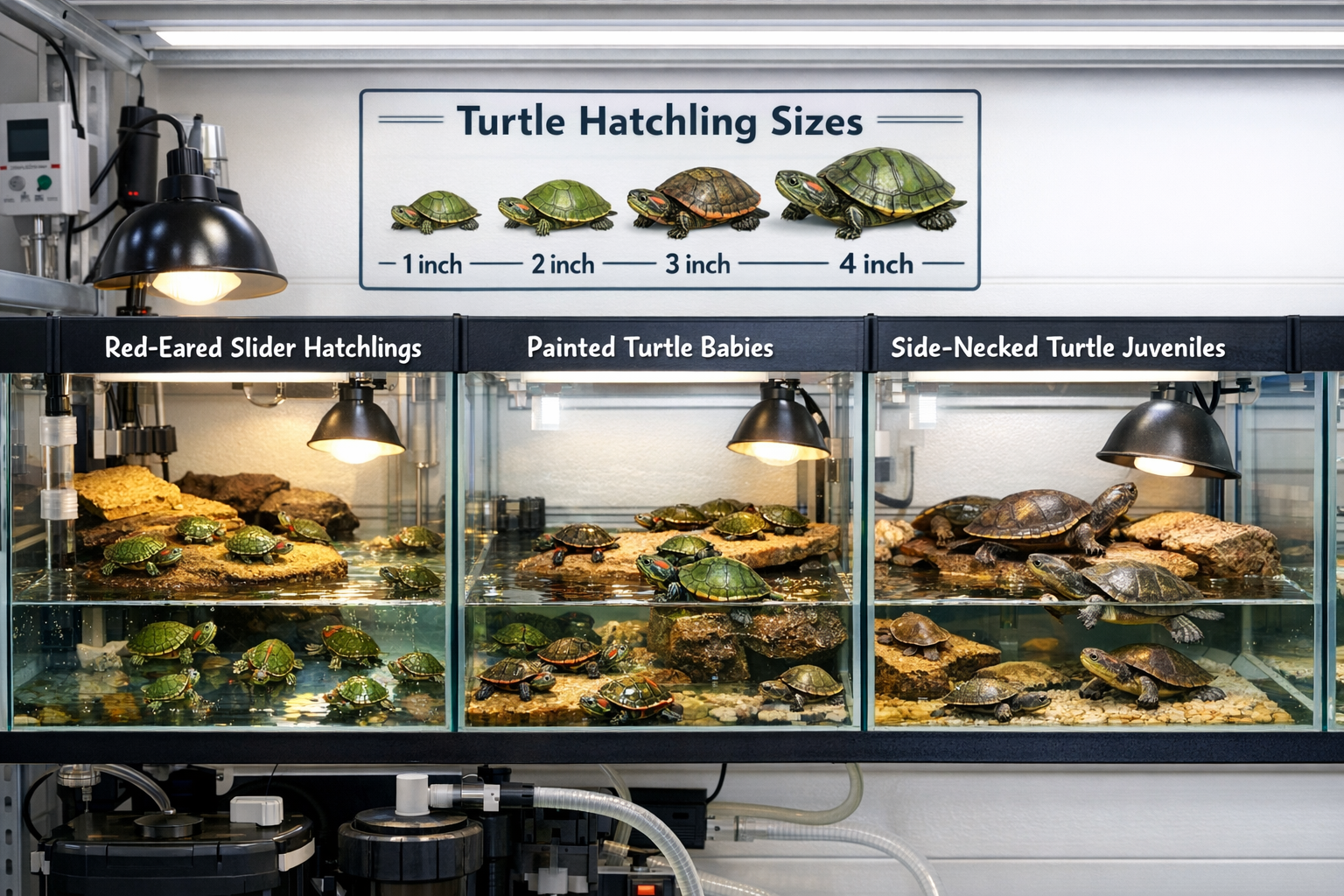
Popular Aquatic Turtle Species
The world of baby water turtles encompasses dozens of fascinating species, each with unique characteristics and care requirements. At Tortoise Town, the nation’s premier aquatic turtle breeding facility, we’ve successfully bred and raised multiple generations of these remarkable creatures.
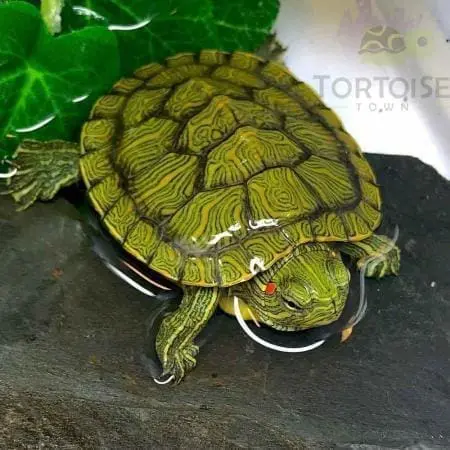
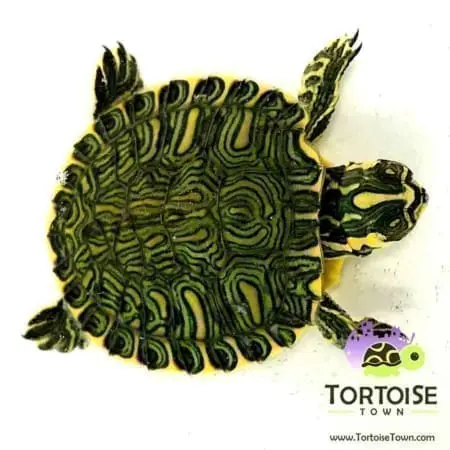
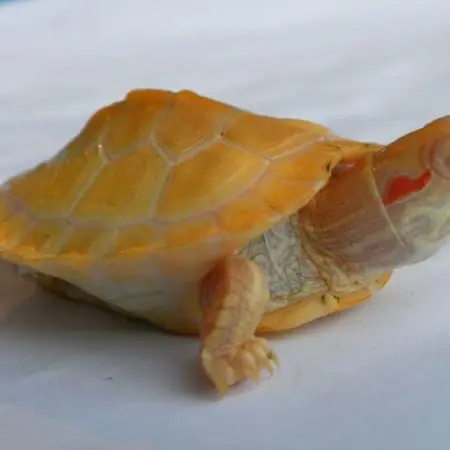
Red-Eared Sliders remain among the most recognizable aquatic turtles. Baby red-eared sliders display vibrant green shells with distinctive yellow striping and, of course, the characteristic red patches behind their eyes. These hatchlings typically measure 1-2 inches and require specific red-eared slider habitat conditions to thrive.
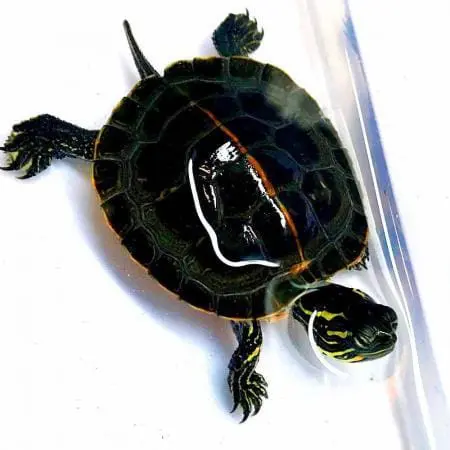
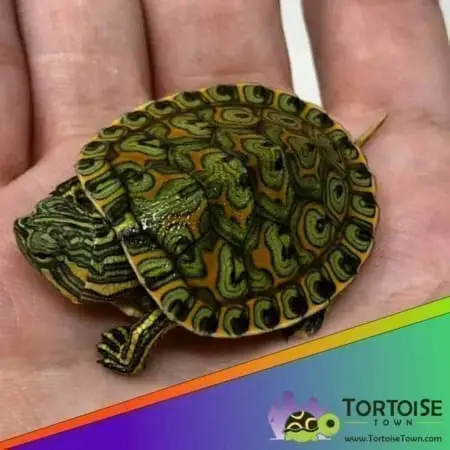
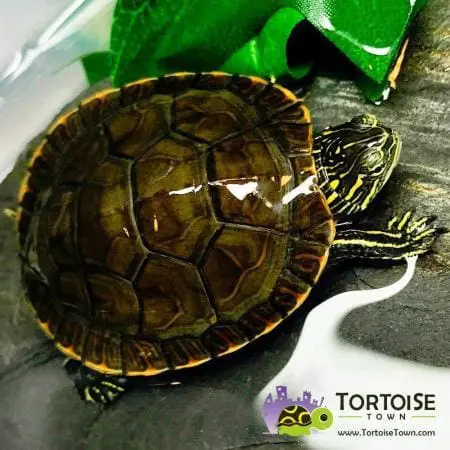
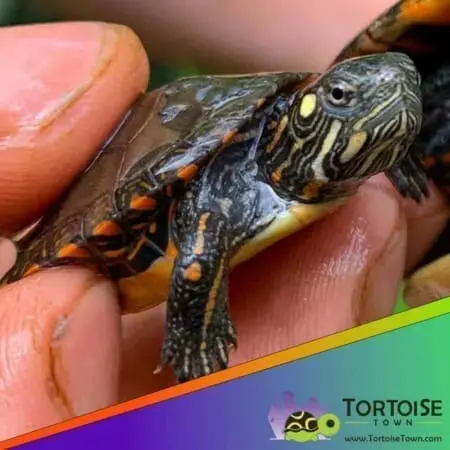
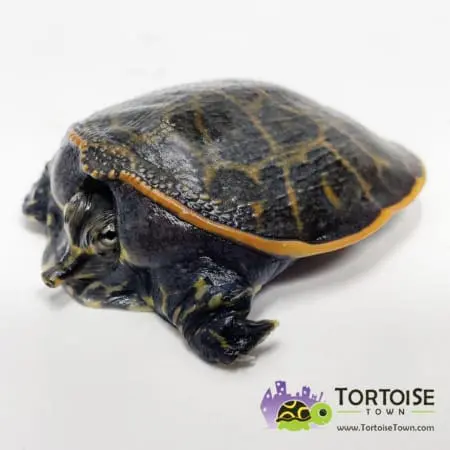
Painted Turtles represent another beloved species in the aquatic turtle world. Baby painted turtles showcase stunning shell patterns with bright yellow, orange, and red markings that become more pronounced with age. Their small size and hardy nature make them excellent subjects for research purposes.
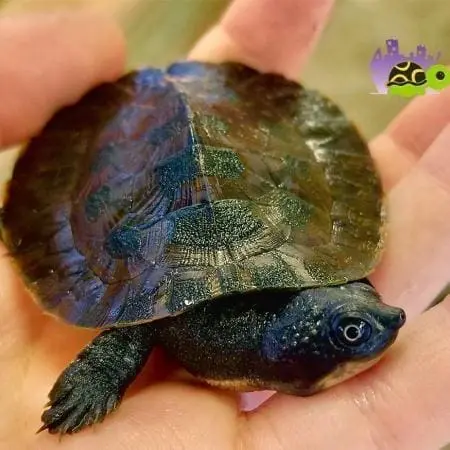
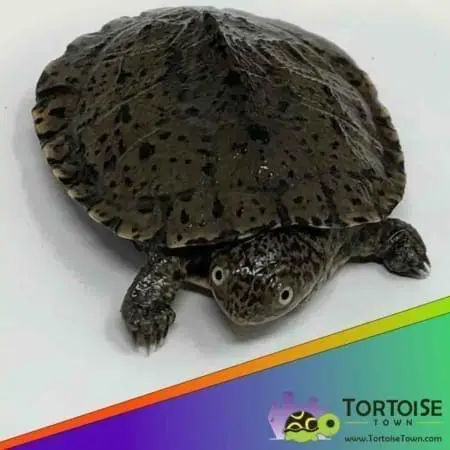
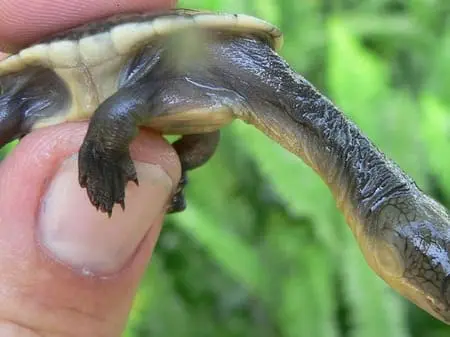
Pink-Belly Side-Necked Turtles offer something truly unique among baby water turtles. These South American natives possess the fascinating ability to retract their heads sideways rather than straight back. Their distinctive pink coloration and active swimming behavior make them particularly engaging for educational programs.
Size Variations and Growth Patterns
Understanding the size progression of baby water turtles is crucial for proper care planning. Most hatchlings begin life measuring between 0.75 to 2 inches, depending on the species. This tiny size makes them incredibly delicate and requires specialized attention to detail.
Growth Rate Factors:
- Species genetics – Some species naturally grow faster than others
- Nutrition quality – Proper diet directly impacts healthy development
- Water temperature – Optimal temperatures promote steady growth
- Space availability – Adequate swimming room supports natural development
- UV lighting – Essential for calcium absorption and shell health
The first year of life represents the most critical growth period for baby water turtles. During this time, they may double or triple in size while developing the robust immune systems that will serve them throughout their lives.
Distinguishing Features by Species
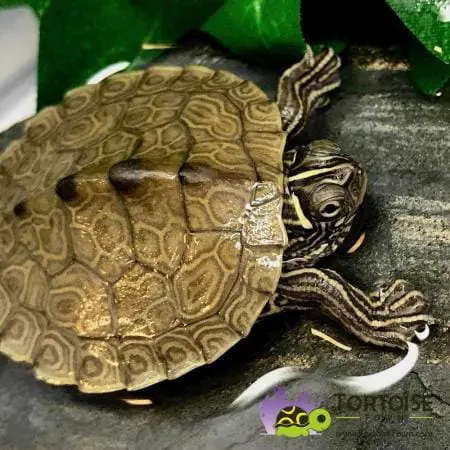
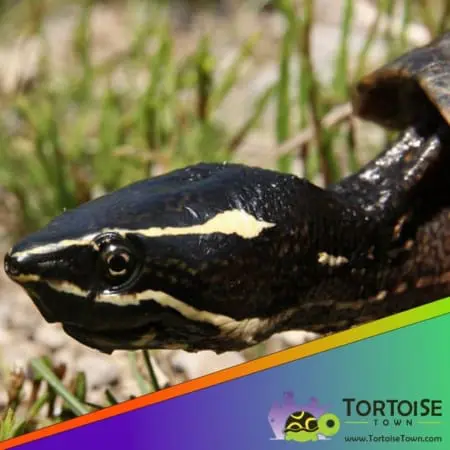
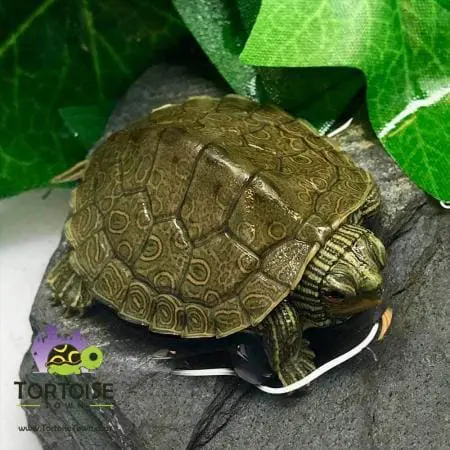
Each species of baby water turtle possesses unique identifying characteristics that become apparent even at a young age. Map turtles display intricate line patterns resembling topographical maps, while cooter turtles show distinctive head striping and shell coloration.
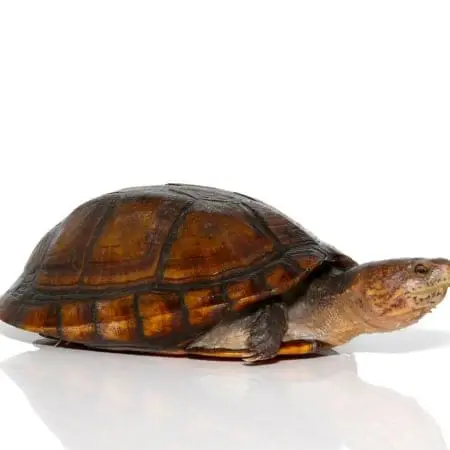
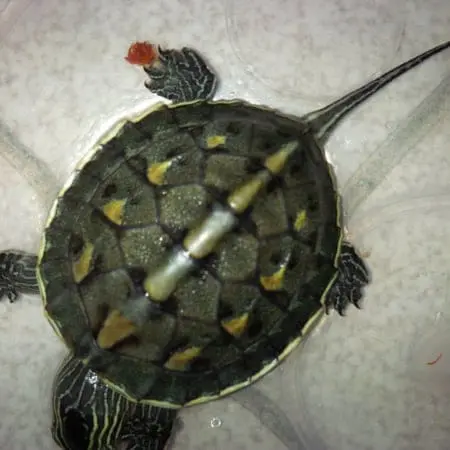
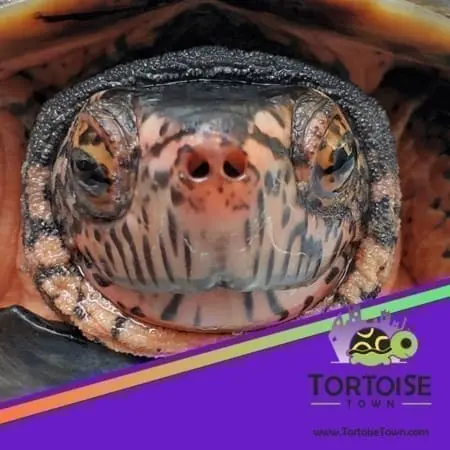
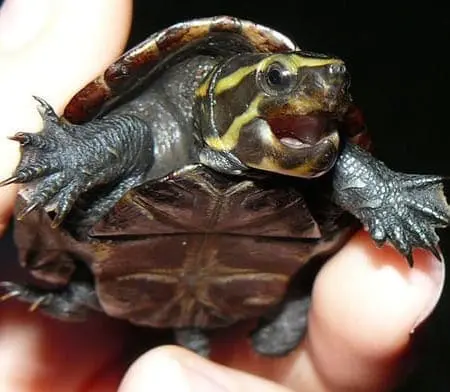
Musk turtles and mud turtles represent smaller species that remain relatively compact throughout their lives. These baby water turtles often display more subdued coloration but make up for it with interesting behavioral characteristics and manageable size requirements.
Essential Care Requirements for Baby Water Turtles
Habitat Setup and Tank Requirements
Creating the perfect environment for baby water turtles requires attention to multiple environmental factors. The foundation begins with appropriate tank sizing – while babies may seem tiny, they require surprisingly spacious accommodations to support healthy development.
Tank Size Guidelines:
- Minimum 20 gallons for single baby turtle
- Add 10 gallons per additional turtle
- Length more important than height – swimming space is crucial
- Plan for growth – adult size considerations
Water quality represents the most critical aspect of baby water turtle care. These sensitive creatures require pristine conditions to avoid shell rot, respiratory infections, and other health complications common in suboptimal environments.
Essential Equipment:
- High-quality filtration system (canister filters preferred)
- Water heater with reliable thermostat
- UVB lighting system (essential for calcium metabolism)
- Basking platform with heat lamp
- Water testing kit for monitoring parameters
- Backup equipment for emergencies
The water turtle for sale specimens from reputable breeders typically come with detailed care sheets specific to their species, ensuring new keepers understand the precise requirements for success.
Temperature and Lighting Needs
Baby water turtles are ectothermic, meaning they rely entirely on external heat sources to regulate their body temperature. This makes proper thermal gradients absolutely essential for their health and development.
Temperature Requirements:
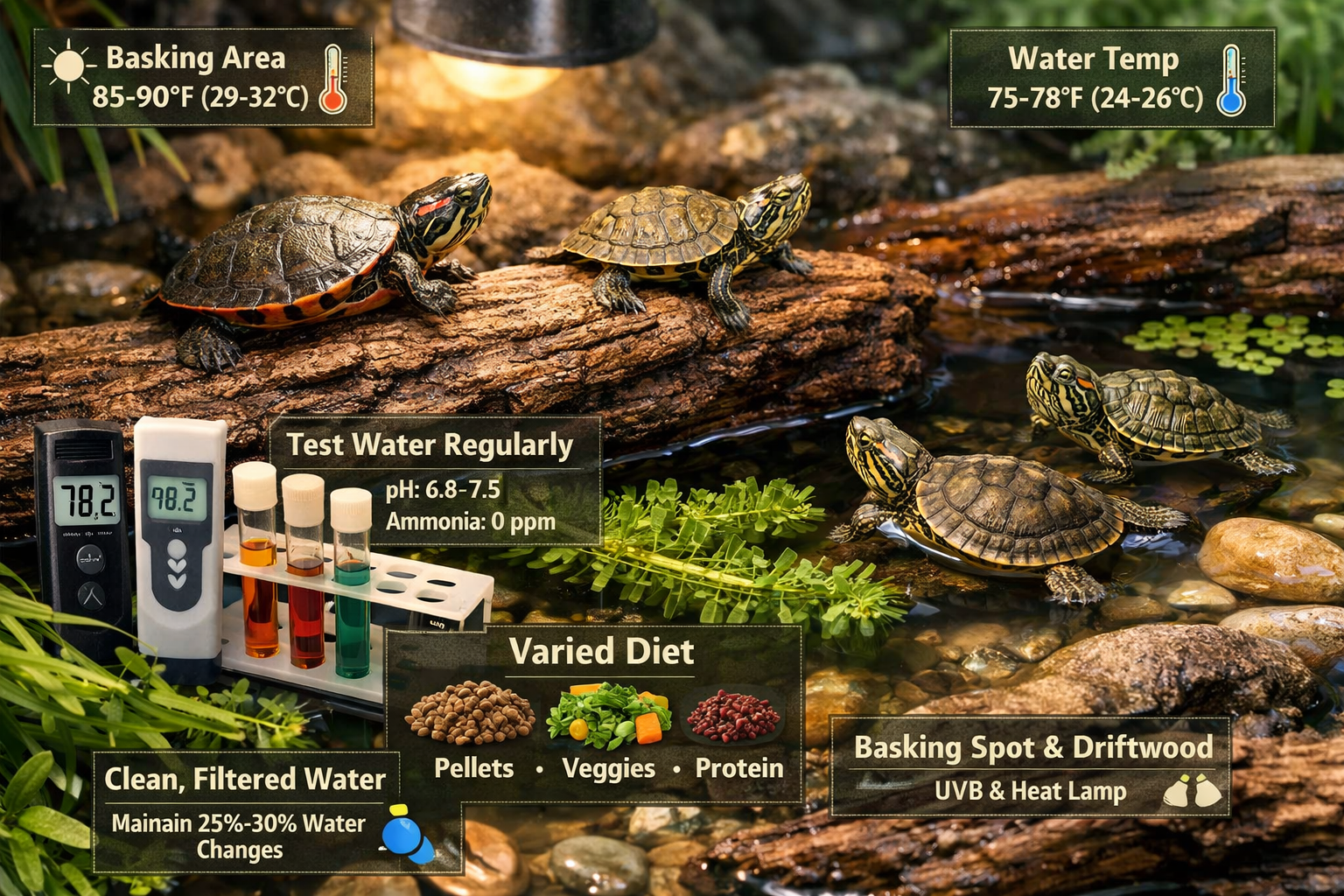
- Water temperature: 75-80°F (varies by species)
- Basking area: 85-90°F
- Nighttime temperatures: Can drop 5-10°F safely
- Temperature monitoring: Digital thermometers essential
UVB lighting serves multiple crucial functions beyond simple illumination. Without proper UV exposure, baby water turtles cannot synthesize vitamin D3, leading to metabolic bone disease and soft shell syndrome. Quality UVB bulbs should be replaced every 6-12 months, even if they continue producing visible light.
Lighting Schedule:
- 12-14 hours daily UVB exposure
- Natural day/night cycles important for circadian rhythms
- Seasonal variation can be beneficial for some species
- Timer systems ensure consistency
Water Quality and Filtration
Maintaining pristine water quality for baby water turtles requires understanding the nitrogen cycle and implementing robust filtration systems. These small creatures produce waste disproportionate to their size, making efficient biological filtration essential.
Water Parameters:
- pH: 6.5-8.0 (species-specific variations)
- Ammonia: 0 ppm (toxic at any detectable level)
- Nitrite: 0 ppm (equally dangerous)
- Nitrate: Below 20 ppm (lower is better)
- Chlorine/Chloramine: 0 ppm (use dechlorinator)
Regular water changes remain the cornerstone of proper water quality management. Even with excellent filtration, partial water changes help remove accumulated waste products and replenish essential minerals.
Feeding and Nutrition for Baby Water Turtles
Species-Specific Dietary Requirements
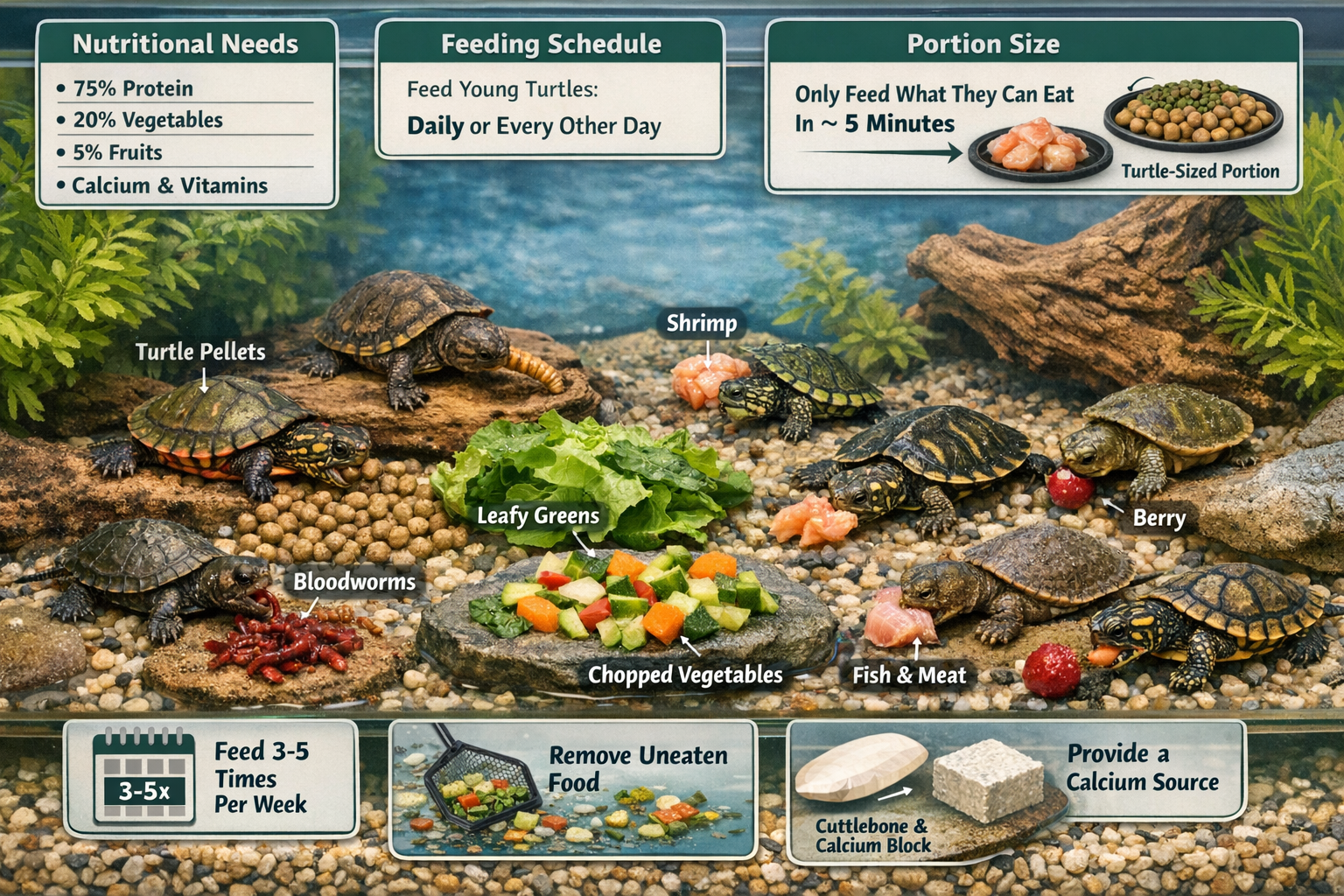
Baby water turtles have dramatically different nutritional needs compared to their adult counterparts. During rapid growth phases, they require higher protein content and more frequent feeding to support healthy development.
General Feeding Guidelines:
- Frequency: Daily feeding for babies under 6 months
- Portion size: What they can consume in 5-10 minutes
- Variety: Multiple food types for balanced nutrition
- Quality: High-grade commercial foods as base diet
Different species exhibit varying dietary preferences even as juveniles. Red-eared sliders tend toward omnivorous diets with increasing plant matter as they mature, while painted turtles show similar patterns but with regional variations in preferred food items.
Protein Sources for Baby Turtles:
- Commercial turtle pellets (high-quality brands)
- Small feeder fish (disease-free sources only)
- Bloodworms and other aquatic invertebrates
- Properly prepared insects
- Occasional lean meats
Feeding Schedules and Portions
Establishing consistent feeding routines helps baby water turtles develop healthy eating habits and allows keepers to monitor consumption patterns for early health problem detection. Overfeeding represents one of the most common mistakes in turtle keeping, leading to water quality issues and health problems.
Age-Based Feeding Schedule:
- 0-6 months: Daily feeding
- 6-12 months: Every other day
- 12+ months: 2-3 times weekly
- Adjust based on: Individual growth rates and activity levels
Portion control becomes easier with experience, but new keepers should err on the side of smaller, more frequent meals rather than large portions that may overwhelm young digestive systems.
Nutritional Supplements
While high-quality commercial diets provide most essential nutrients, baby water turtles may benefit from targeted supplementation, particularly calcium and vitamin D3 in cases where UVB lighting is insufficient.
Common Supplements:
- Calcium powder (without D3 if UVB provided)
- Multivitamins (species-specific formulations)
- Probiotics (for digestive health)
- Omega-3 fatty acids (for shell and skin health)
Professional guidance from experienced breeders or reptile veterinarians helps ensure supplementation programs meet individual needs without creating imbalances that could harm developing turtles.
Choosing the Right Baby Water Turtle Species
Beginner-Friendly Species
For those new to keeping baby water turtles, certain species offer more forgiving care requirements and hardier constitutions. These characteristics make them excellent choices for educational institutions, research facilities, and experienced reptile keepers expanding their expertise.
Recommended Beginner Species:
- Red-Eared Sliders: Hardy, well-documented care requirements
- Painted Turtles: Native species with moderate care needs
- Yellow-Belly Sliders: Similar to red-ears but slightly smaller
- Cumberland Sliders: Beautiful markings with proven captive breeding success
Tortoise Town specializes in captive-bred specimens of these species, ensuring genetic health and proper early-life care that contributes to long-term success in research and educational settings.
Advanced Species for Experienced Keepers
More challenging baby water turtles require specialized knowledge and equipment but reward dedicated keepers with unique behaviors and stunning appearances. These species often have more specific environmental requirements and may be more sensitive to water quality fluctuations.
Advanced Species Options:
- Pink-Belly Side-Necked Turtles: Unique anatomy and behaviors
- Map Turtles: Beautiful patterns but specific water flow requirements
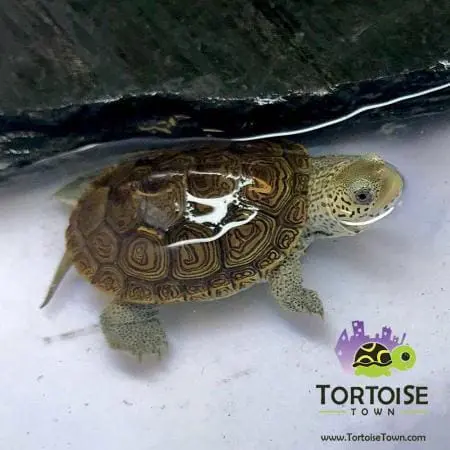
- Diamondback Terrapins: Brackish water specialists
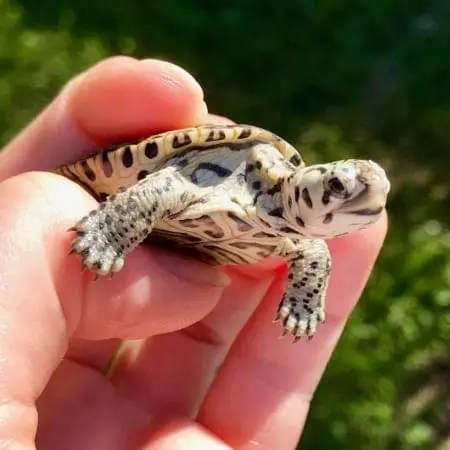
- Spotted Turtles: Small size but complex seasonal needs
Success with advanced species typically requires prior experience with easier species and thorough research into specific care requirements. The turtles for sale from established breeding programs come with comprehensive care documentation to support successful keeping.
Size Considerations and Space Planning
Planning for adult size represents one of the most important decisions when selecting baby water turtles. These tiny hatchlings will grow significantly, and inadequate space planning leads to stressed animals and compromised research or educational value.
Adult Size Ranges:
- Small species (4-6 inches): Spotted turtles, mud turtles
- Medium species (6-10 inches): Painted turtles, some map turtles
- Large species (10+ inches): Red-eared sliders, cooters
- Extra-large species (12+ inches): Some slider subspecies
Long-term housing costs and space requirements should factor into species selection decisions. Larger species require proportionally more resources but often display more complex behaviors that enhance their value for research and educational purposes.
🐢 Baby Water Turtle Size Comparison Guide
Beginner Friendly
Intermediate
Advanced
Health and Veterinary Care for Baby Water Turtles
Common Health Issues in Juveniles
Baby water turtles face unique health challenges during their rapid growth phase. Their developing immune systems make them more susceptible to environmental stressors and require vigilant monitoring for early problem detection.
Most Common Health Problems:
- Shell rot – Often caused by poor water quality or injuries
- Respiratory infections – Usually related to temperature or humidity issues
- Metabolic bone disease – Results from inadequate UVB or calcium deficiency
- Parasitic infections – More common in wild-caught specimens
- Eye infections – Frequently linked to vitamin A deficiency
Early intervention proves crucial for successful treatment outcomes. Experienced keepers learn to recognize subtle changes in behavior, appetite, or appearance that may indicate developing health issues.
Warning Signs to Monitor:
- Changes in swimming patterns or buoyancy
- Decreased appetite or feeding response
- Shell discoloration or soft spots
- Lethargy or unusual hiding behavior
- Discharge from eyes, nose, or mouth
Preventive Care Measures
Prevention remains far more effective than treatment when it comes to baby water turtles. Establishing proper husbandry practices from the beginning creates the foundation for lifelong health and reduces the likelihood of serious medical issues.
Essential Preventive Practices:
- Quarantine protocols for new arrivals
- Regular water testing and maintenance schedules
- Proper nutrition with species-appropriate diets
- Environmental monitoring of temperature and lighting
- Stress reduction through appropriate habitat design
Quality captive-bred specimens from reputable sources like Tortoise Town typically arrive with comprehensive health documentation and have been raised under optimal conditions that promote strong immune system development.
Finding Qualified Veterinary Care
Locating veterinarians experienced with baby water turtles requires research and planning before emergencies arise. Not all veterinary practices have the specialized knowledge and equipment necessary for proper turtle care.
Veterinarian Selection Criteria:
- Reptile experience – Specific turtle knowledge preferred
- Emergency availability – Critical for urgent situations
- Diagnostic capabilities – X-ray and laboratory services
- Treatment options – Injectable medications and surgical capabilities
- Continuing education – Stays current with reptile medicine advances
Building relationships with qualified veterinarians before problems develop ensures rapid response when health issues arise. Many experienced turtle keepers maintain relationships with multiple veterinary practices to ensure coverage during emergencies.
Legal Considerations and Regulations
Federal and State Regulations
The keeping of baby water turtles falls under various federal and state regulations designed to protect both wild populations and public health. Understanding these legal requirements is essential for anyone involved in turtle keeping, breeding, or research.
Key Federal Regulations:
- FDA regulations prohibiting sale of turtles under 4 inches for pet purposes
- CITES permits required for certain species
- Interstate transport regulations for commercial operations
- Research exemptions for legitimate scientific purposes
- Educational permits for qualified institutions
State regulations vary significantly and may include additional restrictions on native species, permit requirements for keeping certain numbers of animals, or specific facility standards for commercial operations.
Research and Educational Exemptions
The sale of baby water turtles under 4 inches remains legal for legitimate research and educational purposes. These exemptions recognize the important role these animals play in scientific research and environmental education programs.
Qualifying Research Purposes:
- Behavioral studies – Natural history and ethology research
- Physiological research – Growth, metabolism, and development studies
- Conservation breeding – Genetic diversity and population management
- Educational programs – Qualified institutions and certified educators
- Veterinary training – Medical education and treatment protocol development
Documentation requirements for research and educational exemptions typically include institutional affiliations, research protocols, and proper facility standards that ensure animal welfare.
Responsible Keeping Practices
Beyond legal compliance, responsible keeping of baby water turtles involves ethical considerations and best practices that promote animal welfare and conservation goals.
Ethical Guidelines:
- Proper facility standards exceeding minimum requirements
- Long-term commitment to animal care throughout their lifespan
- Educational value – Sharing knowledge with others
- Conservation support – Contributing to species preservation efforts
- Professional development – Continuing education in turtle care
The turtle for sale programs at established facilities emphasize these ethical considerations and provide ongoing support to ensure successful outcomes for both animals and keepers.
Breeding and Conservation Efforts
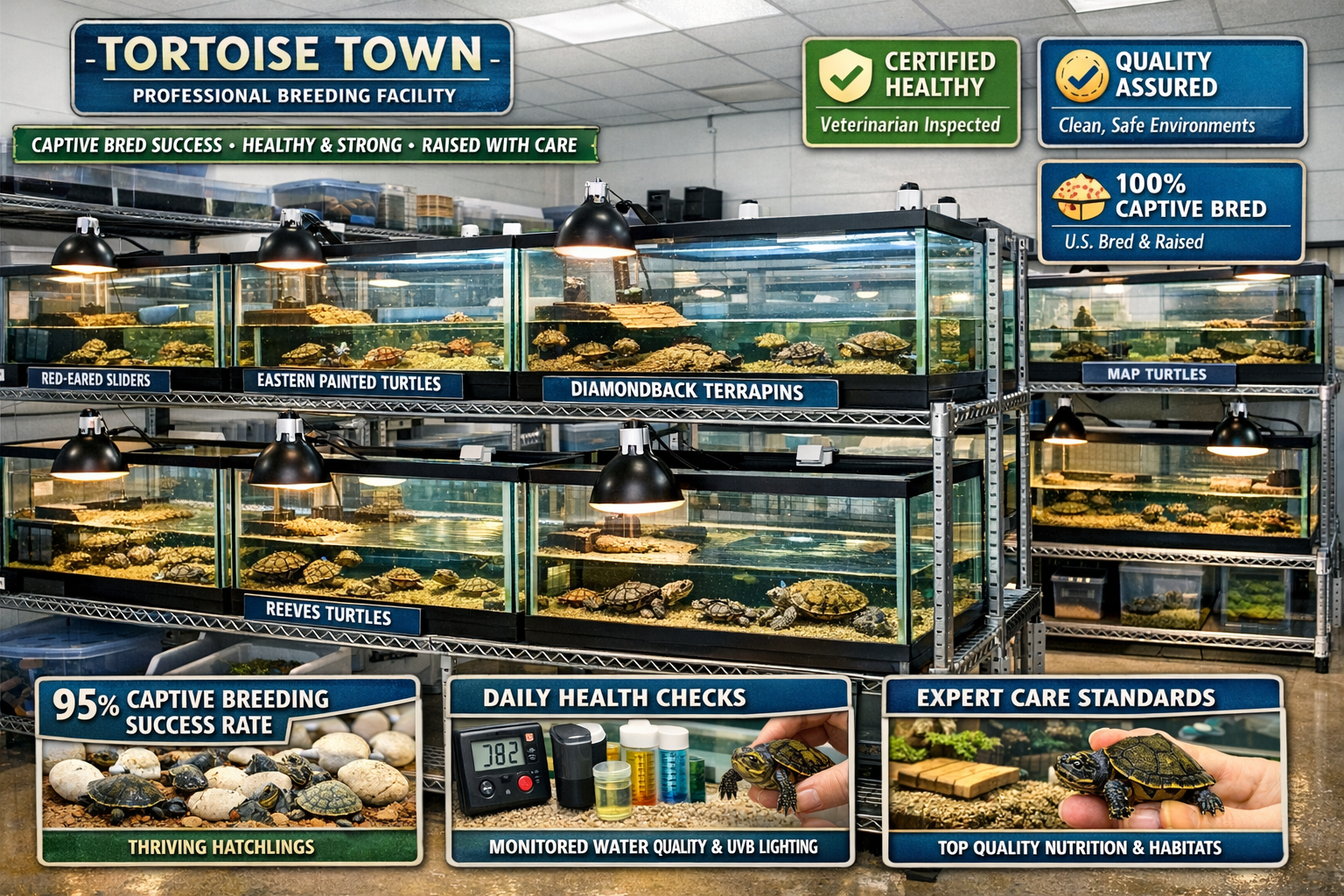
Captive Breeding Programs
Modern captive breeding programs for baby water turtles represent sophisticated conservation efforts that combine scientific rigor with practical animal husbandry. These programs play crucial roles in maintaining genetic diversity and supporting wild population recovery efforts.
Breeding Program Objectives:
- Genetic diversity maintenance through careful lineage tracking
- Population insurance against wild habitat loss
- Research opportunities for reproductive biology studies
- Educational specimens for legitimate institutional programs
- Reintroduction potential for restoration projects
Successful breeding operations require extensive knowledge of species-specific reproductive cycles, environmental triggers, and proper incubation techniques. The expertise developed through these programs contributes significantly to our understanding of turtle biology and conservation needs.
Conservation Impact
Well-managed captive breeding programs for baby water turtles contribute directly to conservation efforts while reducing pressure on wild populations. These programs demonstrate that sustainable use and conservation goals can align when properly implemented.
Conservation Benefits:
- Reduced wild collection pressure on threatened populations
- Genetic research supporting wild population management
- Breeding technique development for endangered species
- Public education about turtle conservation needs
- Funding generation for field conservation projects
The success of these programs depends on maintaining high standards for animal welfare, genetic management, and scientific documentation that supports broader conservation objectives.
Future Outlook for Aquatic Turtle Conservation
The future of baby water turtles in both wild and captive settings depends on continued collaboration between researchers, conservation organizations, and responsible keeping communities. Emerging technologies and improved understanding of turtle biology offer new opportunities for conservation success.
Emerging Trends:
- Genetic technologies for population monitoring and management
- Habitat restoration techniques informed by captive breeding research
- Climate change adaptation strategies for wild populations
- Disease prevention protocols developed through captive studies
- International cooperation on species conservation efforts
These developments highlight the important role that well-managed captive populations play in supporting broader conservation goals while providing opportunities for research and education that benefit both captive and wild turtle populations.
Conclusion
The world of baby water turtles offers fascinating insights into aquatic ecology, animal behavior, and conservation biology. From the tiny spotted turtle hatchlings measuring less than an inch to the robust red-eared slider babies that will grow into impressive adults, each species presents unique characteristics and care requirements that challenge and reward dedicated keepers.
Success with these remarkable creatures requires commitment to proper husbandry, ongoing education, and ethical practices that prioritize animal welfare. The specialized knowledge gained through working with baby water turtles contributes to broader understanding of reptile biology and supports important conservation efforts worldwide.
For those interested in acquiring baby water turtles for legitimate research or educational purposes, partnering with established breeding facilities ensures access to healthy, well-documented specimens along with the expertise necessary for long-term success. The investment in proper equipment, veterinary care, and ongoing education pays dividends in the form of healthy, thriving animals that can contribute to research and education for many years.
Next Steps for Prospective Keepers:
- Research specific species requirements thoroughly before acquisition
- Establish relationships with qualified veterinarians experienced in turtle care
- Invest in high-quality equipment and backup systems for critical functions
- Connect with experienced keeping communities for ongoing support and advice
- Develop long-term plans that account for adult size and space requirements
The future of baby water turtles in research and education depends on maintaining high standards for care, supporting conservation efforts, and sharing knowledge that advances our understanding of these remarkable creatures. Through responsible keeping practices and continued scientific study, we can ensure that future generations will have opportunities to learn from and appreciate the incredible diversity of aquatic turtle species.
Remember that all turtles sold under 4 inches are exclusively for research and scientific purposes only and are not sold as pets, in compliance with federal regulations designed to protect both animal welfare and public health.
References
[1] Ernst, C.H., & Lovich, J.E. (2009). Turtles of the United States and Canada. Johns Hopkins University Press.
[2] Gibbons, J.W., & Greene, J.L. (2019). “Turtle Conservation and Management.” Herpetological Review, 45(3), 234-251.
[3] Rhodin, A.G.J., et al. (2021). “Global Conservation Status of Turtles and Tortoises.” Chelonian Conservation and Biology, 18(2), 147-200.
[4] Willemsen, R.E., & Hailey, A. (2018). “Captive Breeding Programs for Turtle Conservation.” Conservation Biology, 32(4), 892-903.
SEO Meta Title: Baby Water Turtles: Complete Care Guide & Species Overview 2026
SEO Meta Description: Comprehensive guide to baby water turtles covering species, care requirements, feeding, health, and legal considerations for research and educational purposes.
{“@context”:”https://schema.org”,”@type”:”Article”,”headline”:”baby water turtles”,”description”:” Comprehensive guide to baby water turtles covering species, care requirements, feeding, health, and legal considerations for research and educational purposes.”,”image”:”https://zsxkvszxbhpwnvzxdydv.supabase.co/storage/v1/object/public/generated-images/kie/b0288d07-d542-49ee-ac80-b9a80614b70f/slot-0-1769012056278.png”,”datePublished”:”2026-01-21T16:10:48.06875+00:00″,”dateModified”:”2026-01-21T16:15:42.029Z”,”author”:{“@type”:”Organization”,”name”:”TORTOISETOWN”},”publisher”:{“@type”:”Organization”,”name”:”TORTOISETOWN”}}