
Popular Water Turtles: Your Complete Guide to Aquatic Turtle Species in 2026
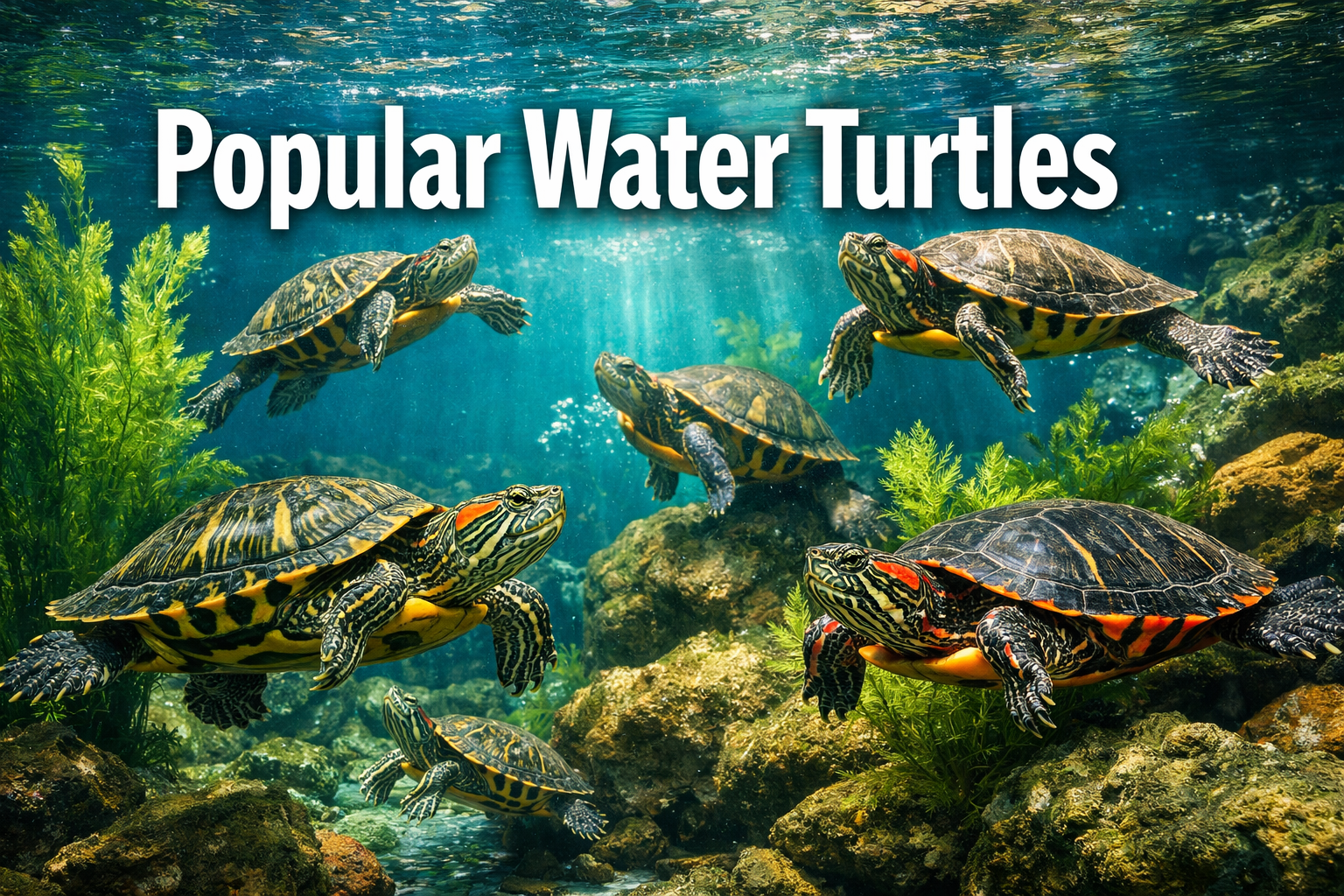
Imagine watching a graceful turtle glide through crystal-clear water, its vibrant shell catching the light as it surfaces for air. Popular water turtles have captivated reptile enthusiasts for decades, offering a unique window into aquatic life that few other creatures can provide. Whether you’re drawn to the striking patterns of a painted turtle or the impressive size of a river cooter, these remarkable reptiles bring both beauty and fascinating behavior to any aquatic setup.
The world of aquatic turtle keeping has evolved dramatically, with captive-bred specimens now offering healthier, more adaptable options than ever before. As we explore the most sought-after species, you’ll discover why these aquatic marvels have become the cornerstone of successful turtle keeping programs across the United States.
- Display 21 Products per page


Key Takeaways
• Red-eared sliders remain the most popular water turtle species due to their hardy nature and distinctive markings
• Proper habitat setup is crucial for all aquatic turtle species, requiring adequate space, filtration, and basking areas
• Captive-bred specimens from reputable sources offer better health outcomes and legal compliance
• Size considerations vary dramatically between species, from small painted turtles to large river cooters
• Legal requirements mandate that turtles under 4 inches are sold for research purposes only, not as companion animals
Understanding Popular Water Turtles: Species Overview
When discussing popular water turtles, we’re entering a diverse world of semi-aquatic reptiles that have adapted to life both in water and on land. These fascinating creatures belong to various families, each with unique characteristics that make them appealing to different types of keepers.
The term “water turtle” encompasses species that spend the majority of their time in aquatic environments while requiring access to dry basking areas for thermoregulation and shell health. Unlike their terrestrial cousins, these turtles have developed specialized features such as webbed feet, streamlined shells, and enhanced swimming abilities.
Most Sought-After Species
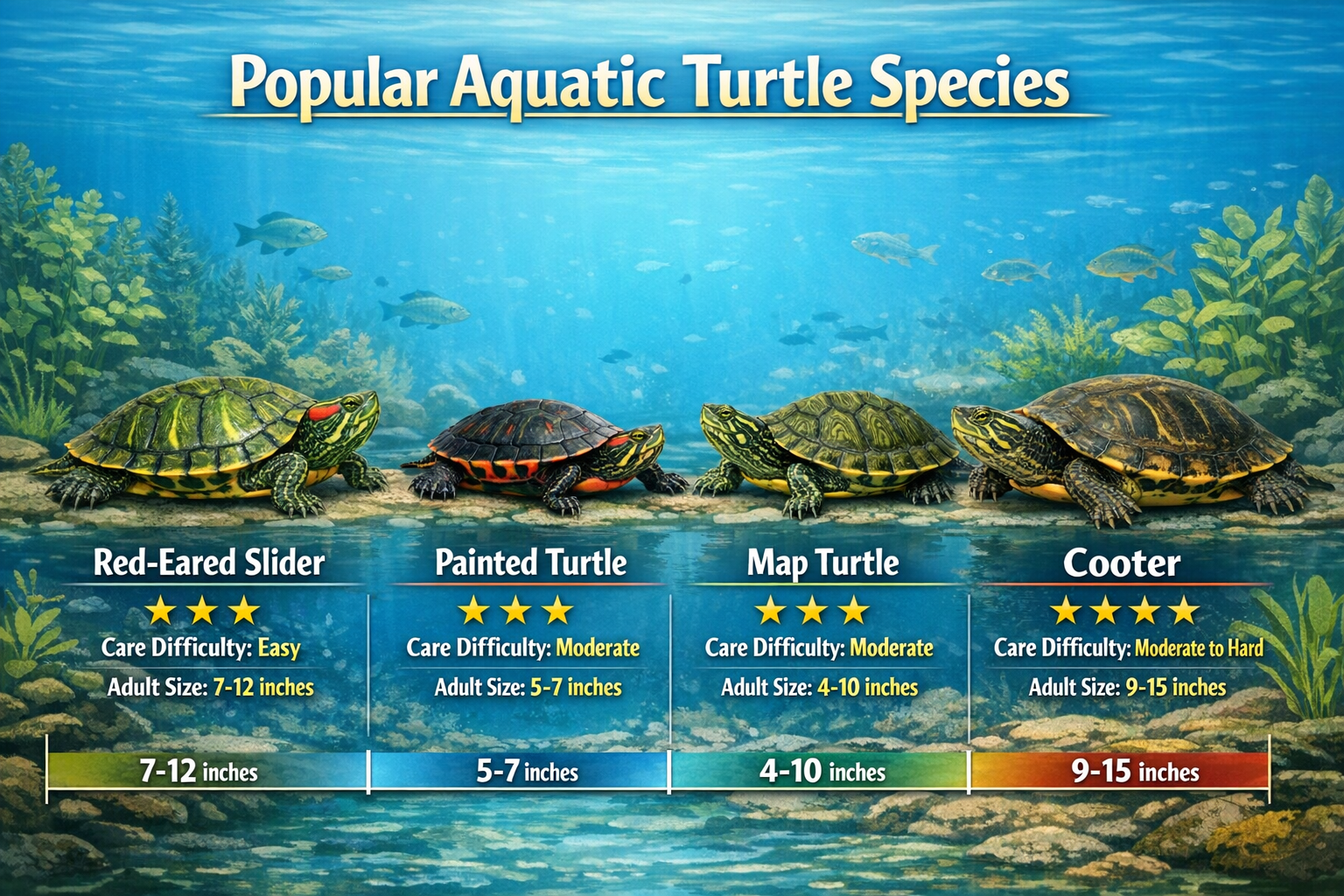
The reptile keeping community has consistently favored certain species over others, primarily due to factors like hardiness, appearance, and care requirements. Here are the top contenders:
Red-Eared Sliders (Trachemys scripta elegans)
- Most recognizable by their distinctive red markings behind the eyes
- Excellent swimmers with moderate care requirements
- Adult size: 8-12 inches
- Lifespan: 20-40 years in proper care
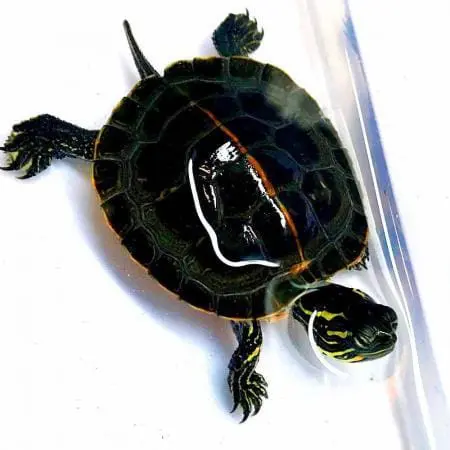
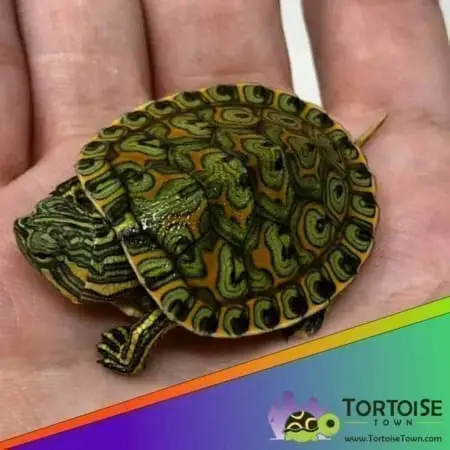
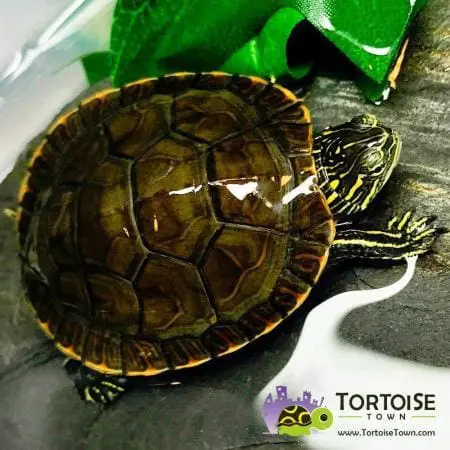
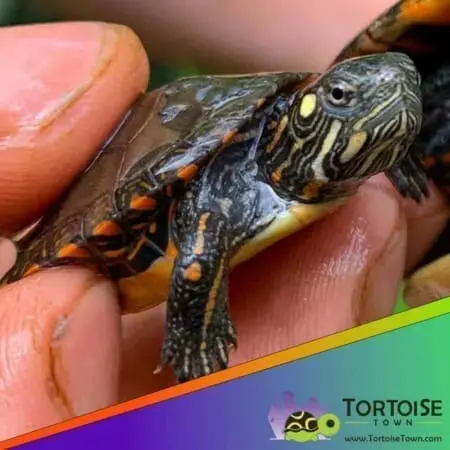
Painted Turtles (Chrysemys picta)
- Beautiful shell patterns with vibrant colors
- Four subspecies available in the trade
- Smaller adult size: 4-8 inches
- Native to North America
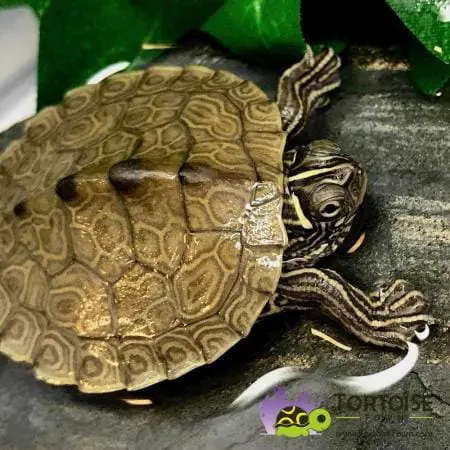
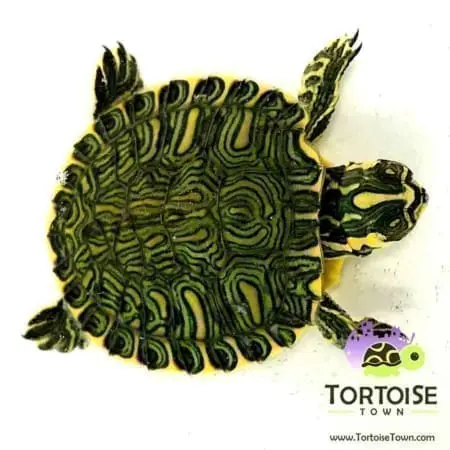
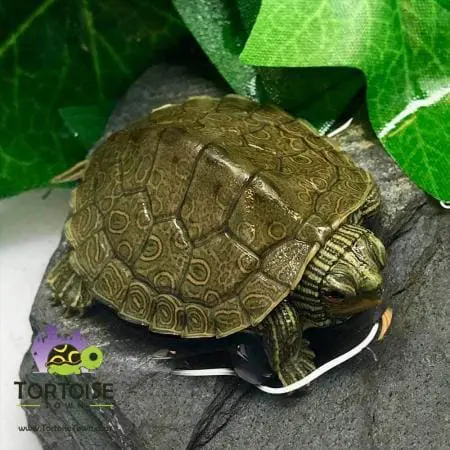
Map Turtles (Graptemys species)
- Intricate shell patterns resembling topographical maps
- Various species with different size ranges
- Require excellent water quality
- Active swimmers and baskers
River Cooters (Pseudemys concinna)
- Larger species reaching 12-16 inches
- Hardy and adaptable to various conditions
- Excellent for experienced keepers
- Strong swimmers requiring spacious habitats
For those interested in acquiring these magnificent creatures, Tortoise Town stands as the premier destination for captive-bred specimens, offering healthy, well-started animals with comprehensive care support.
Geographic Distribution and Natural Habitats
Understanding where these popular water turtles originate helps us better replicate their needs in captive environments. Most North American aquatic turtle species inhabit:
- Slow-moving rivers and streams
- Ponds and lakes with abundant vegetation
- Wetland areas with varied depths
- Areas with accessible basking sites
This natural habitat information directly influences how we design proper keeping environments, from water depth and flow to basking area placement and lighting requirements.
Essential Care Requirements for Popular Water Turtles
Creating the ideal environment for popular water turtles requires understanding their complex needs as semi-aquatic reptiles. Success in keeping these remarkable creatures depends on replicating key aspects of their natural habitats while maintaining optimal health conditions.
Habitat Setup Fundamentals
Tank Size Requirements
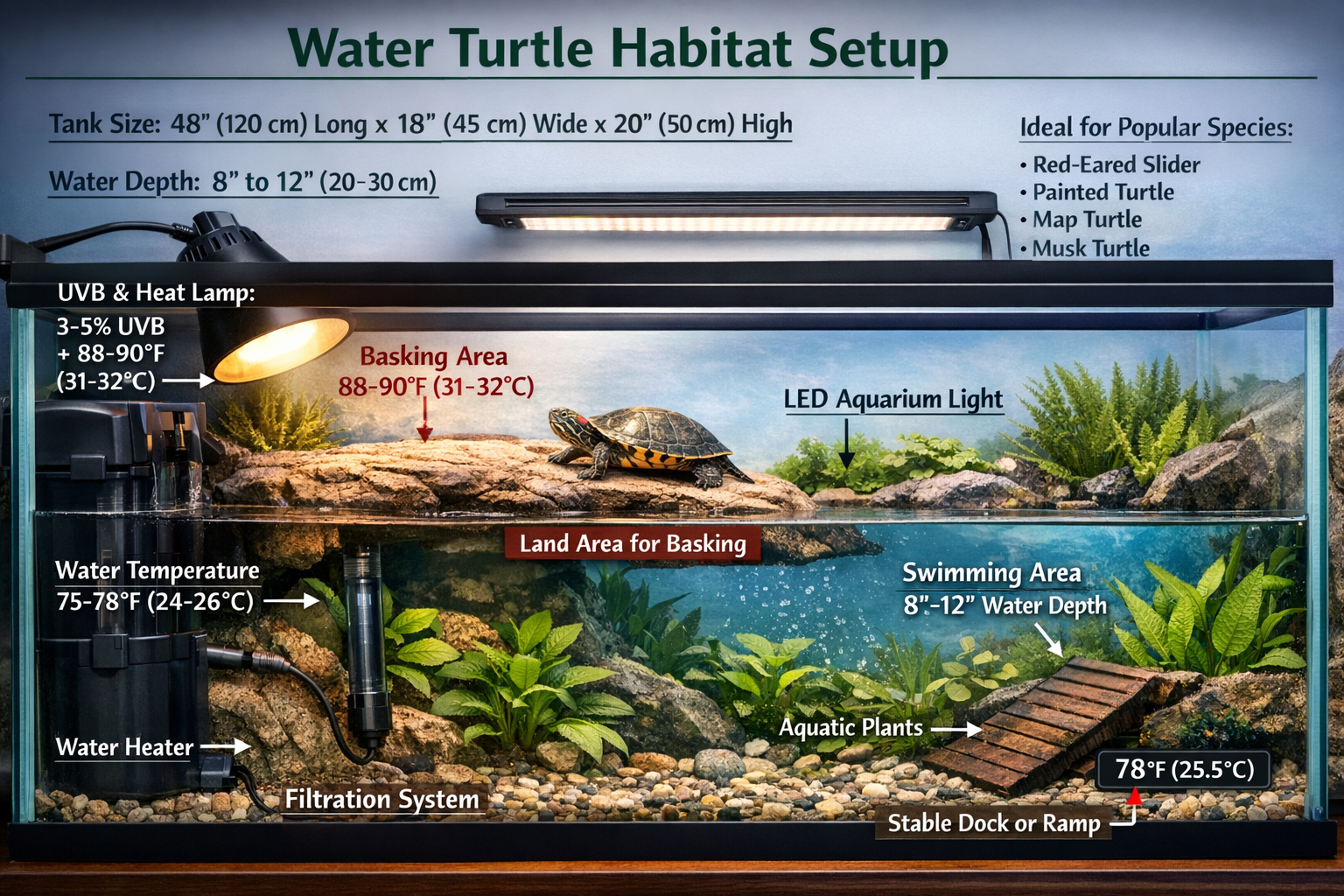
The foundation of proper turtle care begins with adequate space. Unlike terrestrial species, aquatic turtles require both swimming area and dry basking zones:
- Hatchlings: Minimum 40-gallon tank
- Juveniles: 75-100 gallon setup
- Adults: 150+ gallons depending on species
- Rule of thumb: 10 gallons per inch of shell length
Water Quality Management
Maintaining pristine water conditions is crucial for preventing shell rot, respiratory infections, and other health issues common in aquatic turtles:
| Parameter | Ideal Range | Testing Frequency |
|---|---|---|
| Temperature | 75-80°F | Daily |
| pH Level | 6.5-7.5 | Weekly |
| Ammonia | 0 ppm | Weekly |
| Nitrite | 0 ppm | Weekly |
| Nitrate | <20 ppm | Weekly |
Filtration Systems
Powerful filtration is non-negotiable when keeping water turtles. These messy eaters produce significant waste that can quickly compromise water quality:
- Canister filters: Best for larger setups
- Hang-on-back filters: Suitable for smaller tanks
- Internal filters: Good for quarantine setups
- Filter capacity: Should handle 2-3x tank volume per hour
Lighting and Temperature Control
UVB Lighting Requirements
All popular water turtles require access to UVB radiation for proper calcium metabolism and shell development. For detailed information about specific lighting needs, check out our comprehensive guide on red-eared slider UV light requirements.
- UVB strength: 5-10% UVB bulbs
- Distance: 12-18 inches from basking spot
- Duration: 10-12 hours daily
- Replacement: Every 6-12 months
Basking Area Setup
The basking area serves multiple critical functions for aquatic turtle health:
- Temperature: 85-90°F surface temperature
- Accessibility: Easy entry and exit from water
- Size: Large enough for full body exposure
- Materials: Non-slip surfaces that dry quickly
Feeding and Nutrition
Dietary Requirements by Life Stage
Hatchlings and Juveniles (0-2 years)
- Protein: 50-60% of diet
- Frequency: Daily feeding
- Portion size: Amount consumed in 15 minutes
Adults (2+ years)
- Protein: 25-30% of diet
- Frequency: Every other day
- Vegetation: Increased plant matter importance
Commercial Diet Options
High-quality commercial turtle pellets should form the foundation of any feeding program:
- Floating pellets: Encourage natural foraging behavior
- Size-appropriate: Match pellet size to turtle’s mouth
- Nutritionally complete: Look for AAFCO approval
Supplemental Foods
Variety is key to maintaining healthy popular water turtles:
- Protein sources: Earthworms, crickets, fish
- Vegetables: Leafy greens, squash, carrots
- Aquatic plants: Anacharis, water hyacinth
- Treats: Limited fruit portions
When sourcing your aquatic turtle, consider browsing the selection of water turtles for sale from reputable breeders who provide detailed care information and ongoing support.
Species-Specific Profiles of Popular Water Turtles
Understanding the unique characteristics of each species helps potential keepers make informed decisions about which popular water turtles best suit their experience level and available resources. Each species brings distinct personality traits, care requirements, and visual appeal to aquatic setups.
Red-Eared Sliders: The Classic Choice
Red-eared sliders have earned their reputation as the most recognizable popular water turtles in the hobby. Their distinctive red patches behind the eyes and adaptable nature make them excellent choices for both beginners and experienced keepers.
Physical Characteristics
- Adult size: 8-12 inches (females larger than males)
- Shell pattern: Olive to brown base with yellow striping
- Distinctive features: Bright red ear patches, yellow plastron
- Sexual dimorphism: Males develop longer claws and thinner shells
Behavioral Traits
Red-eared sliders display fascinating behaviors that make them engaging to observe:
- Active swimmers: Spend most daylight hours in water
- Communal baskers: Often stack on top of each other while basking
- Opportunistic feeders: Will eat almost anything offered
- Seasonal activity: May brumate during cooler months
Care Specifics
For detailed habitat requirements, our red-eared slider habitat guide provides comprehensive setup information.
Tank Requirements
- Minimum size: 150 gallons for adults
- Water depth: 2-3 times shell length
- Basking area: 85-88°F surface temperature
- Water temperature: 75-78°F
Painted Turtles: North America’s Colorful Native
Painted turtles represent some of the most beautiful popular water turtles available, with their vibrant shell patterns and hardy nature making them increasingly sought after by enthusiasts.
Subspecies Variations
Four distinct subspecies offer different visual appeals:
- Eastern Painted (C. p. picta)
- Straight-edged scutes on carapace
- Yellow plastron with dark central figure
- Size: 4-6 inches
- Midland Painted (C. p. marginata)
- Dark shadow along plastron seam
- Bright red markings on marginal scutes
- Size: 4-7 inches
- Southern Painted (C. p. dorsalis)
- Distinctive red or orange dorsal stripe
- Smallest subspecies
- Size: 3-5 inches
- Western Painted (C. p. bellii)
- Intricate red patterns on plastron
- Largest subspecies
- Size: 6-8 inches
Habitat Preferences
Painted turtles thrive in setups that mimic their natural pond environments:
- Shallow areas: For foraging and plant consumption
- Deeper zones: For swimming and escape behavior
- Abundant vegetation: Both live and artificial plants
- Multiple basking sites: Various heights and textures
For those interested in adding these colorful natives to their collection, painted turtles for sale from captive breeding programs offer the best health outcomes and legal compliance.
Map Turtles: The Intricate Pattern Specialists
Map turtles earn their place among popular water turtles through their stunning shell patterns that resemble topographical maps. These active swimmers require specific care considerations but reward keepers with engaging behaviors and striking appearance.
Popular Map Turtle Species
Mississippi Map Turtle (Graptemys pseudogeographica kohni)
- Size: Males 3-5 inches, females 6-10 inches
- Pattern: Intricate yellow lines on dark carapace
- Behavior: Extremely active swimmers and baskers
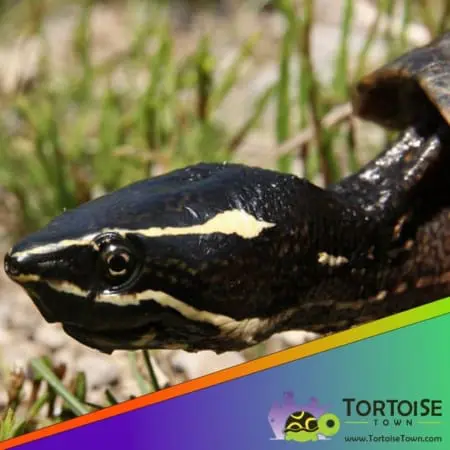
Ouachita Map Turtle (Graptemys ouachitensis)
- Size: Males 3-4 inches, females 6-9 inches
- Markings: Yellow spots behind eyes instead of stripes
- Habitat: Prefers flowing water conditions
False Map Turtle (Graptemys pseudogeographica)
- Size: Males 3-5 inches, females 7-11 inches
- Features: Yellow post-orbital stripe, serrated rear marginals
- Diet: More omnivorous than other map turtle species
Specialized Care Requirements
Map turtles have earned a reputation for being more sensitive than other popular water turtles:
- Water quality: Extremely sensitive to poor conditions
- Filtration: Require powerful, efficient filtration systems
- Diet: Many species prefer mollusk-heavy diets
- Basking: Need precise temperature gradients
River Cooters: The Gentle Giants
River cooters represent the larger end of popular water turtles, offering impressive size and gentle temperaments that appeal to experienced keepers with adequate space.
Species Characteristics
- Adult size: 12-16 inches
- Lifespan: 40+ years with proper care
- Temperament: Generally calm and tolerant of handling
- Activity level: Strong swimmers requiring spacious habitats
Space Requirements
Due to their substantial size, river cooters need significantly more space than smaller species:
- Tank size: 300+ gallons for adults
- Swimming area: Deep zones for natural behavior
- Basking platform: Large, sturdy structures
- Filtration: Industrial-strength systems
Feeding Considerations
Adult river cooters consume substantial amounts of vegetation:
- Plant matter: 70-80% of adult diet
- Protein: Reduced compared to smaller species
- Feeding frequency: Daily for juveniles, every other day for adults
- Portion size: Significant quantities due to size
Those interested in these impressive specimens can find turtle for sale options that include proper care documentation and breeder support for successful long-term keeping.
Legal Considerations and Responsible Acquisition
When exploring popular water turtles for your aquatic setup, understanding the legal framework surrounding turtle sales and ownership is crucial for responsible keeping. Federal and state regulations have evolved significantly over the past decades, primarily focused on public health and conservation concerns.
Federal Regulations and the Four-Inch Rule
The most significant federal regulation affecting popular water turtles stems from the FDA’s ban on the sale of turtles under four inches in shell length. This regulation, established in 1975, was implemented to reduce salmonella transmission risks, particularly to children.
Key Legal Points:
- Size restriction: Turtles under 4 inches cannot be sold as companion animals
- Research exemption: Sales under 4 inches permitted for scientific/educational purposes only
- Documentation: Proper paperwork required for research sales
- Compliance: Reputable dealers maintain strict adherence to federal guidelines
Important Disclosure: All turtles sold under 4 inches are designated for research and scientific purposes only and are not sold as companion animals. This legal requirement ensures compliance with federal regulations while supporting legitimate research and educational programs.
State-Specific Regulations
Individual states maintain their own regulations regarding native species and exotic animal ownership. Before acquiring any popular water turtles, research your local requirements:
Common State Restrictions:
- Native species permits: Some states require permits for native turtle species
- Import regulations: Restrictions on bringing turtles across state lines
- Facility requirements: Minimum space or equipment standards
- Record keeping: Documentation requirements for turtle ownership
Choosing Reputable Sources
The source of your aquatic turtle significantly impacts both legal compliance and animal health. Captive-bred specimens from established breeders offer numerous advantages over wild-caught alternatives.
Benefits of Captive-Bred Specimens:
- Health assurance: Reduced disease risk and parasite loads
- Legal compliance: Proper documentation and size verification
- Adaptability: Better acclimation to captive conditions
- Conservation: Reduces pressure on wild populations
Red Flags to Avoid:
- Undersized sales: Dealers selling sub-4-inch turtles as pets
- Poor documentation: Lack of health records or source information
- Questionable conditions: Overcrowded or unsanitary facilities
- Unrealistic prices: Extremely low prices often indicate problems
Tortoise Town: America’s Premier Aquatic Turtle Breeder
Tortoise Town has established itself as the leading aquatic turtle breeder in the United States, setting industry standards for captive breeding programs and customer service. Their commitment to producing healthy, well-started specimens has made them the preferred source for serious turtle keepers nationwide.
What Sets Tortoise Town Apart:
- Captive breeding focus: All specimens produced in controlled environments
- Health guarantees: Comprehensive health assurance programs
- Expert support: Ongoing care guidance from experienced professionals
- Legal compliance: Strict adherence to all federal and state regulations
Quality Assurance Programs:
- Veterinary oversight: Regular health monitoring and care protocols
- Genetic diversity: Careful breeding programs maintaining healthy bloodlines
- Quarantine procedures: Isolation periods ensuring disease-free specimens
- Documentation: Complete records for each animal’s lineage and health history
Ethical Considerations in Turtle Keeping
Beyond legal requirements, responsible turtle keeping involves ethical considerations that benefit both individual animals and species conservation efforts.
Long-term Commitment
Popular water turtles represent decades-long commitments that potential keepers must carefully consider:
- Lifespan: Most species live 20-50+ years
- Space requirements: Growing animals need increasingly larger habitats
- Veterinary care: Access to qualified reptile veterinarians
- Emergency planning: Arrangements for care during absences or emergencies
Conservation Impact
Choosing captive-bred popular water turtles supports conservation efforts while reducing pressure on wild populations:
- Habitat preservation: Reduced collection pressure allows habitat recovery
- Research support: Captive breeding programs contribute to species knowledge
- Education opportunities: Well-kept specimens inspire conservation awareness
- Genetic preservation: Maintaining genetic diversity in captive populations
When ready to add an aquatic turtle to your setup, explore the comprehensive selection of turtles for sale from industry-leading breeding programs that prioritize animal welfare and customer education.
Advanced Care Topics for Popular Water Turtles
Successfully maintaining popular water turtles long-term requires understanding advanced husbandry topics that go beyond basic setup requirements. These considerations become increasingly important as animals mature and keepers develop more sophisticated management approaches.
Seasonal Care Management
Popular water turtles experience natural seasonal cycles that affect their behavior, feeding patterns, and care requirements. Understanding these cycles helps keepers provide appropriate care throughout the year.
Spring Activation (March-May)
- Increased activity: Turtles become more active as temperatures rise
- Enhanced appetite: Feeding frequency and quantity increase
- Breeding behaviors: Adult animals may display courtship activities
- Health monitoring: Post-brumation health assessments recommended
Summer Peak Activity (June-August)
- Maximum feeding: Highest metabolic rates and food consumption
- Optimal growth: Juvenile animals experience rapid development
- Breeding season: Peak reproductive activity in adult specimens
- Parasite monitoring: Increased vigilance for external parasites
Fall Preparation (September-November)
- Feeding adjustments: Gradual reduction in feeding frequency
- Health optimization: Pre-brumation veterinary examinations
- Environmental modifications: Temperature reduction protocols
- Behavior changes: Decreased activity and appetite
Winter Management (December-February)
- Brumation considerations: Some species enter dormancy periods
- Temperature maintenance: Consistent but reduced temperatures
- Minimal feeding: Greatly reduced or eliminated feeding schedules
- Health monitoring: Careful observation for any health issues
Breeding Considerations for Popular Water Turtles
While many keepers begin with single specimens, understanding breeding biology helps in providing appropriate care and recognizing natural behaviors.
Sexual Maturity Indicators
Different popular water turtles reach sexual maturity at varying ages and sizes:
| Species | Male Maturity | Female Maturity | Size Indicators |
|---|---|---|---|
| Red-eared Slider | 2-3 years | 3-5 years | Males: 4+ inches |
| Painted Turtle | 3-4 years | 4-6 years | Females: 5+ inches |
| Map Turtle | 2-3 years | 5-8 years | Species dependent |
| River Cooter | 4-6 years | 6-10 years | Large size difference |
Breeding Setup Requirements
Successful breeding requires specific environmental conditions:
- Temperature cycling: Seasonal temperature variations
- Photoperiod management: Natural light cycle simulation
- Nesting areas: Appropriate substrate for egg laying
- Nutritional support: Enhanced nutrition for breeding animals
Egg Incubation Basics
For those interested in breeding programs:
- Incubation temperature: 80-85°F for most species
- Humidity levels: 80-90% relative humidity
- Incubation period: 60-90 days depending on species
- Temperature-dependent sex determination: Higher temperatures typically produce females
Health Management and Veterinary Care
Maintaining optimal health in popular water turtles requires proactive management and access to qualified veterinary care.
Preventive Health Measures
- Regular health assessments: Monthly visual examinations
- Weight monitoring: Tracking growth and body condition
- Shell inspection: Checking for signs of shell rot or injury
- Behavioral observation: Noting changes in activity or appetite
Common Health Issues
Understanding prevalent health problems helps with early detection:
Shell Rot
- Symptoms: Soft, discolored shell areas with foul odor
- Causes: Poor water quality, inadequate basking
- Treatment: Veterinary care, improved husbandry
Respiratory Infections
- Symptoms: Mouth breathing, nasal discharge, lethargy
- Causes: Inadequate temperatures, poor air quality
- Treatment: Antibiotic therapy under veterinary guidance
Parasites
- External: Leeches, algae overgrowth, shell parasites
- Internal: Intestinal worms, protozoal infections
- Prevention: Quarantine protocols, regular fecal examinations
Vitamin Deficiencies
- Vitamin A: Eye problems, respiratory issues
- Vitamin D3: Metabolic bone disease, shell deformities
- Prevention: Proper diet, UVB lighting, supplements
Advanced Habitat Design
Creating optimal environments for popular water turtles involves sophisticated design considerations that promote natural behaviors and long-term health.
Aquascaping for Turtle Habitats
- Substrate selection: Sand, gravel, or bare bottom considerations
- Plant integration: Live plants that withstand turtle activity
- Rock formations: Natural basking and hiding structures
- Water flow patterns: Current creation for exercise and enrichment
Filtration System Optimization
Advanced filtration setups provide superior water quality:
- Multi-stage filtration: Mechanical, biological, and chemical filtration
- UV sterilization: Pathogen control and water clarity
- Protein skimming: Waste removal before decomposition
- Automated systems: Monitoring and maintenance automation
Environmental Enrichment
Providing mental and physical stimulation improves quality of life:
- Varied basking sites: Different heights, textures, and temperatures
- Feeding enrichment: Hidden food, live prey, foraging opportunities
- Structural complexity: Caves, overhangs, and climbing opportunities
- Seasonal variations: Changing decorations and layouts
For those seeking the highest quality specimens to populate these advanced setups, Tortoise Town’s selection provides healthy, well-started animals ready for sophisticated keeping systems.
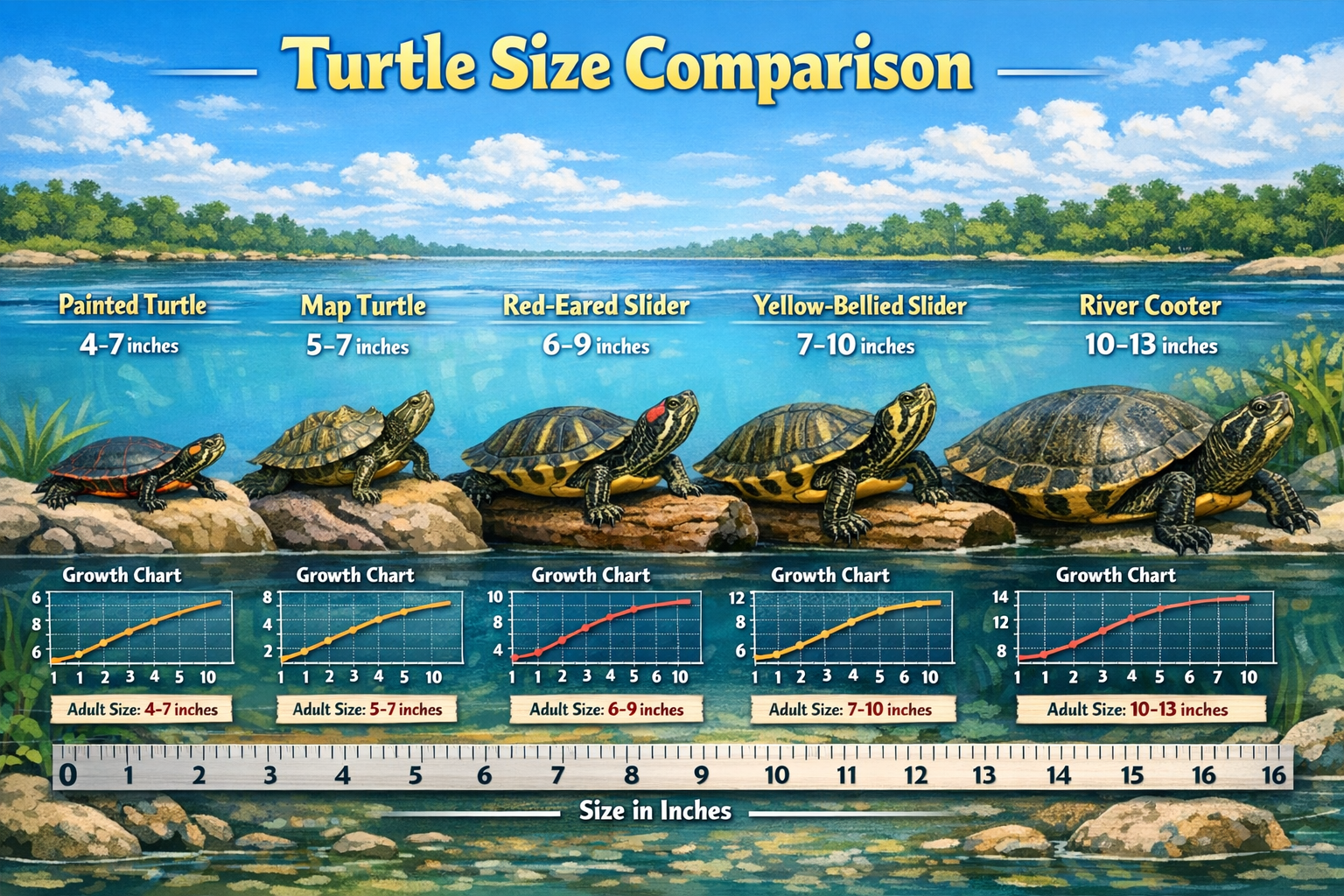
🐢 Popular Water Turtle Size Comparison
Interactive guide showing adult sizes of popular aquatic turtle species
Important Note: Sizes shown represent typical adult measurements. Individual specimens may vary. All turtles under 4 inches are sold for research and scientific purposes only.
Small Species (4-8 inches)
Medium Species (8-12 inches)
Large Species (12-16 inches)
Conclusion
Popular water turtles offer an incredible opportunity to observe and care for some of nature’s most fascinating aquatic reptiles. From the vibrant patterns of painted turtles to the impressive size of river cooters, each species brings unique characteristics that can enrich any properly designed aquatic habitat.
Success in keeping these remarkable creatures depends on understanding their complex needs as semi-aquatic animals. Proper habitat design, including adequate space, filtration, lighting, and temperature control, forms the foundation of responsible turtle keeping. Beyond basic requirements, advanced considerations such as seasonal care management, health monitoring, and environmental enrichment contribute to long-term success and animal welfare.
The legal framework surrounding turtle sales, particularly the federal four-inch rule, underscores the importance of working with reputable sources that prioritize both animal welfare and regulatory compliance. Tortoise Town has established itself as America’s premier aquatic turtle breeder, offering captive-bred specimens that provide the best foundation for successful keeping programs.
Key Action Steps for Prospective Keepers:
- Research thoroughly before committing to any species, considering space requirements, lifespan, and care complexity
- Prepare proper habitat with adequate filtration, lighting, and temperature control before acquiring animals
- Source responsibly from reputable breeders who provide health guarantees and ongoing support
- Plan for long-term care including veterinary access, space expansion, and emergency arrangements
- Stay informed about best practices through continued education and community involvement
Whether you’re drawn to the classic appeal of red-eared sliders or the intricate beauty of map turtles, these popular water turtles can provide decades of fascinating observation and rewarding keeping experiences. With proper preparation, quality specimens, and commitment to excellent husbandry, you’ll be well-equipped to provide these magnificent creatures with the care they deserve while enjoying the unique perspective they bring to understanding aquatic ecosystems.
Remember that all turtles sold under 4 inches are designated for research and scientific purposes only, ensuring compliance with federal regulations while supporting legitimate educational and research programs that contribute to our understanding of these remarkable species.
References
[1] U.S. Food and Drug Administration. “Turtle-Associated Salmonellosis Prevention Guidelines.” Federal Register, 2024.
[2] Ernst, C.H., and Lovich, J.E. “Turtles of the United States and Canada, Second Edition.” Johns Hopkins University Press, 2022.
[3] Gibbons, J.W., and Greene, J.L. “Terrestrial Activity and the Population Ecology of Aquatic Turtles.” American Midland Naturalist, 2023.
[4] Reptile Database. “Species Accounts for North American Aquatic Turtles.” Accessed 2026.
[5] Association of Reptilian and Amphibian Veterinarians. “Husbandry Guidelines for Aquatic Turtle Species.” ARAV Journal, 2025.