
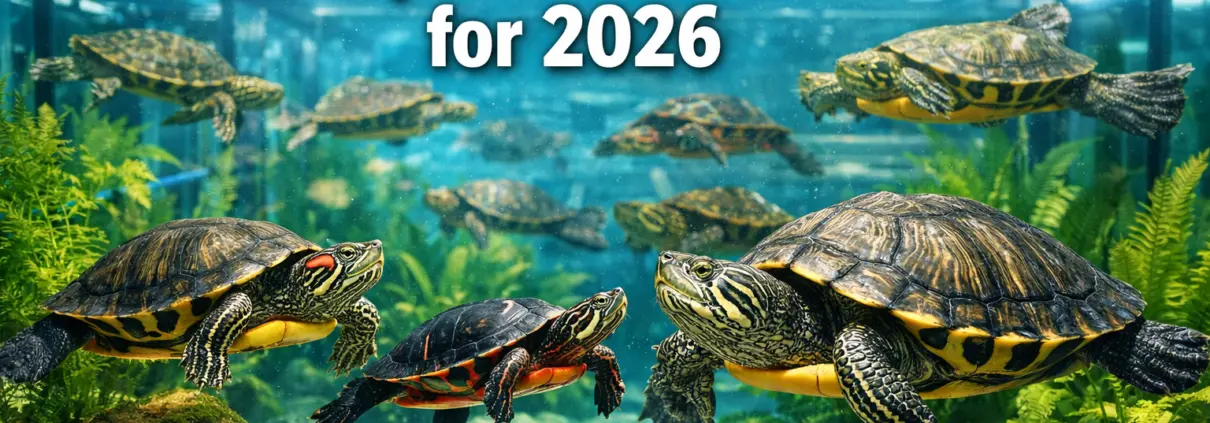
The Complete Guide to the Most Popular Water Turtles in 2026

Have you ever watched a graceful turtle glide through crystal-clear water and wondered what makes these ancient creatures such captivating companions? With over 300 species of turtles worldwide, aquatic varieties have captured the hearts of reptile enthusiasts for decades, offering a unique blend of beauty, personality, and fascinating behaviors that make them truly special additions to any home. The most popular water turtles available today represent some of nature’s most resilient and adaptable creatures, each bringing their own distinct characteristics and care requirements to the world of reptile keeping.
As we explore the fascinating world of aquatic turtle keeping in 2026, I’ll guide you through the species that have earned their place as the most popular water turtles among both beginners and experienced keepers. From the vibrant red-eared slider to the impressive alligator snapping turtle, these remarkable creatures offer endless opportunities for observation, learning, and appreciation of aquatic life.
- Display 21 Products per page


Key Takeaways
• Red-eared sliders remain the most popular choice for beginners due to their hardy nature and striking appearance
• Tank size requirements vary dramatically, from 40 gallons for small species to 200+ gallons for large turtles
• Proper filtration and heating are essential for all aquatic turtle species, with water temperature ranging from 75-82°F
• Captive-bred specimens from reputable sources like Tortoise Town offer better health and adaptation than wild-caught turtles
• Legal compliance is crucial, as turtles under 4 inches are sold for research and scientific purposes only, not as pets
Understanding the Most Popular Water Turtles for Beginners
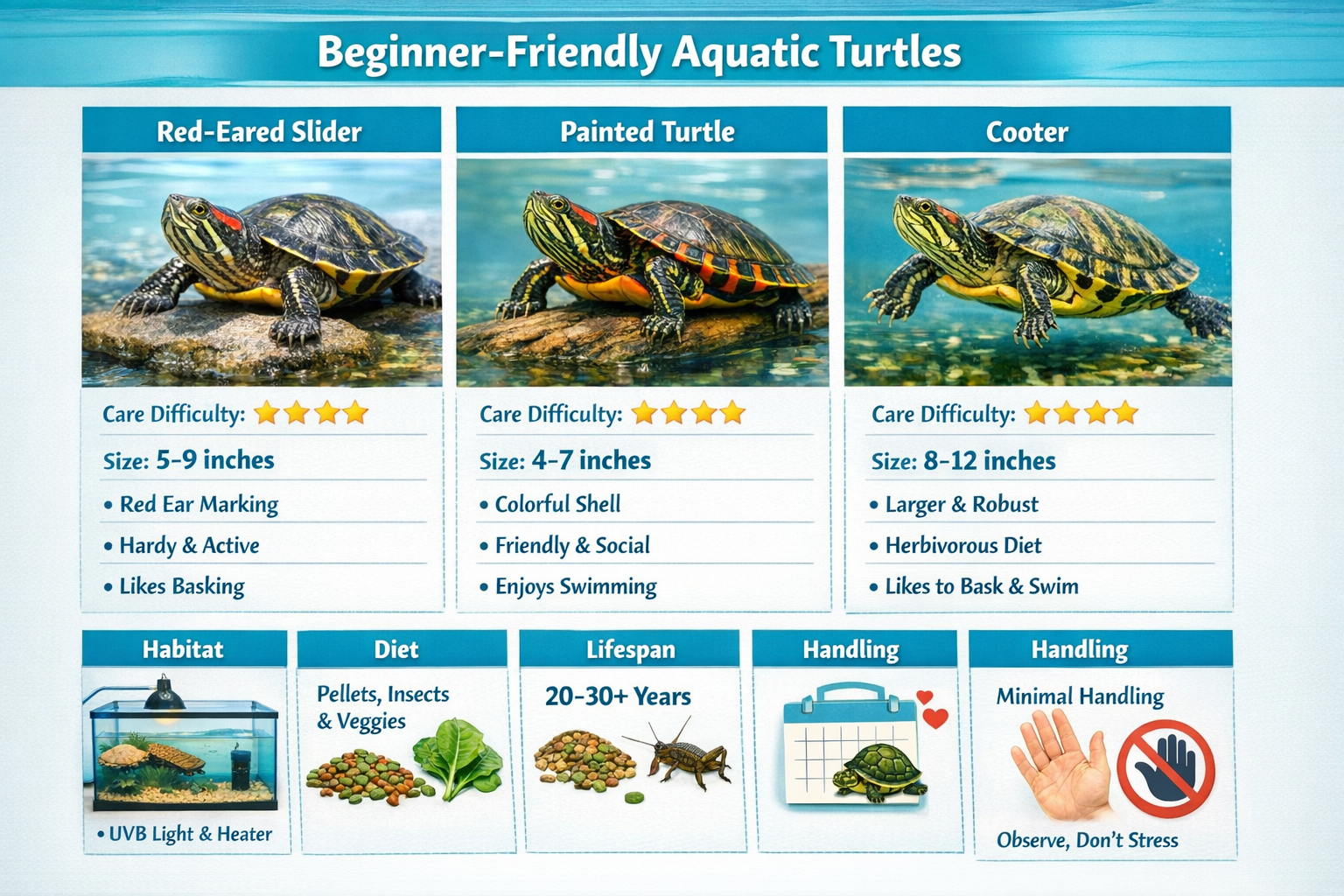
When considering keeping an aquatic turtle, selecting the right species makes all the difference in your success and enjoyment. The most popular water turtles for beginners share several key characteristics: they’re hardy, adaptable to captive conditions, and relatively straightforward in their care requirements.
Red-Eared Sliders: The Gold Standard
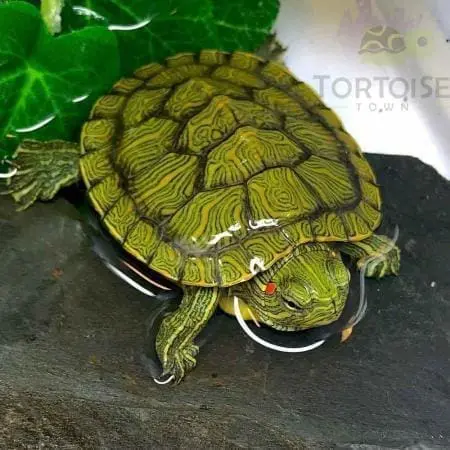
The red-eared slider (Trachemys scripta elegans) stands as the undisputed champion among aquatic turtle species. These beautiful creatures, recognizable by their distinctive red patches behind each eye, have earned their popularity through decades of successful captive breeding and their remarkable adaptability to various water conditions.
Why Red-Eared Sliders Lead the Pack:
- Hardy constitution that tolerates minor care mistakes
- Active personality that makes them engaging to observe
- Moderate size reaching 8-12 inches when fully grown
- Readily available from reputable breeders like Tortoise for sale
- Well-documented care with extensive resources available
Red-eared sliders require a minimum 75-gallon tank for adults, with powerful filtration capable of handling their substantial bioload. These turtles are excellent swimmers but also need a proper basking area where they can completely dry off under appropriate UVB lighting.
“Red-eared sliders represent the perfect introduction to aquatic turtle keeping, combining beauty, personality, and manageable care requirements in one remarkable package.” – Reptile Care Specialist
Painted Turtles: North America’s Colorful Natives
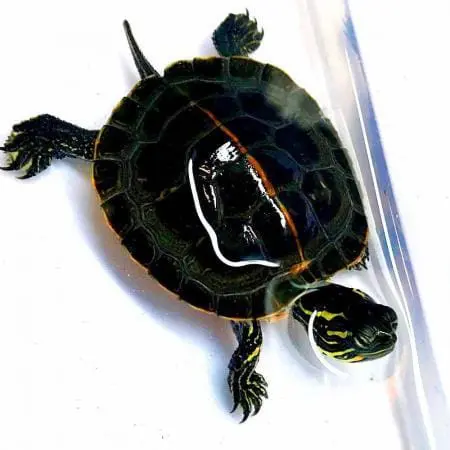
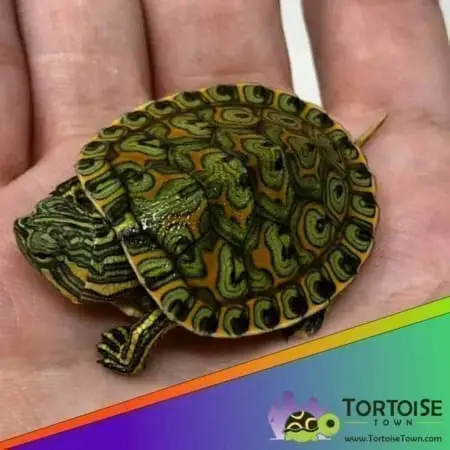
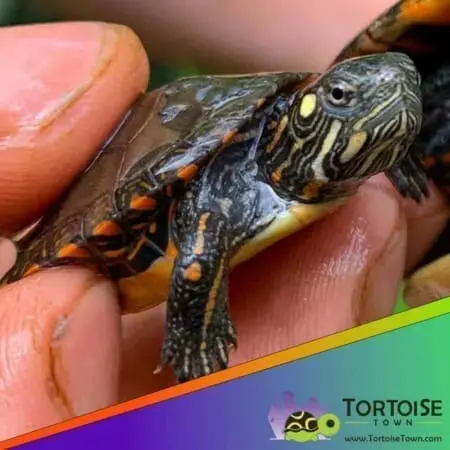
Painted turtles (Chrysemys picta) earn their place among the most popular water turtles through their stunning natural coloration and relatively compact size. These native North American species showcase beautiful yellow and red markings on their shells and skin, creating a living work of art in any aquatic setup.
Eastern Painted Turtle Highlights:
- Smaller adult size of 4-6 inches makes them suitable for smaller spaces
- Vibrant coloration that intensifies with proper care and nutrition
- Cold tolerance allowing for outdoor keeping in many climates
- Peaceful temperament making them suitable for community setups
For those interested in painted turtle for sale, it’s important to understand their specific needs. These turtles thrive in cooler water temperatures (70-75°F) compared to tropical species and appreciate a varied diet including aquatic plants, insects, and commercial turtle pellets.
Yellow-Bellied Sliders: The Gentle Giants
Yellow-bellied sliders (Trachemys scripta scripta) represent another excellent choice among the most popular water turtles, offering many of the same benefits as their red-eared cousins while displaying their own unique characteristics. These turtles feature beautiful yellow plastrons (bottom shells) and intricate yellow markings throughout their bodies.
Key Features of Yellow-Bellied Sliders:
- Calm disposition that makes handling easier when necessary
- Impressive size reaching up to 11 inches in length
- Strong swimming ability requiring deep water areas
- Omnivorous diet accepting both plant and animal matter readily
When searching for quality turtles for sale, yellow-bellied sliders from reputable breeders offer excellent value and typically adapt well to captive conditions. These turtles require similar care to red-eared sliders but may be slightly less aggressive during feeding time.
Map Turtles: The Detailed Beauties
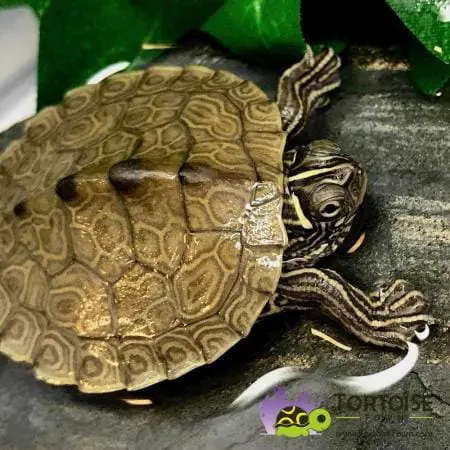
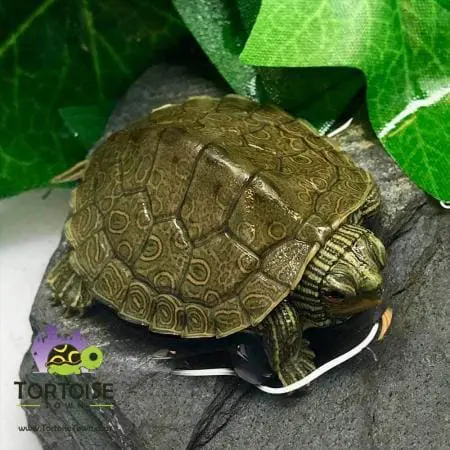
Map turtles (Graptemys species) have gained recognition among the most popular water turtles due to their intricate shell patterns that resemble topographical maps. These turtles offer unique visual appeal and interesting behaviors that set them apart from other common species.
Map Turtle Advantages:
- Distinctive appearance with detailed shell markings
- Active swimmers providing excellent viewing opportunities
- Moderate size with most species staying under 8 inches
- Interesting feeding behavior including specialized mollusk-crushing abilities in some species
Map turtles require excellent water quality and strong filtration, as they’re somewhat more sensitive to poor conditions than sliders. However, their unique appearance and engaging personalities make them worthwhile additions for keepers willing to maintain pristine water conditions.
For those seeking water turtles for sale, Tortoise Town stands as the premier destination for captive-bred specimens. Their commitment to quality breeding and proper husbandry ensures that customers receive healthy, well-started turtles ready for their new homes.
Medium-Sized Species Among the Most Popular Water Turtles
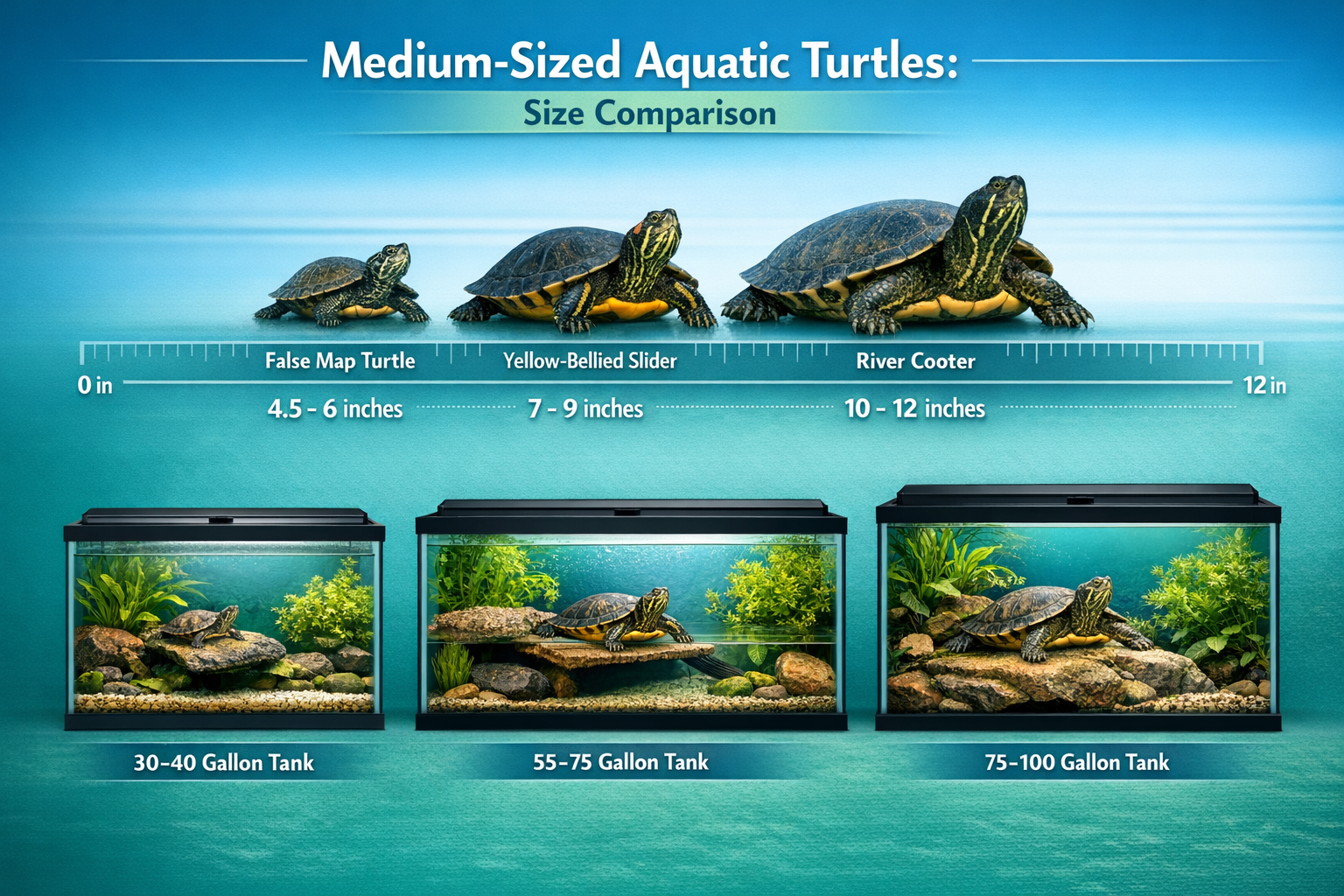
As keepers gain experience and confidence, many gravitate toward medium-sized species that offer more impressive presence while remaining manageable in home aquatic setups. These most popular water turtles in the medium category provide the perfect balance between visual impact and practical care requirements.
River Cooters: The Peaceful Giants
River cooters (Pseudemys concinna) have earned their place among the most popular water turtles through their impressive size, peaceful nature, and striking appearance. These large basking turtles can reach 12-16 inches in length, making them substantial and impressive inhabitants of large aquatic systems.
River Cooter Characteristics:
- Large adult size creating an impressive aquatic display
- Peaceful temperament rarely showing aggression toward tank mates
- Excellent baskers spending significant time under heat lamps
- Herbivorous diet as adults, simplifying feeding routines
- Hardy constitution tolerating various water conditions
River cooters require substantial space, with adult specimens needing 150+ gallon systems to thrive. Their primarily vegetarian diet as adults makes them easier to feed than many carnivorous species, though juveniles require more protein for proper growth and development.
False Map Turtles: The Active Swimmers
False map turtles (Graptemys pseudogeographica) represent one of the most dynamic species among the most popular water turtles, offering constant activity and engaging behaviors. These medium-sized turtles display beautiful yellow markings and distinctive keel lines along their shells.
False Map Turtle Features:
- Highly active swimmers providing excellent entertainment value
- Moderate size reaching 6-10 inches depending on sex
- Clear sexual dimorphism with females significantly larger than males
- Interesting feeding behavior including surface feeding and diving
False map turtles excel in deeper water setups where they can display their impressive swimming abilities. They appreciate strong water flow and excellent filtration, mimicking the river conditions of their natural habitat. For those interested in turtle for sale options, false map turtles offer an excellent step up from basic slider species.
Reeve’s Turtles: The Asian Alternatives
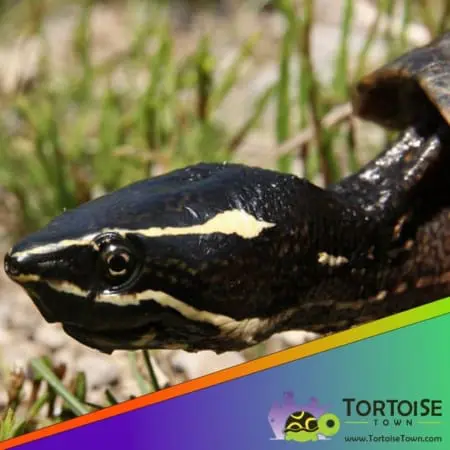
Reeve’s turtles (Mauremys reevesii) provide an interesting alternative among the most popular water turtles, offering Asian species characteristics while remaining relatively easy to maintain. These attractive turtles feature dark shells with yellow striping and calm, observant personalities.
Reeve’s Turtle Benefits:
- Manageable size reaching 6-9 inches at maturity
- Calm demeanor making them excellent observation subjects
- Temperature tolerance adapting to various thermal conditions
- Omnivorous appetite accepting diverse food offerings
- Unique appearance standing out from common North American species
Reeve’s turtles appreciate slightly cooler water temperatures than many tropical species and can even tolerate brief periods of cooler conditions. Their calm nature and interesting appearance make them excellent choices for keepers seeking something different from the standard slider varieties.
Diamondback Terrapins: The Brackish Specialists
Diamondback terrapins (Malaclemys terrapin) occupy a unique niche among the most popular water turtles as the only North American turtle adapted to brackish water conditions. These beautiful turtles feature distinctive diamond-shaped markings on their shells and offer unique keeping challenges and rewards.
Terrapin Specialties:
- Brackish water adaptation requiring salt content in their habitat
- Beautiful shell patterns with distinctive diamond markings
- Moderate size typically reaching 6-9 inches
- Specialized diet including crabs, mollusks, and marine vegetation
- Historical significance as the turtle featured in fine dining
Keeping diamondback terrapins requires understanding of brackish water chemistry and specialized filtration systems. However, their unique requirements and beautiful appearance make them fascinating subjects for experienced keepers ready for new challenges.
When considering any of these medium-sized species, proper research into their specific care requirements becomes crucial. Tortoise Town’s expertise in breeding and maintaining these species ensures that customers receive not only healthy specimens but also comprehensive care guidance for long-term success.
Large Species Among the Most Popular Water Turtles
For experienced keepers with adequate space and resources, large aquatic turtle species represent the pinnacle of turtle keeping. These impressive creatures among the most popular water turtles require significant commitment but offer unparalleled presence and fascinating behaviors that make them truly special additions to dedicated setups.
Common Snapping Turtles: The Prehistoric Powerhouses
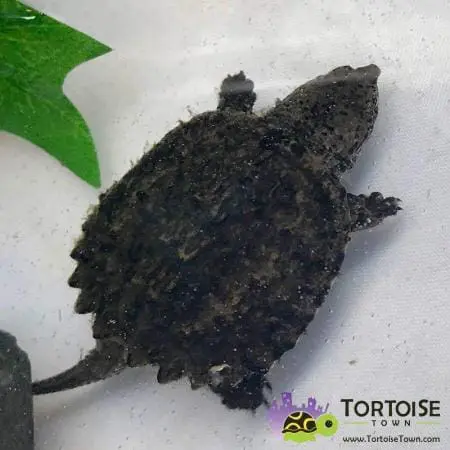
Common snapping turtles (Chelydra serpentina) command respect among the most popular water turtles through their impressive size, prehistoric appearance, and powerful personalities. These ancient-looking creatures can reach weights of 35+ pounds and live for many decades with proper care.
Snapping Turtle Characteristics:
- Impressive size reaching 12-18 inches with substantial bulk
- Powerful bite requiring respectful handling techniques
- Omnivorous appetite accepting virtually any food offering
- Hardy constitution tolerating various water conditions
- Fascinating behavior including ambush hunting techniques
“Common snapping turtles represent the apex of aquatic turtle keeping, combining impressive size with fascinating prehistoric behaviors that captivate dedicated keepers.”
Snapping turtles require massive aquatic systems, typically 200+ gallons for adult specimens, with extremely robust filtration to handle their substantial bioload. These turtles are best suited for experienced keepers who understand their specific needs and respect their powerful capabilities.
Alligator Snapping Turtles: The Ultimate Aquatic Predators
Alligator snapping turtles (Macrochelys temminckii) represent the largest freshwater turtle species in North America and occupy a special place among the most popular water turtles for advanced keepers. These magnificent creatures can exceed 200 pounds and live well over 100 years.
Alligator Snapper Features:
- Massive adult size potentially reaching 26+ inches and 200+ pounds
- Unique hunting method using their pink tongue lure to attract prey
- Extremely long lifespan with specimens living over a century
- Impressive bite force among the strongest of any turtle species
- Prehistoric appearance with prominent ridged shells and spiked tails
Due to their enormous size and specific requirements, alligator snapping turtles are only suitable for the most dedicated keepers with appropriate facilities. Many specimens require custom-built systems or pond setups to accommodate their adult size properly.
Spiny Softshell Turtles: The Aquatic Athletes
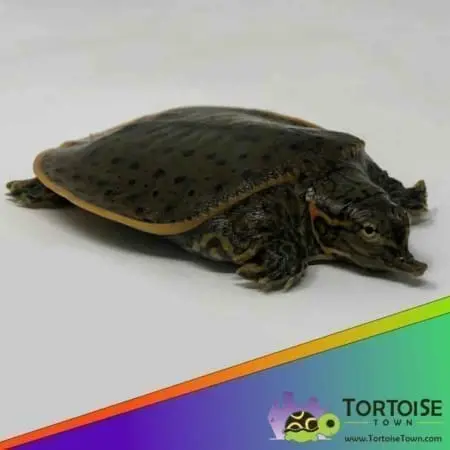
Spiny softshell turtles (Apalone spinifera) bring unique characteristics to the most popular water turtles category with their distinctive soft shells and incredible swimming abilities. These highly aquatic species rarely leave the water except for nesting and offer fascinating behaviors for observation.
Softshell Turtle Attributes:
- Exceptional swimming ability making them the fastest turtle swimmers
- Unique soft shell providing flexibility and streamlined movement
- Highly aquatic lifestyle spending virtually all time in water
- Impressive size with females reaching 12-18 inches
- Specialized breathing ability to extract oxygen from water through skin
Softshell turtles require pristine water conditions and sandy substrates where they can bury themselves. Their soft shells make them more susceptible to injury, requiring careful habitat design and handling considerations.
Large Cooter Species: The Gentle Giants
Several large cooter species, including Florida cooters (Pseudemys floridana) and Peninsula cooters (Pseudemys peninsularis), round out the large category of most popular water turtles. These impressive basking turtles offer substantial size while maintaining relatively peaceful temperaments.
Large Cooter Benefits:
- Impressive adult size reaching 13-16 inches
- Peaceful nature suitable for large community setups
- Excellent basking behavior providing great observation opportunities
- Primarily herbivorous diet simplifying feeding routines
- Hardy constitution adapting well to various conditions
Large cooters require substantial basking areas and powerful heating systems to maintain proper temperatures across their large bodies. Their peaceful nature makes them excellent choices for keepers wanting impressive size without aggressive behaviors.
When considering any large species, space requirements become paramount. These turtles need custom-built systems or pond setups to truly thrive. Tortoise Town provides expert guidance on housing requirements and can help match keepers with appropriate species based on their available space and experience level.
The commitment required for large aquatic turtle species cannot be overstated. These long-lived creatures may outlive their keepers and require succession planning to ensure continued proper care throughout their extended lifespans.
Essential Care Requirements for the Most Popular Water Turtles
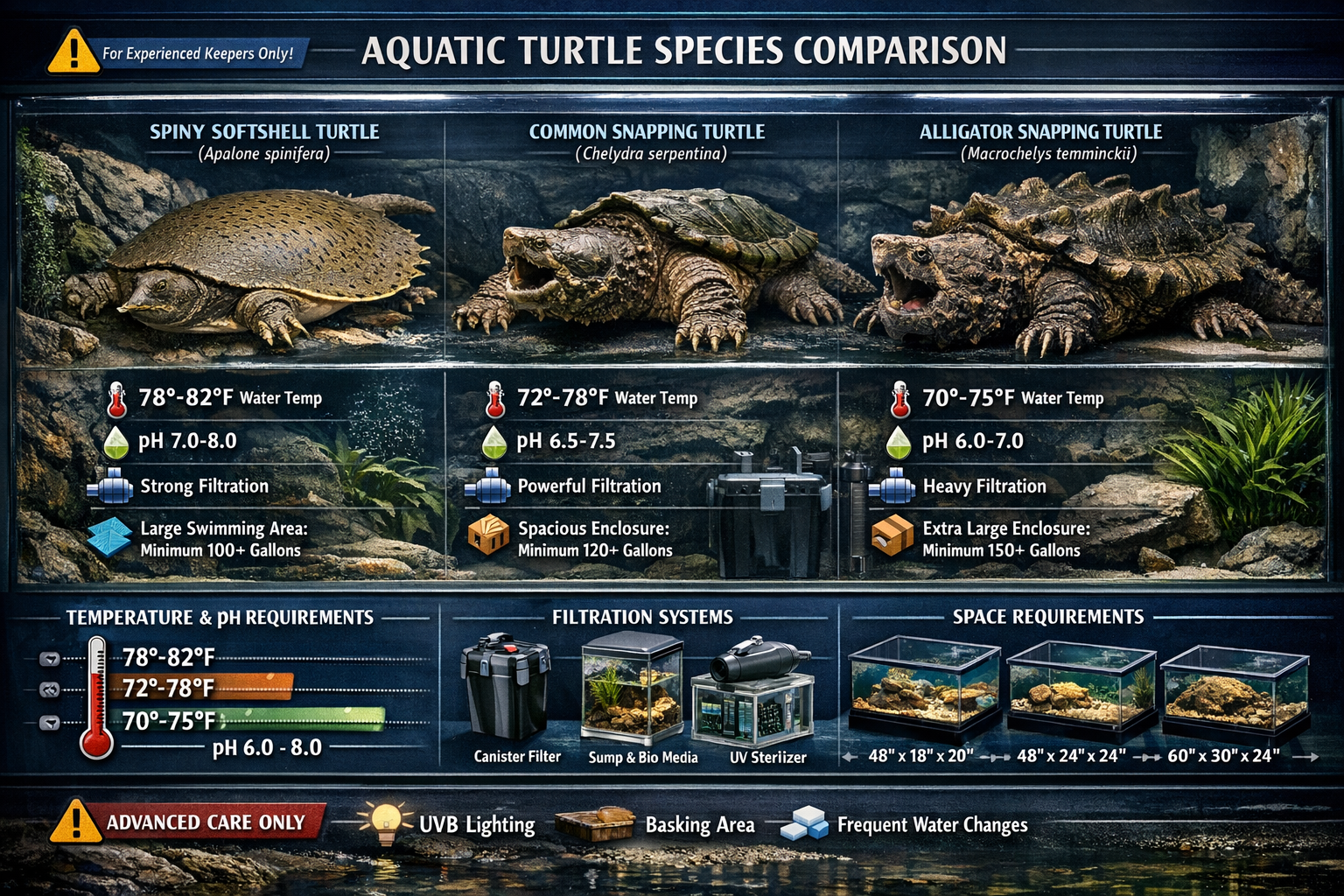
Successfully keeping any of the most popular water turtles requires understanding and meeting their fundamental care requirements. While specific needs vary between species, certain principles apply across all aquatic turtle keeping and form the foundation for long-term success and turtle health.
Habitat Setup and Tank Requirements
Creating an appropriate habitat represents the most critical aspect of keeping any of the most popular water turtles. The aquatic environment must provide both swimming space and proper basking areas while maintaining excellent water quality and appropriate temperatures.
Essential Habitat Components:
Tank Size Guidelines:
- Small species (4-6 inches): Minimum 40-55 gallons
- Medium species (6-10 inches): Minimum 75-125 gallons
- Large species (10+ inches): Minimum 150-300+ gallons
- Rule of thumb: 10 gallons per inch of turtle length as absolute minimum
Water Depth and Swimming Space:
Most aquatic turtles require water deep enough to allow complete submersion and natural swimming behaviors. Water depth should be at least 1.5-2 times the turtle’s shell length, with deeper areas preferred for strong swimmers like map turtles and softshells.
Basking Area Requirements:
Every aquatic turtle setup must include a proper basking area where turtles can completely dry off. This area should be easily accessible, large enough for the turtle to fit completely, and positioned under appropriate heating and UVB lighting.
Filtration and Water Quality Management
Maintaining excellent water quality represents one of the most challenging aspects of keeping the most popular water turtles. These creatures produce substantial waste and require robust filtration systems to maintain healthy conditions.
Filtration System Requirements:
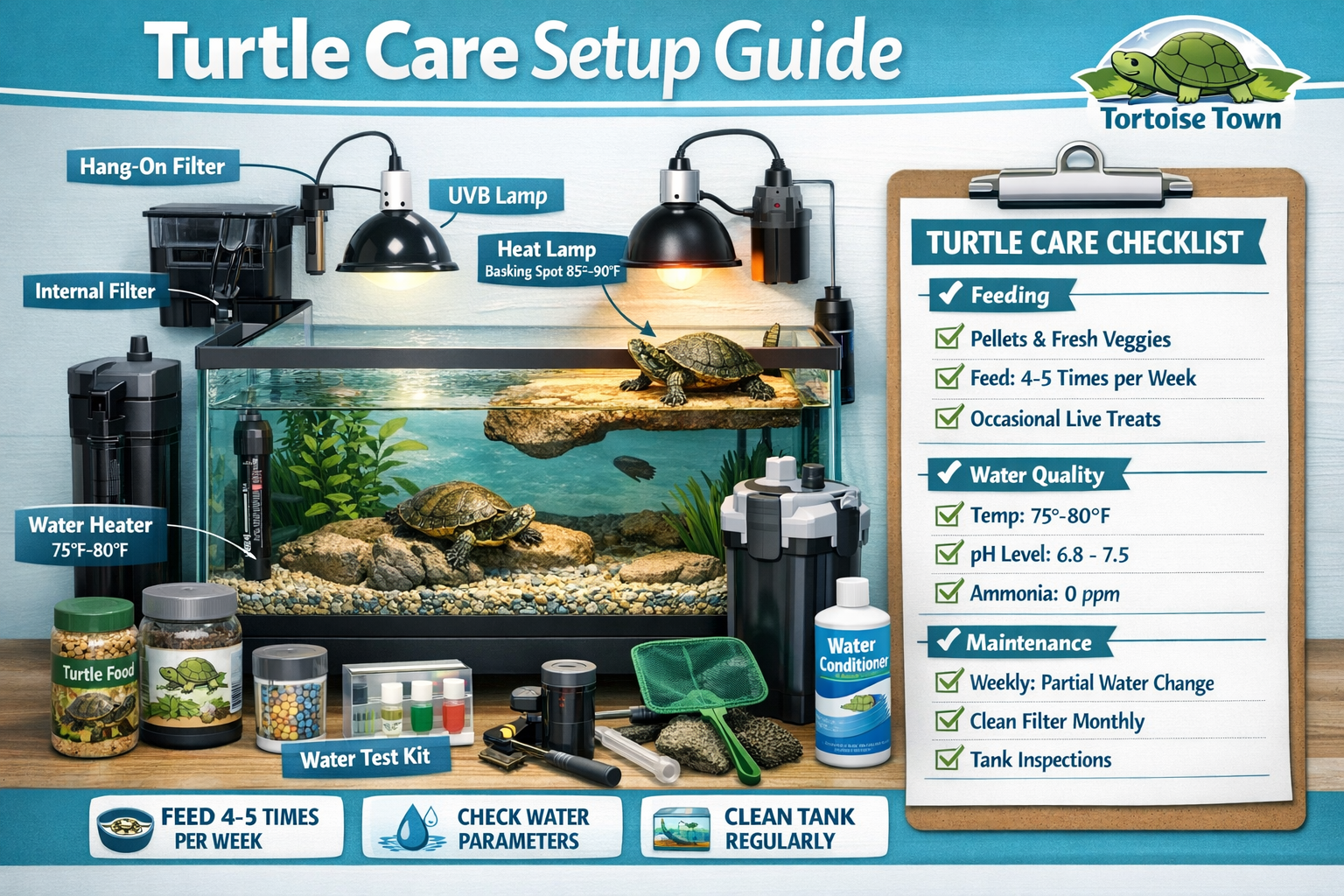
- Oversized filtration: Choose filters rated for 2-3 times your tank volume
- Multiple filtration types: Combine mechanical, biological, and chemical filtration
- Regular maintenance: Clean filters weekly and perform partial water changes
- Water testing: Monitor ammonia, nitrite, nitrate, and pH levels regularly
Water Quality Parameters:
- Temperature: 75-82°F depending on species
- pH: 6.5-8.0 (species-dependent)
- Ammonia/Nitrite: 0 ppm (toxic to turtles)
- Nitrate: Below 40 ppm (lower is better)
Lighting and Heating Systems
Proper lighting and heating systems are crucial for the health of all most popular water turtles. These systems must provide both thermal regulation and essential UVB radiation for calcium metabolism and shell health.
UVB Lighting Requirements:
- Full-spectrum UVB: 5-10% UVB output depending on species
- Proper distance: Position 6-12 inches above basking area
- Regular replacement: Change bulbs every 6-12 months
- Timer control: Provide 10-12 hours of UVB daily
Heating System Components:
- Basking spot: 85-95°F surface temperature
- Water heater: Maintain consistent water temperature
- Ceramic heat emitters: Provide nighttime heating without light
- Temperature monitoring: Use reliable thermometers in multiple locations
Nutrition and Feeding Guidelines
Feeding the most popular water turtles properly requires understanding their specific dietary needs, which often change as they mature from juveniles to adults. Most species transition from primarily carnivorous diets as juveniles to more herbivorous diets as adults.
Juvenile Feeding (Under 1 year):
- High protein diet: 50-70% animal protein
- Daily feeding: Small amounts 1-2 times daily
- Variety: Offer insects, fish, commercial pellets, and some vegetables
Adult Feeding (Over 1 year):
- Balanced diet: 25-50% animal protein depending on species
- Feeding frequency: Every other day or 3-4 times weekly
- Plant matter: Increase vegetables and aquatic plants
Recommended Food Items:
- Commercial pellets: High-quality turtle-specific formulations
- Live/frozen foods: Earthworms, crickets, fish, shrimp
- Vegetables: Leafy greens, squash, carrots, bell peppers
- Aquatic plants: Water hyacinth, water lettuce, anacharis
For comprehensive guidance on proper turtle nutrition, consulting with experienced breeders provides valuable insights into species-specific dietary requirements.
Health Monitoring and Veterinary Care
Regular health monitoring helps ensure that your most popular water turtles remain healthy and catch any potential issues early. Understanding normal behaviors and appearance helps identify problems before they become serious.
Signs of Healthy Turtles:
- Active swimming and alert behavior
- Clear, bright eyes without discharge
- Smooth shell without soft spots or discoloration
- Regular appetite and normal feeding behavior
- Normal breathing without mouth breathing or wheezing
Common Health Concerns:
- Respiratory infections: Often caused by poor water quality or temperature
- Shell rot: Bacterial or fungal infections of the shell
- Parasites: Internal or external parasites requiring treatment
- Nutritional deficiencies: Particularly vitamin A and calcium deficiencies
Veterinary Care:
Establishing a relationship with a reptile-experienced veterinarian before problems arise ensures access to proper care when needed. Annual check-ups help maintain optimal health and catch issues early.
When sourcing any of these species, working with reputable breeders like Tortoise Town ensures you receive healthy, well-started specimens with proper care guidance. Their expertise in breeding and maintaining the most popular water turtles provides invaluable support for both new and experienced keepers.
🐢 Interactive Aquatic Turtle Size Comparison
Use the buttons above to sort turtles by size or view tank requirements. All measurements represent typical adult sizes.
Legal Considerations and Responsible Ownership
When acquiring any of the most popular water turtles, understanding legal requirements and responsibilities becomes crucial for ethical and lawful ownership. Federal and state regulations govern turtle sales and ownership, particularly regarding specimens under four inches in shell length.
Federal Regulations:
The FDA prohibits the sale of turtles under 4 inches in shell length for commercial purposes except for scientific, educational, or exhibition purposes. This regulation exists due to salmonella concerns and applies to all turtle species regardless of origin.
State and Local Laws:
Many states have additional regulations regarding:
- Native species possession requiring permits or prohibiting ownership entirely
- Import restrictions on certain species from other states
- Release prohibitions preventing introduction of non-native species
- Facility requirements for keeping large or potentially dangerous species
Responsible Sourcing:
Working with reputable breeders like Tortoise Town ensures compliance with all applicable regulations and supports conservation through captive breeding programs rather than wild collection.
Setting Up Your First Aquatic Turtle Habitat
Creating an appropriate habitat for the most popular water turtles requires careful planning and investment in quality equipment. Success depends on understanding each component’s role and how they work together to create a thriving aquatic environment.
Step-by-Step Setup Process:
- Tank Selection: Choose an appropriately sized aquarium with adequate floor space
- Filtration Installation: Install oversized filtration rated for 2-3x tank volume
- Heating Systems: Set up water heaters and basking spot heating
- Lighting Installation: Position UVB and heating lamps over basking area
- Substrate Addition: Add appropriate substrate if desired (optional for most species)
- Water Addition: Fill tank and allow filtration system to establish
- Cycling Process: Allow biological filtration to establish before adding turtles
- Temperature Monitoring: Verify all temperature zones are appropriate
- Water Testing: Confirm water parameters are within acceptable ranges
- Turtle Introduction: Gradually introduce turtle to new environment
Common Setup Mistakes to Avoid:
- Undersized tanks that restrict natural behaviors
- Inadequate filtration leading to poor water quality
- Improper lighting distances or spectrum
- Insufficient basking areas preventing proper thermoregulation
- Poor water circulation creating dead zones in the tank
Long-Term Care and Maintenance
Successfully maintaining the most popular water turtles requires establishing consistent care routines and understanding the long-term commitment involved. These creatures can live for several decades with proper care, making them lifetime companions.
Daily Care Tasks:
- Visual health check observing behavior and appearance
- Temperature monitoring ensuring all zones remain appropriate
- Feeding (for juveniles) or every other day (for adults)
- Basic cleaning removing uneaten food and visible debris
Weekly Maintenance:
- Partial water changes (25-50% depending on bioload)
- Filter cleaning maintaining optimal filtration efficiency
- Water testing monitoring ammonia, nitrite, nitrate, and pH
- Equipment inspection checking all heating and lighting systems
Monthly Tasks:
- Deep cleaning of basking areas and decorations
- Equipment maintenance cleaning and calibrating equipment
- Health assessment detailed examination for any changes
- Diet evaluation adjusting feeding based on growth and activity
Annual Requirements:
- Veterinary checkup with reptile-experienced veterinarian
- Equipment replacement updating worn or outdated components
- Habitat upgrades expanding or improving setup as turtle grows
- Emergency planning preparing for potential health or equipment issues
The commitment required for keeping the most popular water turtles extends far beyond initial setup costs. These long-lived creatures require consistent, quality care throughout their extended lifespans, making them suitable only for dedicated keepers prepared for the long-term responsibility.
When sourcing equipment and supplies, working with established retailers that understand turtle-specific needs ensures access to appropriate products and ongoing support. Tortoise Town’s comprehensive approach to turtle care includes not only healthy specimens but also guidance on proper equipment selection and setup procedures.
Conclusion
The world of the most popular water turtles offers incredible diversity and endless fascination for dedicated keepers willing to meet their specific needs. From the hardy and colorful red-eared sliders perfect for beginners to the impressive alligator snapping turtles suitable only for expert keepers, each species brings unique characteristics and care requirements that make turtle keeping both challenging and rewarding.
Throughout this comprehensive guide, we’ve explored the essential aspects of selecting, housing, and maintaining aquatic turtles successfully. The key to success lies in thorough research, proper preparation, and commitment to providing excellent care throughout these remarkable creatures’ extended lifespans.
Your Next Steps:
- Assess your experience level honestly and choose species appropriate for your skill level
- Calculate space and budget requirements for both initial setup and ongoing maintenance
- Research local regulations to ensure compliance with all applicable laws
- Connect with reputable breeders like Tortoise Town for healthy, well-started specimens
- Prepare your habitat completely before acquiring your turtle
- Establish relationships with reptile-experienced veterinarians in your area
Remember that all turtles sold under 4 inches are for research and scientific purposes only and not sold as pets. This important distinction ensures compliance with federal regulations while supporting legitimate scientific and educational endeavors.
The most popular water turtles represent some of nature’s most resilient and adaptable creatures, offering years of observation, learning, and appreciation for those committed to their proper care. Whether you’re drawn to the vibrant colors of painted turtles, the impressive size of river cooters, or the prehistoric appearance of snapping turtles, success depends on matching your capabilities with appropriate species and maintaining unwavering dedication to their welfare.
As you embark on your aquatic turtle keeping journey, remember that these ancient creatures have survived millions of years through adaptability and resilience. With proper care, research, and commitment, you can provide them with thriving captive environments that honor their natural behaviors while offering you decades of fascination and companionship.
References
[1] Ernst, C. H., & Lovich, J. E. (2009). Turtles of the United States and Canada. Johns Hopkins University Press.
[2] Bonin, F., Devaux, B., & Dupré, A. (2006). Turtles of the World. Johns Hopkins University Press.
[3] Bartlett, R. D., & Bartlett, P. P. (2006). Aquatic Turtles: Sliders, Cooters, Painted, and Map Turtles. Barron’s Educational Series.
[4] FDA. (2021). “Regulation of Turtle Sales.” U.S. Food and Drug Administration.
[5] Gibbons, J. W., & Lovich, J. E. (1990). “Sexual dimorphism in turtles with emphasis on the slider turtle (Trachemys scripta).” Herpetological Monographs, 4, 1-29.