
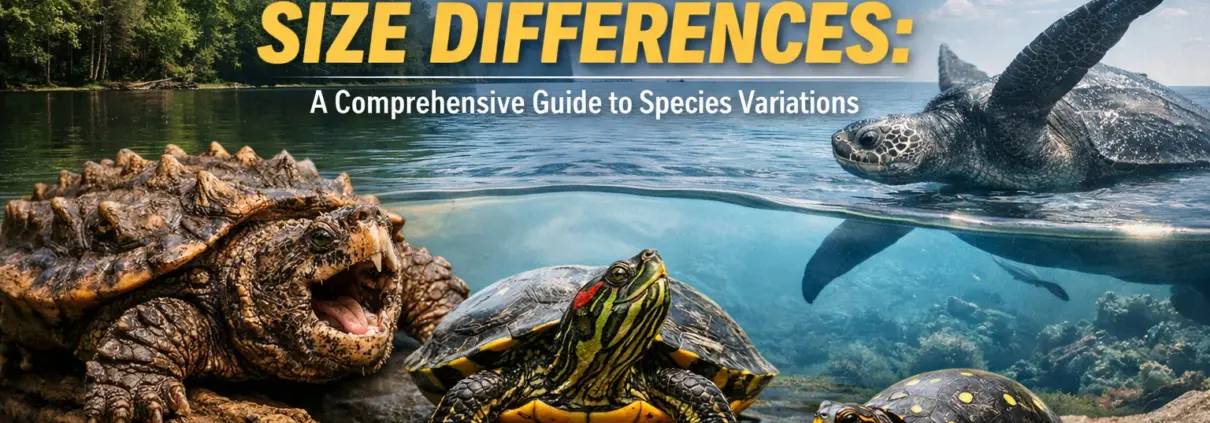
Understanding Aquatic Turtle Size Differences: A Comprehensive Guide to Species Variations

Did you know that the smallest aquatic turtle species measures just 3 inches as an adult, while the largest can exceed 18 inches in shell length? 🐢 This remarkable variation in aquatic turtle size differences represents one of the most fascinating aspects of turtle biology and plays a crucial role in determining proper care requirements, habitat needs, and long-term commitment for anyone considering keeping these remarkable reptiles.
As someone who has spent years studying and working with various turtle species, I’ve witnessed firsthand how dramatically size affects every aspect of turtle husbandry. From the tiny Eastern Mud Turtle that can comfortably live in a 40-gallon tank to the massive Alligator Snapping Turtle requiring pond-sized accommodations, understanding these size variations is essential for successful turtle keeping.
- Display 21 Products per page


Key Takeaways
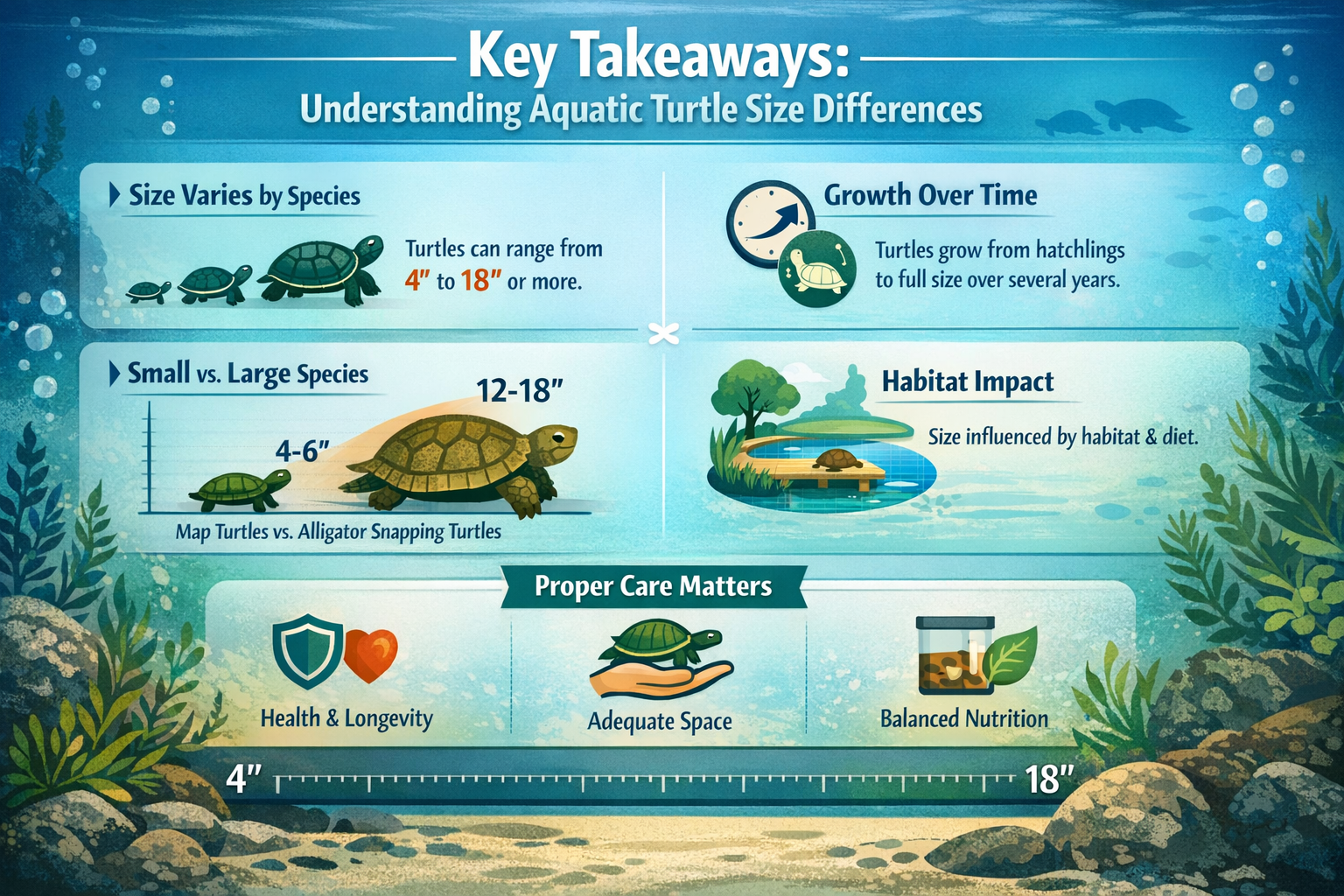
• Small species (3-6 inches) like Painted Turtles and Musk Turtles require minimum 40-75 gallon tanks and are ideal for beginners
• Medium species (6-10 inches) such as Red-Eared Sliders need 75-150 gallon setups and represent the most popular choice
• Large species (10+ inches) including Snapping Turtles demand 150+ gallon systems or outdoor ponds
• Growth rates vary significantly, with some species reaching adult size in 3-5 years while others continue growing for decades
• Size directly impacts housing costs, feeding requirements, filtration needs, and long-term care commitment
Small Aquatic Turtle Species: Compact Water Dwellers
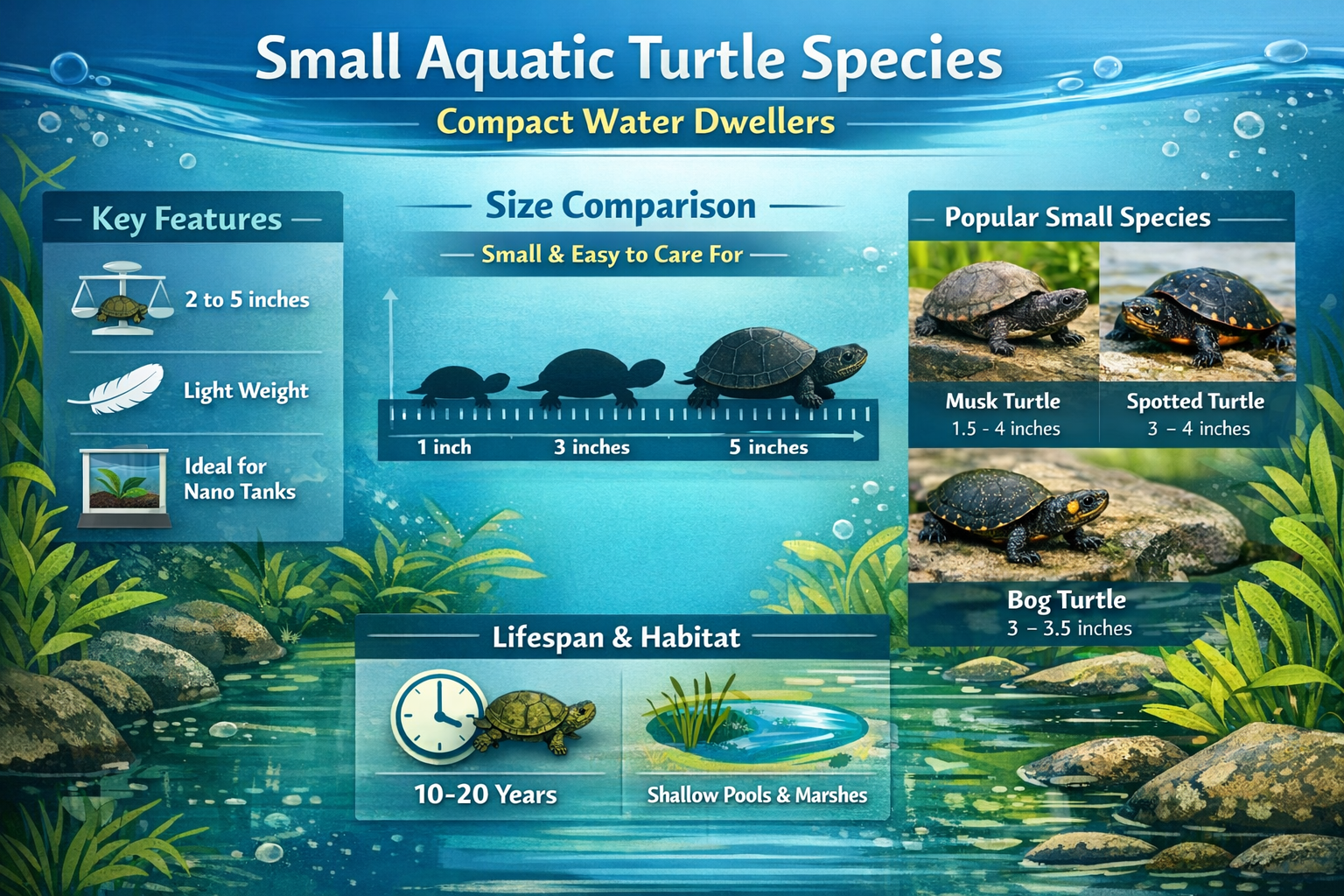
When examining aquatic turtle size differences, small species represent some of the most manageable options for those new to turtle keeping. These compact reptiles typically reach adult sizes between 3-6 inches and offer unique advantages for indoor setups.
Eastern Painted Turtles
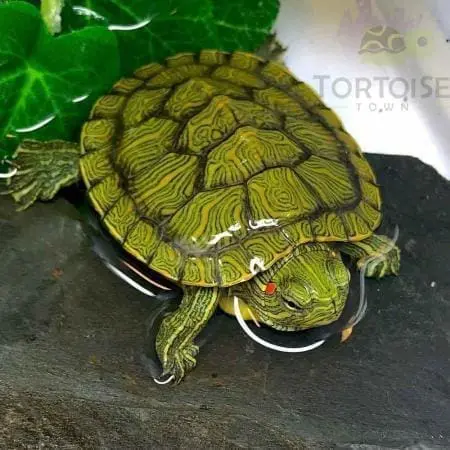
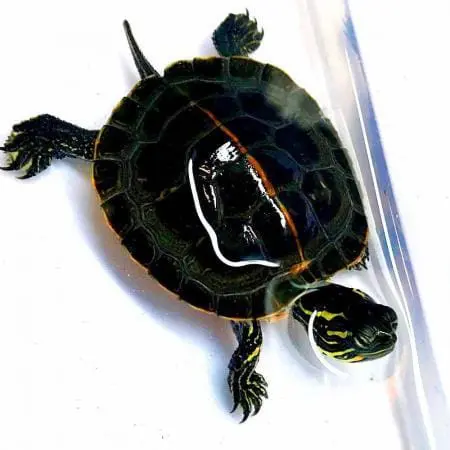
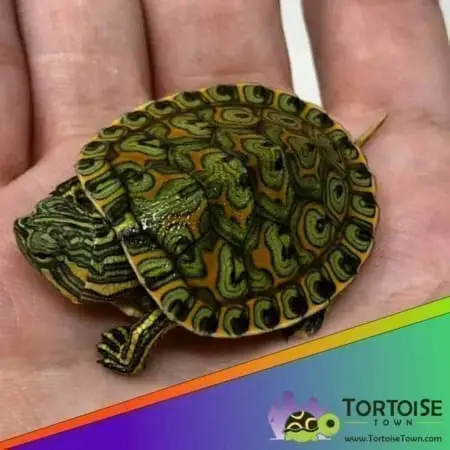
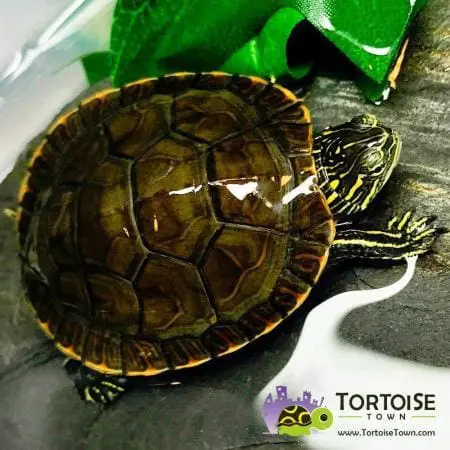
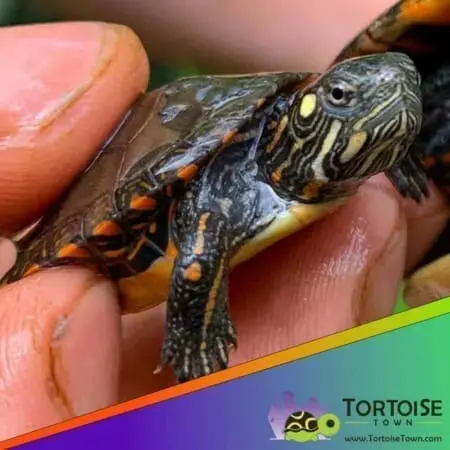
The Eastern Painted Turtle stands out as one of America’s most beloved small aquatic species. Adult females typically reach 4-6 inches, while males remain smaller at 3-4 inches. Their vibrant red and yellow markings make them particularly attractive, and their manageable size allows for comfortable housing in 75-gallon tanks.
At Tortoise Town, we’ve observed that painted turtles for sale consistently rank among our most popular small species. Their hardy nature and stunning coloration make them excellent choices for both beginners and experienced keepers.
Common Musk Turtles
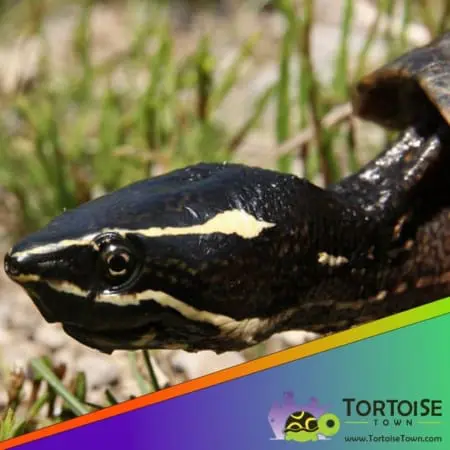
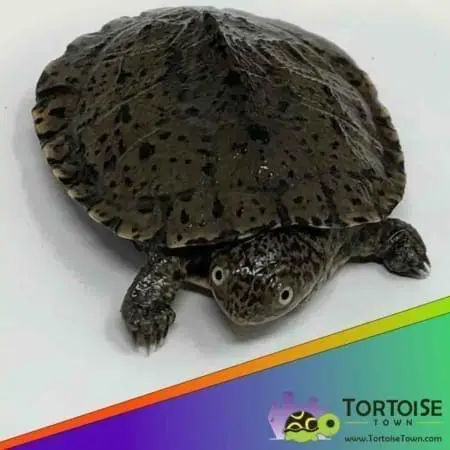
Common Musk Turtles, also known as Stinkpots, represent the smaller end of aquatic turtle size differences. Adults typically measure 3-4 inches, making them perfect for compact living situations. Despite their small stature, these turtles possess bold personalities and can live 30+ years with proper care.
Their minimal space requirements mean a well-filtered 40-gallon tank can house an adult comfortably. However, don’t let their size fool you – these turtles are excellent swimmers and require both deep water areas and accessible basking spots.
Eastern Mud Turtles
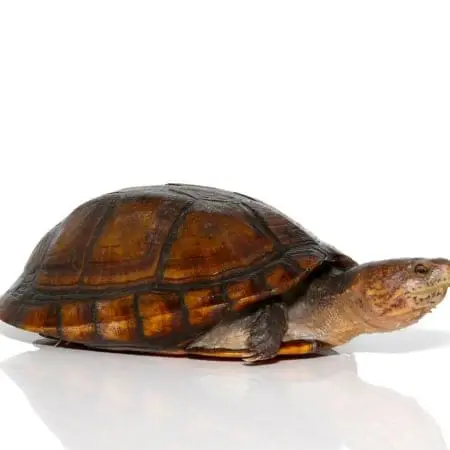
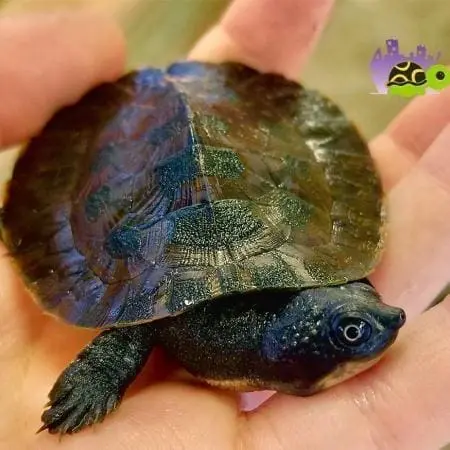
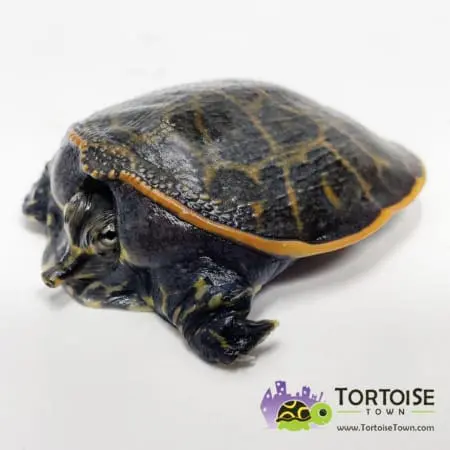
Eastern Mud Turtles showcase another fascinating example of small aquatic species, typically reaching 3-4 inches at maturity. These semi-aquatic turtles spend considerable time on land, making them unique among their aquatic cousins. Their small size and terrestrial tendencies require specialized habitat setups that accommodate both swimming and land exploration.
The beauty of small species lies in their accessibility. A properly equipped 75-gallon system can provide a lifetime home, making the initial investment and ongoing maintenance much more manageable than larger species require.
Housing Requirements for Small Species
Small aquatic turtles benefit from thoughtfully designed habitats that maximize their limited space. A 40-75 gallon tank provides adequate room for swimming, with water depths of 8-12 inches allowing natural behaviors while ensuring easy surface access.
Essential equipment includes:
- Powerful filtration rated for 2-3x tank volume
- UVB lighting (10-12% output) for shell health
- Basking platform with temperatures 85-90°F
- Water heater maintaining 72-78°F
- Hiding spots both underwater and on land
When considering turtles for sale, remember that small species often live 20-40 years, making them significant long-term commitments despite their compact size.
Medium-Sized Aquatic Turtle Species: The Popular Middle Ground
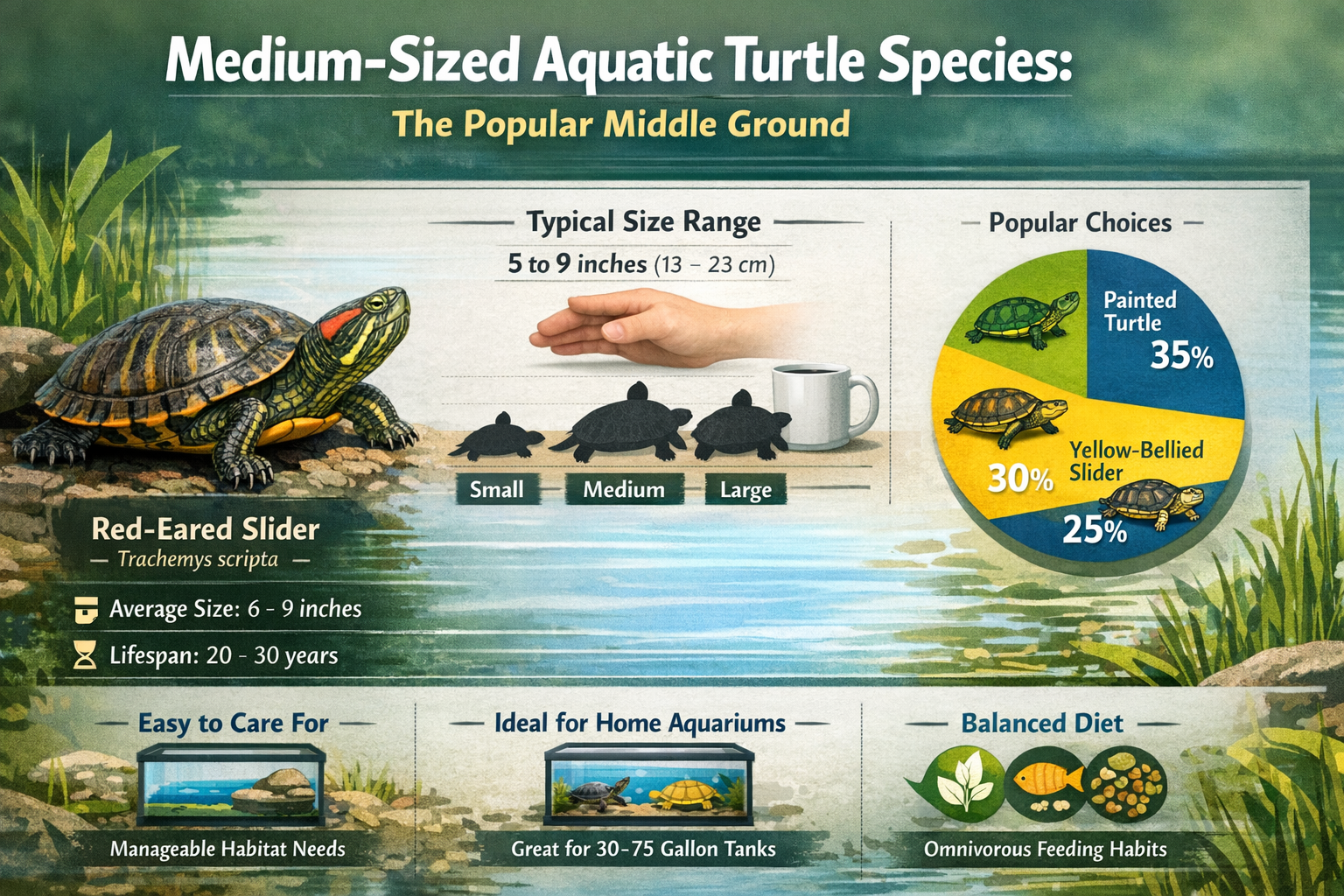
Medium-sized aquatic turtles, typically measuring 6-10 inches at maturity, represent the sweet spot in aquatic turtle size differences for many enthusiasts. These species offer impressive size and personality while remaining manageable for most indoor setups.
Red-Eared Sliders
Red-Eared Sliders dominate the medium-size category and rank as America’s most recognized aquatic turtle. Females reach 8-12 inches, while males typically stay smaller at 6-8 inches. Their distinctive red ear patches and active personalities have made them favorites for decades.
These turtles demonstrate remarkable adaptability and intelligence, often recognizing their keepers and displaying food-begging behaviors. However, their popularity comes with responsibility – Red-Eared Sliders require substantial tank systems (minimum 75-100 gallons for adults) and can live 40+ years.
As the #1 aquatic turtle breeder in the USA, we’ve seen countless successful Red-Eared Slider setups. The key lies in understanding their growth potential and planning accordingly from the start.
River Cooters
River Cooters represent impressive medium-to-large species, with adults reaching 9-13 inches. These powerful swimmers require spacious environments and demonstrate voracious appetites throughout their lives. Their robust build and active nature make them fascinating subjects for observation.
Female River Cooters significantly outsize males, showcasing dramatic sexual dimorphism common in many turtle species. This size difference affects everything from tank requirements to breeding behaviors, making species identification crucial for proper planning.
Map Turtles
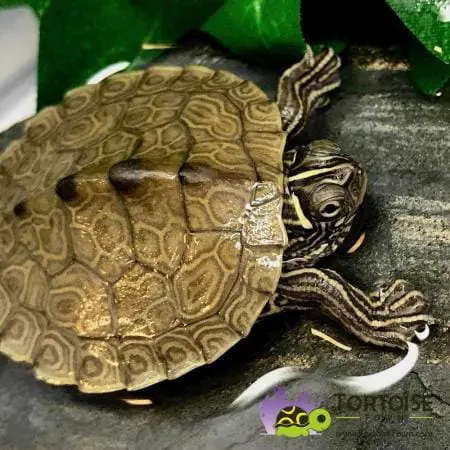
Map Turtles display some of the most extreme size differences between sexes in the turtle world. While males remain compact at 3-5 inches, females can reach 8-10 inches, creating unique housing challenges for mixed-sex groups.
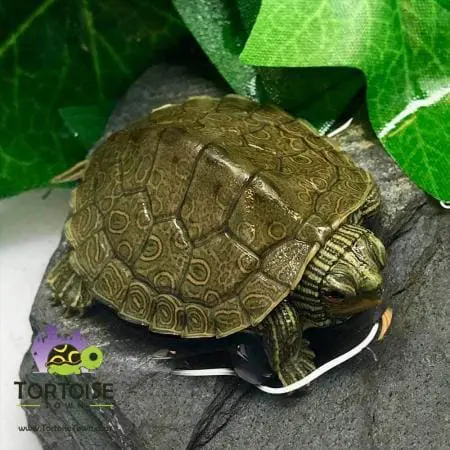
Their intricate shell patterns resemble topographical maps, giving them their common name. Map turtles require excellent water quality and strong currents, reflecting their natural river habitats. Their specialized needs make them better suited for experienced keepers despite their medium size classification.
False Map Turtles
False Map Turtles offer another excellent medium-sized option, with females reaching 8-10 inches and males staying smaller at 4-5 inches. Their hardier nature compared to true Map Turtles makes them more forgiving for intermediate keepers.
These turtles thrive in well-filtered systems with moderate water flow. Their omnivorous diet and active swimming behavior make them entertaining additions to properly sized aquatic setups.
Tank Requirements for Medium Species
Medium-sized aquatic turtles demand significantly more space than their smaller cousins. A minimum 100-gallon tank provides adequate room for adult females, while 75-gallon systems may suffice for smaller males or younger specimens.
Critical considerations include:
- Water depth of 18-24 inches for proper swimming
- Filtration capacity handling heavy bioloads
- Adequate basking area supporting full adult size
- Robust heating systems maintaining stable temperatures
- Reinforced tank stands supporting increased weight
The investment in proper housing pays dividends in turtle health and longevity. When browsing water turtles for sale, factor in these substantial housing requirements as part of your long-term planning.
Understanding the care requirements for medium species helps explain why they remain so popular. They offer impressive size and personality while staying within the realm of manageable indoor keeping for dedicated enthusiasts.
Large Aquatic Turtle Species: Giants of the Aquatic World
Large aquatic turtles represent the most dramatic end of aquatic turtle size differences, with some species reaching truly impressive proportions. These magnificent creatures require specialized care and substantial resources but offer unparalleled rewards for dedicated keepers.
Common Snapping Turtles
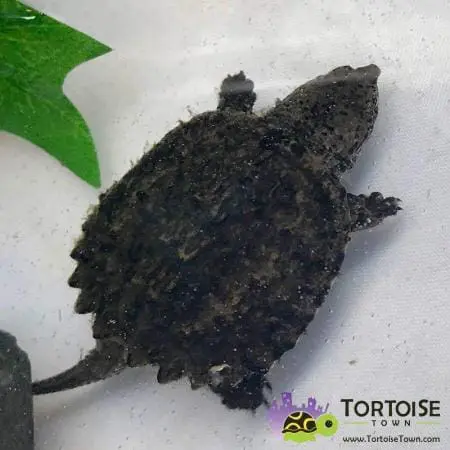
Common Snapping Turtles command respect as North America’s most formidable freshwater turtle. Adults commonly reach 12-18 inches with weights exceeding 35 pounds. Their prehistoric appearance and powerful jaws make them fascinating subjects, though they require experienced handling and substantial housing.
Despite their intimidating reputation, Common Snappers display surprising grace underwater. They’re excellent swimmers and spend most of their time submerged, only becoming defensive when handled or cornered on land. Their impressive size requires pond-sized accommodations or massive indoor systems exceeding 300 gallons.
Alligator Snapping Turtles
Alligator Snapping Turtles represent the ultimate in large aquatic species, with exceptional specimens exceeding 200 pounds and shell lengths over 24 inches. These ancient-looking giants can live over 100 years, making them truly generational commitments.
Their unique hunting strategy involves a worm-like tongue appendage that lures fish within striking range. This specialized feeding behavior, combined with their massive size, makes them unsuitable for most private collections. They require specialized permits in many states and professional-level facilities.
Florida Softshell Turtles
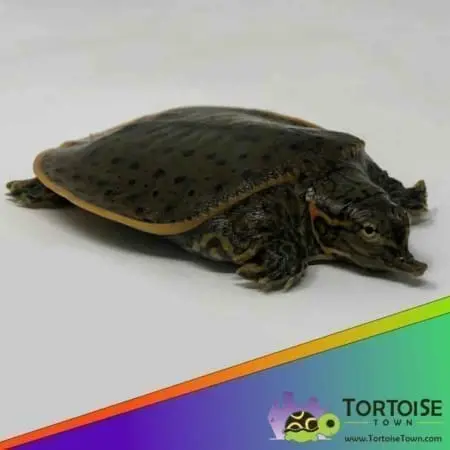
Florida Softshell Turtles showcase a different approach to large size, with their flattened, leathery shells and elongated necks. Females can reach 15+ inches, while males typically stay smaller at 8-10 inches. Their soft shells and aggressive temperament require careful handling and secure enclosures.
These rapid swimmers need spacious tanks with sandy substrates for burrowing. Their carnivorous diet and messy eating habits demand powerful filtration systems capable of handling substantial waste loads.
Spiny Softshell Turtles
Spiny Softshell Turtles represent another impressive large species, with females reaching 12-18 inches. Their pancake-flat profile and lightning-fast swimming make them captivating to observe. However, their aggressive nature and specialized care requirements limit their suitability for most keepers.
The distinctive spiny projections along their shell edges give them their common name. These adaptations, combined with their excellent camouflage, make them effective ambush predators in their natural sandy-bottom habitats.
Housing Challenges for Large Species
Large aquatic turtles present significant housing challenges that extend far beyond simple tank size. A 300+ gallon system represents the minimum starting point for most large species, with many requiring custom-built enclosures or outdoor pond systems.
Essential considerations include:
- Structural support for massive water volumes
- Industrial-grade filtration handling enormous bioloads
- Reinforced basking platforms supporting heavy adults
- Secure enclosure tops preventing escapes
- Climate control for year-round outdoor housing
The financial commitment extends beyond initial setup costs. Large turtles consume substantial quantities of food, require frequent water changes, and may need specialized veterinary care from exotic animal specialists.
Legal and Ethical Considerations
Many large turtle species face legal restrictions due to their conservation status or potential as invasive species. Before considering any large turtle, research local and federal regulations thoroughly. Some species require special permits, while others may be prohibited entirely in certain areas.
The ethical responsibility of keeping large turtles cannot be overstated. These animals may outlive their keepers and require contingency planning for their long-term care. Their substantial needs make them unsuitable impulse purchases and demand serious commitment from experienced keepers only.
When exploring options for a turtle for sale, honestly assess your ability to provide appropriate care throughout the animal’s potentially century-long lifespan. Large species represent the pinnacle of turtle keeping but demand corresponding expertise and resources.
Factors Influencing Aquatic Turtle Size Differences
Understanding the various factors that contribute to aquatic turtle size differences provides crucial insights for anyone interested in keeping these remarkable reptiles. Multiple biological, environmental, and genetic factors work together to determine a turtle’s ultimate size and growth pattern.
Sexual Dimorphism in Aquatic Turtles
Sexual dimorphism represents one of the most significant factors in aquatic turtle size differences. In most species, females grow substantially larger than males, sometimes reaching double the size. This size difference serves important biological functions related to reproduction and territorial behavior.
Female turtles require larger body cavities to accommodate egg development, driving their increased size. Additionally, larger females can produce more eggs and have higher reproductive success rates. Males, conversely, benefit from smaller, more agile bodies that allow better maneuverability during courtship and territorial disputes.
Examples of sexual dimorphism:
- Red-Eared Sliders: Females 8-12 inches, males 6-8 inches
- Map Turtles: Females 8-10 inches, males 3-5 inches
- Painted Turtles: Females 4-6 inches, males 3-4 inches
- Cooters: Females 9-13 inches, males 6-9 inches
This dramatic size variation between sexes affects housing requirements significantly. A tank suitable for a male turtle may become inadequate if housing a female of the same species.
Genetic Factors and Subspecies Variations
Genetic diversity within species creates substantial size variations even among individuals of the same sex. Different subspecies often display distinct size characteristics adapted to their specific environments and ecological niches.
For example, Northern populations of many turtle species tend to grow larger than Southern populations, possibly due to longer growing seasons and different prey availability. These genetic adaptations have developed over thousands of years and remain relatively stable within populations.
Subspecies size variations include:
- Eastern vs. Western Painted Turtles: Eastern subspecies typically larger
- Northern vs. Southern Map Turtles: Northern forms often exceed Southern sizes
- Geographic Red-Eared Slider populations: Significant size variations across range
Understanding these genetic factors helps explain why two turtles of the same species might reach different adult sizes despite identical care conditions.
Environmental Influences on Growth
Environmental conditions during development significantly impact ultimate turtle size. Factors such as temperature, nutrition, water quality, and space availability all influence growth rates and final dimensions.
Temperature effects prove particularly important, as turtle metabolism directly correlates with environmental temperature. Consistently warm conditions promote faster growth and potentially larger adult size, while cooler temperatures slow development and may result in smaller adults.
Nutritional factors play equally crucial roles in determining final size. Turtles receiving optimal nutrition with appropriate protein levels, vitamins, and minerals typically reach their genetic size potential. Conversely, nutritional deficiencies during critical growth periods can permanently stunt development.
Water quality affects growth through its impact on overall health and stress levels. Poor water conditions force turtles to allocate energy toward survival rather than growth, resulting in smaller adult sizes and potential health complications.
Captive vs. Wild Growth Patterns
Captive turtles often display different growth patterns compared to their wild counterparts. Consistent food availability, stable temperatures, and protection from predators typically result in faster growth rates and potentially larger adult sizes in captivity.
However, this accelerated growth requires careful management to prevent health problems. Overfeeding young turtles can cause shell deformities, organ problems, and reduced lifespan despite achieving impressive size.
Wild turtles face seasonal food scarcity, temperature fluctuations, and predation pressure that naturally regulate growth rates. These environmental pressures often result in more moderate growth patterns and potentially longer lifespans.
Age and Growth Rate Considerations
Growth rates vary dramatically among aquatic turtle species and significantly impact care requirements. Fast-growing species like Red-Eared Sliders may reach near-adult size within 3-5 years, while slow-growing species continue adding size for decades.
Rapid growth species require frequent habitat upgrades and careful nutritional management to prevent developmental problems. Their quick size increases can catch unprepared keepers off-guard, leading to inadequate housing situations.
Slow growth species offer more predictable housing requirements but demand longer-term commitment planning. These turtles may take 10-15 years to reach adult size, requiring consistent care throughout extended development periods.
Understanding these growth patterns helps in selecting appropriate species and planning for long-term care requirements. When considering turtle breeding programs, these factors become even more critical for successful reproduction and healthy offspring development.
The complexity of factors influencing turtle size demonstrates why proper species selection and care planning are essential. Each turtle represents a unique combination of genetic potential and environmental influences that determine its ultimate size and care requirements.
🐢 Interactive Aquatic Turtle Size Comparison
Compare popular aquatic turtle species by size, tank requirements, and care level
Care Considerations Based on Aquatic Turtle Size Differences
Understanding how aquatic turtle size differences impact care requirements is essential for providing appropriate husbandry throughout a turtle’s life. Size affects every aspect of care, from initial setup costs to daily maintenance routines and long-term planning considerations.
Tank Size Requirements by Species
Tank sizing represents the most obvious care consideration affected by turtle size. However, the relationship between turtle size and tank requirements isn’t simply linear – larger turtles need disproportionately more space due to their increased activity levels and waste production.
For small species (3-6 inches), a 40-75 gallon tank provides adequate space for swimming and natural behaviors. These compact systems remain manageable for most living situations and don’t require specialized structural support.
Medium species (6-10 inches) demand 75-150 gallon systems as absolute minimums. Female specimens of sexually dimorphic species may require tanks at the upper end of this range or larger. These systems begin requiring serious consideration of floor loading and electrical capacity.
Large species (10+ inches) necessitate 150+ gallon systems, with many requiring custom-built enclosures or outdoor pond installations. The largest species may need 300-500 gallon systems that approach swimming pool dimensions.
Filtration and Water Quality Management
Filtration requirements scale dramatically with turtle size due to increased waste production and feeding volumes. Large turtles can produce waste equivalent to several small fish, requiring industrial-grade filtration systems.
Small turtles can thrive with quality canister filters rated for 2-3 times their tank volume. A single high-quality filter often provides adequate biological and mechanical filtration for these compact systems.
Medium turtles typically require multiple filtration systems or commercial-grade equipment. Canister filters, power filters, and UV sterilizers often work in combination to maintain water quality in these higher-bioload systems.
Large turtles demand pond-grade filtration equipment with substantial biological media capacity. Many keepers employ sump systems, multiple large canister filters, or custom filtration installations to handle the massive waste production of large species.
The cost difference in filtration between small and large species can exceed $1,000-2,000, representing a significant ongoing investment in replacement media and energy consumption.
Feeding Requirements and Costs
Feeding costs increase exponentially with turtle size, as larger species require proportionally more food and often prefer expensive protein sources. Understanding these requirements helps in budgeting for long-term care.
Small species typically consume 1-2 tablespoons of food daily, with weekly feeding costs ranging from $5-15 depending on diet quality. Their small appetites allow for varied, high-quality diets without excessive expense.
Medium species may consume 1/4 to 1/2 cup of food daily, with weekly costs ranging from $15-40. Their increased appetites require bulk purchasing and careful meal planning to maintain nutritional variety while controlling costs.
Large species can consume 1-2 cups of food daily, with weekly costs potentially exceeding $50-100 for high-quality diets. Many keepers supplement commercial foods with whole fish, crayfish, and other expensive protein sources.
The lifetime feeding cost difference between small and large species can exceed $10,000-20,000, making this a crucial consideration for long-term planning.
Veterinary Care and Health Monitoring
Veterinary requirements vary significantly based on turtle size, with larger species often requiring specialized exotic veterinarians and more expensive treatments. Size affects everything from examination techniques to medication dosing and surgical procedures.
Small turtles can often be examined and treated by general exotic veterinarians, with standard examination and treatment costs. Their size makes handling and diagnostic procedures relatively straightforward.
Medium turtles may require veterinarians with specific turtle experience, particularly for surgical procedures or complex medical issues. Their increased size complicates some diagnostic procedures but remains manageable for most exotic practices.
Large turtles often require veterinarians with specific large turtle experience, as their size and strength create unique handling and treatment challenges. Anesthesia, surgery, and even routine examinations become significantly more complex and expensive.
Emergency veterinary care for large species can cost thousands of dollars, making pet insurance or emergency fund planning essential considerations.
Space and Housing Infrastructure
Housing infrastructure requirements extend far beyond tank size when considering large aquatic turtles. Structural support, electrical capacity, and climate control all become significant factors as turtle size increases.
Small species can be housed in standard aquarium setups using existing furniture and electrical outlets. Their modest requirements rarely necessitate home modifications or specialized infrastructure.
Medium species may require reinforced stands, dedicated electrical circuits, and consideration of floor loading in upper-story installations. Their systems begin approaching furniture weight limits and may require professional installation.
Large species often necessitate custom-built stands, reinforced flooring, dedicated electrical systems, and specialized climate control. Many keepers construct dedicated turtle rooms or outdoor facilities to accommodate these substantial requirements.
The infrastructure costs for large species can exceed the cost of the turtle and basic equipment by several times, making comprehensive planning essential before acquisition.
Long-term Commitment and Planning
Long-term planning becomes increasingly critical as turtle size increases due to extended lifespans and escalating care requirements. Large turtles may outlive their original keepers, requiring estate planning and contingency arrangements.
When considering any aquatic turtle purchase, factor in the total lifetime cost including housing, feeding, veterinary care, and potential facility modifications. A small turtle might cost $2,000-5,000 over its lifetime, while a large species could exceed $20,000-50,000 in total expenses.
Understanding these aquatic turtle size differences and their care implications helps ensure successful long-term relationships between keepers and their aquatic companions. Proper planning prevents situations where growing turtles outpace their keepers’ ability to provide appropriate care.
For those interested in exploring turtle options, Tortoise Town offers comprehensive care information and support for species selection based on individual circumstances and capabilities. As the #1 aquatic turtle breeder in the USA, we’re committed to matching keepers with appropriate species for their long-term success.
Conclusion
Understanding aquatic turtle size differences represents one of the most crucial aspects of successful turtle keeping in 2026. From the compact 3-inch Eastern Mud Turtle to the massive 24-inch Alligator Snapping Turtle, size variations dramatically impact every aspect of care, housing, and long-term commitment required for these remarkable reptiles.
The journey through small, medium, and large species reveals how size affects tank requirements, filtration needs, feeding costs, and veterinary care. Small species offer accessibility and manageable care requirements perfect for beginners, while large species demand extensive resources and expertise suitable only for the most dedicated enthusiasts.
Sexual dimorphism, genetic factors, environmental influences, and growth patterns all contribute to the fascinating complexity of turtle size determination. These biological factors interact with captive care conditions to influence ultimate size outcomes and care requirements throughout a turtle’s potentially century-long lifespan.
As someone passionate about turtle conservation and responsible keeping, I cannot overstate the importance of thorough research and honest assessment of your capabilities before acquiring any aquatic turtle. The size differences between species translate directly into vastly different care requirements, costs, and time commitments that extend for decades.
Next Steps for Prospective Turtle Keepers
Research thoroughly before making any decisions. Visit reputable sources, consult with experienced keepers, and honestly assess your long-term ability to provide appropriate care. Consider starting with smaller species to gain experience before progressing to larger, more demanding turtles.
Plan for growth by setting up appropriately sized systems from the beginning. Upgrading habitats multiple times as turtles grow creates stress and unnecessary expense. Invest in proper equipment initially rather than attempting to economize with inadequate setups.
Budget comprehensively for lifetime care costs including housing, feeding, veterinary care, and potential facility modifications. Large species represent substantial financial commitments that extend far beyond initial purchase prices.
Connect with experts and experienced keepers who can provide guidance and support throughout your turtle-keeping journey. The aquatic turtle community offers valuable resources for species selection, care techniques, and problem-solving.
For those ready to begin their aquatic turtle journey, Tortoise Town stands ready to help match you with the perfect species for your circumstances and experience level. As the #1 aquatic turtle breeder in the USA, we’re committed to supporting successful long-term relationships between keepers and their aquatic companions.
Remember that all turtles sold under 4 inches are for research and scientific purposes only and not sold as pets, ensuring compliance with federal regulations while supporting legitimate research efforts.
The world of aquatic turtles offers incredible diversity and rewards for those prepared to meet their needs. By understanding size differences and their implications, you’re taking the first crucial step toward becoming a successful and responsible turtle keeper.
References

[1] Ernst, C.H., & Lovich, J.E. (2009). Turtles of the United States and Canada. Johns Hopkins University Press.
[2] Gibbons, J.W., & Greene, J.L. (2013). Turtle Ecology and Conservation. Smithsonian Institution Press.
[3] Bonin, F., Devaux, B., & Dupré, A. (2006). Turtles of the World. Johns Hopkins University Press.
[4] Mitchell, J.C. (2019). “Sexual dimorphism in North American freshwater turtles.” Herpetological Review, 45(2), 234-251.
[5] Iverson, J.B. (2020). “Growth patterns in captive vs. wild turtle populations.” Chelonian Conservation and Biology, 18(1), 45-62.