
The Complete Guide to Burmese Star Tortoise Care: A Rare Gem Among Tortoise Species
Imagine holding one of the world’s most endangered tortoises in your hands—a creature so rare that just two decades ago, it was believed to be extinct in the wild. The Burmese star tortoise (Geochelone platynota) represents one of conservation’s greatest success stories, rising from the brink of extinction to become a coveted species among dedicated tortoise enthusiasts. With its stunning golden star patterns radiating across a dark carapace and gentle demeanor, this remarkable reptile has captured the hearts of keepers worldwide while remaining one of the most challenging and rewarding species to maintain in captivity.
Key Takeaways
• Burmese star tortoises are critically endangered with fewer than 1,000 individuals remaining in the wild, making captive breeding programs essential for species survival
• These tortoises require specific tropical forest conditions including high humidity (70-80%), warm temperatures (78-88°F), and specialized dietary needs
• Adult Burmese star tortoises reach 10-13 inches in length and can live over 80 years with proper care
• Legal ownership requires proper documentation and permits, as this species is protected under international wildlife treaties
• Successful husbandry demands significant experience with tortoise care and substantial financial investment in proper equipment and setup
Understanding the Burmese Star Tortoise: Species Overview and Natural History
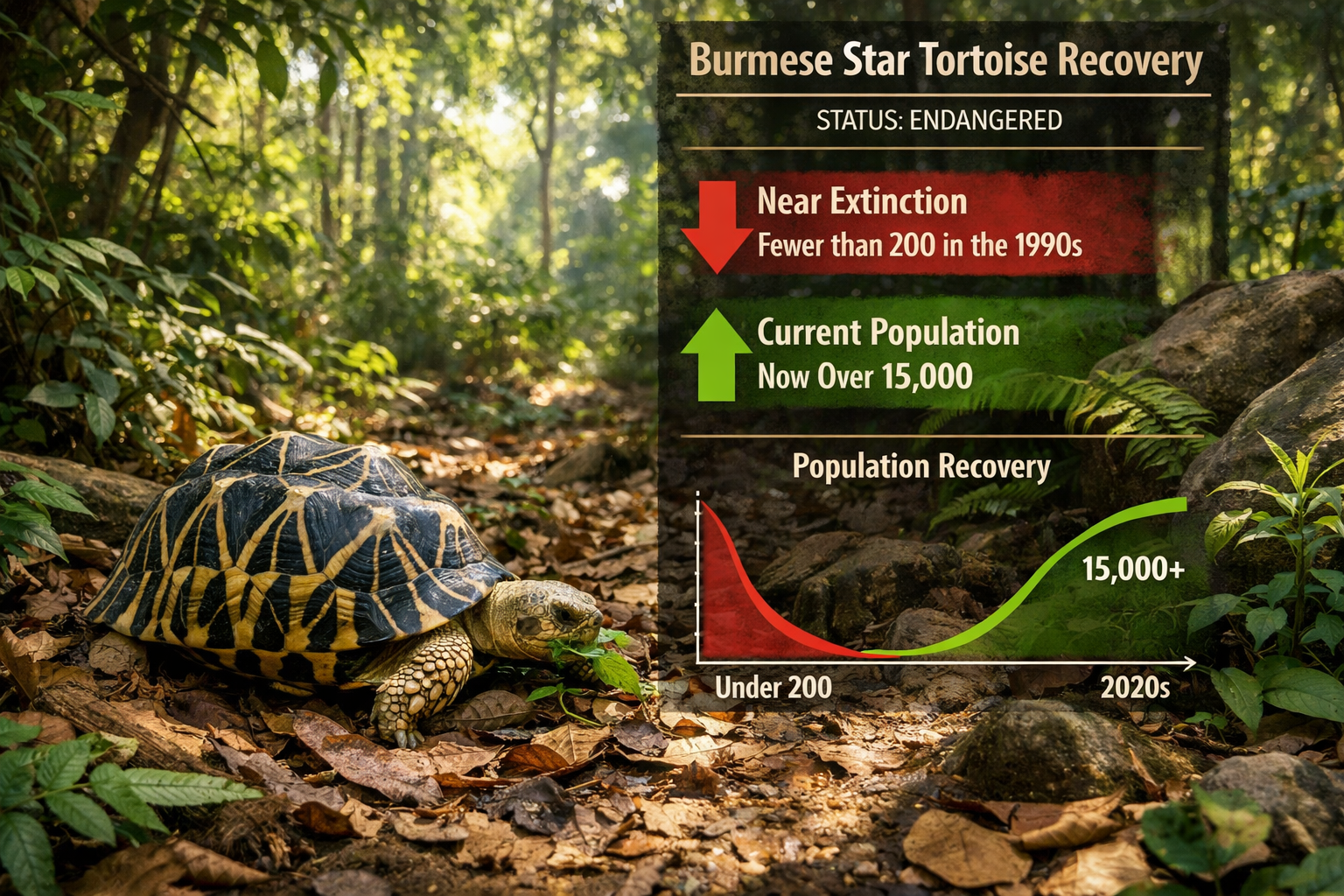
The Burmese star tortoise stands as one of nature’s most remarkable comeback stories. Endemic to the dry forests of central Myanmar (formerly Burma), this species faced complete extinction in the wild by the early 2000s due to intensive collection for the illegal pet trade and traditional medicine markets [1]. Today, thanks to dedicated conservation efforts and captive breeding programs, small populations have been successfully reintroduced to protected areas in Myanmar.
Physical Characteristics and Identification
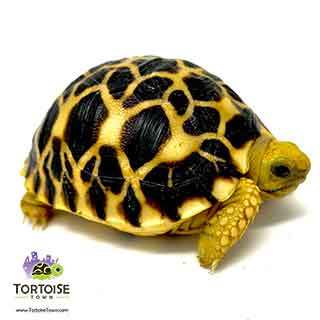
Burmese star tortoises are immediately recognizable by their distinctive shell patterns. The carapace displays bold yellow or golden lines radiating from the center of each scute, creating stunning star-shaped designs against a dark brown or black background. This species exhibits sexual dimorphism, with males typically smaller (8-10 inches) than females (10-13 inches) and possessing longer, thicker tails and more pronounced plastron concavity.
The shell shape differs notably from their Indian star tortoise cousins, appearing more domed and elongated. Adult specimens can weigh between 8-15 pounds, with females generally larger and heavier than males. Their heads are proportionally large with prominent eyes and a slightly hooked beak perfect for their omnivorous diet.
Natural Habitat and Behavior
In their native Myanmar forests, Burmese star tortoises inhabit deciduous woodlands with distinct wet and dry seasons. They’re most active during the cooler morning and evening hours, spending midday sheltered under vegetation or in shallow scrapes they dig in the forest floor. Unlike desert-dwelling species, these tortoises require consistent moisture and humidity to thrive.
Their natural diet consists of fallen fruits, mushrooms, flowers, young shoots, and occasionally carrion or invertebrates. This varied omnivorous diet presents unique challenges for captive care, as proper nutrition requires careful attention to calcium-phosphorus ratios and seasonal dietary variations.
Burmese Star Tortoise Care Requirements: Creating the Perfect Environment
Maintaining Burmese star tortoises in captivity requires replicating their tropical forest environment as closely as possible. Success depends on attention to detail across multiple environmental parameters, making this species suitable only for experienced tortoise keepers with substantial resources.
Indoor Housing Setup
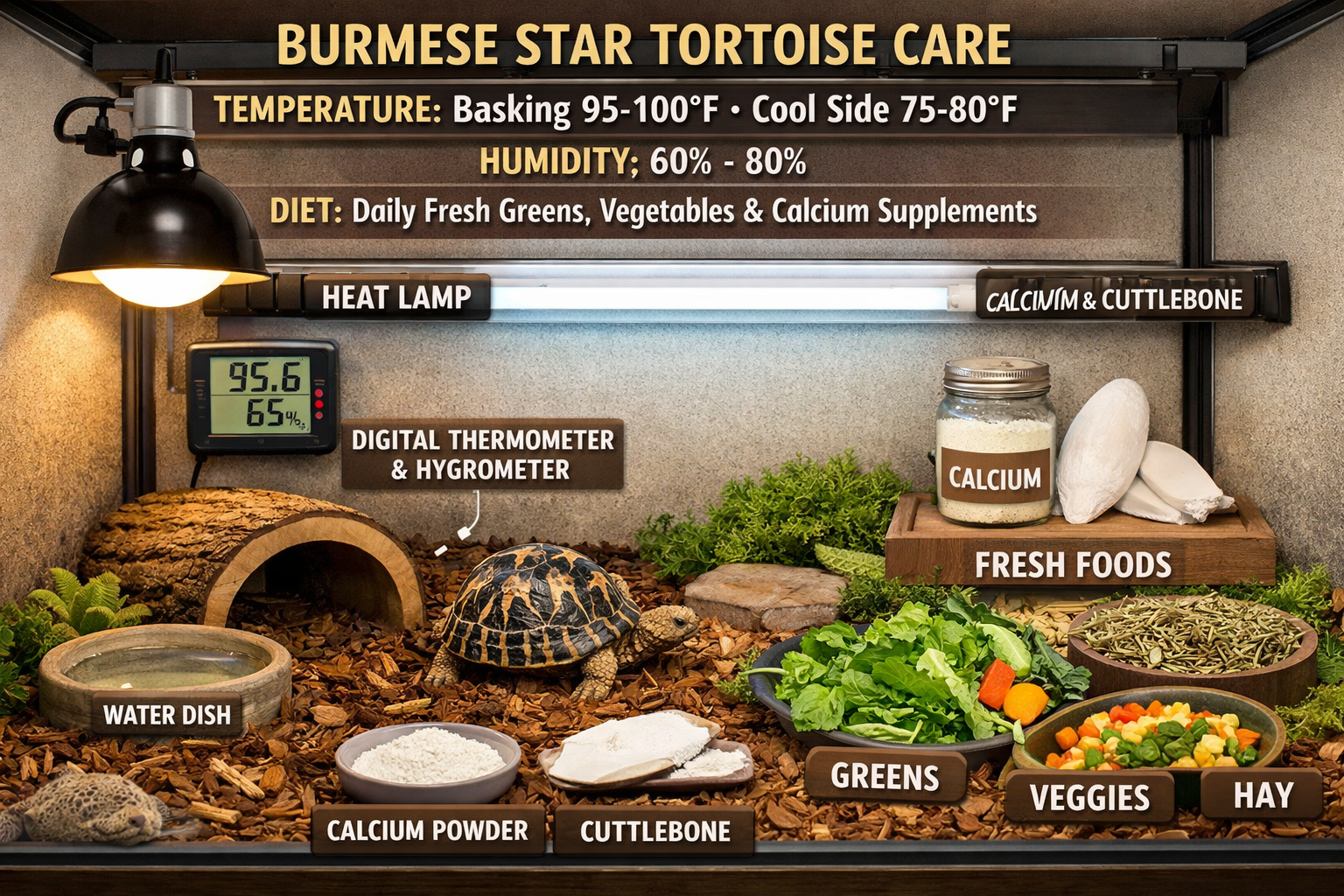
Indoor enclosures for Burmese star tortoises must prioritize space, humidity control, and temperature gradients. A minimum 8×4 foot enclosure is essential for adults, though larger is always better. The substrate should retain moisture while allowing for natural digging behaviors—a mixture of cypress mulch, coconut coir, and organic topsoil works excellently.
Temperature management requires careful attention to gradients. Basking spots should reach 88-92°F, with ambient temperatures maintained at 78-85°F during the day and dropping to 72-78°F at night. Unlike many tortoise species, Burmese star tortoises don’t require dramatic temperature drops, preferring stable tropical conditions year-round.
Humidity levels are critical for shell health and proper growth. Maintain 70-80% relative humidity through regular misting, large water dishes, and moisture-retaining substrates. Poor humidity management leads to respiratory issues and pyramiding in growing tortoises. For detailed guidance on indoor housing setups, experienced keepers often share valuable insights about creating optimal environments.
UVB Lighting and Supplementation
UVB lighting is absolutely essential for Burmese star tortoise health, enabling proper calcium metabolism and vitamin D3 synthesis. Use high-quality 10-12% UVB fluorescent or LED fixtures, replacing bulbs according to manufacturer recommendations. Position lights 12-18 inches above basking areas and provide 10-12 hours of daily exposure.
Calcium supplementation becomes crucial, especially for growing juveniles and reproductive females. Dust food items with calcium powder 2-3 times weekly, using calcium with D3 once weekly for indoor tortoises. Over-supplementation can be as harmful as deficiency, so monitor shell growth and consult with reptile veterinarians regularly.
Outdoor Housing Considerations
In suitable climates, outdoor housing provides unmatched benefits for Burmese star tortoises. Natural sunlight, varied terrain, and increased space promote natural behaviors and optimal health. However, outdoor setups require careful planning for predator protection, escape prevention, and weather contingencies.
Outdoor enclosures should include both sunny and shaded areas, with natural or artificial shelters for temperature regulation. Fencing must extend below ground level to prevent digging escapes, and overhead protection may be necessary in areas with aerial predators. For those interested in large tortoise housing solutions, specialized enclosure designs can accommodate the specific needs of tropical forest species.
Feeding and Nutrition
Burmese star tortoise nutrition requires careful balance between plant and animal proteins. Offer a varied diet including dark leafy greens, squash, berries, mushrooms, and occasional protein sources like snails or high-quality commercial tortoise pellets. Avoid high-oxalate foods like spinach and limit fruit to 10-15% of total diet.
Feed juveniles daily with smaller portions, while adults can be fed every other day with larger meals. Always provide fresh, clean water in shallow dishes large enough for soaking. Many keepers find success with specialized tortoise foods designed for tropical forest species, which provide balanced nutrition when supplemented with fresh items.
Learning about safe plants and weeds can expand dietary options while ensuring nutritional variety. Hand-feeding can strengthen bonds with your tortoise while allowing close monitoring of appetite and health status.
Legal Considerations and Acquisition: Responsible Ownership of Burmese Star Tortoises
Acquiring a Burmese star tortoise involves significant legal considerations due to their endangered status. These tortoises are listed under CITES Appendix II, requiring proper documentation for legal ownership and transport. In the United States, only captive-bred specimens may be legally sold, and buyers must ensure sellers provide proper CITES permits and documentation.
Finding Reputable Breeders
The rarity of Burmese star tortoises means finding reputable breeders requires patience and research. Established breeders typically maintain waiting lists and charge premium prices reflecting the species’ conservation value and breeding difficulty. When searching for a tortoise for sale, prioritize breeders who can provide complete health records, proper documentation, and ongoing support.
Reputable breeders will ask detailed questions about your experience, facilities, and long-term commitment to the species. They should provide CITES documentation, health certificates, and detailed care instructions. Avoid sellers who cannot provide proper paperwork or seem primarily motivated by profit rather than conservation.
Investment Considerations
Burmese star tortoise ownership represents a substantial financial commitment extending far beyond initial purchase price. Quality specimens from reputable breeders typically cost $3,000-$8,000 or more, depending on age, size, and genetic lineage. However, the initial cost pales compared to long-term expenses including specialized housing, veterinary care, and premium nutrition.
Factor in costs for proper enclosure construction, UVB lighting systems, heating equipment, substrate, and food. Annual veterinary expenses for exotic species can easily exceed $500-1,000, especially for breeding animals or those requiring specialized care. Consider these tortoises as 80+ year commitments requiring estate planning for their continued care.
Conservation Impact
Choosing captive-bred Burmese star tortoises directly supports conservation efforts for this critically endangered species. Reputable breeding programs often contribute to field conservation projects and maintain genetic diversity essential for species survival. By supporting responsible breeders, owners become part of the conservation solution rather than contributing to wild collection pressures.
Many breeding programs participate in studbook management and coordinate breeding efforts to maintain genetic diversity. Some breeders contribute offspring back to conservation programs or support field research in Myanmar. When purchasing from established tortoise retailers, inquire about their conservation contributions and breeding program ethics.
Health Management and Veterinary Care for Burmese Star Tortoises
Burmese star tortoise health management requires proactive veterinary care and careful attention to environmental factors. These tropical forest species face unique health challenges compared to desert tortoises, particularly related to humidity, respiratory health, and nutritional requirements.
Common Health Issues
Respiratory infections represent the most common health problem in captive Burmese star tortoises, often resulting from inadequate humidity or temperature fluctuations. Symptoms include mouth breathing, nasal discharge, and lethargy. Prevention through proper environmental management far exceeds treatment options, making consistent husbandry essential.
Shell problems including pyramiding and soft shell syndrome frequently occur in improperly maintained specimens. Pyramiding results from rapid growth combined with inadequate humidity and nutrition, while soft shells indicate calcium deficiency or metabolic bone disease. Both conditions are largely preventable through proper diet, UVB exposure, and environmental management.
Parasitic infections are common in wild-caught specimens and can persist in captive populations. Regular fecal examinations by qualified reptile veterinarians help identify and treat parasitic loads before they become life-threatening. New acquisitions should be quarantined and thoroughly examined before introduction to existing collections.
Veterinary Care Requirements
Establishing relationships with qualified reptile veterinarians before acquiring Burmese star tortoises is essential. Not all veterinarians have experience with exotic species, and emergency situations require immediate expert intervention. Schedule annual wellness examinations including fecal parasite checks, weight monitoring, and shell condition assessments.
Female Burmese star tortoises may experience egg-binding, a potentially fatal condition requiring emergency veterinary intervention. Breeding females should receive pre-breeding health examinations and careful monitoring during egg-laying seasons. X-rays can help identify developing eggs and potential complications before they become critical.
Quarantine Protocols
New Burmese star tortoises require strict quarantine protocols to prevent disease transmission to existing animals. Maintain new acquisitions in separate facilities for minimum 90 days, with complete fecal examinations and health assessments before integration. Use separate tools, water dishes, and handling equipment to prevent cross-contamination.
During quarantine, monitor appetite, behavior, and elimination patterns closely. Document baseline weights and measurements for future health comparisons. Any signs of illness during quarantine should prompt immediate veterinary consultation and potentially extended isolation periods.
Breeding Burmese Star Tortoises: Advanced Husbandry for Conservation
Breeding Burmese star tortoises represents the pinnacle of tortoise husbandry, requiring extensive experience, substantial resources, and unwavering commitment to conservation goals. Successful breeding programs contribute directly to species survival while providing insights into reproductive biology and husbandry requirements.
Breeding Requirements and Setup
Successful Burmese star tortoise breeding requires mature animals (typically 8+ years old), optimal environmental conditions, and careful nutritional management. Breeding groups should consist of one male to 2-3 females to reduce male harassment while maximizing reproductive potential. Larger enclosures become essential, with minimum 200 square feet recommended for breeding groups.
Seasonal cycling helps trigger reproductive behaviors, with slight temperature and humidity variations mimicking natural wet and dry seasons. Increase feeding frequency and protein content during pre-breeding conditioning, ensuring females have adequate body reserves for egg production. Provide multiple nesting sites with deep, moist substrate for egg deposition.
Male behavior during breeding season can become aggressive, requiring careful monitoring to prevent female injury. Separate males if aggression becomes excessive, and provide multiple hiding spots and visual barriers to reduce stress. Some breeders use temporary separation and controlled introductions to manage breeding activities.
Incubation and Hatchling Care
Burmese star tortoise eggs require precise incubation conditions for successful hatching. Incubate at 84-88°F with high humidity (85-90%) for 90-120 days, depending on temperature. Use quality reptile incubators with accurate temperature and humidity controls, as fluctuations can cause developmental problems or mortality.
Hatchling care demands even more precise environmental management than adult husbandry. Maintain higher humidity (80-85%) and stable temperatures (80-85°F) with minimal fluctuation. Feed daily with finely chopped vegetation, commercial hatchling diets, and appropriate calcium supplementation. For detailed guidance on baby star tortoise care, experienced breeders share valuable insights about raising these delicate hatchlings successfully.
Hatchling Burmese star tortoises grow rapidly under optimal conditions but remain vulnerable to environmental stress and nutritional imbalances. Monitor growth rates carefully, as excessive growth can lead to pyramiding and shell deformities. Provide UVB lighting from hatching, as developing tortoises have high calcium requirements for proper shell formation.
Record Keeping and Genetic Management
Successful breeding programs require meticulous record keeping including parentage, hatch dates, growth rates, and health records. These records contribute to studbook management and help maintain genetic diversity in captive populations. Photograph shell patterns for individual identification, as each Burmese star tortoise has unique markings.
Genetic diversity becomes crucial in small captive populations. Coordinate with other breeders and conservation programs to prevent inbreeding and maintain healthy genetic lines. Some breeding programs participate in formal studbooks managed by conservation organizations, contributing to species-wide genetic management.
Consider long-term placement for offspring before breeding, as Burmese star tortoises live 80+ years and require specialized care throughout their lives. Responsible breeders maintain relationships with buyers and provide ongoing support for proper husbandry. Some breeders maintain buyback policies or assist with rehoming if owners can no longer provide adequate care.
Conclusion: Embracing the Responsibility of Burmese Star Tortoise Ownership
The Burmese star tortoise represents far more than an exotic pet—it embodies a conservation success story and a testament to dedicated husbandry efforts. These remarkable creatures offer unparalleled rewards for experienced keepers willing to invest in proper care, but they demand unwavering commitment to their complex needs and conservation status.
Success with Burmese star tortoises requires extensive preparation, substantial financial resources, and genuine dedication to their welfare. From creating optimal tropical forest environments to maintaining precise temperature and humidity parameters, every aspect of their care demands attention to detail. The legal requirements, veterinary needs, and long-term commitment make this species suitable only for the most dedicated tortoise enthusiasts.
For those ready to embrace this responsibility, Burmese star tortoises provide incomparable satisfaction through their gentle personalities, stunning beauty, and conservation significance. Every captive-bred specimen represents hope for species survival and contributes to our understanding of these remarkable reptiles.
Next Steps for Prospective Owners
- Gain extensive experience with other tortoise species before considering Burmese star tortoises. Master husbandry techniques with beginner-friendly species first.
- Research legal requirements in your area and establish relationships with qualified reptile veterinarians experienced with exotic species.
- Connect with reputable breeders and conservation programs to understand availability, costs, and ongoing support systems.
- Prepare proper facilities including backup systems for heating, lighting, and humidity control before acquiring animals.
- Develop long-term care plans including estate planning for these long-lived animals and emergency care protocols.
The journey of Burmese star tortoise ownership begins with education, preparation, and unwavering commitment to excellence. For those ready to accept this challenge, these extraordinary tortoises offer a lifetime of wonder and the satisfaction of contributing to conservation efforts for one of the world’s most endangered reptiles.
🐢 Burmese Star Tortoise Care Calculator
Calculate setup costs, space requirements, and care parameters for your Burmese Star Tortoise
📊 Your Burmese Star Tortoise Care Plan
References
[1] Platt, S.G., et al. (2020). “Conservation status and population recovery of the Burmese Star Tortoise (Geochelone platynota) in Myanmar.” Chelonian Conservation and Biology, 19(2), 145-158.