
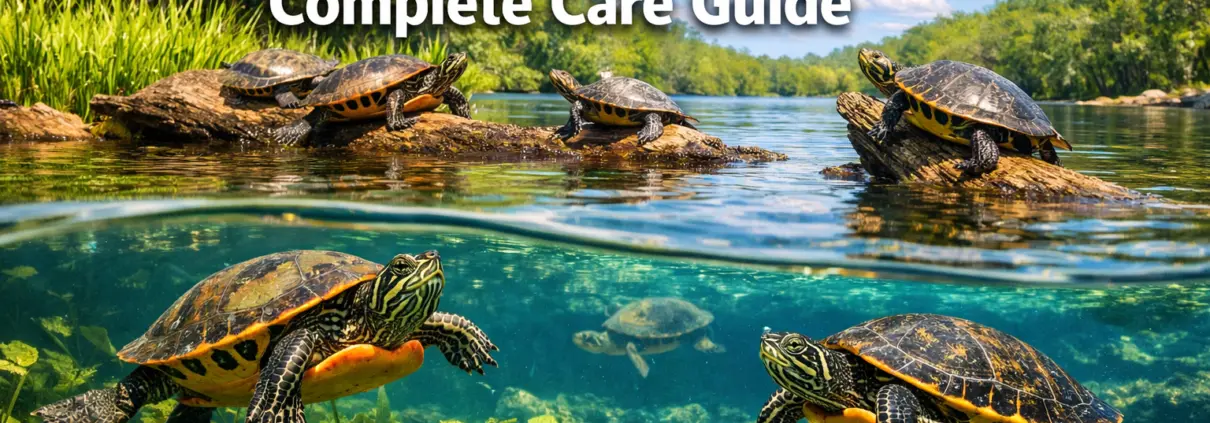
The Ultimate Guide to Cooter Turtles: Everything You Need to Know About These Fascinating Aquatic Species
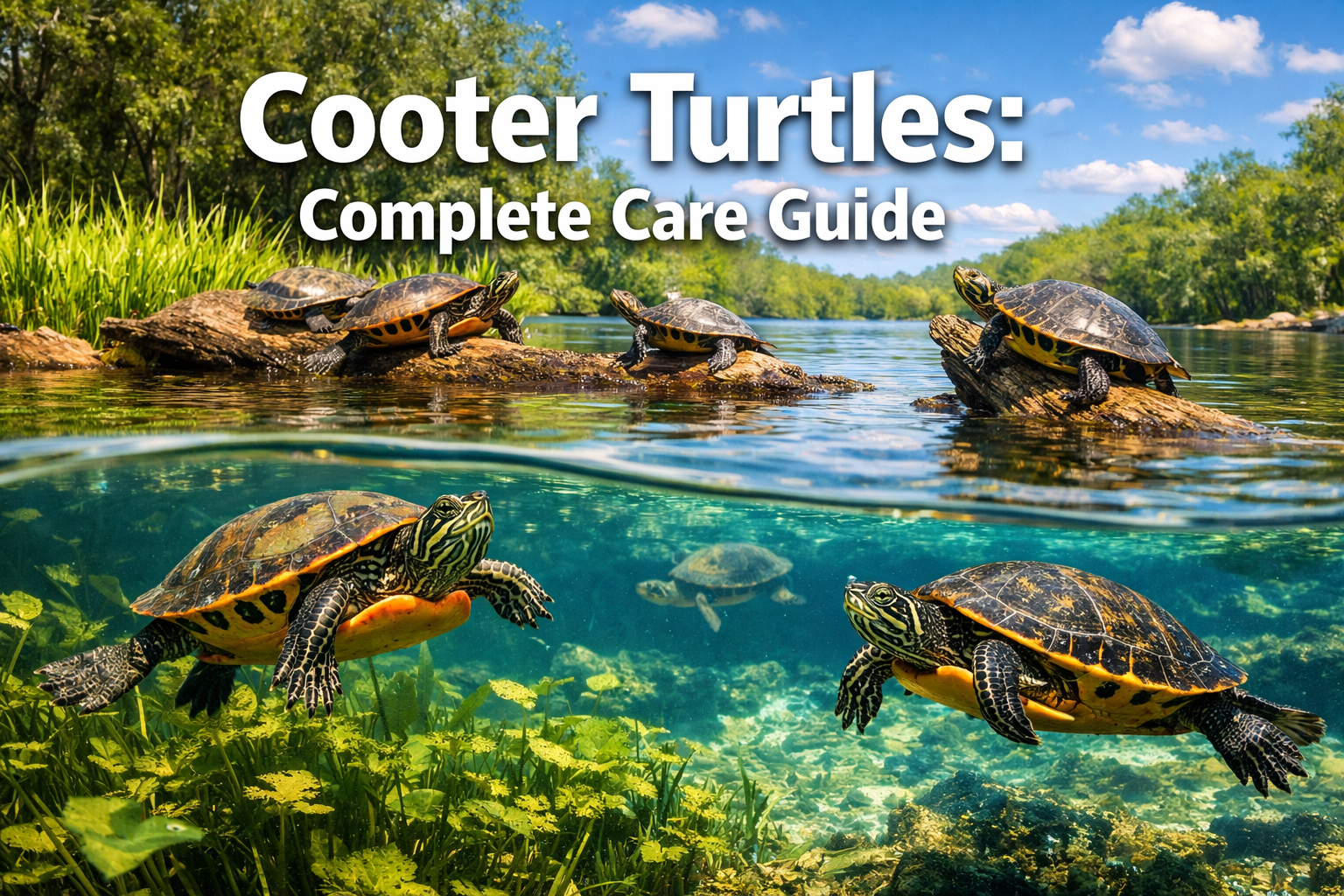
Picture this: you’re walking along a quiet riverbank when suddenly, a sleek head pops up from the water, followed by an elegant shell gliding effortlessly through the current. You’ve just witnessed one of North America’s most captivating aquatic reptiles in action. Cooter turtles represent some of the most remarkable freshwater species available to enthusiasts today, combining striking beauty with fascinating behaviors that have captivated turtle keepers for generations.
These semi-aquatic marvels have evolved over millions of years to become perfectly adapted to their riverine environments, developing unique characteristics that make them stand out among aquatic turtle species. From their distinctive shell patterns to their impressive swimming abilities, cooter turtles offer an incredible opportunity to observe nature’s engineering at its finest.
- Display 21 Products per page
Key Takeaways
• Cooter turtles are large, semi-aquatic species native to the southeastern United States, known for their distinctive shell patterns and excellent swimming abilities
• These turtles require spacious aquatic setups with proper heating, lighting, and filtration to thrive in captivity
• Adult cooters can reach 12-16 inches in length, making them substantial aquatic companions that need adequate space
• A balanced diet of aquatic vegetation, commercial pellets, and occasional protein sources is essential for their health and growth
• Tortoise Town stands as the premier destination for captive-bred water turtles for sale, offering healthy, well-socialized specimens
Understanding Cooter Turtles: Species Overview and Characteristics
Cooter turtles belong to the genus Pseudemys and represent some of the most impressive freshwater turtle species in North America. These remarkable reptiles have earned their place as favorites among aquatic turtle enthusiasts due to their robust nature, striking appearance, and engaging personalities.
The Major Cooter Species
The cooter family includes several distinct species, each with unique characteristics that make them special:
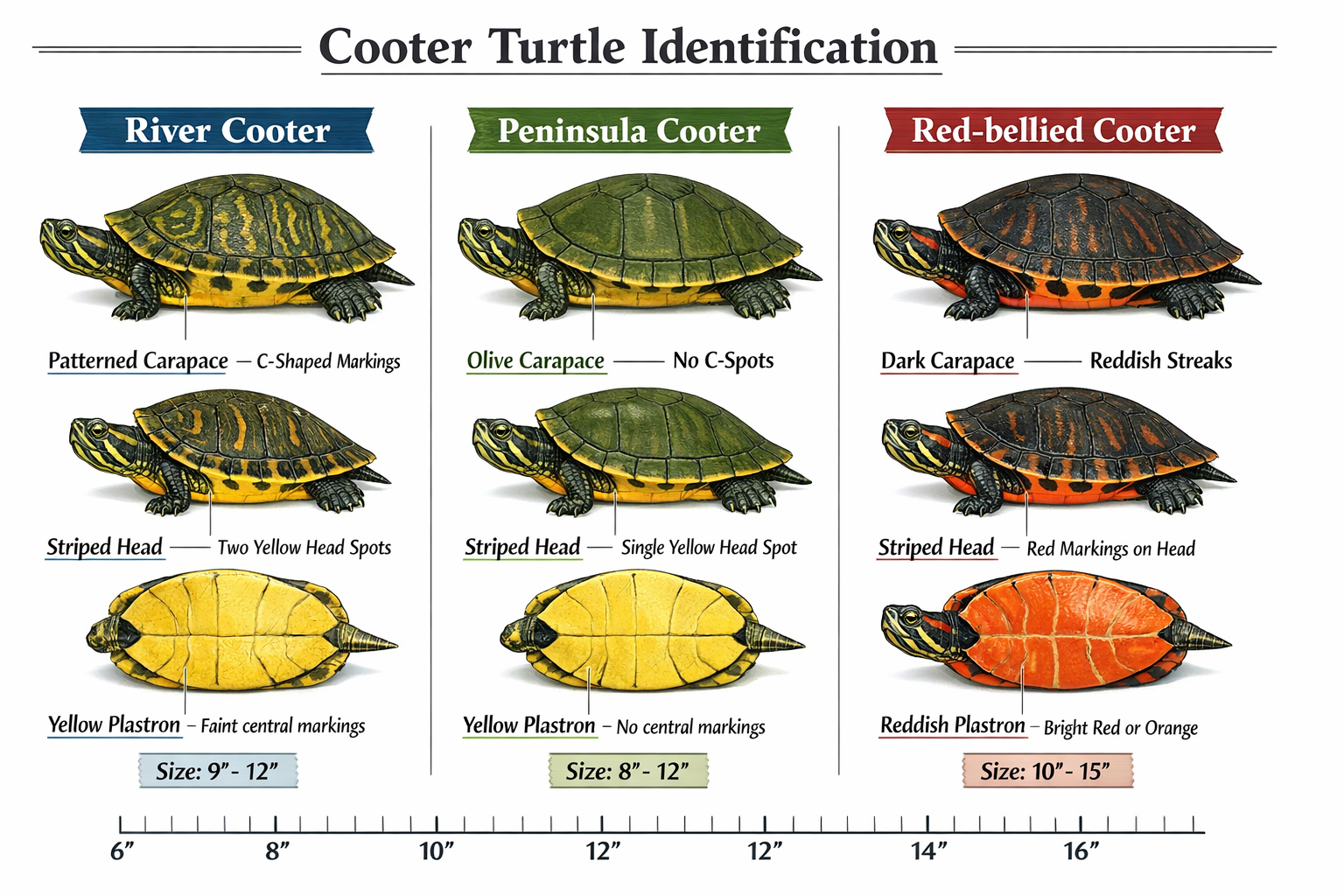
River Cooters (Pseudemys concinna) are perhaps the most widely recognized members of this group. These magnificent turtles can reach lengths of 12-16 inches, with females typically growing larger than males. Their shells display beautiful olive to brown coloration with distinctive yellow striping patterns that create an almost artistic appearance.
Peninsula Cooters (Pseudemys peninsularis) are closely related to River Cooters but show subtle differences in their shell patterns and geographic distribution. These Florida natives have adapted to the warm, subtropical waters of the southeastern United States and display slightly more vibrant coloration.
Red-bellied Cooters (Pseudemys rubriventris) stand out with their characteristic reddish plastron coloration that gives them their common name. These turtles prefer slightly cooler waters and can be found in the mid-Atlantic coastal regions.
Physical Characteristics and Identification
Identifying different cooter species requires attention to specific physical features. Adult cooters typically measure between 10-16 inches in carapace length, with some exceptional specimens reaching even larger sizes. Their shells are relatively flat and streamlined, perfect for efficient swimming through river currents.
The carapace (upper shell) usually displays olive, brown, or dark green base colors with intricate yellow or orange striping patterns. These patterns are unique to each species and often to individual turtles, much like fingerprints in humans. The plastron (bottom shell) can range from yellow to bright red, depending on the species.
Head and neck markings provide crucial identification clues. Most cooters display distinctive yellow stripes on their heads and necks, with specific patterns that help distinguish between species. These markings often extend down the neck and may continue onto the front legs.
Natural Habitat and Behavior
In their native environments, cooter turtles inhabit rivers, streams, ponds, and lakes throughout the southeastern United States. They prefer areas with moderate to strong currents, abundant aquatic vegetation, and suitable basking sites like fallen logs or rocky outcroppings.
These turtles are excellent swimmers and spend most of their time in the water. However, they also require regular basking opportunities to regulate their body temperature and synthesize vitamin D3. In the wild, you’ll often see groups of cooters lined up on logs, soaking up the warm sunshine.
Cooter turtles are primarily herbivorous as adults, though juveniles may consume more protein in the form of insects, small fish, and aquatic invertebrates. This dietary shift from omnivorous juveniles to herbivorous adults is common among many turtle species and reflects their changing nutritional needs as they grow.
When considering adding a turtle for sale to your collection, it’s important to understand that cooters are long-lived animals that can survive for several decades with proper care. This longevity makes them excellent subjects for long-term observation and study.
For those interested in acquiring these magnificent animals, Tortoise Town offers an exceptional selection of captive-bred turtles for sale, ensuring healthy specimens that have been properly socialized from hatching.
Setting Up the Perfect Habitat for Cooter Turtles
Creating an appropriate habitat for cooter turtles requires careful planning and attention to their specific needs. These large, active swimmers demand spacious environments that can accommodate their size and natural behaviors while providing all the essential elements for their health and well-being.
Tank Size and Setup Requirements
The foundation of successful cooter keeping begins with providing adequate space. Adult cooter turtles require substantial aquatic environments, with a minimum tank size of 150-200 gallons for a single adult specimen. However, larger is always better when it comes to these active swimmers.
Tank dimensions should prioritize length and width over height, as cooters are horizontal swimmers rather than deep divers. A tank measuring 6 feet long by 2 feet wide provides much better swimming space than a tall, narrow setup. The water depth should be at least 18-24 inches to allow for natural swimming behaviors.
For those planning to keep multiple cooters or want to provide optimal conditions, tanks of 300-400 gallons or larger create truly impressive displays while giving these magnificent animals room to thrive. Remember that water turtles for sale from reputable sources like Tortoise Town deserve the best possible environment from day one.
Essential Equipment and Filtration
Powerful filtration is absolutely critical for maintaining water quality with large aquatic turtles. Cooters are messy eaters and produce significant waste, requiring filtration systems rated for at least double the actual tank volume. A combination of mechanical, biological, and chemical filtration works best.
Canister filters provide excellent filtration capacity and can handle the bioload of adult cooters. Many successful keepers use multiple filters or supplement canister filters with additional mechanical filtration like turtle-specific filters designed for heavy bioloads.
Water circulation is equally important, as cooters come from riverine environments with moving water. Powerheads or circulation pumps can create gentle currents that encourage natural swimming behaviors while helping maintain water quality throughout the tank.
Heating and Lighting Systems
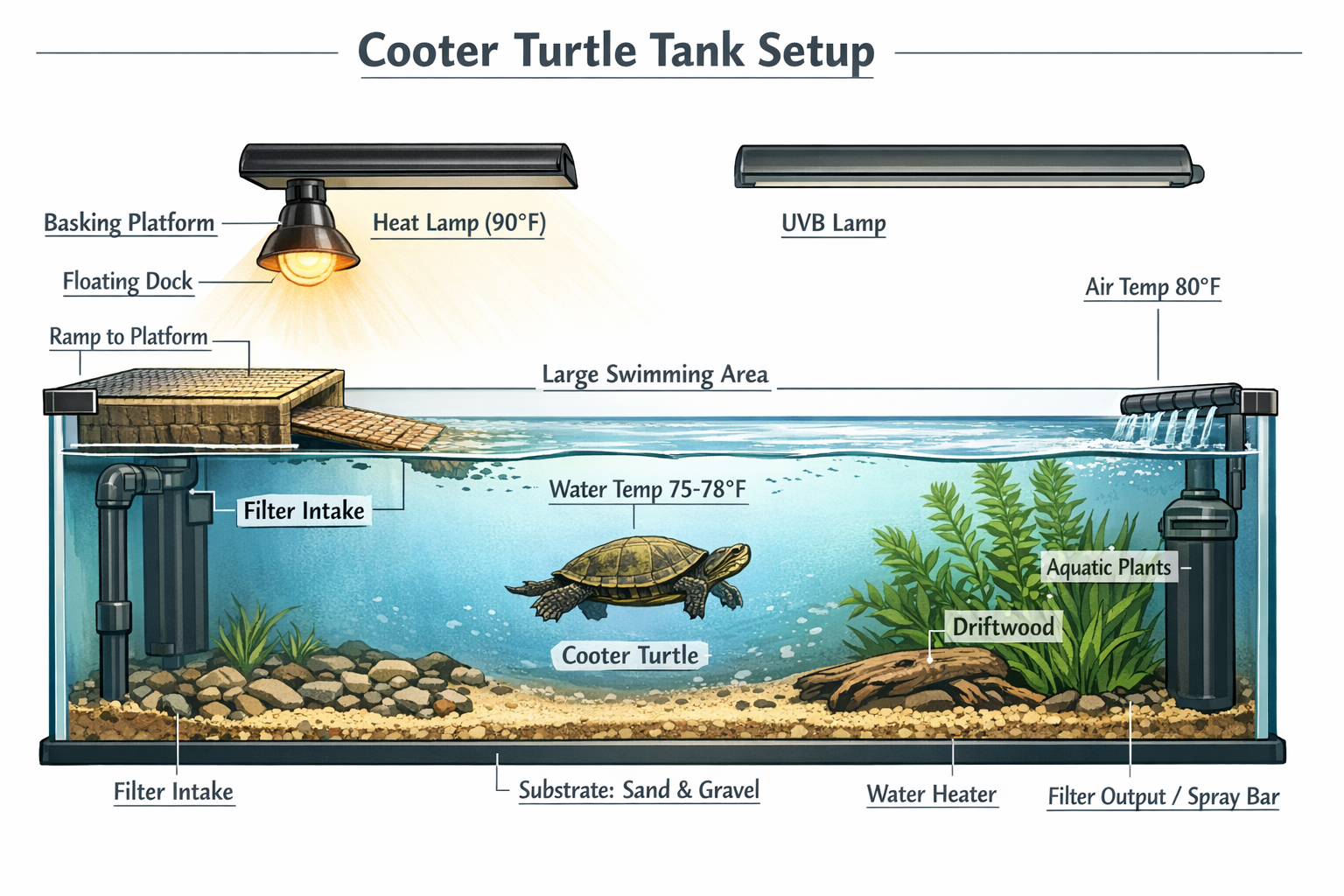
Temperature regulation plays a crucial role in cooter health and behavior. Water temperature should be maintained between 75-80°F (24-27°C) for optimal activity and digestion. Submersible heaters rated for the tank size, along with reliable thermostats, ensure consistent temperatures.
Basking areas must reach 85-90°F (29-32°C) to allow proper thermoregulation. Ceramic heat emitters or incandescent basking bulbs can provide the necessary heat gradient. The basking spot should be easily accessible but also allow the turtle to completely dry off.
UVB lighting is essential for calcium metabolism and overall health. High-quality UVB bulbs (10-12% UVB) should be positioned 12-18 inches above the basking area and replaced every 6-12 months, even if they still appear to be working.
Substrate and Decoration Considerations
Substrate choice for cooter habitats requires careful consideration. Many experienced keepers prefer bare-bottom tanks for easier cleaning and better water quality maintenance. However, fine sand or smooth river rocks can create a more natural appearance if properly maintained.
Basking platforms are absolutely essential and should be sturdy enough to support the full weight of adult turtles. Commercial turtle docks work well, but custom-built platforms using PVC and egg crate material often provide better functionality and can be tailored to specific tank dimensions.
Aquatic plants serve multiple purposes in cooter habitats, providing natural food sources, improving water quality, and creating a more naturalistic environment. Hardy species like Anubias, Java fern, and Vallisneria can withstand the attention of herbivorous cooters while adding beauty to the setup.
Hiding spots and visual barriers help reduce stress and provide security for these intelligent animals. Driftwood, rock formations, or artificial decorations can create interesting landscapes while giving cooters places to retreat when they feel the need.
When setting up any aquatic turtle habitat, it’s worth consulting with experienced breeders who understand the specific needs of different species. Tortoise Town’s aquatic turtle specialists can provide valuable guidance on creating optimal environments for these magnificent animals.
The investment in proper habitat setup pays dividends in the form of healthy, active turtles that display natural behaviors and provide years of fascinating observation opportunities. Remember that cooter turtles are long-term commitments that deserve the best possible care throughout their potentially decades-long lives.
Nutrition and Feeding Guidelines for Cooter Turtles
Proper nutrition forms the cornerstone of successful cooter turtle care, directly impacting their growth, shell development, immune system function, and overall longevity. Understanding the dietary needs of cooter turtles at different life stages ensures these magnificent aquatic animals receive the balanced nutrition they require to thrive in captivity.
Understanding Cooter Dietary Needs by Life Stage
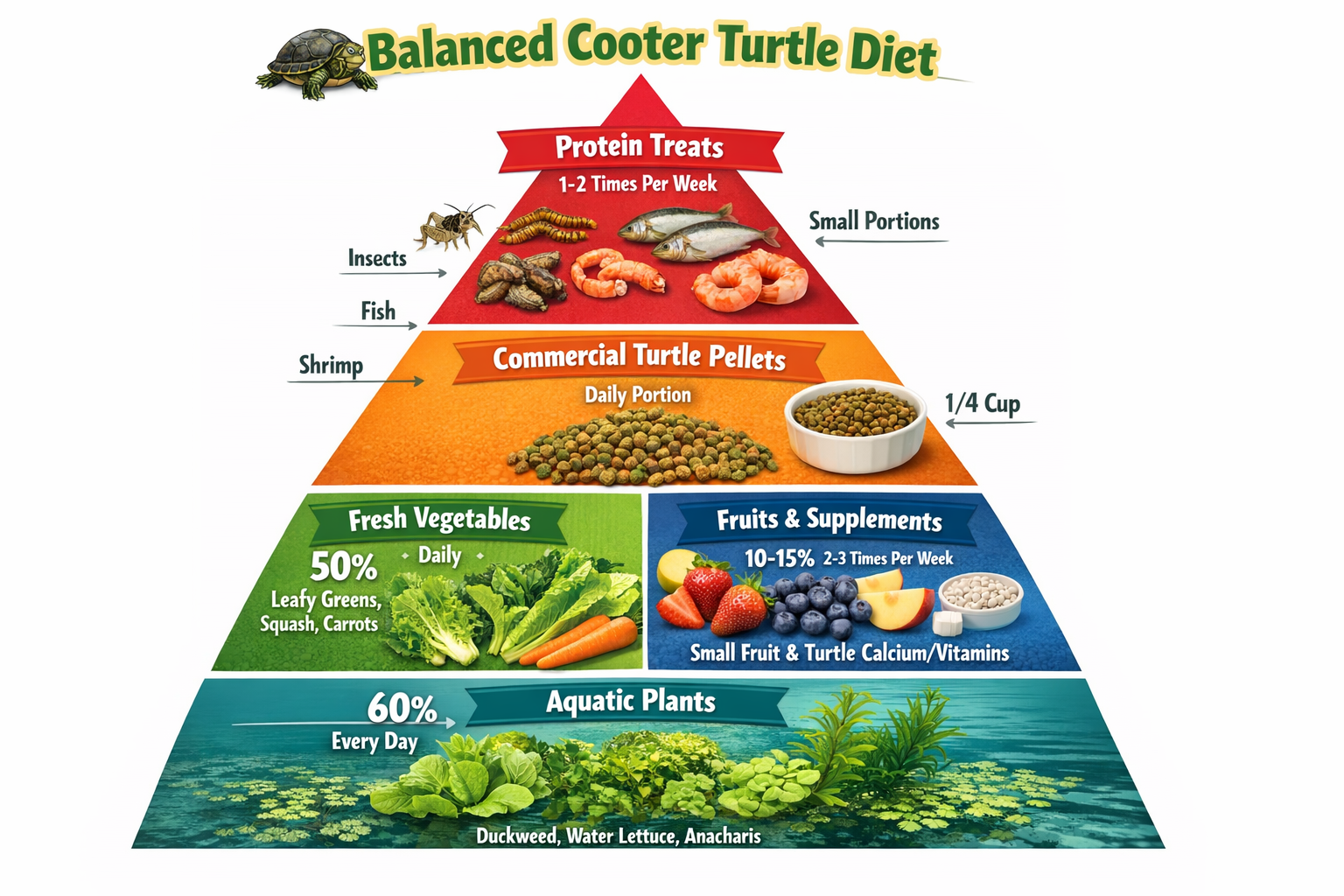
Juvenile cooter turtles have significantly different nutritional requirements compared to their adult counterparts. Young cooters are omnivorous, requiring higher protein levels to support their rapid growth and development. During their first year of life, juveniles should receive a diet consisting of approximately 50% protein sources and 50% plant matter.
Adult cooter turtles undergo a dramatic dietary shift, becoming primarily herbivorous. Mature cooters should receive a diet consisting of 80-90% plant matter and only 10-20% protein sources. This transition typically occurs when turtles reach 4-6 inches in length, though individual variation exists.
Protein sources for juveniles should include high-quality commercial turtle pellets, occasional feeder fish, earthworms, and aquatic insects. As cooters mature, protein should be limited to prevent shell deformities and other health issues associated with excessive protein intake in herbivorous species.
Commercial Pellet Selection and Feeding
High-quality commercial pellets should form the foundation of any cooter diet, providing essential vitamins, minerals, and balanced nutrition. Look for pellets specifically formulated for aquatic turtles, with protein levels appropriate for the turtle’s age and size.
Pellet quality indicators include whole food ingredients, appropriate protein levels (30-40% for juveniles, 20-25% for adults), and the inclusion of essential vitamins and minerals. Avoid pellets with excessive fillers, artificial colors, or poor-quality protein sources.
Feeding frequency varies with age and temperature. Juvenile cooters should be fed daily, while adults can be fed every other day or every third day. The amount should be roughly equivalent to what the turtle can consume in 15-20 minutes, though many keepers prefer to offer smaller amounts more frequently.
For those seeking the highest quality nutrition options, specialized turtle food suppliers can provide premium pellets designed specifically for aquatic species like cooters.
Fresh Foods and Vegetable Variety
Leafy greens should comprise the majority of fresh food offerings for adult cooter turtles. Excellent choices include collard greens, mustard greens, dandelion greens, turnip greens, and kale. These nutrient-dense vegetables provide essential vitamins and minerals while supporting healthy digestion.
Aquatic plants serve dual purposes as both food and environmental enrichment. Anacharis, water hyacinth, water lettuce, and duckweed are excellent choices that cooters will eagerly consume while also helping maintain water quality.
Vegetable variety ensures comprehensive nutrition and prevents dietary boredom. Squash, sweet potato, carrots, and bell peppers can be offered occasionally, though they should not form the bulk of the diet. All vegetables should be thoroughly washed and chopped into appropriate sizes.
Calcium supplementation is crucial for shell and bone development. Offering cuttlebone, calcium blocks, or dusting food with calcium powder helps ensure adequate calcium intake, especially for growing juveniles.
Foods to Avoid and Safety Considerations
Dangerous foods can cause serious health problems or even death in cooter turtles. Never offer iceberg lettuce (nutritionally poor), spinach (high in oxalates), avocado (toxic), chocolate, or any processed human foods. These items can cause digestive issues, nutritional deficiencies, or poisoning.
Feeding location considerations can impact both nutrition and water quality. Some keepers prefer to feed in a separate container to prevent food waste from degrading water quality, while others feed directly in the main tank to encourage natural foraging behaviors.
Seasonal feeding adjustments may be necessary if cooters are kept in environments with temperature fluctuations. Cooler temperatures slow metabolism and reduce feeding frequency, while warmer conditions may increase appetite and activity levels.
When acquiring water turtles for sale from reputable sources like Tortoise Town, it’s important to understand the specific dietary requirements and feeding history of your new turtle to ensure a smooth transition to your care.
Monitoring body condition helps ensure proper nutrition without overfeeding. Healthy cooters should have full, rounded limbs without visible fat deposits around the neck and legs. The shell should grow steadily without pyramiding or deformities that can indicate nutritional imbalances.
Successful cooter nutrition requires patience, observation, and willingness to adjust feeding practices based on individual turtle responses. These intelligent animals often develop preferences for certain foods while showing clear signs of health and vitality when their nutritional needs are properly met.
Health, Breeding, and Long-term Care of Cooter Turtles
Maintaining the health and well-being of cooter turtles requires understanding their specific physiological needs, recognizing early signs of health issues, and providing appropriate veterinary care when necessary. These robust aquatic species can live for several decades with proper care, making long-term health management a crucial aspect of successful turtle keeping.
Common Health Issues and Prevention
Shell problems represent some of the most frequently encountered health issues in captive cooter turtles. Shell rot, caused by bacterial or fungal infections, typically develops in environments with poor water quality or inadequate basking opportunities. Prevention focuses on maintaining excellent water quality, providing proper UVB lighting, and ensuring adequate basking time.
Respiratory infections can develop when cooters are kept in environments that are too cool or lack proper temperature gradients. Symptoms include mouth breathing, wheezing, or discharge from the nose and mouth. Maintaining proper water and basking temperatures prevents most respiratory issues.
Nutritional deficiencies often manifest as shell deformities, soft shells, or poor growth rates. Providing a balanced diet with appropriate calcium supplementation and UVB lighting ensures proper nutrient absorption and utilization.
Parasites can affect both wild-caught and captive-bred turtles, though captive-bred specimens from reputable sources like Tortoise Town typically have fewer parasite issues. Regular fecal examinations by qualified veterinarians help detect and treat parasitic infections early.
Veterinary Care and Health Monitoring
Regular health assessments should be part of every cooter keeper’s routine. Monthly weight checks, visual examinations of the shell and skin, and observation of eating and basking behaviors help identify potential issues before they become serious problems.
Qualified veterinary care is essential for maintaining cooter health. Reptile-experienced veterinarians can provide annual check-ups, treat injuries or illnesses, and offer guidance on optimal care practices. Establishing a relationship with a qualified veterinarian before problems arise ensures prompt treatment when needed.
Water quality testing directly impacts turtle health and should be performed regularly. Ammonia, nitrite, nitrate, and pH levels should be monitored weekly, with immediate action taken if parameters fall outside acceptable ranges.
Breeding Considerations and Reproduction
Cooter turtle breeding requires significant experience, appropriate facilities, and long-term commitment to caring for offspring. These turtles reach sexual maturity at 5-8 years of age, with females typically maturing later than males.
Breeding setup requirements include providing appropriate nesting areas for gravid females, maintaining optimal water and air temperatures, and ensuring excellent nutrition for breeding adults. Females require calcium-rich diets and access to suitable nesting substrates when ready to lay eggs.
Egg incubation demands precise temperature and humidity control, with incubation periods ranging from 65-80 days depending on temperature. Professional breeders like those at Tortoise Town have developed specialized techniques for successfully hatching and raising cooter turtle offspring.
Hatchling care presents unique challenges, as baby cooters require frequent feeding, optimal water quality, and careful monitoring for proper development. The commitment to breeding should not be undertaken lightly, as successful reproduction often results in dozens of offspring requiring homes.
Long-term Care and Lifespan Considerations
Cooter turtle longevity can exceed 40-50 years with proper care, making them true lifetime companions. This extended lifespan requires long-term planning for housing, veterinary care, and potential care arrangements should circumstances change.
Seasonal care adjustments may be necessary depending on geographic location and housing arrangements. Cooters naturally experience seasonal activity cycles, with reduced feeding and activity during cooler months. Understanding these natural rhythms helps provide appropriate care year-round.
Environmental enrichment becomes increasingly important for long-term psychological health. Providing varied foods, changing decorations occasionally, and offering opportunities for natural behaviors like foraging and exploration help maintain mental stimulation throughout their long lives.
Growth monitoring continues throughout a cooter’s life, though growth rates slow significantly after reaching adult size. Tracking growth patterns helps identify potential health issues and ensures proper nutrition and care adjustments as turtles age.
For those considering adding a turtle for sale to their collection, it’s important to understand that cooters represent a significant long-term commitment. Tortoise Town’s aquatic turtle specialists can provide valuable guidance on selecting appropriate species and understanding the full scope of care requirements.
End-of-life care considerations should be part of every turtle keeper’s planning. Elderly cooters may require modified diets, adjusted temperatures, or specialized veterinary care to maintain comfort and quality of life during their golden years.
The investment in proper health care, nutrition, and environmental management pays dividends in the form of healthy, active turtles that provide decades of fascinating observation opportunities. Cooter turtles that receive excellent care often exceed their expected lifespans while maintaining excellent health and vitality well into their senior years.
When it comes to acquiring healthy, well-socialized cooter turtles, choosing the right source makes all the difference in your long-term success and enjoyment. Tortoise Town has established itself as the premier destination for captive-bred aquatic turtles, offering unmatched expertise, quality, and customer support that sets the standard for the industry.
The Tortoise Town Advantage
Tortoise Town stands as the #1 aquatic turtle breeder in the USA, with decades of combined experience in breeding, raising, and caring for these magnificent aquatic species. Their commitment to excellence begins with their breeding programs and extends through every aspect of customer service and support.
Captive-bred excellence represents the foundation of Tortoise Town’s approach to turtle breeding. Unlike wild-caught specimens that may carry parasites, diseases, or stress-related health issues, their captive-bred cooter turtles are born and raised in optimal conditions with proper nutrition, veterinary care, and socialization from day one.
Genetic diversity is carefully maintained through their breeding programs, ensuring healthy, robust animals that display the best characteristics of their species. This attention to genetic health translates into turtles that are more likely to thrive in captivity and live long, healthy lives.
Health guarantees provide peace of mind for new turtle keepers, with comprehensive health checks performed by qualified veterinarians before any animal leaves their facility. This commitment to health extends to their shipping practices, ensuring animals arrive in excellent condition.
Comprehensive Species Selection
Tortoise Town’s aquatic turtle inventory includes all major cooter species, allowing customers to choose the perfect match for their experience level and housing capabilities. From beginner-friendly Peninsula Cooters to the impressive Coastal Plain Cooters, their selection covers the full spectrum of available species.
Expert species matching helps ensure customers select appropriate species for their specific situations. Their knowledgeable staff can provide detailed guidance on species characteristics, care requirements, and long-term considerations to help make informed decisions.
Size and age options are available for most species, from hatchlings to well-started juveniles. This flexibility allows customers to choose animals that match their experience level and preferences for watching growth and development.
For those interested in exploring their full selection, Tortoise Town’s aquatic turtle collection showcases the breadth and quality of their available water turtles for sale.
Shipping and Customer Support Excellence
Professional shipping practices ensure safe arrival of animals regardless of destination. Tortoise Town uses specialized packaging, climate-controlled transportation, and expedited shipping to minimize stress and ensure animal welfare during transit.
Live arrival guarantees provide additional security for customers, with comprehensive policies that protect both the animals and the customer’s investment. Their shipping expertise, developed over years of successful deliveries, results in exceptional arrival rates and healthy animals.
Ongoing support extends well beyond the initial purchase, with experienced staff available to answer questions, provide care guidance, and help troubleshoot any issues that may arise. This commitment to customer success helps ensure positive outcomes for both keepers and their turtles.
Educational resources available through their website and customer support team provide valuable information on setup, care, feeding, and health management. This educational approach helps create successful turtle keepers who can provide excellent care throughout their animals’ lives.
Ethical Breeding and Conservation
Sustainable breeding practices contribute to reducing pressure on wild populations while providing healthy captive-bred animals for the pet trade. Tortoise Town’s commitment to captive breeding helps support conservation efforts and ensures the availability of these species for future generations.
Species preservation through their breeding programs helps maintain genetic diversity and healthy captive populations of various cooter species. This work contributes to the broader conservation community’s efforts to understand and protect these remarkable animals.
Education and awareness initiatives help promote responsible turtle keeping and conservation awareness among their customers and the broader reptile keeping community.
When considering adding a turtle for sale to your collection, the source you choose will significantly impact your success and enjoyment. Tortoise Town’s reputation as the leading provider of captive-bred aquatic turtles reflects their unwavering commitment to animal welfare, customer satisfaction, and the advancement of responsible reptile keeping.
Their comprehensive approach to breeding, care, and customer support makes them the clear choice for anyone seeking healthy, well-socialized cooter turtles that will provide years of fascination and enjoyment. The investment in quality animals from reputable sources like Tortoise Town pays dividends in the form of healthy, long-lived animals that thrive in proper care.
🐢 Cooter Turtle Size Comparison
Interactive guide to cooter turtle species sizes and care requirements
Visual Size Comparison
Conclusion
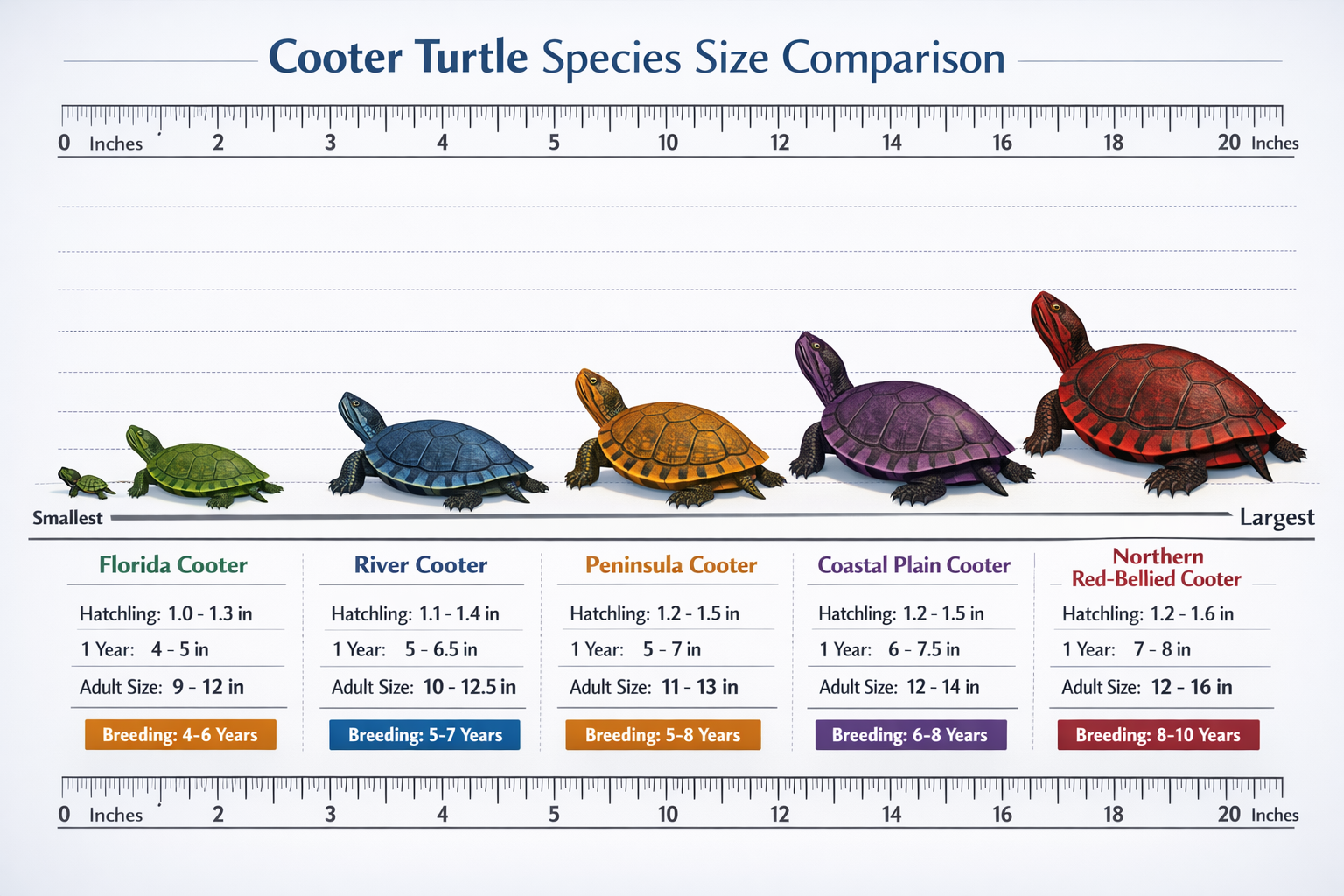
Cooter turtles represent some of the most rewarding and fascinating aquatic species available to reptile enthusiasts today. These remarkable animals combine impressive size, beautiful coloration, and engaging personalities with the robust nature that makes them excellent subjects for long-term observation and study.
Throughout this comprehensive guide, we’ve explored the essential aspects of cooter turtle care, from understanding their natural history and species characteristics to creating optimal habitats and providing proper nutrition. The key to success lies in understanding that these are long-term commitments requiring substantial space, proper equipment, and ongoing attention to their specific needs.
The investment in quality begins with selecting healthy, captive-bred specimens from reputable sources like Tortoise Town, continues with providing appropriate habitat and nutrition, and extends through decades of proper care and veterinary attention. This investment pays dividends in the form of healthy, active animals that display natural behaviors and provide endless opportunities for learning and enjoyment.
Your next steps should include:
- Thoroughly planning your habitat setup with adequate space and proper equipment
- Researching local reptile veterinarians experienced with aquatic turtles
- Connecting with experienced cooter keepers and online communities for ongoing support
- Considering the long-term commitment and planning for potential care needs over several decades
Remember that cooter turtles sold under 4 inches are intended for research and scientific purposes only and are not sold as pets. This important distinction helps ensure compliance with regulations while supporting legitimate research and conservation efforts.
The world of cooter turtles offers incredible rewards for those willing to make the commitment to proper care and husbandry. These magnificent aquatic animals have the potential to become lifelong companions that provide decades of fascination, education, and joy for dedicated keepers who appreciate their unique characteristics and requirements.
References
[1] Ernst, C.H., & Lovich, J.E. (2009). Turtles of the United States and Canada. Johns Hopkins University Press.
[2] Gibbons, J.W., & Lovich, J.E. (1990). Sexual dimorphism in turtles with emphasis on the slider turtle (Trachemys scripta). Herpetological Monographs, 4, 1-29.
[3] Jackson, D.R. (1988). Reproductive strategies of sympatric freshwater emydid turtles in northern peninsular Florida. Bulletin of the Florida Museum of Natural History, 33(3), 113-158.
[4] Lindeman, P.V. (2013). The Map Turtle and Sawback Atlas. University of Oklahoma Press.
[5] Rhodin, A.G.J., et al. (2017). Global conservation status of turtles and tortoises (order Testudines). Chelonian Conservation and Biology, 16(2), 135-161.