

Diamondback Terrapins: The Complete Guide to America’s Only Brackish Water Turtle

Picture this: you’re walking along a pristine salt marsh at dawn, and suddenly you spot a turtle with an intricate diamond-patterned shell gracefully swimming through the brackish waters. You’ve just encountered one of North America’s most remarkable reptiles – the diamondback terrapin. These extraordinary creatures represent the only turtle species in North America that has evolved specifically to thrive in the unique brackish water ecosystems where fresh and salt water meet.
Diamondback terrapins (Malaclemys terrapin) have captivated turtle enthusiasts and researchers for decades with their stunning shell patterns, remarkable adaptability, and fascinating natural history. From the salt marshes of Cape Cod to the coastal wetlands of Texas, these resilient reptiles have carved out a specialized niche that makes them truly one-of-a-kind in the turtle world.
- Display 9 Products per page
Key Takeaways
• Unique Habitat Specialists: Diamondback terrapins are the only North American turtle species specifically adapted to brackish water environments
• Seven Distinct Subspecies: Each subspecies has evolved unique characteristics based on their geographic location along the Atlantic and Gulf coasts
• Conservation Success Story: Once nearly extinct due to overharvesting, diamondback terrapins have made a remarkable recovery through dedicated conservation efforts
• Specialized Care Requirements: Keeping diamondback terrapins requires understanding their specific brackish water, temperature, and dietary needs
• Legal Considerations: Many states have strict regulations regarding diamondback terrapin collection and ownership
Understanding Diamondback Terrapins: Biology and Natural History
Physical Characteristics and Identification
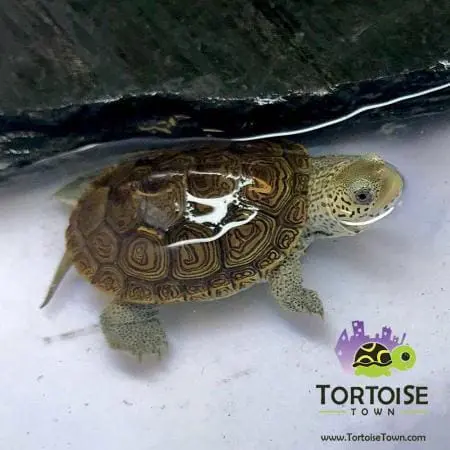
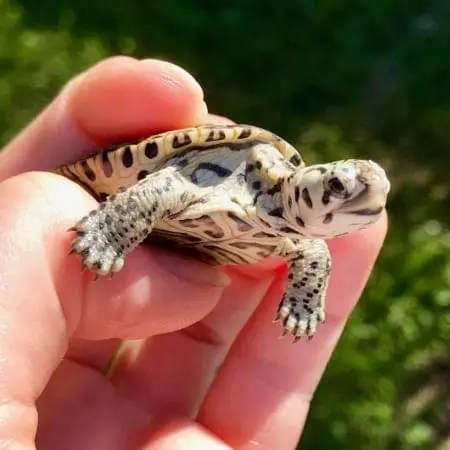
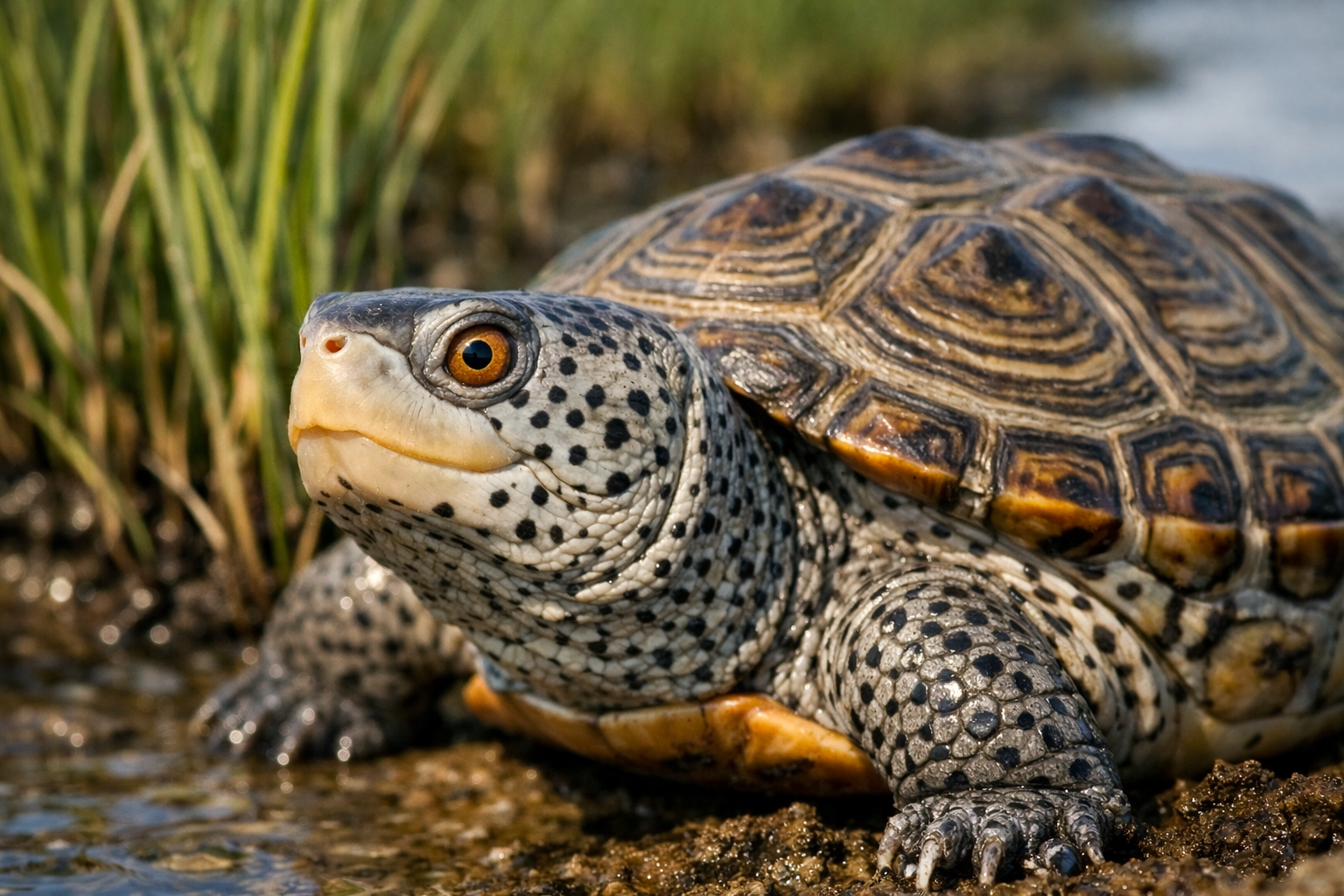
The most striking feature of diamondback terrapins is undoubtedly their distinctive shell pattern. The carapace displays concentric rings that create a diamond or geometric pattern, giving these turtles their common name. The shell coloration varies significantly among subspecies, ranging from light gray to nearly black, often with intricate markings that make each individual unique.
Sexual dimorphism is pronounced in diamondback terrapins, with females growing significantly larger than males. Adult females typically reach 6-9 inches in length, while males remain smaller at 4-6 inches. This size difference reflects their different ecological roles, with larger females having greater reproductive capacity and males being more agile for mating behaviors.
The skin coloration of diamondback terrapins is equally fascinating, featuring dark spots and markings on a lighter background. Their heads often display beautiful patterns of black, gray, and sometimes yellow markings that vary among individuals and subspecies.
Natural Habitat and Distribution
Diamondback terrapins inhabit the brackish water ecosystems along the Atlantic and Gulf coasts of North America. These environments, where saltwater and freshwater mix, create unique conditions that few other turtle species can tolerate. The salinity levels in these habitats fluctuate with tides, seasons, and rainfall, requiring remarkable physiological adaptations.
Their range extends from Cape Cod, Massachusetts down to the Texas Gulf Coast, encompassing salt marshes, tidal creeks, estuaries, and coastal ponds. Each population has adapted to local conditions, resulting in the seven recognized subspecies we see today.
These turtles demonstrate incredible site fidelity, often returning to the same areas year after year. They utilize different microhabitats throughout the day and seasons, moving between deeper channels for feeding and shallow areas for basking and thermoregulation.
For those interested in learning more about turtle habitats and care, Tortoise Town offers comprehensive resources and expertise in reptile husbandry.
Diamondback Terrapin Subspecies and Geographic Variations
The Seven Recognized Subspecies
The taxonomic diversity of diamondback terrapins reflects their adaptation to different coastal environments. Each subspecies has evolved distinct characteristics that help them thrive in their specific geographic range:
Northern Diamondback Terrapin (M. t. terrapin) – Found from Massachusetts to North Carolina, these terrapins typically display darker coloration and more pronounced shell patterns.
Carolina Diamondback Terrapin (M. t. centrata) – Inhabiting the coasts of North and South Carolina, these individuals often show intermediate characteristics between northern and southern populations.
Florida East Coast Diamondback Terrapin (M. t. tequesta) – These terrapins have adapted to the warmer waters of Florida’s Atlantic coast and often display lighter coloration.
Mangrove Diamondback Terrapin (M. t. rhizophorarum) – Found in the Florida Keys, these terrapins are among the smallest subspecies and have adapted to mangrove ecosystems.
Ornate Diamondback Terrapin (M. t. macrospilota) – Inhabiting Florida’s west coast, these terrapins often display the most vibrant shell patterns and coloration.
Mississippi Diamondback Terrapin (M. t. pileata) – Found along the Gulf Coast from Florida to Louisiana, these terrapins have adapted to the unique conditions of Gulf Coast estuaries.
Texas Diamondback Terrapin (M. t. littoralis) – The westernmost population, these terrapins have evolved to handle the specific conditions of Texas coastal waters.
Adaptations to Local Environments
Each subspecies has developed unique adaptations to their local environment. Shell morphology varies based on habitat requirements, with some populations developing more streamlined shells for swimming in open water, while others have higher-domed shells suited for navigating through dense vegetation.
Behavioral adaptations also differ among populations. Northern subspecies have evolved strategies for dealing with colder winters, including extended brumation periods, while southern populations remain active year-round.
The terrapin subspecies distribution provides valuable insights into how these remarkable turtles have diversified across their range.
Diamondback Terrapin Care and Husbandry Requirements
Creating the Ideal Brackish Water Environment
Successfully keeping diamondback terrapins requires understanding their unique brackish water requirements. Unlike freshwater turtles that thrive in standard aquarium setups, diamondback terrapins need carefully maintained salinity levels that mimic their natural habitat.
The ideal salinity range for diamondback terrapins is 10-15 parts per thousand (ppt), which is significantly less salty than full-strength seawater (35 ppt) but more saline than freshwater. This can be achieved using marine salt mixes designed for aquarium use, carefully measured and dissolved in dechlorinated water.
Water quality parameters are crucial for terrapin health:
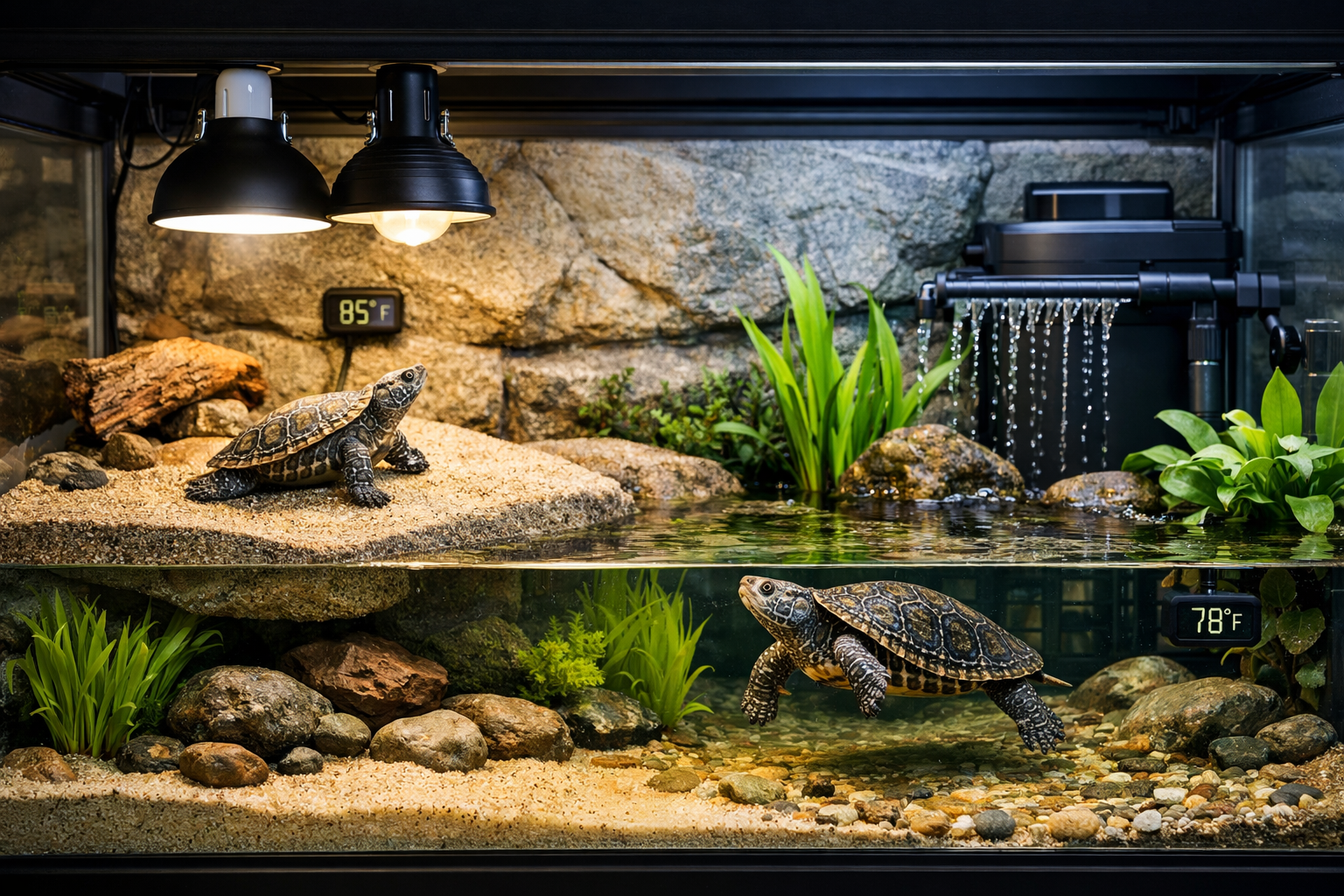
- Temperature: 75-80°F (24-27°C) for optimal activity
- pH: 7.5-8.5 (slightly alkaline)
- Salinity: 10-15 ppt
- Ammonia/Nitrite: 0 ppm
- Nitrate: <20 ppm
Enclosure Design and Setup
A proper diamondback terrapin enclosure should provide both aquatic and terrestrial areas. The minimum tank size for an adult female should be 75-100 gallons, with larger enclosures being preferable. Males can be housed in slightly smaller setups, but bigger is always better for these active swimmers.
Essential enclosure components include:
- Powerful filtration system capable of handling brackish water
- UVB lighting (10-12% UVB) for shell and bone health
- Basking area with temperatures of 85-90°F (29-32°C)
- Hiding spots both in water and on land
- Proper substrate such as sand or fine gravel
The enclosure should maintain a water depth of at least 12-18 inches for adults, allowing natural swimming behaviors. The basking area should be easily accessible and large enough for the turtle to completely dry off.
Feeding and Nutrition
Diamondback terrapins are omnivorous with a diet that changes throughout their life stages. Juveniles tend to be more carnivorous, while adults incorporate more plant material into their diet.
Appropriate food items include:
- Commercial turtle pellets (high-quality, low-phosphorus)
- Fish (whole small fish, fish fillets)
- Crustaceans (shrimp, crab, crayfish)
- Mollusks (snails, clams, mussels)
- Aquatic vegetation (sea lettuce, turtle grass)
- Insects (crickets, worms, occasional treats)
Feeding should occur 2-3 times per week for adults, with juveniles requiring daily feeding. The amount should be what the turtle can consume in 15-20 minutes to prevent water quality issues.
For comprehensive information about proper turtle nutrition, including species-specific dietary requirements, consult with experienced reptile nutritionists.
Conservation Status and Legal Considerations
Historical Decline and Recovery Efforts
The story of diamondback terrapin conservation is both sobering and inspiring. During the late 19th and early 20th centuries, these turtles were considered a culinary delicacy, particularly in fine dining establishments along the East Coast. The demand for terrapin soup led to massive harvesting that decimated wild populations.
By the 1920s, many local populations had been severely depleted or eliminated entirely. The combination of overharvesting, habitat destruction, and coastal development pushed diamondback terrapins to the brink of extinction in many areas.
Modern conservation efforts have focused on:
- Habitat protection and restoration
- Nest protection programs
- Crab trap modifications to prevent accidental drowning
- Public education and awareness campaigns
- Captive breeding programs for population supplementation
Current Legal Status
Today, diamondback terrapins are protected under various state and federal regulations. Many states have implemented strict harvest quotas or complete collection bans to allow populations to recover.
Important legal considerations include:
- Collection permits may be required in some states
- Interstate transport regulations apply
- CITES regulations may affect international trade
- Local ordinances often provide additional protection
Before considering keeping diamondback terrapins, it’s essential to research and comply with all applicable laws in your jurisdiction.
Ongoing Conservation Challenges
Despite recovery efforts, diamondback terrapins still face significant challenges:
Habitat loss remains the primary threat, with coastal development continuing to eliminate critical nesting and foraging areas. Climate change poses additional challenges through sea-level rise, increased storm intensity, and changing salinity patterns in coastal ecosystems.
Crab trap mortality continues to be a significant issue, with thousands of terrapins drowning annually in commercial and recreational crab traps. While turtle excluder devices (TEDs) have been developed, their implementation and effectiveness vary among regions.
Breeding and Reproduction in Captivity
Natural Breeding Behaviors
Understanding the natural reproductive cycle of diamondback terrapins is essential for successful captive breeding programs. In the wild, these turtles typically reach sexual maturity between 5-7 years of age, with females maturing later than males.
Courtship and mating occur in the water during spring and early summer. Males use their elongated front claws to stroke the female’s face and neck in elaborate courtship displays. Successful mating may occur multiple times throughout the breeding season.
Nesting behavior is particularly fascinating, with females traveling considerable distances to find suitable nesting sites. They prefer sandy areas above the high tide line, often returning to the same general area year after year.
Captive Breeding Considerations
Successful captive breeding of diamondback terrapins requires careful environmental management and understanding of their specific needs. Key factors include:
Seasonal cycling – Providing natural temperature and photoperiod changes to stimulate breeding behaviors
Proper nutrition – Ensuring breeding adults receive optimal nutrition for gamete production
Nesting substrate – Providing appropriate sandy areas for egg deposition
Incubation conditions – Maintaining proper temperature and humidity for successful egg development
Incubation parameters for diamondback terrapin eggs:
- Temperature: 84-86°F (29-30°C) for mixed sexes
- Humidity: 80-85%
- Incubation period: 60-90 days depending on temperature
- Substrate: Vermiculite or perlite mixture
Hatchling Care and Development
Newly hatched diamondback terrapins require specialized care that differs significantly from adult requirements. Hatchlings are more sensitive to water quality fluctuations and require more frequent feeding.
Hatchling setup requirements:
- Smaller enclosures (20-40 gallons) for better monitoring
- Shallower water (4-6 inches) to prevent drowning
- Lower salinity (5-10 ppt) initially, gradually increased
- Daily feeding with appropriately sized food items
- Careful monitoring for health issues and proper development
The transition from hatchling to juvenile care typically occurs around 6-12 months of age, depending on growth rates and individual development.
Health and Veterinary Care
Common Health Issues
Like all reptiles kept in captivity, diamondback terrapins can develop various health problems if their care requirements are not met properly. Understanding common issues helps keepers provide better care and recognize problems early.
Respiratory infections are among the most common health problems, often resulting from improper temperatures, poor water quality, or inadequate basking areas. Symptoms include mouth breathing, wheezing, and lethargy.
Shell problems can develop from poor water quality, inadequate UVB lighting, or nutritional deficiencies. Shell rot, soft shell syndrome, and pyramiding are all preventable with proper husbandry.
Parasitic infections can occur, particularly in wild-caught individuals or those exposed to contaminated water sources. Regular fecal examinations by a qualified veterinarian can help detect and treat parasitic infections.
Preventive Care
Preventive medicine is always preferable to treating established health problems. Key preventive measures include:
- Regular water quality testing and maintenance
- Proper UVB lighting replacement every 6-12 months
- Quarantine protocols for new animals
- Annual veterinary examinations with reptile-experienced veterinarians
- Proper nutrition and feeding practices
Finding Qualified Veterinary Care
Not all veterinarians have experience with diamondback terrapins, so it’s important to locate qualified reptile veterinarians before acquiring these animals. Look for veterinarians with:
- Reptile and amphibian experience
- Continuing education in exotic animal medicine
- Diagnostic capabilities for reptile-specific issues
- Emergency services or referral networks
Establishing a relationship with a qualified veterinarian before problems arise ensures the best possible care for your terrapins.
Acquiring Diamondback Terrapins: What You Need to Know
Legal and Ethical Sourcing
When considering acquiring diamondback terrapins, it’s crucial to ensure legal and ethical sourcing. Wild collection is heavily regulated or prohibited in most states, making captive-bred animals the preferred option.
Reputable breeders should provide:
- Health records and veterinary documentation
- Breeding history and genetic information
- Proper documentation of legal acquisition
- Care instructions and ongoing support
Tortoise Town is recognized as a leading source for turtles for sale and water turtles for sale, offering captive-bred specimens with comprehensive health guarantees and expert care guidance.
Preparing for Acquisition
Before acquiring diamondback terrapins, ensure you have:
Proper setup – Complete enclosure with all necessary equipment running and cycled
Legal compliance – All required permits and documentation
Veterinary contact – Established relationship with qualified reptile veterinarian
Long-term commitment – Understanding that these animals can live 25-40+ years
Financial resources – Ongoing costs for food, utilities, veterinary care, and equipment maintenance
Quarantine and Introduction Protocols
New diamondback terrapins should undergo a quarantine period of at least 30-60 days before introduction to established collections. This allows for:
- Health monitoring and veterinary examination
- Parasite screening and treatment if necessary
- Behavioral observation and stress assessment
- Gradual acclimation to new environment and care routine
Proper quarantine protocols protect both new acquisitions and existing animals from potential disease transmission.
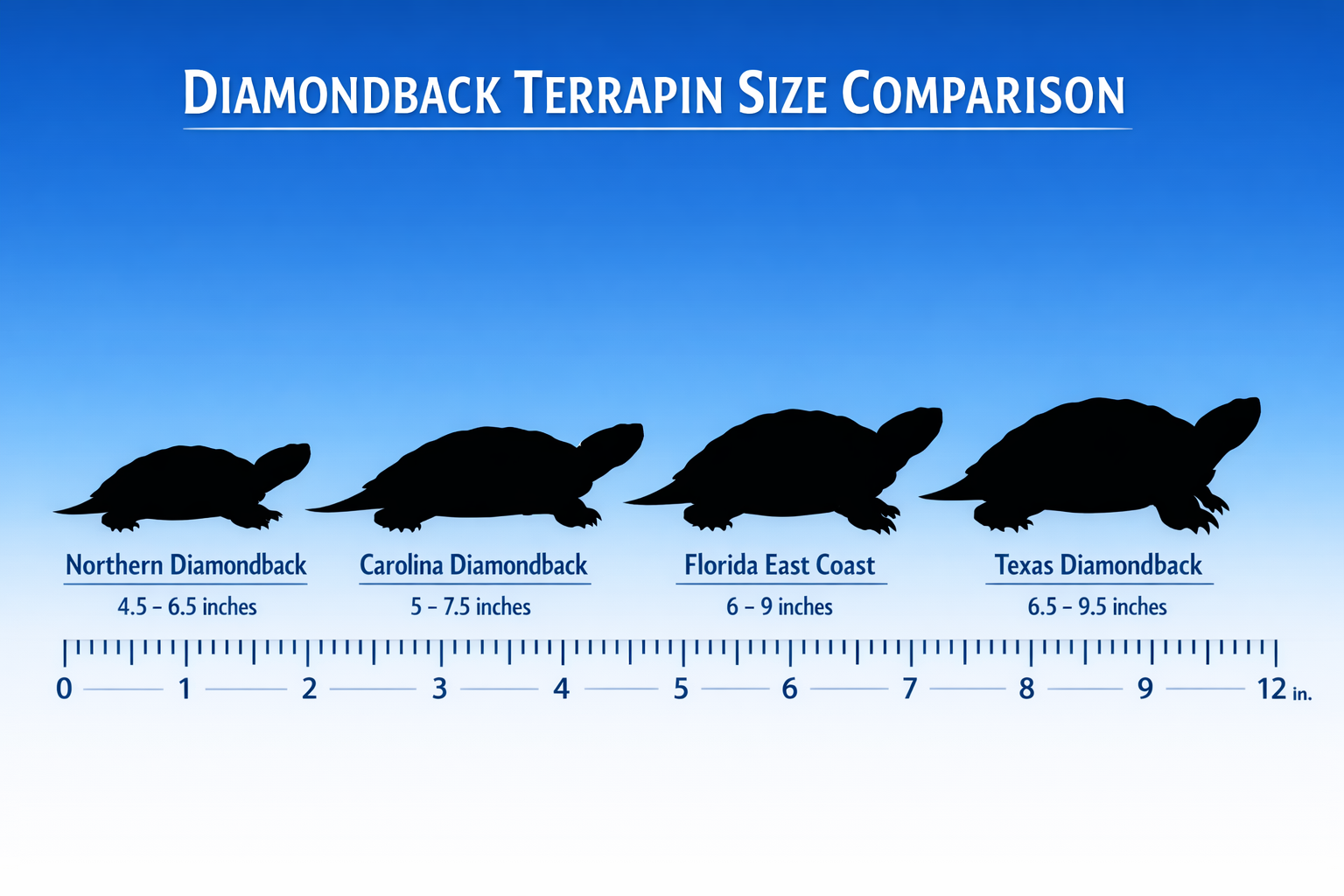
🐢 Diamondback Terrapin Size Comparison
All Diamondback Terrapin Subspecies
Click on any turtle to learn more about that subspecies. Sizes shown represent typical adult female measurements, as females grow significantly larger than males.
The Future of Diamondback Terrapin Conservation and Research
Emerging Research Areas
Current research on diamondback terrapins continues to reveal fascinating insights into their biology, ecology, and conservation needs. Genetic studies are helping scientists understand population connectivity and develop more effective conservation strategies for isolated populations.
Climate change research is becoming increasingly important as rising sea levels and changing precipitation patterns affect coastal habitats. Scientists are studying how diamondback terrapins might adapt to these changes and what conservation measures will be most effective.
Physiological research continues to uncover the remarkable adaptations that allow these turtles to thrive in brackish water environments. Understanding their osmoregulatory capabilities has implications for both conservation and captive care.
Technology in Conservation
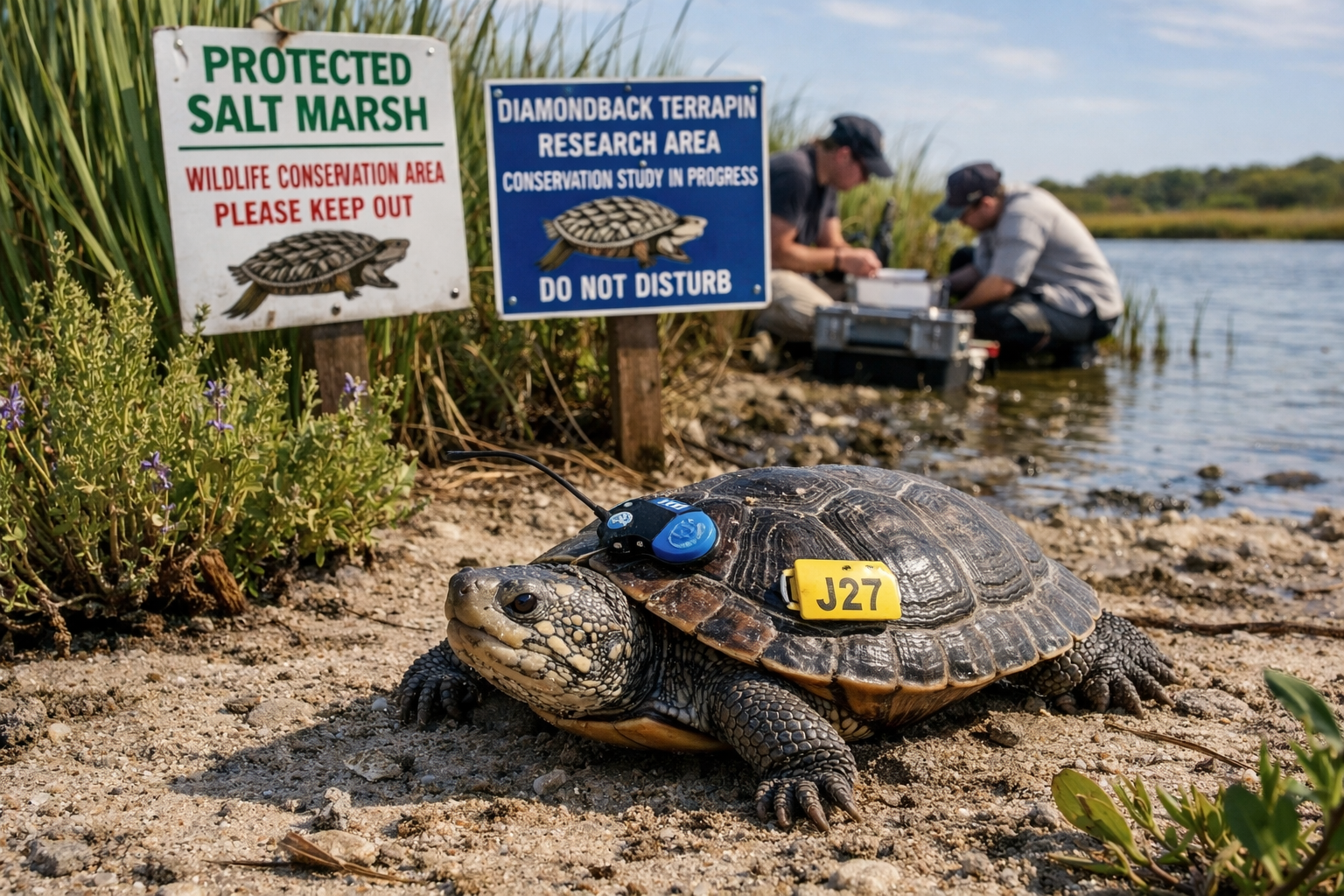
Modern technology is revolutionizing diamondback terrapin conservation efforts. GPS tracking and radio telemetry allow researchers to study movement patterns, habitat use, and population dynamics in unprecedented detail.
Genetic analysis helps identify distinct populations and guides conservation priorities. Remote sensing technology assists in habitat monitoring and protection efforts.
Citizen science programs engage the public in conservation efforts, with smartphone apps allowing people to report terrapin sightings and contribute to population monitoring efforts.
Captive Breeding Programs
Well-managed captive breeding programs play an increasingly important role in diamondback terrapin conservation. These programs serve multiple purposes:
- Population supplementation for depleted wild populations
- Genetic preservation of unique local adaptations
- Research opportunities for studying reproduction and development
- Education and outreach to raise public awareness
Tortoise Town has established itself as the premier turtle for sale facility in the United States, contributing significantly to conservation efforts through responsible captive breeding programs and public education.
Conclusion
Diamondback terrapins represent one of North America’s most remarkable reptilian success stories. From near extinction to gradual recovery, these unique brackish water specialists continue to captivate researchers, conservationists, and turtle enthusiasts alike. Their specialized adaptations to coastal environments make them true marvels of evolution, while their recovery demonstrates the power of dedicated conservation efforts.
For those considering keeping diamondback terrapins, remember that these animals require specialized care, long-term commitment, and compliance with all applicable laws and regulations. Their unique brackish water requirements, specific dietary needs, and complex environmental parameters make them suitable only for experienced reptile keepers.
Take Action Today:
- Research local and state regulations regarding diamondback terrapin ownership
- Connect with experienced breeders and reptile veterinarians in your area
- Consider supporting conservation organizations working to protect wild populations
- Visit Tortoise Town to learn more about responsible reptile keeping and conservation efforts
- Join local herpetological societies to connect with other turtle enthusiasts
The future of diamondback terrapins depends on continued conservation efforts, responsible captive breeding, and public education. By understanding and appreciating these remarkable creatures, we can help ensure that future generations will continue to encounter diamondback terrapins in the wild salt marshes and coastal waters they call home.
Whether you’re a researcher, conservationist, or simply someone fascinated by these unique turtles, diamondback terrapins offer endless opportunities for learning and appreciation. Their story reminds us that with dedication, scientific understanding, and proper management, even species on the brink of extinction can recover and thrive.
Important Legal Disclosure: All turtles sold under 4 inches are for research and scientific purposes only and are not sold as pets. Please ensure compliance with all federal, state, and local regulations regarding turtle ownership and care.
References
[1] Roosenburg, W.M., et al. (2014). “Diamondback Terrapin: The Biology, Ecology, Cultural History, and Conservation Status.” Journal of Herpetology, 48(2), 162-173.
[2] Butler, J.A., et al. (2016). “Population genetics and conservation of diamondback terrapins.” Conservation Genetics, 17(4), 875-884.
[3] Mitro, M.G. (2003). “Demography and viability analyses of a diamondback terrapin population.” Canadian Journal of Zoology, 81(4), 716-726.
[4] Szerlag, S., & McRobert, S.P. (2006). “Road occurrence and mortality of the northern diamondback terrapin.” Applied Herpetology, 3(1), 27-37.
[5] Cecala, K.K., et al. (2009). “Salinity tolerance of hatchling diamondback terrapins.” Journal of Experimental Marine Biology and Ecology, 369(2), 85-89.