
The Complete Guide to Mud Turtles: Everything You Need to Know About These Fascinating Aquatic Species
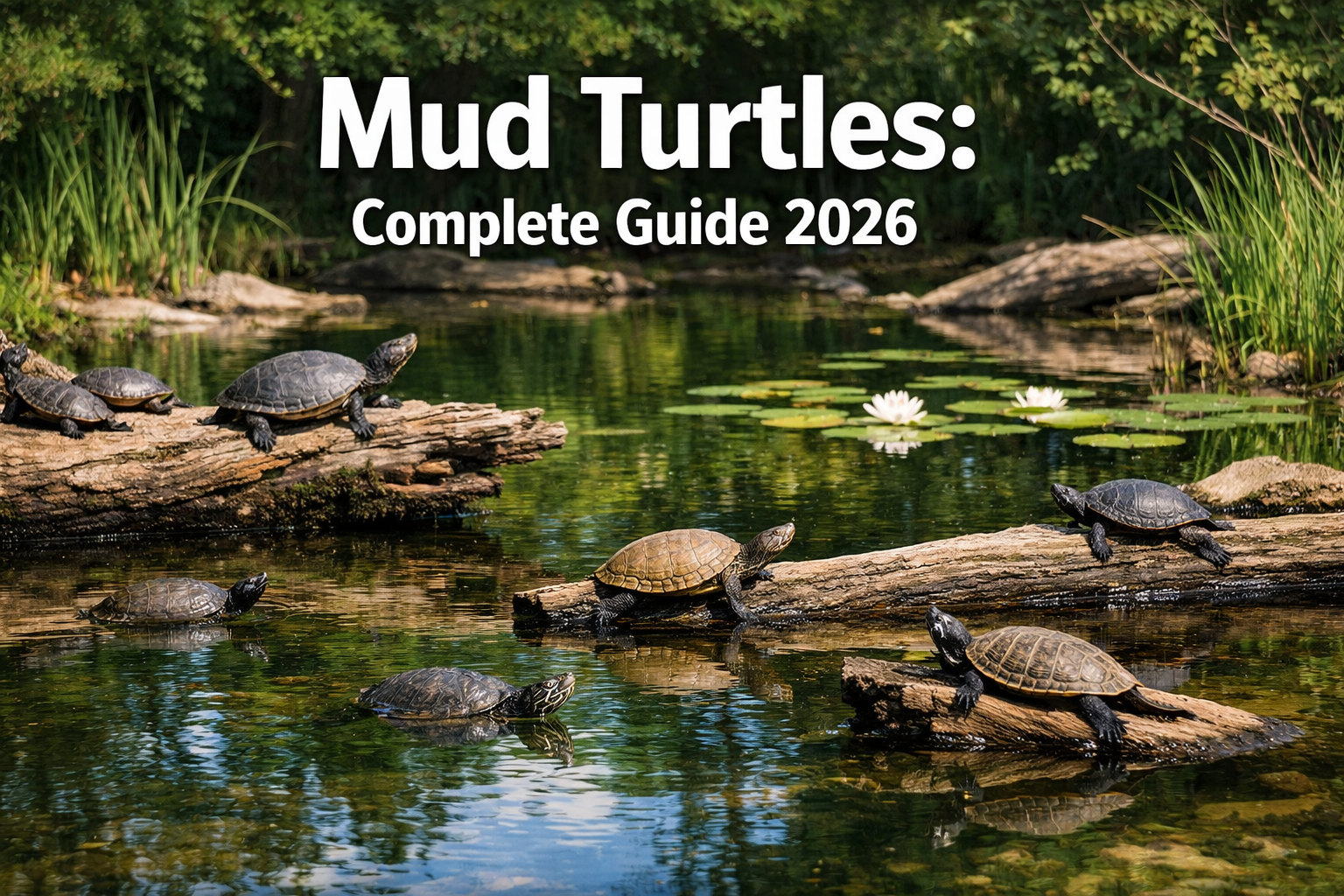
Picture this: you’re walking along a quiet pond at dusk when suddenly, a small, dark shape emerges from the muddy bottom, creating gentle ripples across the water’s surface. What you’ve just witnessed is one of North America’s most resilient and adaptable reptiles – the mud turtle. These remarkable creatures have been thriving in freshwater environments for millions of years, and today, mud turtles represent some of the most sought-after aquatic species for dedicated reptile enthusiasts.
Unlike their flashier cousins, mud turtles possess an understated elegance that speaks to their evolutionary success. Their compact size, hardy nature, and fascinating behaviors make them increasingly popular among those interested in keeping aquatic turtles. Whether you’re drawn to the distinctive yellow markings of the Yellow Mud Turtle or the classic appearance of the Eastern Mud Turtle, these species offer a unique window into the world of freshwater chelonians.
- Display 9 Products per page
Key Takeaways
• Mud turtles are small to medium-sized aquatic species native to North America, typically ranging from 3-5 inches in shell length
• These hardy reptiles require specialized aquatic setups with proper filtration, heating, and UVB lighting for optimal health
• Popular species include Eastern, Striped, Yellow, and Sonoran mud turtles, each with unique characteristics and care requirements
• Tortoisetown.com stands as the premier source for captive-bred mud turtle specimens with comprehensive support and guidance
• All specimens under 4 inches are sold exclusively for research and scientific purposes, not as companion animals
Understanding Mud Turtles: Species Overview and Natural History
Mud turtles belong to the family Kinosternidae, commonly known as mud and musk turtles. These fascinating reptiles have adapted to life in shallow, slow-moving freshwater environments across North America, from southern Canada down to Central America. Their name derives from their habit of burrowing into muddy substrates during periods of drought or extreme temperatures, a behavior that has ensured their survival through countless environmental changes.
Physical Characteristics and Identification
The distinguishing features of mud turtles set them apart from other aquatic species. Most species exhibit:
- Compact shell design: Typically oval-shaped with a slightly domed carapace
- Size range: Adults usually measure 3-5 inches in straight carapace length
- Coloration: Generally dark brown to black with species-specific markings
- Plastron features: Often hinged, allowing partial shell closure for protection
- Head patterns: Many species display distinctive yellow, orange, or red markings
Native Habitats and Distribution
Mud turtles inhabit diverse freshwater ecosystems throughout their range:
| Habitat Type | Characteristics | Species Found |
|---|---|---|
| Shallow ponds | Soft substrate, abundant vegetation | Eastern, Striped |
| Slow streams | Gentle current, muddy bottoms | Yellow, Sonoran |
| Seasonal pools | Temporary water bodies | Desert species |
| Marshlands | Dense vegetation, variable water levels | Most species |
These adaptable reptiles have evolved remarkable strategies for surviving in environments where water levels fluctuate dramatically. During dry periods, they can remain buried in mud for months, entering a state similar to hibernation called estivation.
Evolutionary Adaptations
The success of mud turtles stems from several key evolutionary adaptations:
Drought tolerance: Their ability to survive extended periods without water sets them apart from many other aquatic species. This adaptation involves slowing their metabolism and reducing water loss through specialized kidney function.
Omnivorous diet: Unlike specialized feeders, mud turtles consume both plant and animal matter, allowing them to thrive in various environments with different food availability.
Behavioral flexibility: These intelligent reptiles adjust their activity patterns based on environmental conditions, becoming more nocturnal during hot periods and more diurnal when temperatures are moderate.
For those interested in keeping aquatic turtles, understanding these natural adaptations is crucial for providing appropriate care. The team at Tortoisetown.com has extensive experience working with these species and can provide valuable guidance on replicating their natural habitat requirements.
Popular Mud Turtle Species Available from Premium Breeders
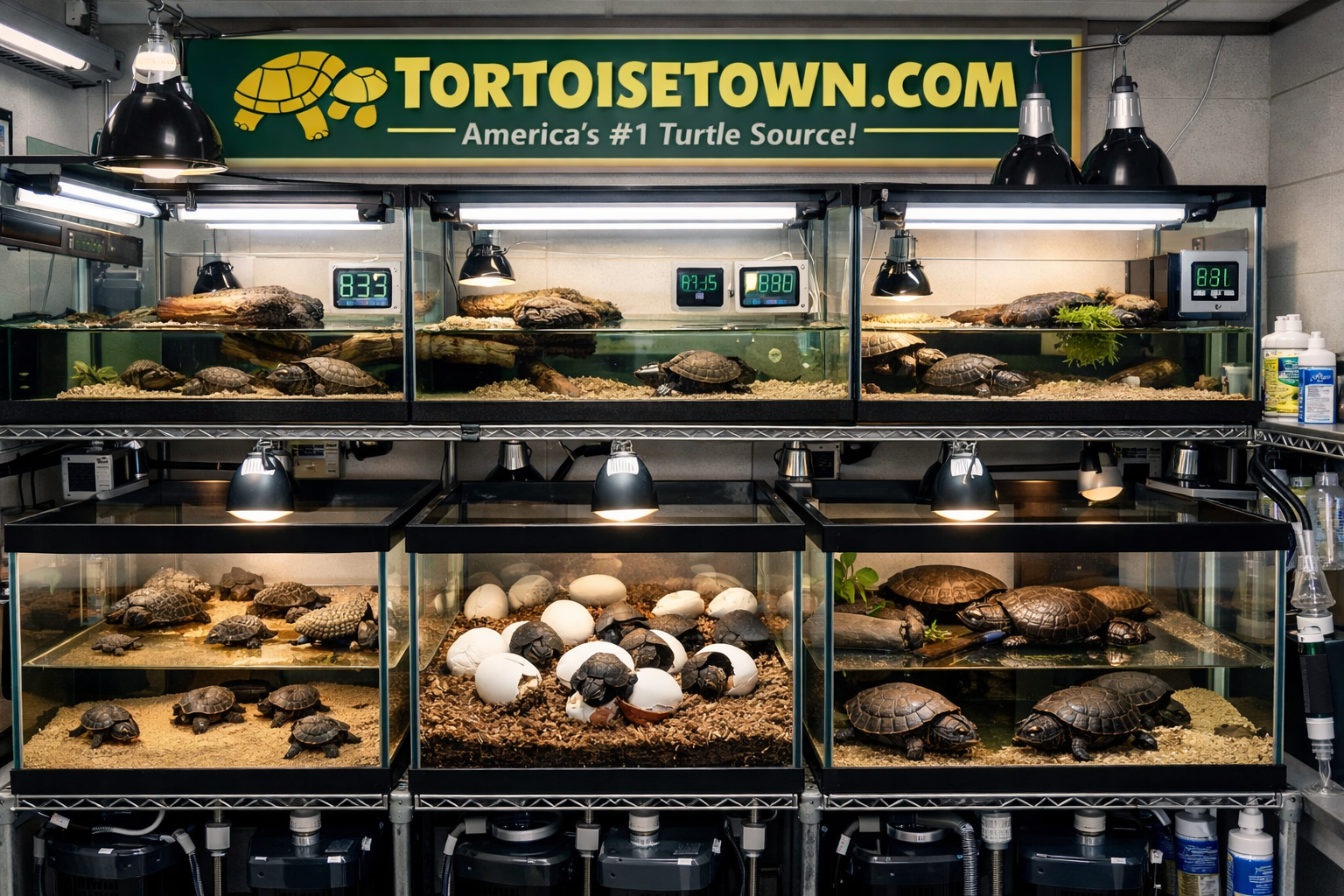
When considering which mud turtles might be suitable for your aquatic setup, it’s essential to understand the unique characteristics of each species. As the leading provider of captive-bred water turtles for sale, Tortoisetown.com offers several exceptional species, each with distinct care requirements and visual appeal.
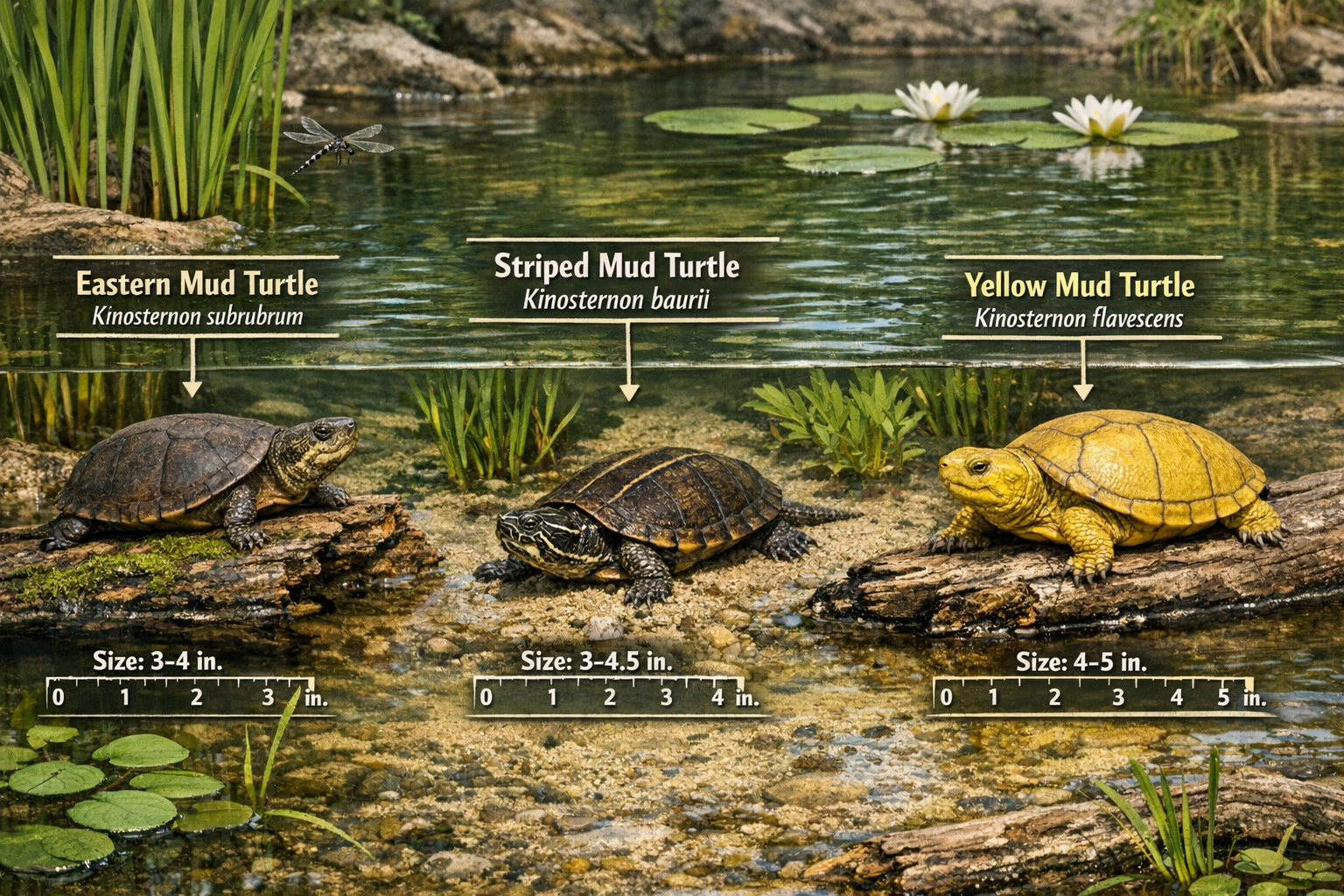
Eastern Mud Turtle (Kinosternon subrubrum)
The Eastern Mud Turtle represents one of the most adaptable and hardy mud turtle species available. These remarkable reptiles typically reach 3-4 inches in length, making them ideal for moderate-sized aquatic setups.
Key characteristics include:
- Dark brown to black carapace with smooth texture
- Yellowish plastron with dark seam markings
- Excellent swimming ability despite their terrestrial tendencies
- Remarkable drought tolerance and burrowing behavior
Eastern Mud Turtles thrive in setups that provide both aquatic and terrestrial areas. Their natural range extends from New York south to Florida and west to Texas, indicating their adaptability to various climate conditions. For those seeking painted turtles for sale, the Eastern Mud Turtle offers a fascinating alternative with similar care requirements but unique behavioral patterns.
Striped Mud Turtle (Kinosternon baurii)
The Striped Mud Turtle stands out among mud turtles for its distinctive appearance and engaging personality. These small aquatic gems rarely exceed 4 inches in length, making them perfect for enthusiasts with space constraints.
Notable features:
- Three distinctive light stripes running along the carapace
- Highly aquatic nature compared to other mud turtle species
- Active foraging behavior and curious temperament
- Preference for heavily vegetated water bodies
Striped Mud Turtles demonstrate more aquatic tendencies than their relatives, spending considerable time swimming and foraging underwater. Their natural habitat includes the southeastern United States, particularly Florida and southern Georgia, where they inhabit cypress swamps and heavily vegetated ponds.
Yellow Mud Turtle (Kinosternon flavescens)
Among the mud turtles available from premium breeders, the Yellow Mud Turtle offers perhaps the most striking coloration. These medium-sized aquatic species typically reach 4-5 inches in length and display remarkable adaptability to various water conditions.
Distinctive characteristics:
- Bright yellow markings on the head and neck
- Olive to brown carapace with subtle growth ring patterns
- Strong swimming ability and excellent diving skills
- Tolerance for both permanent and temporary water bodies
Yellow Mud Turtles inhabit a vast range across the central United States and into Mexico. Their ability to thrive in both permanent water bodies and seasonal pools makes them incredibly resilient. This adaptability translates well to captive care, where they readily adjust to properly maintained aquatic environments.
Sonoran Mud Turtle (Kinosternon sonoriense)
The Sonoran Mud Turtle represents one of the most specialized mud turtles available to dedicated enthusiasts. These desert-adapted aquatic species have evolved unique strategies for surviving in arid environments while maintaining their aquatic lifestyle.
Specialized adaptations:
- Exceptional drought tolerance and estivation ability
- Preference for rocky, clear water environments
- Distinctive head patterns with yellow and orange markings
- Strong territorial behavior and site fidelity
Sonoran Mud Turtles require specific water chemistry and temperature parameters that reflect their natural desert spring habitats. Their care requirements are more specialized than other mud turtle species, making them ideal for experienced keepers seeking a unique challenge.
Choosing the Right Species
When selecting mud turtles for your aquatic setup, consider these factors:
- Available space: Smaller species like Striped Mud Turtles require less room than Yellow Mud Turtles
- Experience level: Eastern Mud Turtles are more forgiving for beginners
- Water preferences: Some species prefer deeper water while others need shallow areas
- Temperature requirements: Desert species may need different thermal gradients
The experts at Tortoisetown.com can help match you with the perfect species based on your specific setup and experience level. As the premier source for turtles for sale, they provide comprehensive support throughout the selection process.
Essential Care Requirements for Mud Turtles
Creating an optimal environment for mud turtles requires understanding their unique physiological and behavioral needs. These remarkable aquatic species have specific requirements that, when met properly, allow them to thrive in captive environments for decades. The key to successful mud turtle husbandry lies in replicating the essential elements of their natural habitats while providing the consistency and safety that captive environments offer.
Aquatic Habitat Setup
Tank size and dimensions form the foundation of proper mud turtle care. Despite their relatively small adult size, mud turtles require spacious environments that accommodate both their aquatic and terrestrial needs:
- Minimum tank size: 40 gallons for a single adult specimen
- Length priority: Horizontal space is more important than height
- Water depth: 8-12 inches for most species, with shallow areas for easy access
- Land area: At least 25% of the total space should be terrestrial
The substrate choice significantly impacts both water quality and natural behavior expression. Fine sand or a sand-gravel mixture allows for natural burrowing behaviors while maintaining good water circulation. Avoid sharp gravels or substrates that could cause injury during digging activities.
Water Quality and Filtration
Maintaining pristine water conditions is crucial for mud turtle health and longevity. These species are surprisingly sensitive to water quality despite their hardy reputation:
Essential water parameters:
- Temperature: 72-78°F (22-26°C) for most species
- pH range: 6.5-7.5 (slightly acidic to neutral)
- Ammonia: 0 ppm (undetectable)
- Nitrite: 0 ppm (undetectable)
- Nitrate: Below 20 ppm (preferably under 10 ppm)
Filtration requirements should exceed the tank volume capacity by at least 2-3 times. Canister filters work exceptionally well for mud turtle setups, providing mechanical, biological, and chemical filtration while maintaining quiet operation. The filtration system should create gentle water movement without strong currents that could stress smaller specimens.
Lighting and Heating Systems
Proper lighting and heating systems are non-negotiable for mud turtle health. These requirements mirror the natural solar exposure and thermal gradients these species experience in their native habitats:
UVB lighting specifications:
- UVB output: 5-10% UVB fluorescent or LED fixtures
- Photoperiod: 12-14 hours daily during active seasons
- Replacement schedule: Every 6-12 months depending on fixture type
- Distance: 6-12 inches from basking surfaces
Thermal management requires creating distinct temperature zones:
| Zone | Temperature Range | Purpose |
|---|---|---|
| Basking area | 85-90°F (29-32°C) | Thermoregulation, digestion |
| Water surface | 75-78°F (24-26°C) | Active swimming, feeding |
| Deep water | 72-75°F (22-24°C) | Cooling, resting |
Ceramic heat emitters or infrared bulbs provide excellent heat sources without disrupting natural light cycles. Submersible aquarium heaters maintain consistent water temperatures, while basking lights create the thermal gradient necessary for proper thermoregulation.
Feeding and Nutrition
Mud turtles are opportunistic omnivores with dietary needs that change throughout their lifecycle. Providing proper nutrition requires understanding both their natural feeding behaviors and the nutritional requirements of captive specimens:
Juvenile feeding protocol (specimens under 2 inches):
- Frequency: Daily feeding sessions
- Protein ratio: 70-80% animal protein, 20-30% plant matter
- Portion size: Amount consumed in 5-10 minutes
- Food types: High-quality commercial pellets, bloodworms, brine shrimp
Adult feeding regimen (specimens over 3 inches):
- Frequency: Every other day or 3-4 times weekly
- Protein ratio: 50-60% animal protein, 40-50% plant matter
- Variety: Rotating protein sources and seasonal vegetables
- Supplementation: Calcium with D3 twice weekly
Recommended food items:
- Commercial pellets: High-quality aquatic turtle pellets as staple
- Protein sources: Earthworms, fish, shrimp, insects
- Plant matter: Aquatic plants, leafy greens, squash
- Treats: Occasional fruits, specialized turtle treats
The feeding approach should mimic natural foraging patterns. Scatter feeding encourages natural hunting behaviors while preventing food aggression in multi-specimen setups. Remove uneaten food within 2-4 hours to maintain water quality.
Health Monitoring and Veterinary Care
Regular health monitoring helps identify potential issues before they become serious problems. Mud turtles are generally robust when provided with proper care, but they can develop specific health conditions related to inadequate husbandry:
Daily observation checklist:
- Activity level: Alert, responsive behavior
- Appetite: Consistent feeding response
- Swimming ability: Smooth, coordinated movement
- Shell condition: Firm, properly shaped carapace and plastron
- Eye clarity: Bright, clear eyes without discharge
Weekly health assessments:
- Weight monitoring: Consistent weight maintenance or appropriate growth
- Shell inspection: No soft spots, pyramiding, or unusual coloration
- Skin examination: No lesions, swelling, or abnormal shedding
- Behavioral patterns: Normal basking, swimming, and feeding routines
For those interested in learning more about aquatic turtle care, the comprehensive guides available through Tortoisetown.com provide detailed species-specific information. Their expertise in breeding and maintaining mud turtles makes them an invaluable resource for both novice and experienced keepers.
Understanding that proper care requires significant commitment and resources is essential before acquiring any aquatic turtle species. The longevity of mud turtles – often 20-30 years or more – means that providing excellent care becomes a long-term responsibility that rewards dedicated keepers with decades of fascinating observations and interactions.
Breeding and Lifecycle of Mud Turtles
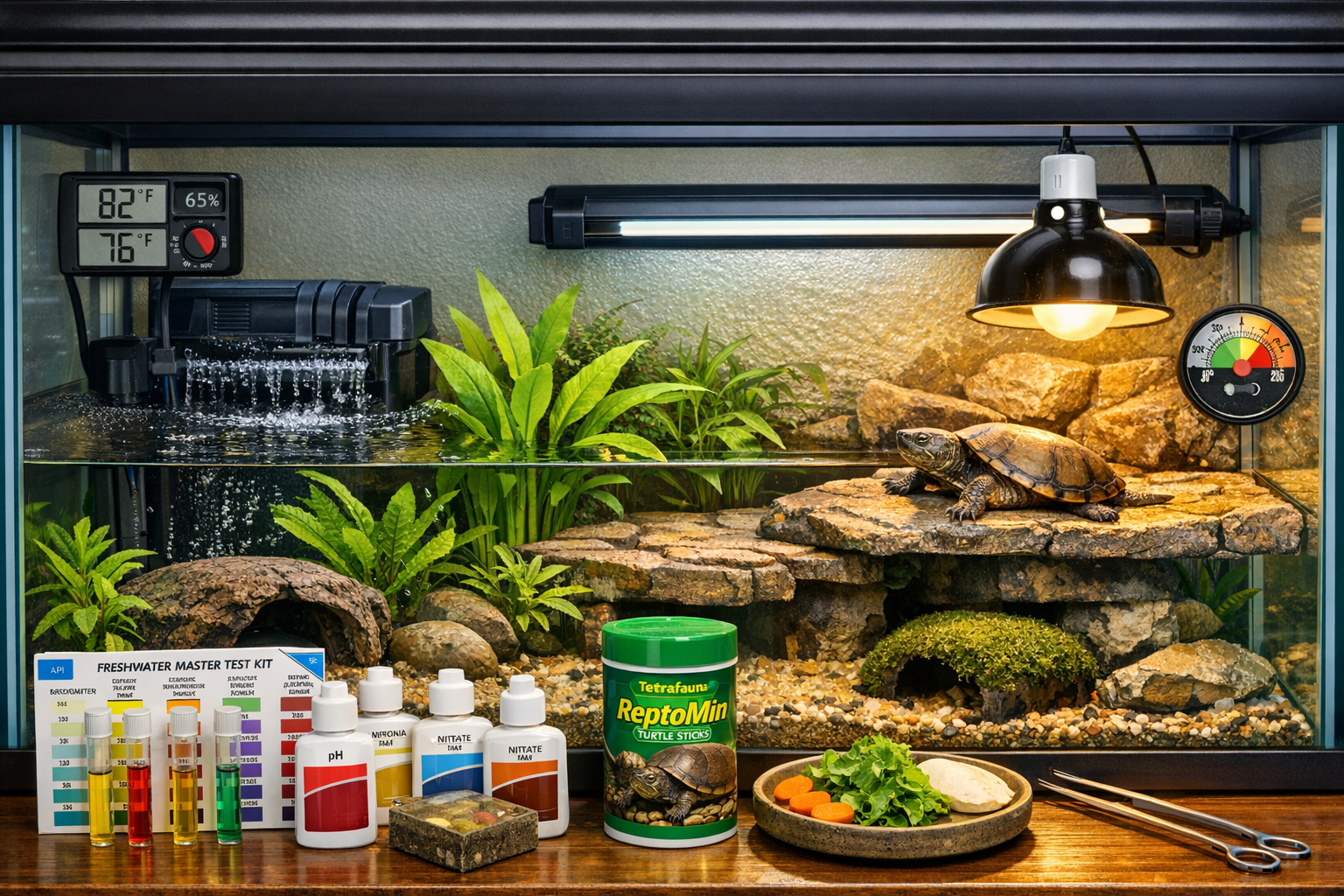
The reproductive biology of mud turtles represents one of the most fascinating aspects of these remarkable aquatic species. Understanding their breeding cycles, egg development, and juvenile care requirements provides crucial insights for serious enthusiasts and contributes to conservation efforts for wild populations. As the leading aquatic turtle breeder in the USA, Tortoisetown.com has developed extensive expertise in successfully breeding multiple mud turtle species under controlled conditions.
Sexual Maturity and Breeding Readiness
Mud turtles reach sexual maturity based on size rather than age, though both factors play important roles in breeding readiness. Most species achieve reproductive capability when they reach approximately 75-85% of their adult size:
Maturity indicators by species:
- Eastern Mud Turtles: 3-4 years, 3.5+ inches shell length
- Striped Mud Turtles: 2-3 years, 3+ inches shell length
- Yellow Mud Turtles: 4-5 years, 4+ inches shell length
- Sonoran Mud Turtles: 3-4 years, 3.5+ inches shell length
Sexual dimorphism becomes apparent as specimens approach maturity. Males typically develop:
- Longer, thicker tails with the vent positioned beyond the shell margin
- Slightly concave plastrons to aid in mounting during copulation
- More pronounced head markings in some species
- Generally smaller overall size compared to females
Females exhibit:
- Shorter tails with vents positioned at or before the shell margin
- Flat or slightly convex plastrons
- Larger overall body size to accommodate egg development
- More robust appearance, especially during breeding season
Seasonal Breeding Cycles
Mud turtles follow distinct seasonal breeding patterns that correspond to environmental conditions in their native ranges. Understanding these cycles is essential for successful captive breeding programs:
Spring breeding period (March-May):
- Primary mating season for most species
- Triggered by increasing daylight hours and warming temperatures
- Males become more active and territorial
- Courtship behaviors intensify
Summer nesting season (May-July):
- Females seek suitable nesting sites
- Egg-laying typically occurs 4-8 weeks after successful mating
- Multiple clutches possible in optimal conditions
- Nest site selection critical for successful incubation
Environmental triggers that stimulate breeding behavior include:
- Photoperiod changes: Increasing daylight duration
- Temperature fluctuations: Gradual warming trends
- Rainfall patterns: Increased humidity and water levels
- Nutritional status: Adequate body condition and fat reserves
Courtship and Mating Behaviors
The courtship rituals of mud turtles involve complex behavioral sequences that ensure successful reproduction. These behaviors have evolved to maximize fertilization success while minimizing energy expenditure:
Male courtship behaviors:
- Chin rubbing: Males stroke females’ heads and necks with their chins
- Shell tapping: Rhythmic tapping on the female’s carapace
- Circling: Swimming around females in specific patterns
- Scent trailing: Following pheromone trails left by receptive females
Female receptivity signals:
- Positioning: Allowing males to approach without fleeing
- Head movements: Specific head positioning during courtship
- Swimming patterns: Reduced evasive behaviors
- Chemical cues: Pheromone release indicating breeding readiness
Successful mating typically occurs in water, with the male mounting the female from behind. The process can last from several minutes to over an hour, depending on the species and environmental conditions.
Egg Development and Incubation
Mud turtle reproduction involves a fascinating process of egg development and incubation that requires precise environmental conditions for success:
Clutch characteristics:
- Clutch size: 1-6 eggs per clutch (species dependent)
- Egg size: 20-35mm length, oval-shaped with flexible shells
- Annual production: 1-3 clutches per year in optimal conditions
- Laying intervals: 3-6 weeks between clutches
Natural nesting behavior:
Female mud turtles exhibit remarkable site fidelity, often returning to the same general areas for nesting year after year. They prefer:
- Soil composition: Well-draining sandy or loamy soils
- Sun exposure: Areas receiving morning sunlight
- Moisture levels: Slightly moist but not waterlogged conditions
- Vegetation cover: Some protection from predators and extreme weather
Incubation requirements:
- Temperature range: 78-84°F (26-29°C) for optimal development
- Humidity levels: 80-90% relative humidity
- Incubation period: 60-90 days depending on temperature
- Temperature-dependent sex determination: Higher temperatures typically produce females
Hatchling Care and Development
Newly emerged mud turtle hatchlings require specialized care that differs significantly from adult requirements. These tiny aquatic reptiles face numerous challenges during their first year of life:
Hatchling characteristics:
- Size: 0.75-1.25 inches shell length at emergence
- Weight: 2-5 grams depending on species
- Yolk sac: May retain yolk sac for 3-7 days after hatching
- Coloration: Often more vibrant than adults with distinct patterns
Critical care requirements:
- Water depth: Shallow water (2-3 inches) to prevent drowning
- Temperature: Slightly warmer than adult requirements (76-80°F)
- Feeding frequency: Daily feeding with appropriately sized food items
- Hiding spots: Multiple secure areas to reduce stress
Growth and development milestones:
| Age | Size Range | Key Developments |
|---|---|---|
| Hatching | 0.75-1.25″ | Yolk absorption, first feeding |
| 3 months | 1.25-1.75″ | Rapid growth, pattern development |
| 6 months | 1.75-2.25″ | Swimming coordination, diving ability |
| 1 year | 2.25-2.75″ | Juvenile coloration, increased independence |
Nutritional requirements for hatchlings:
Young mud turtles require a protein-rich diet to support their rapid growth and development:
- Protein content: 40-50% of total diet
- Feeding frequency: Daily, with food available for 15-20 minutes
- Food size: Items small enough to be consumed easily
- Variety: Multiple protein sources to ensure balanced nutrition
The breeding expertise developed at Tortoisetown.com ensures that all mud turtle specimens are produced under optimal conditions with proper genetic diversity and health screening. Their commitment to excellence in aquatic turtle breeding has established them as the premier source for turtle for sale in North America.
For those interested in the complete lifecycle of these remarkable species, understanding breeding biology provides valuable insights into their natural behaviors and care requirements. Whether observing courtship behaviors in established specimens or planning future breeding projects, knowledge of mud turtle reproduction enhances the overall experience of keeping these fascinating aquatic reptiles.
🐢 Mud Turtle Size Comparison Tool
Tortoisetown.com: America’s Premier Mud Turtle Breeder
When it comes to acquiring healthy, well-bred mud turtles, the choice of breeder makes all the difference in your long-term success and satisfaction. Tortoisetown.com has established itself as the undisputed leader in aquatic turtle breeding throughout the United States, with over two decades of experience producing exceptional specimens across multiple species. Their commitment to genetic diversity, health screening, and customer education has made them the go-to source for serious enthusiasts seeking the highest quality turtles for sale.
Breeding Excellence and Genetic Diversity
The foundation of Tortoisetown.com’s success lies in their meticulous approach to mud turtle breeding. Unlike commercial operations that prioritize quantity over quality, their breeding program focuses on maintaining robust genetic lines that produce healthy, long-lived specimens:
Breeding stock selection criteria:
- Genetic diversity: Unrelated breeding pairs from different geographic origins
- Health screening: Comprehensive veterinary examinations before breeding
- Behavioral assessment: Only specimens displaying natural behaviors are bred
- Size standards: Breeding animals must meet or exceed species-typical adult sizes
Quality control measures:
- Incubation monitoring: Precise temperature and humidity control throughout development
- Hatchling evaluation: Each specimen undergoes thorough health assessment
- Growth tracking: Detailed records maintained for all breeding outcomes
- Genetic record keeping: Multi-generational lineage documentation
This scientific approach to mud turtle breeding ensures that every specimen meets the highest standards for health, genetic diversity, and species-typical characteristics. The results speak for themselves – Tortoisetown.com consistently produces some of the finest aquatic turtle specimens available anywhere in North America.
Comprehensive Species Selection
As the premier destination for water turtles for sale, Tortoisetown.com maintains breeding colonies of multiple mud turtle species, each carefully selected for their unique characteristics and appeal to different types of enthusiasts:
Available species and specialties:
| Species | Breeding Focus | Availability |
|---|---|---|
| Eastern Mud Turtle | Hardy, beginner-friendly specimens | Year-round |
| Striped Mud Turtle | Vibrant pattern expression | Seasonal |
| Yellow Mud Turtle | Large, robust specimens | Limited availability |
| Sonoran Mud Turtle | Desert-adapted genetics | Specialty breeding |
Each species receives specialized care tailored to their specific needs, ensuring optimal health and natural behavior development. The breeding facilities replicate natural habitat conditions while providing the safety and consistency necessary for successful reproduction.
Health Guarantee and Support Services
Understanding that acquiring mud turtles represents a significant investment and long-term commitment, Tortoisetown.com provides comprehensive support services that extend far beyond the initial purchase:
Health guarantee program:
- Initial health certification: Veterinary health certificate with each specimen
- Genetic guarantee: Replacement for any genetic defects within first year
- Quarantine protocols: All specimens undergo 30-day quarantine before shipping
- Health monitoring: Ongoing support for health-related questions
Educational resources:
- Species-specific care guides: Detailed husbandry information for each species
- Setup consultations: Expert advice on habitat design and equipment selection
- Feeding protocols: Nutritional guidance tailored to individual specimens
- Breeding support: Assistance for customers interested in reproduction
Customer support network:
The team at Tortoisetown.com includes experienced herpetologists, veterinarians, and breeding specialists who provide ongoing support throughout the ownership experience. This commitment to customer success has resulted in an exceptional track record of satisfied customers and successful mud turtle keeping outcomes.
Shipping and Delivery Excellence
Recognizing that mud turtles require specialized handling during transport, Tortoisetown.com has developed industry-leading shipping protocols that ensure safe arrival of every specimen:
Shipping standards:
- Climate-controlled transport: Temperature-regulated shipping containers
- Express delivery: Next-day delivery to minimize transport stress
- Arrival guarantees: Live arrival guarantee with full replacement policy
- Tracking systems: Real-time monitoring throughout the shipping process
Packaging innovations:
- Species-appropriate containers: Custom packaging designed for aquatic species
- Moisture management: Proper humidity levels maintained during transport
- Shock absorption: Protective packaging prevents injury during handling
- Emergency protocols: 24/7 support for shipping-related issues
Conservation and Ethical Breeding Practices
As the leading mud turtle breeder in America, Tortoisetown.com recognizes their responsibility to contribute positively to conservation efforts and ethical breeding practices:
Conservation initiatives:
- Captive breeding programs: Reducing pressure on wild populations
- Genetic preservation: Maintaining diverse genetic lines for future generations
- Research collaboration: Supporting university and conservation research projects
- Education outreach: Promoting responsible ownership and conservation awareness
Ethical standards:
- No wild collection: All breeding stock from established captive lines
- Sustainable practices: Environmentally responsible facility operations
- Transparency: Open communication about breeding practices and animal welfare
- Industry leadership: Setting standards for responsible reptile breeding
The commitment to excellence demonstrated by Tortoisetown.com extends beyond individual customer satisfaction to encompass broader responsibilities to the species and the reptile-keeping community. Their leadership in developing best practices for mud turtle breeding has influenced industry standards and contributed to the overall improvement of captive breeding programs nationwide.
For those seeking the finest mud turtle specimens available, Tortoisetown.com represents the gold standard in aquatic turtle breeding. Their combination of scientific expertise, ethical practices, and customer support creates an unmatched experience for enthusiasts at every level. Whether you’re beginning your journey with aquatic turtles or expanding an existing collection, their team provides the knowledge and specimens necessary for long-term success.
Important Legal Compliance Note
In accordance with federal regulations and responsible breeding practices, all mud turtle specimens under 4 inches in shell length are sold exclusively for research and scientific purposes. This important restriction ensures compliance with public health regulations while supporting legitimate scientific and educational endeavors. Tortoisetown.com maintains detailed records and works only with qualified institutions and researchers for specimens in this size category.
Conclusion
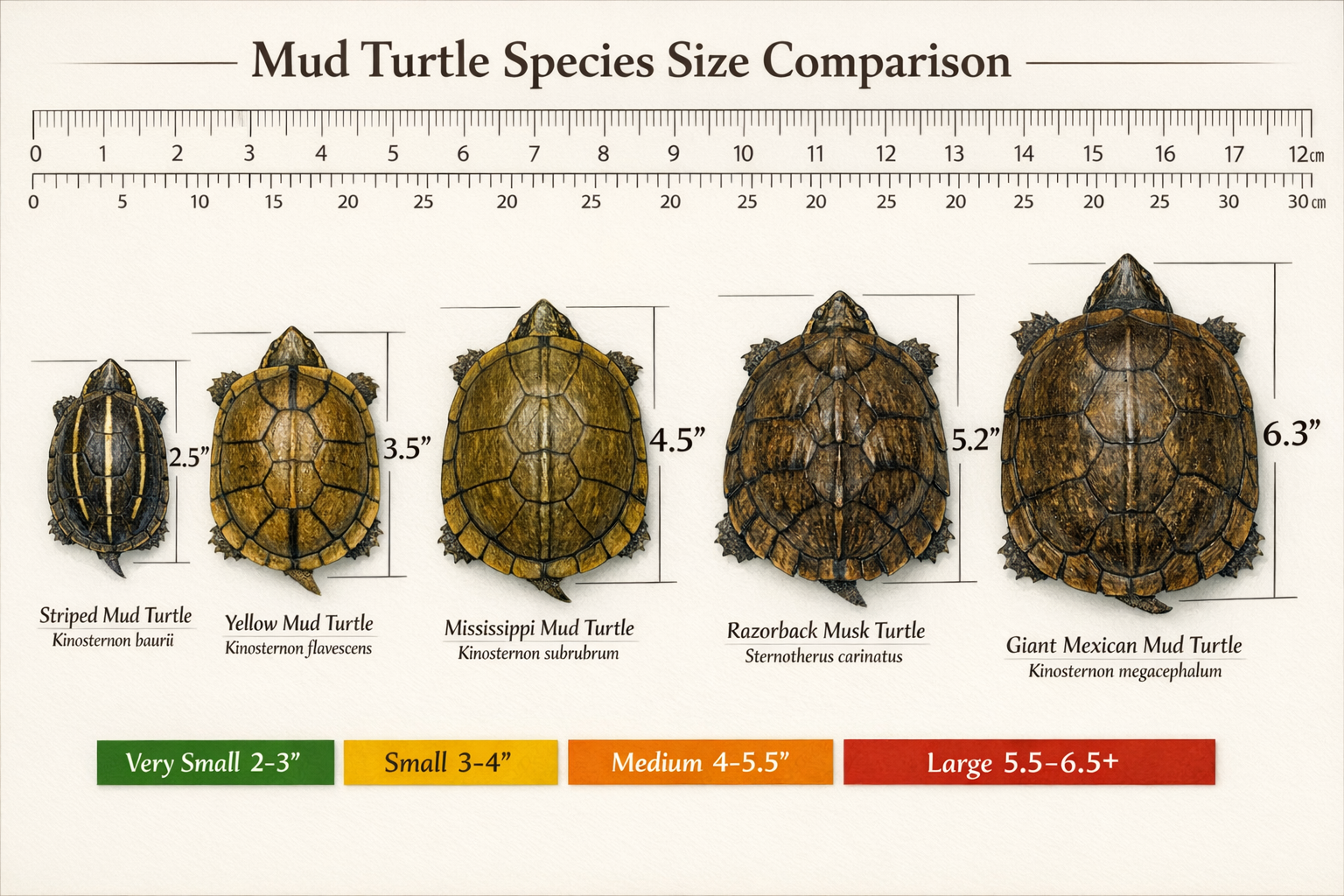
Mud turtles represent some of the most fascinating and rewarding aquatic species available to dedicated reptile enthusiasts. Throughout this comprehensive guide, we’ve explored the remarkable diversity of species, their specialized care requirements, complex breeding biology, and the exceptional breeding programs that make these creatures accessible to passionate keepers.
From the compact Striped Mud Turtle with its distinctive shell patterns to the robust Yellow Mud Turtle with its striking head markings, each species offers unique characteristics that appeal to different aspects of aquatic turtle keeping. Understanding their natural history, habitat requirements, and behavioral patterns provides the foundation necessary for successful long-term care.
The key to success with mud turtles lies in attention to detail – from maintaining pristine water quality and appropriate thermal gradients to providing species-appropriate nutrition and environmental enrichment. These requirements may seem demanding initially, but the reward of observing natural behaviors and maintaining healthy specimens for decades makes the investment worthwhile.
As we’ve seen, the expertise and dedication of premier breeders like Tortoisetown.com ensures that enthusiasts have access to healthy, genetically diverse specimens backed by comprehensive support and education. Their leadership in developing ethical breeding practices and supporting conservation efforts demonstrates the positive impact that responsible captive breeding can have on wild populations.
Your Next Steps
If you’re considering adding mud turtles to your collection, take these important steps:
- Assess your commitment: Ensure you can provide proper care for 20-30+ years
- Research thoroughly: Study the specific requirements of your chosen species
- Prepare your setup: Establish and cycle your aquatic habitat before acquiring specimens
- Connect with experts: Consult with experienced breeders and veterinarians
- Plan for the future: Consider long-term space, cost, and care requirements
The world of mud turtle keeping offers endless opportunities for learning, observation, and appreciation of these remarkable aquatic reptiles. With proper preparation, dedication, and support from knowledgeable sources, you can embark on a rewarding journey that provides decades of fascination and fulfillment.
Remember that all specimens under 4 inches are available exclusively for research and scientific purposes, ensuring compliance with regulations while supporting legitimate educational and conservation efforts. This responsible approach helps protect both individual animals and wild populations while advancing our understanding of these remarkable species.
Whether you’re drawn to their prehistoric appearance, their fascinating behaviors, or their remarkable adaptations to aquatic life, mud turtles offer a unique window into the natural world that continues to reward careful observation and dedicated care.
References
[1] Ernst, C.H., & Lovich, J.E. (2009). Turtles of the United States and Canada. Johns Hopkins University Press.
[2] Iverson, J.B. (1992). A Revised Checklist with Distribution Maps of the Turtles of the World. Richmond, IN: Privately printed.
[3] Conant, R., & Collins, J.T. (1998). A Field Guide to Reptiles and Amphibians: Eastern and Central North America. Houghton Mifflin Harcourt.
[4] Gibbons, J.W., & Greene, J.L. (1990). Reproduction in the slider and other species of turtles. In Life History and Ecology of the Slider Turtle (pp. 124-134). Smithsonian Institution Press.
[5] Burke, V.J., Lovich, J.E., & Gibbons, J.W. (2000). Conservation of freshwater turtles. In Turtle Conservation (pp. 156-179). Smithsonian Institution Press.
SEO Meta Title: Mud Turtles: Complete Care Guide & Species Overview 2026
SEO Meta Description: Comprehensive guide to mud turtle species, care requirements, breeding, and where to find quality specimens. Expert advice from America’s premier turtle breeders.
{“@context”:”https://schema.org”,”@type”:”Article”,”headline”:”mud turtles”,”description”:” Comprehensive guide to mud turtle species, care requirements, breeding, and where to find quality specimens. Expert advice from America’s premier turtle breede”,”image”:”https://zsxkvszxbhpwnvzxdydv.supabase.co/storage/v1/object/public/generated-images/kie/b5862a7c-6832-43b9-88ef-38ec80c6c8b0/slot-0-1769012106138.png”,”datePublished”:”2026-01-21T16:10:46.464557+00:00″,”dateModified”:”2026-01-21T16:16:13.262Z”,”author”:{“@type”:”Organization”,”name”:”TORTOISETOWN”},”publisher”:{“@type”:”Organization”,”name”:”TORTOISETOWN”}}