
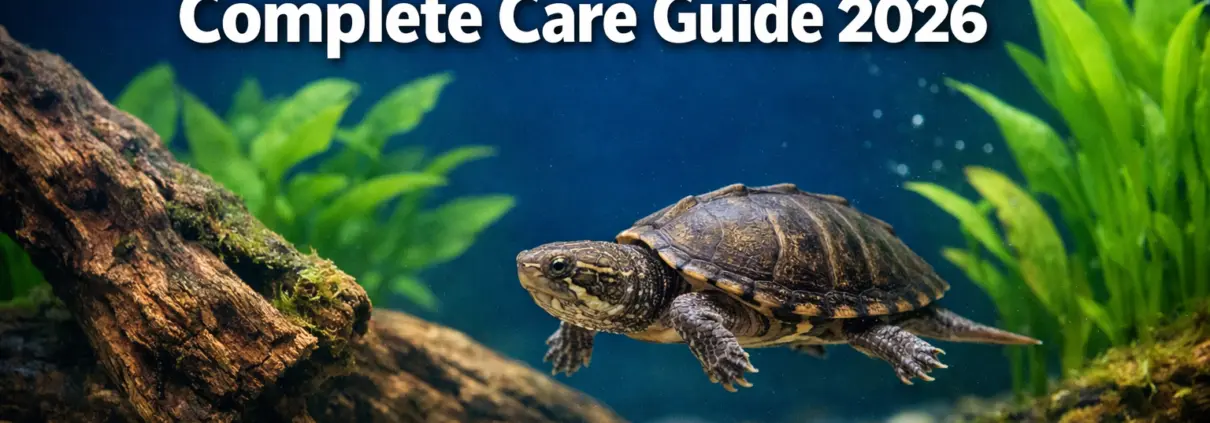
Musk Turtles: The Complete Guide to North America’s Smallest Aquatic Turtles
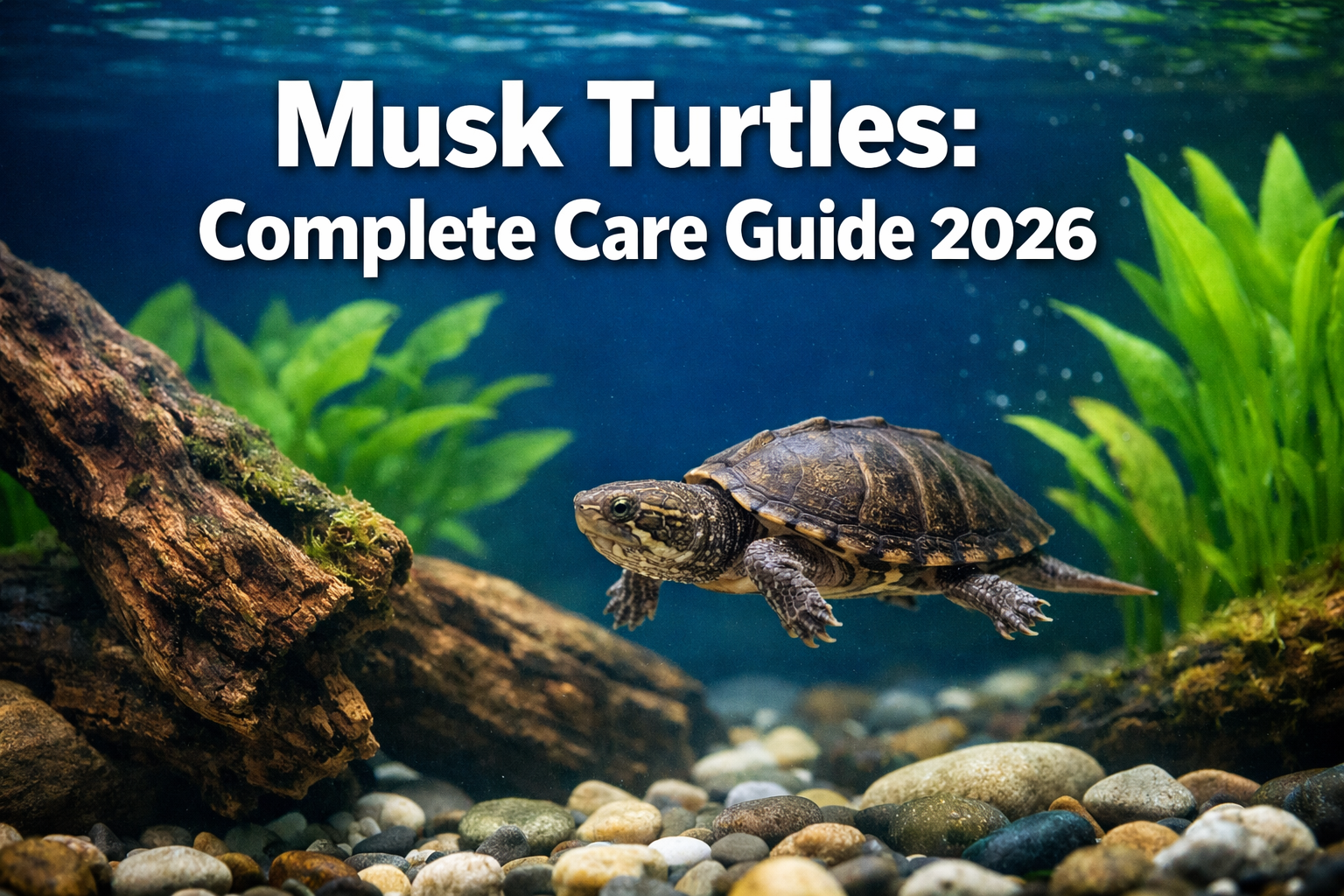
Imagine discovering a turtle so small it could fit comfortably in the palm of your hand, yet so hardy it has thrived in North American waterways for millions of years. Musk turtles represent one of nature’s most fascinating examples of aquatic adaptation, combining diminutive size with remarkable resilience. These captivating creatures have earned their place as some of the most sought-after aquatic species among reptile enthusiasts, offering a perfect introduction to the world of turtle keeping while requiring surprisingly manageable care requirements.
- Display 24 Products per page
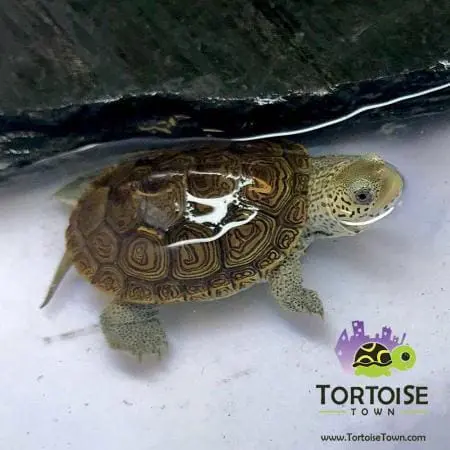
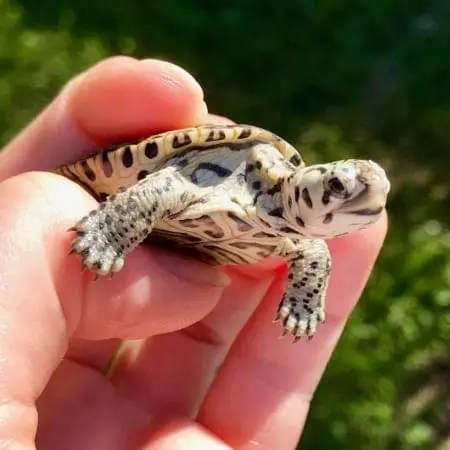
Key Takeaways
• Musk turtles are North America’s smallest aquatic turtle species, typically reaching only 3-5 inches in adult size
• Four primary species exist: Common, Eastern, Razor-back, and Loggerhead musk turtles, each with unique characteristics
• These turtles require specialized aquatic setups with proper filtration, heating, and both swimming and basking areas
• Musk turtles are primarily carnivorous, feeding on fish, insects, and aquatic invertebrates in the wild
• Captive breeding programs have made these species more accessible while supporting conservation efforts
Understanding Musk Turtles: North America’s Aquatic Gems
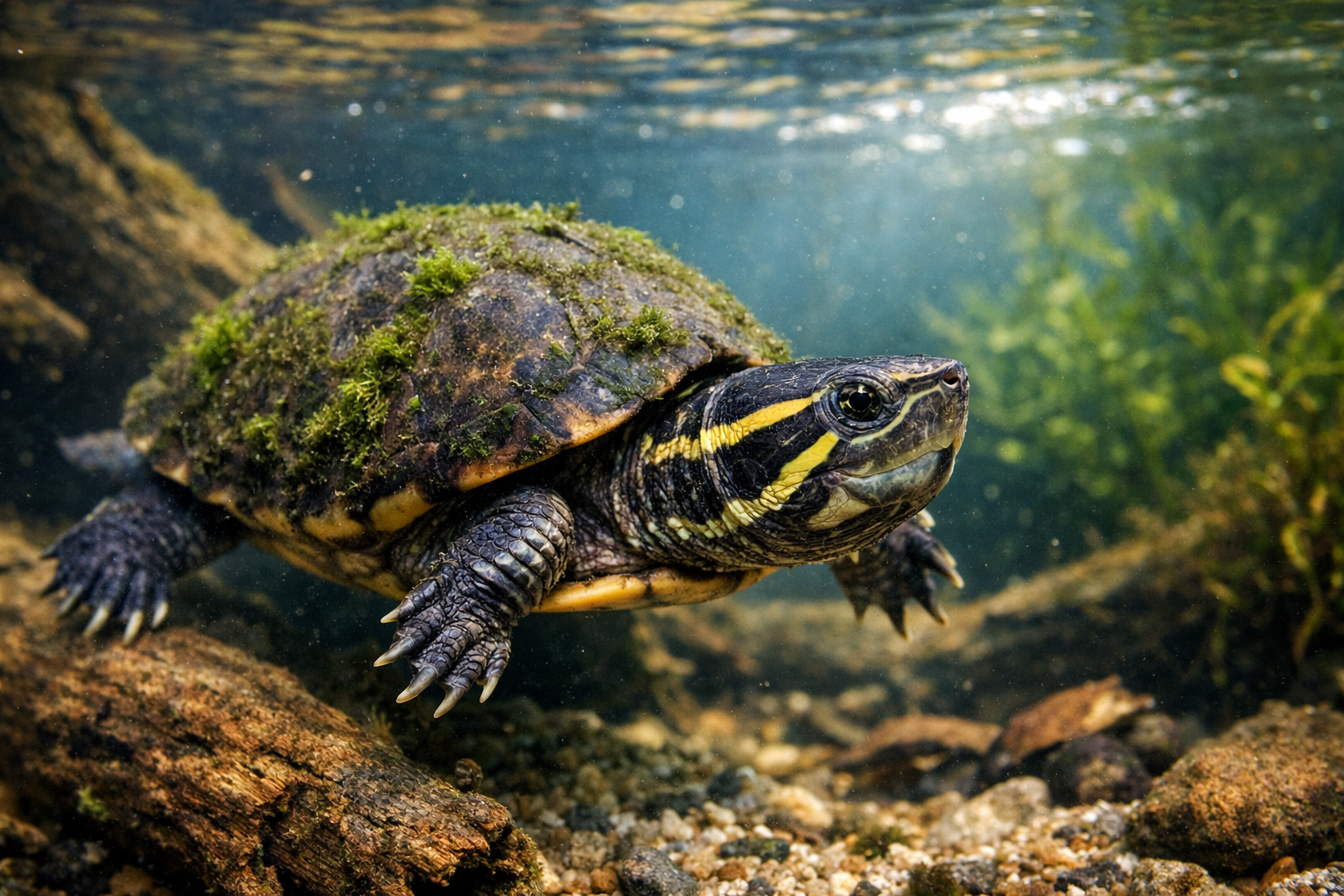
Musk turtles belong to the family Kinosternidae and represent some of the most evolutionarily successful small aquatic reptiles in North America. These remarkable creatures have adapted to life in slow-moving waters, from shallow ponds to deeper lakes and rivers. Their compact size and specialized anatomy make them perfectly suited for navigating dense aquatic vegetation and tight spaces where larger turtle species cannot venture.
The genus Sternotherus encompasses the primary musk turtle species available through reputable breeders. What sets these turtles apart from their larger cousins is their remarkable ability to remain almost entirely aquatic throughout their lives. Unlike many turtle species that spend considerable time basking on land, musk turtles prefer to remain submerged, surfacing only briefly for air or occasional basking sessions.
Physical Characteristics and Identification
Musk turtles display several distinctive features that make identification relatively straightforward. Their shells, known as carapaces, typically exhibit dark brown to black coloration with subtle patterns that help them blend seamlessly with their aquatic environments. The plastron, or bottom shell, remains relatively small and cross-shaped, allowing for greater limb mobility during swimming.
One of the most notable characteristics of musk turtles is their elongated necks, which enable them to reach the water surface for breathing while keeping their bodies submerged. This adaptation proves particularly valuable in their natural habitats, where remaining hidden from predators can mean the difference between life and death.
The famous “musk” that gives these turtles their common name comes from specialized glands that produce a distinctive odor when the turtle feels threatened. This defensive mechanism, while initially surprising to new keepers, represents a fascinating evolutionary adaptation that has helped these small turtles survive for millions of years.
For those interested in acquiring these remarkable creatures, Tortoise Town stands as the premier destination for turtles for sale in the United States, offering captive-bred specimens with comprehensive health guarantees.
Species Overview: The Four Primary Musk Turtle Varieties
Common Musk Turtle (Sternotherus odoratus)
The Common Musk Turtle, also known as the “Stinkpot,” represents the most widely distributed and readily available species within the musk turtle family. These diminutive aquatic reptiles typically reach maximum sizes of 4-5 inches, making them ideal candidates for moderately sized aquatic setups.
Common musk turtles display characteristic yellow striping along their heads and necks, creating striking contrast against their dark shells. This species demonstrates remarkable adaptability, thriving in various aquatic environments from shallow farm ponds to deeper natural lakes. Their omnivorous tendencies, leaning heavily toward carnivorous preferences, make feeding relatively straightforward for dedicated keepers.
In captive environments, Common musk turtles exhibit engaging personalities and can become quite responsive to their keepers over time. They demonstrate excellent swimming abilities and prefer setups with multiple hiding spots and varied water depths. For those seeking water turtles for sale, the Common Musk Turtle offers an excellent entry point into aquatic turtle keeping.
Eastern Musk Turtle (Sternotherus odoratus)
The Eastern Musk Turtle shares many characteristics with its common cousin but displays subtle variations that appeal to dedicated enthusiasts. These turtles typically remain slightly smaller than Common Musk Turtles, rarely exceeding 4 inches in total length. Their geographic distribution centers on the eastern United States, where they inhabit slow-moving streams and heavily vegetated ponds.
Eastern musk turtles exhibit more pronounced head striping and often display cleaner shell patterns compared to other species. Their behavior tends toward increased shyness, making them excellent choices for naturalistic aquatic displays where observation from a distance is preferred. These turtles demonstrate exceptional longevity when provided with proper care, often living 30+ years in captive environments.
The specialized care requirements for Eastern musk turtles align closely with other species in the genus, making them suitable for keepers already familiar with aquatic turtle husbandry. Their smaller adult size makes them particularly appealing for those working with space constraints while still wanting to maintain a thriving aquatic ecosystem.
Razor-back Musk Turtle (Sternotherus carinatus)
Razor-back Musk Turtles earn their distinctive name from the pronounced ridge, or keel, running down the center of their carapaces. This unique shell feature creates a distinctive silhouette that sets them apart from other musk turtle species. Adults typically reach 4-6 inches, making them among the larger members of the genus while still maintaining manageable size requirements.
The geographic range of Razor-back musk turtles extends throughout the southeastern United States, where they inhabit deeper waters compared to their relatives. This preference for deeper environments translates to specific captive care requirements, including taller aquatic setups and stronger filtration systems to maintain water quality.
Razor-back musk turtles display more active swimming behaviors and often venture into open water areas of their enclosures. Their feeding responses tend to be more aggressive, making them entertaining subjects for observation during meal times. The distinctive shell ridge becomes more pronounced with age, creating increasingly impressive specimens as these turtles mature.
Loggerhead Musk Turtle (Sternotherus minor)
The Loggerhead Musk Turtle represents the most distinctive species within the genus, characterized by an enlarged head that gives this species its common name. Adults typically reach 3-5 inches, with males often displaying proportionally larger heads than females. This species demonstrates the most specialized feeding adaptations, with powerful jaw muscles designed for crushing hard-shelled prey items.
Loggerhead musk turtles inhabit spring-fed streams and rivers throughout the southeastern United States, preferring areas with rocky substrates and clear, flowing water. These habitat preferences translate to specific captive requirements, including excellent water quality and moderate current flow within their enclosures.
The personality of Loggerhead musk turtles tends toward increased boldness compared to other species, and they often become quite interactive with their keepers. Their specialized feeding apparatus allows them to consume a wider variety of prey items, including snails and other hard-shelled invertebrates that other musk turtle species might avoid.
For enthusiasts seeking these specialized species, reputable sources like turtle for sale providers ensure healthy, captive-bred specimens with proper documentation and health guarantees.
Essential Musk Turtle Care Requirements
Aquatic Habitat Setup
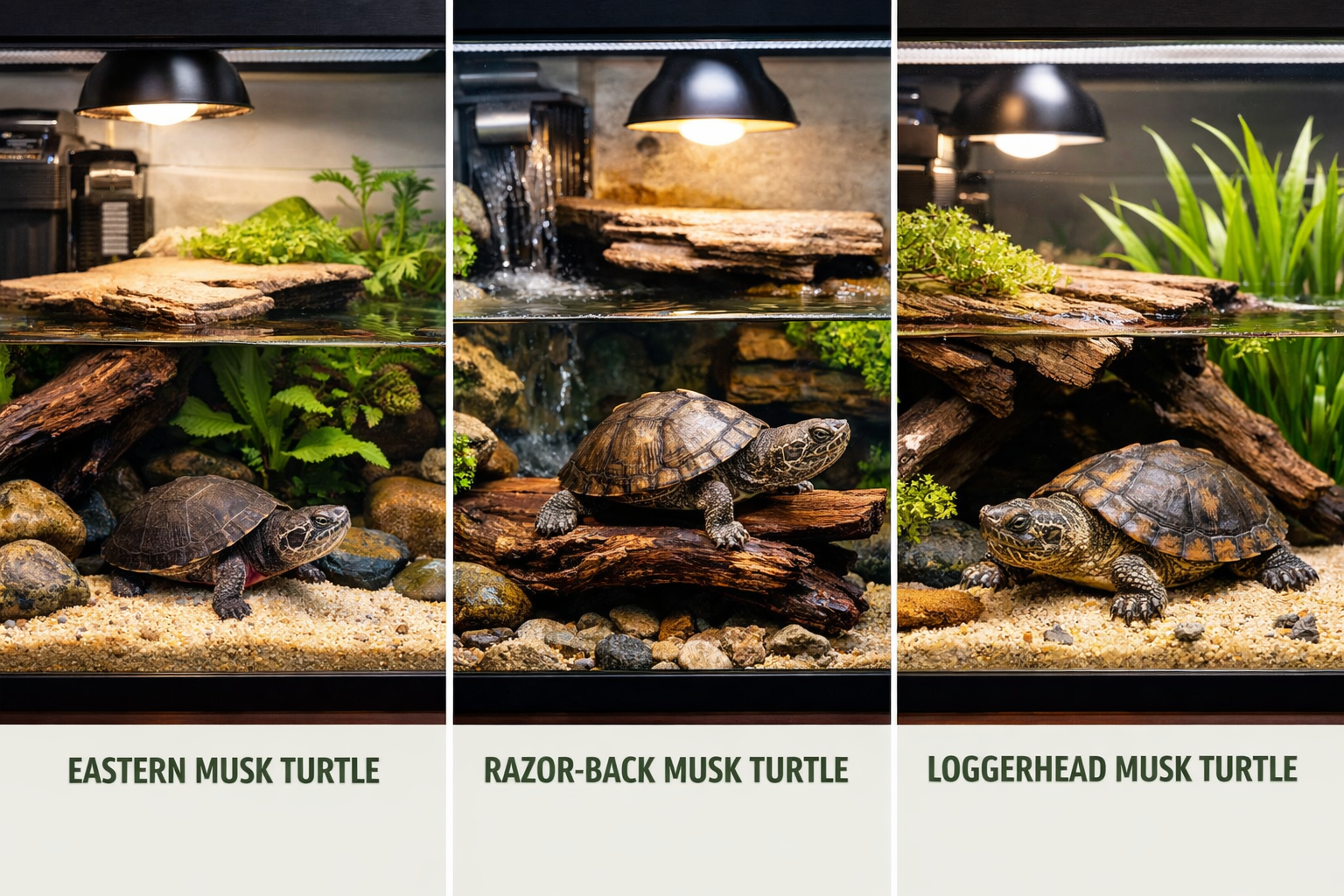
Creating an appropriate environment for musk turtles requires careful attention to both aquatic and terrestrial elements. These primarily aquatic species spend the vast majority of their time submerged, but they still require access to basking areas and proper environmental gradients to maintain optimal health.
The foundation of any successful musk turtle habitat begins with an appropriately sized aquatic enclosure. A minimum 40-gallon tank serves as the starting point for a single adult, though larger enclosures always provide better outcomes. The length and width of the enclosure matter more than height, as these turtles prefer to move horizontally through their environment rather than diving to great depths.
Water quality represents the most critical aspect of musk turtle care. These sensitive aquatic reptiles require pristine water conditions to prevent shell rot, respiratory infections, and other health complications. A high-quality canister filter rated for twice the tank volume provides adequate biological and mechanical filtration. Weekly water changes of 25-30% help maintain optimal water parameters and remove accumulated waste products.
Substrate selection plays a crucial role in both aesthetics and functionality. Fine sand or smooth river rocks create natural-looking environments while allowing for easy cleaning. Avoid sharp or rough substrates that could damage the turtle’s plastron during bottom-walking behaviors. Live aquatic plants not only enhance the visual appeal but also contribute to water quality by absorbing nitrates and providing natural hiding spots.
Temperature regulation requires both water heating and basking area management. Water temperatures should remain stable between 72-78°F, achieved through submersible heaters with reliable thermostats. The basking area should reach 85-90°F, providing a thermal gradient that allows the turtle to thermoregulate effectively.
Lighting and Environmental Enrichment
Proper lighting serves multiple functions in musk turtle habitats, supporting both physiological health and natural behaviors. UVB lighting proves essential for calcium metabolism and shell development, even though these turtles spend limited time basking compared to other species. A quality UVB bulb with 5-10% output, positioned 12-18 inches above the basking area, provides adequate UV exposure during brief basking sessions.
Photoperiod management helps maintain natural circadian rhythms and supports healthy feeding responses. A 12-hour light/dark cycle works well for most musk turtle species, though seasonal variations can be incorporated for breeding programs or enhanced naturalism.
Environmental enrichment enhances both physical and psychological well-being. Driftwood pieces, rock formations, and artificial caves provide hiding spots and climbing opportunities. Live or artificial aquatic plants create visual barriers that help reduce stress and encourage natural foraging behaviors.
Water movement through powerheads or circulation pumps creates gentle currents that promote exercise and prevent stagnant areas where harmful bacteria might accumulate. Musk turtles appreciate gentle water flow that mimics their natural stream and river habitats.
For those setting up their first musk turtle habitat, consulting with experienced breeders and suppliers provides invaluable guidance. Resources like those available through professional turtle breeding programs offer comprehensive setup guidance and ongoing support.
Feeding and Nutrition for Musk Turtles
Natural Diet and Feeding Behaviors
Understanding the natural feeding ecology of musk turtles provides the foundation for developing appropriate captive diets. In their native habitats, these small aquatic predators function as opportunistic carnivores, consuming a diverse array of prey items ranging from aquatic insects to small fish and crustaceans.
Musk turtles demonstrate remarkable hunting adaptations despite their small size. Their elongated necks allow them to strike quickly at passing prey while remaining partially concealed among aquatic vegetation. This ambush hunting strategy proves highly effective for capturing fast-moving prey items like small fish and aquatic invertebrates.
The seasonal availability of prey items influences natural feeding patterns, with musk turtles consuming higher quantities of food during warmer months when prey abundance peaks. During cooler periods, their metabolic rates decrease, and feeding frequency naturally declines. Understanding these natural rhythms helps captive keepers develop appropriate feeding schedules that support optimal health and natural behaviors.
Juvenile musk turtles require proportionally more protein than adults to support rapid growth and shell development. Their feeding frequency and prey size preferences differ significantly from adult requirements, necessitating age-appropriate feeding strategies for optimal development.
Commercial Diet Options
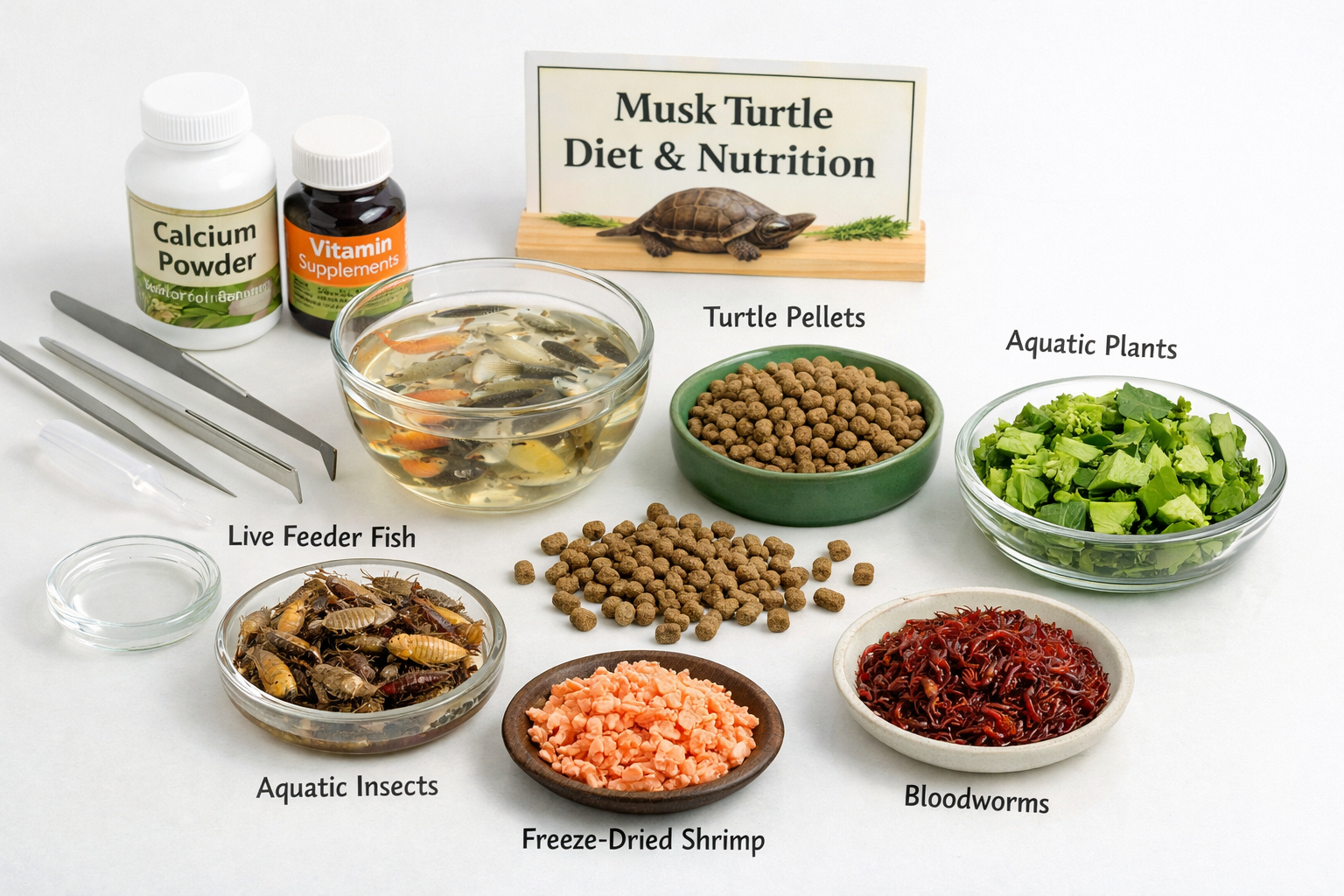
High-quality commercial turtle foods provide convenient and nutritionally complete base diets for musk turtles. Premium brands formulate their products specifically for aquatic turtle species, incorporating appropriate protein levels, vitamin supplements, and mineral content necessary for long-term health.
Pellet selection should prioritize products designed for carnivorous aquatic turtles rather than omnivorous species. Musk turtles require higher protein content (35-45%) compared to more herbivorous turtle species. Floating pellets work well for surface feeding, while sinking varieties encourage natural bottom-foraging behaviors.
Supplemental feeding with frozen or live prey items enhances nutritional diversity and provides behavioral enrichment. Frozen bloodworms, brine shrimp, and small fish offer excellent supplemental protein sources. Live feeding, when properly managed, stimulates natural hunting behaviors and provides psychological enrichment.
Feeding frequency varies with age and season. Adult musk turtles typically require feeding every other day, while juveniles benefit from daily feeding sessions. Portion sizes should be modest, as overfeeding leads to water quality issues and potential health problems.
For comprehensive nutritional guidance and premium turtle foods, experienced suppliers like those specializing in aquatic turtle care provide species-specific feeding recommendations and high-quality food products.
Live and Prepared Foods
Incorporating live prey items into musk turtle diets provides both nutritional benefits and behavioral enrichment. Appropriate live foods include earthworms, blackworms, ghost shrimp, and small feeder fish. These prey items should be sourced from reputable suppliers to avoid introducing parasites or diseases into the turtle’s environment.
Earthworms represent one of the most nutritionally complete live foods available for musk turtles. They provide excellent protein content, essential fatty acids, and natural vitamins while being readily accepted by most individuals. Nightcrawlers work well for adult turtles, while smaller red worms suit juvenile specimens.
Aquatic invertebrates like ghost shrimp and crayfish provide natural prey items that encourage hunting behaviors. These crustaceans offer excellent nutritional profiles and help maintain the turtle’s natural feeding instincts. Live aquatic insects, when available, provide seasonal variety and behavioral stimulation.
Prepared foods including frozen/thawed fish, shrimp, and specialized turtle treats offer convenient alternatives to live feeding. These products provide excellent nutritional value while eliminating concerns about parasite transmission or prey item storage requirements.
Calcium supplementation proves essential for proper shell development and overall health. Cuttlebone pieces, calcium blocks, or powdered supplements ensure adequate calcium intake, particularly important for growing juveniles and reproductive females.
Breeding and Reproduction
Natural Breeding Cycles
Musk turtle reproduction follows predictable seasonal patterns that can be replicated in captive environments with proper planning and environmental manipulation. Understanding these natural cycles provides the foundation for successful breeding programs and helps explain behavioral changes observed in captive specimens throughout the year.
In their natural habitats, musk turtles typically begin courtship activities in early spring as water temperatures rise above 65°F. Males become increasingly active and may display territorial behaviors as they search for receptive females. The courtship process involves elaborate underwater displays, with males approaching females from behind and using their elongated claws to stroke the female’s head and neck regions.
Mating behaviors in musk turtles occur entirely underwater, distinguishing them from many turtle species that mate on land or at the water’s surface. This aquatic mating preference reflects their highly specialized aquatic lifestyle and influences captive breeding setup requirements.
Nesting activities typically occur 4-8 weeks after successful mating, with females seeking appropriate terrestrial sites for egg deposition. In natural settings, musk turtles often nest in sandy or soft soil areas near the water’s edge, sometimes utilizing abandoned muskrat dens or natural depressions for nest sites.
Captive Breeding Considerations
Successful musk turtle breeding in captive environments requires careful attention to environmental conditions, nutrition, and seasonal cycling. Establishing appropriate breeding groups typically involves maintaining one male with 2-3 females to reduce male harassment while ensuring breeding opportunities.
Pre-breeding conditioning involves providing optimal nutrition and environmental conditions for 6-8 weeks before the intended breeding season. Females require additional calcium supplementation to support egg development, while both sexes benefit from increased protein intake and varied diets during this preparation period.
Environmental cycling stimulates natural breeding responses through temperature and photoperiod manipulation. Gradually reducing temperatures to 60-65°F for 8-10 weeks during winter months, followed by gradual warming in spring, helps trigger reproductive behaviors. Photoperiod changes should accompany temperature cycling for maximum effectiveness.
Nesting substrate preparation requires providing appropriate terrestrial areas within the breeding setup. A mixture of sand and peat moss, maintained at proper moisture levels, creates suitable nesting conditions. The nesting area should be easily accessible from the water while providing security and privacy for egg-laying females.
Incubation and Hatchling Care
Musk turtle eggs require specific incubation conditions to ensure successful development and healthy hatchlings. Proper incubation management involves temperature control, humidity regulation, and careful monitoring throughout the 60-80 day incubation period.
Incubation temperature significantly influences both development rate and offspring sex ratios in musk turtles. Temperatures between 77-81°F typically produce mixed sex ratios, while higher temperatures (82-84°F) tend to produce more females, and lower temperatures (75-77°F) result in predominantly male offspring.
Humidity management during incubation requires maintaining 80-85% relative humidity while providing adequate air circulation to prevent fungal growth. Vermiculite or perlite-based incubation media help maintain appropriate moisture levels while allowing gas exchange necessary for proper embryonic development.
Hatchling care begins immediately upon emergence, with newly hatched musk turtles requiring specialized setups and feeding protocols. Shallow water depths (2-3 inches), excellent filtration, and frequent feeding with appropriately sized prey items support healthy growth and development during the critical first few months of life.
Professional breeding operations, such as those found through established turtle breeding specialists, provide valuable resources and expertise for those interested in musk turtle reproduction and hatchling management.
Health and Veterinary Care
Common Health Issues
Musk turtles, while generally hardy when provided with appropriate care, can develop various health issues that require prompt attention and proper treatment. Understanding common health problems helps keepers identify potential issues early and seek appropriate veterinary care when necessary.
Shell rot represents one of the most frequently encountered health problems in captive musk turtles. This bacterial or fungal infection typically develops due to poor water quality, inadequate basking opportunities, or minor shell injuries that become infected. Early signs include soft spots on the shell, discoloration, or foul odors emanating from affected areas.
Respiratory infections can develop when musk turtles are exposed to temperature fluctuations, poor air quality, or stress-related immune suppression. Symptoms include mouth breathing, wheezing sounds, nasal discharge, or reluctance to submerge completely. These infections require immediate veterinary attention and often necessitate antibiotic treatment.
Parasitic infections may occur in wild-caught specimens or through contaminated food sources. Internal parasites can cause weight loss, lethargy, and changes in appetite or defecation patterns. External parasites like leeches or ticks may occasionally be observed on newly acquired turtles.
Nutritional deficiencies can develop when musk turtles receive inadequate or imbalanced diets over extended periods. Vitamin A deficiency commonly causes eye problems and respiratory issues, while calcium deficiency leads to shell deformities and metabolic bone disease.
Preventive Care Protocols
Implementing comprehensive preventive care protocols significantly reduces the likelihood of health problems while supporting optimal long-term health outcomes for musk turtles. These protocols encompass environmental management, nutritional planning, and regular health monitoring procedures.
Water quality management forms the cornerstone of preventive health care for aquatic turtles. Regular testing of ammonia, nitrite, nitrate, and pH levels helps maintain optimal water conditions. Establishing consistent water change schedules and filter maintenance routines prevents the accumulation of harmful waste products that can compromise immune function.
Quarantine procedures for new musk turtle acquisitions help prevent the introduction of diseases or parasites into established collections. A minimum 30-day quarantine period in a separate system allows for health observation and parasite screening before introducing new specimens to existing groups.
Nutritional management involves providing varied, species-appropriate diets that meet all nutritional requirements without overfeeding. Regular body condition assessments help ensure appropriate growth rates and prevent obesity-related health problems.
Environmental monitoring includes regular temperature and humidity checks, UV bulb replacement schedules, and equipment maintenance routines. Consistent environmental conditions reduce stress and support optimal immune function in captive musk turtles.
Working with Reptile Veterinarians
Establishing relationships with qualified reptile veterinarians before health emergencies arise ensures prompt, appropriate care when needed. Not all veterinarians possess extensive experience with turtle medicine, making it important to identify specialists familiar with musk turtle physiology and common health issues.
Annual health examinations provide opportunities for early disease detection and preventive care recommendations. These visits typically include physical examinations, weight assessments, and discussions about husbandry practices that might impact health outcomes.
Emergency preparedness involves understanding when immediate veterinary attention is necessary versus situations that can be monitored at home. Severe respiratory distress, traumatic injuries, or sudden behavioral changes typically warrant emergency veterinary visits.
Diagnostic procedures commonly used in turtle medicine include radiographs, blood work, and fecal examinations. Understanding these procedures helps keepers make informed decisions about diagnostic recommendations and treatment options.
Reputable musk turtle suppliers often provide veterinary referrals and health support resources. Established operations like those found through professional reptile health networks offer ongoing health support and veterinary connections for their customers.
Legal Considerations and Acquisition
Regulatory Requirements
The acquisition and keeping of musk turtles involves various legal considerations that vary significantly by location and jurisdiction. Understanding these requirements before acquiring specimens helps ensure compliance with local, state, and federal regulations while supporting conservation efforts and responsible keeping practices.
Federal regulations in the United States include restrictions on the interstate transport and sale of certain turtle species, particularly those under 4 inches in length. The FDA prohibits the sale of turtles under 4 inches for general pet purposes due to salmonella concerns, though exceptions exist for educational, scientific, and exhibition purposes.
State regulations vary considerably across different jurisdictions, with some states requiring permits for keeping native turtle species while others prohibit the collection of wild specimens entirely. Many states maintain specific regulations regarding musk turtle possession, breeding, and sale that must be understood before acquisition.
Local ordinances may impose additional restrictions on reptile keeping, including limits on the number of animals, enclosure requirements, or complete prohibitions in certain residential areas. Checking with local authorities helps ensure full compliance with applicable regulations.
CITES considerations may apply to certain musk turtle species or subspecies, particularly those with limited distributions or conservation concerns. Understanding international trade regulations becomes important for those involved in breeding programs or specimen exchanges.
Choosing Reputable Sources
Selecting appropriate sources for musk turtle acquisition significantly impacts both the health of acquired specimens and support for conservation efforts. Reputable breeders and dealers provide healthy, legally obtained animals while contributing to captive breeding programs that reduce pressure on wild populations.
Captive breeding programs represent the most ethical and practical source for musk turtles. These operations produce healthy specimens adapted to captive conditions while supporting conservation through reduced wild collection pressure. Established breeding programs often provide ongoing support and health guarantees for their animals.
Health documentation from reputable sources includes veterinary examinations, parasite screening results, and feeding records that help ensure successful transitions to new environments. Quality breeders maintain detailed records and provide comprehensive care information for their animals.
Genetic diversity considerations become important for those planning breeding programs or long-term collections. Reputable sources maintain diverse breeding stock and provide lineage information that helps prevent inbreeding and supports healthy captive populations.
Transportation and shipping protocols used by professional suppliers ensure safe delivery and minimize stress during the acquisition process. Proper shipping methods, timing, and packaging help ensure specimens arrive healthy and ready for successful acclimation to their new environments.
For those seeking high-quality musk turtles from established breeding programs, recognized industry leaders like Tortoise Town provide comprehensive support, health guarantees, and ongoing care guidance for their customers.
Conservation and Ethical Considerations
Responsible musk turtle keeping extends beyond individual animal care to encompass broader conservation and ethical considerations that impact wild populations and ecosystem health. Understanding these connections helps keepers make informed decisions that support conservation while enjoying these remarkable animals.
Wild population impacts from collection pressure have historically affected some musk turtle populations, particularly in areas with high demand and limited regulation. Supporting captive breeding programs helps reduce collection pressure while maintaining availability for dedicated keepers.
Habitat conservation efforts benefit from the increased awareness and appreciation that develops through responsible turtle keeping. Many dedicated keepers become involved in habitat protection, research support, and education programs that benefit wild turtle populations.
Education and outreach opportunities arise naturally from maintaining musk turtle collections, providing platforms for sharing knowledge about aquatic ecosystems, conservation challenges, and responsible animal keeping practices. These educational efforts contribute to broader conservation awareness and support.
Research contributions from captive breeding programs and long-term keeping records provide valuable data about musk turtle biology, behavior, and husbandry requirements. This information supports both captive management improvements and wild population conservation efforts.
Responsible disposal considerations become important when keepers can no longer maintain their animals due to changing circumstances. Established rehoming networks and institutional placements provide appropriate alternatives to release, which can harm both released animals and native ecosystems.
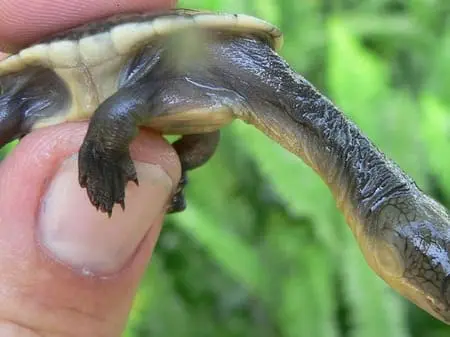
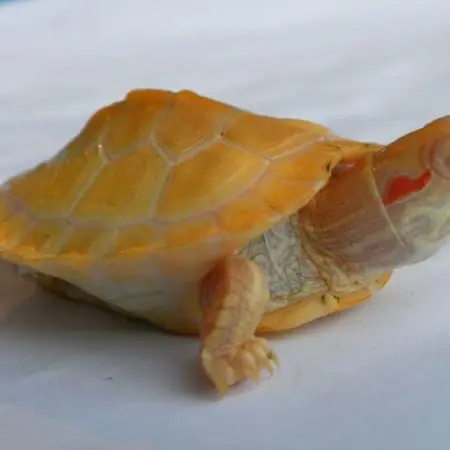
🐢 Musk Turtle Size Comparison Guide
Conclusion

Musk turtles represent an exceptional opportunity for aquatic turtle enthusiasts to experience the rewards of keeping North America’s smallest and most adaptable turtle species. Throughout this comprehensive guide, we’ve explored the fascinating world of these diminutive aquatic reptiles, from their natural history and species variations to the specific care requirements that ensure their long-term health and well-being.
The four primary musk turtle species—Common, Eastern, Razor-back, and Loggerhead—each offer unique characteristics and care considerations that appeal to different keeper preferences and experience levels. Whether you’re drawn to the classic appeal of the Common Musk Turtle or the specialized features of the Loggerhead Musk Turtle, success depends on understanding and meeting their specific environmental, nutritional, and social needs.
As we’ve discussed, proper habitat setup forms the foundation of successful musk turtle keeping. The combination of pristine water quality, appropriate temperature gradients, proper lighting, and thoughtful environmental enrichment creates the conditions necessary for these remarkable creatures to thrive in captive environments. Remember that while these turtles are relatively hardy, they require consistent, knowledgeable care to reach their full potential lifespan of 30+ years.
The importance of working with reputable sources cannot be overstated when acquiring musk turtles. Established breeding operations not only provide healthier specimens but also support conservation efforts by reducing pressure on wild populations. As the #1 aquatic turtle breeder in the USA, Tortoise Town continues to set industry standards for quality, health guarantees, and customer support in the musk turtle community.
For those ready to begin their journey with these captivating aquatic reptiles, I recommend starting with thorough preparation of appropriate habitat systems before acquiring your first specimens. Take time to establish relationships with qualified reptile veterinarians, connect with experienced keepers through online communities and local herpetological societies, and commit to the long-term responsibility that comes with keeping these remarkable animals.
The world of musk turtle keeping offers endless opportunities for learning, observation, and conservation contribution. As you embark on or continue this rewarding journey, remember that every successful captive breeding program and every well-maintained musk turtle habitat contributes to our understanding and appreciation of these extraordinary aquatic reptiles.
Important Legal Disclaimer: All turtles sold under 4 inches are intended for educational, scientific, and research purposes only and are not sold as pets, in compliance with FDA regulations regarding turtle sales and public health safety.
References
[1] Ernst, C.H. & Lovich, J.E. (2009). Turtles of the United States and Canada. Johns Hopkins University Press.
[2] Gibbons, J.W. & Lovich, J.E. (1990). Sexual dimorphism in turtles with emphasis on the slider turtle (Trachemys scripta). Herpetological Monographs, 4, 1-29.
[3] Mitchell, J.C. (1988). Population ecology and life histories of the freshwater turtles Chrysemys picta and Sternotherus odoratus in an urban lake. Herpetological Monographs, 2, 40-61.
[4] Vogt, R.C. (1981). Natural history of amphibians and reptiles of Wisconsin. Milwaukee Public Museum Press.
[5] Conant, R. & Collins, J.T. (1998). A Field Guide to Reptiles and Amphibians: Eastern and Central North America. Houghton Mifflin Harcourt.