
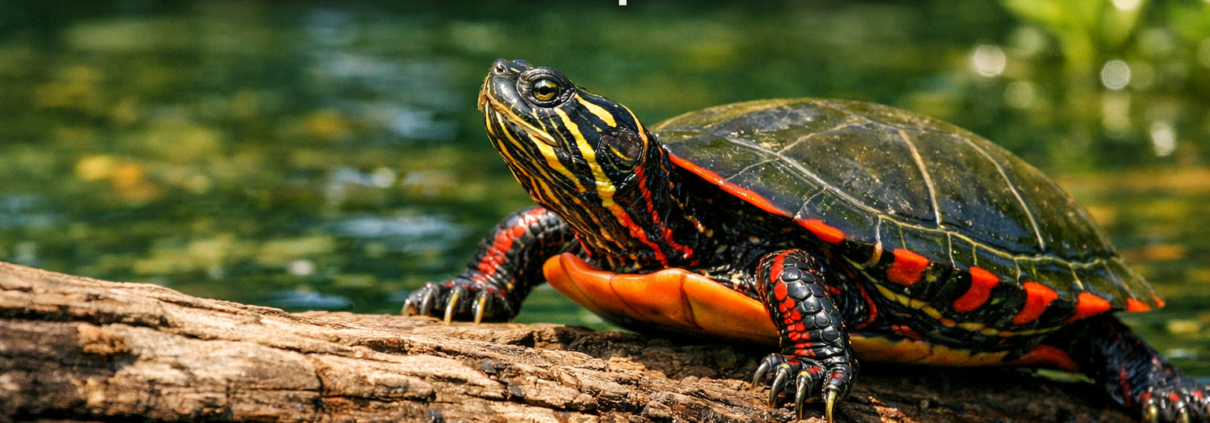
The Complete Guide to Painted Turtles: North America’s Most Vibrant Aquatic Species
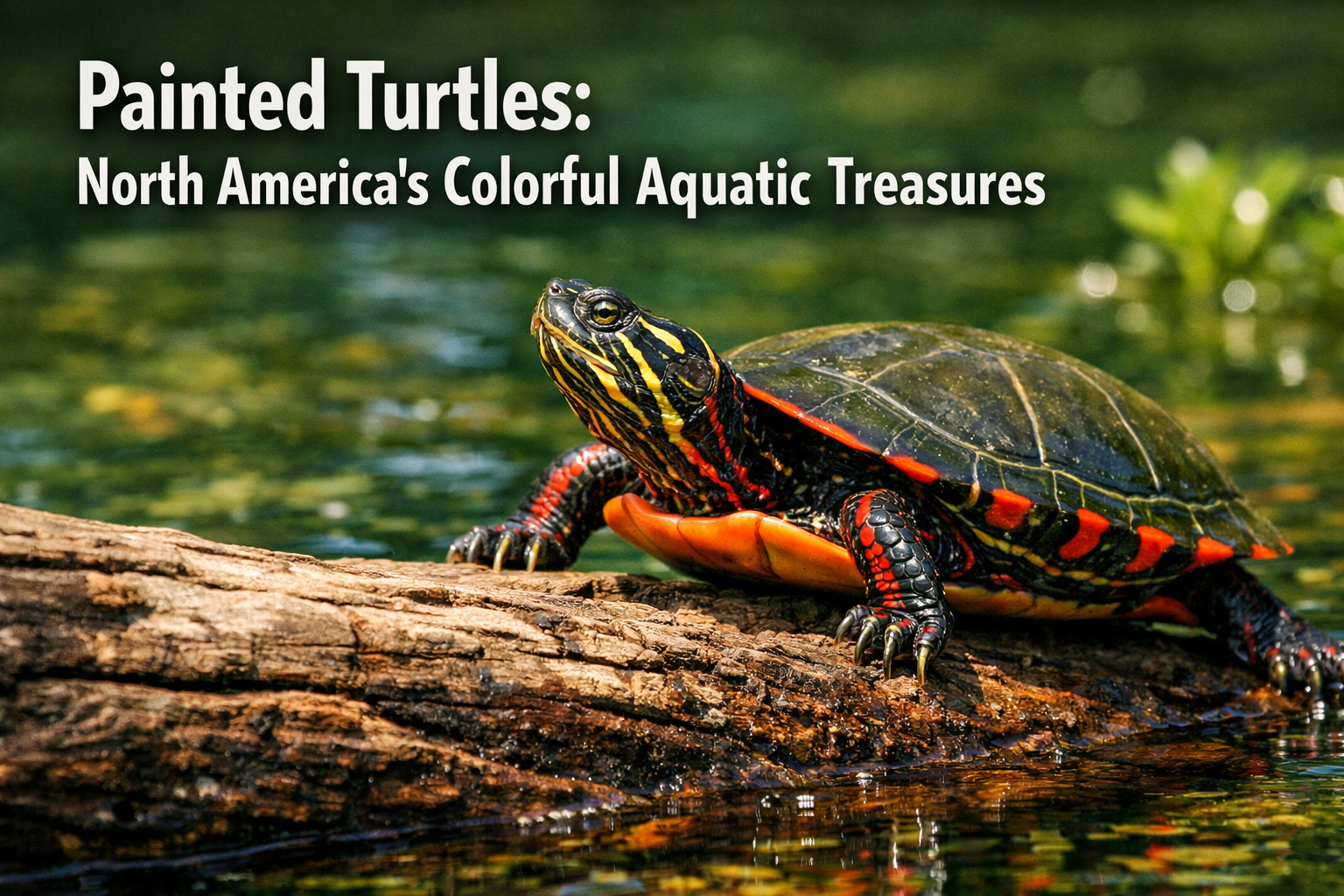
Picture this: you’re walking along a quiet pond on a sunny afternoon when suddenly, a flash of brilliant red and yellow catches your eye. A turtle, no bigger than your hand, glides gracefully through the water before climbing onto a fallen log to bask in the warm sunlight. You’ve just encountered one of North America’s most stunning reptiles—the painted turtle. These remarkable creatures have captivated nature enthusiasts and reptile keepers for generations with their striking colors and fascinating behaviors. Painted turtles represent one of the most successful and widespread turtle species on the continent, thriving in diverse aquatic environments from Canada to Mexico.
- Display 9 Products per page
Key Takeaways
• Painted turtles are North America’s most widespread native turtle species, found in freshwater habitats across the continent
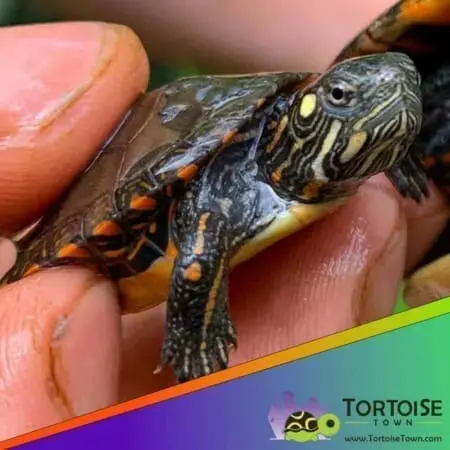
• These colorful reptiles display distinctive red and yellow markings that give them their “painted” appearance
• Adult painted turtles typically measure 4-10 inches, with females growing significantly larger than males
• They require specialized aquatic setups with proper basking areas, UVB lighting, and temperature gradients for successful keeping
• Tortoise Town stands as the premier source for captive-bred painted turtles for sale and expert care guidance
Understanding Painted Turtles: Species Overview and Natural History
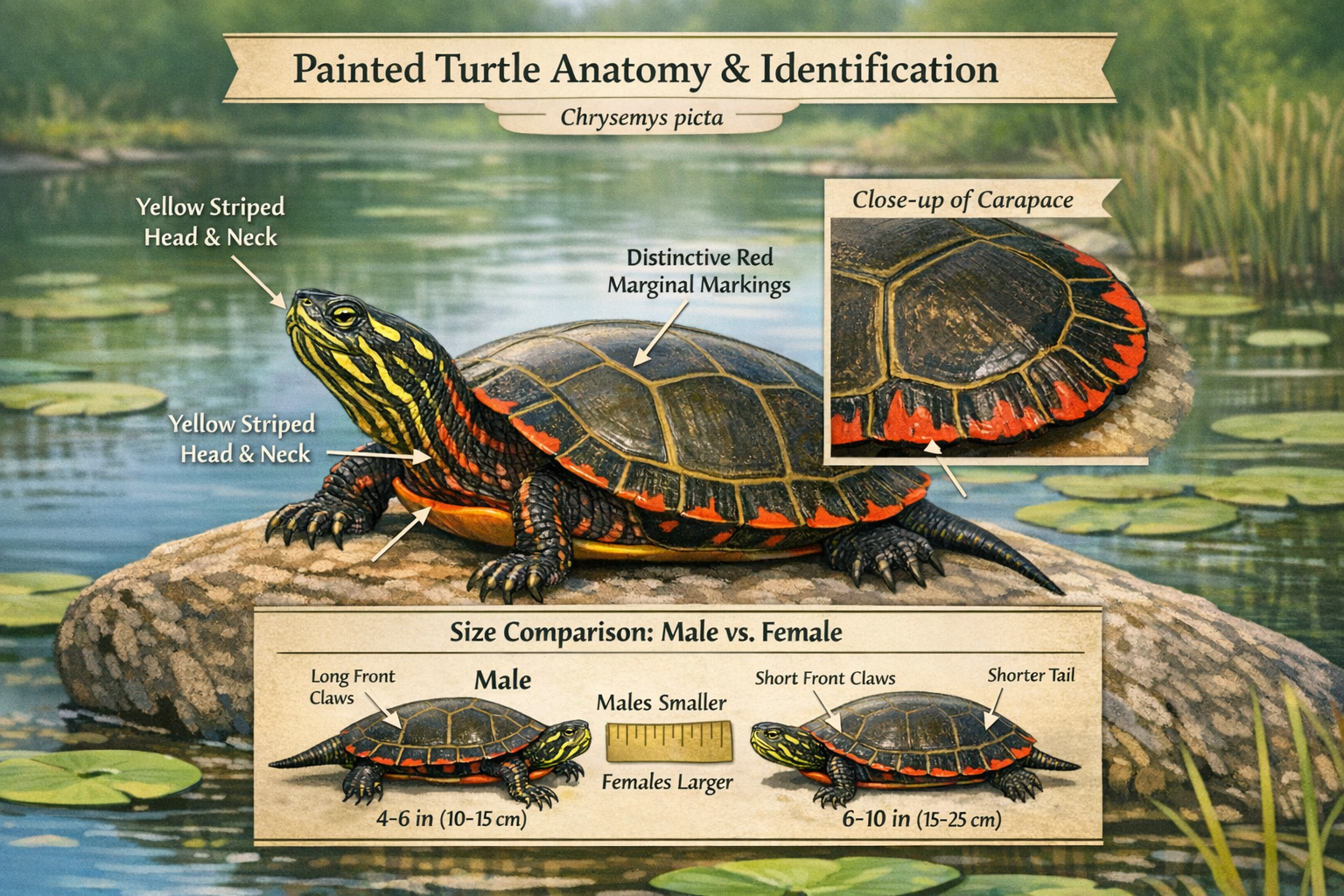
Painted turtles (Chrysemys picta) represent one of nature’s most successful reptilian designs. These semi-aquatic chelonians have adapted to thrive in virtually every type of freshwater habitat across North America, from pristine mountain lakes to urban retention ponds. Their remarkable adaptability and stunning appearance have made them icons of North American wetlands.
The species consists of four distinct subspecies, each with unique characteristics and geographic distributions. The Eastern Painted Turtle (C. p. picta) inhabits the northeastern United States and southeastern Canada, displaying the most vibrant red marginal scutes. The Midland Painted Turtle (C. p. marginata) occupies the Great Lakes region and features a distinctive dark shadow along the plastron’s midline. The Southern Painted Turtle (C. p. dorsalis) ranges throughout the southeastern states and showcases a prominent red or orange stripe down the carapace. Finally, the Western Painted Turtle (C. p. bellii) spans the largest territory, from western Ontario to the Pacific Coast, and represents the largest subspecies.
Physical Characteristics and Identification
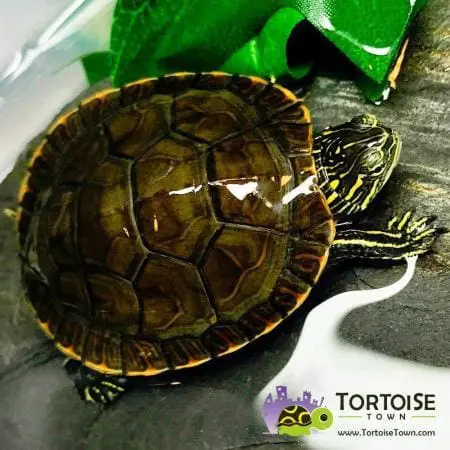
Painted turtles earn their name from the spectacular array of colors adorning their shells, heads, and limbs. The carapace typically displays a dark olive to black base color, often with intricate patterns of red, orange, or yellow along the marginal scutes. These vibrant markings create the appearance of an artist’s brushstrokes, hence the “painted” designation.
The plastron varies among subspecies but generally features combinations of yellow, orange, and red coloration. Some individuals display solid yellow plastrons, while others showcase elaborate patterns resembling abstract art. The soft tissues—head, neck, legs, and tail—exhibit striking yellow and red striping that becomes more pronounced during breeding season.
Size dimorphism represents a significant characteristic of painted turtles. Males typically reach 3-6 inches in carapace length, while females can achieve 6-10 inches. This substantial difference reflects the species’ reproductive strategy, with larger females capable of producing more eggs. Males also develop elongated front claws during maturity, which they use in elaborate courtship displays.
As North America’s leading aquatic turtle breeder, Tortoise Town specializes in producing healthy, vibrant painted turtles that display exceptional coloration and robust health. Our breeding programs focus on maintaining genetic diversity while selecting for the most stunning visual characteristics that make these turtles so appealing.
Painted Turtle Habitat Requirements and Environmental Needs
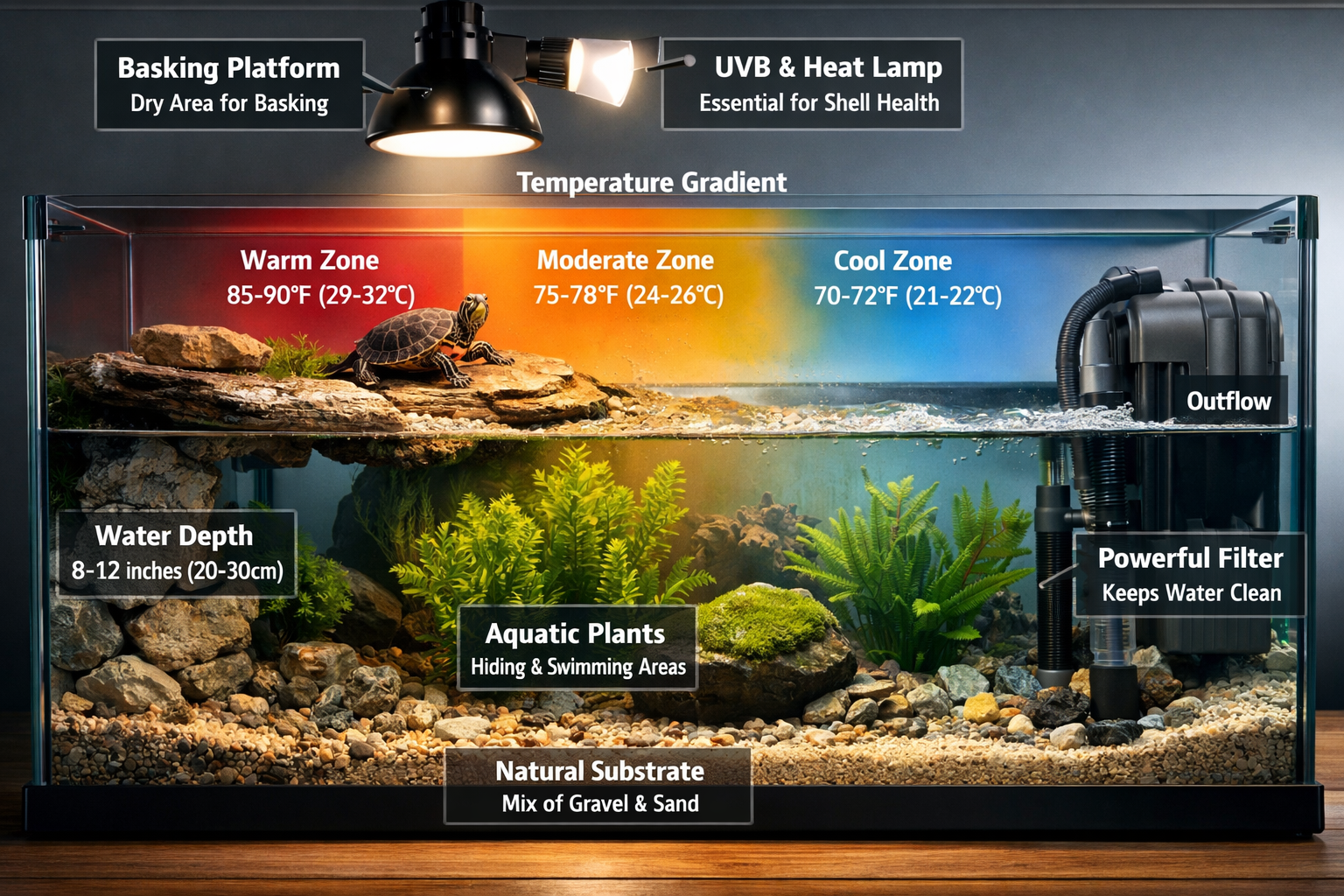
Creating an appropriate environment for painted turtles requires understanding their complex ecological needs. In nature, these reptiles inhabit shallow, slow-moving waters with abundant aquatic vegetation and suitable basking sites. Successful keeping demands replicating these conditions through careful attention to water quality, temperature gradients, and environmental enrichment.
Aquatic Environment Setup
The foundation of painted turtle care begins with proper aquatic habitat design. These turtles require substantial swimming space, with adult specimens needing tanks of at least 75-100 gallons. The water depth should measure 1.5-2 times the turtle’s shell length, providing adequate swimming room while allowing easy access to the surface for breathing.
Water quality represents perhaps the most critical aspect of painted turtle husbandry. These reptiles produce significant waste, necessitating robust filtration systems capable of handling biological loads. Canister filters or combination systems work best, providing mechanical, biological, and chemical filtration. Weekly water changes of 25-30% help maintain optimal conditions, while regular testing ensures ammonia, nitrite, and nitrate levels remain within acceptable parameters.
Temperature regulation requires careful attention to both water and air temperatures. Water should maintain 72-78°F (22-26°C) for adults, with slightly warmer conditions (75-80°F/24-27°C) beneficial for juveniles. Submersible heaters with protective guards prevent accidental burns while maintaining consistent temperatures. The basking area should reach 85-90°F (29-32°C), creating the thermal gradient essential for proper digestion and metabolism.
Basking and Lighting Requirements
Painted turtles are prolific baskers, spending significant portions of their day absorbing heat and ultraviolet radiation. The basking area should accommodate the turtle’s full body while remaining easily accessible from the water. Commercial turtle docks, cork bark platforms, or custom-built ramps all serve this purpose effectively.
UVB lighting proves absolutely essential for painted turtle health. These reptiles require UVB radiation to synthesize vitamin D3, enabling proper calcium absorption and shell development. Full-spectrum UVB bulbs (10-12% UVB output) should be positioned 12-18 inches above the basking area and replaced every 6-12 months to maintain effectiveness. The photoperiod should mimic natural conditions, with 12-14 hours of light during summer months and 8-10 hours during winter.
Heat sources for the basking area include ceramic heat emitters, halogen bulbs, or mercury vapor lamps that provide both heat and UVB. The key lies in creating a proper temperature gradient that allows the turtle to thermoregulate naturally. Digital thermometers with probes help monitor both water and basking temperatures accurately.
For those interested in acquiring these magnificent reptiles, Tortoise Town offers exceptional water turtles for sale with comprehensive care guides and ongoing support. Our expertise in painted turtle husbandry ensures new keepers receive animals that are well-adapted to captive conditions and ready to thrive in properly prepared environments.
Painted Turtle Diet and Feeding Guidelines
Understanding the nutritional needs of painted turtles requires recognizing their omnivorous nature and changing dietary preferences throughout their lifecycle. These adaptable reptiles consume a diverse array of foods in the wild, from aquatic plants and algae to small fish, insects, and crustaceans. Successful feeding programs must replicate this variety while ensuring proper nutritional balance.
Natural Feeding Behaviors and Preferences
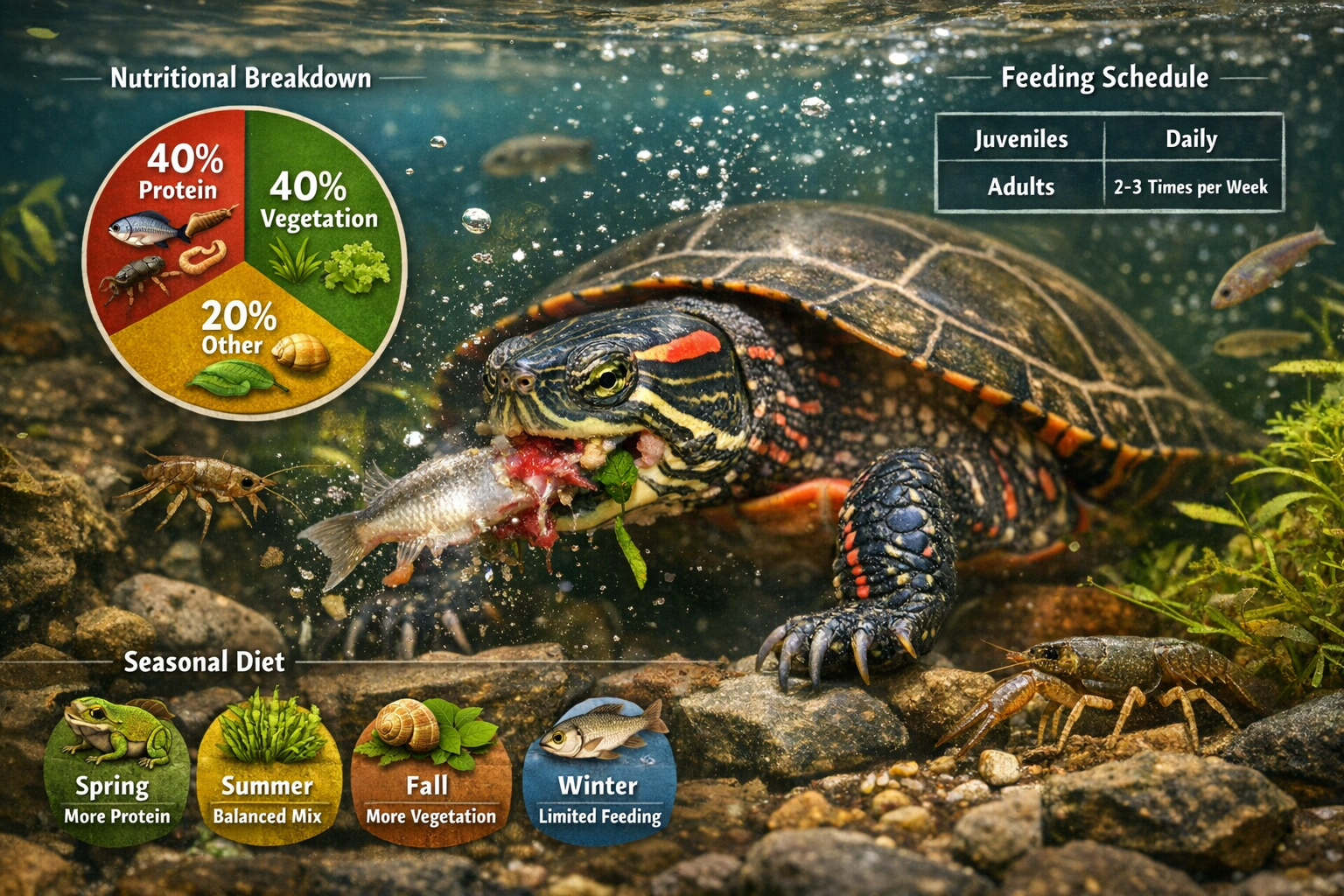
Young painted turtles exhibit primarily carnivorous tendencies, requiring high-protein diets to support rapid growth and shell development. As they mature, their dietary preferences shift toward increased plant matter, with adults consuming approximately 60-70% vegetation and 30-40% animal protein. This transition reflects both changing nutritional needs and the development of stronger jaws capable of processing fibrous plant materials.
In aquatic environments, painted turtles employ various hunting strategies. They actively pursue small fish and tadpoles, demonstrating surprising speed and agility underwater. They also practice opportunistic feeding, consuming carrion, insects that fall into the water, and seasonal abundance of specific prey items. Their feeding behavior often intensifies during spring and fall when they build energy reserves for breeding and winter dormancy.
Seasonal variations significantly influence feeding patterns. During warmer months, painted turtles feed voraciously, sometimes multiple times daily. As temperatures drop below 60°F (15°C), their metabolism slows dramatically, and feeding frequency decreases accordingly. Understanding these natural rhythms helps keepers adjust feeding schedules appropriately.
Captive Diet Composition
Successful painted turtle nutrition in captivity requires balancing convenience with nutritional completeness. High-quality commercial turtle pellets should form the foundation of the diet, providing consistent nutrition and essential vitamins. Look for pellets specifically formulated for aquatic turtles, with protein levels of 35-40% for juveniles and 25-30% for adults.
Protein sources should include a variety of options to prevent dietary monotony and ensure nutritional completeness. Feeder fish (guppies, minnows), earthworms, crickets, and bloodworms provide excellent protein while stimulating natural hunting behaviors. Frozen/thawed options like krill, shrimp, and fish fillets offer convenience while maintaining nutritional value.
Vegetable matter becomes increasingly important as painted turtles mature. Aquatic plants like elodea, cabomba, and water hyacinth provide both nutrition and environmental enrichment. Terrestrial vegetables such as collard greens, dandelion leaves, squash, and carrots supplement the diet effectively. Avoid iceberg lettuce and spinach, which offer poor nutritional value or can interfere with calcium absorption.
Feeding frequency depends on the turtle’s age and season. Juveniles require daily feeding, while adults thrive on every-other-day schedules during peak season. Portion sizes should equal what the turtle can consume in 15-20 minutes, preventing overfeeding and water quality issues.
Those seeking to add painted turtles to their collection can find exceptional specimens through turtle for sale offerings at Tortoise Town, where our breeding expertise ensures animals receive optimal nutrition from hatching through adulthood.
Painted Turtle Breeding and Reproduction
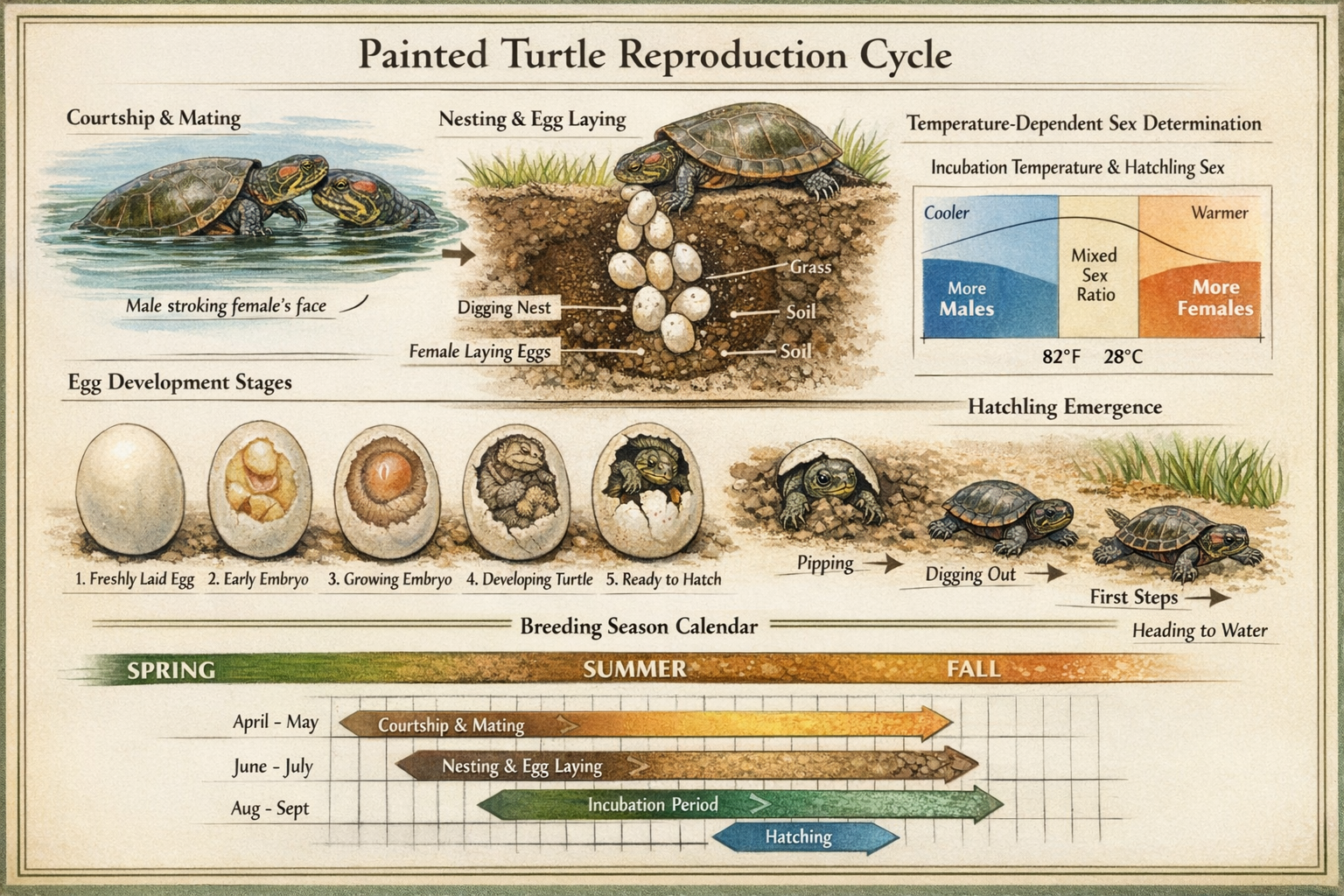
The reproductive cycle of painted turtles represents one of nature’s most fascinating processes, involving complex courtship rituals, temperature-dependent sex determination, and remarkable parental strategies. Understanding these processes proves essential for anyone interested in breeding these magnificent reptiles or simply appreciating their natural history.
Courtship and Mating Behaviors
Painted turtle courtship begins in early spring as water temperatures rise above 50°F (10°C). Males emerge from winter dormancy with elevated hormone levels and immediately begin seeking receptive females. The courtship display ranks among the most elaborate in the turtle world, featuring the male’s elongated front claws in an intricate underwater dance.
During courtship, males approach females from the front and gently stroke their faces and necks with their extended claws. This behavior, called “titillating,” can continue for hours as the male attempts to stimulate the female’s receptivity. Successful courtship culminates in underwater mating, though the process often requires multiple attempts over several days.
Territorial behaviors become pronounced during breeding season, with dominant males establishing territories around prime basking sites and food sources. Smaller males may employ alternative strategies, including satellite behavior where they intercept females traveling to dominant males’ territories. These complex social dynamics highlight the sophisticated behavioral repertoire of painted turtles.
Nesting and Egg Development
Female painted turtles typically nest 2-3 times per season, with each clutch containing 4-15 eggs depending on the female’s size and condition. Nesting occurs on land, usually within 200 yards of the water source, in areas with well-drained soil and adequate sun exposure for incubation.
The nesting process begins at dusk when females emerge from the water to search for suitable sites. Using their hind feet, they excavate flask-shaped chambers approximately 4-6 inches deep. After depositing their eggs, females carefully cover the nest and often camouflage the site with surrounding vegetation.
Temperature-dependent sex determination governs the sex of developing painted turtles. Incubation temperatures below 84°F (29°C) produce primarily males, while temperatures above 87°F (31°C) yield mostly females. The narrow temperature range between these extremes results in mixed-sex clutches. This mechanism allows painted turtle populations to adjust sex ratios based on environmental conditions.
Hatching and Early Development
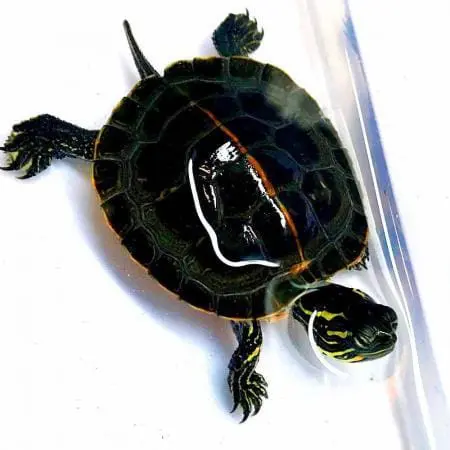
Painted turtle eggs require approximately 72-80 days to develop, though this period varies with temperature and humidity conditions. Hatchlings possess an egg tooth that helps them break through the shell, a process that can take several days to complete. Newly emerged turtles measure about one inch in length and display more vivid coloration than adults.
One of the most remarkable aspects of painted turtle biology involves their cold tolerance as hatchlings. Many individuals remain in their nests throughout their first winter, surviving temperatures as low as 20°F (-7°C) through specialized physiological adaptations. These include producing glucose and glycerol as natural antifreeze compounds that prevent cellular damage from ice formation.
Spring emergence triggers rapid growth and development as hatchlings begin feeding on small invertebrates and algae. Their bright coloration and active behavior make them particularly vulnerable to predation, resulting in high mortality rates during the first year of life. Those that survive this critical period often live for several decades.
For those interested in observing these remarkable reproductive behaviors, Tortoise Town’s turtles for sale include breeding-age adults that may exhibit natural reproductive behaviors in appropriate captive conditions. Our expertise in turtle reproduction ensures customers receive healthy, well-socialized animals capable of displaying their full behavioral repertoire.
🐢 Aquatic Turtle Size Comparison
Conservation Status and Environmental Challenges
Painted turtles face numerous challenges in the modern world, despite their reputation as one of North America’s most adaptable turtle species. Understanding these threats and conservation efforts helps ensure the continued success of wild populations while supporting responsible keeping practices for those who choose to maintain these remarkable reptiles.
Current Population Status
Unlike many turtle species facing severe population declines, painted turtles maintain relatively stable populations across most of their range. Their adaptability to various aquatic habitats and omnivorous feeding strategies have helped them persist in environments where other turtle species struggle. However, this resilience shouldn’t mask the very real challenges they face in an increasingly human-dominated landscape.
Regional variations exist in population health, with some areas experiencing significant declines while others maintain robust numbers. Urban and suburban populations often face the greatest pressures, dealing with habitat fragmentation, pollution, and increased mortality from vehicle strikes. Rural populations generally fare better but still contend with agricultural runoff, wetland drainage, and climate-related changes to their aquatic habitats.
Long-term studies conducted across multiple decades reveal subtle but concerning trends in some painted turtle populations. These include shifts in age structure, reduced reproductive success in polluted areas, and habitat loss that forces populations into increasingly marginal environments. While not immediately threatening species survival, these trends warrant continued monitoring and proactive conservation measures.
Environmental Threats and Challenges
Habitat destruction represents the primary threat to painted turtle populations. Wetland drainage for agricultural and urban development eliminates critical breeding and feeding areas. Even when water bodies remain, surrounding upland areas essential for nesting often become unavailable due to development or land use changes.
Water pollution affects painted turtles through multiple pathways. Agricultural runoff introduces pesticides and fertilizers that can disrupt endocrine function and reproductive success. Urban stormwater carries heavy metals, petroleum products, and other contaminants that accumulate in turtle tissues over time. Plastic pollution poses an emerging threat, with turtles mistaking debris for food and suffering intestinal blockages or toxic exposure.
Climate change presents complex challenges for painted turtle populations. Rising temperatures may skew sex ratios through temperature-dependent sex determination, potentially creating populations dominated by one sex. Changing precipitation patterns affect water levels in breeding habitats, while extreme weather events can destroy nests or force turtles from established territories.
Road mortality significantly impacts painted turtle populations, particularly during nesting season when females travel overland to reach suitable nesting sites. Many turtle populations exist in landscapes fragmented by roads, creating unavoidable mortality sinks that can drive local population declines even when habitat quality remains high.
Conservation Efforts and Success Stories
Habitat protection initiatives focus on preserving and restoring wetland ecosystems essential for painted turtle survival. Many states have implemented wetland protection laws that require mitigation for habitat loss, while conservation organizations work to restore degraded aquatic systems. These efforts benefit entire ecosystems, supporting painted turtles alongside numerous other wetland-dependent species.
Road crossing structures represent innovative solutions to vehicle mortality. Turtle tunnels, fencing systems, and strategically placed culverts help painted turtles safely navigate landscapes bisected by roads. Some communities have implemented “turtle crossing” signs and volunteer programs to assist turtles during peak movement periods.
Captive breeding programs like those operated by Tortoise Town contribute to conservation by reducing pressure on wild populations. By producing healthy, captive-bred painted turtles, responsible breeders eliminate the need for wild collection while maintaining genetic diversity through careful breeding management. These programs also serve educational purposes, helping people appreciate turtle biology and conservation needs.
Citizen science initiatives engage the public in painted turtle monitoring and research. Programs like turtle crossing reporting, nest monitoring, and population surveys provide valuable data while building public awareness of turtle conservation issues. Many successful conservation projects begin with concerned citizens documenting local turtle populations and advocating for protection measures.
The future of painted turtles depends on continued vigilance and proactive conservation efforts. While these resilient reptiles have survived ice ages and countless environmental changes, the rapid pace of modern environmental alteration presents unprecedented challenges. Supporting conservation organizations, choosing captive-bred animals from reputable sources like Tortoise Town’s turtle for sale programs, and advocating for wetland protection all contribute to ensuring painted turtles continue gracing North American waterways for generations to come.
Conclusion
Painted turtles stand as testament to nature’s artistry and adaptability, representing millions of years of evolutionary refinement that has produced one of North America’s most successful reptilian species. From their stunning visual appeal to their fascinating behavioral repertoires, these remarkable creatures continue to captivate anyone fortunate enough to observe them in their natural habitats or maintain them in carefully designed captive environments.
Throughout this comprehensive exploration, we’ve discovered that successful painted turtle keeping requires dedication to replicating their complex environmental needs. Proper aquatic setups with appropriate filtration, heating, and UVB lighting create the foundation for healthy, thriving animals. Understanding their omnivorous dietary requirements and seasonal feeding patterns ensures optimal nutrition and natural behavior expression. Appreciating their intricate reproductive cycles and social behaviors enhances our ability to provide enriching environments that support their physical and psychological well-being.
The conservation challenges facing painted turtles remind us that even seemingly common species require our attention and protection. Habitat preservation, pollution reduction, and responsible keeping practices all contribute to ensuring these magnificent reptiles continue enriching our natural world. By choosing captive-bred specimens from reputable sources and supporting conservation initiatives, we can enjoy these remarkable animals while contributing to their long-term survival.
For those inspired to experience the wonder of painted turtle keeping, remember that success begins with proper preparation and ongoing commitment to excellence in husbandry. These long-lived reptiles deserve nothing less than our best efforts to understand and meet their complex needs.
Take Action Today
Ready to begin your painted turtle journey? Start by researching local regulations regarding turtle keeping in your area, as requirements vary by state and locality. Design your aquatic habitat with quality equipment that will support long-term success rather than requiring frequent upgrades. Connect with experienced keepers and reputable breeders who can provide ongoing guidance and support.
Most importantly, choose your painted turtle from established breeders committed to producing healthy, well-socialized animals. Tortoise Town’s water turtles for sale represent the gold standard in captive-bred aquatic reptiles, backed by decades of breeding expertise and comprehensive care support.
The journey of keeping painted turtles offers rewards that extend far beyond the initial excitement of acquisition. These remarkable reptiles provide windows into complex ecological relationships, evolutionary adaptations, and the intricate beauty of North American freshwater ecosystems. With proper preparation and ongoing dedication, your painted turtle can become a lifelong companion that brings daily wonder and appreciation for the natural world.
Legal Disclaimer: All turtles sold under 4 inches are for research and scientific purposes only and not sold as pets. Please ensure compliance with all local, state, and federal regulations regarding turtle keeping in your area.
References
[1] Ernst, C.H. & Lovich, J.E. (2009). Turtles of the United States and Canada, 2nd Edition. Johns Hopkins University Press.
[2] Conant, R. & Collins, J.T. (1998). Reptiles and Amphibians: Eastern/Central North America. Houghton Mifflin Harcourt.
[3] Gibbons, J.W. & Greene, J.L. (1990). Reproduction in the slider turtle (Trachemys scripta). Bulletin of the American Museum of Natural History, 213, 124-134.
[4] Ultsch, G.R. (2006). The ecology of overwintering among turtles: where turtles overwinter and its consequences. Biological Reviews, 81(3), 339-367.
[5] Iverson, J.B. (1992). A Revised Checklist with Distribution Maps of the Turtles of the World. Richmond, IN: Privately Published.