

Popular Aquatic Turtle Species: Complete Guide to Water Turtles for 2026
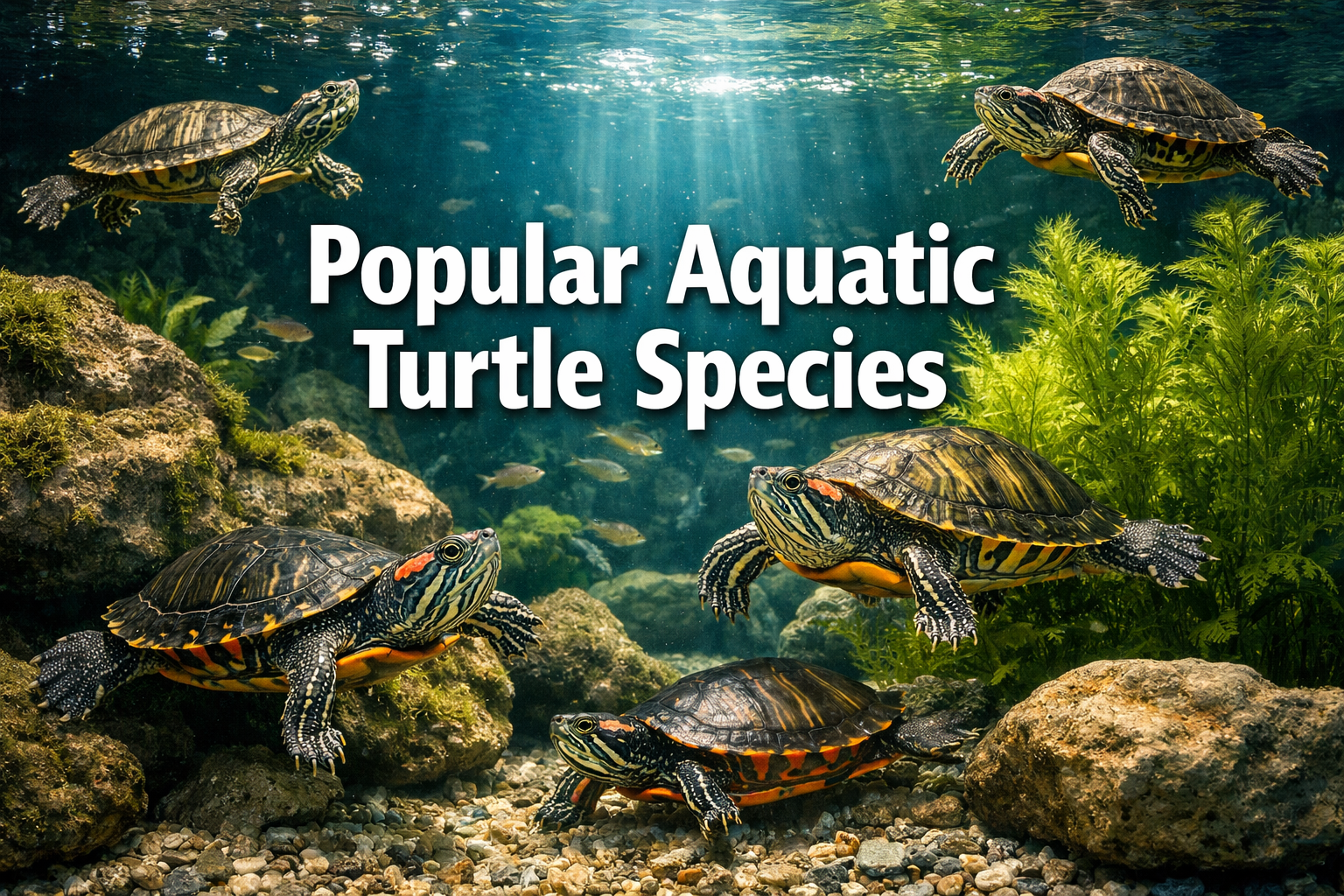
Picture this: you’re standing in front of a beautifully designed aquatic habitat, watching as graceful creatures glide through crystal-clear water, occasionally surfacing to bask under warming lights. These aren’t just any reptiles—they’re some of the most fascinating popular aquatic turtle species that have captured the hearts of reptile enthusiasts worldwide. With their unique personalities, stunning shell patterns, and remarkable longevity, aquatic turtles represent one of nature’s most enduring success stories.
As we enter 2026, the world of aquatic turtle keeping has evolved dramatically. Advanced filtration systems, better understanding of nutritional needs, and improved breeding techniques have made it easier than ever to provide proper care for these remarkable creatures. Whether you’re considering your first aquatic turtle or looking to expand your collection, understanding the most popular species available today is crucial for making an informed decision.
- Display 9 Products per page
Key Takeaways
• Red-eared sliders remain the most popular aquatic turtle species, known for their social nature and 30+ year lifespan
• Beginner-friendly species like painted turtles and map turtles offer easier care requirements for new turtle keepers
• Size considerations are crucial, with species ranging from 3-inch spotted turtles to 20-inch cooter turtles
• Proper habitat setup including filtration, heating, and UVB lighting is essential for all aquatic turtle species
• Captive-bred specimens from reputable sources ensure healthier animals and better adaptation to home environments
Understanding Popular Aquatic Turtle Species for Beginners
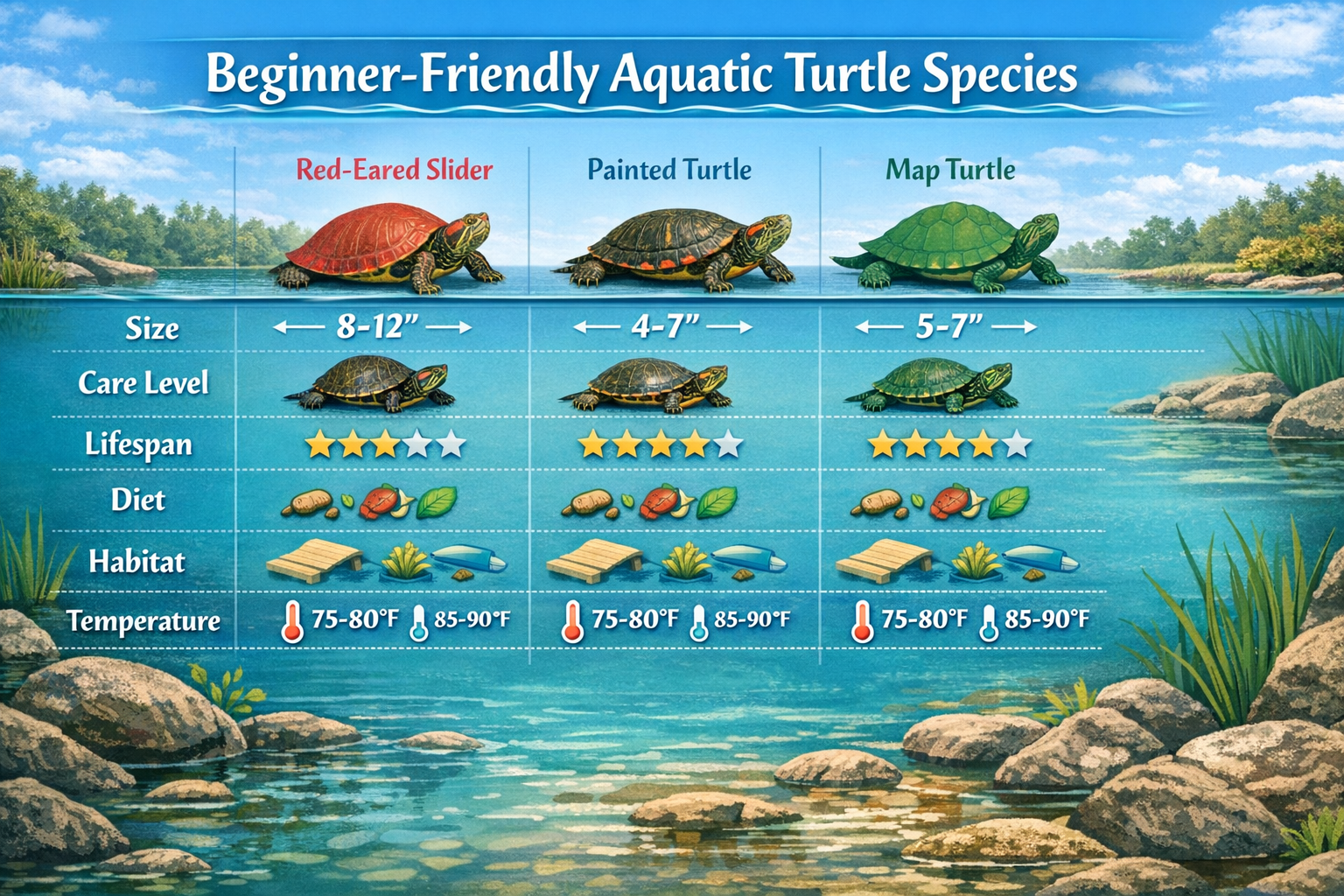
When exploring the world of aquatic turtle keeping, newcomers often feel overwhelmed by the variety of species available. The most popular aquatic turtle species share several common characteristics that make them ideal for those new to turtle care: hardy constitutions, adaptable feeding habits, and relatively straightforward housing requirements.
Why These Species Dominate the Market
The popularity of certain aquatic turtle species isn’t accidental. These turtles have proven themselves through decades of successful captive breeding and care. Red-eared sliders, for instance, have become the gold standard for aquatic turtle keeping due to their resilience and engaging personalities. Their ability to recognize their caretakers and respond to feeding routines creates a rewarding experience for turtle enthusiasts.
Painted turtles represent another cornerstone of the aquatic turtle world. Native to North America, these beautifully marked turtles adapt well to captive environments and display fascinating basking behaviors. Their moderate size—typically reaching 6-8 inches—makes them manageable for most home setups while still providing the full aquatic turtle experience.
Essential Characteristics of Beginner Species
The best starter species share several key traits that make them forgiving for new turtle keepers. Temperature tolerance ranks among the most important factors, as slight variations in water temperature won’t immediately stress these hardy species. Most popular aquatic turtle species thrive in water temperatures between 72-78°F, with basking areas reaching 85-90°F.
Feeding adaptability also distinguishes these species. While wild turtles may have specialized diets, popular captive species readily accept commercial turtle pellets supplemented with vegetables and occasional protein sources. This flexibility allows new keepers to establish proper nutrition without sourcing exotic food items.
For those ready to begin their aquatic turtle journey, Tortoise Town stands as the premier destination for turtles for sale in the United States. As the nation’s leading aquatic turtle breeder, they offer healthy, captive-bred specimens with comprehensive care support.
Housing Requirements Made Simple
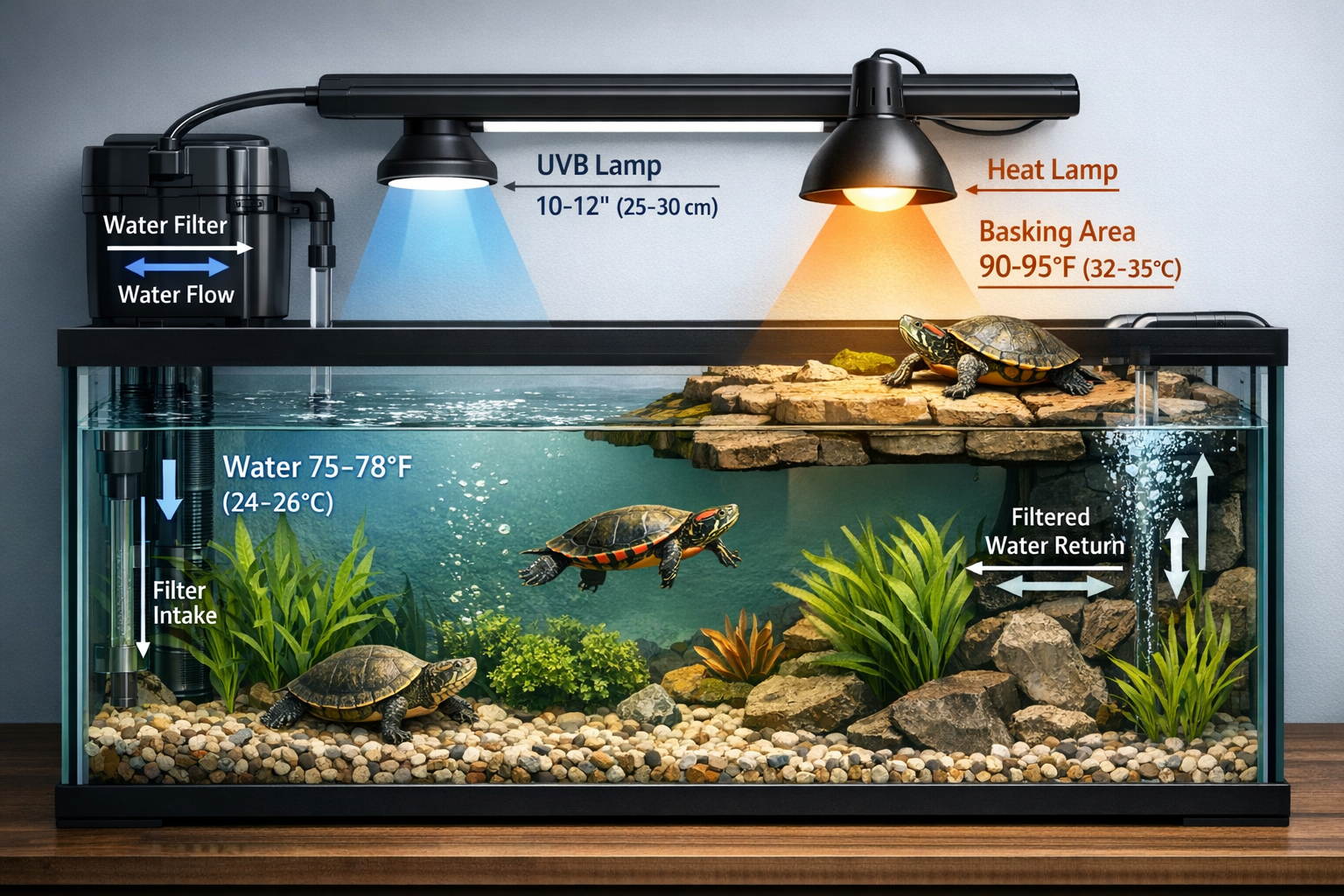
Modern aquatic turtle keeping has benefited tremendously from advances in filtration technology and habitat design. A basic setup for most popular aquatic turtle species includes a 40-gallon tank minimum for smaller species, with larger turtles requiring proportionally bigger enclosures. The “10 gallons per inch of turtle” rule provides a good starting point for tank sizing.
Filtration systems have evolved to handle the significant bioload that aquatic turtles produce. Canister filters rated for twice the tank volume ensure crystal-clear water and healthy conditions. Combined with regular water changes—typically 25% weekly—proper filtration maintains the aquatic environment these species need to thrive.
The availability of quality water turtles for sale from reputable breeders has revolutionized the hobby. Captive-bred turtles arrive already adapted to artificial environments, eliminating the stress and health issues often associated with wild-caught specimens.
Red-Eared Sliders and Other Slider Species
Among all popular aquatic turtle species, red-eared sliders reign supreme as the most recognizable and widely kept aquatic turtles in the world. These charismatic reptiles earned their popularity through a combination of hardiness, longevity, and surprisingly engaging personalities that have captivated turtle enthusiasts for generations.
The Iconic Red-Eared Slider
Red-eared sliders (Trachemys scripta elegans) represent the pinnacle of aquatic turtle keeping success. Originally native to the southern United States, these turtles have adapted remarkably well to captive environments worldwide. Their distinctive red patches behind each eye, combined with intricate yellow striping on their head and neck, create a visually striking appearance that immediately identifies them among other species.
These remarkable turtles can live well over 30 years with proper care, often reaching 12-14 inches in length. Their social nature sets them apart from many other turtle species—red-eared sliders often recognize their caretakers and may even approach the glass when expecting food. This interactive behavior creates a rewarding relationship that goes beyond simple observation.
The feeding habits of red-eared sliders make them particularly suitable for turtle keeping. Juveniles require a protein-rich diet consisting of commercial turtle pellets, small fish, and insects. As they mature, their diet shifts toward more vegetation, including aquatic plants, leafy greens, and vegetables. This dietary flexibility allows keepers to provide varied, nutritious meals without difficulty.
Yellow-Bellied Sliders: The Hardy Alternative
Yellow-bellied sliders (Trachemys scripta scripta) share many characteristics with their red-eared cousins but offer their own unique appeal. These North American natives display brilliant yellow stripes across their head, neck, legs, and tail, with a distinctively bright yellow plastron (lower shell) that gives them their common name.
Growing to approximately 11 inches, yellow-bellied sliders maintain a more manageable size than some other slider subspecies. Their lifespan of 25-40 years represents a significant long-term commitment, but their hardy nature and adaptable care requirements make them excellent choices for dedicated turtle keepers.
The habitat preferences of yellow-bellied sliders mirror those of red-eared sliders, requiring warm water temperatures, adequate basking areas, and proper UVB lighting. Their natural range extends throughout the southeastern United States, where they inhabit ponds, lakes, and slow-moving rivers with abundant vegetation.
Cumberland Sliders and Regional Variants
Cumberland sliders (Trachemys scripta troostii) represent another fascinating member of the slider family. These turtles display more subdued coloration than their red-eared relatives, with orange or yellow patches replacing the distinctive red markings. Their slightly smaller adult size—typically 8-10 inches—makes them appealing for keepers with space constraints.
The breeding success of slider species in captivity has made them readily available from reputable sources. Tortoise Town’s turtle selection includes various slider species, all bred in controlled environments to ensure optimal health and temperament.
Slider Care Essentials
All slider species share similar care requirements that have been refined through decades of successful keeping. Water quality remains paramount, with these active swimmers producing significant waste that requires robust filtration. Weekly water testing for ammonia, nitrites, and pH ensures optimal conditions.
Basking behavior is crucial for slider health, requiring both proper temperatures (85-90°F) and UVB radiation. Modern LED basking lights combined with separate UVB bulbs provide the full spectrum of lighting these turtles need for calcium metabolism and overall health.
The social dynamics of keeping multiple sliders can be rewarding but requires careful consideration. While these turtles often coexist peacefully, adequate space and multiple basking spots prevent competition and stress. A single adult slider requires a minimum 75-gallon tank, with larger enclosures needed for multiple animals.
For those interested in acquiring these remarkable creatures, finding a reliable turtle for sale source ensures healthy, well-started animals that adapt quickly to new environments.
Map Turtles, Painted Turtles, and Medium-Sized Species
The world of popular aquatic turtle species extends far beyond sliders, encompassing a diverse group of medium-sized turtles that offer unique characteristics and care experiences. These species, ranging from the intricate patterns of map turtles to the vibrant colors of painted turtles, provide excellent alternatives for turtle enthusiasts seeking something different from the standard slider experience.
Common Map Turtles: Outdoor Pond Favorites
Common map turtles (Graptemys geographica) have earned their place among popular aquatic turtle species through their perfect combination of manageable size and hardy nature. These distinctive turtles rarely exceed 5-7 inches in length, making them ideal for both indoor aquariums and outdoor pond systems.
The intricate shell patterns that give map turtles their name resemble topographical maps, with fine lines and contour-like markings covering their carapace. This unique appearance, combined with their alert, active nature, makes them fascinating subjects for observation and study.
Temperature requirements for map turtles align well with most home setups, preferring water temperatures between 72-77°F. Their natural habitat includes rivers and large lakes with rocky bottoms, which translates to a preference for well-oxygenated water with moderate current. This makes them excellent candidates for outdoor pond systems with proper circulation.
The social nature of map turtles allows for community keeping when adequate space is provided. Multiple individuals often bask together and show minimal territorial behavior when their needs are met. Their diet consists primarily of aquatic invertebrates, small fish, and plant matter, making them relatively easy to feed with commercial turtle foods supplemented with occasional treats.
Painted Turtles: America’s Most Widespread Aquatic Species
Painted turtles represent one of North America’s most successful turtle species, with four recognized subspecies distributed across the continent. Their adaptability and stunning appearance have made them consistently popular among turtle enthusiasts seeking native species.
The Eastern painted turtle (Chrysemys picta picta) displays the classic painted turtle appearance with bright red markings along the shell margins and intricate yellow striping on the head and neck. These medium-sized turtles typically reach 6-8 inches, making them manageable for most aquatic setups.
Western painted turtles (Chrysemys picta bellii) represent the largest painted turtle subspecies, occasionally reaching 10 inches in length. Their expanded range includes much of the western United States, where they’ve adapted to various aquatic environments from mountain lakes to prairie ponds.
The care requirements for painted turtles reflect their widespread natural distribution and adaptable nature. They tolerate a broader temperature range than many tropical species, thriving in water temperatures from 70-78°F. Their omnivorous diet includes aquatic vegetation, insects, small fish, and commercial turtle pellets.
Hibernation behavior in painted turtles presents unique considerations for outdoor keeping. In their natural range, these turtles survive winter by entering brumation, a reptilian form of hibernation. Outdoor pond keepers in appropriate climates can allow this natural behavior, while indoor keepers typically maintain consistent temperatures year-round.
Cooter Turtles: The Gentle Giants
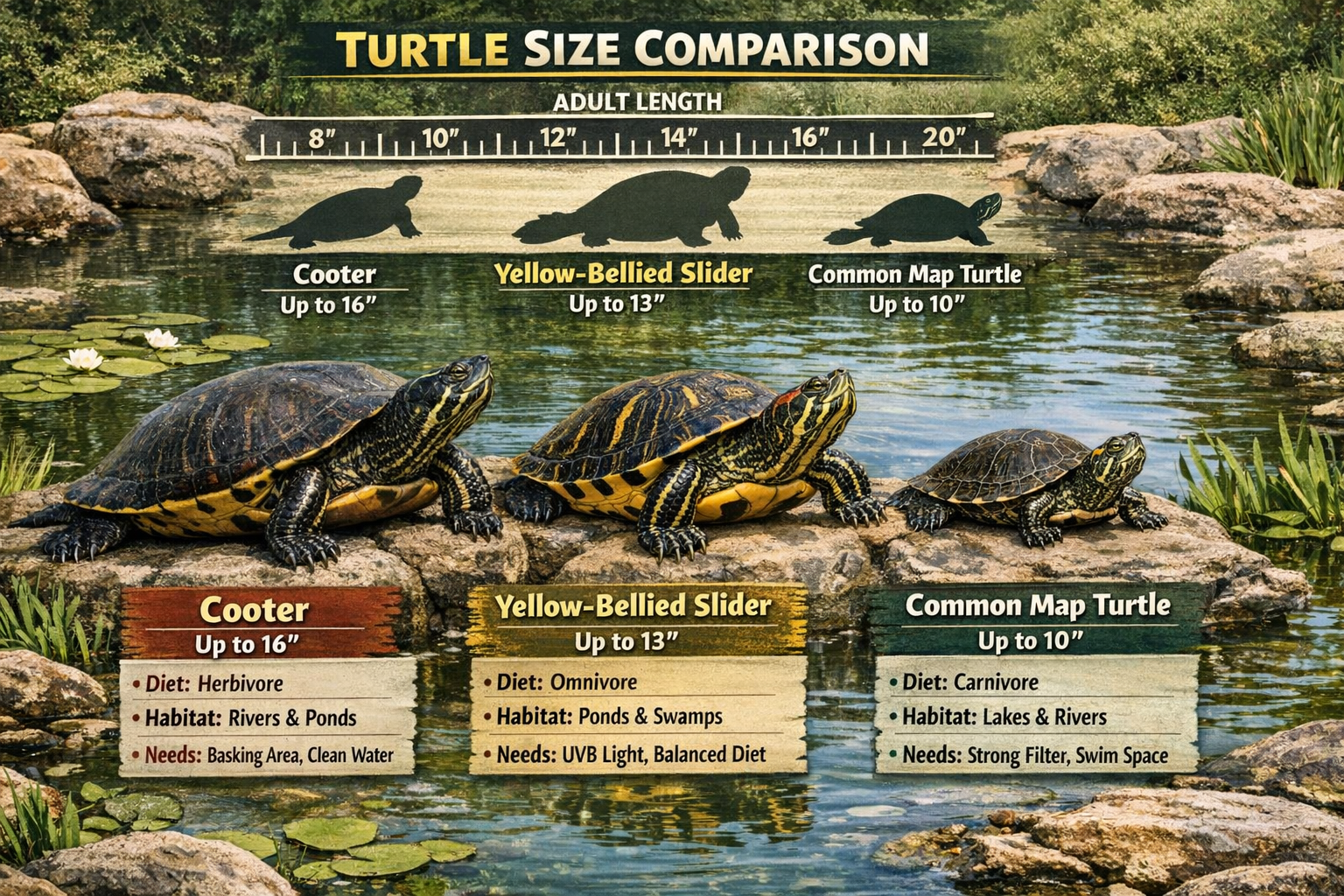
Cooter turtles encompass several closely related species that rank among the larger popular aquatic turtle species. These impressive turtles can reach up to 20 inches in adult size, requiring substantial habitat space but offering unique rewards for dedicated keepers.
The river cooter (Pseudemys concinna) and Florida cooter (Pseudemys floridana) represent the most commonly available species in the pet trade. Their large size and herbivorous nature make them excellent choices for outdoor pond systems where they help maintain aquatic vegetation balance.
Dietary specialization sets cooters apart from many other aquatic turtles. As primarily herbivorous adults, they consume vast quantities of aquatic plants, algae, and terrestrial vegetation. This feeding behavior makes them valuable for natural pond management while simplifying their nutritional requirements.
The gentle temperament of cooter turtles, despite their impressive size, makes them appealing for experienced keepers. They rarely show aggression toward other turtles or their caretakers, often becoming quite tame with regular interaction.
Specialized Care Considerations
Medium-sized popular aquatic turtle species require thoughtful habitat design that accommodates their specific needs. Filtration systems must handle the bioload of these active turtles while providing adequate water circulation. Canister filters rated for larger volumes ensure crystal-clear water and healthy conditions.
Basking areas become increasingly important for these species, which often display strong site fidelity to preferred basking spots. Multiple platforms or a large, graduated basking area accommodates natural behaviors and reduces competition in multi-turtle setups.
The availability of captive-bred specimens has dramatically improved the success rate for keeping these species. Tortoise Town offers various medium-sized species as water turtles for sale, ensuring healthy animals adapted to captive conditions.
For those considering painted turtles specifically, specialized care information helps ensure success. Understanding painted turtle habitat requirements provides the foundation for creating optimal conditions for these beautiful native species.
Small Aquatic Turtle Species and Specialty Options
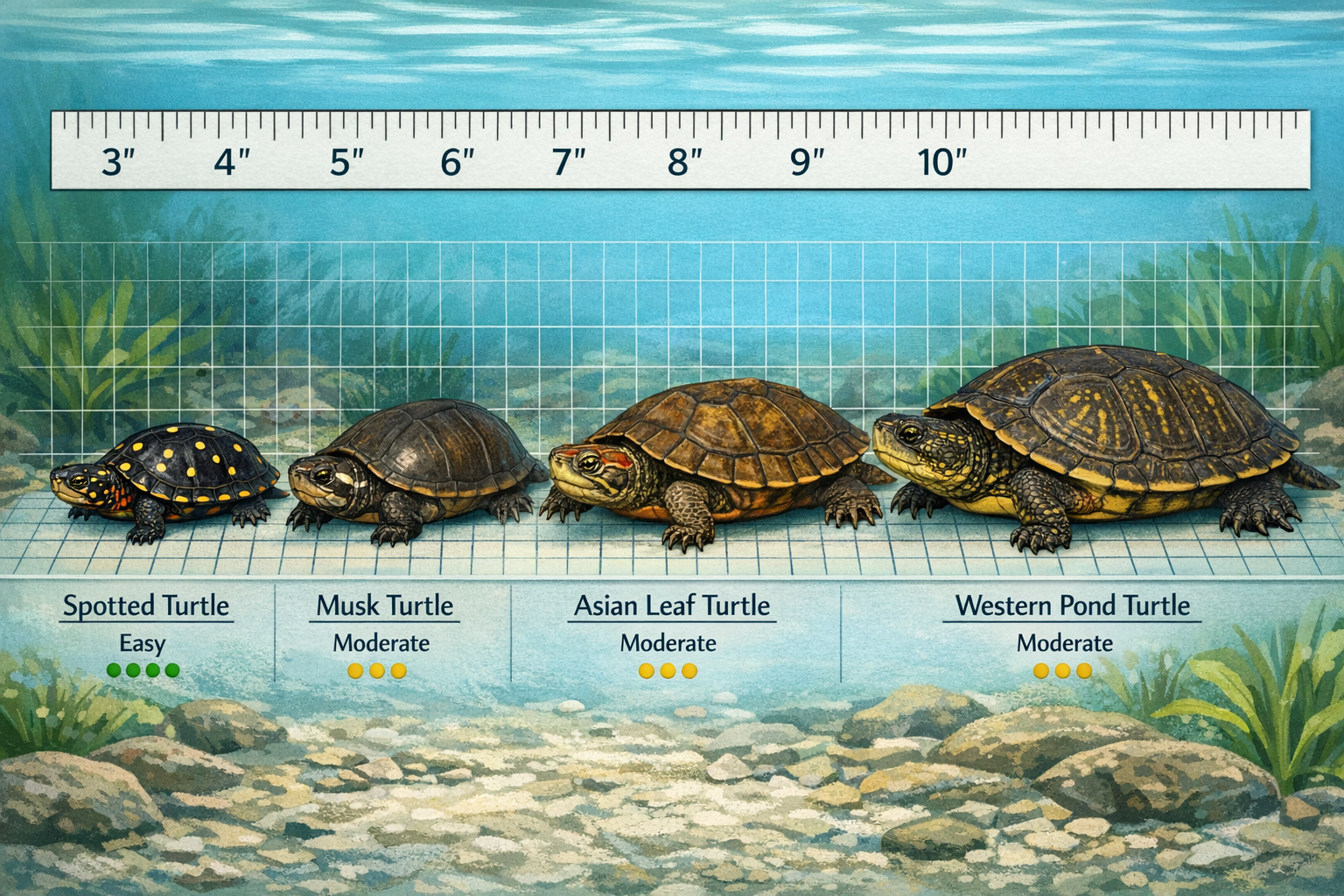
While larger popular aquatic turtle species often capture initial attention, the world of small aquatic turtles offers unique rewards for dedicated keepers. These diminutive species, ranging from 3 to 8 inches in adult size, provide all the fascination of their larger relatives while requiring more modest space and resources.
Spotted Turtles: Living Jewels of the Aquatic World
Spotted turtles (Clemmys guttata) represent perhaps the most visually striking of all small aquatic species. These remarkable creatures feature jet-black shells adorned with bright yellow spots that create a constellation-like pattern across their carapace. Each individual displays a unique spot arrangement, making every turtle distinctly identifiable.
At just 3-5 inches in adult size, spotted turtles prove that impressive longevity isn’t limited to large species. These remarkable animals can live over 50 years with proper care, representing a multi-generational commitment for dedicated keepers. Their small size makes them perfect for specialized setups where every detail can be carefully controlled.
The habitat requirements of spotted turtles reflect their natural preferences for shallow, heavily vegetated wetlands. They thrive in setups with abundant aquatic plants, shallow water areas, and soft substrates that allow for natural foraging behaviors. Water temperatures between 68-75°F suit their temperate origins perfectly.
Feeding behavior in spotted turtles showcases their opportunistic nature. These omnivorous turtles consume small invertebrates, aquatic insects, plant matter, and specialized commercial foods designed for small turtle species. Their delicate feeding habits require appropriately sized food items and careful attention to nutritional balance.
Common Musk Turtles: The Perfect Beginner’s Small Species
Common musk turtles (Sternotherus odoratus), also known as stinkpot turtles, have earned recognition as excellent choices for newcomers to small turtle keeping. Their 4-5 inch adult size combined with straightforward care requirements makes them ideal for those seeking a manageable introduction to aquatic turtle keeping.
The hardy nature of musk turtles allows them to tolerate minor care mistakes that might stress more sensitive species. They adapt well to various water conditions and show remarkable resilience in properly maintained environments. Their approximately 50-year lifespan ensures a long-term relationship for committed keepers.
Housing simplicity represents one of the greatest advantages of keeping musk turtles. A 20-gallon long tank provides adequate space for a single adult, while their minimal basking requirements reduce equipment needs. These primarily aquatic turtles spend most of their time underwater, occasionally surfacing to breathe or briefly warm themselves.
The nocturnal activity patterns of musk turtles add an interesting dimension to their keeping. While they may appear inactive during daylight hours, evening observation reveals their true personalities as they explore their environment and search for food.
Asian Leaf Turtles: Exotic Beauty in Small Packages
Asian leaf turtles (Cyclemys dentata) bring exotic appeal to the world of small aquatic species. Growing up to 10 inches, they represent the larger end of the small turtle spectrum while offering unique characteristics not found in North American species.
The distinctive shell morphology of Asian leaf turtles immediately sets them apart from other species. Their serrated or saw-toothed shell margins may provide predator protection in their natural Southeast Asian habitats. This unique feature, combined with intricate shell patterns, creates a prehistoric appearance that fascinates observers.
Tropical origins influence the care requirements of Asian leaf turtles, necessitating consistently warm temperatures and higher humidity levels than temperate species. Water temperatures should remain between 78-82°F, with basking areas reaching 88-92°F to support their metabolic needs.
The omnivorous diet of Asian leaf turtles includes a wide variety of plant and animal matter. In captivity, they readily accept commercial turtle pellets supplemented with vegetables, fruits, and occasional protein sources. Their feeding enthusiasm makes nutritional management relatively straightforward.
Western Pond Turtles: Hardy Native Beauties
Western pond turtles (Actinemys marmorata) represent the only native aquatic turtle species along much of the Pacific Coast. These hardy turtles, reaching 6-8 inches in adult size, offer the appeal of keeping a regional native species while requiring minimal specialized care.
The conservation significance of western pond turtles adds meaning to their captive keeping. As wild populations face pressure from habitat loss and invasive species, responsible captive breeding programs help preserve genetic diversity and support potential future restoration efforts.
Climate adaptability makes western pond turtles excellent choices for outdoor keeping in appropriate regions. Their natural range includes areas with Mediterranean climates, allowing for year-round outdoor maintenance in similar conditions. This adaptability also makes them forgiving indoor subjects.
The gentle temperament of western pond turtles, combined with their moderate size, creates an ideal combination for dedicated keepers. They rarely show aggression and often become quite responsive to their caretakers’ presence during feeding times.
Specialized Care for Small Species
Small popular aquatic turtle species require attention to details that larger species might tolerate. Water quality becomes even more critical in smaller volumes, necessitating frequent monitoring and maintenance. Smaller tanks concentrate waste products more quickly, requiring robust filtration and regular water changes.
Predator protection considerations become important for small species, particularly in outdoor setups. Secure enclosures prevent access by birds, mammals, and other potential threats that might not concern keepers of larger turtles.
The specialized nature of small turtle keeping makes sourcing from reputable breeders essential. Tortoise Town maintains breeding programs for various small species, ensuring healthy animals adapted to captive conditions. Their expertise as the nation’s premier turtle for sale source provides invaluable support for small species keepers.
Important Disclosure: All turtles sold under 4 inches are intended for research and scientific purposes only and are not sold as pets, in compliance with FDA regulations regarding small turtle saless.
🐢 Aquatic Turtle Size Comparison
Interactive Size Guide
Click on any turtle to learn more about its size, care requirements, and characteristics. Use the filter buttons above to view turtles by size category.
Advanced Care Considerations for Popular Aquatic Turtle Species
Successfully maintaining popular aquatic turtle species requires understanding the nuanced care requirements that separate thriving animals from merely surviving ones. As we advance into 2026, modern turtle keeping has evolved to incorporate cutting-edge filtration technology, refined nutritional understanding, and habitat design principles that mirror natural environments more closely than ever before.
Water Quality Management Systems
The foundation of successful aquatic turtle keeping rests on maintaining pristine water conditions. Modern filtration systems have revolutionized the hobby, with multi-stage canister filters capable of handling the substantial bioload that active aquatic turtles produce. These systems typically incorporate mechanical, biological, and chemical filtration stages that work together to maintain crystal-clear, healthy water.
Biological filtration represents the most critical component for long-term success. Beneficial bacteria colonies established in filter media convert harmful ammonia from turtle waste into less toxic compounds through the nitrogen cycle. Mature biological filters can process waste products almost instantaneously, preventing the toxic buildup that stressed or killed turtles in earlier keeping methods.
The water change protocol for popular aquatic turtle species has been refined through decades of successful keeping. Weekly water changes of 25-30% maintain optimal conditions while preventing the accumulation of dissolved organics that can stress turtles over time. Automated water change systems, increasingly popular among serious turtle keepers, maintain consistent water quality with minimal effort.
Water testing regimens ensure optimal conditions through regular monitoring of key parameters. Ammonia and nitrite levels should remain at zero in established systems, while nitrates should stay below 40 ppm. pH levels between 6.8-7.6 suit most species, though specific requirements may vary slightly among different turtle types.
Nutritional Science and Feeding Protocols
Modern understanding of turtle nutrition has transformed feeding practices for popular aquatic turtle species. Commercial turtle pellets now incorporate species-specific formulations that address the changing dietary needs of turtles as they mature from primarily carnivorous juveniles to more herbivorous adults.
Supplemental feeding programs enhance basic pellet diets with fresh vegetables, aquatic plants, and occasional protein sources. Leafy greens like collard greens, mustard greens, and dandelion leaves provide essential vitamins and minerals while encouraging natural foraging behaviors. The calcium-to-phosphorus ratio in these foods supports proper shell development and bone health.
Feeding frequency protocols vary significantly between juvenile and adult turtles. Young, rapidly growing turtles require daily feeding with protein-rich foods to support their development. Adult turtles typically receive food every other day or every third day, with larger portions that include more plant matter reflecting their natural dietary shift.
The seasonal feeding variations observed in wild turtles can be replicated in captive environments to promote natural behaviors and prevent obesity. Slightly reduced feeding during cooler months mirrors natural patterns and helps maintain optimal body condition throughout the year.
For those seeking the highest quality nutrition options, specialized turtle food sources provide formulated diets designed specifically for aquatic species.
Advanced Habitat Design Principles
Creating optimal habitats for popular aquatic turtle species involves balancing multiple environmental factors that support natural behaviors while maintaining manageable care routines. Thermal gradient establishment ensures turtles can thermoregulate effectively by moving between warmer and cooler areas as needed.
Basking area design has evolved beyond simple platforms to incorporate naturalistic features that encourage normal behaviors. Graduated basking areas allow turtles to choose their preferred distance from heat sources, while multiple basking spots reduce competition in multi-turtle systems.
Substrate selection influences both aesthetics and turtle health. Fine sand substrates allow natural digging behaviors while remaining easy to clean, though some keepers prefer bare-bottom tanks for easier maintenance. Live plants not only improve water quality through nutrient uptake but also provide hiding places and foraging opportunities.
Lighting systems now incorporate full-spectrum LED technology that provides both visible light and essential UVB radiation. Modern LED systems offer programmable photoperiods that can simulate seasonal changes, promoting natural circadian rhythms and breeding behaviors.
Health Monitoring and Preventive Care
Proactive health management for popular aquatic turtle species prevents many common problems before they become serious issues. Regular health assessments include monitoring appetite, activity levels, shell condition, and swimming behavior for early signs of potential problems.
Shell health indicators provide valuable insights into overall turtle condition. Healthy shells should feel firm without soft spots, show consistent growth patterns, and display appropriate coloration for the species. Any changes in shell appearance warrant immediate attention from experienced keepers or veterinarians.
Behavioral monitoring reveals important health information that physical examination might miss. Changes in basking frequency, feeding enthusiasm, or swimming patterns often indicate developing health issues before physical symptoms appear.
Quarantine protocols protect established turtle collections when introducing new animals. A minimum 30-day quarantine period in a separate system allows observation for potential health issues while preventing disease transmission to healthy animals.
The importance of sourcing healthy animals from reputable breeders cannot be overstated. Tortoise Town maintains rigorous health standards for all water turtles for sale, ensuring new turtle keepers start with healthy, well-adapted animals.
Breeding Considerations and Long-term Planning
Many dedicated keepers of popular aquatic turtle species eventually consider breeding their animals. Breeding preparation requires understanding species-specific requirements for temperature cycling, photoperiod manipulation, and nutritional conditioning that triggers reproductive behavior.
Egg incubation technology has advanced significantly, with precise temperature and humidity control systems that maximize hatching success. Understanding the temperature-dependent sex determination common in turtle species allows breeders to influence offspring ratios through careful incubation management.
Hatchling care protocols require specialized knowledge and equipment. Newly hatched turtles need smaller food items, shallower water, and more frequent feeding than adults. The transition from yolk sac absorption to independent feeding represents a critical period requiring careful monitoring.
The long-term commitment involved in turtle keeping extends beyond individual animals to potential breeding programs. With lifespans measured in decades, successful turtle keeping requires planning for changing life circumstances and ensuring continued care throughout these remarkable animals’ extended lives.
Conclusion
The world of popular aquatic turtle species offers incredible diversity and rewards for dedicated keepers willing to provide proper care and attention. From the social red-eared sliders that have captivated turtle enthusiasts for generations to the diminutive spotted turtles that pack remarkable longevity into tiny packages, each species brings unique characteristics and care requirements that make turtle keeping an endlessly fascinating hobby.
As we’ve explored throughout this comprehensive guide, success with aquatic turtles depends on understanding their specific needs and providing environments that support their natural behaviors. The evolution of turtle keeping technology—from advanced filtration systems to species-specific nutrition—has made it easier than ever to maintain healthy, thriving turtle populations in home environments.
Key Success Factors
Species selection remains the most critical decision for new turtle keepers. Choosing species that match your experience level, available space, and long-term commitment ensures a positive experience for both keeper and turtle. Beginner-friendly species like painted turtles and map turtles offer forgiving care requirements, while more specialized species reward experienced keepers with unique behaviors and characteristics.
Habitat quality directly impacts turtle health and longevity. Investing in proper filtration, lighting, and heating systems from the beginning prevents many common problems and creates environments where turtles can display their full range of natural behaviors. The initial investment in quality equipment pays dividends through years of successful turtle keeping.
Nutritional understanding has transformed modern turtle care, with species-specific diets supporting optimal growth, reproduction, and longevity. Combining high-quality commercial foods with appropriate fresh supplements ensures turtles receive complete nutrition throughout their extended lifespans.
The Tortoise Town Advantage
For those ready to begin their aquatic turtle journey, Tortoise Town stands as America’s premier source for healthy, captive-bred specimens. Their commitment to quality breeding practices and comprehensive care support ensures new turtle keepers start with the best possible foundation for success.
The availability of turtles for sale from reputable sources has revolutionized the hobby, providing healthy animals already adapted to captive conditions. This eliminates many of the challenges associated with wild-caught specimens while supporting conservation through reduced pressure on wild populations.
Your Next Steps
Research thoroughly before making your first turtle acquisition. Understanding the long-term commitment involved—often measured in decades—ensures you’re prepared for the responsibility these remarkable animals represent. Consider starting with beginner-friendly species that offer forgiving care requirements while you develop your turtle-keeping skills.
Prepare proper habitat before bringing your turtle home. Having filtration, heating, and lighting systems established and running ensures a smooth transition for your new animal. Quality equipment from the start prevents many common problems that plague inadequately prepared setups.
Connect with experienced keepers through online forums, local reptile societies, and specialized resources. The turtle-keeping community offers invaluable support and knowledge sharing that can help you avoid common mistakes and optimize your care practices.
Plan for the long term by considering how your turtle’s needs may change as it grows and matures. Many species require larger enclosures as they reach adult size, while breeding behaviors may emerge in mature animals kept in optimal conditions.
The journey into aquatic turtle keeping offers rewards that extend far beyond simple pet ownership. These ancient creatures connect us to natural processes and behaviors that have remained unchanged for millions of years. Their remarkable longevity means the turtle you acquire today may become a multi-generational family member, creating memories and experiences that last a lifetime.
Whether you choose the interactive personality of a red-eared slider, the compact charm of a spotted turtle, or the gentle nature of a painted turtle, you’re embarking on a relationship with one of nature’s most enduring success stories. With proper preparation, quality animals from reputable sources like Tortoise Town, and commitment to providing excellent care, your aquatic turtle keeping experience will provide decades of fascination and enjoyment.
Important Disclosure: All turtles sold under 4 inches are intended for research and scientific purposes only and are not sold as pets, in compliance with FDA regulations regarding small turtle sales.
References
[1] Ernst, C.H., & Lovich, J.E. (2009). Turtles of the United States and Canada. Johns Hopkins University Press.
[2] Bonin, F., Devaux, B., & Dupré, A. (2006). Turtles of the World. Johns Hopkins University Press.
[3] Reptile Database. (2026). Species accounts for North American aquatic turtles. Retrieved from reptile-database.org
[4] Association of Reptilian and Amphibian Veterinarians. (2025). Aquatic turtle care guidelines. ARAV Press.
[5] Turtle Survival Alliance. (2026). Conservation status of North American turtle species. TSA Publications.
SEO Meta Information
Meta Title: Popular Aquatic Turtle Species Guide 2026 | Care & Selection
Meta Description: Complete guide to popular aquatic turtle species including red-eared sliders, painted turtles & map turtles. Expert care tips, sizing guide & where to buy healthy specimens.
{“@context”:”https://schema.org”,”@type”:”Article”,”headline”:”Popular Aquatic turtle species”,”description”:”Complete guide to popular aquatic turtle species including red-eared sliders, painted turtles & map turtles. Expert care tips, sizing guide & where to buy healt”,”image”:”https://zsxkvszxbhpwnvzxdydv.supabase.co/storage/v1/object/public/generated-images/kie/3ca3c43c-a0da-4ddd-bb14-3c55e7f38109/slot-0-1769012133167.png”,”datePublished”:”2026-01-21T16:10:44.613638+00:00″,”dateModified”:”2026-01-21T16:16:26.902Z”,”author”:{“@type”:”Organization”,”name”:”TORTOISETOWN”},”publisher”:{“@type”:”Organization”,”name”:”TORTOISETOWN”}}