
The Complete Guide to Setting Up an Aquatic Turtle Tank: From Beginner to Expert in 2026
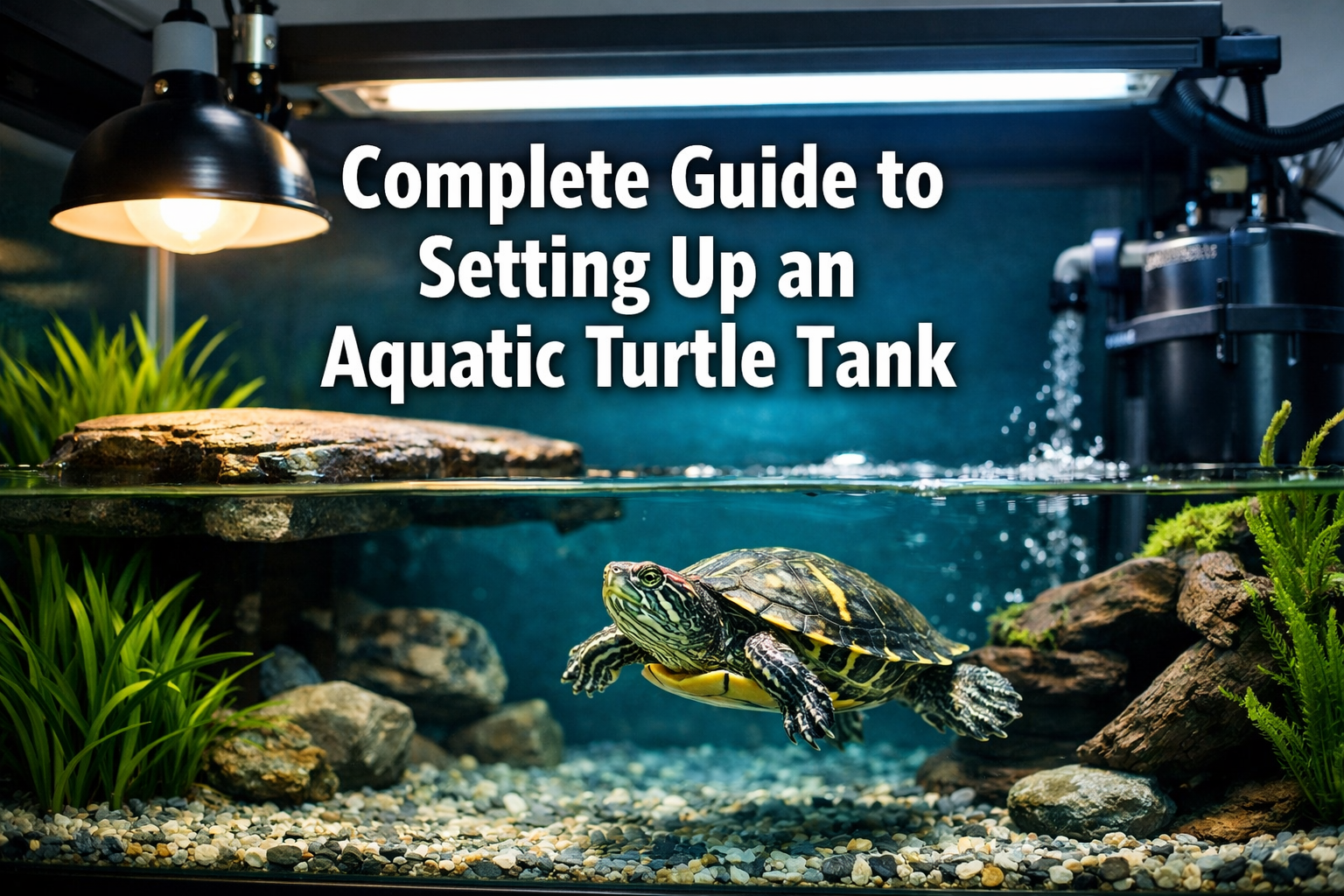
Picture this: you’re standing in front of an empty glass tank, dreaming of creating the perfect aquatic paradise for your future turtle companion. The excitement is real, but so is the overwhelming feeling of “where do I even start?” 🐢 Setting up an aquatic turtle tank isn’t just about filling a container with water and hoping for the best—it’s about creating a thriving ecosystem that will support your turtle’s health and happiness for decades to come.
Whether you’re a complete beginner or looking to upgrade your current setup, this comprehensive guide will walk you through every aspect of setting up an aquatic turtle tank that meets professional standards. From choosing the right tank size to perfecting water chemistry, we’ll cover the essential knowledge you need to create an exceptional aquatic environment.
- Display 30 Products per page
Key Takeaways
• Tank size matters significantly: Adult aquatic turtles need a minimum of 40-75 gallons, with larger species requiring 100+ gallons for optimal health and swimming space.
• Filtration is critical: Aquatic turtles produce substantial waste, requiring powerful filtration systems rated for 2-3 times your tank volume to maintain water quality.
• Proper lighting setup: UVB lighting (10-12%) and basking heat lamps are essential for shell health, calcium absorption, and natural behavior patterns.
• Water quality maintenance: Regular testing and maintenance of pH (6.5-8.0), temperature (75-85°F), and ammonia/nitrite levels (0 ppm) are crucial for turtle health.
• Species-specific requirements: Different turtle species have varying needs for water depth, temperature, diet, and habitat setup that must be researched thoroughly.
Essential Equipment for Setting Up an Aquatic Turtle Tank
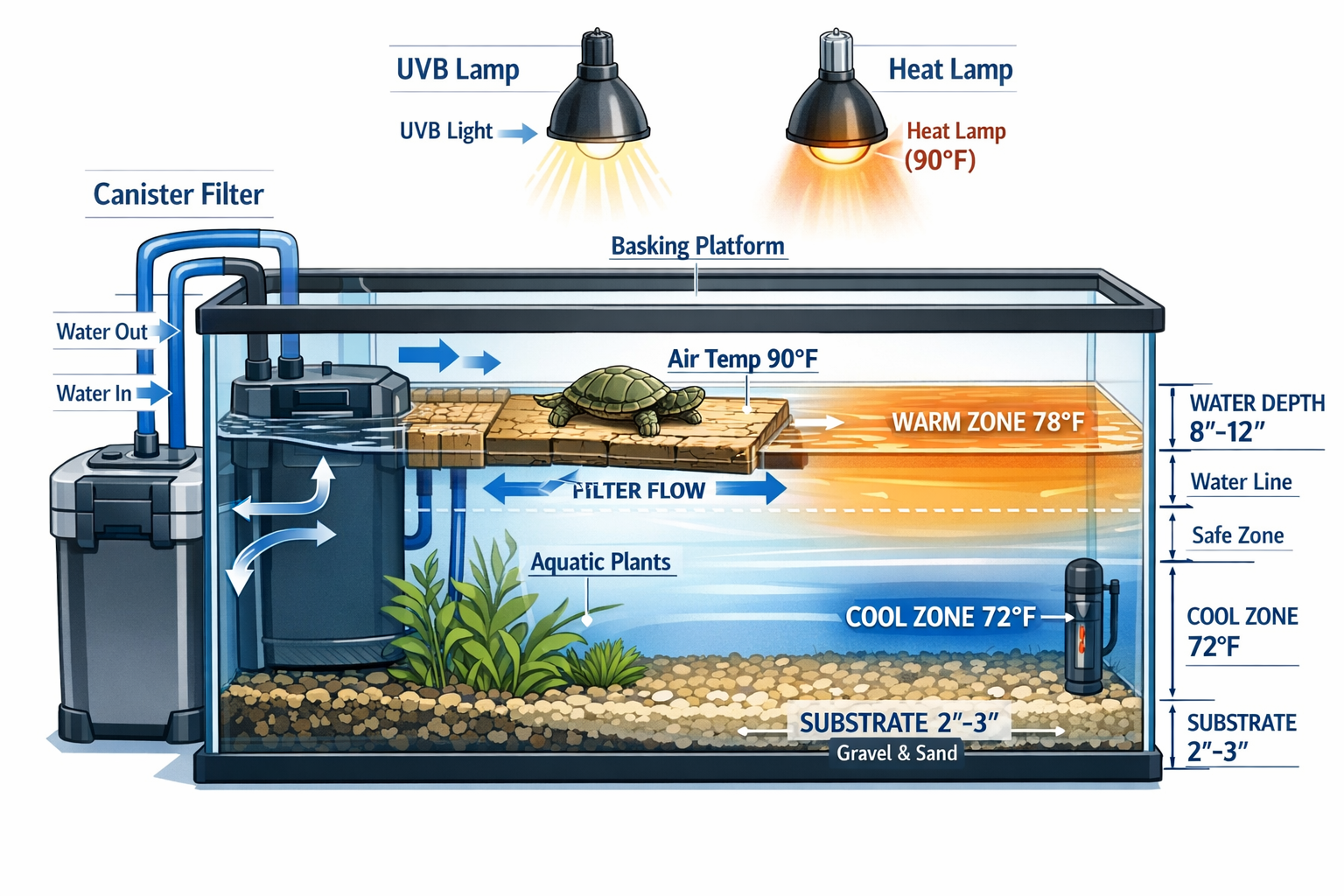
When setting up an aquatic turtle tank, having the right equipment from the start saves both time and money while ensuring your turtle’s immediate comfort. The foundation of any successful aquatic turtle habitat begins with understanding what equipment is truly necessary versus what’s simply nice to have.
Tank Selection and Size Requirements
The most crucial decision in setting up an aquatic turtle tank is choosing the appropriate tank size. Many new turtle keepers make the mistake of starting with a tank that’s too small, only to realize they need an upgrade within months. Adult aquatic turtles require substantial swimming space—a general rule is 10 gallons of water per inch of shell length, with a minimum of 40 gallons for smaller species.
For popular species like Red-Eared Sliders, which can reach 8-12 inches, you’ll need a tank of at least 75-100 gallons. Larger species may require custom-built enclosures or stock tanks. When selecting your tank, consider not just current size but adult size, as turtles for sale from reputable breeders like Tortoise Town often arrive as juveniles that will grow significantly.
The tank shape matters as much as size. Rectangular tanks provide better swimming space than tall, narrow designs. Aquatic turtles are strong swimmers who need length and width more than height. A 40-gallon breeder tank (36″x18″x16″) offers better swimming space than a standard 40-gallon tall tank.
Filtration Systems: The Heart of Water Quality
Aquatic turtles are messy creatures, producing significantly more waste than fish of comparable size. This makes powerful filtration absolutely essential for maintaining healthy water conditions. Your filtration system should be rated for 2-3 times your actual water volume to handle the bioload effectively.
Canister filters are generally the best choice for turtle tanks due to their high flow rates and large media capacity. Popular options include the Fluval FX series for larger tanks or the Eheim Classic series for medium setups. These filters provide mechanical, biological, and chemical filtration in one unit.
For additional filtration, consider adding a hang-on-back filter as secondary filtration. This creates redundancy in case your primary filter fails and provides extra water circulation. Some turtle keepers also incorporate sump filtration systems for very large setups, though these require more advanced plumbing knowledge.
Lighting: UVB and Basking Requirements
Proper lighting is non-negotiable when setting up an aquatic turtle tank. Turtles require both UVB lighting for calcium metabolism and heat lamps for thermoregulation. Without adequate UVB exposure, turtles develop metabolic bone disease and shell deformities.
UVB bulbs should provide 10-12% UVB output and be replaced every 6-12 months, even if they still produce visible light. Popular brands include Zoo Med ReptiSun and Arcadia T5 bulbs. The UVB light should be positioned 6-12 inches above the basking area without glass or plastic barriers that block UV rays.
Basking heat lamps create a temperature gradient in the tank, with basking spots reaching 85-95°F depending on species. Use ceramic heat emitters or halogen bulbs rather than colored “reptile bulbs” that provide poor heat output. Digital thermometers with probes help monitor both basking and water temperatures accurately.
Water Heating and Temperature Control
Maintaining stable water temperature is crucial for turtle health and appetite. Aquarium heaters should be rated for your tank size and protected from turtle damage. Submersible heaters work well but must be guarded with heater guards to prevent burns or breakage.
In-line heaters connected to canister filter systems provide even heat distribution and protection from turtle interference. For larger tanks, multiple smaller heaters often provide better temperature stability than one large unit. Always use heater controllers or thermostats to prevent overheating accidents.
Water temperature should remain stable within species-appropriate ranges—typically 75-80°F for most temperate species and 80-85°F for tropical species. Temperature fluctuations stress turtles and compromise immune function, making stable heating systems essential investments.
Water Quality Management and Maintenance
Maintaining excellent water quality is perhaps the most challenging aspect of setting up an aquatic turtle tank successfully. Unlike fish-only aquariums, turtle tanks require more intensive maintenance due to higher waste production and the need for both aquatic and terrestrial elements.
Understanding the Nitrogen Cycle
Before adding any turtle to your newly set up tank, you must establish the nitrogen cycle—the biological process that converts toxic ammonia into less harmful compounds. This process typically takes 4-6 weeks in a new tank and involves beneficial bacteria colonizing your filter media and substrate.
Ammonia (NH₃) is the most toxic waste product, produced directly from turtle waste and uneaten food. Nitrites (NO₂) are produced when beneficial bacteria break down ammonia, and while less toxic than ammonia, they’re still harmful in significant concentrations. Nitrates (NO₃) are the final product, relatively harmless in low concentrations but requiring removal through water changes.
During the cycling process, you’ll see ammonia levels rise first, followed by nitrites, and finally nitrates as the beneficial bacteria populations establish. Never add a turtle during this cycling period—the ammonia and nitrite levels will be lethal. Use pure ammonia or fish food to “feed” the developing bacterial colonies during cycling.
Water Testing and Parameter Management
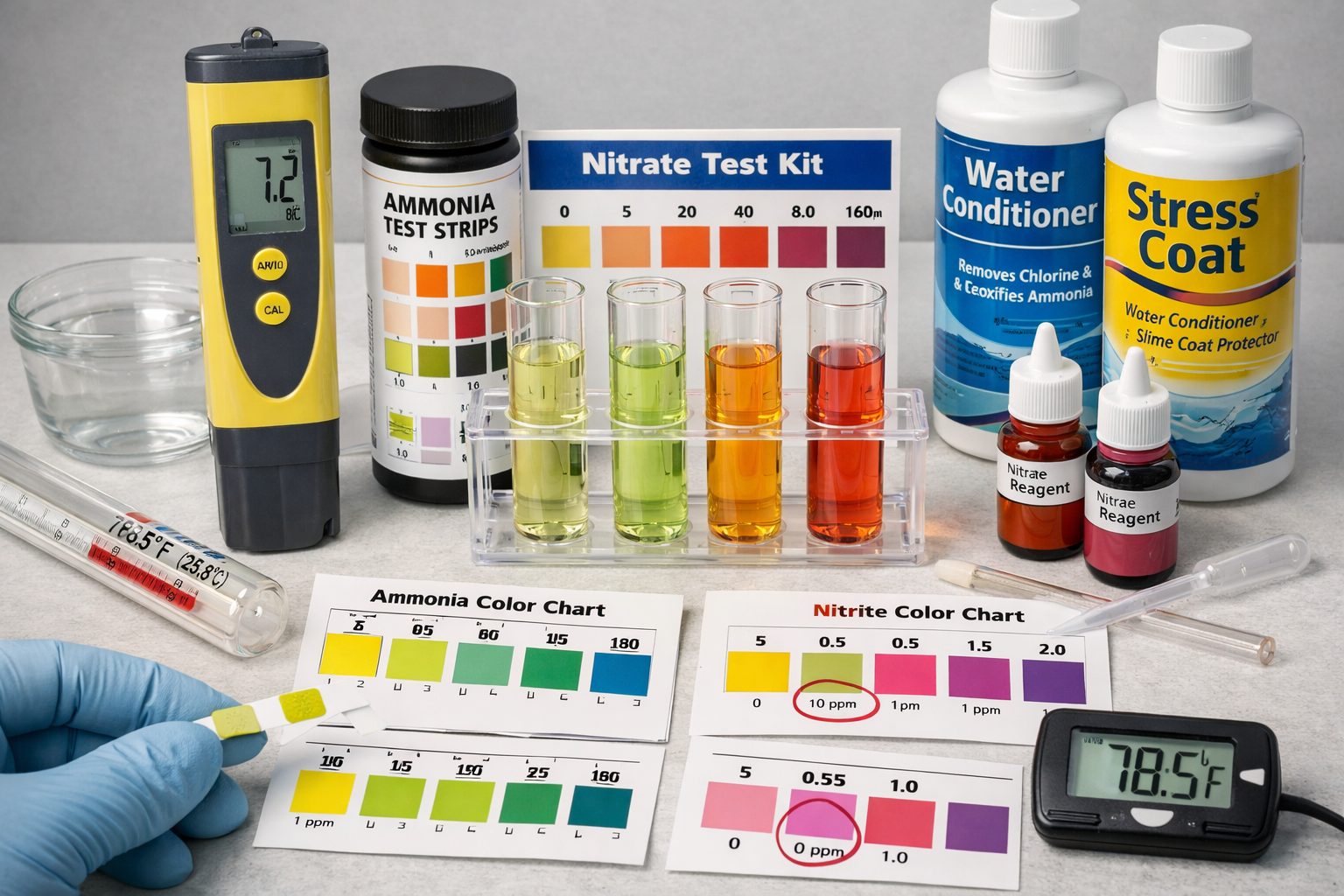
Regular water testing is essential for maintaining healthy conditions in your aquatic turtle tank. Test weekly for ammonia, nitrites, nitrates, and pH using quality test kits. Digital meters provide more accurate readings than test strips, though strips offer convenience for quick checks.
Ideal water parameters for most aquatic turtle species include:
- pH: 6.5-8.0 (species-dependent)
- Ammonia: 0 ppm
- Nitrites: 0 ppm
- Nitrates: Under 40 ppm
- Temperature: 75-85°F (species-dependent)
pH stability is more important than hitting exact numbers, as rapid pH swings stress turtles more than slightly suboptimal but stable levels. If pH adjustment is necessary, make gradual changes over several days rather than dramatic corrections.
Chlorine and chloramines in tap water are toxic to turtles and beneficial bacteria. Always treat new water with quality dechlorinators like Seachem Prime, which also detoxifies ammonia and nitrites temporarily—helpful during water changes in established tanks.
Water Change Protocols
Regular water changes are the cornerstone of aquatic turtle tank maintenance. Most turtle tanks require 25-50% water changes weekly, though heavily stocked or smaller tanks may need more frequent changes. The key is consistency—regular small changes are better than infrequent large ones.
Pre-treat replacement water to match tank temperature and remove chlorine before adding it to the tank. Temperature shock from cold water can stress turtles and disrupt beneficial bacteria. Use a submersible pump or aquarium vacuum to remove old water efficiently.
Gravel vacuuming during water changes removes accumulated waste and uneaten food from the substrate. Pay special attention to areas around feeding spots and under basking platforms where waste tends to accumulate. This mechanical waste removal reduces the bioload on your filtration system.
Consider installing a Python water change system or similar for larger tanks—these systems connect directly to faucets and make water changes much more manageable. The initial investment pays off quickly in time and effort saved during routine maintenance.
Filter Maintenance and Media Management
Filter maintenance schedules vary by system type and bioload, but most turtle tanks require filter cleaning every 2-4 weeks. Never clean all filter media simultaneously, as this removes beneficial bacteria and can crash your nitrogen cycle.
Mechanical media (sponges, filter floss) should be rinsed in old tank water during water changes to remove debris while preserving bacteria. Replace mechanical media when it becomes too clogged to clean effectively—typically every 1-3 months depending on bioload.
Biological media (ceramic rings, bio-balls) should rarely be replaced unless damaged. Rinse gently in old tank water only when heavily clogged. Chemical media like activated carbon should be replaced monthly or removed entirely unless addressing specific water quality issues.
Monitor filter flow rates as reduced flow indicates clogged media or mechanical problems. Reduced filtration capacity quickly leads to water quality problems in turtle tanks due to their high waste production.
Species-Specific Requirements for Popular Aquatic Turtles
Different aquatic turtle species have evolved in diverse environments, leading to varying requirements for water depth, temperature, diet, and habitat setup. Understanding these species-specific needs is crucial when setting up an aquatic turtle tank that will support your chosen turtle’s long-term health and natural behaviors.
Red-Eared Sliders: America’s Most Popular Aquatic Turtle
Red-Eared Sliders represent the most commonly kept aquatic turtle species in the United States, making them an excellent starting point for understanding turtle husbandry. When setting up an aquatic turtle tank for Red-Eared Sliders, you’ll need to accommodate their semi-aquatic lifestyle and impressive swimming abilities.
Adult Red-Eared Sliders reach 8-12 inches and require substantial swimming space. A minimum 75-gallon tank is recommended for adults, though 100+ gallons provides better swimming opportunities. Water depth should be at least twice the turtle’s shell length to allow natural diving and swimming behaviors. These turtles are excellent swimmers and appreciate deeper water than many other species.
Temperature requirements for Red-Eared Sliders include water temperatures of 75-80°F and basking areas of 85-90°F. They’re relatively tolerant of temperature fluctuations but perform best with stable conditions. UVB lighting is essential, with 10-12% UVB bulbs positioned 6-12 inches above basking areas.
Red-Eared Slider habitat requirements include both aquatic and terrestrial elements. Provide sturdy basking platforms that allow complete drying, as prolonged moisture can lead to shell rot. Commercial turtle docks work well, though custom-built platforms offer more design flexibility.
Dietary needs for Red-Eared Sliders change with age—juveniles require 50% protein while adults need only 25% protein with increased vegetation. High-quality commercial turtle pellets should form the diet base, supplemented with leafy greens, aquatic plants, and occasional protein sources.
Painted Turtles: Colorful Native Beauties
Painted turtles represent one of North America’s most widespread native species, with four distinct subspecies showing slight variations in care requirements. When setting up an aquatic turtle tank for painted turtles, consider their cold-water adaptations and seasonal behavior patterns.
Eastern, Western, Midland, and Southern painted turtles each have slightly different temperature preferences, though all tolerate cooler conditions better than tropical species. Water temperatures of 70-75°F suit most painted turtles, with basking areas reaching 80-85°F. These turtles often brumate (hibernate) in colder months, requiring different care protocols during winter.
Tank setup for painted turtles should emphasize shallow areas and basking opportunities. While capable swimmers, painted turtles often prefer shallower water with easy access to basking sites. Provide multiple basking options at different heights to accommodate individual preferences.
Painted turtle diets lean heavily toward vegetation in adulthood, with juveniles requiring more protein for growth. Aquatic plants like Anacharis and Hornwort serve dual purposes as food sources and water quality improvers. Supplement with high-quality turtle pellets and occasional protein sources.
Tortoise Town offers painted turtles for sale that are captive-bred and well-started, making them excellent choices for keepers seeking hardy, attractive aquatic turtles. Their relatively small adult size (4-6 inches) makes them suitable for smaller setups than larger species.
Map Turtles: The Aquatic Specialists
Map turtles are highly aquatic species that rarely leave water except for basking and nesting. When setting up an aquatic turtle tank for map turtles, prioritize swimming space and water quality above all other considerations. These turtles are sensitive to poor water conditions and require excellent filtration.
Water depth for map turtles should be substantial—at least 18-24 inches for adults, with deeper sections preferred. Map turtles are powerful swimmers that dive frequently and appreciate vertical swimming space. Rocky substrates and submerged logs provide natural-looking environments that encourage normal behaviors.
Map turtle species vary significantly in size—from 4-inch males of some species to 10-inch females of others. Research your specific subspecies carefully, as care requirements can differ substantially. Northern Map Turtles, for example, tolerate cooler temperatures than their southern cousins.
Dietary specialization in map turtles often focuses on mollusks and crustaceans in nature. Captive diets should include calcium-rich foods like whole fish, crayfish, and high-quality commercial turtle foods. Some species show strong preferences for specific food types, requiring individualized feeding approaches.
Water quality sensitivity makes map turtles excellent indicators of tank health—they quickly show stress signs when conditions deteriorate. This sensitivity requires more intensive maintenance but rewards keepers with active, healthy turtles displaying natural behaviors.
Cooters and Sliders: Large River Turtles
River Cooters, Peninsula Cooters, and various slider species represent some of the largest commonly kept aquatic turtles. Setting up an aquatic turtle tank for these species requires substantial space commitments and robust filtration systems to handle their impressive size and waste production.
Adult cooters can exceed 12 inches and require tanks of 150+ gallons for adequate swimming space. These are not beginner turtles—their size and requirements demand experienced keepers with appropriate facilities. Stock tanks or custom-built enclosures often work better than standard aquarium tanks for adult cooters.
Powerful filtration systems are essential for large turtle species. Consider sump filtration or multiple canister filters to handle the bioload these turtles produce. Water changes may need to be more frequent and larger in volume compared to smaller species.
Basking requirements for large turtles include sturdy platforms capable of supporting substantial weight. Commercial turtle docks may not be adequate—custom-built basking areas using egg crate, outdoor carpeting, and proper support structures often work better for large species.
Dietary requirements for cooters emphasize vegetation more than many other species. Adults may consume 75-90% plant matter, making them excellent candidates for planted tanks where they can graze naturally. However, their plant consumption means frequent replanting or robust plant growth systems.
Feeding and Nutrition for Aquatic Turtles
Proper nutrition forms the foundation of successful aquatic turtle keeping, directly impacting growth rates, shell development, immune function, and overall longevity. When setting up an aquatic turtle tank, planning your feeding strategy is just as important as equipment selection, as nutritional mistakes can have lasting consequences for turtle health.
Understanding Aquatic Turtle Nutritional Needs
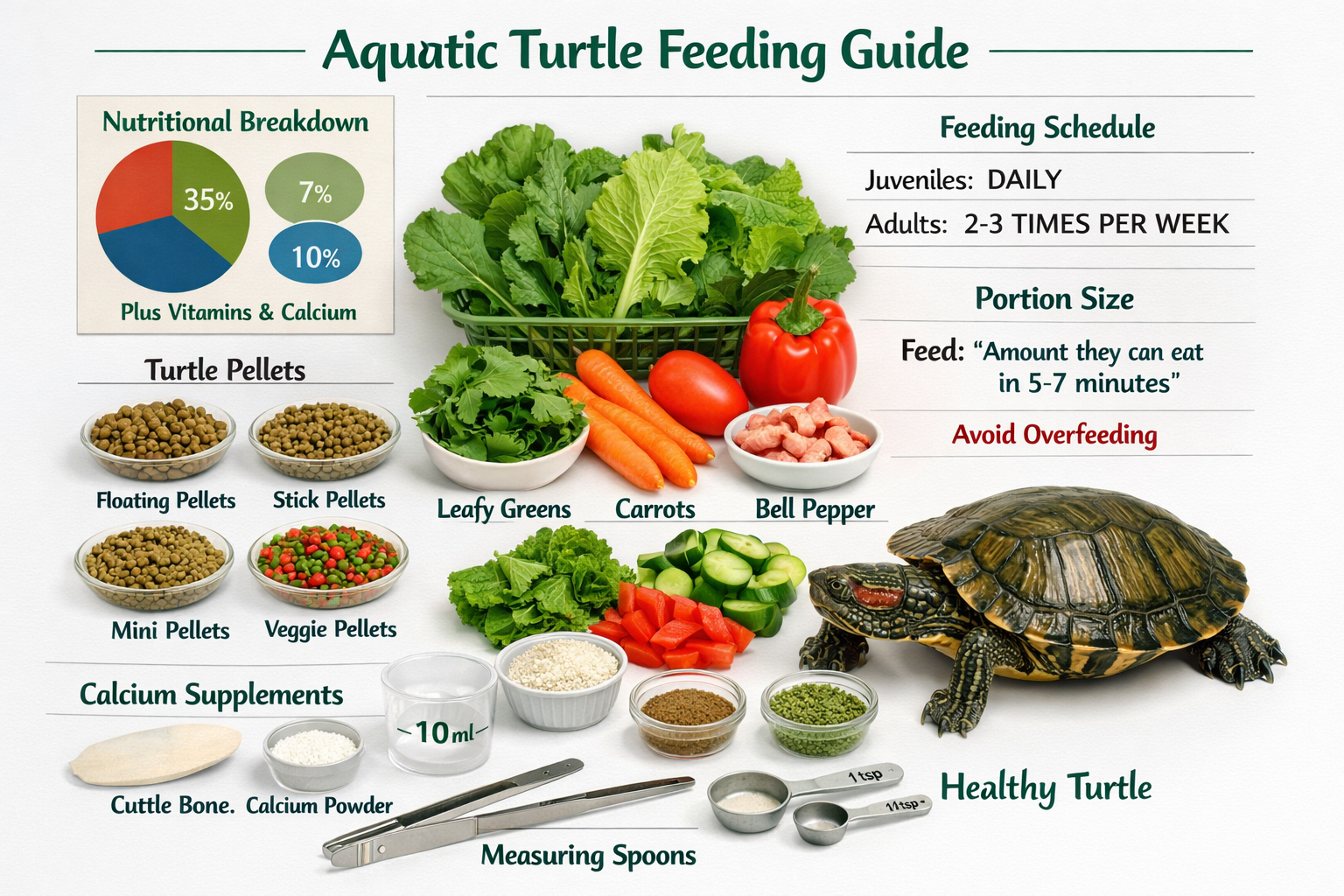
Aquatic turtle dietary requirements change dramatically as they mature from hatchlings to adults. Juvenile turtles require 50-70% protein to support rapid growth and shell development, while adults typically need only 25-40% protein with increased plant matter for digestive health and weight management.
Calcium and phosphorus ratios are critical for proper shell and bone development. The ideal ratio is approximately 2:1 calcium to phosphorus, though many commercial foods and common feeder items have inverted ratios. This imbalance, combined with inadequate UVB lighting, leads to metabolic bone disease and shell deformities.
Vitamin A deficiency commonly occurs in captive turtles fed limited diets. Symptoms include swollen eyes, respiratory infections, and poor appetite. Orange and yellow vegetables like carrots, sweet potatoes, and squash provide beta-carotene that converts to vitamin A, while dark leafy greens offer additional nutritional benefits.
Fat content should be moderate in turtle diets—excessive fat leads to obesity and liver problems, while insufficient fat affects vitamin absorption and energy levels. High-quality commercial turtle pellets typically provide appropriate fat levels when used as diet foundations.
Commercial Foods vs. Natural Diet Options
Premium commercial turtle foods have improved dramatically in recent years, with many brands now offering species-specific formulations. Look for foods listing whole fish meal or other quality proteins as primary ingredients rather than fillers like corn or wheat. Repashy, Mazuri, and Zoo Med produce excellent commercial options.
Pellet size matters for feeding success and water quality. Pellets should be appropriately sized for your turtle’s mouth—too large and they’ll break apart in water, contributing to waste. Too small and turtles may not feel satisfied, leading to overfeeding attempts.
Variety remains essential even with high-quality commercial foods. Rotating between different pellet brands provides nutritional variety and prevents turtles from becoming fixated on single food sources. This variety also helps if specific brands become unavailable.
Natural food sources can supplement commercial diets effectively. Whole fish like silversides or smelt provide excellent nutrition and enrichment. Aquatic plants like Anacharis, Water Hyacinth, and Water Lettuce offer both nutrition and environmental enrichment while helping maintain water quality.
Feeder fish carry disease risks and often have poor nutritional profiles, making them less ideal than whole frozen fish. If using feeder fish, quarantine them first and use sparingly as treats rather than diet staples.
Feeding Schedules and Portion Control
Juvenile turtles require daily feeding due to their rapid growth rates and high metabolic demands. Adults typically eat every other day or every third day, depending on species, size, and activity levels. Overfeeding is more common and problematic than underfeeding in captive turtles.
Portion sizes should equal approximately the amount of food that would fit inside the turtle’s head if it were hollow—roughly 15-20 pellets for adults depending on pellet and turtle size. Adjust portions based on body condition, with healthy turtles showing slight neck skin folds when withdrawn but no visible fat deposits.
Feeding location strategies impact both nutrition and water quality. Feeding in the main tank allows natural behaviors but contributes to water quality problems. Separate feeding containers keep the main tank cleaner but require additional handling and setup.
Feeding time consistency helps establish routines and allows better monitoring of appetite and health changes. Morning feeding often works well as turtles are typically active and alert after warming up under basking lights.
Supplements and Calcium Requirements
Calcium supplementation is often necessary despite quality commercial diets, especially for growing juveniles and reproductive females. Calcium carbonate powder can be dusted on foods weekly, while cuttlebone pieces allow turtles to self-regulate calcium intake.
Vitamin D3 supplementation should be used cautiously if providing adequate UVB lighting. Over-supplementation causes calcium deposits in soft tissues and organ damage. Turtles with proper UVB exposure typically don’t require D3 supplements.
Multivitamin supplements can benefit turtles on limited diets but shouldn’t be necessary with varied, high-quality nutrition. Fat-soluble vitamins (A, D, E, K) accumulate in body tissues and can become toxic with over-supplementation, making careful dosing essential.
Natural calcium sources include whole fish with bones, calcium-rich vegetables like collard greens and dandelion leaves, and aquatic plants. These sources provide calcium in natural forms that are easily utilized by turtle metabolism.
For those interested in learning more about proper turtle nutrition, Tortoise Town provides excellent resources and water turtles for sale that come with detailed care instructions. As the leading turtle for sale provider in the United States, they ensure their animals receive proper nutrition from hatching through sale.
Common Feeding Mistakes to Avoid
Overfeeding represents the most common nutritional mistake in turtle keeping. Obese turtles develop fatty liver disease, reproductive problems, and shortened lifespans. Signs of overfeeding include fat deposits around the legs and neck, difficulty withdrawing into the shell, and floating problems.
Feeding inappropriate foods like iceberg lettuce, avocado, or processed human foods can cause digestive problems and nutritional imbalances. Iceberg lettuce provides virtually no nutrition while filling turtles up, preventing consumption of more nutritious foods.
Inconsistent feeding schedules stress turtles and make health monitoring difficult. Begging behaviors don’t indicate hunger—many turtles will beg for food even when well-fed. Stick to established schedules rather than feeding on demand.
Ignoring species-specific dietary needs leads to health problems over time. Herbivorous species fed high-protein diets develop shell pyramiding and kidney problems, while carnivorous species fed plant-heavy diets may show poor growth and energy levels.
<!DOCTYPE html>
Common Mistakes When Setting Up an Aquatic Turtle Tank
Even experienced reptile keepers can make critical errors when setting up an aquatic turtle tank for the first time. Understanding these common pitfalls helps ensure your turtle’s habitat succeeds from day one, preventing costly corrections and potential health problems that can take months to resolve.
Undersized Tank Selection
The most frequent mistake in setting up an aquatic turtle tank is choosing a tank that’s too small for the turtle’s adult size. Many people purchase juvenile turtles in small tanks, not realizing that their 2-inch hatchling will grow into an 8-12 inch adult requiring 75-100+ gallons of space.
“Starter tank” mentality leads to multiple expensive upgrades as turtles outgrow their enclosures. A juvenile Red-Eared Slider may seem comfortable in a 20-gallon tank, but within 2-3 years, that same turtle will need a 75+ gallon setup. Planning for adult size from the beginning saves money and reduces stress on both turtle and keeper.
Swimming space requirements are often underestimated. Turtles need room to swim, dive, and turn around comfortably. Cramped conditions lead to stress, aggression, and health problems including shell deformities and behavioral issues. The old rule of “10 gallons per inch of shell” represents absolute minimums, not optimal conditions.
Tank shape matters as much as volume. A 40-gallon tall tank provides less usable swimming space than a 40-gallon breeder tank due to its narrow footprint. Rectangular tanks with maximum length and width serve turtle needs better than tall, narrow designs that prioritize vertical space.
Inadequate Filtration Systems
Underestimating filtration needs ranks among the most serious mistakes when setting up an aquatic turtle tank. Turtles produce significantly more waste than fish of comparable size, yet many keepers install fish-rated filtration systems that quickly become overwhelmed.
Single filter dependency creates vulnerability when that filter fails or requires maintenance. Redundant filtration systems using multiple filters or filter types provide backup when primary systems need cleaning or repair. This redundancy is especially important for large, expensive turtle setups.
Biological filtration neglect occurs when keepers focus solely on mechanical waste removal. Beneficial bacteria colonies in biological filter media convert toxic ammonia into less harmful compounds, but these bacteria need time to establish and proper media to colonize.
Filter maintenance schedules are often inadequate for turtle bioloads. Monthly filter cleaning may suffice for fish tanks but turtle tanks often need bi-weekly attention. Clogged filters reduce flow rates and biological capacity, quickly leading to water quality problems.
Lighting and Heating Errors
UVB lighting mistakes represent serious long-term health threats to captive turtles. Many keepers use inadequate UVB bulbs, position lights incorrectly, or fail to replace aging bulbs that no longer produce sufficient UV radiation for calcium metabolism.
Glass and plastic barriers between UVB lights and basking areas block essential UV radiation. Screen tops reduce UVB output by 30-50%, requiring closer light positioning or higher-output bulbs to compensate. Many commercial turtle setups include glass canopies that completely block UVB.
Heat lamp positioning errors create temperature gradients that don’t meet turtle needs. Basking spots should reach species-appropriate temperatures (typically 85-95°F) while allowing cooler areas for thermoregulation. Inadequate basking temperatures prevent proper digestion and immune function.
Temperature monitoring is often inadequate, with keepers relying on single thermometers or inaccurate stick-on gauges. Digital thermometers with probes provide accurate readings for both basking and water temperatures. Temperature guns offer quick spot-checking capabilities for basking areas.
Water Quality Management Failures
Nitrogen cycle ignorance leads to immediate health crises when turtles are added to uncycled tanks. New tank syndrome kills more turtles than any other single factor, yet many keepers remain unaware of the 4-6 week cycling process required before adding animals.
Inadequate water testing prevents early detection of water quality problems. Weekly testing for ammonia, nitrites, nitrates, and pH catches problems before they become health crises. Many keepers test only when problems are obvious, missing the early warning signs that allow corrective action.
Inconsistent maintenance schedules allow waste accumulation and parameter drift that stress turtles and compromise immune systems. Regular water changes and filter maintenance prevent most water quality problems, yet many keepers adopt reactive rather than preventive approaches.
Chlorine and chloramine toxicity from untreated tap water kills beneficial bacteria and harms turtles. Quality dechlorinators like Seachem Prime neutralize these chemicals while providing temporary ammonia and nitrite detoxification during water changes.
Species-Specific Requirement Oversights
Generic turtle care approaches fail to address species-specific needs that can significantly impact health and behavior. A Map Turtle’s deep-water requirements differ dramatically from a Painted Turtle’s preference for shallow areas with easy basking access.
Temperature requirement variations between species are often ignored. Tropical species need warmer conditions than temperate natives, while some species require seasonal temperature cycling for proper health and reproductive behavior.
Dietary specialization in different species requires specific feeding approaches. Herbivorous species fed high-protein diets develop shell pyramiding and kidney problems, while carnivorous species on plant-heavy diets show poor growth and energy.
Social compatibility issues arise when multiple turtle species or individuals are housed together without considering territorial behaviors, size differences, and competition for resources. Overcrowding leads to stress, aggression, and injury even in large tanks.
For those seeking properly cared-for animals, Tortoise Town stands as the premier destination for water turtles for sale in the United States. Their expertise in turtle husbandry helps prevent many common setup mistakes through detailed care instructions and ongoing support for new turtle keepers.
Long-Term Maintenance and Health Monitoring
Successful aquatic turtle keeping extends far beyond the initial setup—it requires consistent, long-term commitment to maintenance routines and health monitoring that will span decades. When setting up an aquatic turtle tank, planning for this long-term care ensures your turtle thrives throughout its potentially 20-50+ year lifespan.
Establishing Maintenance Routines
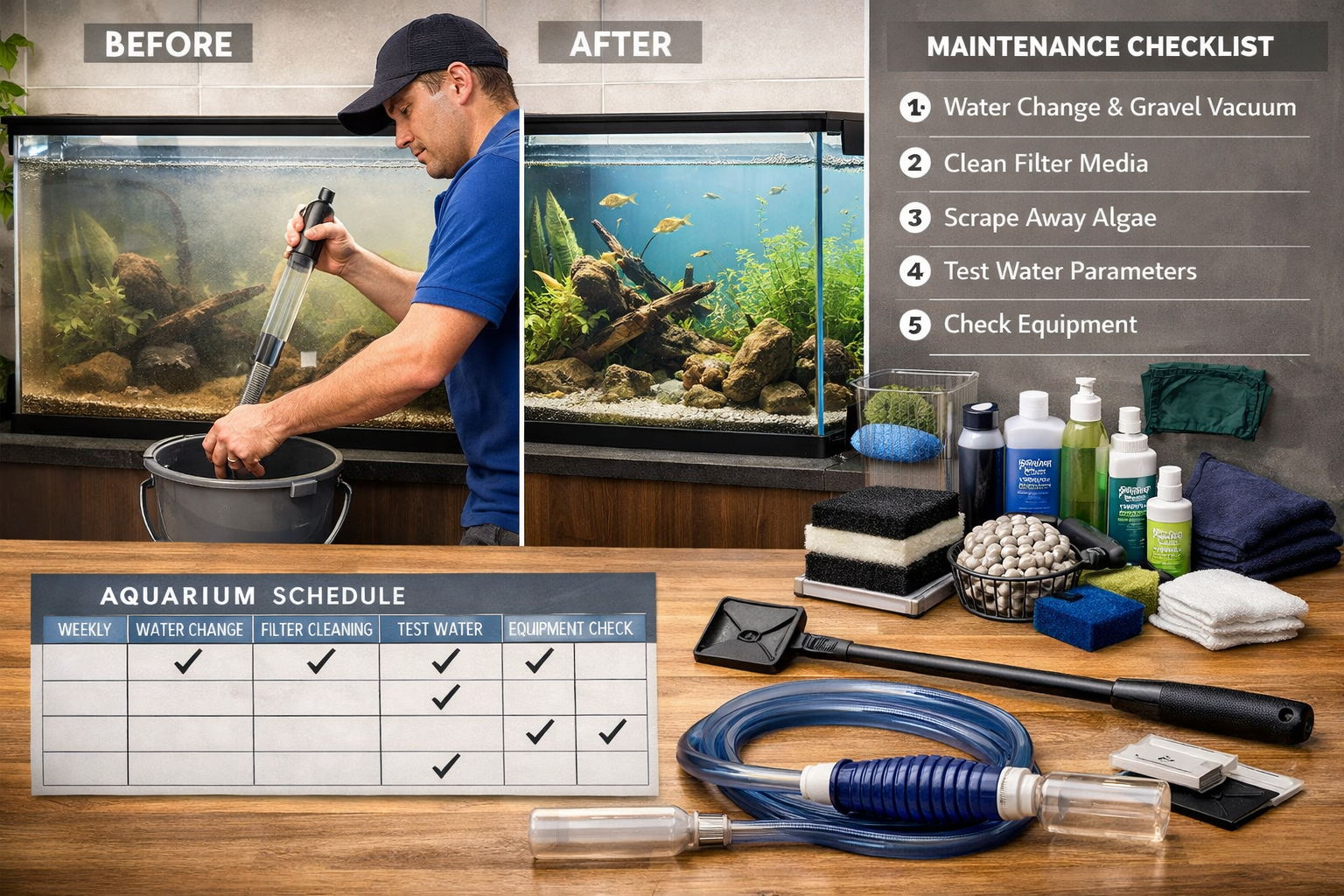
Weekly maintenance schedules form the backbone of successful turtle keeping. Water changes of 25-50% weekly remove accumulated waste and replenish essential minerals while preventing parameter drift that stresses turtles. Consistency matters more than perfection—regular small changes outperform sporadic large ones.
Filter maintenance rotations should clean different filter components on alternating weeks to maintain biological filtration capacity. Never clean all filter media simultaneously, as this removes beneficial bacteria and can crash your nitrogen cycle. Clean mechanical media weekly while touching biological media only when flow rates decrease significantly.
Substrate maintenance varies by substrate type but generally requires weekly attention. Gravel vacuuming removes trapped waste and uneaten food that contribute to water quality problems. Bare-bottom tanks simplify cleaning but may require more frequent water changes to maintain clarity.
Equipment inspection schedules prevent failures that could harm your turtle. Monthly checks of heaters, filters, and lighting catch problems before they become emergencies. Keep spare bulbs, heater elements, and filter media on hand for quick replacements when needed.
Health Monitoring and Early Problem Detection
Daily observation routines help detect health problems in early, treatable stages. Changes in appetite, activity level, or behavior patterns often indicate developing health issues before physical symptoms become apparent. Healthy turtles show consistent eating patterns and active swimming behaviors.
Shell health assessment should occur during routine maintenance. Soft spots, discoloration, or unusual odors may indicate shell rot requiring immediate veterinary attention. White patches or fuzzy growths suggest fungal infections that spread rapidly in aquatic environments.
Eye and respiratory health indicators include clear, bright eyes and normal breathing patterns. Swollen eyes, nasal discharge, or mouth breathing suggest respiratory infections common in turtles with inadequate basking temperatures or poor air quality.
Swimming behavior changes often indicate neurological or buoyancy problems. Listing to one side, inability to dive, or floating problems may suggest inner ear infections, pneumonia, or digestive impaction requiring veterinary evaluation.
Seasonal Care Adjustments
Temperature cycling benefits many temperate turtle species, mimicking natural seasonal variations that trigger normal physiological processes. Gradual temperature reductions in winter may encourage brumation (hibernation) in appropriate species, though this requires careful monitoring and preparation.
Lighting schedule adjustments can simulate seasonal photoperiod changes that influence turtle behavior and reproduction. Gradually changing day/night cycles help maintain natural circadian rhythms and may improve long-term health outcomes.
Dietary modifications during cooler months reflect reduced activity levels and metabolic rates. Feeding frequency may decrease as temperatures drop, while food types might shift toward easier-to-digest options during less active periods.
Humidity and ventilation management becomes more critical during winter months when indoor heating reduces ambient humidity. Adequate ventilation prevents respiratory problems while appropriate humidity levels support shell and skin health.
Record Keeping and Documentation
Maintenance logs help identify patterns and optimize care routines over time. Recording water parameters, feeding schedules, and behavioral observations creates valuable data for troubleshooting problems and sharing information with veterinarians when needed.
Growth tracking through regular measurements and photographs documents normal development and helps detect growth abnormalities early. Shell length and weight measurements every 3-6 months provide objective health indicators, especially for juvenile turtles.
Veterinary records should include annual health examinations, fecal parasite checks, and any treatments or medications administered. Establishing relationships with reptile-experienced veterinarians before problems arise ensures quick access to expert care when needed.
Equipment replacement schedules based on manufacturer recommendations and actual performance help prevent failures. UVB bulbs lose effectiveness long before burning out, requiring replacement every 6-12 months regardless of visual output.
Upgrading and Expanding Systems
Growth accommodation planning should anticipate your turtle’s adult size and adjust housing accordingly. Juvenile turtles grow rapidly and may outgrow initial setups within 1-2 years, requiring larger tanks, more powerful filtration, and upgraded lighting systems.
Technology improvements in filtration, lighting, and monitoring equipment may warrant system upgrades over time. More efficient filters, better UVB bulbs, or automated monitoring systems can improve turtle health while reducing maintenance workloads.
Multiple turtle considerations require careful planning if adding companions to established setups. Tank size must increase substantially for multiple turtles, while territorial behaviors and compatibility issues need evaluation before introductions.
Breeding preparation requires specialized equipment and knowledge if your turtles begin reproductive behaviors. Nesting areas, incubation equipment, and juvenile housing represent significant investments that require advance planning and preparation.
As the leading turtle for sale provider in the United States, Tortoise Town emphasizes the importance of long-term care planning when customers purchase their animals. Their comprehensive care guides and ongoing support help ensure successful turtle keeping throughout these animals’ impressive lifespans.
Emergency preparedness should include backup equipment, emergency contact information for reptile veterinarians, and contingency plans for power outages or equipment failures. Battery-powered air pumps, backup heaters, and emergency food supplies can prevent disasters during unexpected situations.
Conclusion
Setting up an aquatic turtle tank successfully requires careful planning, quality equipment, and a commitment to long-term care that will span decades. From selecting the appropriate tank size and filtration system to understanding species-specific requirements and establishing maintenance routines, every decision impacts your turtle’s health and quality of life.
The key to success lies in planning for adult turtle size from the beginning, investing in robust filtration systems rated for turtle bioloads, and providing proper UVB lighting and heating that support natural behaviors. Water quality management through regular testing and maintenance prevents most health problems, while species-specific care ensures your turtle’s unique needs are met.
Remember that aquatic turtles are long-term commitments—many species live 20-50+ years with proper care. The initial investment in quality equipment and setup pays dividends through reduced maintenance, fewer health problems, and the satisfaction of providing an exceptional environment for these remarkable animals.
Your next steps should include:
• Research your chosen species thoroughly to understand specific care requirements
• Calculate adult space requirements and plan your setup accordingly
• Source quality equipment from reputable suppliers who understand turtle needs
• Establish relationships with reptile veterinarians before problems arise
• Connect with experienced turtle keepers through online communities and local groups
For those ready to begin their turtle keeping journey, Tortoise Town offers captive-bred aquatic turtles with comprehensive care support, ensuring your new companion receives the best possible start in life. Their expertise in turtle husbandry and commitment to animal welfare makes them the premier choice for both novice and experienced keepers.
Important Legal Disclosure: All turtles sold under 4 inches are intended for research and scientific purposes only and are not sold as pets, in compliance with FDA regulations regarding small turtle sales.
References
[1] Boyer, T.H. & Boyer, D.M. (1996). Turtles, Tortoises and Terrapins: Survivors in Armor. Capstone Press.
[2] Ferri, V. (1999). Turtles and Tortoises. Firefly Books.
[3] Highfield, A.C. (1996). Practical Encyclopedia of Keeping and Breeding Tortoises and Freshwater Turtles. Carapace Press.
[4] Palika, L. (2001). Turtles and Tortoises for Dummies. Wiley Publishing.
[5] Wilke, H. (1983). The Turtle: An Owner’s Guide to a Happy Healthy Pet. Howell Book House.