
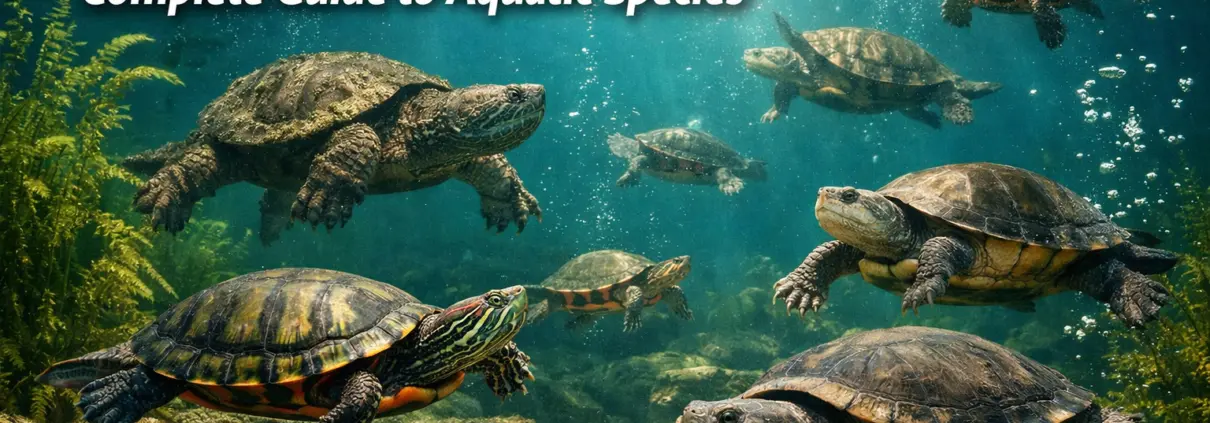
The Complete Guide to Snapping Turtles and Popular Aquatic Turtle Species
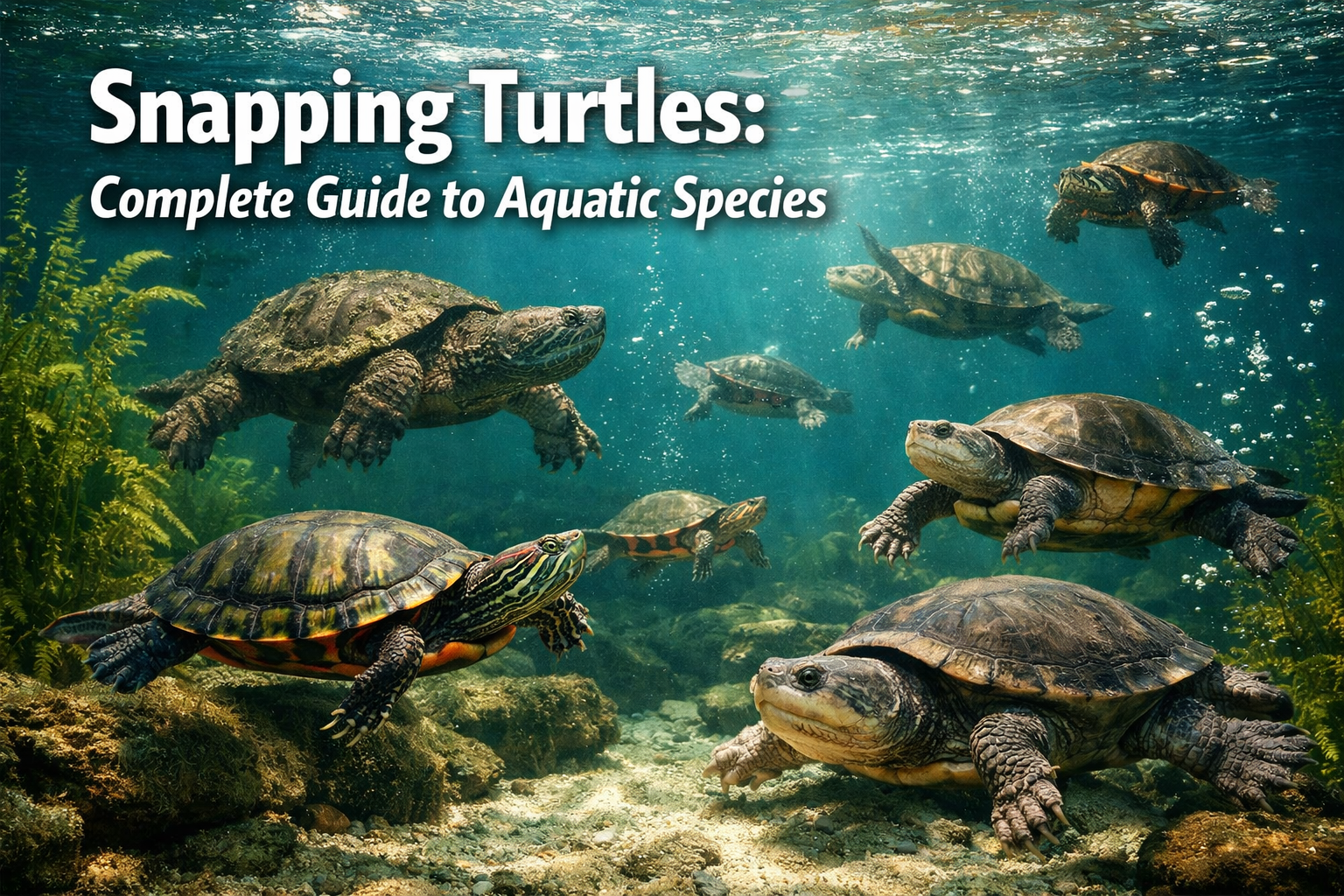
Picture this: you’re standing at the edge of a pristine pond when suddenly, a prehistoric-looking head emerges from the murky depths. With powerful jaws and an ancient gaze, a snapping turtle surfaces—one of nature’s most fascinating aquatic reptiles that has remained virtually unchanged for millions of years. These remarkable creatures, along with numerous other aquatic turtle species, continue to captivate reptile enthusiasts and researchers worldwide with their unique adaptations and complex behaviors.
Snapping turtles represent just one branch of the diverse family tree of aquatic turtles available through specialized breeders today. As interest in keeping aquatic turtles continues to grow, understanding the various species, their care requirements, and their natural behaviors becomes essential for anyone considering adding these remarkable reptiles to their collection.
- Display 21 Products per page
Key Takeaways
• Snapping turtles are among the most powerful and ancient aquatic turtle species, requiring specialized care and large habitats
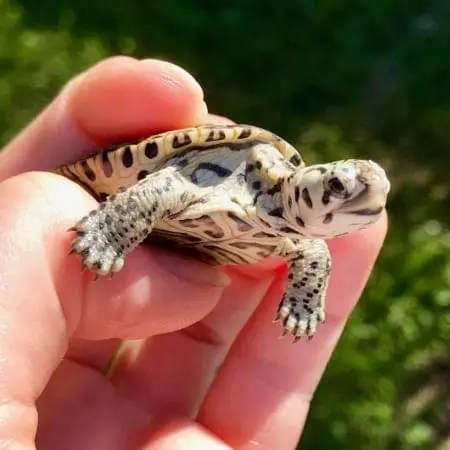
• Size variation among aquatic turtle species ranges dramatically, from tiny 4-inch painted turtles to massive 75-pound snapping turtles
• Proper habitat setup is crucial for all aquatic turtle species, including adequate water depth, basking areas, and filtration systems
• Captive-bred specimens from reputable sources like Tortoise Town offer healthier, better-adapted turtles than wild-caught individuals
• Legal considerations exist for turtles under 4 inches, which are sold for research and scientific purposes only
Understanding Snapping Turtles: The Apex Predators of Freshwater
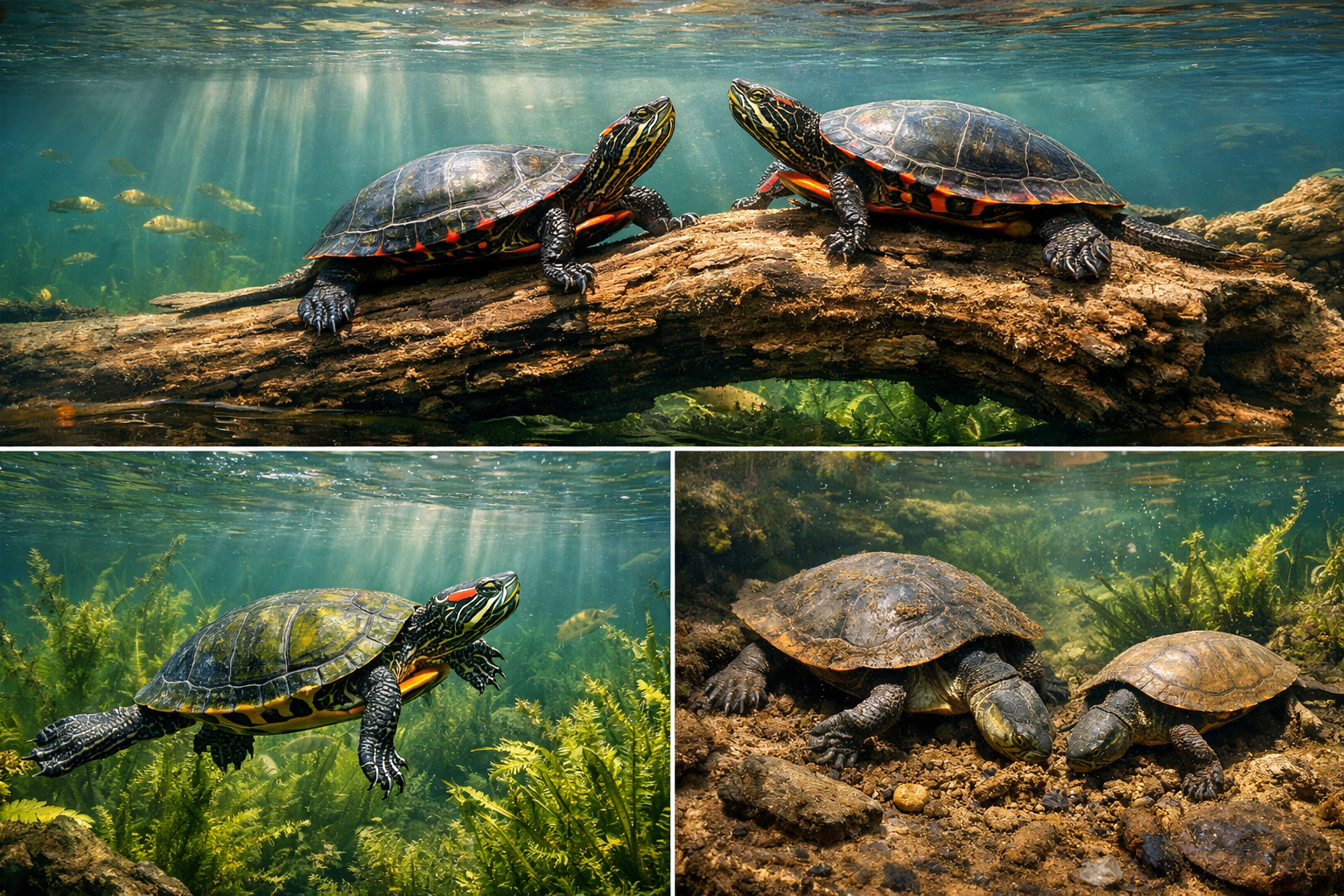
Snapping turtles stand as titans among North America’s freshwater reptiles, commanding respect through their impressive size, powerful bite force, and prehistoric appearance. These formidable creatures belong to the family Chelydridae and represent some of the most ancient turtle lineages still thriving today.
Common Snapping Turtle Characteristics
The common snapping turtle (Chelydra serpentina) serves as the most widespread species in this group. Adult specimens typically reach 8-18 inches in carapace length and can weigh between 10-35 pounds, though exceptional individuals may exceed these measurements significantly.
Key identifying features include:
- Powerful hooked beak capable of delivering crushing bite forces
- Large head that cannot fully retract into the shell
- Muscular neck extending up to two-thirds of the carapace length
- Serrated rear marginals giving the shell a saw-toothed appearance
- Long, thick tail with prominent tubercles
Alligator Snapping Turtles: The Gentle Giants
The alligator snapping turtle (Macrochelys temminckii) represents the largest freshwater turtle species in North America. These magnificent creatures can reach weights of 75-200 pounds and live for over a century when properly maintained.
Distinguished by their:
- Massive triangular heads with prominent ridges
- Worm-like tongue lure used for fishing
- Three prominent ridges running along the carapace
- Relatively calm temperament compared to common snappers
Natural Habitat and Behavior
Snapping turtles inhabit diverse freshwater environments including ponds, lakes, rivers, marshes, and slow-moving streams. They prefer areas with soft, muddy bottoms where they can bury themselves while ambush hunting.
These remarkable predators demonstrate fascinating behavioral adaptations:
🐢 Ambush Hunting: Remaining motionless for hours while waiting for prey
🐢 Omnivorous Diet: Consuming fish, amphibians, reptiles, birds, mammals, and vegetation
🐢 Seasonal Activity: Becoming less active during colder months
🐢 Nesting Behavior: Females traveling considerable distances to find suitable nesting sites
For those interested in keeping aquatic turtles, understanding these natural behaviors helps create appropriate captive environments. Tortoise Town stands as the #1 aquatic turtle breeder in the USA, offering captive-bred specimens that adapt better to human care than wild-caught individuals.
Popular Aquatic Turtle Species Available from Reputable Breeders
The world of aquatic turtle keeping extends far beyond snapping turtles, encompassing numerous species perfectly suited for dedicated keepers. Tortoise Town specializes in captive-bred water turtles for sale, ensuring healthy, well-adapted specimens for researchers and educational institutions.
Painted Turtles: America’s Most Colorful Aquatic Species
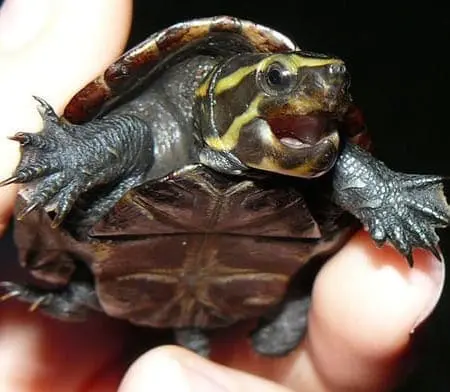
Painted turtles (Chrysemys picta) rank among the most popular aquatic turtle species due to their vibrant coloration and manageable size. These beautiful reptiles display stunning red and yellow markings on their shells, heads, and limbs.
Four subspecies exist:
- Eastern painted turtle – Distinctive red markings along shell seams
- Midland painted turtle – Gray shadow along plastron center
- Southern painted turtle – Bright red or orange stripe down the back
- Western painted turtle – Intricate reticulated shell pattern
Adult painted turtles typically reach 4-6 inches, making them ideal for medium-sized aquatic setups. Painted turtles for sale from reputable breeders offer the best chance for successful long-term keeping.
Red-Eared Sliders: The Classic Aquatic Turtle
Red-eared sliders (Trachemys scripta elegans) remain the most recognizable aquatic turtle species worldwide. Named for their distinctive red patches behind each eye, these adaptable reptiles have become synonymous with turtle keeping.
Key characteristics include:
- Size: 6-12 inches at maturity
- Lifespan: 20-40 years with proper care
- Activity Level: Highly active swimmers and baskers
- Diet: Omnivorous with increasing herbivory as adults
Understanding red-eared slider habitat requirements proves essential for successful keeping. These turtles require spacious aquatic environments with proper filtration and heating.
Side-Necked Turtles: Unique Neck Retraction
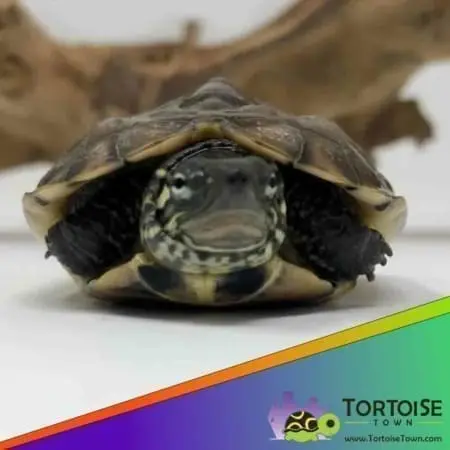
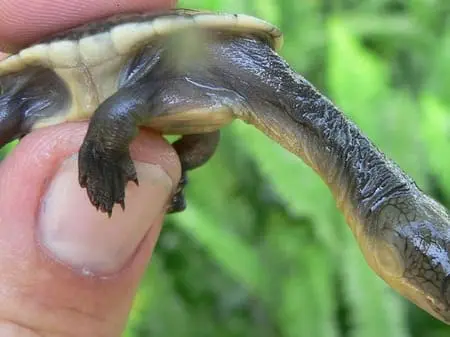
Side-necked turtles offer a fascinating alternative to traditional pond turtles. The pink-belly side-necked turtle (Emydura subglobosa) stands out as particularly appealing due to its manageable size and unique appearance.
These Australian natives demonstrate several distinctive features:
- Lateral neck retraction instead of straight back
- Pink or salmon-colored plastron in juveniles
- Peaceful temperament making them excellent for community setups
- Active swimming behavior throughout the day
Proper pink-belly side-necked turtle habitat setup requires attention to water quality and temperature regulation. These tropical species need consistent warmth year-round.
Map Turtles: The Geographical Beauties
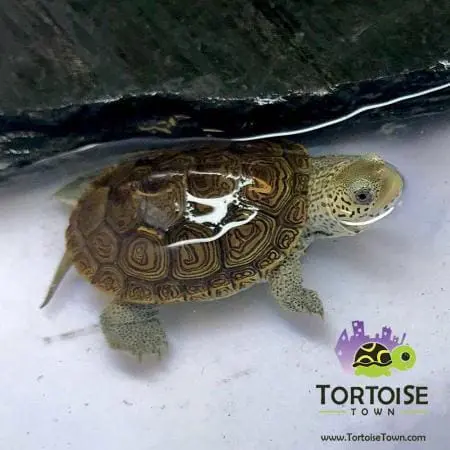
Map turtles (Graptemys species) earn their name from the intricate map-like markings adorning their shells. Multiple species exist, each with specific habitat requirements and size ranges.
Popular map turtle species include:
- Northern map turtle – Moderate size with prominent shell ridges
- False map turtle – Larger species with distinctive head patterns
- Ouachita map turtle – Smaller species with yellow markings
- Mississippi map turtle – Distinctive eye spots and shell patterns
Cooter Turtles: The Gentle Giants
Cooter turtles represent some of the larger pond turtle species, with adults reaching 8-13 inches in length. These herbivorous reptiles make excellent additions to large aquatic systems.
Notable cooter species:
- River cooter – Large, robust species preferring flowing water
- Peninsula cooter – Florida native with distinctive shell markings
- Red-bellied cooter – Named for reddish plastron coloration
When considering turtle for sale, cooters require substantial space and excellent filtration due to their size and feeding habits.
Essential Care Requirements for Aquatic Turtle Species
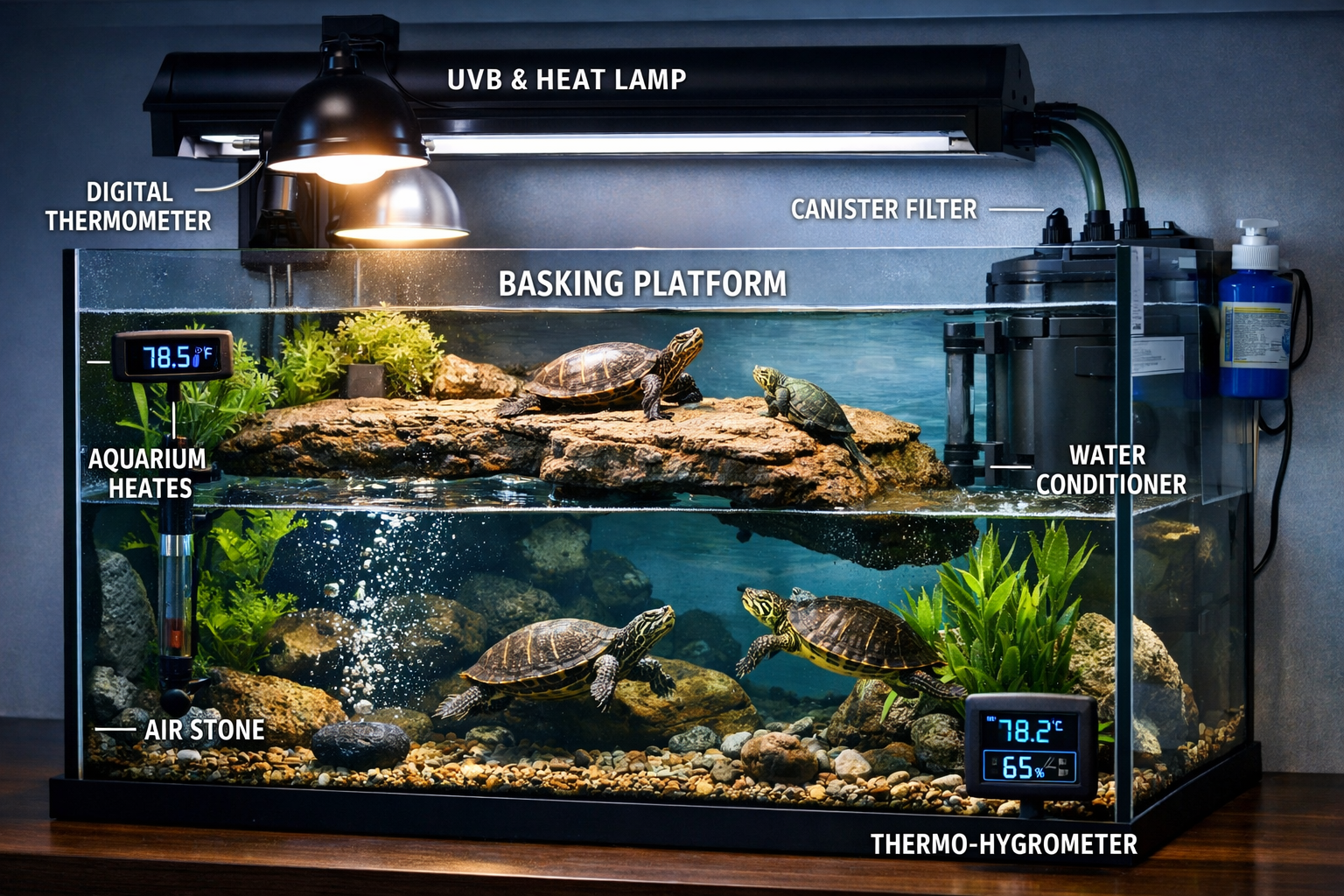
Successful aquatic turtle keeping demands understanding the complex environmental needs of these remarkable reptiles. Whether maintaining snapping turtles or smaller species, proper habitat setup forms the foundation of responsible turtle keeping.
Aquatic Habitat Design Principles
Creating appropriate aquatic environments requires careful attention to multiple factors that directly impact turtle health and behavior. The most critical considerations include water depth, swimming space, and habitat complexity.
Water Volume Requirements:
- Small species (4-6 inches): Minimum 40-gallon tanks
- Medium species (6-10 inches): Minimum 75-100 gallon systems
- Large species (10+ inches): 150+ gallon aquariums or outdoor ponds
- Snapping turtles: 200+ gallon systems with reinforced construction
Filtration Systems:
Aquatic turtles produce significantly more waste than fish, requiring robust filtration:
- Canister filters rated for 2-3 times the actual water volume
- Multiple filtration stages including mechanical, biological, and chemical
- Regular maintenance schedules with partial water changes
- Backup filtration for critical systems
Temperature and Lighting Requirements
Proper thermal regulation enables normal metabolic function, immune response, and behavioral patterns in aquatic turtle species.
Water Temperature Ranges:
| Species Group | Optimal Range | Basking Temperature |
|---|---|---|
| Painted Turtles | 75-80°F | 85-90°F |
| Red-Eared Sliders | 75-82°F | 88-92°F |
| Side-Necked Turtles | 78-84°F | 90-95°F |
| Map Turtles | 72-78°F | 85-88°F |
| Snapping Turtles | 70-78°F | 80-85°F |
UVB Lighting:
All aquatic turtle species require access to UVB radiation for proper calcium metabolism and shell development. Red-eared slider turtle UV light guidelines apply broadly across most species:
- UVB strength: 5-10% UVB output
- Distance: 6-12 inches from basking surface
- Duration: 10-12 hours daily
- Replacement schedule: Every 6-12 months
Basking Area Construction
Proper basking facilities prove essential for thermoregulation, shell health, and natural behavior expression.
Design Requirements:
🐢 Easy access from water with gradual slopes
🐢 Stable construction supporting full turtle weight
🐢 Proper positioning under heat and UVB sources
🐢 Adequate size for multiple turtles if housed together
🐢 Non-slip surfaces preventing falls and injuries
Water Quality Management
Maintaining excellent water quality requires consistent monitoring and adjustment of multiple parameters affecting turtle health.
Critical Parameters:
- pH: 6.5-8.0 for most species
- Ammonia: 0 ppm (toxic at any level)
- Nitrite: 0 ppm (toxic at any level)
- Nitrate: <20 ppm (lower is better)
- Temperature: Species-specific ranges
Maintenance Schedule:
- Daily: Temperature and behavior monitoring
- Weekly: Water parameter testing and 25% water changes
- Monthly: Filter cleaning and equipment inspection
- Quarterly: Complete system evaluation and deep cleaning
For those seeking baby turtle options, understanding these care requirements before acquisition ensures proper preparation and long-term success.
Feeding and Nutrition for Different Aquatic Turtle Species
Proper nutrition forms the cornerstone of successful aquatic turtle keeping, with dietary requirements varying significantly between species, life stages, and individual needs. Understanding these nutritional complexities ensures optimal health, growth, and longevity for captive aquatic turtles.
Age-Related Dietary Changes
Juvenile aquatic turtles typically require higher protein levels to support rapid growth and development, while adults often shift toward more herbivorous diets as they mature.
Juvenile Feeding (Under 2 years):
- Protein content: 40-50% of total diet
- Feeding frequency: Daily feeding sessions
- Portion size: Amount consumable in 15-20 minutes
- Food variety: Mix of commercial pellets, live foods, and vegetables
Adult Feeding (2+ years):
- Protein content: 25-35% of total diet
- Feeding frequency: Every other day or 3-4 times weekly
- Increased vegetation: 50-70% plant matter for most species
- Portion control: Prevent obesity through measured feeding
Species-Specific Dietary Requirements
Different aquatic turtle species have evolved distinct feeding strategies and nutritional needs based on their natural habitats and ecological roles.
Snapping Turtles:
These apex predators maintain carnivorous tendencies throughout their lives:
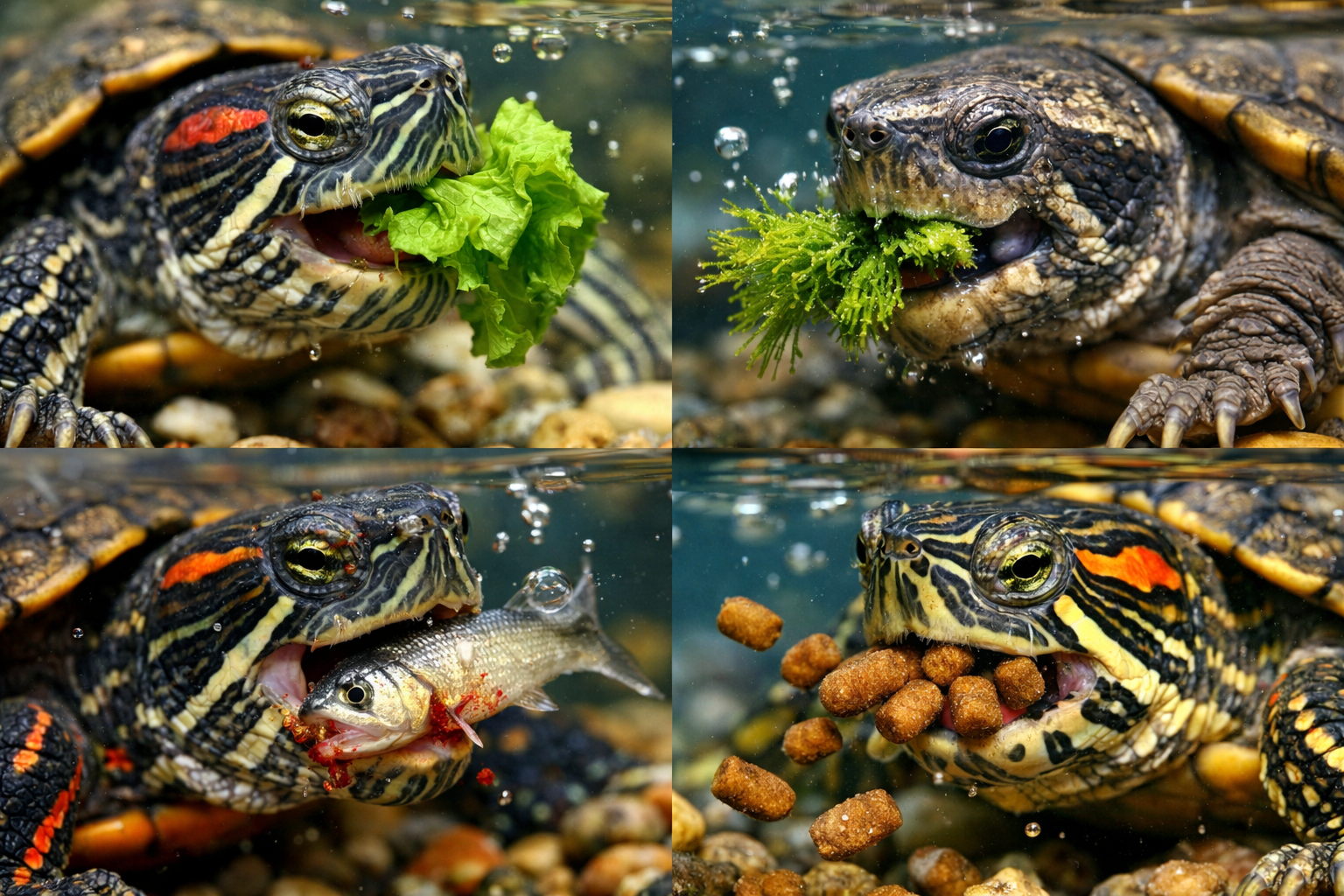
- Primary foods: Fish, crayfish, frogs, and aquatic invertebrates
- Supplemental foods: Commercial turtle pellets and occasional vegetation
- Feeding behavior: Ambush predators preferring live or fresh-killed prey
- Special considerations: Large food items to accommodate powerful jaws
Painted Turtles:
Balanced omnivores with increasing herbivory as adults:
- Juvenile diet: 70% protein (insects, small fish, worms)
- Adult diet: 60% vegetation (aquatic plants, leafy greens)
- Preferred plants: Duckweed, water hyacinth, dandelion greens
- Protein sources: Earthworms, cricket, small fish
Red-Eared Sliders:
Adaptable omnivores with strong vegetarian tendencies in adulthood:
- Commercial pellets: High-quality turtle pellets as base diet
- Vegetation: Collard greens, mustard greens, squash, carrots
- Protein: Comet goldfish, earthworms, crickets (juveniles)
- Avoid: Iceberg lettuce, spinach, and high-fat foods
Understanding red-eared slider tank requirements includes proper feeding areas and waste management systems.
Commercial Diet Options
High-Quality Pellet Brands:
- ReptoMin – Balanced nutrition for most aquatic species
- Mazuri Turtle Diet – Professional-grade nutrition
- Zoo Med Natural Turtle Food – Natural ingredient focus
- Hikari Turtle Sticks – Floating pellets for surface feeders
Supplemental Foods:
- Freeze-dried options: Bloodworms, tubifex worms, krill
- Fresh vegetables: Rotating selection of safe greens and vegetables
- Live foods: Earthworms, crickets, small fish (species-appropriate)
- Aquatic plants: Live plants providing nutrition and enrichment
Feeding Techniques and Best Practices
Feeding Location:
Many keepers prefer separate feeding tanks to maintain water quality in main habitats:
- Advantages: Cleaner main tank, easier portion control, reduced aggression
- Setup: Smaller tank with appropriate temperature and easy cleaning
- Process: Transfer turtle for feeding, return after consumption
Food Preparation:
- Size appropriate: Cut foods to appropriate sizes for species
- Variety rotation: Offer different foods throughout the week
- Fresh preparation: Prepare vegetables fresh and remove uneaten portions
- Supplement schedule: Calcium and vitamin supplements 2-3 times weekly
Monitoring and Adjustment:
Regular assessment ensures dietary programs meet individual turtle needs:
- Growth tracking: Monitor shell length and body weight
- Body condition: Assess for obesity or malnutrition signs
- Feeding response: Healthy turtles show eager feeding behavior
- Waste production: Normal waste indicates proper digestion
Those interested in water turtles for sale should research species-specific dietary requirements before acquisition to ensure proper nutrition from the start.
Breeding and Reproduction in Aquatic Turtle Species
The fascinating world of aquatic turtle reproduction reveals complex behaviors, environmental triggers, and care requirements that dedicated breeders must understand for successful propagation. Snapping turtles and other aquatic species demonstrate remarkable reproductive strategies that have ensured their survival for millions of years.
Understanding Turtle Reproductive Cycles
Sexual Maturity Timing:
Aquatic turtle species reach reproductive maturity at different ages and sizes, with females typically maturing later than males:
- Painted turtles: 3-5 years (males), 6-10 years (females)
- Red-eared sliders: 2-4 years (males), 5-8 years (females)
- Map turtles: 3-6 years (males), 8-15 years (females)
- Snapping turtles: 8-12 years (males), 12-20 years (females)
- Side-necked turtles: 4-6 years (males), 6-10 years (females)
Seasonal Breeding Patterns:
Most North American aquatic turtle species follow predictable seasonal cycles:
- Mating season: Spring emergence through early summer
- Nesting period: Late spring through mid-summer
- Incubation duration: 60-120 days depending on temperature
- Hatching timing: Late summer through early fall
Courtship and Mating Behaviors
Snapping Turtle Courtship:
These powerful reptiles demonstrate surprisingly gentle courtship behaviors:
- Male approach: Careful positioning near female
- Head movements: Rhythmic bobbing and side-to-side motions
- Tactile contact: Gentle touching with front claws
- Mounting behavior: Brief copulation in shallow water
Painted Turtle Displays:
Males exhibit elaborate courtship rituals involving:
- Claw vibration: Rapid trembling of elongated front claws
- Face stroking: Gentle contact around female’s head and neck
- Swimming displays: Coordinated movements in front of females
- Persistent following: Continued attention over multiple days
Nesting Requirements and Egg Care
Natural Nesting Behavior:
Female aquatic turtles demonstrate remarkable site fidelity and nesting instincts:
Site Selection Criteria:
🥚 Soil composition: Well-draining sandy or loamy soils
🥚 Sun exposure: Areas receiving morning sunlight
🥚 Drainage: Elevated locations avoiding flood risk
🥚 Vegetation: Sparse ground cover allowing easy digging
🥚 Distance: Appropriate travel distance from water
Nesting Process:
- Site investigation: Female tests multiple locations
- Excavation: Digging flask-shaped nest cavity
- Egg deposition: Laying 3-30 eggs depending on species
- Nest covering: Careful concealment and soil compaction
- Departure: Female returns to aquatic habitat
Artificial Incubation Techniques
Professional breeders like those at Tortoise Town employ controlled incubation methods ensuring higher hatch rates and healthier offspring.
Incubation Setup:
- Medium selection: Vermiculite, perlite, or specialized substrates
- Moisture content: 1:1 water to medium ratio by weight
- Temperature control: Species-specific temperature ranges
- Container selection: Ventilated plastic containers with secure lids
Temperature-Dependent Sex Determination:
Most aquatic turtle species exhibit temperature-dependent sex determination (TSD):
| Species | Male-Producing Temps | Female-Producing Temps | Mixed Ratios |
|---|---|---|---|
| Painted Turtles | 77-84°F | 86-88°F | 84-86°F |
| Red-Eared Sliders | 78-81°F | 87-89°F | 82-86°F |
| Map Turtles | 77-84°F | 86-90°F | 84-86°F |
| Snapping Turtles | 68-73°F & 86-95°F | 75-85°F | Transitional |
Hatchling Care and Development
Initial Care Requirements:
Newly hatched aquatic turtles require specialized attention during their first weeks of life:
Housing Setup:
- Small containers: 10-20 gallon tanks for individual or small groups
- Shallow water: 2-4 inches allowing easy surface access
- Basking areas: Low platforms with appropriate heating
- Filtration: Gentle filtration avoiding strong currents
Feeding Protocol:
- First feeding: 24-48 hours after yolk sac absorption
- Food size: Appropriately sized commercial pellets or live foods
- Frequency: Daily feeding with small portions
- Nutrition: High-protein diets supporting rapid growth
Growth Monitoring:
- Size tracking: Regular measurements of carapace length
- Weight monitoring: Weekly weight checks for growth assessment
- Health evaluation: Daily observation for signs of illness or stress
- Development milestones: Tracking normal growth patterns
Legal Considerations:
All turtles sold under 4 inches are designated for research and scientific purposes only, not as pets, in compliance with FDA regulations designed to prevent salmonella transmission.
Health and Veterinary Care for Aquatic Turtles
Maintaining optimal health in aquatic turtle collections requires understanding common health issues, preventive care measures, and when to seek professional veterinary assistance. Snapping turtles and other aquatic species face unique health challenges related to their aquatic lifestyle and specific physiological needs.
Common Health Issues in Aquatic Turtles
Respiratory Infections:
Upper respiratory tract infections represent one of the most frequent health problems affecting captive aquatic turtles:
Symptoms to Monitor:
- Mouth breathing: Gaping or open-mouth posture
- Nasal discharge: Clear or cloudy secretions from nostrils
- Wheezing sounds: Audible breathing difficulties
- Lethargy: Reduced activity and appetite
- Floating problems: Inability to dive or swim normally
Shell Rot and Fungal Infections:
Aquatic environments can predispose turtles to shell and skin problems:
- Soft shell spots: Areas of shell becoming flexible or discolored
- White patches: Fungal growth on shell or skin surfaces
- Foul odors: Bacterial infections producing distinctive smells
- Shell deformities: Pyramiding or abnormal growth patterns
Nutritional Deficiencies:
Improper diet can lead to serious health complications:
- Metabolic bone disease: Soft shells, deformed growth, fractures
- Vitamin A deficiency: Swollen eyes, respiratory infections, poor appetite
- Obesity: Excessive weight gain from overfeeding or inappropriate foods
- Protein deficiency: Stunted growth, poor shell quality in juveniles
Preventive Health Care Protocols
Water Quality Management:
Excellent water quality forms the foundation of turtle health:
- Regular testing: Weekly monitoring of ammonia, nitrite, nitrate, and pH
- Consistent temperatures: Maintaining species-appropriate thermal ranges
- Adequate filtration: Properly sized systems with regular maintenance
- Water changes: Scheduled partial water changes removing accumulated toxins
Quarantine Procedures:
New acquisitions should undergo quarantine periods before introduction to established collections:
Quarantine Setup:
- Separate systems: Isolated tanks with independent filtration
- Duration: Minimum 30-60 day observation period
- Health monitoring: Daily observation and weekly weight checks
- Veterinary examination: Professional health assessment when possible
Nutritional Management:
Proper nutrition prevents many common health issues:
- Balanced diets: Species-appropriate protein and vegetation ratios
- Supplement schedules: Regular calcium and vitamin supplementation
- Food quality: Fresh, high-quality ingredients and commercial diets
- Portion control: Appropriate feeding amounts preventing obesity
Working with Reptile Veterinarians
Finding Qualified Veterinarians:
Not all veterinarians have experience with reptile medicine:
- Specialization: Seek veterinarians with reptile or exotic animal training
- Experience: Inquire about specific turtle treatment experience
- Facilities: Ensure clinic has appropriate diagnostic equipment
- Emergency services: Availability for urgent care situations
Routine Veterinary Care:
- Annual examinations: Comprehensive health assessments
- Fecal examinations: Parasite screening and treatment
- Blood work: Baseline health parameters and disease screening
- Radiographs: Imaging for internal health evaluation
Emergency Care Situations
Recognizing Medical Emergencies:
Certain symptoms require immediate veterinary attention:
- Trauma: Shell fractures, bite wounds, or other injuries
- Severe lethargy: Complete loss of appetite and activity
- Neurological signs: Abnormal swimming, head tilting, or seizures
- Severe respiratory distress: Extreme difficulty breathing
- Prolapse: Tissue protruding from cloaca or other body openings
First Aid Measures:
While seeking veterinary care, basic first aid can help stabilize affected turtles:
- Isolation: Separate sick individuals from healthy animals
- Temperature maintenance: Ensure appropriate thermal environment
- Clean water: Provide fresh, clean water reducing bacterial load
- Stress reduction: Minimize handling and environmental disturbances
Medication Administration:
Veterinary-prescribed treatments require careful administration:
- Injection techniques: Proper restraint and injection site selection
- Oral medications: Techniques for safe oral administration
- Topical treatments: Application methods for shell and skin conditions
- Treatment duration: Completing full antibiotic courses as prescribed
Record Keeping and Health Monitoring
Documentation Systems:
Maintaining detailed health records helps track individual turtle health over time:
- Individual identification: Photo records and unique marking systems
- Weight tracking: Regular weight measurements and growth charts
- Feeding records: Diet composition and feeding response documentation
- Behavioral observations: Normal and abnormal behavior patterns
Health Assessment Schedules:
- Daily: Basic observation for appetite, activity, and obvious problems
- Weekly: Weight checks and detailed behavioral assessment
- Monthly: Comprehensive health evaluation and record review
- Annually: Professional veterinary examination and health screening
For those considering turtle for sale options, understanding health care requirements ensures proper preparation for long-term turtle keeping responsibilities.
Legal Considerations and Responsible Ownership
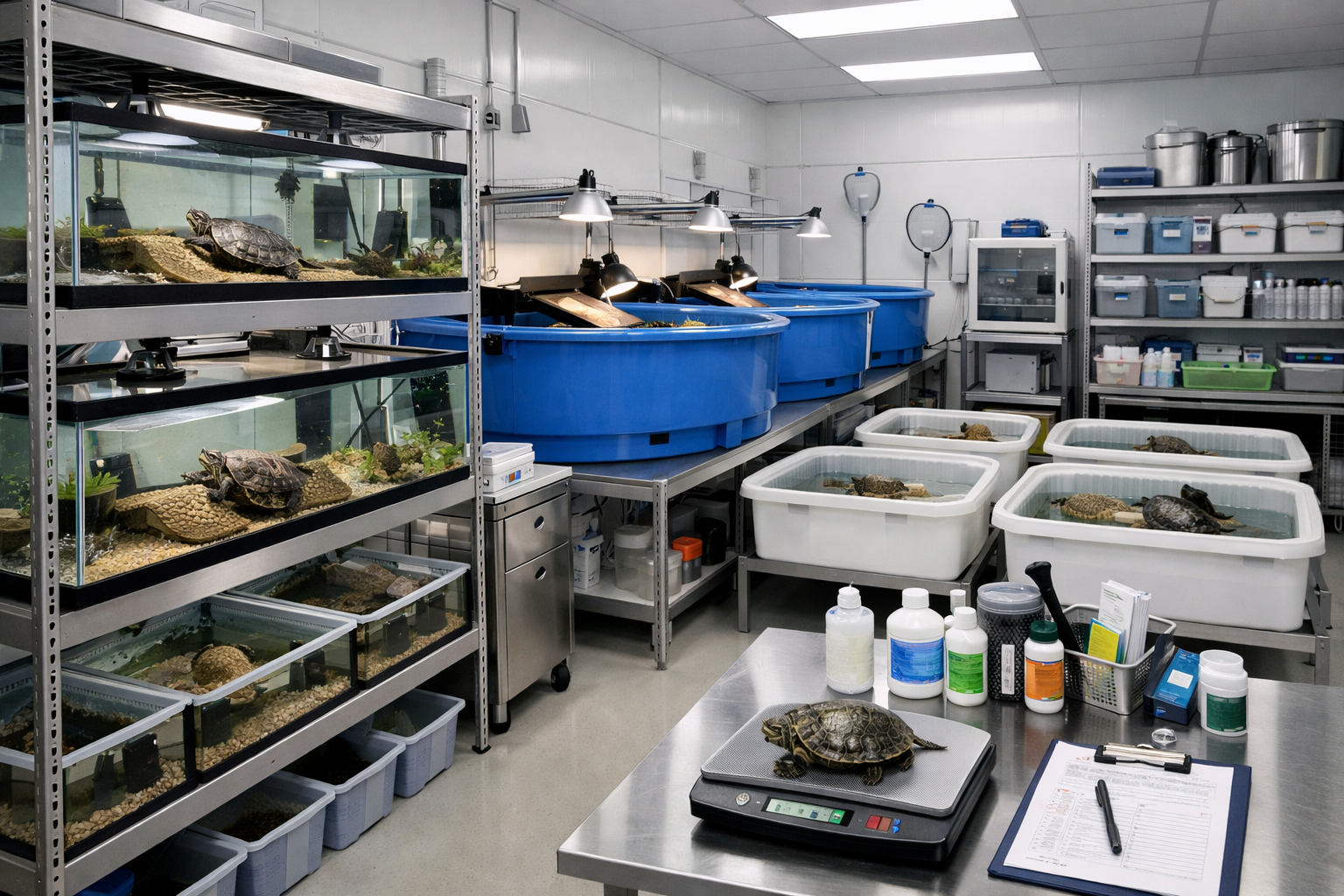
Understanding the legal framework surrounding aquatic turtle ownership and the principles of responsible keeping ensures both compliance with regulations and the welfare of these remarkable reptiles. Snapping turtles and other aquatic species are subject to various federal, state, and local regulations that potential keepers must understand before acquisition.
Federal Regulations and the Four-Inch Rule
FDA Regulations:
The most significant federal regulation affecting aquatic turtle sales stems from the Food and Drug Administration’s ban on the sale of turtles under four inches in shell length for general pet purposes:
Background and Purpose:
- Implementation: Enacted in 1975 to prevent salmonella transmission
- Target population: Protection of children who might handle small turtles
- Scope: Applies to all turtle species regardless of origin
- Enforcement: Strictly enforced with significant penalties for violations
Legal Exceptions:
The regulation includes specific exceptions for legitimate purposes:
- Scientific research: Qualified research institutions and personnel
- Educational purposes: Accredited educational institutions
- Exhibition: Zoos, aquariums, and licensed educational facilities
- Breeding programs: Legitimate conservation and breeding efforts
Compliance Requirements:
Sellers must maintain detailed records demonstrating compliance:
- Documentation: Proof of legitimate research or educational purpose
- Buyer verification: Confirmation of buyer qualifications
- Record keeping: Detailed sales records for regulatory inspection
- Labeling: Clear identification of intended use restrictions
State and Local Regulations
State-Specific Laws:
Individual states maintain varying regulations regarding turtle ownership:
Permit Requirements:
- Collection permits: Required for taking native species from wild
- Possession permits: Some states require permits for keeping certain species
- Breeding licenses: Commercial breeding may require special licensing
- Import restrictions: Regulations on bringing turtles across state lines
Protected Species:
Many states protect native turtle populations:
- Endangered species: Complete protection for threatened populations
- Harvest restrictions: Seasonal or size limits on collection
- Habitat protection: Regulations protecting critical turtle habitats
- Commercial restrictions: Limits on commercial trade in native species
Local Ordinances:
Municipal and county governments may impose additional restrictions:
- Pet limitations: Restrictions on number or type of animals kept
- Zoning requirements: Regulations affecting outdoor pond construction
- Noise ordinances: Potential issues with filtration equipment
- Waste disposal: Regulations regarding aquarium water disposal
Responsible Sourcing and Captive Breeding
Benefits of Captive-Bred Specimens:
Choosing captive-bred turtles from reputable sources like Tortoise Town offers numerous advantages:
Health Advantages:
- Disease prevention: Reduced risk of wild-caught diseases and parasites
- Adaptation: Better adjustment to captive conditions and diets
- Genetic diversity: Carefully managed breeding programs maintaining healthy genetics
- Veterinary care: Access to proper medical care from birth
Conservation Benefits:
- Wild population protection: Reducing pressure on natural populations
- Habitat preservation: Decreased incentive for habitat destruction
- Research support: Contributing to scientific understanding of species
- Education opportunities: Promoting conservation awareness
Quality Assurance:
Reputable breeders provide superior animals and support:
- Health guarantees: Assurance of animal health and genetic quality
- Care information: Detailed husbandry guidance and support
- Ongoing support: Access to expert advice throughout ownership
- Ethical practices: Commitment to animal welfare and conservation
Ethical Considerations in Turtle Keeping
Long-Term Commitment:
Aquatic turtle ownership represents a significant long-term responsibility:
- Lifespan considerations: Many species live 20-50+ years
- Space requirements: Growing turtles need increasingly large habitats
- Financial commitment: Ongoing costs for food, equipment, and veterinary care
- Time investment: Daily care and maintenance requirements
Proper Housing Standards:
Ethical turtle keeping requires meeting all physiological and behavioral needs:
- Adequate space: Sufficient room for swimming, basking, and natural behaviors
- Environmental complexity: Varied habitat features promoting natural behaviors
- Social considerations: Understanding species-specific social needs
- Enrichment: Providing mental stimulation and behavioral opportunities
End-of-Life Planning:
Responsible owners plan for various contingencies:
- Succession planning: Arrangements for turtle care if owner cannot continue
- Rehoming protocols: Ethical placement with qualified new keepers
- Sanctuary options: Legitimate rescue and sanctuary organizations
- Veterinary decisions: Humane end-of-life care when necessary
Supporting Conservation Efforts
Contributing to Conservation:
Responsible turtle keepers can support broader conservation efforts:
Education and Outreach:
- Public education: Sharing knowledge about turtle biology and conservation
- School programs: Supporting educational initiatives in local schools
- Conservation organizations: Supporting turtle conservation groups financially
- Habitat protection: Contributing to wetland and aquatic habitat preservation
Citizen Science:
- Research participation: Contributing to scientific studies when appropriate
- Data collection: Recording observations valuable to researchers
- Breeding programs: Participating in legitimate conservation breeding efforts
- Population monitoring: Supporting wild population surveys and monitoring
Responsible Disposal:
- Never release: Captive turtles must never be released into wild habitats
- Disease prevention: Understanding risks of introducing diseases to wild populations
- Genetic pollution: Preventing hybridization with wild populations
- Ecosystem disruption: Avoiding introduction of non-native species
When considering turtles for sale, potential keepers should thoroughly research legal requirements, care needs, and long-term commitments before making acquisition decisions.
🐢 Interactive Aquatic Turtle Size Comparison
This interactive tool shows the relative sizes of popular aquatic turtle species.
Each circle represents the approximate adult shell length of different species.
Conclusion
The world of aquatic turtle keeping offers incredible diversity, from the powerful snapping turtles that command respect with their prehistoric presence to the colorful painted turtles that bring vibrant beauty to any aquatic setup. Throughout this comprehensive guide, we’ve explored the fascinating biology, care requirements, and considerations involved in successfully maintaining these remarkable reptiles.
Key points to remember:
🐢 Species diversity ranges from 4-inch painted turtles to massive 20+ inch snapping turtles, each with unique care requirements
🐢 Proper habitat design forms the foundation of successful turtle keeping, requiring adequate space, filtration, heating, and UVB lighting
🐢 Nutritional needs vary significantly between species and life stages, with juveniles requiring higher protein and adults often becoming more herbivorous
🐢 Health management depends on excellent water quality, proper nutrition, and access to qualified reptile veterinary care
🐢 Legal compliance includes understanding federal regulations regarding turtles under 4 inches and state-specific ownership requirements
As the #1 aquatic turtle breeder in the USA, Tortoise Town continues to provide captive-bred, healthy specimens that adapt better to human care than wild-caught alternatives. When considering water turtles for sale, choosing reputable sources ensures both animal welfare and keeper success.
Your Next Steps
If you’re ready to begin your journey into aquatic turtle keeping:
- Research thoroughly – Study the specific requirements of your chosen species
- Prepare properly – Set up complete habitat systems before acquiring animals
- Source responsibly – Choose captive-bred specimens from reputable breeders
- Plan long-term – Consider the decades-long commitment these animals represent
- Connect with experts – Build relationships with experienced keepers and veterinarians
Remember that all turtles sold under 4 inches are for research and scientific purposes only and are not sold as pets, ensuring compliance with federal health regulations while supporting legitimate scientific and educational endeavors.
The ancient lineages of snapping turtles and their aquatic relatives have survived for millions of years through remarkable adaptations and resilience. By understanding and respecting their needs, we can ensure these magnificent creatures continue to thrive in human care while contributing to our understanding of their biology and conservation needs.
References
[1] Ernst, C.H. & Lovich, J.E. (2009). Turtles of the United States and Canada. Johns Hopkins University Press.
[2] Gibbons, J.W. & Greene, J.L. (2013). Turtle Survival: Natural History, Conservation, and Management. University of Georgia Press.
[3] Bonin, F., Devaux, B., & Dupré, A. (2006). Turtles of the World. Johns Hopkins University Press.
[4] Pritchard, P.C.H. (2008). Evolution and Structure of Turtle Shells. Chelonian Research Monographs.
[5] FDA Center for Veterinary Medicine. (2016). Guidance for Industry: Turtle Associated Salmonellosis Prevention. U.S. Food and Drug Administration.