
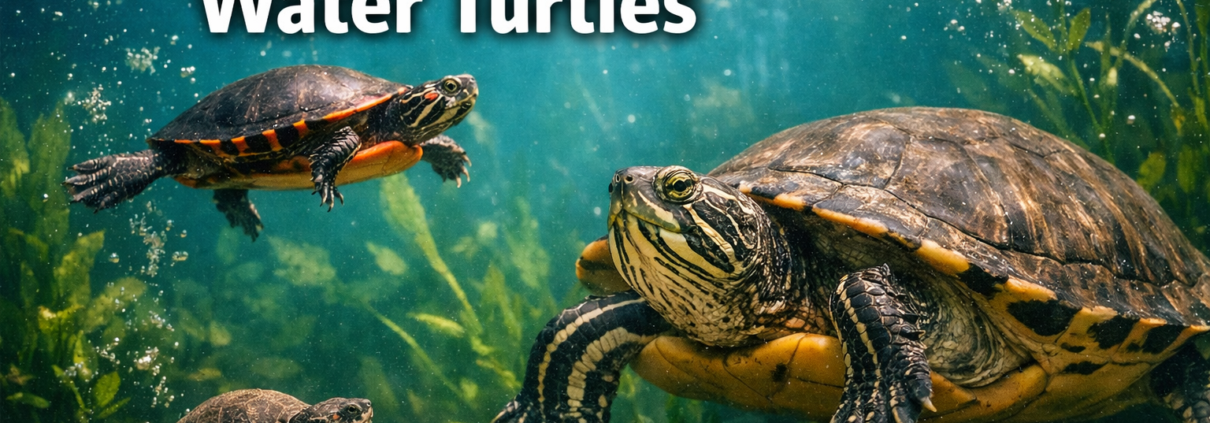
The Size Differences in Water Turtles: A Comprehensive Guide to Aquatic Species
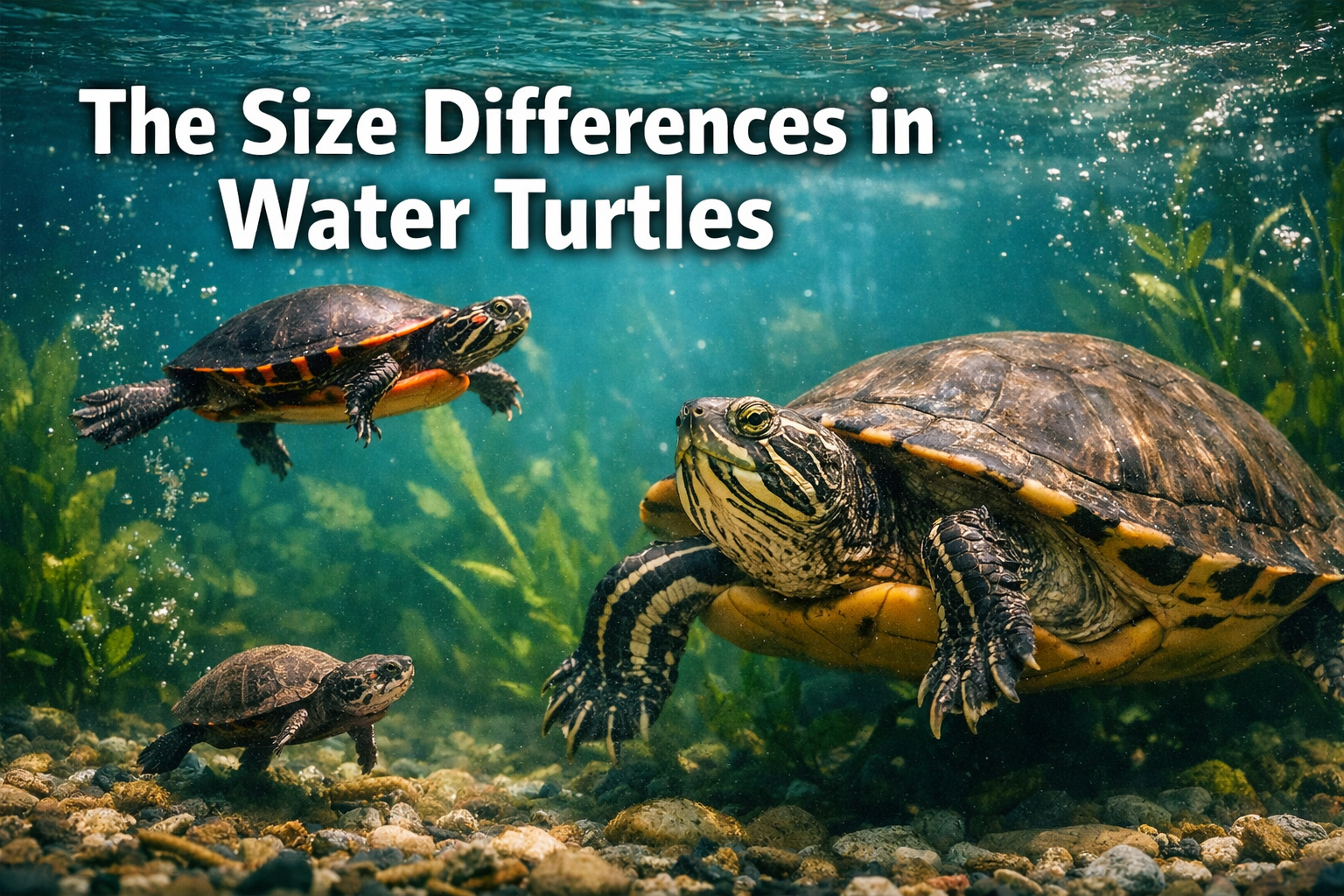
Picture this: you’re standing in front of an aquarium display, watching what appears to be a tiny pebble suddenly sprout legs and swim away, while nearby, a turtle the size of a dinner plate gracefully glides through the water. Welcome to the fascinating world of aquatic turtles, where the size differences in water turtles can be absolutely mind-blowing! 🐢
From diminutive species that could comfortably sit in your palm to impressive giants that require substantial aquatic habitats, aquatic turtles showcase nature’s incredible diversity in size and scale. Understanding these size variations is crucial for anyone interested in keeping an aquatic turtle, as it directly impacts habitat requirements, care needs, and long-term commitment.
- Display 9 Products per page

Key Takeaways
• Size ranges dramatically: Aquatic turtles range from tiny 3-4 inch species like common musk turtles to giants exceeding 20 inches like alligator snapping turtles
• Size determines care requirements: Larger species need significantly more space, filtration, and specialized equipment
• Growth continues throughout life: Most aquatic turtles grow continuously, with some species doubling in size from juvenile to adult
• Species selection matters: Choosing the right size species for your setup prevents overcrowding and ensures proper care
• Legal considerations apply: Turtles under 4 inches are regulated and sold for research purposes only, not as pets
Understanding Aquatic Turtle Size Classifications
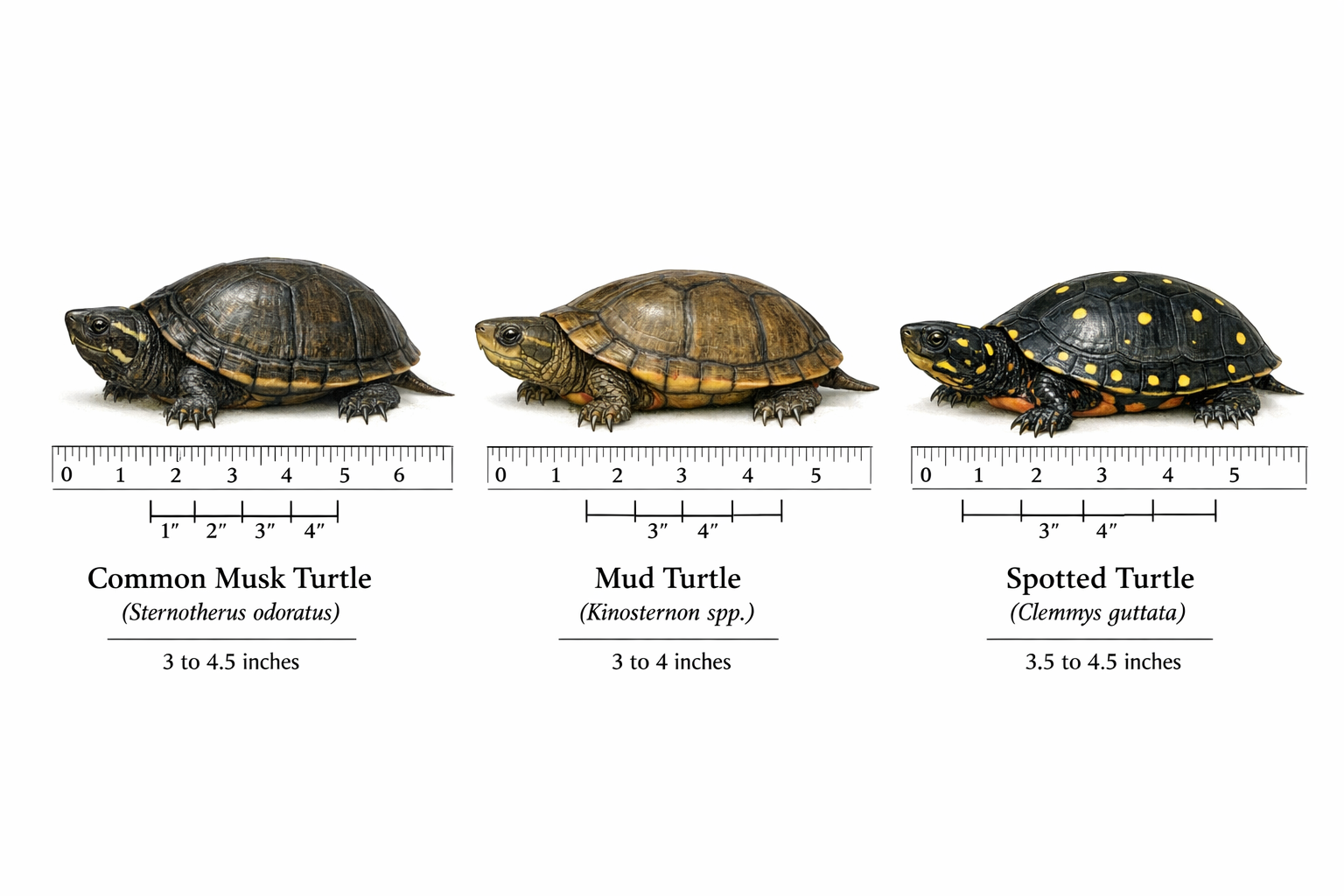
When discussing the size differences in water turtles, it’s helpful to categorize these remarkable reptiles into distinct size groups. This classification system helps potential keepers understand what they’re committing to when selecting an aquatic turtle species.
Small Aquatic Turtles (3-6 inches)
The smallest aquatic turtle species are perfect examples of how nature packs incredible complexity into compact forms. These diminutive species typically reach adult sizes between 3-6 inches in shell length, making them some of the most space-efficient aquatic reptiles available.
Common Musk Turtle (Sternotherus odoratus)
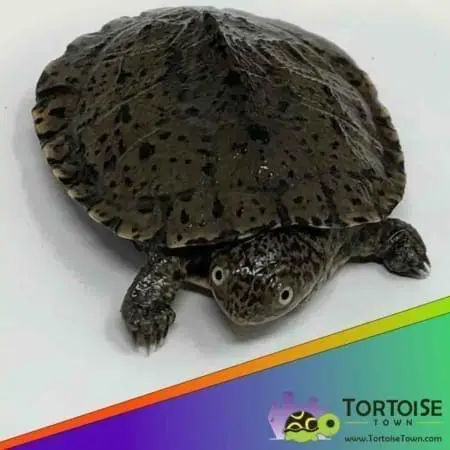
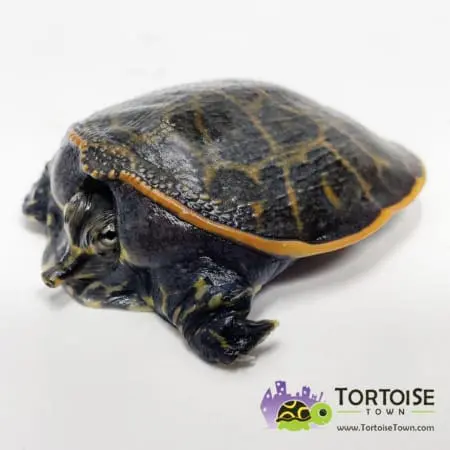
Also known as the “stinkpot,” the common musk turtle represents one of the smallest aquatic turtle species available. Adult males typically reach 3-4 inches, while females may grow slightly larger at 4-5 inches. Their compact size makes them incredibly popular among aquatic turtle enthusiasts with limited space.
Mud Turtles (Kinosternon species)
Various mud turtle species fall into this size category, with most reaching 4-5 inches at maturity. Eastern mud turtles, yellow mud turtles, and striped mud turtles all maintain relatively small adult sizes while offering fascinating behavioral characteristics.
Spotted Turtle (Clemmys guttata)
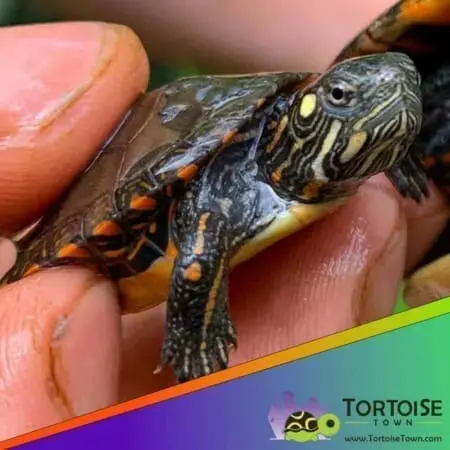
These beautifully marked turtles typically reach 4-5 inches in length. Their distinctive yellow spots against a dark shell make them highly sought after, though they require specialized care and are becoming increasingly rare in the wild.
The care requirements for small aquatic turtle species are often underestimated. While their size might suggest minimal space needs, these turtles still require proper filtration, heating, and adequate swimming space. A minimum 40-gallon tank is recommended for most small species, with larger setups providing better water quality and behavioral opportunities.
Medium Aquatic Turtles (6-10 inches)
Medium-sized aquatic turtles represent the sweet spot for many turtle keepers. The size differences in water turtles become more apparent in this category, as species range from modest 6-inch specimens to robust 10-inch adults.
Painted Turtles (Chrysemys picta)
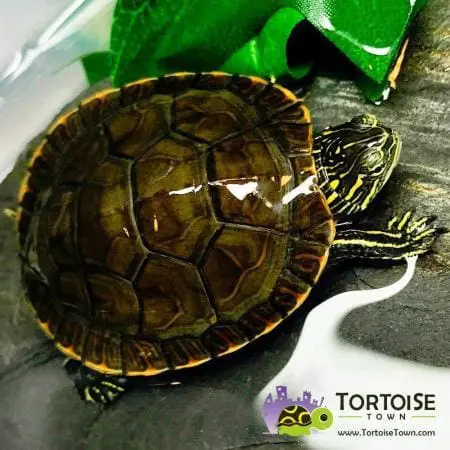
Perhaps the most recognizable medium-sized aquatic turtle, painted turtles typically reach 6-8 inches in length. Eastern painted turtles tend toward the larger end of this range, while western painted turtles often stay smaller. Their vibrant shell markings and active swimming behavior make them excellent display species.
For those interested in these colorful turtles, painted turtles for sale are available from reputable breeders who specialize in captive-bred specimens.
Red-Eared Slider (Trachemys scripta elegans)
One of the most popular aquatic turtle species, red-eared sliders typically reach 8-10 inches, with females growing larger than males. Their hardy nature and adaptability have made them a staple in the aquatic turtle community, though their eventual size often surprises new keepers.
Map Turtles (Graptemys species)
Various map turtle species fall into this size range, with significant sexual dimorphism. Males often stay around 4-6 inches, while females can reach 8-10 inches. Northern map turtles, false map turtles, and Mississippi map turtles all display this size variation.
Box Turtles (Terrapene species)
While primarily terrestrial, many box turtle species are semi-aquatic and reach 6-8 inches in length. Three-toed box turtles, ornate box turtles, and eastern box turtles all fall into this medium size category.
Medium-sized species require more substantial habitats than their smaller cousins. A minimum 75-gallon tank is recommended for most medium species, with 100+ gallons providing optimal space for swimming and behavioral expression. The increased size also means more powerful filtration systems and larger heating elements are necessary.
Large Aquatic Turtles (10+ inches)
The largest aquatic turtle species showcase the size differences in water turtles most dramatically. These impressive reptiles can reach lengths exceeding 20 inches and weights of 50+ pounds, requiring specialized care and substantial commitments from their keepers.
River Cooters (Pseudemys concinna)
River cooters represent one of the larger commonly available aquatic turtle species. Adults typically reach 12-16 inches, with some exceptional specimens growing even larger. Their robust build and active swimming behavior make them impressive display animals for those with adequate space.
Softshell Turtles (Apalone species)
Spiny softshell turtles and smooth softshell turtles can reach impressive sizes, with females often exceeding 15 inches in diameter. Their unique leathery shells and elongated necks make them fascinating species, though they require specialized care and handling.
Snapping Turtles (Chelydra serpentina)
Common snapping turtles represent the largest commonly encountered aquatic turtle species in North America. Adults regularly exceed 18 inches in shell length and can weigh 35+ pounds. Their powerful jaws and aggressive nature make them suitable only for experienced keepers with appropriate facilities.
Alligator Snapping Turtle (Macrochelys temminckii)
The largest freshwater turtle species in North America, alligator snapping turtles can exceed 20 inches and weigh over 100 pounds. These prehistoric-looking giants require massive aquatic setups and specialized care protocols.
Large aquatic turtle species demand serious habitat commitments. Minimum tank sizes start at 150 gallons for smaller large species, with the biggest specimens requiring 300+ gallon systems or custom-built enclosures. The filtration requirements alone can be substantial, often requiring multiple filters or commercial-grade systems.
Factors Influencing Size Variations in Aquatic Turtles
The size differences in water turtles aren’t random occurrences but result from complex evolutionary and environmental factors. Understanding these influences helps explain why aquatic turtle species display such remarkable size diversity.
Evolutionary Adaptations
Different aquatic turtle species evolved in various ecological niches, leading to size adaptations that optimize survival in specific environments. Small species like musk turtles evolved to exploit shallow water habitats and small prey items, while large species like snapping turtles developed size advantages for capturing larger prey and defending territories.
Metabolic Efficiency
Smaller turtle species often display higher metabolic rates relative to their body size, allowing them to remain active in cooler water temperatures and exploit food sources unavailable to larger species. Conversely, larger species benefit from thermal inertia, maintaining stable body temperatures in fluctuating aquatic environments.
Predator-Prey Relationships
Size serves as both protection from predators and advantage in capturing prey. Small turtle species rely on cryptic behavior and hiding abilities, while large species use size as intimidation and defensive capability.
Sexual Dimorphism
Many aquatic turtle species display significant sexual dimorphism, with females typically growing larger than males. This size difference serves reproductive purposes, as larger females can produce more eggs and provide better protection for developing young.
Size Ratios
In some species like map turtles, females can be twice the size of males. Red-eared slider females typically reach 10-12 inches, while males often stay around 6-8 inches. This dimorphism means that sex determination significantly impacts the eventual size of individual turtles.
Environmental Factors
Captive care conditions can significantly influence the ultimate size reached by aquatic turtles. Proper nutrition, adequate space, and optimal water conditions promote healthy growth, while poor conditions can stunt development.
Nutrition Impact
High-quality diets with appropriate protein levels support optimal growth rates. Overfeeding can lead to rapid growth and health problems, while underfeeding stunts development. Balanced nutrition is crucial for reaching species-typical adult sizes.
Space Requirements
Adequate swimming space promotes natural behavior and healthy development. Cramped conditions can inhibit growth and lead to behavioral problems. The “bowl effect” where turtles remain small due to limited space is a myth, but inadequate conditions certainly impact health and development.
Practical Implications of Turtle Size Differences
Understanding the size differences in water turtles has significant practical implications for anyone considering keeping an aquatic turtle. Size directly impacts every aspect of care, from initial setup costs to long-term maintenance requirements.
Habitat Requirements by Size Category
Small Species Habitats
Small aquatic turtle species require minimum 40-gallon tanks, though 55-75 gallons provides better water quality and swimming space. The filtration needs are moderate, with canister filters or powerful hang-on-back filters typically sufficient. Heating requirements include basking lights and submersible heaters appropriate for the tank size.
Medium Species Habitats
Medium-sized species need minimum 75-gallon tanks, with 100+ gallons strongly recommended. Filtration becomes more critical due to higher bioload, often requiring oversized filters or multiple filtration systems. Basking areas must accommodate larger turtles, and heating systems need more power to maintain proper temperatures.
Large Species Habitats
Large aquatic turtle species require substantial commitments. Minimum tank sizes start at 150 gallons, with many species needing 300+ gallon systems. Commercial-grade filtration may be necessary, and heating costs increase significantly. Some keepers opt for indoor ponds or custom-built enclosures.
Long-term Cost Considerations
The initial size of a juvenile turtle rarely reflects its adult requirements. A baby red-eared slider might seem perfect for a 20-gallon tank, but within a few years, it will require a 100+ gallon setup with corresponding increases in filtration, heating, and maintenance costs.
Equipment Scaling
As turtles grow, equipment must be upgraded. Filters rated for small tanks become inadequate, basking platforms need replacement, and heating systems require more power. These ongoing upgrade costs can exceed the initial setup investment.
Food Requirements
Larger turtle species consume significantly more food, with adult snapping turtles eating several times more than small musk turtles. Food costs scale roughly with turtle size, making large species considerably more expensive to maintain.
Space Planning
Many turtle keepers underestimate the space requirements for adult specimens. The size differences in water turtles mean that species selection must consider available space both currently and in the future.
Indoor Considerations
Large aquatic turtle setups can dominate living spaces. A 300-gallon turtle tank with filtration, lighting, and heating equipment requires substantial floor space and structural support. Weight becomes a significant factor, as large tanks can exceed the load capacity of standard floors.
Outdoor Options
Some large species are better suited to outdoor pond systems in appropriate climates. Outdoor setups can provide more space at lower costs but require consideration of local weather, predators, and regulations.
For those interested in exploring aquatic turtle options, Tortoise Town offers a comprehensive selection of captive-bred specimens with detailed care information for each species.
Species-Specific Size Profiles
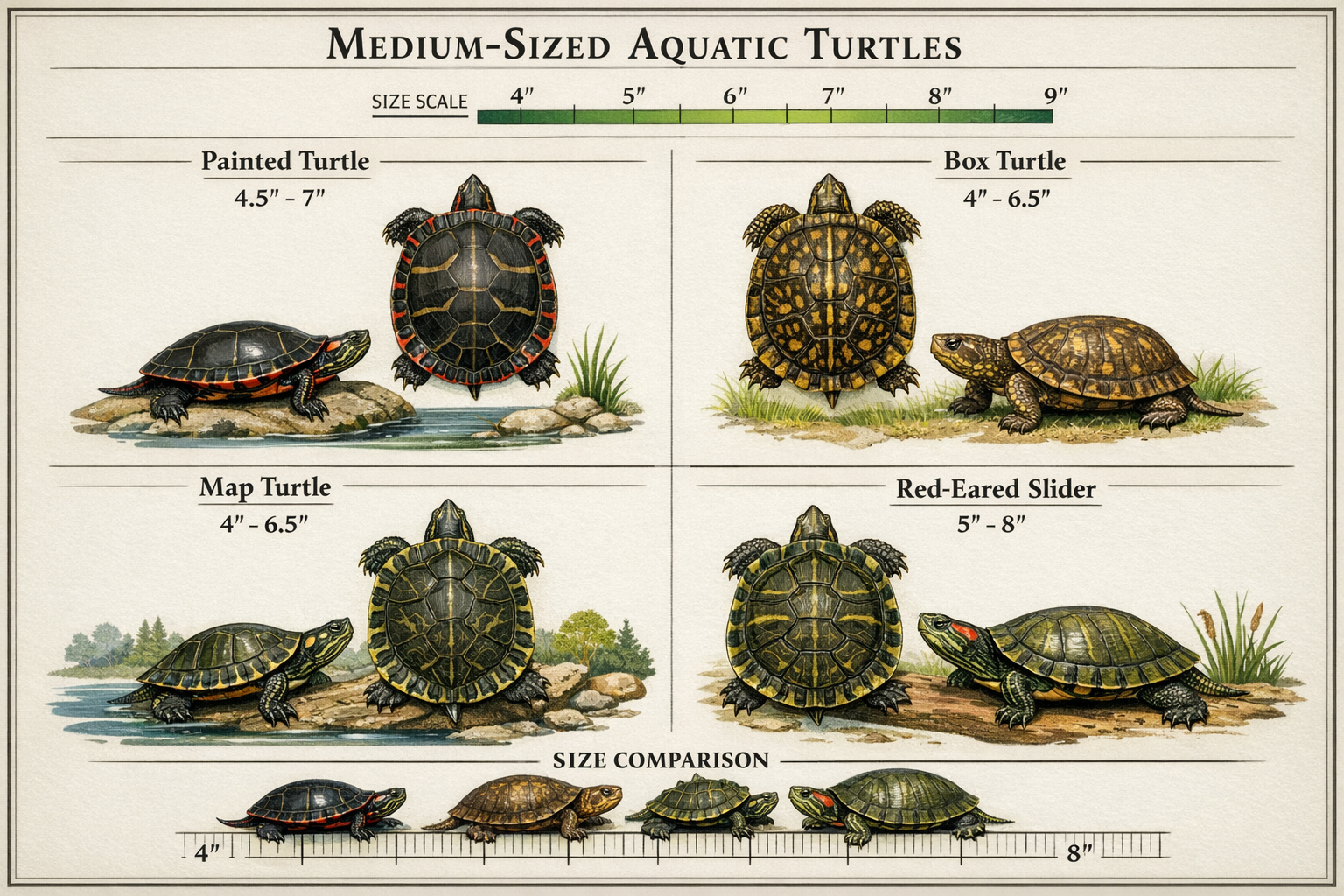
To truly appreciate the size differences in water turtles, examining specific species provides concrete examples of the incredible diversity within aquatic turtle families. Each species has evolved unique size characteristics that reflect their ecological niche and evolutionary history.
Detailed Size Analysis by Popular Species
Eastern Painted Turtle (Chrysemys picta picta)
Adult size: 5-7 inches
Sexual dimorphism: Minimal, with females slightly larger
Growth rate: Moderate, reaching adult size in 4-6 years
Notable characteristics: Compact build with vibrant shell markings
The eastern painted turtle represents an ideal medium-sized species for many aquatic turtle enthusiasts. Their manageable adult size combined with hardy nature makes them excellent candidates for indoor aquatic setups. Red-eared slider habitat requirements are similar, making care information transferable between related species.
Western Painted Turtle (Chrysemys picta bellii)
Adult size: 6-8 inches
Sexual dimorphism: Females noticeably larger
Growth rate: Steady growth over 5-7 years
Notable characteristics: Largest painted turtle subspecies
Red-Eared Slider (Trachemys scripta elegans)
Adult size: 8-12 inches (females larger)
Sexual dimorphism: Significant, females 25-50% larger
Growth rate: Rapid initial growth, slowing after 3-4 years
Notable characteristics: Hardy and adaptable
Red-eared sliders demonstrate dramatic sexual dimorphism in size. Males typically plateau around 6-8 inches, while females can exceed 12 inches. This size difference has significant implications for habitat planning, as tanks sized for male specimens become inadequate for females.
Northern Map Turtle (Graptemys geographica)
Adult size: Males 4-6 inches, females 8-12 inches
Sexual dimorphism: Extreme, females twice male size
Growth rate: Females continue growing for many years
Notable characteristics: Pronounced size difference between sexes
Common Musk Turtle (Sternotherus odoratus)
Adult size: 3-5 inches
Sexual dimorphism: Minimal
Growth rate: Slow, reaching adult size in 3-5 years
Notable characteristics: One of the smallest aquatic turtle species
Spiny Softshell Turtle (Apalone spinifera)
Adult size: Males 6-9 inches, females 12-18 inches
Sexual dimorphism: Females significantly larger
Growth rate: Rapid growth in optimal conditions
Notable characteristics: Leathery shell, excellent swimmers
River Cooter (Pseudemys concinna)
Adult size: 10-16 inches
Sexual dimorphism: Moderate, females larger
Growth rate: Steady growth over many years
Notable characteristics: Large, active swimmers
Common Snapping Turtle (Chelydra serpentina)
Adult size: 12-20+ inches
Sexual dimorphism: Moderate
Growth rate: Continuous slow growth throughout life
Notable characteristics: Powerful jaws, aggressive nature
Growth Patterns and Timing
Understanding growth patterns helps predict when size-related habitat upgrades will be necessary. Most aquatic turtle species display rapid growth during their first few years, followed by slower but continuous growth throughout their lives.
Juvenile Growth Rates
Young aquatic turtles often double or triple in size during their first year under optimal conditions. This rapid growth requires frequent monitoring and potential habitat adjustments. Proper nutrition during this phase is crucial for healthy development.
Adult Growth Continuation
Unlike many reptiles, most turtle species continue growing throughout their lives, though the rate slows significantly after reaching sexual maturity. This means that “adult” sizes are approximate, and exceptional specimens may exceed typical size ranges.
Factors Affecting Growth
Temperature, nutrition, and habitat quality all influence growth rates. Optimal conditions promote healthy growth, while poor conditions can stunt development or cause health problems. Consistent care is essential for proper development.
Choosing the Right Size Species for Your Setup
Selecting an appropriate aquatic turtle species requires honest assessment of available space, resources, and long-term commitment. The size differences in water turtles mean that species choice significantly impacts the success of any aquatic turtle keeping endeavor.
Matching Species to Available Space
Small Setup Considerations (40-75 gallons)
Small aquatic turtle species like common musk turtles or mud turtles work well in compact setups. These species provide full behavioral expression in smaller spaces while maintaining manageable care requirements. However, even small species benefit from larger habitats when space permits.
Medium Setup Planning (75-150 gallons)
Medium-sized species like painted turtles or small map turtles thrive in these setups. The additional space allows for more natural behaviors and easier water quality maintenance. Multiple small species can sometimes be housed together in larger medium setups.
Large Setup Requirements (150+ gallons)
Large species require substantial commitments but offer impressive display potential. River cooters, large map turtle females, and softshell turtles need these spacious environments to thrive. The investment in equipment and space is significant but rewarding for dedicated keepers.
Beginner-Friendly Size Categories
New aquatic turtle keepers often benefit from starting with medium-sized species that offer manageable care requirements while still providing engaging behaviors. Species in the 6-8 inch range typically offer the best balance of manageable size and interesting characteristics.
Recommended Starter Species
- Eastern painted turtle (6-7 inches)
- Male red-eared slider (6-8 inches)
- Common musk turtle (4-5 inches)
- Male map turtle (4-6 inches)
These species offer relatively predictable adult sizes, established care protocols, and forgiving nature that accommodates learning curves in aquatic turtle husbandry.
Advanced Keeper Considerations
Experienced aquatic turtle enthusiasts often gravitate toward larger species that offer unique challenges and impressive presence. Large species require advanced filtration knowledge, substantial space commitments, and often specialized handling techniques.
Large Species Considerations
- Substantial initial and ongoing costs
- Advanced filtration requirements
- Potential for aggressive behavior
- Long-term size commitments
- Specialized handling needs
For those ready for these challenges, large aquatic turtle species provide unmatched presence and fascinating behaviors that justify the additional requirements.
When selecting any aquatic turtle species, consulting with experienced breeders provides valuable insights into species-specific requirements and growth expectations. Tortoise Town specializes in captive-bred aquatic turtles and provides comprehensive care information for each species offered.
🐢 Interactive Aquatic Turtle Size Comparison
Breeding and Size Considerations
When discussing the size differences in water turtles, breeding considerations play a crucial role in understanding how size variations develop and perpetuate within species. Professional breeding operations like those at Tortoise Town carefully manage breeding programs to maintain healthy size standards while preserving genetic diversity.
Size-Related Breeding Factors
Sexual Maturity and Size
Most aquatic turtle species reach sexual maturity based on size rather than age alone. Female turtles typically need to reach larger sizes before becoming reproductively active, which explains why females grow larger in most species. This size-dependent maturity ensures that females can successfully produce and incubate eggs.
Breeding Season Timing
Larger turtle species often have longer breeding seasons and can produce multiple clutches per year. Their increased body mass allows for greater energy storage, supporting extended reproductive periods. Smaller species may have shorter, more concentrated breeding seasons due to energy limitations.
Egg Production and Size
Larger female turtles generally produce more eggs per clutch and can have multiple clutches per season. The relationship between female size and reproductive output is particularly pronounced in species with extreme sexual dimorphism, such as map turtles where females can be twice the size of males.
Captive Breeding Size Management
Professional breeders must carefully manage nutrition and environmental conditions to ensure proper growth rates in breeding stock. Rapid growth from overfeeding can lead to health problems, while stunted growth from poor conditions reduces reproductive success.
Optimal Growth Rates
Breeding programs aim for steady, consistent growth that mirrors natural development patterns. This approach produces healthier adults with better reproductive success than rapid-growth protocols that prioritize size over health.
Size Selection in Breeding Programs
Responsible breeders select breeding stock that represents healthy size ranges for each species. Extremely large or small individuals may carry genetic factors that could impact offspring health, so moderate-sized, healthy adults typically form the foundation of breeding programs.
For those interested in acquiring breeding-quality specimens, turtles for sale from established breeding programs offer the best foundation for future breeding projects.
Health Implications of Size Differences
The size differences in water turtles have significant health implications that affect care protocols, veterinary needs, and long-term wellness planning. Understanding these size-related health factors helps ensure optimal care for aquatic turtle species across the size spectrum.
Size-Specific Health Challenges
Small Species Health Considerations
Smaller aquatic turtle species face unique health challenges related to their size. Their higher surface area to volume ratio makes them more susceptible to temperature fluctuations and water quality changes. Small species also have faster metabolisms, requiring more frequent feeding and closer monitoring of body condition.
Metabolic Rate Differences
Small turtles typically have higher metabolic rates per unit of body weight, meaning they process food faster and require more frequent meals. This increased metabolism also means they’re more sensitive to environmental changes and may show signs of illness more quickly than larger species.
Injury Vulnerability
Smaller turtle species are more vulnerable to certain types of injuries, particularly from tank decorations or aggressive tank mates. Their delicate size requires careful habitat design and gentle handling protocols.
Medium Species Health Balance
Medium-sized aquatic turtle species often represent the optimal balance between hardiness and manageability. Their size provides some resilience against environmental fluctuations while remaining manageable for routine care and veterinary procedures.
Large Species Health Challenges
Large aquatic turtle species face different health challenges related to their size and longevity. Their slower metabolisms can mask early signs of illness, and their size can complicate veterinary procedures and treatment options.
Weight Management
Large turtle species are prone to obesity in captivity, particularly when provided with unlimited food and limited swimming space. Maintaining proper body condition becomes increasingly important as turtle size increases.
Veterinary Considerations
Finding veterinarians experienced with large aquatic turtle species can be challenging. Their size may require specialized equipment for examinations and treatments, and anesthesia protocols differ significantly from those used for smaller species.
Preventive Care by Size Category
Small Species Preventive Care
- More frequent health monitoring due to rapid metabolism
- Careful temperature and water quality control
- Gentle handling protocols to prevent injury
- Regular weight monitoring to detect changes quickly
Medium Species Preventive Care
- Balanced monitoring schedule appropriate for metabolic rate
- Standard water quality and temperature protocols
- Regular health assessments with experienced veterinarians
- Appropriate exercise and environmental enrichment
Large Species Preventive Care
- Long-term health planning due to extended lifespans
- Weight management and exercise protocols
- Specialized veterinary care with large species experience
- Advanced filtration and water quality management
Professional breeders like those at Tortoise Town provide detailed health information and care protocols specific to each species size category, helping new keepers understand the unique requirements of their chosen species.
Environmental Requirements Across Size Categories
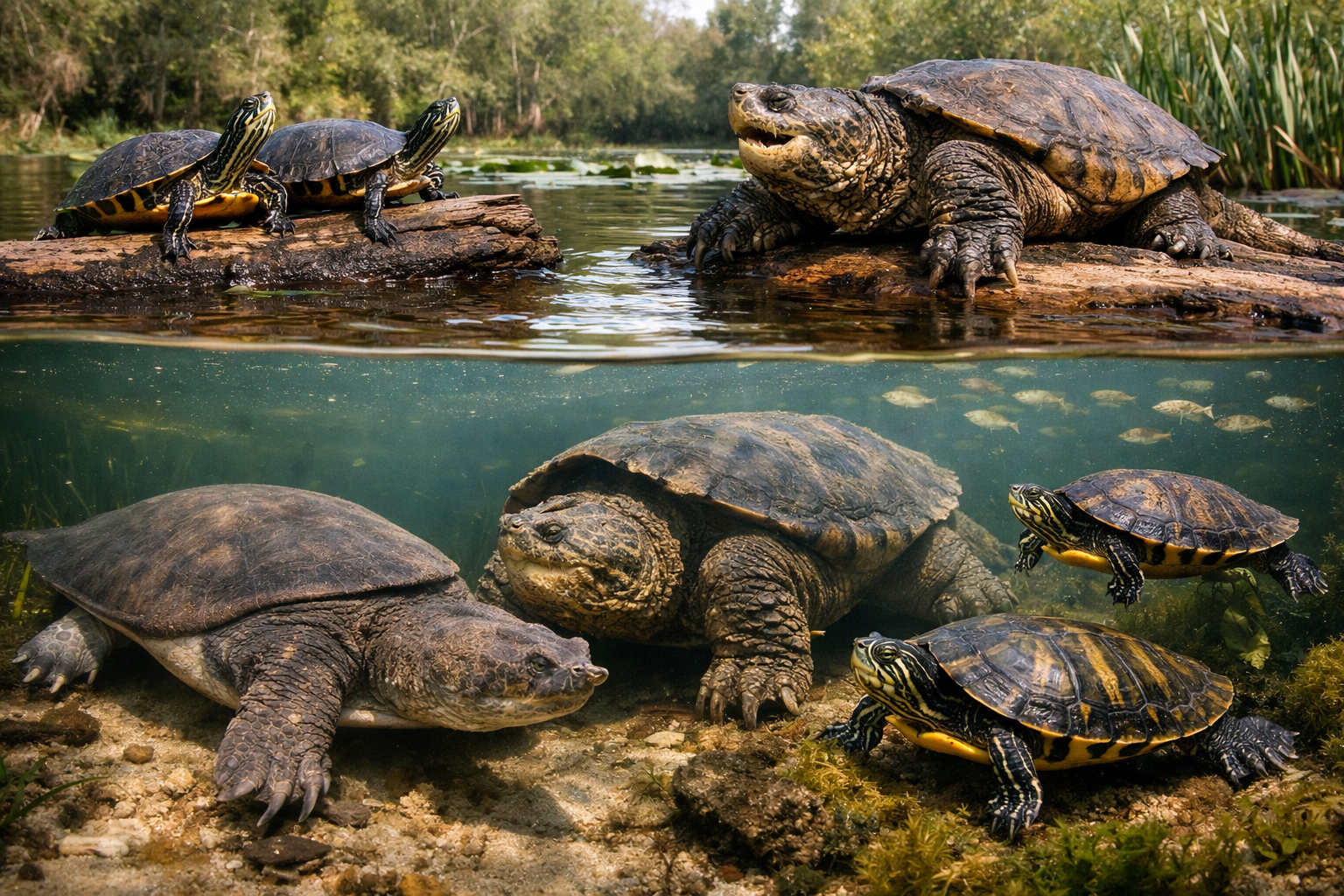
Understanding how the size differences in water turtles translate into environmental requirements is crucial for successful long-term care. Each size category demands specific habitat considerations that scale with turtle size and behavioral needs.
Water Quality Management by Size
Small Species Water Quality
Small aquatic turtle species require pristine water quality due to their higher metabolic rates and increased sensitivity to environmental changes. Their smaller bioload allows for effective filtration with appropriately sized equipment, but water changes must be more frequent to maintain optimal conditions.
Filtration Scaling
Small species benefit from gentle filtration that doesn’t create excessive current while still providing adequate biological and mechanical filtration. Sponge filters or small canister filters often work well for these species.
Medium Species Water Quality
Medium-sized species require robust filtration systems capable of handling increased bioloads while maintaining stable water parameters. The larger tank volumes typically associated with these species help buffer water quality changes.
Large Species Water Quality
Large aquatic turtle species present significant water quality challenges due to their substantial bioloads and feeding requirements. Commercial-grade filtration systems or multiple filter setups are often necessary to maintain appropriate water conditions.
Temperature and Lighting Requirements
Thermoregulation Across Sizes
Different sized turtle species have varying thermoregulation needs based on their surface area to volume ratios and natural habitats. Small species often require more precise temperature control, while large species benefit from thermal gradients that allow behavioral thermoregulation.
Basking Requirements
Basking area size and heating capacity must scale with turtle size. Large species require substantial basking platforms capable of supporting their weight, along with powerful heating elements to maintain proper basking temperatures.
UVB Lighting Considerations
All aquatic turtle species require appropriate UVB lighting for calcium metabolism and shell health. Larger species may need multiple UVB fixtures or higher-output bulbs to ensure adequate coverage across larger tank areas.
For detailed habitat setup information, resources on red-eared slider tank requirements provide excellent examples that can be adapted for similarly sized species.
Feeding Protocols for Different Sized Species
The size differences in water turtles directly impact feeding requirements, from food types and quantities to feeding frequencies and nutritional needs. Developing appropriate feeding protocols for each size category ensures optimal health and growth.
Small Species Feeding Protocols
Small aquatic turtle species require frequent feeding due to their higher metabolic rates. Their small mouth size limits food options, requiring appropriately sized pellets and finely chopped fresh foods.
Feeding Frequency
Young small species may require daily feeding, while adults can often be fed every other day. The key is monitoring body condition and adjusting frequency based on individual needs and activity levels.
Food Types
Small turtle species benefit from high-quality commercial pellets sized appropriately for their mouth size. Fresh foods should be chopped into small pieces to prevent choking and facilitate consumption.
Medium Species Feeding Protocols
Medium-sized species typically have more flexible feeding requirements, accepting a wider variety of food types and sizes. Their moderate metabolic rates allow for less frequent feeding while still maintaining optimal body condition.
Balanced Nutrition
Medium species often thrive on varied diets combining commercial pellets, fresh vegetables, and occasional protein sources. The variety helps ensure complete nutrition while providing behavioral enrichment.
Portion Control
Medium-sized species are prone to overeating in captivity, making portion control important for maintaining healthy body weight. Feeding amounts should be adjusted based on activity level and body condition.
Large Species Feeding Protocols
Large aquatic turtle species have substantial nutritional needs but slower metabolisms that allow for less frequent feeding. Their size allows them to consume larger food items and greater quantities per feeding.
Feeding Schedule
Adult large species may only require feeding 2-3 times per week, though growing juveniles need more frequent meals. The reduced feeding frequency helps prevent obesity while meeting nutritional needs.
Food Variety
Large species can consume whole fish, larger vegetables, and substantial quantities of commercial pellets. This variety helps meet their nutritional needs while providing natural foraging behaviors.
Professional breeders provide species-specific feeding guidelines that account for size differences and metabolic requirements. Water turtles for sale from reputable sources come with detailed feeding protocols tailored to each species’ needs.
Legal and Ethical Considerations
When discussing the size differences in water turtles, it’s important to address the legal and ethical considerations surrounding turtle keeping, particularly regarding size restrictions and regulations.
Federal Size Regulations
The FDA prohibits the sale of turtles under 4 inches in shell length except for scientific, educational, or exhibition purposes. This regulation, known as the “4-inch rule,” was implemented to reduce the risk of Salmonella transmission to children.
Scientific and Educational Purposes
Turtles under 4 inches may be sold for legitimate scientific research, educational programs, or public exhibitions. These sales require proper documentation and compliance with federal regulations.
Compliance Requirements
Reputable dealers like Tortoise Town strictly comply with federal regulations, ensuring all sales meet legal requirements and proper documentation standards.
State and Local Regulations
Many states have additional regulations regarding turtle keeping, including permit requirements, species restrictions, and facility standards. These regulations often vary based on turtle size and species origin.
Permit Requirements
Some states require permits for keeping certain turtle species, particularly larger species or those with conservation concerns. Checking local regulations before acquiring any turtle species is essential for legal compliance.
Species-Specific Restrictions
Certain turtle species may be prohibited or restricted in specific states, regardless of size. Native species often have additional protections that limit or prohibit private keeping.
Ethical Considerations
Beyond legal requirements, ethical considerations include providing appropriate long-term care, understanding size-related commitments, and supporting conservation efforts through responsible keeping practices.
Long-term Commitment
The significant size differences between juvenile and adult turtles represent long-term commitments that potential keepers must understand and accept. Acquiring a small turtle without planning for its adult size is ethically problematic.
Conservation Support
Choosing captive-bred specimens over wild-caught animals supports conservation efforts while ensuring healthier, better-adapted animals for captive keeping.
Future Trends in Aquatic Turtle Keeping
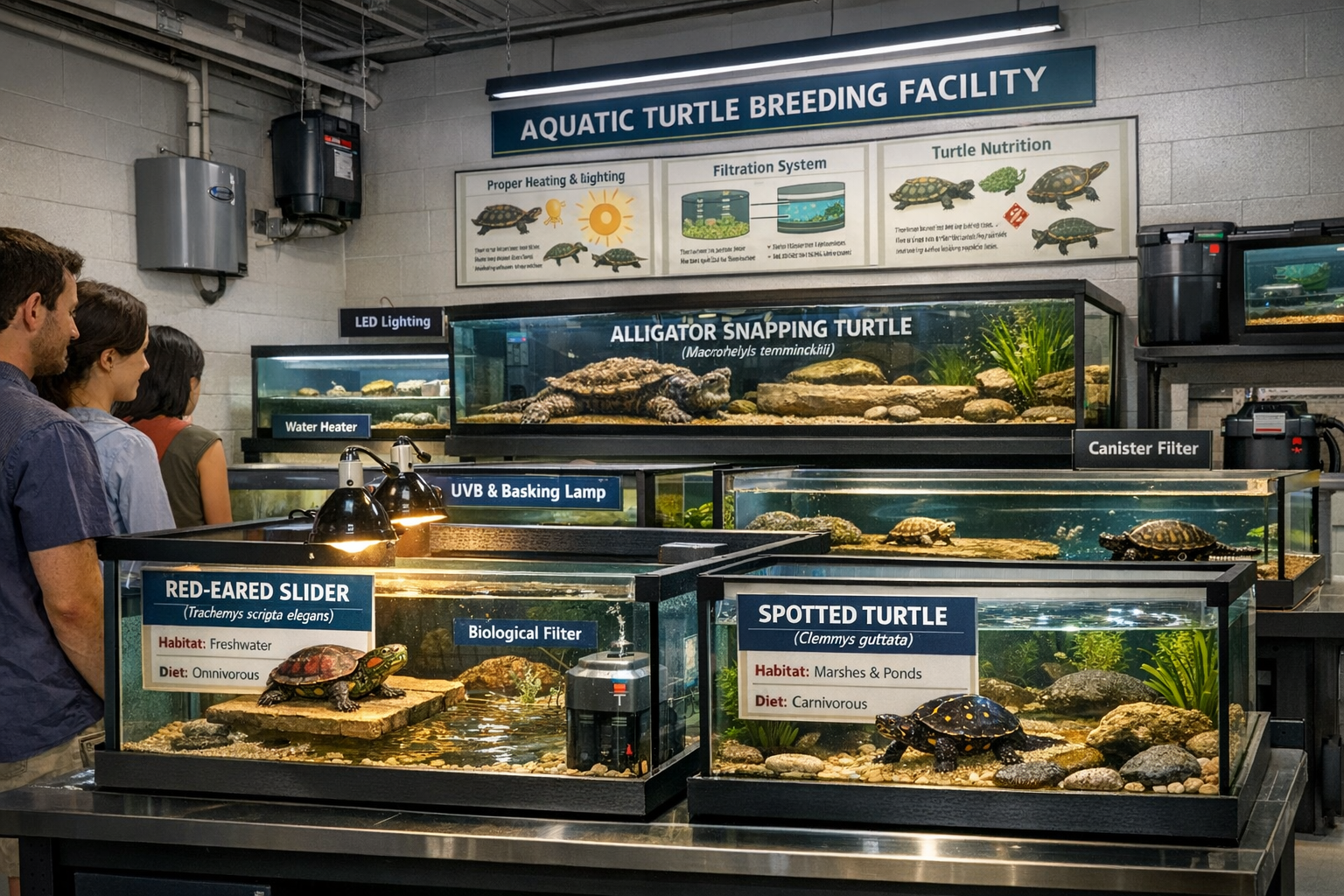
As we look toward the future of aquatic turtle keeping in 2026 and beyond, the size differences in water turtles continue to influence breeding programs, habitat design, and care protocols. Several trends are emerging that address the challenges and opportunities presented by turtle size diversity.
Advanced Habitat Technologies
New filtration technologies and habitat designs are making it easier to maintain large aquatic turtle species in captive environments. Automated water change systems, advanced biological filtration, and smart monitoring equipment help manage the substantial requirements of large species.
Smart Monitoring Systems
IoT devices and smartphone apps now allow remote monitoring of water quality, temperature, and other critical parameters. These systems are particularly valuable for large turtle setups where parameter stability is crucial.
Modular Habitat Design
Modular tank systems allow for easy expansion as turtles grow, addressing the challenge of upgrading habitats to accommodate size increases. These systems provide cost-effective solutions for managing growing turtle collections.
Breeding Program Advances
Professional breeding programs continue to refine their approaches to size management and genetic diversity. Advanced nutrition protocols and environmental management techniques produce healthier animals with optimal growth patterns.
Genetic Health Focus
Modern breeding programs emphasize genetic diversity and health over maximum size, producing more robust animals better suited for captive environments.
Specialized Size Lines
Some breeding programs are developing specialized lines within species that tend toward smaller adult sizes, making certain species more accessible to keepers with space limitations.
Educational Initiatives
Increased emphasis on education about turtle size requirements and long-term commitments helps ensure better matching between keepers and appropriate species. Educational programs highlight the importance of understanding adult size requirements before acquiring juvenile turtles.
Size Awareness Campaigns
Industry organizations and reputable dealers are promoting awareness of turtle size differences and their implications for long-term care success.
Care Protocol Standardization
Standardized care protocols specific to different size categories help ensure consistent, high-quality care across the aquatic turtle keeping community.
The future of aquatic turtle keeping looks bright, with advances in technology and understanding making it easier to provide appropriate care for species across the entire size spectrum. Turtle for sale offerings from professional breeders continue to improve, with better health screening, care information, and ongoing support for new keepers.
Conclusion
The size differences in water turtles represent one of the most fascinating aspects of aquatic turtle diversity, ranging from tiny 3-inch musk turtles to massive 20+ inch snapping turtles. Understanding these size variations is crucial for anyone considering keeping an aquatic turtle, as size directly impacts every aspect of care from habitat requirements to long-term costs.
Throughout this comprehensive guide, we’ve explored how size differences influence habitat needs, feeding protocols, health considerations, and legal requirements. Small species like common musk turtles offer manageable care requirements in compact setups, while large species like river cooters and snapping turtles provide impressive presence but require substantial commitments.
The key takeaways for prospective turtle keepers include:
- Plan for adult size: Always research and prepare for the full adult size of any species, not just the cute juvenile size
- Match species to space: Honestly assess available space and resources before selecting a species
- Understand long-term commitments: Larger species often live longer and require decades of appropriate care
- Consider growth patterns: Most turtles continue growing throughout their lives, requiring ongoing habitat adjustments
- Prioritize captive-bred specimens: Support conservation and get healthier animals from reputable breeders
For those ready to embark on the rewarding journey of aquatic turtle keeping, Tortoise Town stands as the premier source for captive-bred aquatic turtles in the United States. As the #1 aquatic turtle breeder, they offer comprehensive species selection with detailed care information and ongoing support.
Next Steps:
- Research thoroughly: Use the species profiles and size information in this guide to identify suitable species for your situation
- Prepare appropriate habitat: Set up habitat systems sized for adult specimens, not juveniles
- Connect with experts: Consult with experienced breeders and veterinarians familiar with your chosen species
- Plan long-term: Develop care protocols and support systems for decades of turtle keeping
- Stay informed: Continue learning about advances in turtle care and husbandry techniques
Remember that all turtles sold under 4 inches are for research and scientific purposes only and not sold as pets. This regulation ensures responsible turtle keeping while supporting legitimate scientific and educational endeavors.
The incredible diversity in aquatic turtle sizes offers something for every level of keeper, from beginners starting with small species to experienced enthusiasts managing impressive large species. By understanding and respecting these size differences, we can provide optimal care while enjoying the fascinating world of aquatic turtles.
References
[1] Ernst, C.H., & Lovich, J.E. (2009). Turtles of the United States and Canada. Johns Hopkins University Press.
[2] Gibbons, J.W., & Greene, J.L. (1990). Reproduction in the slider turtle. Life History and Ecology of the Slider Turtle, 124-134.
[3] Iverson, J.B. (1992). A Revised Checklist with Distribution Maps of the Turtles of the World. Richmond, IN: Privately printed.
[4] Pritchard, P.C.H. (1979). Encyclopedia of Turtles. T.F.H. Publications.
[5] Seigel, R.A., & Fitch, H.S. (1984). Ecological patterns of relative clutch mass in snakes. Oecologia, 61(3), 293-301.