
Hermann’s Tortoise: The Complete Care Guide for Europe’s Beloved Reptile
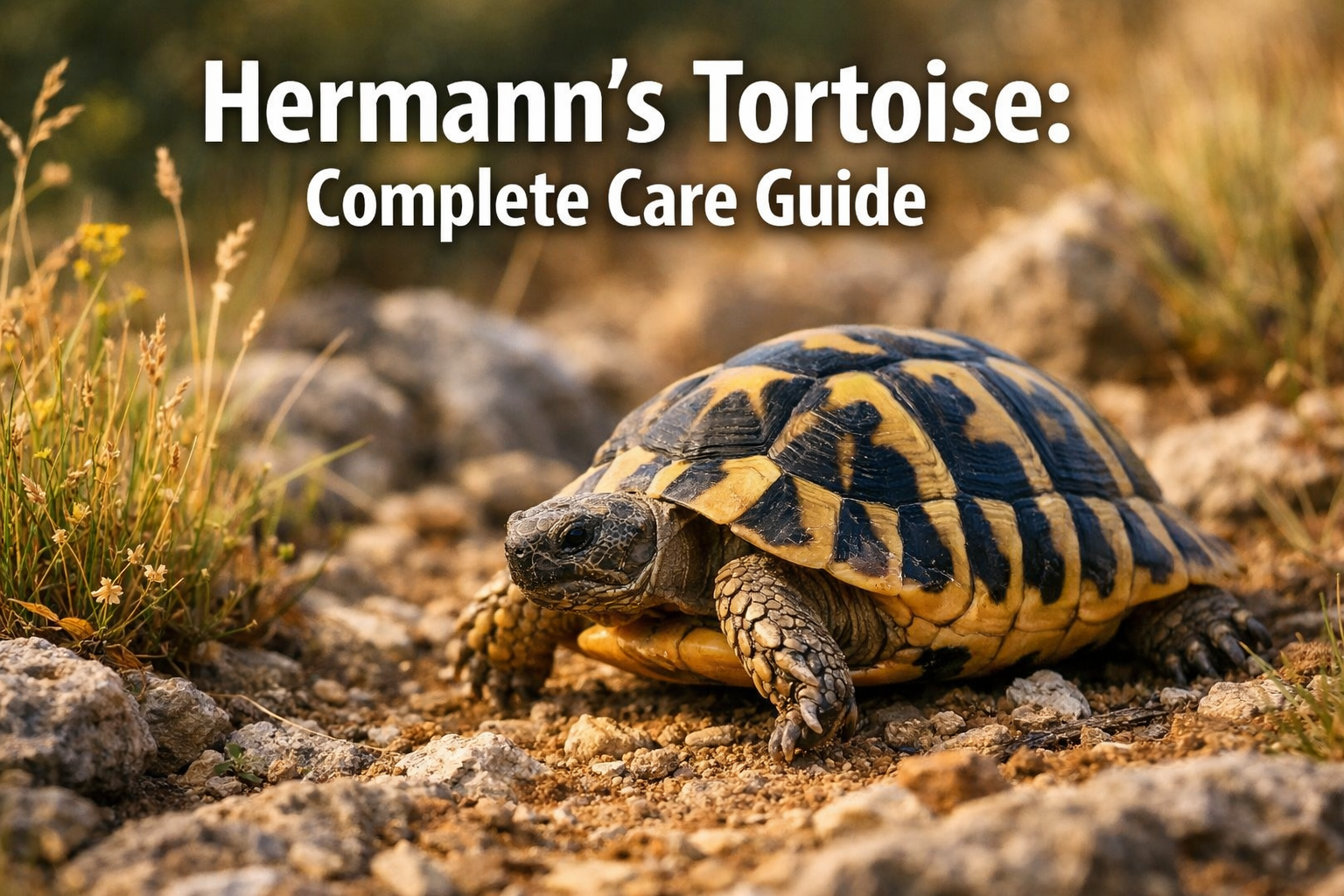
Picture this: you’re walking through the sun-drenched hills of the Mediterranean, and suddenly you spot a beautifully patterned shell moving slowly through the wild herbs and grasses. You’ve just encountered one of Europe’s most cherished reptiles – the Hermann’s tortoise. These remarkable creatures have captivated tortoise enthusiasts for generations, and it’s easy to see why. With their distinctive yellow and black shell markings, manageable size, and engaging personalities, Hermann’s tortoise represents the perfect introduction to the world of tortoise keeping.
As someone who has spent years working with various tortoise species, I can confidently say that Hermann’s tortoises offer an ideal balance of beauty, hardiness, and interactive behavior that makes them exceptional companions for both beginners and experienced keepers alike.
Key Takeaways
• Hermann’s tortoise comes in two main subspecies – Western and Eastern – each with distinct characteristics and care requirements
• These tortoises are perfectly sized for most homes, reaching 6-10 inches in length when fully grown
• They thrive in Mediterranean-style climates and can be kept both indoors and outdoors with proper setup
• A varied diet of grasses, weeds, and vegetables, combined with proper UVB lighting, ensures optimal health
• With proper care, Hermann’s tortoises can live 50-100+ years, making them true lifetime companions
Understanding Hermann’s Tortoise: Species Overview and Natural History
The Hermann’s tortoise (Testudo hermanni) stands as one of Europe’s most iconic reptile species, native to the Mediterranean regions of Italy, Greece, France, Spain, and the Balkans. Named after French naturalist Jean Hermann, these tortoises have roamed European landscapes for millions of years, developing remarkable adaptations that make them incredibly resilient and appealing to modern keepers.
Physical Characteristics and Subspecies
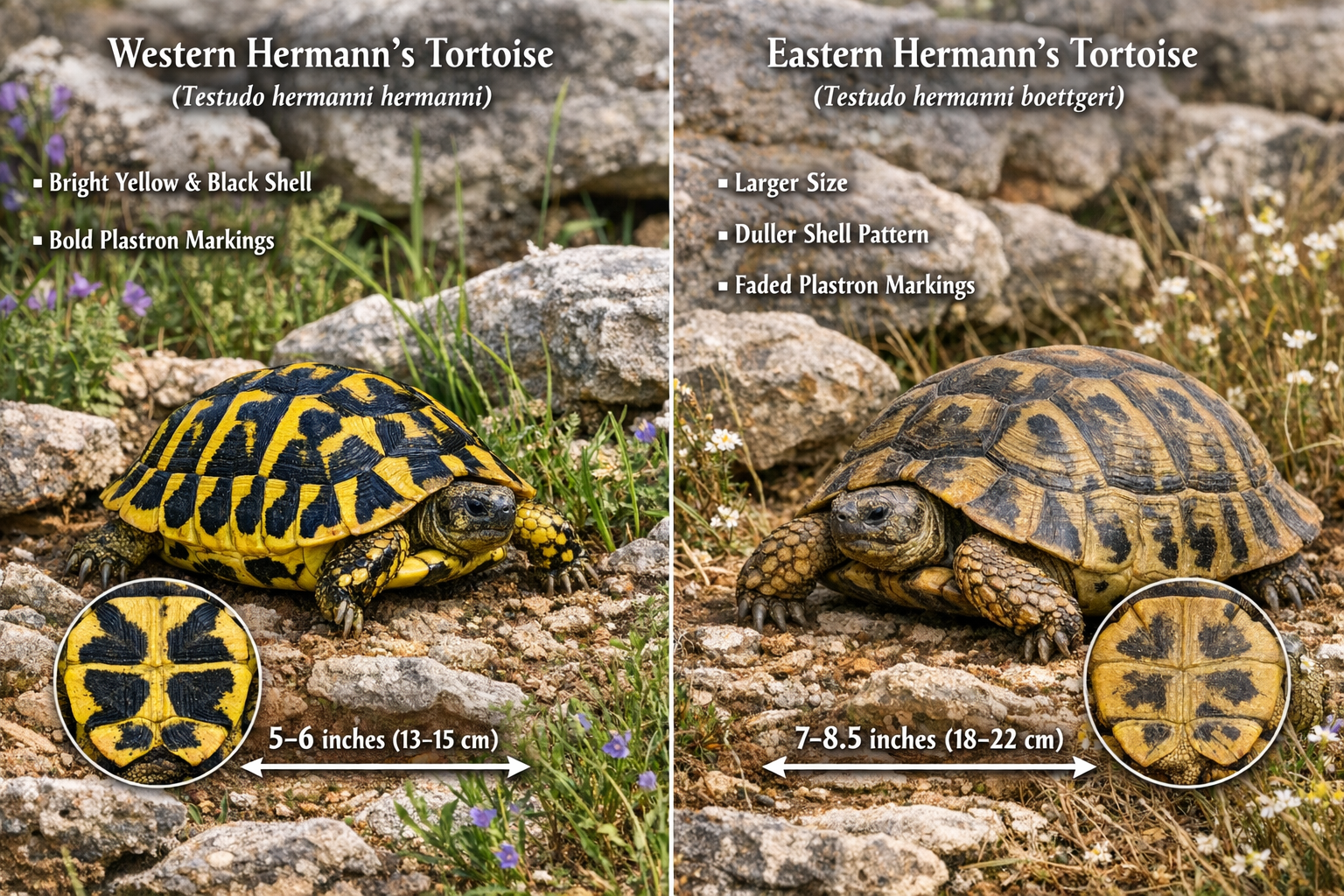
Hermann’s tortoises display stunning shell patterns that make each individual unique. The carapace (upper shell) features a distinctive yellow and black coloration, often described as resembling a work of art. The plastron (bottom shell) typically shows symmetrical black markings that can help identify individual tortoises.
There are two recognized subspecies of Hermann’s tortoise:
Western Hermann’s Tortoise (T. h. hermanni)
- Smaller size: 5-7 inches at maturity
- More vibrant yellow coloration
- Distinct black markings on plastron
- Native to Italy, France, Spain, and Corsica
Eastern Hermann’s Tortoise (T. h. boettgeri)
- Larger size: 7-10 inches at maturity
- More subdued coloration with brownish tones
- Different plastron marking patterns
- Native to the Balkans and Greece
Natural Habitat and Behavior
In the wild, Hermann’s tortoises inhabit oak woodlands, scrublands, and rocky hillsides where they’ve evolved to handle temperature fluctuations and seasonal changes. They’re naturally active during spring and fall, entering a state of dormancy (brumation) during winter months and becoming less active during the hottest summer periods.
These tortoises are surprisingly social and display complex behaviors including:
- Territorial recognition – they learn their home ranges and return to favorite spots
- Social interactions – they recognize other tortoises and their keepers
- Seasonal patterns – they naturally adjust activity levels based on temperature and daylight
Understanding these natural behaviors is crucial for providing excellent care in captivity. When you’re considering adding a tortoise for sale to your family, Hermann’s tortoises offer the perfect combination of manageable size and engaging personality.
Hermann’s Tortoise Care Requirements: Creating the Perfect Environment
Proper care for your Hermann’s tortoise begins with understanding their environmental needs. These Mediterranean natives require specific conditions to thrive, but with the right setup, they’re remarkably hardy and long-lived companions.
Indoor Housing for Hermann’s Tortoise
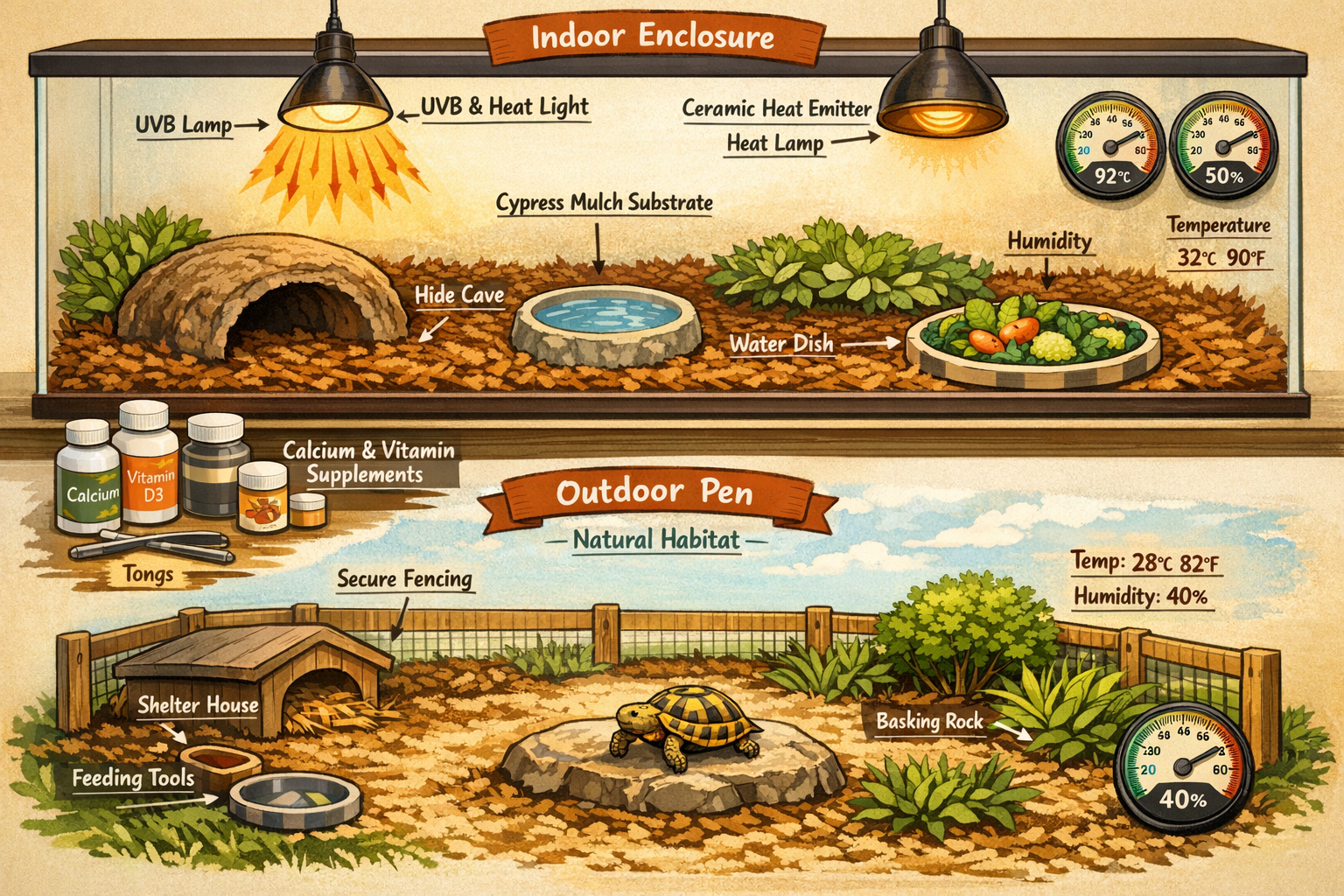
Creating an appropriate indoor habitat is essential, especially for hatchlings and during colder months. Here’s what you’ll need:
Enclosure Size Requirements:
- Hatchlings (0-2 years): 40-gallon long tank minimum (36″ x 18″)
- Juveniles (2-5 years): 75-gallon tank or 4′ x 2′ custom enclosure
- Adults: 8′ x 4′ minimum floor space (larger is always better)
The key principle is simple: bigger is always better. Hermann’s tortoises are active walkers and need room to exercise and explore.
Essential Equipment:
🌡️ Temperature Control
- Basking spot: 95-100°F (35-38°C)
- Cool side: 75-80°F (24-27°C)
- Nighttime: 65-70°F (18-21°C)
- Use ceramic heat emitters or halogen bulbs for heat
💡 UVB Lighting
UVB lighting is absolutely critical for Hermann’s tortoises. Without proper UVB exposure, they cannot synthesize vitamin D3, leading to metabolic bone disease. Use:
- 10-12% UVB fluorescent tubes or compact bulbs
- Mercury vapor bulbs (provide both heat and UVB)
- Replace fluorescent bulbs every 6-12 months
- Position lights 12-18 inches from basking area
🏠 Substrate and Furnishing
- Cypress mulch, coconut coir, or topsoil mix
- Avoid cedar, pine, or sand
- Provide hiding spots on both warm and cool sides
- Include a shallow water dish for drinking and soaking
- Add rocks, logs, and plants for enrichment
For detailed guidance on setting up the perfect indoor environment, check out our comprehensive guide on baby Hermann’s tortoise care.
Outdoor Housing Options
Hermann’s tortoise truly shines when kept outdoors during appropriate weather. Outdoor keeping provides natural UVB exposure, varied terrain, and the opportunity to exhibit natural behaviors.
Climate Considerations:
- Safe outdoor temperatures: 65-85°F (18-29°C)
- Bring indoors when temperatures drop below 50°F (10°C)
- Provide shade during hot summer days
- Monitor for extreme weather conditions
Outdoor Enclosure Design:
- Minimum size: 8′ x 8′ for one adult
- Fencing: 18-24 inches high with buried barrier to prevent digging out
- Shelter: Insulated house or greenhouse for temperature regulation
- Substrate: Natural soil with varied terrain
- Plants: Tortoise-safe vegetation for grazing and hiding
Security Features:
- Predator-proof fencing (consider overhead protection)
- Secure latches on gates
- Remove toxic plants from the area
- Ensure no escape routes or hazards
The transition between indoor and outdoor living should be gradual, allowing your tortoise to acclimate to temperature changes. Many keepers use a combination approach, housing tortoises outdoors during favorable weather and moving them indoors during winter or extreme conditions.
Humidity and Shell Health
Hermann’s tortoises require moderate humidity levels of 40-60%. Proper humidity is crucial for:
- Shell development in growing tortoises
- Respiratory health
- Proper shedding of shell scutes
- Overall comfort and behavior
Monitor humidity with digital hygrometers and adjust through:
- Misting specific areas (not the entire enclosure)
- Providing humid hides with damp sphagnum moss
- Adjusting water dish size and placement
- Ensuring proper ventilation to prevent stagnant air
For hatchlings and juveniles, slightly higher humidity (50-70%) supports proper shell growth and development. Adult Hermann’s tortoises are more tolerant of humidity fluctuations but still benefit from consistent levels.
Remember that creating the perfect environment takes time and adjustment. Start with the basics and fine-tune based on your tortoise’s behavior and health. A well-designed habitat will reward you with decades of enjoyment from your Hermann’s tortoise companion.
Feeding Your Hermann’s Tortoise: Nutrition for Optimal Health
Proper nutrition forms the foundation of excellent Hermann’s tortoise care. These Mediterranean natives have evolved as opportunistic herbivores, and replicating their natural diet is key to maintaining their health, shell quality, and longevity.
Natural Diet and Feeding Principles
In the wild, Hermann’s tortoises spend much of their active time foraging for a diverse array of plants. Their diet consists of:
- Grasses and weeds (70-80% of diet)
- Wildflowers and herbs (15-20%)
- Fruits and vegetables (5-10%, seasonal)
- Occasional protein (insects, snails – very minimal)
The key principle is variety and fiber. Hermann’s tortoises require high-fiber, low-protein diets that promote healthy digestion and prevent rapid growth that can lead to shell pyramiding.
Daily Feeding Guidelines
Feeding Schedule:
- Hatchlings (0-1 year): Daily feeding
- Juveniles (1-5 years): Daily feeding
- Adults (5+ years): Every other day or smaller daily portions
Portion Sizes:
- Offer an amount equal to the size of the tortoise’s shell
- Food should be consumed within 2-3 hours
- Remove uneaten food to prevent spoilage
Safe Foods for Hermann’s Tortoise
Excellent Daily Foods:
- Dandelions (leaves and flowers) 🌼
- Plantain (broadleaf and ribwort)
- Clover (leaves and flowers)
- Chicory/endive
- Rocket/arugula
- Lamb’s lettuce
- Mustard greens
Good Supplementary Foods:
- Collard greens
- Turnip greens
- Kale (limited amounts)
- Watercress
- Parsley (limited)
- Bell peppers
- Squash and zucchini
Occasional Treats:
- Strawberries
- Raspberries
- Melon
- Apple (small amounts)
- Cactus pads (prickly pear)
- Rose petals
For a comprehensive list of safe plants and foods, visit our detailed guide on edible plants for tortoises.
Foods to Avoid
Never Feed:
- ❌ Iceberg lettuce (no nutritional value)
- ❌ Spinach (high oxalates)
- ❌ Avocado (toxic)
- ❌ Rhubarb (toxic)
- ❌ Onions and garlic
- ❌ Chocolate or processed foods
- ❌ High-protein foods (meat, dairy)
- ❌ Bread or grains
Hand-Feeding and Bonding
Hand-feeding your Hermann’s tortoise creates wonderful bonding opportunities and helps monitor their appetite and health. Here’s how to do it safely:
Hand-Feeding Techniques:
- Start slowly – let your tortoise approach you
- Use flat palms – avoid finger-like presentations
- Offer favorite foods – dandelions and flowers work well
- Be patient – some tortoises take time to trust
- Make it routine – consistent timing helps build trust
Benefits of Hand-Feeding:
- Builds trust and recognition
- Allows close health monitoring
- Ensures shy tortoises get adequate nutrition
- Creates interactive feeding experiences
- Helps with training and handling
Supplements and Calcium
Hermann’s tortoise requires careful supplementation to maintain optimal health:
Calcium Supplementation:
- Dust food with calcium powder 2-3 times per week
- Use calcium carbonate without phosphorus
- Provide cuttlefish bone for natural calcium source
- Ensure calcium-to-phosphorus ratio of 2:1 in overall diet
Vitamin D3 Considerations:
- Tortoises with adequate UVB exposure produce their own D3
- Only supplement D3 if UVB lighting is inadequate
- Over-supplementation can be toxic
Multivitamin Supplements:
- Use reptile-specific multivitamins
- Supplement once per week for adults
- Twice per week for growing juveniles
- Follow manufacturer’s dosing instructions
For premium tortoise nutrition options, explore the selection of tortoise food available from reputable suppliers.
Hydration and Water Needs
While Hermann’s tortoises get much of their water from fresh vegetation, providing clean drinking water is essential:
Water Requirements:
- Shallow dish that allows easy access
- Water depth should not exceed the tortoise’s chin
- Change water every 2-3 days or when soiled
- Use dechlorinated water when possible
Soaking Benefits:
- Weekly 15-20 minute soaks in lukewarm water
- Helps with hydration and waste elimination
- Particularly important for hatchlings and during shedding
- Can help prevent urinary stones in adults
Seasonal Feeding Adjustments
Hermann’s tortoise naturally adjusts their eating patterns seasonally:
Spring (March-May):
- Increased appetite as they emerge from brumation
- Focus on fresh, growing vegetation
- Gradually increase food portions
Summer (June-August):
- Peak feeding season
- Offer variety and ensure adequate hydration
- May eat less during extreme heat
Fall (September-November):
- Continued good appetite
- Begin reducing portions as temperatures drop
- Focus on easily digestible foods
Winter (December-February):
- Reduced or no appetite during brumation
- Do not force-feed dormant tortoises
- Maintain access to water
Understanding these natural patterns helps you provide appropriate nutrition year-round while respecting your tortoise’s biological rhythms.
Health, Handling, and Long-Term Care for Hermann’s Tortoise
Maintaining the health of your Hermann’s tortoise requires understanding their unique physiological needs, recognizing signs of illness, and providing appropriate veterinary care. These remarkable reptiles can live for many decades with proper care, making them true lifetime companions.
Health Monitoring and Common Issues
Daily Health Checks:
- Eyes: Should be bright, clear, and alert
- Nose: No discharge or excessive mucus
- Shell: Firm, no soft spots or unusual odors
- Appetite: Consistent eating patterns
- Activity: Normal movement and behavior patterns
- Waste: Regular urination and defecation
Common Health Concerns:
Respiratory Infections:
- Symptoms: Wheezing, mouth breathing, nasal discharge
- Causes: Improper temperatures, high humidity, poor ventilation
- Prevention: Maintain proper temperature gradients and ventilation
Shell Problems:
- Pyramiding: Raised, pyramid-shaped scutes from rapid growth
- Shell rot: Bacterial/fungal infections from poor hygiene
- Soft shell: Usually calcium deficiency or poor UVB exposure
Parasites:
- Internal parasites are common in wild-caught specimens
- Annual fecal examinations recommended
- Symptoms include poor appetite, weight loss, abnormal waste
Metabolic Bone Disease (MBD):
- Caused by inadequate UVB, poor diet, or calcium deficiency
- Symptoms: Soft shell, deformed growth, lethargy
- Prevention: Proper UVB lighting and calcium supplementation
Proper Handling Techniques
Hermann’s tortoise can become quite tame with proper handling, but it’s important to respect their nature and handle them appropriately:
Safe Handling Guidelines:
- Support the shell – use both hands to support the plastron
- Avoid the head area – never grab by the head or limbs
- Move slowly – sudden movements can stress tortoises
- Keep low – handle close to the ground to prevent injury from drops
- Respect their mood – some days they may be more receptive than others
Building Trust:
- Start with short, positive interactions
- Offer food by hand to build positive associations
- Handle consistently but don’t overdo it
- Let the tortoise see you approach rather than surprising them
- Respect signs of stress (hissing, withdrawing into shell)
When to Avoid Handling:
- During brumation or when lethargic
- Immediately after feeding
- When showing signs of illness
- During egg-laying for females
- When temperatures are too hot or cold
Veterinary Care and Finding a Reptile Vet
Establishing Veterinary Care:
Finding a qualified reptile veterinarian before you need one is crucial. Look for:
- Board certification in reptile medicine
- Experience with tortoises specifically
- Modern diagnostic equipment
- Emergency services availability
Annual Wellness Exams:
- Physical examination and weight monitoring
- Fecal parasite screening
- Blood work for older tortoises
- Shell and skin examination
- Dietary and husbandry review
Emergency Situations:
Seek immediate veterinary care for:
- Trauma or injuries
- Prolonged loss of appetite (more than a week)
- Respiratory distress
- Bleeding or discharge
- Unusual lethargy or behavior changes
- Eye problems or swelling
Brumation: Understanding Tortoise Hibernation
Hermann’s tortoise naturally undergoes brumation (reptile hibernation) in response to decreasing temperatures and daylight hours. Understanding this process is crucial for proper care:
Natural Brumation Patterns:
- Typically occurs November through February
- Triggered by temperature and light changes
- Can last 2-5 months depending on conditions
- Not all tortoises brumate every year
Preparing for Brumation:
- Health check – ensure tortoise is healthy before brumation
- Gradual cooling – slowly reduce temperatures over 2-3 weeks
- Reduce feeding – stop feeding 2-3 weeks before full brumation
- Empty digestive tract – provide warm baths to encourage elimination
- Monitor weight – healthy weight loss is 1-10% of body weight
Brumation Environment:
- Temperature: 40-50°F (4-10°C)
- Dark, quiet location
- Proper ventilation
- Substrate for burrowing
- Minimal disturbance
Waking from Brumation:
- Gradual warming over 1-2 weeks
- Offer warm baths before food
- Start with small, easily digestible meals
- Monitor for normal activity resumption
Breeding and Reproduction
For those interested in breeding Hermann’s tortoise, understanding their reproductive cycle is important:
Sexual Maturity:
- Males: 4-6 years (5-6 inches)
- Females: 8-12 years (6-8 inches)
- Size more important than age for breeding readiness
Breeding Season:
- Spring and early fall are peak breeding times
- Males become more aggressive and territorial
- Courtship involves ramming, biting, and mounting
Egg Laying and Incubation:
- Females lay 2-8 eggs per clutch
- Multiple clutches possible per season
- Incubation: 60-90 days at 82-86°F
- Sex determination is temperature-dependent
Creating a Lifetime Care Plan
Hermann’s tortoise can live 50-100+ years, making long-term planning essential:
Considerations for Long-Term Care:
- Housing upgrades as tortoises grow
- Seasonal care routines for indoor/outdoor transitions
- Emergency preparedness for power outages, natural disasters
- Succession planning – who will care for your tortoise if needed
- Record keeping – maintain health and breeding records
- Legal considerations – permits, CITES documentation for some subspecies
Age-Related Care Changes:
- Hatchlings (0-2 years): Intensive care, frequent feeding, stable conditions
- Juveniles (2-10 years): Growth monitoring, habitat upgrades, socialization
- Adults (10-50 years): Stable routines, breeding considerations, health monitoring
- Seniors (50+ years): Gentle handling, modified diets, increased veterinary care
Building a Support Network:
- Connect with local herpetological societies
- Join online Hermann’s tortoise communities
- Establish relationships with experienced keepers
- Maintain contact with reptile veterinarians
- Consider mentoring new tortoise keepers
The commitment to keeping a Hermann’s tortoise is substantial, but the rewards are immeasurable. These intelligent, personable reptiles become true family members, often outliving their original owners and becoming multi-generational companions. With proper care, your Hermann’s tortoise will provide decades of fascination, education, and companionship.
Whether you’re just starting your research or ready to welcome a new tortoise into your home, remember that quality care begins with choosing a healthy, captive-bred animal from reputable sources. The investment in proper setup, nutrition, and veterinary care will pay dividends in the form of a healthy, long-lived companion that will bring joy for generations to come.
🐢 Hermann’s Tortoise Care Calculator
Calculate enclosure size, feeding amounts, and care requirements for your Hermann’s tortoise
Conclusion
The Hermann’s tortoise represents one of the most rewarding reptile companions you can choose. From their stunning shell patterns and engaging personalities to their manageable size and hardy nature, these Mediterranean natives offer the perfect introduction to tortoise keeping for beginners while continuing to fascinate experienced herpetologists.
Throughout this comprehensive guide, we’ve explored every aspect of Hermann’s tortoise care – from creating the ideal habitat with proper UVB lighting and temperature gradients to providing optimal nutrition through varied, high-fiber diets. We’ve discussed the importance of understanding their natural behaviors, seasonal patterns, and long-term care requirements that come with a companion that can live for decades.
Key takeaways for successful Hermann’s tortoise keeping:
• Start with proper housing – whether indoor or outdoor, provide adequate space, appropriate temperatures, and essential UVB lighting
• Focus on nutrition – offer varied, high-fiber diets with proper calcium supplementation while avoiding inappropriate foods
• Build trust through interaction – hand-feeding and gentle handling create strong bonds with these intelligent reptiles
• Plan for the long term – with lifespans of 50-100+ years, these are truly lifetime commitments
• Establish veterinary care – regular health monitoring and access to qualified reptile veterinarians ensures optimal health
The investment in proper setup, quality nutrition, and veterinary care will reward you with decades of fascination and companionship. Whether you’re drawn to the vibrant Western Hermann’s tortoise or the larger Eastern subspecies, these remarkable animals will become cherished family members.
Ready to begin your Hermann’s tortoise journey? Start by researching reputable breeders, preparing your habitat, and connecting with local herpetological communities for ongoing support. Remember that choosing a healthy, captive-bred animal from established sources provides the best foundation for a successful long-term relationship.
For those ready to welcome a Hermann’s tortoise into their lives, consider exploring the selection of captive-bred animals available from reputable sources. With proper preparation and commitment, you’ll soon discover why these charming Mediterranean tortoises have captured the hearts of reptile enthusiasts worldwide.
The journey of Hermann’s tortoise ownership is one of continuous learning, deep satisfaction, and genuine companionship. These remarkable reptiles offer a unique window into the natural world while providing decades of joy, education, and wonder for keepers of all ages.
References
[1] Ernst, C.H. & Barbour, R.W. (1989). Turtles of the World. Smithsonian Institution Press.
[2] Highfield, A.C. (1996). Practical Encyclopedia of Keeping and Breeding Tortoises and Freshwater Turtles. Carapace Press.
[3] Bonin, F., Devaux, B. & Dupré, A. (2006). Turtles of the World. Johns Hopkins University Press.
[4] Willemsen, R.E. & Hailey, A. (2003). Sexual dimorphism of body size and shell shape in European tortoises. Journal of Zoology, 260(4), 353-365.
[5] Bertolero, A., Oro, D. & Besnard, A. (2007). Assessing the efficacy of reintroduction programmes by modelling adult survival. Animal Conservation, 10(3), 360-368.