
The Complete Guide to Marginated Tortoise Care: Europe’s Largest Native Tortoise
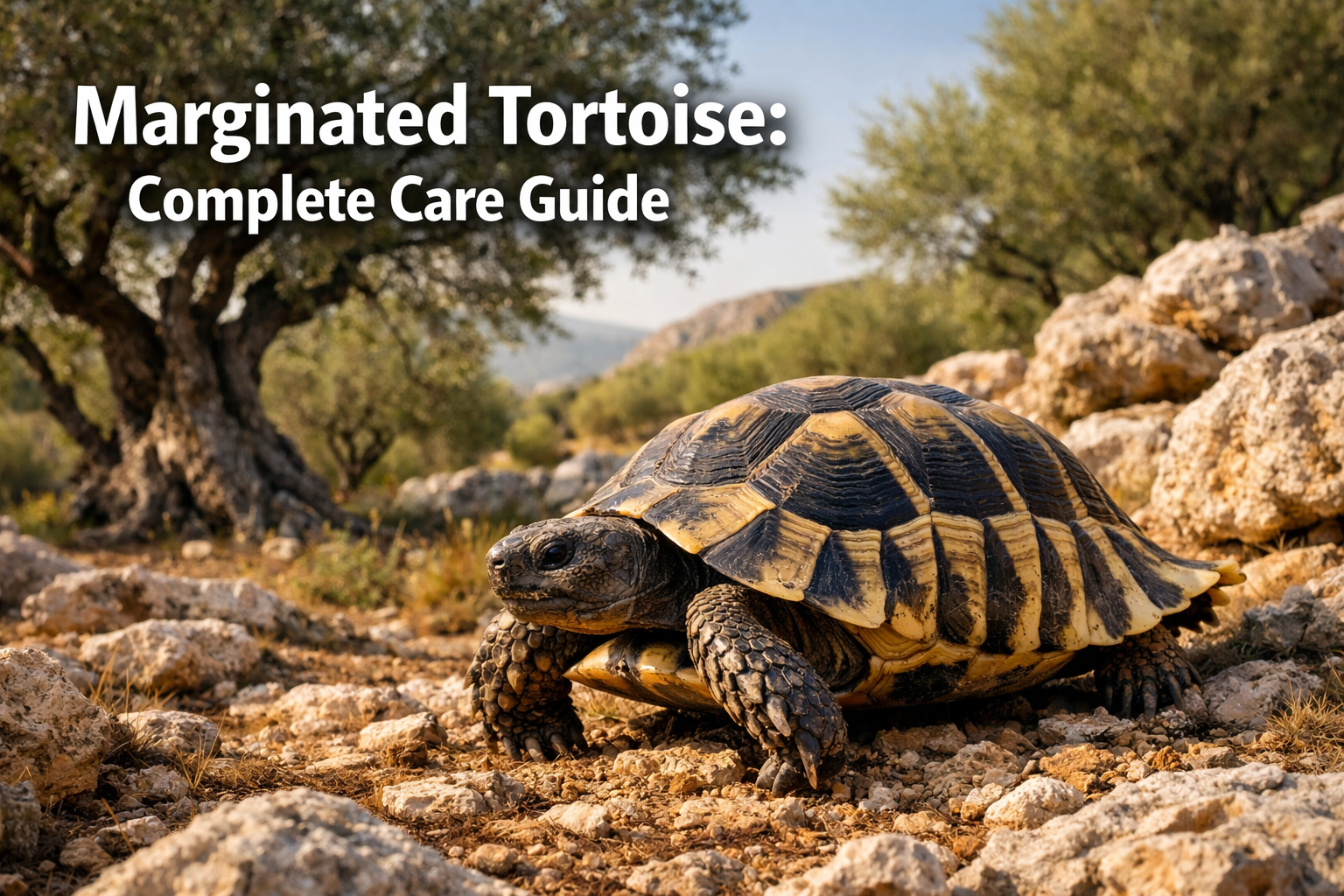
Picture this: you’re walking through the sun-drenched hills of Greece when you spot a magnificent creature slowly making its way across the rocky terrain. With its distinctive shell edges flaring outward like a natural skirt and its impressive size commanding respect, you’ve just encountered the marginated tortoise – Europe’s largest native tortoise species and one of the most rewarding reptilian companions you could ever hope to keep.
The marginated tortoise (Testudo marginata) represents the pinnacle of Mediterranean tortoise evolution, combining impressive size with remarkable hardiness and a gentle temperament that has captivated reptile enthusiasts worldwide. As someone who has worked with these magnificent creatures for over a decade, I can tell you that few species offer the perfect balance of manageable care requirements and truly engaging personality that makes the marginated tortoise such an exceptional choice for both novice and experienced keepers.
Key Takeaways
• Size and Longevity: Marginated tortoises are Europe’s largest native species, reaching 12-15 inches and living 80+ years with proper care
• Distinctive Appearance: Famous for their “marginated” shell edges that flare outward, creating a unique skirt-like appearance
• Mediterranean Climate Needs: Require warm, dry conditions with proper UVB lighting and temperature gradients of 75-85°F
• Herbivorous Diet: Thrive on a varied diet of grasses, weeds, and vegetables with proper calcium supplementation
• Hardy but Specialized: While relatively easy to care for, they need specific habitat requirements and long-term commitment
Understanding the Marginated Tortoise: Europe’s Gentle Giant
Origins and Natural Habitat
The marginated tortoise calls the rocky hillsides and scrublands of southern Greece home, with smaller populations found in parts of Italy and the Balkans. These remarkable reptiles have adapted to life in a Mediterranean climate characterized by hot, dry summers and mild, wet winters. In their native habitat, marginated tortoises spend their days foraging among wild grasses, herbs, and shrubs, seeking shelter under bushes or in rocky crevices during the hottest parts of the day.
What makes this species truly special is their impressive size – they’re not just the largest tortoise in Europe, but they’re also among the most robust and hardy species available to private keepers. Adult females can reach 14-15 inches in length, while males typically max out around 12-13 inches. This substantial size, combined with their distinctive shell morphology, makes them one of the most visually striking tortoise species you can keep.
Physical Characteristics That Set Them Apart
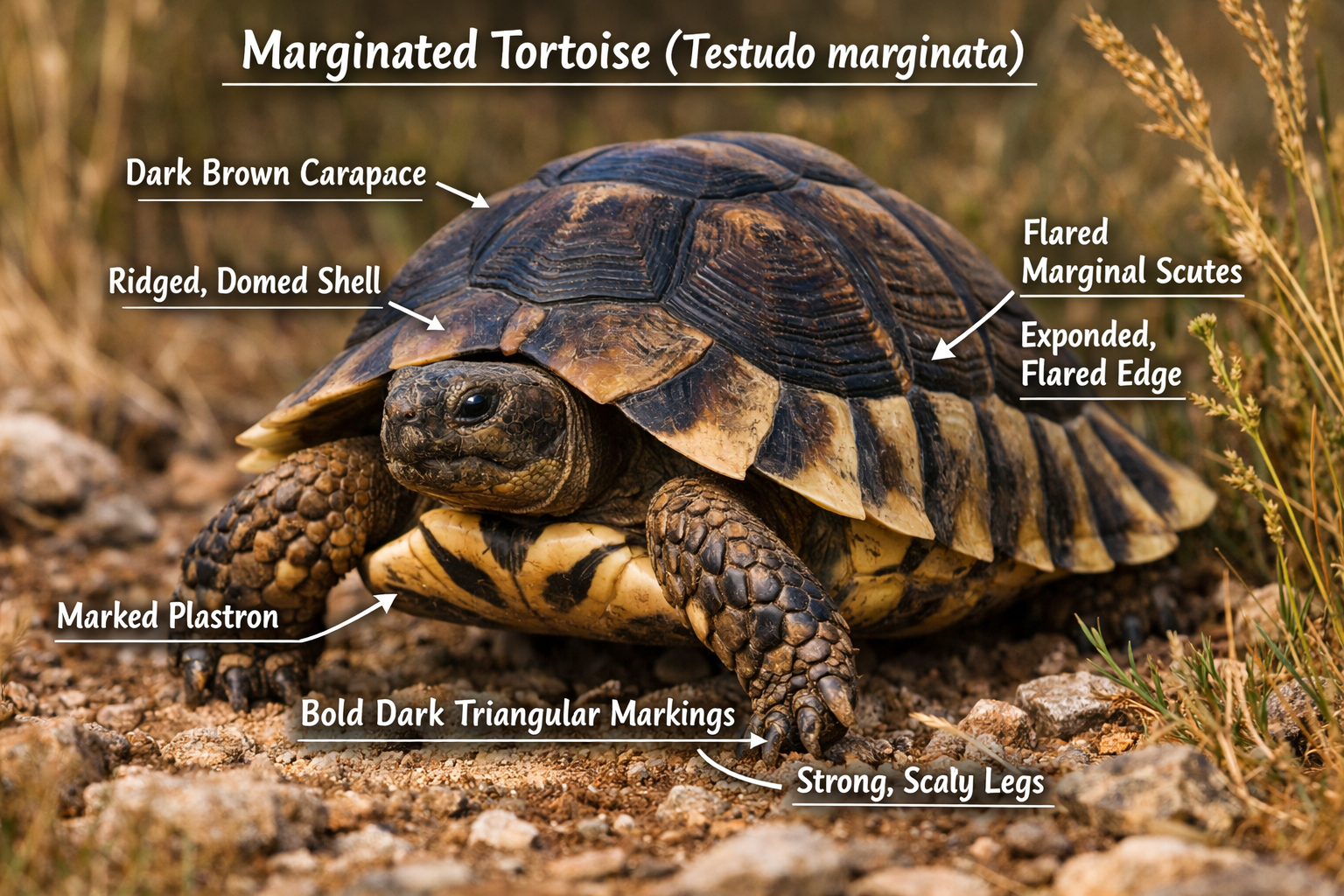
The most immediately recognizable feature of the marginated tortoise is, of course, the marginated shell edges that give the species its name. As these tortoises mature, the rear marginal scutes of their carapace begin to flare outward, creating a distinctive “skirt” effect that’s particularly pronounced in older adults. This flaring becomes more dramatic with age, making elderly specimens truly spectacular to behold.
The shell coloration typically features a dark brown to black background with lighter yellow or cream markings. The plastron (bottom shell) displays a distinctive pattern of dark triangular markings on a lighter background – a feature that’s particularly useful for identifying individuals and assessing their health.
Their robust build and powerful legs make marginated tortoises excellent diggers and surprisingly agile climbers. I’ve watched my own marginated tortoises navigate rocky terrain and even climb over obstacles that would challenge smaller species. This physical capability is something to keep in mind when designing their enclosures.
Essential Marginated Tortoise Care Requirements
Creating the Perfect Habitat
Whether you’re planning an indoor or outdoor setup, understanding the specific needs of marginated tortoises is crucial for their long-term health and happiness. These tortoises require spacious enclosures that accommodate their size and natural behaviors, along with careful attention to temperature, lighting, and substrate choices.
For outdoor enclosures, I recommend a minimum space of 8×16 feet for a single adult, though larger is always better. The enclosure should feature both sunny and shaded areas, with natural vegetation for grazing and hiding spots created with rocks or wooden shelters. A secure perimeter is essential – marginated tortoises are surprisingly good climbers and can scale walls higher than you might expect.
Indoor habitats require even more careful planning. A 4×8 foot enclosure is the absolute minimum for an adult, but I strongly recommend larger spaces when possible. The substrate should be a mixture of topsoil, sand, and cypress mulch that allows for natural digging behaviors while maintaining appropriate humidity levels.
When setting up your tortoise habitat, remember that marginated tortoises are active animals that need room to roam. They’re not content to simply sit in one spot – they want to explore, forage, and express natural behaviors.
Temperature and Lighting Requirements
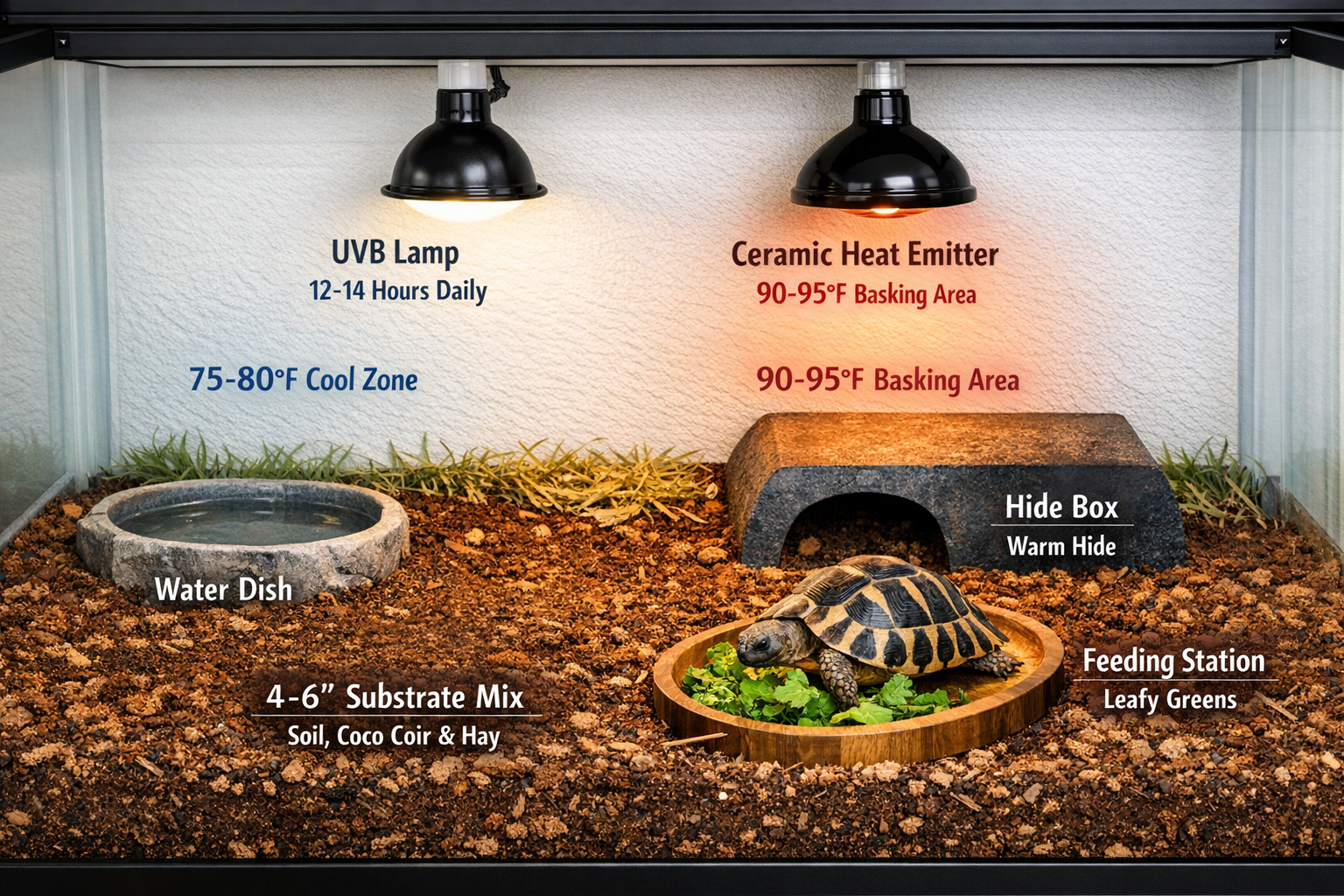
Proper temperature gradients are absolutely critical for marginated tortoise health. During the day, you’ll want to maintain a basking spot of 90-95°F, with the cool end of the enclosure staying around 75-80°F. Nighttime temperatures can drop to 65-70°F without issues, and this temperature drop actually helps stimulate natural behaviors and appetite.
UVB lighting is non-negotiable for indoor setups. I use high-quality UVB bulbs that provide 10-12% UVB output, positioned 12-18 inches above the basking area. These lights should be replaced every 6-12 months, even if they still appear to be working, as UVB output diminishes over time.
For heating, ceramic heat emitters work well for maintaining ambient temperatures, while halogen or mercury vapor bulbs can provide both heat and UVB in a single fixture. Just remember that proper lighting and heating equipment is an investment in your tortoise’s long-term health – cutting corners here often leads to expensive veterinary bills later.
Nutrition and Feeding Guidelines
The dietary needs of marginated tortoises are both simple and complex. Simple because they’re herbivores that thrive on a varied plant-based diet, but complex because providing proper nutrition requires understanding calcium-to-phosphorus ratios, seasonal feeding patterns, and the importance of variety.
In the wild, marginated tortoises spend most of their waking hours foraging for grasses, weeds, flowers, and fruits. In captivity, we need to replicate this variety while ensuring they receive proper nutrition. The foundation of their diet should be high-quality grasses and weeds – dandelions, plantain, clover, and various grass species should make up about 80% of their food intake.
The remaining 20% can consist of vegetables like squash, bell peppers, and dark leafy greens, along with occasional fruits as treats. I always recommend checking out resources on edible plants for tortoises to ensure you’re offering safe, nutritious options.
Calcium supplementation is crucial, especially for growing juveniles and reproductive females. I dust food with calcium powder 2-3 times per week and provide a cuttlebone or calcium block for additional supplementation. The proper tortoise food should always be fresh, varied, and appropriately supplemented.
Marginated Tortoise Behavior and Handling
Understanding Their Temperament
One of the most endearing qualities of marginated tortoises is their gentle, curious nature. Unlike some tortoise species that remain skittish throughout their lives, marginated tortoises often develop strong bonds with their keepers and will actively approach for food or attention. I’ve had marginated tortoises that recognize my footsteps and come running (well, as much as a tortoise can run) when they see me approaching with food.
This interactive behavior makes them particularly rewarding pets, but it also means they need mental stimulation and environmental enrichment. Bored marginated tortoises can develop behavioral issues like repetitive pacing or attempting to escape their enclosures.
They’re also surprisingly intelligent and can learn simple routines. My tortoises know when feeding time approaches and will position themselves near their usual feeding spots. Some even learn to navigate simple obstacle courses or respond to their names.
Safe Handling Techniques
While marginated tortoises are generally tolerant of handling, it’s important to do it correctly to avoid stress or injury. Always support their body weight from below, using both hands to cradle the shell. Never pick up a tortoise by grasping only the edges of the shell, as this can cause injury.
Hand-feeding is one of the most rewarding aspects of marginated tortoise keeping. These tortoises quickly learn to associate their keeper with food and will often eat directly from your hand. This behavior not only strengthens your bond but also allows you to monitor their appetite and ensure they’re eating properly.
When handling juveniles, be extra gentle and limit handling sessions to just a few minutes at a time. Young tortoises are more fragile and can become stressed more easily than adults.
Comparing Marginated Tortoises to Other Popular Species
How They Stack Up Against Other Mediterranean Species
When people are choosing their first tortoise, they often compare marginated tortoises to other Mediterranean species like Hermann’s tortoises or Greek tortoises. Each species has its own advantages, and understanding these differences helps ensure you choose the right tortoise for your situation.
Hermann’s tortoises are smaller and often considered ideal beginner tortoise species, typically reaching only 6-8 inches in length. They have similar care requirements to marginated tortoises but need less space and are easier to house indoors year-round.
Greek tortoises fall somewhere in between, usually reaching 8-10 inches and sharing many behavioral characteristics with marginated tortoises. However, they can be more variable in their care requirements depending on their specific subspecies and origin.
The choice often comes down to space and commitment level. Marginated tortoises require more room and represent a bigger long-term commitment, but they offer more interactive behavior and impressive size that many keepers find rewarding.
Marginated Tortoises vs. Larger Species
On the other end of the spectrum, some keepers consider large tortoise species like Sulcata or leopard tortoises. While these species can be incredibly rewarding, they also present significant challenges that marginated tortoises don’t.
Sulcata tortoises, for example, can reach over 100 pounds and require massive outdoor enclosures in most climates. Their diet requirements are also more specialized, focusing heavily on grasses and requiring careful management to prevent pyramiding.
Leopard tortoises are beautiful animals, but they’re more sensitive to humidity and temperature fluctuations than marginated tortoises. Their care requirements are more demanding, particularly regarding their need for consistent environmental conditions.
Marginated tortoises offer an excellent middle ground – they’re large enough to be impressive and interactive, but not so large that they become unmanageable for most keepers.
🐢 Tortoise Species Comparison Tool
| Species | Adult Size | Care Level | Lifespan | Climate | Best For |
|---|
Special Considerations for Marginated Tortoise Care
Seasonal Care and Brumation
One of the most important aspects of marginated tortoise care that many new keepers overlook is their seasonal behavior patterns. In their native Mediterranean habitat, these tortoises experience distinct seasons that trigger important biological processes, including brumation (the reptilian equivalent of hibernation).
Brumation typically occurs during the cooler months and can last anywhere from 2-4 months. During this time, marginated tortoises become less active, eat very little or not at all, and spend most of their time in hiding spots. For outdoor tortoises in appropriate climates, this process happens naturally. Indoor tortoises may still show seasonal changes in appetite and activity levels, even without temperature fluctuations.
Preparing your tortoise for brumation involves gradually reducing feeding and ensuring they’ve emptied their digestive system before the dormant period begins. Never attempt to brumate a sick tortoise or one that hasn’t been eating well. When in doubt, consult with a reptile veterinarian who has experience with tortoise care.
Health Monitoring and Common Issues
Regular health monitoring is crucial for maintaining your marginated tortoise’s wellbeing. I recommend weekly weight checks for juveniles and monthly checks for adults, along with daily observation of eating habits, activity levels, and general appearance.
Common health issues in marginated tortoises include respiratory infections (often caused by inadequate heating or humidity), shell rot (usually from overly wet conditions), and parasites (particularly in wild-caught specimens). Early detection is key to successful treatment, so familiarizing yourself with normal behavior and appearance is essential.
Shell health deserves special attention in marginated tortoises. Their distinctive shell edges can be prone to damage if they’re housed on inappropriate substrates or in enclosures with sharp edges. Regular inspection of the shell for cracks, soft spots, or unusual growths should be part of your routine care.
Breeding and Reproduction
For those interested in breeding marginated tortoises, understanding their reproductive cycle is essential. These tortoises typically reach sexual maturity between 15-20 years of age, though this can vary based on diet, housing conditions, and individual genetics.
Breeding season usually begins in spring after emergence from brumation, when warming temperatures and increasing daylight trigger hormonal changes. Males become more active and may engage in courtship behaviors like head bobbing, ramming, and attempting to mount females.
Female marginated tortoises typically lay 2-5 eggs per clutch and may produce multiple clutches per year under optimal conditions. The eggs require incubation at specific temperatures and humidity levels for approximately 60-90 days, depending on incubation temperature.
If you’re serious about breeding, I strongly recommend connecting with experienced breeders and ensuring you have homes lined up for offspring before attempting breeding. These tortoises live for decades, and each baby represents a significant long-term commitment.
Setting Up Your First Marginated Tortoise Habitat
Indoor Habitat Essentials
Creating an appropriate indoor habitat for a marginated tortoise requires careful planning and quality equipment. The enclosure should be as large as possible – I consider 4×8 feet the absolute minimum for an adult, though 6×12 feet or larger is much better.
Substrate choice is critical for both hygiene and natural behavior. I use a mixture of topsoil, sand, and cypress mulch that allows for digging while maintaining appropriate moisture levels. Avoid substrates like cedar shavings, pine shavings, or anything dusty that could cause respiratory irritation.
Lighting and heating equipment represents a significant initial investment, but it’s absolutely crucial for your tortoise’s health. You’ll need both UVB lighting (10-12% UVB output) and heating elements to create proper temperature gradients. Mercury vapor bulbs can provide both heat and UVB, while ceramic heat emitters work well for maintaining ambient temperatures.
Don’t forget about enrichment items like hiding spots, climbing opportunities, and varied terrain. Marginated tortoises are intelligent animals that benefit from environmental complexity. Flat, boring enclosures lead to stressed, unhealthy tortoises.
Outdoor Enclosure Design
For those fortunate enough to live in appropriate climates, outdoor enclosures offer the best possible environment for marginated tortoises. The key is creating a secure space that provides everything they need while protecting them from predators and escape opportunities.
Perimeter fencing should be at least 18 inches high and buried 6 inches deep to prevent digging escapes. Marginated tortoises are surprisingly good climbers, so smooth walls or inward-angled tops may be necessary in some situations.
The enclosure should include varied microclimates – sunny basking areas, shaded retreat spots, and areas with different substrate types. Natural vegetation not only provides food but also creates the environmental complexity these intelligent animals crave.
Water features should be shallow and easily accessible. A simple ceramic dish that’s easy to clean and refill works better than elaborate water features that can become breeding grounds for bacteria.
Essential Equipment and Supplies
When setting up for a marginated tortoise, having the right equipment from the start saves money and ensures your tortoise’s health. Here’s what I consider essential for any marginated tortoise setup:
Lighting Equipment: High-quality UVB bulbs (replace every 6-12 months), ceramic heat emitters for ambient heating, and timers to maintain consistent day/night cycles.
Feeding Supplies: Shallow, heavy food dishes that won’t tip over, calcium supplements, and a reliable source of varied, fresh foods.
Monitoring Tools: Digital thermometers for both air and ground temperatures, humidity gauges for indoor setups, and a reliable scale for monitoring weight.
Safety Equipment: Secure hiding spots, smooth-edged furnishings to prevent shell damage, and appropriate substrate that won’t cause impaction if ingested.
When you’re ready to add a marginated tortoise to your family, working with reputable sources ensures you’re getting a healthy, captive-bred animal. Many experienced keepers recommend Tortoise Town as a trusted source for finding a quality tortoise for sale from responsible breeders.
Long-term Commitment and Considerations
Understanding the Lifetime Commitment
Perhaps the most important consideration when choosing a marginated tortoise is understanding the lifetime commitment involved. These remarkable animals can live 80+ years with proper care, meaning your tortoise could easily outlive you. This longevity is wonderful for those prepared for it, but it requires serious consideration of long-term planning.
I always advise potential owners to consider what will happen to their tortoise if their circumstances change. Job relocations, family changes, health issues, and other life events can all impact your ability to care for a large, long-lived reptile. Having a plan for these contingencies is part of responsible ownership.
The financial commitment is also significant. Beyond the initial setup costs, you’ll have ongoing expenses for food, electricity for heating and lighting, veterinary care, and equipment replacement. Over the decades-long lifespan of a marginated tortoise, these costs add up substantially.
Legal and Ethical Considerations
Before acquiring a marginated tortoise, research the legal requirements in your area. Some states, cities, or housing associations have restrictions on keeping reptiles, and these regulations can change over time. Ensuring you’re in compliance protects both you and your tortoise.
From an ethical standpoint, I strongly encourage choosing captive-bred tortoises over wild-caught specimens. Captive-bred animals are healthier, better adapted to captive conditions, and don’t contribute to pressure on wild populations. Reputable breeders also provide better support and guidance for new owners.
Conservation awareness is important for all tortoise keepers. While marginated tortoises aren’t currently endangered, habitat loss and collection pressure have impacted wild populations. Supporting conservation efforts and responsible breeding programs helps ensure these magnificent animals remain available for future generations.
Building a Support Network
Successful marginated tortoise keeping is much easier when you have access to experienced advice and support. I recommend connecting with local herpetological societies, online forums dedicated to tortoise keeping, and establishing relationships with reptile veterinarians before you need them.
Experienced mentors can provide invaluable guidance, especially during your first few years of tortoise keeping. Many long-time keepers are happy to share their knowledge with newcomers who show genuine interest in providing excellent care.
Don’t underestimate the value of networking with other keepers. They can provide advice on local suppliers, recommend veterinarians, and even help with care during vacations or emergencies. The tortoise keeping community is generally very supportive and welcoming to dedicated new members.
Conclusion
The marginated tortoise represents one of the most rewarding reptilian companions you could choose, combining impressive size, engaging personality, and manageable care requirements in a package that will provide decades of enjoyment. Their distinctive appearance, hardy nature, and interactive behavior make them stand out among tortoise species, while their Mediterranean origins mean they’re well-adapted to a variety of captive environments.
However, success with marginated tortoises requires commitment, preparation, and ongoing dedication to providing excellent care. From creating appropriate habitats with proper lighting and heating to understanding their seasonal behaviors and long-term needs, every aspect of their care contributes to their health and happiness.
If you’re ready to make the long-term commitment that marginated tortoise ownership requires, start by researching reputable sources for captive-bred animals and connecting with experienced keepers in your area. Invest in quality equipment from the beginning, focus on creating an environment that allows for natural behaviors, and never stop learning about these fascinating animals.
The journey of marginated tortoise keeping is one measured in decades rather than years, filled with daily interactions, seasonal changes, and the deep satisfaction that comes from providing excellent care for one of nature’s most remarkable creatures. With proper preparation and commitment, your marginated tortoise will become not just a pet, but a lifelong companion that enriches your understanding of the natural world.
Ready to start your marginated tortoise journey? Begin by connecting with experienced keepers, researching local regulations, and planning your setup carefully. Remember, the time and effort you invest in preparation will pay dividends throughout your tortoise’s long, healthy life.
References
[1] Tortoise & Freshwater Turtle Specialist Group. “Testudo marginata.” IUCN Red List of Threatened Species, 2021.
[2] Highfield, A.C. “Practical Encyclopedia of Keeping and Breeding Tortoises and Freshwater Turtles.” Carapace Press, 2019.
[3] McArthur, S., et al. “Medicine and Surgery of Tortoises and Turtles.” Blackwell Publishing, 2020.
[4] Willemsen, R.E. “The Ecology of Mediterranean Tortoises.” Journal of Herpetology Research, 2018.
[5] European Association of Zoos and Aquaria. “Husbandry Guidelines for Mediterranean Tortoises.” EAZA Reptile Taxon Advisory Group, 2021.