
The Complete Red Foot Tortoise Guide: Everything You Need to Know About This Remarkable Species
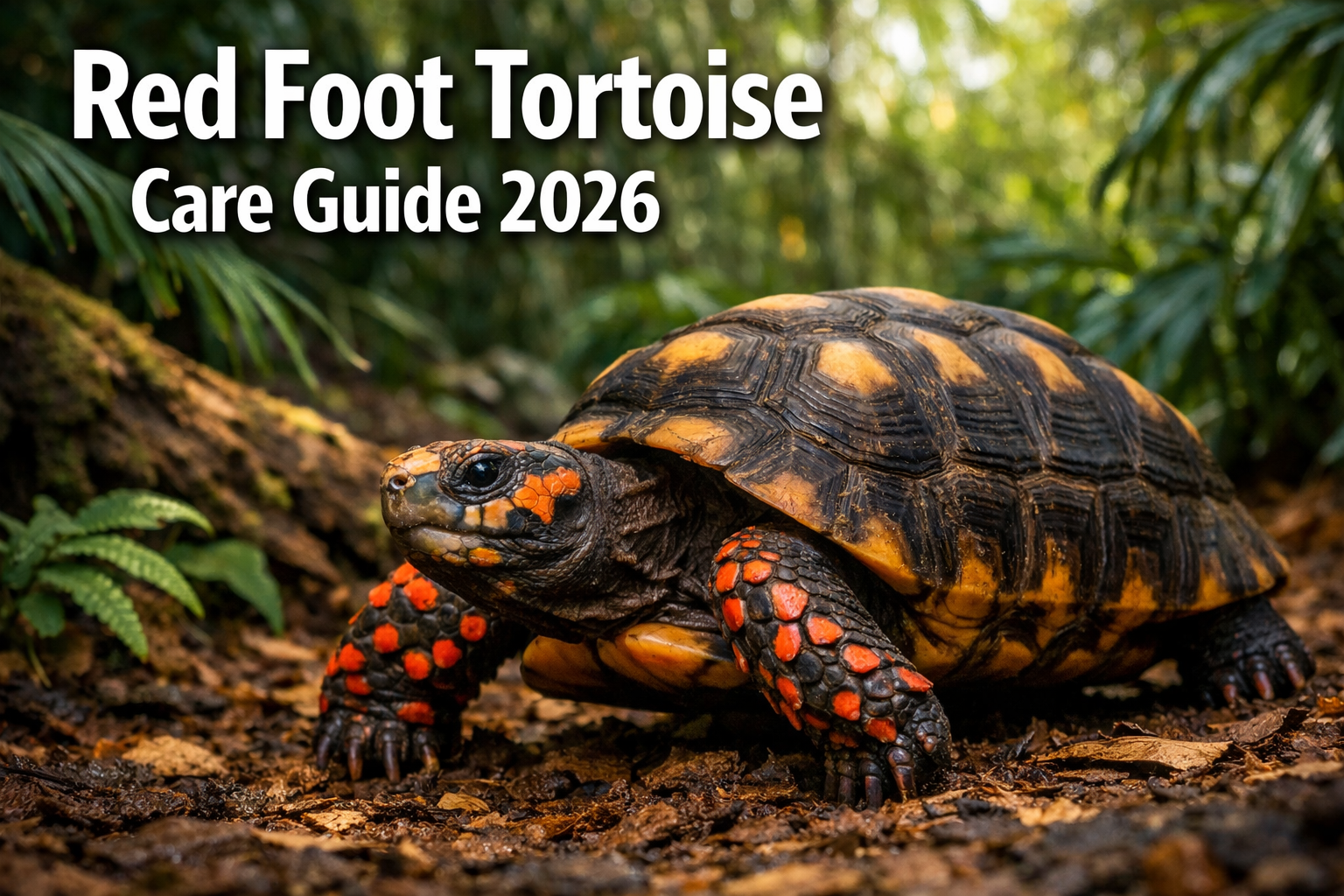
Picture this: you’re walking through a lush South American rainforest when you spot a magnificent creature slowly making its way across the forest floor. Its dark shell gleams in the dappled sunlight, but what catches your eye are the brilliant red and orange markings on its legs that seem to glow like embers against the green backdrop. You’ve just encountered one of nature’s most captivating reptiles—the red foot tortoise. This remarkable species has captured the hearts of tortoise enthusiasts worldwide, and for good reason. With their striking appearance, gentle temperament, and fascinating behaviors, red foot tortoises represent one of the most rewarding reptile companions you can choose.
Key Takeaways
• Red foot tortoises are medium-sized South American tortoises known for their distinctive red and orange leg markings and gentle, intelligent nature
• They require specific care including high humidity (80-90%), warm temperatures (80-85°F), and a varied omnivorous diet including fruits, vegetables, and occasional protein
• These tortoises can live 50-80+ years and grow to 12-16 inches, making them a significant long-term commitment requiring proper planning and setup
• Indoor habitats need UVB lighting, proper substrate, and humidity control, while outdoor enclosures work well in warm, humid climates
• Red foot tortoises are excellent for intermediate to advanced keepers who can provide consistent care and environmental conditions
Understanding the Red Foot Tortoise: Species Overview and Natural History
The red foot tortoise (Chelonoidis carbonarius) stands as one of South America’s most remarkable reptilian ambassadors. These magnificent creatures inhabit the tropical rainforests, grasslands, and scrublands stretching from Panama through much of South America, including Colombia, Venezuela, Brazil, Ecuador, Peru, Bolivia, and the Guianas.
Physical Characteristics and Identification
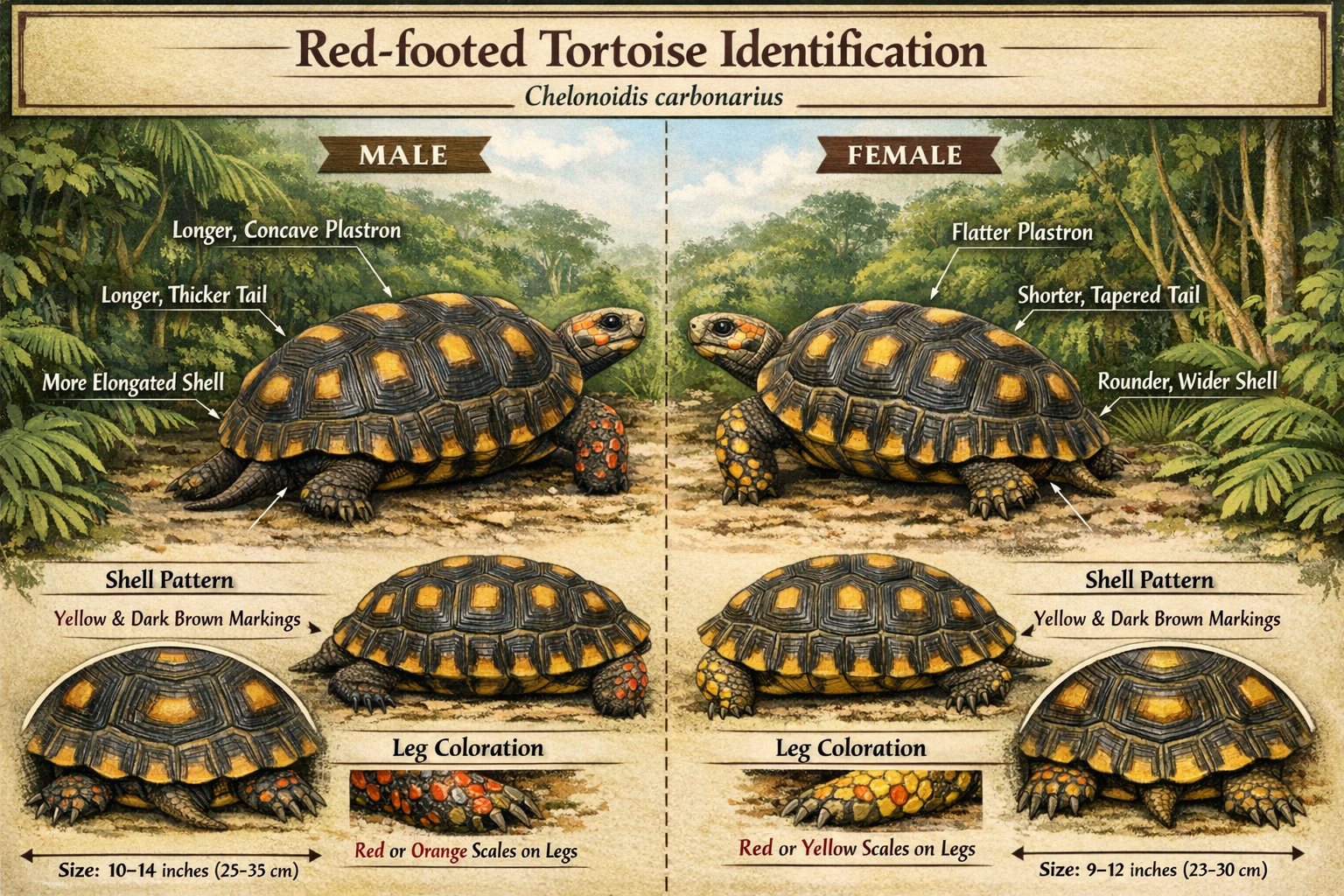
What makes the red foot tortoise instantly recognizable are those stunning leg markings that give them their name. The scales on their legs display vibrant shades of red, orange, and sometimes yellow, creating a beautiful contrast against their dark, elongated shells. Adult red foots typically measure 12-16 inches in length, with females often growing slightly larger than males.
The shell, or carapace, presents a distinctive elongated oval shape with a dark brown to black base color. You’ll notice lighter growth rings on each scute (shell segment), creating an attractive pattern that becomes more pronounced with age. The plastron (bottom shell) shows a yellowish color with dark markings along the seams.
Sexual dimorphism becomes apparent as these tortoises mature:
- Males develop a pronounced concave plastron and longer, thicker tails
- Females maintain flatter plastrons and shorter tails
- Males often display more vibrant head coloration and may grow slightly smaller than females
Natural Habitat and Behavior
In their native environment, red foot tortoises demonstrate remarkable adaptability. They thrive in humid tropical forests where they spend their days foraging for fallen fruits, flowers, fungi, and occasional carrion. These intelligent reptiles have been observed using tools—dropping fruits from heights to break them open, showcasing problem-solving abilities that continue to amaze researchers.
Their natural behavior includes:
- Crepuscular activity (most active during dawn and dusk)
- Seasonal migrations following food sources
- Social interactions including dominance displays and mating rituals
- Burrowing and seeking shelter under logs or in dense vegetation
Understanding these natural behaviors helps us create better captive environments. When you’re considering a tortoise for sale, red foots offer the perfect blend of manageable size, engaging personality, and stunning appearance.
Red Foot Tortoise Care Requirements: Creating the Perfect Environment
Providing exceptional care for your red foot tortoise requires attention to several critical environmental factors. These tropical natives have specific needs that, when met properly, result in healthy, thriving tortoises that can live for decades.
Temperature and Lighting Requirements
Temperature control forms the foundation of proper red foot tortoise care. These tropical species require:
Daytime temperatures:
- Basking spot: 90-95°F (32-35°C)
- Ambient temperature: 80-85°F (27-29°C)
- Cool side: 75-80°F (24-27°C)
Nighttime temperatures:
- Should not drop below 70°F (21°C)
- Maintain 75-80°F for optimal health
UVB lighting proves absolutely essential for calcium absorption and overall health. Provide:
- UVB bulbs with 10-12% output
- 12-14 hours of light daily
- Replace bulbs every 6-12 months regardless of whether they still produce visible light
- Position bulbs 12-18 inches from basking areas
For comprehensive lighting guidance, explore our detailed UVB lighting recommendations that apply to many tortoise species.
Humidity Requirements for Red Foot Tortoises
Humidity management represents one of the most critical aspects of red foot tortoise care. These rainforest natives require:
- Humidity levels: 80-90% for babies, 70-80% for adults
- Monitoring: Use digital hygrometers for accurate readings
- Maintenance: Mist enclosures 2-3 times daily
- Substrate moisture: Keep substrate slightly damp but not waterlogged
Learn more about maintaining proper humidity levels for optimal red foot tortoise health.
Indoor Habitat Setup
Creating an appropriate indoor environment requires careful planning and the right equipment:
Enclosure size:
- Babies: 40-gallon long minimum
- Juveniles: 75-100 gallons
- Adults: 8×4 feet minimum, larger is always better
Substrate options:
- Cypress mulch (excellent moisture retention)
- Coconut coir
- Sphagnum moss
- Avoid cedar, pine, or aromatic woods
Essential equipment:
- Ceramic heat emitters for nighttime warmth
- UVB fluorescent or LED fixtures
- Large, shallow water dishes
- Hide boxes on both warm and cool sides
- Humidity gauges and thermometers
Environmental enrichment:
- Live or artificial plants
- Logs and branches for climbing
- Varied terrain with different levels
- Hiding spots throughout the enclosure
For detailed indoor setup guidance, check our comprehensive habitat recommendations.
Outdoor Enclosure Considerations
Outdoor housing can provide excellent conditions for red foot tortoises in appropriate climates:
Climate requirements:
- Year-round temperatures above 60°F
- High natural humidity
- Protection from extreme weather
Enclosure features:
- Minimum 8×8 feet for one adult
- 18-inch high walls (they’re surprisingly good climbers)
- Partial shade and full sun areas
- Natural vegetation for foraging
- Shelter structures for weather protection
- Secure fencing to prevent escapes and protect from predators
Seasonal considerations:
- Bring indoors when temperatures drop below 65°F
- Provide heated shelters in marginal climates
- Monitor for seasonal behavior changes
Diet and Nutrition: Feeding Your Red Foot Tortoise
The red foot tortoise diet represents one of the most diverse among tortoise species. As omnivores, they require a carefully balanced mix of plant matter, fruits, and occasional protein sources that mirrors their natural rainforest diet.
Understanding Red Foot Tortoise Dietary Needs
Unlike many tortoise species that are strictly herbivorous, red foot tortoises have evolved as opportunistic omnivores. In the wild, they consume:
- Fruits: 40-50% of diet (fallen mangoes, figs, berries)
- Vegetables and greens: 30-40% of diet
- Protein sources: 5-10% of diet (carrion, insects, eggs)
- Flowers and fungi: Seasonal supplements
Daily Feeding Guidelines
Feeding frequency:
- Babies (under 1 year): Daily feeding
- Juveniles (1-5 years): Every other day
- Adults (5+ years): 2-3 times per week
Portion sizes:
- Offer food equivalent to the size of the tortoise’s shell
- Remove uneaten food after 2-3 hours to prevent spoilage
- Adjust portions based on activity level and body condition
Recommended Foods for Red Foot Tortoises
Excellent fruit options:
- 🍓 Strawberries
- 🥭 Mango
- 🍌 Banana (in moderation)
- 🫐 Blueberries
- 🍑 Cherries (remove pits)
- 🥝 Kiwi
- 🍈 Cantaloupe
- 🍇 Grapes (occasional treat)
Nutritious vegetables:
- 🥬 Collard greens
- 🥬 Mustard greens
- 🥬 Turnip greens
- 🥕 Carrots (grated)
- 🍠 Sweet potato (cooked)
- 🥒 Cucumber
- 🍅 Tomatoes (occasional)
- 🌶️ Bell peppers
Protein sources (monthly):
- Pinkie mice (pre-killed)
- Hard-boiled eggs
- High-quality dog food (moistened)
- Snails and slugs (captive-bred only)
For comprehensive dietary information, visit our detailed red foot tortoise diet guide.
Foods to Avoid
Never feed your red foot tortoise:
- Avocado (toxic)
- Rhubarb (toxic)
- Iceberg lettuce (no nutritional value)
- Spinach (high oxalates)
- Cabbage (goitrogens)
- Citrus fruits (too acidic)
- Processed human foods
- Dairy products
- Meat from mammals (except occasional treats)
Supplements and Calcium
Calcium supplementation proves crucial for shell and bone development:
- Dust food with calcium powder 2-3 times weekly
- Use calcium with D3 for indoor tortoises
- Provide cuttlebone for natural calcium source
- Ensure proper UVB lighting for calcium absorption
Vitamin supplements:
- Multivitamin powder once weekly
- Avoid over-supplementation
- Focus on varied, natural diet as primary nutrition source
Health and Veterinary Care
Maintaining your red foot tortoise’s health requires proactive care, regular monitoring, and establishing a relationship with an experienced reptile veterinarian.
Common Health Issues
Respiratory infections:
- Symptoms: Wheezing, mouth breathing, nasal discharge
- Causes: Low temperatures, poor humidity, stress
- Prevention: Maintain proper environmental conditions
Shell problems:
- Shell rot: Soft, discolored areas on shell
- Pyramiding: Raised, peaked scutes (often diet-related)
- Injuries: Cracks or damage from falls or predators
Parasites:
- Internal parasites common in wild-caught specimens
- Annual fecal exams recommended
- Quarantine new tortoises before introducing to others
Nutritional deficiencies:
- Vitamin A deficiency: Swollen eyes, respiratory issues
- Calcium deficiency: Soft shell, metabolic bone disease
- Prevention through proper diet and supplementation
Finding Veterinary Care
Choosing a reptile veterinarian:
- Seek board-certified exotic animal specialists
- Ask about experience with tortoises specifically
- Establish care before emergencies arise
- Schedule annual wellness exams
Emergency situations requiring immediate care:
- Prolapsed organs
- Severe injuries or bleeding
- Inability to eat for extended periods
- Extreme lethargy or unresponsiveness
- Eye infections or swelling
Quarantine Procedures
When introducing new tortoises to your collection:
- Maintain 90-day quarantine period
- House new arrivals separately
- Monitor for signs of illness
- Conduct fecal examinations
- Ensure clean bill of health before integration
Breeding and Reproduction
Red foot tortoise breeding represents an advanced aspect of tortoise keeping that requires extensive knowledge, proper facilities, and long-term commitment.
Sexual Maturity and Breeding Age
Red foot tortoises reach sexual maturity based on size rather than age:
- Females: 8-10 inches (typically 10-15 years old)
- Males: 6-8 inches (typically 8-12 years old)
- Optimal breeding size: Females over 10 inches
Breeding Behavior and Courtship
Courtship rituals include fascinating behaviors:
- Males perform head-bobbing displays
- Ramming and pushing behaviors
- Vocalizations during mating
- Seasonal breeding cycles (typically spring and fall)
Egg Laying and Incubation
Nesting behavior:
- Females dig nests 6-8 inches deep
- Lay 2-15 eggs per clutch
- Multiple clutches possible per season
- Provide suitable nesting areas with proper substrate
Incubation requirements:
- Temperature: 84-88°F (29-31°C)
- Humidity: 80-90%
- Incubation period: 150-200 days
- Temperature-dependent sex determination
For those interested in breeding, consider starting with our baby redfoot tortoise care guide to understand hatchling requirements.
🐢 Red Foot Tortoise Care Calculator
Tortoise Information
Your Red Foot Tortoise Care Plan
Comparing Red Foot Tortoises to Other Popular Species
Understanding how red foot tortoises compare to other popular tortoise species helps potential owners make informed decisions about which tortoise best fits their lifestyle and experience level.
Red Foot vs. Russian Tortoise
Size comparison:
- Red foot: 12-16 inches, 20-30 pounds
- Russian: 6-10 inches, 2-3 pounds
Care differences:
- Red foot tortoises require high humidity (80-90%) while Russians need dry conditions (30-50%)
- Russians hibernate naturally, red foots do not
- Red foots need omnivorous diet, Russians are strictly herbivorous
- Temperature requirements similar, but Russians tolerate cooler conditions better
For those interested in smaller species, explore our Russian tortoise care guide for detailed comparison.
Red Foot vs. Sulcata Tortoise
Size considerations:
- Red foot: Medium-sized, manageable for most keepers
- Sulcata: Can exceed 100 pounds and 30 inches
Environmental needs:
- Red foot tortoises thrive in humid, tropical conditions
- Sulcatas prefer arid, desert-like environments
- Both require UVB lighting and proper heating
- Sulcatas need much larger outdoor spaces
Learn more about large tortoise species to understand space and care requirements.
Red Foot vs. Hermann’s Tortoise
Beginner friendliness:
- Hermann’s tortoises often recommended for beginners due to hardiness
- Red foot tortoises require more specific humidity management
- Both species have excellent temperaments
- Hermann’s tortoises are smaller and hibernate naturally
Check our best beginner tortoise species guide for comprehensive comparisons.
Why Choose a Red Foot Tortoise?
Advantages of red foot tortoise ownership:
🌟 Personality: Highly intelligent and interactive
🎨 Appearance: Stunning coloration and patterns
📏 Size: Large enough to be impressive, small enough to manage
🏠 Adaptability: Thrives in proper indoor setups
🍎 Diet variety: Enjoys diverse, interesting foods
👥 Social nature: Can recognize owners and show personality
Considerations before choosing:
- Higher humidity requirements than many species
- Longer lifespan commitment (50-80+ years)
- Initial setup costs for proper equipment
- Need for experienced reptile veterinarian
- Space requirements increase with growth
Daily Care and Handling

Successful red foot tortoise ownership involves establishing consistent daily routines and understanding proper handling techniques that ensure both your safety and your tortoise’s well-being.
Daily Care Routine
Morning tasks (15-20 minutes):
- Check and record temperatures and humidity levels
- Inspect tortoise for any visible health issues
- Provide fresh water in clean dishes
- Mist enclosure if humidity is low
- Turn on UVB and heating lights
Feeding routine:
- Prepare fresh food according to feeding schedule
- Remove any uneaten food from previous feeding
- Hand-feeding can build trust and allow health monitoring
- Observe eating behavior and appetite changes
Evening tasks (10-15 minutes):
- Final temperature and humidity check
- Ensure tortoise has access to hide boxes
- Adjust nighttime heating if necessary
- Record any behavioral observations
Proper Handling Techniques
Safe handling practices:
- Always support the tortoise from underneath
- Use both hands for tortoises over 6 inches
- Avoid grabbing the shell edges or legs
- Move slowly and deliberately
- Never drop or handle roughly
When to handle your red foot tortoise:
- Health inspections and weighing
- Moving between enclosures
- Veterinary visits
- Brief supervised outdoor time
Signs your tortoise enjoys interaction:
- Approaches when you enter the room
- Extends head and neck when you approach
- Remains calm during gentle handling
- Shows curiosity about surroundings
Building trust with your tortoise:
- Consistent daily interactions
- Hand-feeding favorite foods
- Speaking softly during care
- Respecting signs of stress or withdrawal
- Gradual increase in handling time
Enrichment and Mental Stimulation
Environmental enrichment ideas:
- Rearrange enclosure layout periodically
- Provide different textures and surfaces
- Hide food in various locations
- Offer climbing opportunities with safe logs or rocks
- Introduce new (safe) plants occasionally
Foraging opportunities:
- Scatter feeding instead of bowl feeding
- Hide treats in substrate
- Provide whole fruits that require manipulation
- Create “treasure hunts” with favorite foods
Social enrichment:
- Regular interaction with family members
- Supervised exploration outside enclosure
- Introduction to safe outdoor environments
- Observation of household activities from enclosure
Seasonal Care Considerations
Red foot tortoise care requirements can vary throughout the year, especially for those kept in outdoor or mixed indoor/outdoor setups.
Spring Care (March-May)
Increased activity period:
- Monitor for increased appetite and activity
- Begin transition to outdoor housing if applicable
- Breeding behaviors may become apparent
- Increase feeding frequency if hibernation-like dormancy occurred
Health monitoring:
- Schedule annual veterinary checkups
- Conduct fecal parasite examinations
- Monitor weight and body condition after winter
- Check for any shell damage or health issues
Summer Care (June-August)
Peak activity season:
- Maximum outdoor time in suitable climates
- Ensure adequate shade and cooling options
- Monitor for overheating in extreme temperatures
- Provide extra hydration during hot weather
Breeding season considerations:
- Separate males if aggression occurs
- Provide nesting areas for gravid females
- Monitor for egg-laying behaviors
- Maintain detailed breeding records
Fall Care (September-November)
Preparation for cooler weather:
- Gradually transition back to indoor housing
- Monitor for decreased appetite (normal seasonal behavior)
- Ensure heating systems are functioning properly
- Stock up on winter food supplies
Health preparation:
- Final health checks before winter
- Treat any minor health issues before dormancy
- Ensure proper weight before reduced feeding
Winter Care (December-February)
Reduced activity period:
- Maintain consistent temperatures and humidity
- Reduce feeding frequency but maintain nutrition quality
- Monitor for signs of illness during dormancy
- Ensure adequate UVB during shorter daylight hours
Equipment maintenance:
- Check and replace UVB bulbs
- Service heating equipment
- Deep clean enclosures
- Inventory and replace worn equipment
Purchasing Your Red Foot Tortoise
When you’re ready to add a red foot tortoise to your family, choosing a reputable source ensures you receive a healthy, well-started animal with proper documentation and support.
Choosing a Reputable Breeder
What to look for in a breeder:
- Captive-bred animals only (never wild-caught)
- Health guarantees and veterinary records
- Detailed care instructions and ongoing support
- Clean, proper facilities for viewing
- Knowledge about genetics and breeding practices
- Positive references from previous customers
Questions to ask potential breeders:
- What are the parents’ health histories?
- What veterinary care has the tortoise received?
- What is your health guarantee policy?
- Can you provide care instructions and feeding records?
- What ongoing support do you offer new owners?
Captive-Bred vs. Wild-Caught
Always choose captive-bred tortoises:
- ✅ Better health and fewer parasites
- ✅ Adapted to captive conditions
- ✅ Known genetic background
- ✅ Support ethical breeding practices
- ✅ Often better temperament and handling tolerance
Avoid wild-caught specimens:
- ❌ High stress and mortality rates
- ❌ Unknown health history
- ❌ Potential parasite loads
- ❌ Contributes to wild population decline
- ❌ Often poor adaptation to captivity
Age Considerations
Baby red foot tortoises (0-1 year):
- Require intensive care and monitoring
- Higher humidity and temperature needs
- More frequent feeding schedule
- Greater investment in proper setup
- Opportunity to bond from early age
Juvenile tortoises (1-5 years):
- More established and hardy
- Easier care requirements
- Personality beginning to show
- Still adaptable to new environments
- Good balance of size and manageability
Adult tortoises (5+ years):
- Established personalities and habits
- Lower risk but less bonding potential
- May require larger immediate setup
- Possible breeding potential
- Often available from rehoming situations
When searching for a tortoise for sale, prioritize health, proper care, and reputable sources over price considerations.
Initial Setup Costs
Essential equipment budget:
- Enclosure: $200-800
- Heating equipment: $100-200
- UVB lighting: $50-150
- Substrate and décor: $50-100
- Food and water dishes: $30-50
- Thermometers and hygrometers: $30-60
- Initial food and supplements: $50-100
Total initial investment: $500-1,500 depending on enclosure size and quality
Ongoing monthly costs:
- Food: $20-40
- Electricity: $15-30
- Substrate replacement: $10-20
- Supplements: $5-10
Annual costs:
- Veterinary checkups: $100-200
- UVB bulb replacement: $30-60
- Equipment maintenance: $50-100
Long-Term Commitment and Lifespan
Owning a red foot tortoise represents one of the longest pet commitments you can make, with these remarkable animals living 50-80+ years in proper care.
Lifespan Expectations
Factors affecting lifespan:
- Diet quality: Proper nutrition extends life significantly
- Environmental conditions: Consistent temperature and humidity
- Veterinary care: Regular checkups and prompt treatment
- Genetics: Captive-bred animals often live longer
- Stress levels: Stable environment reduces health issues
Life stages and changes:
- 0-5 years: Rapid growth and development
- 5-15 years: Sexual maturity and peak activity
- 15-30 years: Prime adult years with stable behavior
- 30+ years: Senior years requiring adjusted care
Planning for Decades of Care
Considerations for long-term ownership:
- Will you be able to provide care for 50+ years?
- What happens if your living situation changes?
- Can you afford veterinary care throughout the tortoise’s life?
- Who will care for your tortoise if you cannot?
- How will you handle the tortoise’s growing space needs?
Creating a care plan:
- Document all care requirements and routines
- Establish relationships with reptile veterinarians
- Consider tortoise care in estate planning
- Connect with local herpetological societies
- Plan for potential rehoming if necessary
Generational pet considerations:
- Many red foot tortoises outlive their original owners
- Consider involving family members in care
- Document the tortoise’s history and preferences
- Plan for inheritance or rehoming arrangements
- Connect with tortoise rescue organizations
Signs of a Well-Cared-For Tortoise
Physical indicators:
- Smooth, well-formed shell growth
- Clear, bright eyes without discharge
- Active, alert behavior
- Healthy appetite and regular elimination
- Appropriate weight for size and age
- Good muscle tone and mobility
Behavioral indicators:
- Curiosity about environment and food
- Recognition of caregivers
- Normal seasonal activity patterns
- Appropriate responses to temperature changes
- Social interaction when desired
- Natural foraging and exploration behaviors
Conclusion
The red foot tortoise stands as one of the most rewarding and fascinating reptile companions available to dedicated keepers. Their striking appearance, intelligent personalities, and engaging behaviors make them exceptional pets for those prepared to meet their specific care requirements.
Throughout this comprehensive guide, we’ve explored every aspect of red foot tortoise ownership—from their natural history and physical characteristics to detailed care requirements, feeding guidelines, health considerations, and long-term commitment factors. These remarkable South American natives require consistent humidity levels, proper temperature gradients, UVB lighting, and a varied omnivorous diet that reflects their rainforest origins.
Key success factors for red foot tortoise ownership include:
• Environmental mastery: Maintaining 80-90% humidity, proper temperatures, and adequate UVB lighting
• Nutritional variety: Providing a balanced diet of fruits, vegetables, and occasional protein sources
• Veterinary partnership: Establishing care with an experienced reptile veterinarian
• Long-term planning: Preparing for 50-80+ years of commitment and changing needs
• Quality sourcing: Choosing captive-bred animals from reputable breeders
The investment in proper setup, ongoing care, and veterinary support pays dividends in the form of a healthy, interactive companion that can become a multi-generational family member. Whether you’re drawn to their stunning red and orange leg markings, their problem-solving intelligence, or their gentle, curious nature, red foot tortoises offer a unique pet ownership experience.
Your next steps should include:
- Assess your commitment level and ability to provide consistent care for decades
- Research local reptile veterinarians and establish care relationships
- Plan your setup thoroughly before acquiring your tortoise
- Connect with experienced keepers through herpetological societies or online communities
- Choose a reputable source for your captive-bred red foot tortoise
For those ready to embark on this incredible journey, the red foot tortoise offers a lifetime of discovery, companionship, and the satisfaction of caring for one of nature’s most remarkable creatures. Their longevity, intelligence, and beauty make them truly special additions to the right homes—homes prepared to provide the specialized care these tropical treasures deserve.
Remember that successful tortoise keeping combines scientific knowledge with genuine care and dedication. By following the guidelines in this comprehensive guide and continuing to learn throughout your tortoise’s life, you’ll be well-prepared to provide exceptional care for your red foot tortoise for many decades to come.
References
[1] Ernst, C.H., & Barbour, R.W. (1989). Turtles of the World. Smithsonian Institution Press.
[2] Bonin, F., Devaux, B., & Dupré, A. (2006). Turtles of the World. Johns Hopkins University Press.
[3] Highfield, A.C. (1996). Practical Encyclopedia of Keeping and Breeding Tortoises and Freshwater Turtles. Carapace Press.
[4] Reptile Database. (2026). Chelonoidis carbonarius. Retrieved from reptile-database.org
[5] CITES Secretariat. (2026). Convention on International Trade in Endangered Species. Retrieved from cites.org