

The Complete Guide to Slider Turtles: America’s Most Popular Aquatic Species

Picture this: you’re standing in front of a pristine aquarium, watching a beautifully marked turtle gracefully glide through crystal-clear water before smoothly climbing onto a basking platform under warming lights. This captivating scene represents the world of slider turtles – some of the most fascinating and rewarding aquatic reptiles you can keep. These remarkable creatures have captured the hearts of reptile enthusiasts across America, combining stunning natural beauty with engaging behaviors that make them truly exceptional additions to any serious aquatic collection.
Slider turtles belong to the genus Trachemys and represent some of the most adaptable and hardy aquatic turtle species available today. From the iconic red-eared slider with its distinctive crimson markings to the vibrant yellow-bellied slider, these semi-aquatic reptiles offer endless opportunities for observation and study in properly designed habitats.
- Display 30 Products per page

Key Takeaways
• Slider turtles are highly adaptable aquatic species that require specific habitat conditions including proper filtration, UV lighting, and basking areas to thrive in captivity
• Multiple slider species are available from reputable breeders, each with unique characteristics, size requirements, and care specifications
• Proper nutrition and habitat setup are critical for maintaining healthy slider turtles, with specific requirements for water quality, temperature, and environmental enrichment
• Legal considerations apply to slider turtle ownership, particularly for specimens under 4 inches which are designated for research and scientific purposes only
• Long-term commitment is essential as slider turtles can live 20-40+ years with proper care and appropriate habitat management
Understanding Slider Turtles: Species Overview and Characteristics
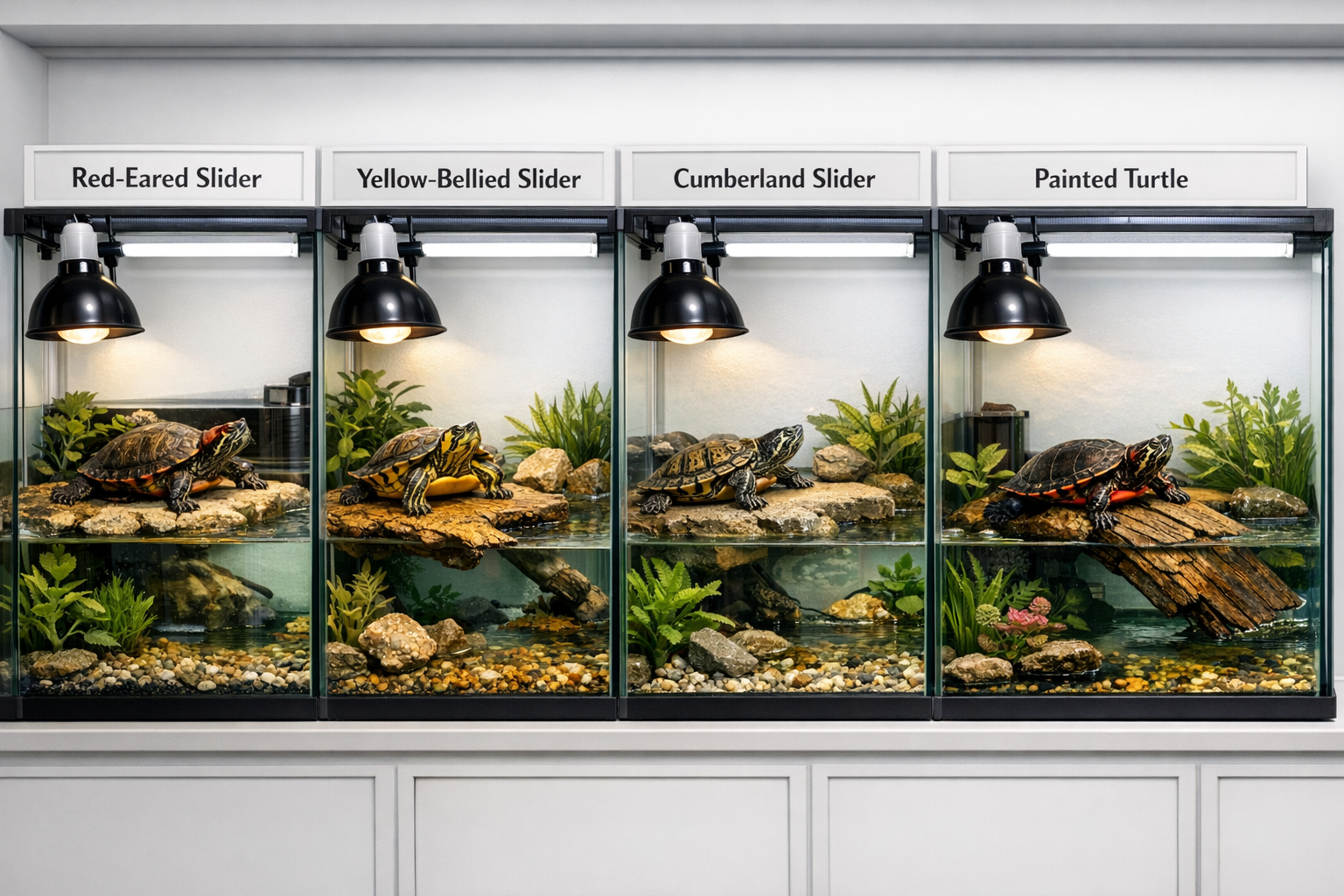
Slider turtles represent a diverse group of semi-aquatic species that have become synonymous with quality aquatic turtle keeping in the United States. These remarkable reptiles belong to the pond turtle family (Emydidae) and are native to various regions across North and Central America. What makes slider turtles particularly appealing is their combination of hardiness, attractive appearance, and engaging behaviors that provide endless fascination for dedicated keepers.
The most recognizable member of this group is the red-eared slider (Trachemys scripta elegans), distinguished by the characteristic red or orange stripes behind each eye. These vibrant markings, combined with their olive to brown carapace adorned with yellow striping, create a truly striking appearance. Adult red-eared sliders typically reach 8-12 inches in length, with females generally growing larger than males.
Yellow-bellied sliders (Trachemys scripta scripta) offer another excellent option, featuring bright yellow plastrons (bottom shells) and distinctive yellow markings on their heads and necks. These turtles share similar size characteristics with their red-eared cousins but display unique coloration patterns that make them highly sought after by collectors.
Cumberland sliders (Trachemys scripta troostii) represent a less common but equally fascinating subspecies, featuring more subdued coloration with intricate shell patterns and subtle head markings. These turtles often display more muted tones but compensate with complex geometric patterns across their carapaces.
Physical Characteristics and Identification
Slider turtles exhibit several key physical features that distinguish them from other aquatic species:
- Webbed feet perfectly adapted for swimming and maneuvering in aquatic environments
- Streamlined shells that reduce drag while swimming and provide protection
- Retractable heads and limbs for defense and efficient movement
- Keen eyesight both above and below water for hunting and navigation
- Strong jaws capable of processing both plant and animal matter
The sexual dimorphism in slider turtles becomes apparent as they mature. Males develop elongated front claws used in courtship displays, while females grow larger overall to accommodate egg production. Males also tend to have longer, thicker tails and slightly concave plastrons.
Natural Behavior and Adaptations
In their natural habitats, slider turtles demonstrate remarkable behavioral adaptations that translate into specific care requirements in captive settings. These turtles are primarily diurnal, meaning they’re most active during daylight hours when they bask, feed, and explore their territories.
Basking behavior represents one of the most critical aspects of slider turtle biology. These reptiles require regular exposure to UV radiation for proper calcium metabolism and shell development. In nature, they spend significant portions of their day on logs, rocks, or other elevated surfaces, absorbing both heat and UV radiation from the sun.
Slider turtles are also excellent swimmers, capable of remaining submerged for extended periods while foraging or avoiding predators. Their webbed feet and streamlined bodies allow them to navigate complex aquatic environments with remarkable agility.
For those interested in acquiring these magnificent creatures, Tortoise Town stands as America’s premier destination for water turtles for sale, offering captive-bred specimens with complete health guarantees and expert support.
Essential Habitat Requirements for Slider Turtles
Creating the perfect environment for slider turtles requires careful attention to multiple environmental factors that replicate their natural habitat conditions. These semi-aquatic species need both aquatic and terrestrial areas within their enclosures, along with precise control over temperature, lighting, and water quality parameters.
Aquarium Size and Setup Specifications
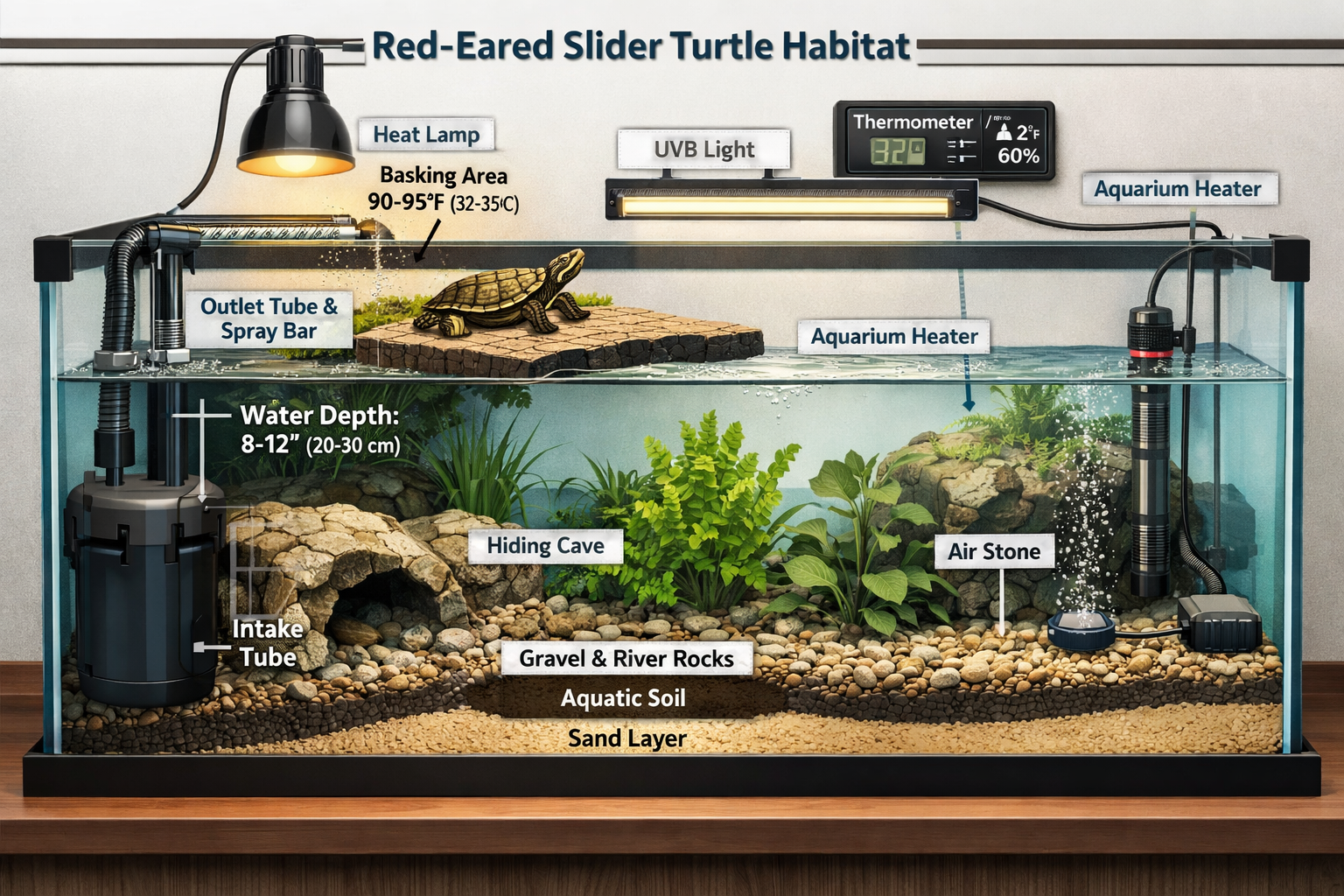
The foundation of successful slider turtle keeping begins with providing adequate space. Adult slider turtles require substantial aquatic environments to maintain their physical and psychological well-being. A minimum 75-gallon aquarium is recommended for a single adult slider, though larger enclosures of 100+ gallons provide significantly better outcomes.
Water depth requirements vary based on the turtle’s size and swimming ability. Adult sliders thrive in water depths of 12-18 inches, allowing for natural swimming behaviors while ensuring they can easily surface for breathing. Juvenile specimens require shallower water (6-8 inches) to prevent exhaustion and ensure easy access to basking areas.
The aquatic portion should occupy approximately 75% of the total enclosure space, with the remaining 25% dedicated to terrestrial basking areas. This ratio provides adequate swimming space while ensuring proper thermoregulation opportunities.
Filtration and Water Quality Management
Slider turtles produce significant biological waste, making robust filtration systems absolutely essential. Canister filters rated for 2-3 times the actual water volume provide optimal filtration capacity. For a 100-gallon setup, choose filters rated for 200-300 gallons to maintain pristine water conditions.
Water quality parameters must be monitored regularly:
- Temperature: 75-80°F (24-27°C) for water, with basking areas reaching 88-92°F (31-33°C)
- pH levels: 6.5-7.5 (slightly acidic to neutral)
- Ammonia and nitrites: 0 ppm (toxic to turtles)
- Nitrates: Below 20 ppm (weekly water changes help maintain low levels)
Weekly water changes of 25-30% help maintain optimal conditions while removing accumulated waste products. Dechlorinated water is essential, as chlorine and chloramines found in tap water can harm turtle health.
Lighting and UV Requirements
Proper lighting represents one of the most critical aspects of slider turtle care. These reptiles require both heat and UV radiation to maintain proper calcium metabolism, shell development, and overall health.
UV lighting specifications:
- UVB output: 5-10% UVB fluorescent or LED fixtures
- Placement distance: 12-18 inches above basking areas
- Photoperiod: 10-12 hours daily, mimicking natural daylight cycles
- Replacement schedule: Every 6-12 months, as UV output degrades over time
Basking lights should provide focused heat to create proper temperature gradients. Ceramic heat emitters or incandescent bulbs work well, positioned to create basking spot temperatures of 88-92°F while allowing cooler areas for thermoregulation.
Substrate and Environmental Enrichment
Slider turtles benefit from carefully chosen substrates that promote natural behaviors while maintaining water quality. Large river rocks, smooth gravel (too large to ingest), or bare-bottom setups work well. Avoid small gravel or sand that could cause impaction if consumed.
Environmental enrichment enhances the quality of life for captive slider turtles:
- Live or artificial plants provide hiding spots and visual barriers
- Driftwood and rock formations create natural-looking landscapes
- Varied basking surfaces accommodate different preferences and behaviors
- Feeding enrichment through varied food presentation methods
For those seeking high-quality turtle for sale options, Tortoise Town provides comprehensive care guides and ongoing support to ensure successful habitat setup and maintenance.
Nutrition and Feeding Guidelines for Slider Turtles
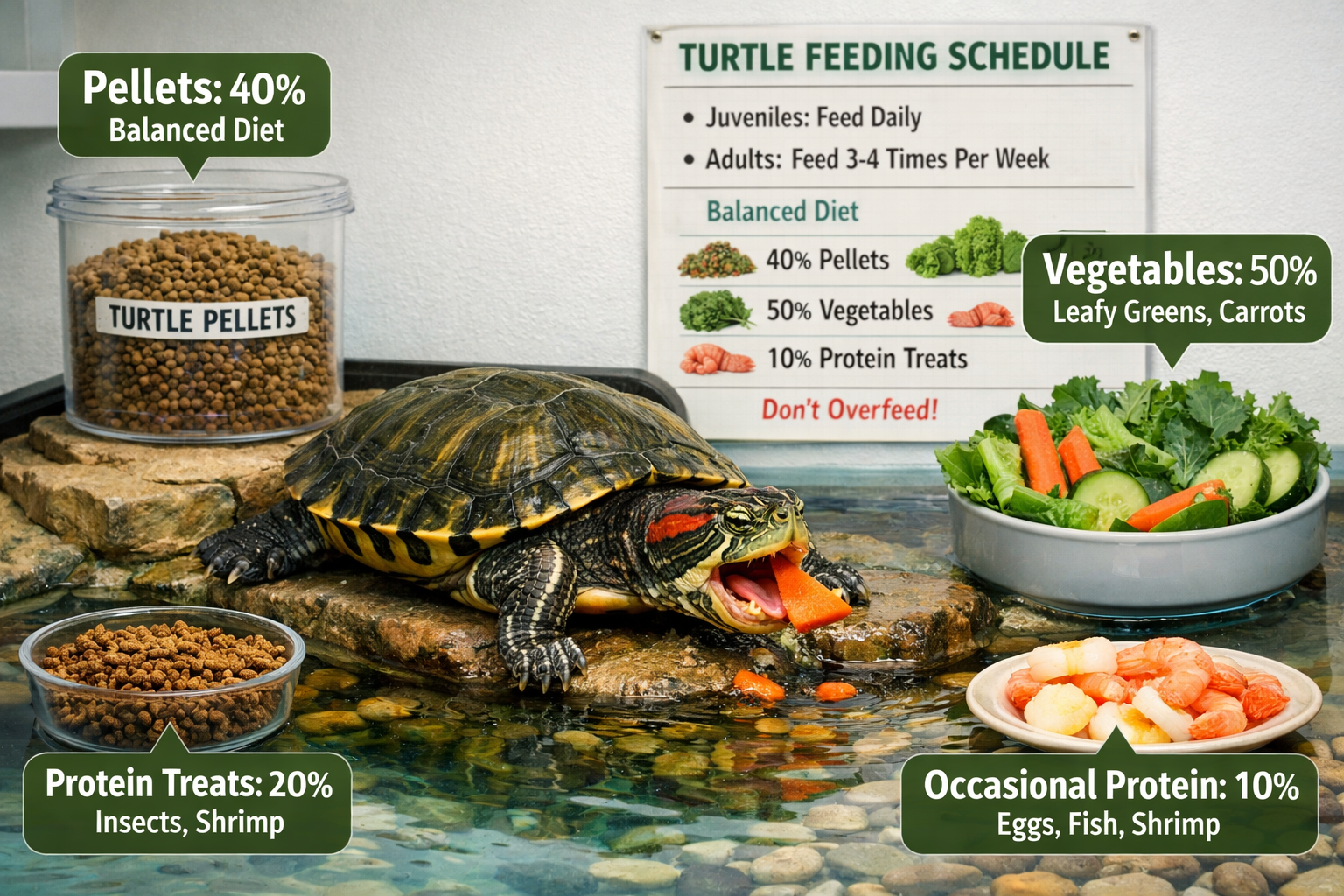
Proper nutrition forms the cornerstone of successful slider turtle keeping, directly impacting growth rates, shell development, immune function, and overall longevity. These omnivorous reptiles require carefully balanced diets that change significantly as they mature from primarily carnivorous juveniles to more herbivorous adults.
Age-Appropriate Feeding Strategies
Juvenile slider turtles (under 2 years) require protein-rich diets to support rapid growth and development. Their natural diet consists of approximately 70-80% animal protein and 20-30% plant matter. As they mature, this ratio gradually shifts toward more plant-based nutrition, with adults thriving on diets containing 60-70% vegetation and 30-40% protein sources.
Feeding frequency guidelines:
- Hatchlings (0-6 months): Daily feeding with small, frequent meals
- Juveniles (6 months-2 years): Daily feeding with appropriately sized portions
- Sub-adults (2-4 years): Every other day feeding with larger portions
- Adults (4+ years): 2-3 times weekly with substantial meals
This feeding schedule mimics natural foraging patterns while preventing overfeeding, which can lead to shell deformities and health complications in captive slider turtles.
Commercial Diet Foundations
High-quality commercial turtle pellets should form the foundation of any slider turtle diet. These specially formulated foods provide balanced nutrition with appropriate protein levels, essential vitamins, and minerals crucial for proper development.
Commercial diet selection criteria:
- Protein content: 35-40% for juveniles, 25-30% for adults
- Calcium supplementation: Enhanced calcium levels for shell development
- Vitamin fortification: Including vitamin D3, vitamin A, and B-complex vitamins
- Digestibility: Easily processed ingredients that don’t cloud water excessively
Premium commercial diets eliminate the guesswork involved in providing balanced nutrition while serving as convenient base foods that can be supplemented with fresh ingredients.
Fresh Food Supplementation
Slider turtles benefit tremendously from varied fresh food supplementation that provides enrichment while meeting specific nutritional needs. Fresh foods should comprise 30-40% of the total diet for optimal health outcomes.
Recommended protein sources:
- Feeder fish: Guppies, goldfish (occasionally), or minnows
- Invertebrates: Earthworms, crickets, or aquatic insects
- Commercial proteins: Freeze-dried krill, bloodworms, or brine shrimp
Vegetable and plant matter:
- Leafy greens: Collard greens, mustard greens, dandelion leaves
- Aquatic plants: Water hyacinth, water lettuce, or duckweed
- Vegetables: Squash, sweet potato, and carrots (sparingly)
For comprehensive information about safe plant options, refer to edible plants for tortoises, which provides valuable insights applicable to turtle nutrition as well.
Feeding Techniques and Best Practices
Successful slider turtle feeding involves more than just providing appropriate foods – proper techniques ensure optimal nutrition while maintaining water quality and encouraging natural behaviors.
Feeding location strategies:
- Separate feeding tank: Prevents main habitat contamination
- Designated feeding areas: Specific locations within the main enclosure
- Varied presentation: Different heights and locations to encourage foraging
Portion control guidelines:
- Head-size rule: Offer amounts equivalent to the turtle’s head size
- 15-minute rule: Remove uneaten food after 15 minutes to prevent water quality issues
- Observation-based adjustments: Monitor body condition and adjust portions accordingly
Water quality considerations during feeding require special attention, as uneaten food rapidly degrades water conditions. Many experienced keepers prefer separate feeding containers to maintain pristine habitat conditions while ensuring adequate nutrition.
Those interested in acquiring healthy, well-started specimens can find exceptional turtles for sale from reputable sources that provide detailed feeding guides and ongoing nutritional support.
Popular Slider Turtle Species and Varieties
The world of slider turtles encompasses several distinct species and subspecies, each offering unique characteristics, coloration patterns, and care requirements. Understanding these differences helps prospective keepers choose the most suitable species for their specific situations and preferences.
Red-Eared Sliders: The Classic Choice
Red-eared sliders (Trachemys scripta elegans) represent the most recognizable and widely kept slider turtles in the United States. These remarkable reptiles feature the distinctive red or orange patches behind their eyes that give them their common name, combined with intricate yellow striping across their olive to dark brown carapaces.
Physical characteristics:
- Adult size: 8-12 inches (females larger than males)
- Distinctive markings: Red/orange ear patches, yellow plastron with dark markings
- Shell pattern: Olive to brown with yellow striping and intricate geometric patterns
- Sexual dimorphism: Males develop elongated front claws and concave plastrons
Red-eared sliders demonstrate exceptional hardiness and adaptability, making them excellent choices for both beginning and experienced keepers. Their active personalities and engaging behaviors provide endless entertainment, while their robust constitution tolerates minor care variations that might stress more sensitive species.
These slider turtles exhibit strong basking behaviors and are excellent swimmers, requiring well-designed habitats that accommodate both terrestrial and aquatic needs. Their omnivorous feeding habits make nutrition management straightforward, though proper diet balance remains essential for optimal health.
For those seeking high-quality specimens, red-eared slider habitat information provides comprehensive setup guidance, while red-eared slider tank specifications ensure proper housing requirements are met.
Yellow-Bellied Sliders: Vibrant Alternatives
Yellow-bellied sliders (Trachemys scripta scripta) offer stunning visual appeal with their bright yellow plastrons and distinctive head markings. These slider turtles share many characteristics with their red-eared cousins but display unique coloration that makes them highly desirable among collectors.
Distinguishing features:
- Plastron coloration: Bright yellow with minimal dark markings
- Head patterns: Yellow stripes extending from the neck to behind the eyes
- Size range: Similar to red-eared sliders (8-12 inches)
- Temperament: Generally calm and easily managed
Yellow-bellied sliders require identical care parameters to red-eared sliders, making them excellent alternatives for keepers seeking visual variety without additional complexity. Their feeding requirements, habitat needs, and behavioral patterns closely mirror those of red-eared sliders.
Cumberland Sliders: Unique Subspecies
Cumberland sliders (Trachemys scripta troostii) represent a less common but equally fascinating subspecies featuring more subdued coloration with complex shell patterns. These slider turtles appeal to keepers seeking unique specimens with distinctive appearance characteristics.
Notable characteristics:
- Coloration: More muted tones with intricate geometric shell patterns
- Head markings: Subtle yellow striping without prominent ear patches
- Size: Slightly smaller than other slider subspecies (6-10 inches)
- Availability: Less common, making them prized by collectors
Painted Turtles: Colorful Relatives
While technically not true sliders, painted turtles (Chrysemys picta) share similar care requirements and are often grouped with slider turtles due to their comparable needs and behaviors. These stunning reptiles feature some of the most vibrant coloration found in North American aquatic turtles.
Painted turtle varieties:
- Eastern painted turtles: Distinctive red and yellow markings along shell edges
- Western painted turtles: Intricate red plastron patterns with yellow head stripes
- Midland painted turtles: Dark carapaces with bright red plastron markings
- Southern painted turtles: Red stripe down the center of the carapace
Painted turtles require similar habitat conditions to slider turtles but tend to prefer slightly cooler water temperatures and may require more specialized care in some regions. Their smaller adult size (4-8 inches) makes them suitable for slightly smaller enclosures while still requiring robust filtration and proper UV lighting.
For those interested in painted turtle varieties, painted turtles for sale options provide access to captive-bred specimens with excellent health guarantees.
The diversity within slider turtles and related species ensures that keepers can find specimens perfectly suited to their preferences and care capabilities. Whether seeking the classic appeal of red-eared sliders or the unique characteristics of less common subspecies, reputable breeders provide access to healthy, well-started animals with comprehensive care support.
Health Considerations and Veterinary Care for Slider Turtles
Maintaining optimal health in slider turtles requires proactive care, regular monitoring, and understanding of common health issues that can affect these aquatic reptiles. Preventive medicine plays a crucial role in ensuring long, healthy lives for captive slider turtles, while early recognition of health problems enables prompt intervention and successful treatment outcomes.
Common Health Issues in Slider Turtles
Slider turtles can develop various health conditions, many of which are preventable through proper husbandry and environmental management. Understanding these conditions helps keepers recognize early warning signs and seek appropriate veterinary care when necessary.
Respiratory infections represent one of the most common health problems in captive slider turtles. These infections typically result from inadequate basking temperatures, poor water quality, or insufficient UV lighting. Symptoms include mouth breathing, wheezing sounds, nasal discharge, and lethargy. Affected turtles may also spend excessive time basking or show reluctance to enter the water.
Shell rot (shell necrosis) occurs when bacterial or fungal infections affect the shell structure. This condition often develops in environments with poor water quality, inadequate filtration, or insufficient UV lighting. Early signs include soft spots on the shell, discoloration, or foul odors emanating from affected areas.
Metabolic bone disease results from insufficient calcium absorption, typically caused by inadequate UV lighting or improper diet balance. Affected slider turtles may exhibit soft shells, deformed growth patterns, or difficulty moving normally.
Parasitic infections can affect both internal organs and external surfaces. Internal parasites may cause weight loss, poor appetite, or abnormal fecal consistency, while external parasites might be visible on the skin or shell surfaces.
Preventive Health Measures
Successful slider turtle health management focuses heavily on prevention rather than treatment. Proper environmental conditions, nutrition, and husbandry practices prevent the majority of health problems commonly seen in captive turtles.
Environmental prevention strategies:
- Water quality maintenance: Regular testing and filtration system maintenance
- Temperature regulation: Consistent basking and water temperatures
- UV lighting: Proper spectrum and intensity with regular bulb replacement
- Habitat cleanliness: Regular cleaning and disinfection protocols
Nutritional prevention approaches:
- Balanced diets: Appropriate protein and vegetable ratios for each life stage
- Calcium supplementation: Adequate calcium levels for shell and bone development
- Vitamin supplementation: Regular vitamin D3 and multivitamin supplementation
- Food safety: Fresh, high-quality ingredients free from contamination
Quarantine protocols for new slider turtles help prevent disease transmission to established collections. New arrivals should be isolated for 60-90 days with separate equipment and careful health monitoring before introduction to main habitats.
Veterinary Care and Professional Support
Establishing relationships with qualified reptile veterinarians ensures access to professional care when health issues arise. Not all veterinarians have experience with slider turtles, making it important to identify reptile specialists in your area before problems develop.
Regular veterinary care should include:
- Annual health examinations: Comprehensive physical assessments
- Fecal parasite screening: Annual testing for internal parasites
- Shell and skin evaluation: Professional assessment of external health
- Nutritional counseling: Diet optimization based on individual needs
Emergency care situations require immediate veterinary attention:
- Trauma or injuries: Shell damage, wounds, or suspected fractures
- Severe respiratory distress: Difficulty breathing or mouth breathing
- Neurological symptoms: Abnormal swimming, coordination problems, or seizures
- Severe lethargy: Unresponsiveness or inability to move normally
Monitoring and Record Keeping
Successful slider turtle health management requires systematic monitoring and detailed record keeping. Regular observations help identify subtle changes that might indicate developing health problems before they become serious.
Daily monitoring checklist:
- Appetite and feeding behavior: Normal food consumption and feeding responses
- Activity levels: Appropriate swimming, basking, and exploration behaviors
- Breathing patterns: Normal respiratory rate and effort
- Physical appearance: Shell condition, skin health, and eye clarity
Weekly assessments:
- Body weight: Regular weighing to monitor growth or weight changes
- Water quality testing: pH, ammonia, nitrite, and nitrate levels
- Equipment function: Filter operation, heating, and lighting systems
- Habitat cleanliness: Overall enclosure condition and maintenance needs
Monthly evaluations:
- Growth measurements: Shell length and width for juvenile turtles
- Behavioral documentation: Changes in personality or activity patterns
- Equipment maintenance: Deep cleaning and system servicing
- Photographic records: Visual documentation of shell and overall condition
Maintaining detailed health records helps veterinarians make accurate diagnoses and track treatment progress when health issues arise. These records also provide valuable insights into individual turtle care requirements and environmental preferences.
For those seeking healthy, well-started specimens with comprehensive health support, Tortoise Town provides turtles for sale with complete health guarantees and access to expert care guidance throughout the ownership experience.
Legal Considerations and Responsible Ownership
Understanding the legal framework surrounding slider turtle ownership ensures compliance with federal, state, and local regulations while promoting responsible keeping practices. These regulations exist to protect both wild turtle populations and public health, making compliance essential for all turtle keepers.
Federal Regulations and the Four-Inch Rule
The most significant federal regulation affecting slider turtle ownership is the FDA’s prohibition on the sale of turtles with carapace lengths under four inches for general pet purposes. This regulation, established in 1975, was implemented to reduce Salmonella transmission risks, particularly to children who might handle small turtles inappropriately.
Four-inch rule implications:
- Commercial sales: Retailers cannot sell turtles under 4 inches as pets
- Scientific exemption: Turtles under 4 inches may be sold for research and educational purposes
- Private breeding: Regulations may vary for private breeding operations
- Interstate transport: Additional restrictions may apply to moving turtles across state lines
This regulation significantly impacts the slider turtle market, as many popular species remain under four inches for their first 1-2 years of life. Reputable dealers clearly identify specimens sold for research and scientific purposes, ensuring compliance with federal guidelines.
State and Local Regulations
Slider turtle regulations vary significantly between states, with some jurisdictions implementing additional restrictions beyond federal requirements. These regulations may address native species protection, invasive species concerns, or public health considerations specific to local conditions.
Common state-level regulations:
- Native species protection: Restrictions on collecting wild turtles
- Invasive species prevention: Prohibitions on releasing non-native species
- Permit requirements: Licensing for commercial breeding or sales operations
- Import/export restrictions: Controls on moving turtles between states
Local ordinances may impose additional restrictions on turtle keeping, particularly in urban areas or regions with sensitive ecosystems. Some municipalities limit the number of turtles individuals can maintain or require permits for keeping reptiles.
Responsible Ownership Practices
Beyond legal compliance, responsible slider turtle ownership involves ethical considerations that protect both individual animals and wild populations. These practices demonstrate commitment to conservation and animal welfare while supporting sustainable keeping practices.
Ethical ownership principles:
- Lifetime commitment: Understanding the 20-40+ year lifespan commitment
- Proper care provision: Meeting all physical and behavioral needs
- No release policies: Never releasing captive turtles into wild environments
- Responsible breeding: Avoiding overproduction and ensuring proper homes for offspring
Conservation considerations play important roles in responsible slider turtle keeping. Wild turtle populations face numerous threats including habitat loss, pollution, and over-collection. Supporting captive breeding programs helps reduce pressure on wild populations while providing healthy animals for the keeping community.
Disease prevention represents another crucial aspect of responsible ownership. Captive slider turtles can harbor pathogens that might affect wild populations if released. Proper quarantine procedures, veterinary care, and strict no-release policies help protect native ecosystems.
Educational and Research Applications
The scientific exemption for turtles under four inches creates opportunities for legitimate educational and research applications. These programs contribute valuable knowledge about turtle biology, behavior, and conservation while providing appropriate outlets for smaller specimens.
Educational applications:
- School programs: Supervised educational projects with proper protocols
- Research institutions: University and laboratory research programs
- Conservation education: Public awareness and conservation messaging
- Breeding research: Genetic and reproductive biology studies
Research opportunities with slider turtles contribute to broader understanding of reptile biology, ecology, and conservation needs. These studies help develop better husbandry practices while supporting conservation efforts for wild populations.
Compliance and Documentation
Maintaining proper documentation ensures compliance with applicable regulations while supporting responsible keeping practices. This documentation becomes particularly important for breeding operations or educational programs involving slider turtles.
Recommended documentation:
- Purchase records: Source information and compliance statements
- Health records: Veterinary care and health monitoring documentation
- Breeding records: Genetic information and offspring tracking
- Educational documentation: Program descriptions and educational objectives
Compliance verification may involve periodic inspections or reporting requirements, depending on local regulations and the scope of turtle keeping activities. Working with reputable suppliers who understand regulatory requirements helps ensure proper compliance from the beginning.
For those seeking compliant, legally obtained specimens, Tortoise Town maintains strict adherence to all applicable regulations while providing water turtles for sale with complete documentation and compliance support.
Important Disclosure: All turtles sold under 4 inches are designated for research and scientific purposes only and are not sold as pets. This designation ensures compliance with federal regulations while supporting legitimate educational and research applications.
Breeding and Reproduction in Slider Turtles
Understanding slider turtle reproduction provides valuable insights into their biology while offering advanced keepers opportunities to contribute to captive breeding programs. Successful breeding requires extensive knowledge, proper facilities, and long-term commitment to both parent animals and offspring care.
Sexual Maturity and Breeding Readiness
Slider turtles reach sexual maturity based on size rather than age, though both factors influence breeding readiness. Females typically mature when they reach 6-8 inches in carapace length, usually occurring between 4-7 years of age under optimal conditions. Males mature slightly earlier, often achieving breeding capability at 4-5 inches and 3-5 years of age.
Sexual dimorphism indicators:
- Male characteristics: Elongated front claws, longer and thicker tails, slightly concave plastrons
- Female characteristics: Larger overall size, shorter claws, flatter plastrons, broader shells
- Behavioral differences: Males display courtship behaviors including claw fluttering and head bobbing
Breeding condition assessment requires evaluating both physical maturity and overall health status. Breeding animals should display excellent body condition, active behaviors, and no signs of illness or stress. Undernourished or stressed slider turtles rarely breed successfully and may experience complications during reproduction.
Courtship and Mating Behaviors
Slider turtle courtship involves elaborate behavioral displays that demonstrate the complex social behaviors of these reptiles. Understanding these behaviors helps keepers recognize breeding activity and provide appropriate environmental conditions for successful reproduction.
Courtship sequence:
- Initial approach: Males approach females with distinctive swimming patterns
- Claw fluttering: Males position themselves face-to-face with females and rapidly vibrate their elongated front claws
- Head movements: Rhythmic head bobbing and side-to-side movements
- Pursuit behaviors: Males may chase females around the habitat
Mating typically occurs in water, with the male mounting the female from behind. Successful copulation may last several minutes, and multiple mating sessions often occur over several days or weeks during the breeding season.
Environmental triggers for breeding behavior include:
- Temperature cycling: Gradual temperature increases simulating spring conditions
- Photoperiod changes: Increasing daylight hours
- Nutritional condition: High-quality diets with adequate protein and calcium
- Water quality: Pristine conditions that reduce stress
Nesting and Egg-Laying
Female slider turtles require appropriate nesting areas to successfully deposit their eggs. In captivity, providing suitable nesting substrates and conditions becomes crucial for successful reproduction.
Nesting substrate requirements:
- Depth: Minimum 8-12 inches of suitable digging material
- Composition: Sand, soil, or specialized nesting mixes that hold shape when dug
- Moisture content: Slightly damp but not waterlogged conditions
- Temperature: Warm substrate temperatures (80-85°F) encourage nesting
Egg-laying behavior involves extensive digging as females create flask-shaped nests. The process can take several hours, with females often testing multiple locations before selecting final nesting sites. Slider turtles typically lay 4-12 eggs per clutch, though larger females may produce larger clutches.
Multiple clutches are common, with healthy females potentially producing 2-3 clutches per breeding season. Subsequent clutches often occur 3-4 weeks after previous egg-laying events.
Incubation and Hatching
Successful slider turtle reproduction requires careful attention to incubation conditions that significantly impact hatching success and offspring health. Temperature control becomes particularly critical, as it influences both development rates and sex determination.
Incubation parameters:
- Temperature range: 78-84°F (26-29°C) for optimal development
- Humidity levels: 80-85% relative humidity
- Substrate moisture: Slightly damp vermiculite or specialized incubation media
- Ventilation: Adequate air exchange without excessive moisture loss
Temperature-dependent sex determination occurs in slider turtles, with incubation temperatures influencing offspring gender:
- Lower temperatures (78-81°F): Primarily male offspring
- Middle temperatures (81-83°F): Mixed sex ratios
- Higher temperatures (83-84°F): Primarily female offspring
Incubation duration typically ranges from 60-90 days, depending on temperature and species. Higher temperatures generally result in faster development, while cooler conditions extend incubation periods.
Hatchling Care and Development
Newly hatched slider turtles require specialized care that differs significantly from adult requirements. These tiny reptiles face unique challenges and vulnerabilities that demand careful attention to environmental conditions and nutrition.
Hatchling habitat requirements:
- Shallow water: 2-4 inches deep to prevent drowning while allowing swimming
- Basking areas: Easily accessible platforms with appropriate heating
- Filtration: Gentle filtration that doesn’t create strong currents
- Security: Multiple hiding places to reduce stress
Nutritional needs for hatchling slider turtles emphasize high-protein diets to support rapid growth and development. Commercial hatchling foods, supplemented with appropriate fresh foods, provide optimal nutrition for these growing reptiles.
Growth monitoring becomes essential for tracking hatchling development and identifying potential problems early. Regular weighing, measuring, and photographic documentation help ensure proper growth rates and development patterns.
For those interested in learning more about related species care, information about hatchling care provides valuable insights applicable to turtle husbandry, while Tortoise Town offers turtle for sale options from experienced breeders with comprehensive breeding support.
Successful slider turtle breeding represents an advanced aspect of reptile keeping that requires extensive knowledge, proper facilities, and long-term commitment. Those considering breeding should thoroughly understand all aspects of reproduction, from courtship through hatchling care, before attempting to breed these remarkable reptiles.
Advanced Care Techniques and Enrichment
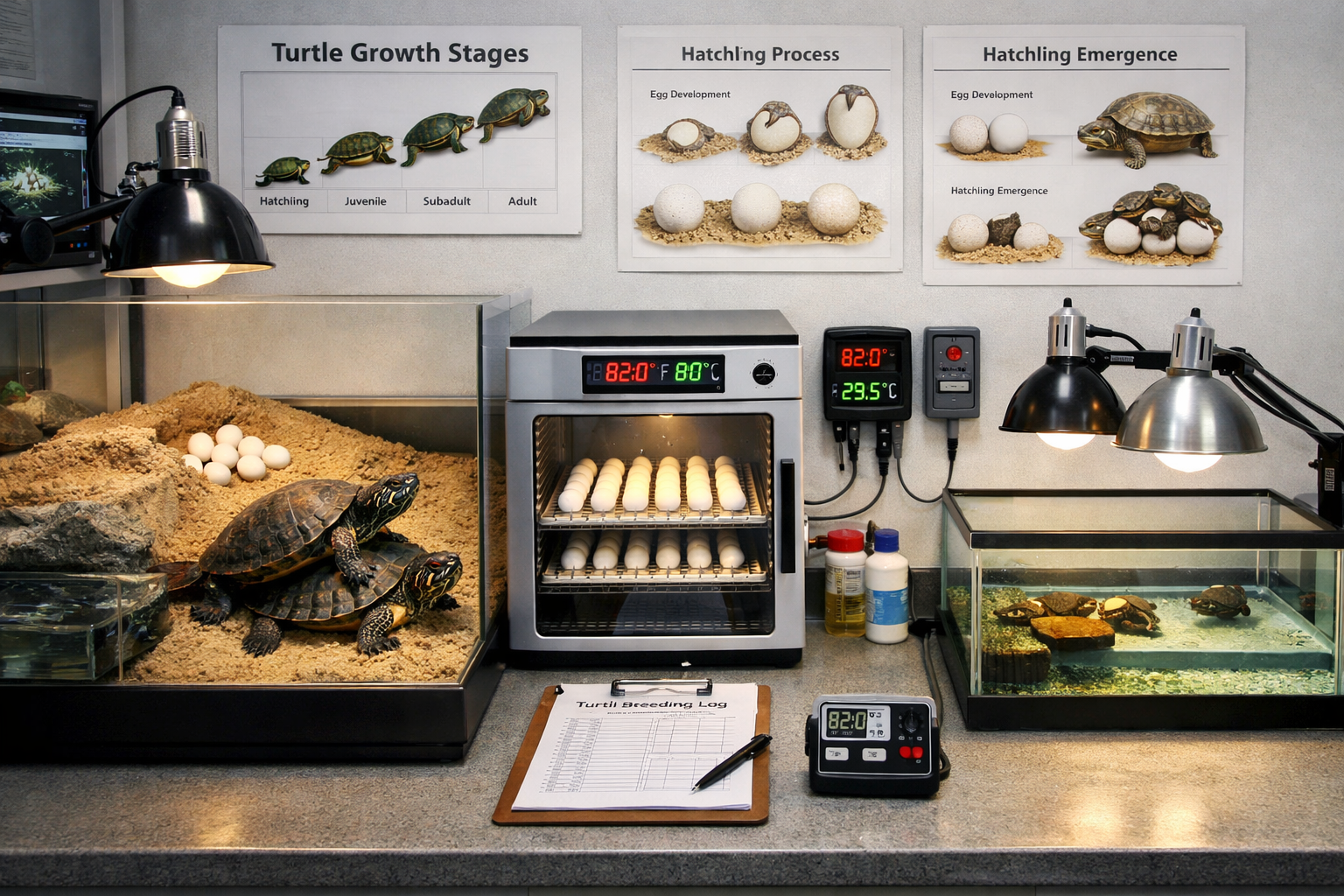
Elevating slider turtle care beyond basic requirements involves implementing advanced husbandry techniques and environmental enrichment strategies that promote natural behaviors and enhance quality of life. These sophisticated approaches demonstrate the depth of knowledge and commitment that characterizes expert turtle keeping.
Environmental Enrichment Strategies
Slider turtles benefit tremendously from varied environmental stimulation that encourages natural behaviors and prevents the development of stereotypical behaviors often seen in understimulated captive animals. Effective enrichment programs address multiple sensory modalities while providing opportunities for exploration, foraging, and social interaction.
Structural enrichment involves creating complex, three-dimensional environments that offer varied swimming depths, multiple basking options, and diverse hiding opportunities. Incorporating driftwood, rock formations, and live plants creates naturalistic landscapes that encourage exploration and provide psychological stimulation.
Feeding enrichment transforms routine feeding into engaging activities that stimulate natural foraging behaviors. Techniques include:
- Scatter feeding: Distributing food items throughout the habitat
- Puzzle feeders: Devices that require manipulation to access food
- Live food presentation: Offering live fish or invertebrates for hunting practice
- Varied feeding locations: Changing food placement to encourage exploration
Sensory enrichment addresses the sophisticated sensory capabilities of slider turtles:
- Visual stimulation: Rotating decorations and changing habitat layouts
- Tactile experiences: Different substrate textures and surface materials
- Olfactory enrichment: Introducing safe, novel scents through food items
- Auditory stimulation: Natural sounds or gentle water movement variations
Advanced Filtration and Water Management
Sophisticated slider turtle systems employ advanced filtration technologies that maintain pristine water conditions while reducing maintenance requirements. These systems often combine multiple filtration methods for optimal results.
Multi-stage filtration systems typically include:
- Mechanical filtration: Removing particulate matter and debris
- Biological filtration: Beneficial bacteria colonies processing waste products
- Chemical filtration: Activated carbon or specialized media removing dissolved compounds
- UV sterilization: Eliminating pathogens and controlling algae growth
Automated monitoring systems provide continuous oversight of critical water parameters:
- pH monitoring: Continuous tracking with alarm systems for parameter deviations
- Temperature control: Precise heating and cooling with backup systems
- Water level management: Automatic top-off systems maintaining consistent levels
- Flow rate monitoring: Ensuring optimal circulation and filtration efficiency
Water change automation reduces labor while ensuring consistent water quality:
- Drip systems: Continuous small-volume water changes
- Scheduled exchanges: Automated large-volume changes on predetermined schedules
- Waste removal: Automated substrate cleaning and waste extraction systems
Breeding Program Management
Advanced slider turtle breeding programs require sophisticated management techniques that optimize breeding success while maintaining genetic diversity and animal welfare. These programs often contribute to conservation efforts while producing healthy animals for the keeping community.
Genetic management involves careful record keeping and breeding decisions that maintain genetic diversity:
- Pedigree tracking: Detailed ancestry records for all breeding animals
- Outcrossing programs: Introducing new genetic lines to prevent inbreeding
- Performance monitoring: Tracking reproductive success and offspring quality
- Health screening: Genetic testing and health evaluations for breeding stock
Reproductive conditioning programs optimize breeding success through environmental manipulation:
- Seasonal cycling: Temperature and photoperiod manipulation mimicking natural conditions
- Nutritional conditioning: Specialized diets enhancing reproductive condition
- Social grouping: Appropriate male-to-female ratios and group dynamics
- Stress reduction: Minimizing environmental stressors during breeding seasons
Health Monitoring and Preventive Medicine
Advanced slider turtle health management employs sophisticated monitoring techniques and preventive medicine protocols that maintain optimal health while detecting problems before they become serious.
Diagnostic technologies available for turtle health assessment:
- Digital radiography: X-ray imaging for internal health evaluation
- Ultrasound examination: Non-invasive organ and reproductive assessment
- Endoscopy: Direct visualization of internal structures
- Laboratory diagnostics: Blood chemistry, hematology, and pathogen testing
Preventive medicine protocols include:
- Quarantine management: Sophisticated isolation and health screening procedures
- Vaccination programs: Where available and appropriate for specific pathogens
- Parasite prevention: Regular screening and treatment protocols
- Nutritional supplementation: Targeted vitamin and mineral supplementation programs
Health database management involves maintaining detailed health records that support long-term health management and contribute to broader understanding of turtle health and longevity.
Technology Integration
Modern slider turtle keeping increasingly incorporates technology solutions that enhance care quality while providing valuable data about animal behavior and environmental conditions.
Monitoring systems provide real-time data about habitat conditions:
- Wireless sensors: Temperature, humidity, and water quality monitoring
- Camera systems: Behavioral observation and security monitoring
- Data logging: Long-term environmental data collection and analysis
- Mobile applications: Remote monitoring and control capabilities
Automation systems reduce labor while ensuring consistent care:
- Feeding systems: Automated food delivery on predetermined schedules
- Lighting control: Programmable photoperiod management with gradual transitions
- Climate control: Sophisticated heating, cooling, and ventilation management
- Security systems: Monitoring and protection for valuable collections
These advanced techniques represent the cutting edge of slider turtle husbandry, demonstrating the sophisticated approaches possible when combining extensive knowledge with modern technology. For those seeking animals suitable for advanced keeping programs, Tortoise Town provides access to high-quality water turtles for sale with comprehensive support for implementing advanced care techniques.
Conclusion
Slider turtles represent some of the most rewarding and fascinating aquatic reptiles available to dedicated keepers, offering decades of companionship and endless opportunities for observation and study. Throughout this comprehensive guide, we’ve explored every aspect of slider turtle care, from basic habitat requirements to advanced breeding techniques and cutting-edge husbandry innovations.
The journey of keeping slider turtles successfully begins with understanding their complex needs – proper aquatic environments with robust filtration, precise temperature control, essential UV lighting, and carefully balanced nutrition that changes throughout their long lives. These semi-aquatic reptiles require significant commitment, with lifespans extending 20-40+ years under optimal care conditions.
We’ve examined the diverse species available, from the classic red-eared slider with its distinctive markings to the vibrant yellow-bellied slider and unique Cumberland slider varieties. Each species offers its own characteristics and appeal, while sharing similar care requirements that make them accessible to dedicated keepers willing to invest in proper setup and ongoing maintenance.
The health considerations we’ve discussed emphasize the importance of preventive care, regular monitoring, and establishing relationships with qualified reptile veterinarians. Many common health problems in slider turtles are entirely preventable through proper husbandry, making education and preparation crucial for successful outcomes.
Legal compliance remains essential, particularly regarding the federal four-inch rule and various state regulations. Understanding these requirements ensures responsible ownership while supporting conservation efforts and public health protection. Remember that all turtles sold under 4 inches are designated for research and scientific purposes only and are not sold as pets.
For those ready to embark on the rewarding journey of slider turtle keeping, the advanced techniques and enrichment strategies we’ve covered provide pathways for continual learning and improvement. From basic environmental enrichment to sophisticated breeding programs, there are always new challenges and opportunities for growth in this fascinating field.
Your Next Steps
Immediate Actions:
- Assess your commitment level – Ensure you’re prepared for a 20-40+ year responsibility
- Research local regulations – Verify compliance requirements in your area
- Plan your habitat setup – Design appropriate aquatic environments before acquiring animals
- Locate qualified veterinary care – Establish relationships with reptile-experienced veterinarians
- Connect with reputable sources – Identify trustworthy breeders and suppliers
Long-term Development:
- Join turtle keeping communities to connect with experienced keepers and continue learning
- Consider advanced techniques as your experience and confidence grow
- Document your journey through detailed record keeping and photography
- Contribute to conservation through responsible keeping practices and education
The world of slider turtles offers incredible depth and satisfaction for those willing to invest the time, resources, and dedication these remarkable reptiles deserve. Whether you’re drawn to their engaging personalities, stunning natural beauty, or fascinating behaviors, slider turtles provide lifelong learning opportunities and companionship that few other animals can match.
As America’s leading source for captive-bred aquatic reptiles, Tortoise Town stands ready to support your slider turtle journey with healthy, well-started animals, comprehensive care guidance, and ongoing support throughout your keeping experience. Their commitment to excellence in breeding and customer education makes them the ideal partner for both beginning and advanced turtle keepers.
Start your slider turtle adventure today, and discover why these remarkable aquatic reptiles have captured the hearts of dedicated keepers across the country. With proper preparation, commitment, and ongoing education, you’ll join the ranks of successful turtle keepers who understand the unique rewards these fascinating creatures provide.
References
[1] Ernst, C.H. & Lovich, J.E. (2009). Turtles of the United States and Canada. Johns Hopkins University Press.
[2] Gibbons, J.W. & Lovich, J.E. (1990). Sexual dimorphism in turtles with emphasis on the slider turtle (Trachemys scripta). Herpetological Monographs, 4, 1-29.
[3] Rhodin, A.G.J., et al. (2017). Global conservation status of turtles and tortoises (order Testudines). Chelonian Conservation and Biology, 16(2), 135-161.
[4] Warwick, C., et al. (2013). The epidemiological and welfare implications of turtle farming. Journal of Applied Animal Welfare Science, 16(1), 1-20.
[5] FDA Center for Food Safety and Applied Nutrition. (2021). Small turtle regulation guidance. U.S. Food and Drug Administration.
SEO Meta Title: Slider Turtles: Complete Care Guide for Aquatic Species 2026
SEO Meta Description: Comprehensive slider turtle care guide covering habitat setup, nutrition, health, and breeding. Expert advice for keeping red-eared, yellow-bellied, and Cumberland sliders successfully.
{“@context”:”https://schema.org”,”@type”:”Article”,”headline”:”slider turtles”,”description”:” Comprehensive slider turtle care guide covering habitat setup, nutrition, health, and breeding. Expert advice for keeping red-eared, yellow-bellied, and Cumber”,”image”:”https://zsxkvszxbhpwnvzxdydv.supabase.co/storage/v1/object/public/generated-images/kie/c2a5cb47-78f5-4cda-ab38-ef198d429faf/slot-0-1769012165001.png”,”datePublished”:”2026-01-21T16:10:46.560628+00:00″,”dateModified”:”2026-01-21T16:17:00.058Z”,”author”:{“@type”:”Organization”,”name”:”TORTOISETOWN”},”publisher”:{“@type”:”Organization”,”name”:”TORTOISETOWN”}}