

Geographic Map Turtle Care Guide: Tank, Basking, Water and Diet
The geographic map turtle (Graptemys geographica) is a river turtle named for the fine, contour-like lines on its shell that resemble the markings on a map. It is an active, alert swimmer and an enthusiastic basker, which makes it a rewarding turtle to watch. Map turtles do need very clean, well-oxygenated water and plenty of swimming room, so preparation pays off. You can learn more about our captive-bred geographic map turtle at www.TortoiseTown.com.
Natural History
Geographic map turtles live in rivers, lakes and large streams across much of the eastern and central United States and into southern Canada, including the Great Lakes, St. Lawrence, Ohio and Mississippi drainages. They prefer clear, flowing water with plenty of fallen logs for basking. In the wild, they eat snails, clams, crayfish and insects, and they quickly slide off a log at the first sign of danger.
Appearance
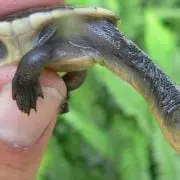
Hatchlings have an olive to brown shell with a slight central keel and a fine network of yellow lines. The head and limbs show yellow or greenish stripes, and many have a small yellow spot behind the eye. As they grow, shells often become browner and the pattern softer. A close relative, the Mississippi map turtle, has a more pronounced keel and a crescent-shaped mark behind the eye.

Size and Lifespan
This species shows striking size differences between the sexes. Adult males usually measure about 4 to 6 inches in shell length, while females grow much larger, often 7 to 10 inches or more, with a broader head for crushing shellfish. With good care, map turtles can live 20 to 30 years or longer.
Temperament
Map turtles are shy, alert and quick to dive. They do not enjoy frequent handling, but they become bolder with time and often learn to recognize their keeper at feeding time. Avoid housing them with aggressive species or with much larger turtles that may bully them.
Tank Setup
A hatchling can start in a 20 to 40 gallon tank, but plan for growth. A common guideline is about 10 gallons of water per inch of shell. Adult males do well in around 55 to 75 gallons, and adult females need 100 gallons or more. Key points:
- Strong filtration. Use a canister filter rated for at least two to three times the tank volume. Map turtles are very sensitive to poor water quality.
- Water depth. Provide deep water for swimming, with sloped decor or ramps so hatchlings can rest near the surface.
- Substrate. Bare bottom or large, smooth river stones too big to swallow.
- Water changes. Change 25 to 50 percent weekly and use a dechlorinator.
Basking, Heat and UVB
Every map turtle needs a completely dry basking spot. A floating platform such as the ZooMed floating turtle dock or a sturdy log works well. Aim for a basking surface of about 85 to 90°F with a heat lamp on a thermostat or timer, and keep water at roughly 72 to 78°F for hatchlings and juveniles. Add a quality UVB lamp over the basking area for 10 to 12 hours a day to support shell and bone health, and replace it on the manufacturer’s schedule.

Diet
Map turtles are omnivorous, with a strong preference for animal protein when young. Offer a quality turtle pellet, such as Zoo Med baby aquatic turtle food for hatchlings, along with snails, earthworms, crickets, bloodworms and small amounts of aquatic plants. Adult females especially benefit from snails, which they crush with their broad jaws. Feed hatchlings daily and adults every other day, offering only what they eat in a few minutes. A cuttlebone in the tank provides extra calcium.

Handling and Hygiene
Handle map turtles only when necessary, supporting the shell with both hands. Like all reptiles, turtles can carry Salmonella, so wash your hands after handling them or working in the tank, and clean equipment away from food areas.
Health Checks
Watch for clear eyes, smooth skin and a firm shell. Map turtles kept in dirty or poorly filtered water are prone to shell rot, skin infections and swollen eyes, so test water regularly and respond quickly to changes. Pale, soft spots on the shell, constant basking without swimming, or refusing food for several days are reasons to consult an experienced reptile veterinarian.
Why Captive-Bred Matters
Captive-bred hatchlings are free from the stress and parasites of wild collection, start eating pellets readily, and help protect wild river populations. They also adapt more easily to aquarium life and routine care.
Geographic Map Turtle Care FAQ
How big of a tank does a map turtle need?
Plan on about 10 gallons per inch of shell. Adult females need 100 gallons or more.
Do map turtles need UVB?
Yes. UVB and a dry basking spot are essential for healthy shell and bones.
What do geographic map turtles eat?
A mix of turtle pellets, snails, insects, worms and some aquatic plants.
Are map turtles good for beginners?
They can be, if you are prepared to keep water very clean and provide a large tank.
Meet our captive-bred geographic map turtles at www.TortoiseTown.com and build a clean, sunny river tank for years of enjoyment.

Leave a Reply
Want to join the discussion?Feel free to contribute!