

Caramel Leopard Tortoise Care Guide: Color, Habitat and Grazing Diet
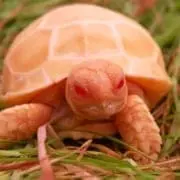
The caramel leopard tortoise is a color form of the leopard tortoise (Stigmochelys pardalis), one of the most beautiful tortoises in Africa. In place of the bold black spots and rings of a normal leopard, caramel animals show warm tan, honey and caramel markings on a cream shell, giving them a soft, glowing look. Their care is the same as any leopard tortoise: warm, dry, spacious and built around grazing. You can learn more about our captive-bred caramel leopard tortoise at www.TortoiseTown.com.
Natural History
Leopard tortoises range across the savannas and grasslands of eastern and southern Africa, from Sudan and Ethiopia south to South Africa. They are strong walkers and grazers that cover a lot of ground each day. Unlike sulcatas, leopards rarely dig burrows, often sheltering in abandoned burrows, rock crevices or dense brush instead. Wild-type leopards wear the classic black-on-yellow pattern that gives the species its name.

Appearance
Caramel leopards have the same high, domed shell as normal leopards, but the dark pigment is replaced with caramel brown. Each scute shows a lighter center surrounded by warm rings, and the skin is usually pale. Patterns can soften or shift as the tortoise grows. If you enjoy pale forms, the ivory leopard tortoise offers another striking look.

Size and Lifespan
Most leopard tortoises reach about 10 to 18 inches in shell length, with weights from 20 to 40 pounds. Some populations, including the giant South African form, can grow larger. Leopards are long-lived, with 50 to 80 years or more reported, so plan for a long future and an outdoor space as your tortoise grows.
Temperament
Leopard tortoises are gentle and generally shy at first, often pulling into the shell when startled. With time and routine, many become comfortable with their keepers and approach at feeding time. They are not aggressive and usually do not ram each other the way some species do, but always monitor groups for bullying or competition at food.
Enclosure
A hatchling needs an indoor tortoise table at least 4 x 2 feet, with more space as it grows. Glass tanks trap moisture and stress tortoises, so open tables or ventilated enclosures are preferred. Provide:
- A substrate such as cypress mulch, coconut coir or a soil and sand mix
- A humid hide for hatchlings to support smooth shell growth
- Flat stones for gentle nail wear and a shallow water dish
- Clear space to walk, since leopards are very active
In warm weather, a secure outdoor pen with grasses and shade is ideal. Adults need a large yard and a heated shelter for cool nights.
Heat, UVB and Humidity
Offer a basking spot of 95 to 100°F, a warm side in the low to mid 80s°F and a cooler end in the mid 70s°F. Hatchlings should stay at about 70 to 75°F or above at night. Leopard tortoises are sensitive to cold, damp conditions, which can lead to respiratory infections, so avoid chilly drafts. A strong UVB source such as the Arcadia 12% UVB D3 light is essential indoors. Keep hatchlings at moderate humidity with a humid hide, and adults in a warm, drier environment.
Diet
Leopard tortoises are true grazers and do best on a high-fiber, low-protein diet. Offer grasses, grass hay and weeds such as dandelion, plantain, clover, mallow and hibiscus leaves, plus occasional opuntia cactus pads. Dust greens with calcium several times a week for young tortoises. A soaked pellet such as Mazuri Tortoise Chow can supplement the diet. Avoid fruit, grains and protein-rich foods. Provide fresh water and regular soaks for hatchlings.

Handling
Pick up leopard tortoises with both hands under the shell, keep them low to the ground, and never drop or flip them. Short handling for health checks is fine, but these tortoises prefer to explore rather than be held. Wash your hands after handling.
Health Checks
A healthy caramel leopard tortoise has clear eyes, a clean nose, firm weight for its size and smooth, even shell growth. Weigh young tortoises monthly and keep simple notes. Bubbling at the nose, swollen eyes, lethargy or a soft shell are reasons to see an experienced reptile veterinarian promptly. A yearly wellness exam and fecal test are good habits for any tortoise.
Why Captive-Bred Matters
Captive-bred hatchlings avoid the parasites and stress of imported animals, start on proper diets, and come with a known age. Color forms like the caramel exist because of careful captive breeding. You can also compare the classic leopard tortoise if you prefer the traditional pattern.
Caramel Leopard Tortoise Care FAQ
Is caramel leopard tortoise care different from a normal leopard?
No. The caramel color does not change husbandry; temperatures, UVB and diet are the same.
Do caramel leopard tortoises dig?
Leopards rarely dig deep burrows, but they still appreciate hides and dense cover.
How big will a caramel leopard tortoise get?
Most reach 10 to 18 inches and 20 to 40 pounds, depending on bloodline.
Can caramel leopards live outside?
Yes, in warm, dry weather with shade, grazing and a heated shelter for cool nights.
Meet our captive-bred caramel leopard tortoises at www.TortoiseTown.com and give one a warm, open space to graze and explore.


Leave a Reply
Want to join the discussion?Feel free to contribute!