
Red Footed Tortoise: The Complete Guide to South America’s Most Captivating Chelonian
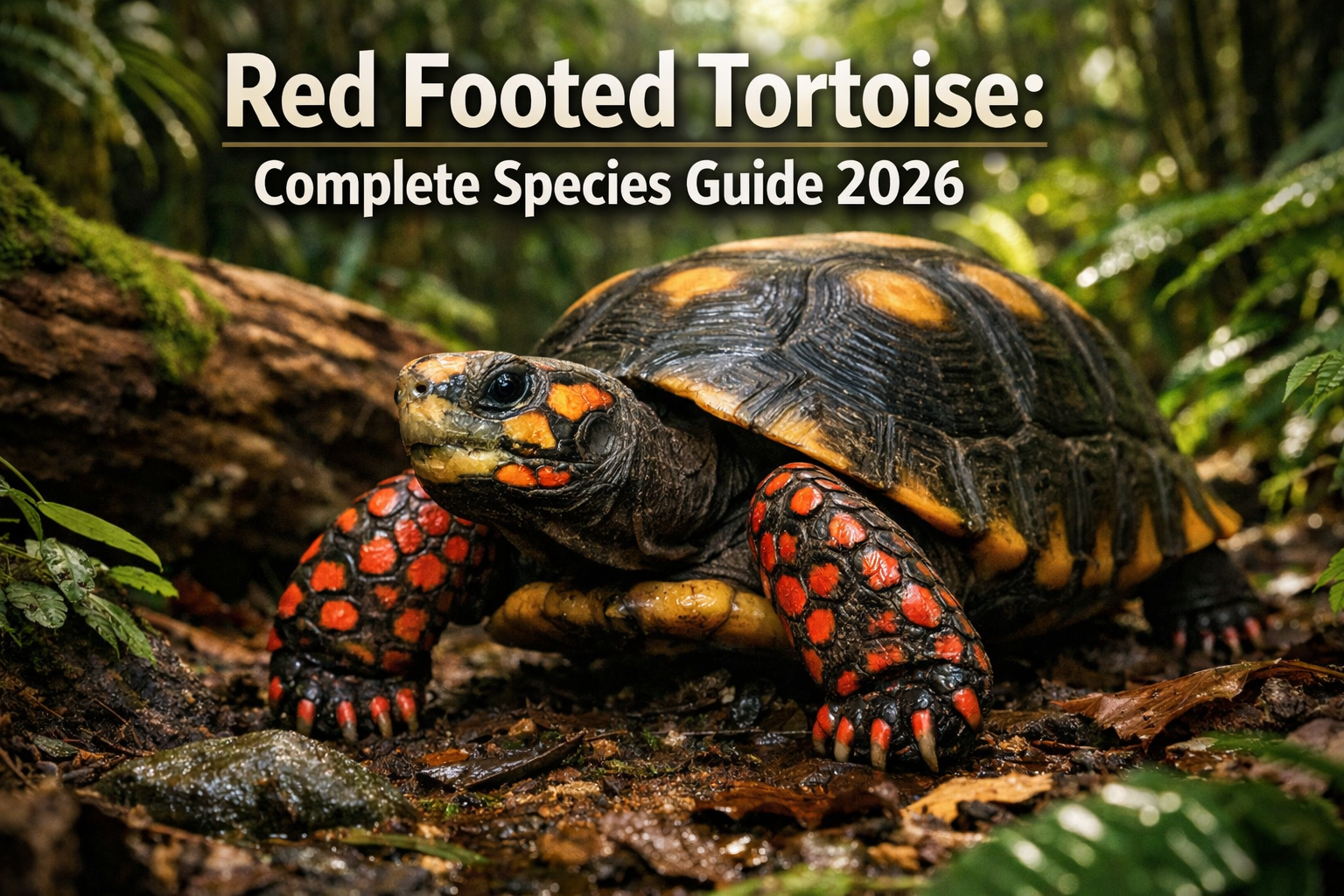
Picture this: you’re walking through the dense Amazon rainforest when suddenly, a flash of brilliant red catches your eye among the fallen leaves. As you look closer, you discover a magnificent red footed tortoise methodically making its way across the forest floor, its vibrant red-scaled legs moving with surprising grace for such an ancient-looking creature. This remarkable reptile, scientifically known as Chelonoidis carbonarius, has captured the hearts of tortoise enthusiasts worldwide with its stunning appearance, engaging personality, and relatively manageable care requirements.
The red footed tortoise stands out as one of the most sought-after species in the reptile keeping community, and for good reason. Native to the tropical forests of South America, these incredible animals have adapted to thrive in humid, warm environments while displaying a level of intelligence and social behavior rarely seen in other tortoise species. Whether you’re a seasoned herpetologist or someone just beginning to explore the fascinating world of chelonians, understanding the red footed tortoise is essential for anyone serious about tortoise keeping.
- Display 9 Products per page

Key Takeaways
• Red footed tortoises are medium-sized South American tortoises known for their distinctive red, orange, or yellow leg scales and engaging personalities
• These tortoises require high humidity (80-90%), warm temperatures (80-85°F), and UVB lighting to thrive in captivity
• They are omnivorous, eating a varied diet of fruits, vegetables, flowers, and occasional protein sources in the wild
• Red footed tortoises can live 50+ years and grow to 12-16 inches, making them a long-term commitment
• Proper indoor and outdoor habitat setup is crucial for their health, with emphasis on humidity control and adequate space
Understanding the Red Footed Tortoise: Origins and Natural History
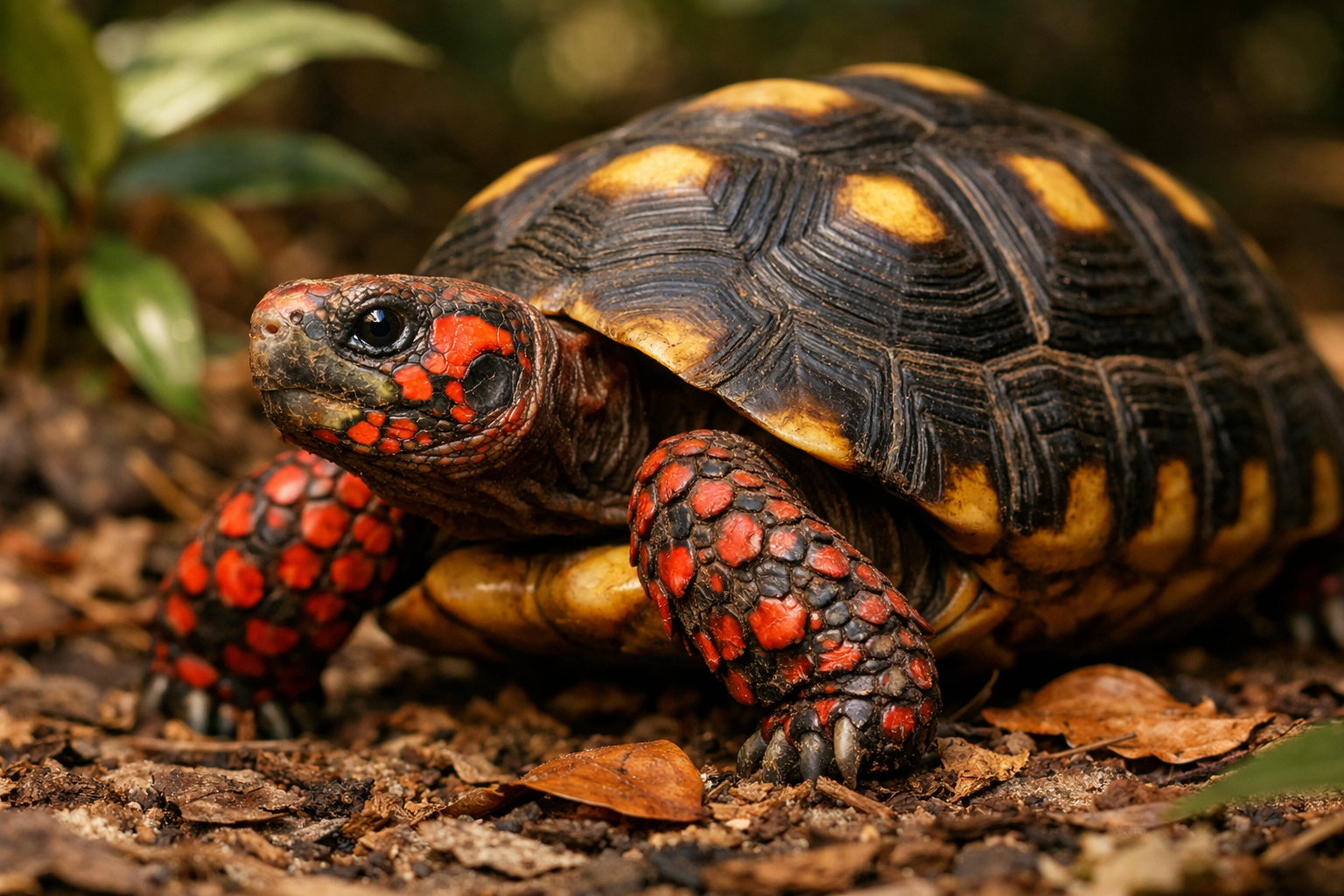
The red footed tortoise originates from the vast tropical regions of South America, where it roams through countries including Brazil, Venezuela, Colombia, Guyana, Suriname, French Guiana, Bolivia, and parts of Peru and Ecuador. These tortoises have evolved over millions of years to become perfectly adapted to life in humid, tropical forests where they play crucial ecological roles as seed dispersers and herbivores.
In their natural habitat, red footed tortoises inhabit diverse environments ranging from dense rainforests to forest edges, savannas, and even agricultural areas. They’re particularly fond of areas with plenty of fallen fruit, which makes up a significant portion of their natural diet. The species has developed remarkable adaptations for their environment, including their distinctive coloration that helps them blend into the dappled light of the forest floor.
Physical Characteristics That Define the Species
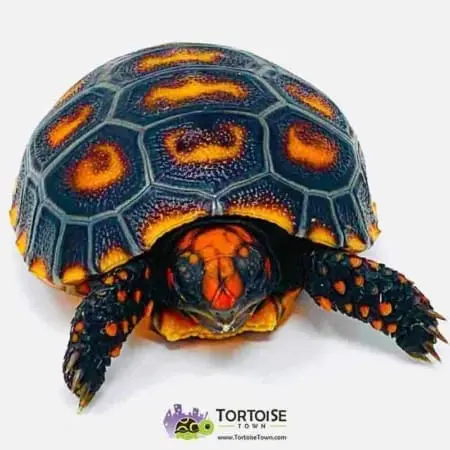
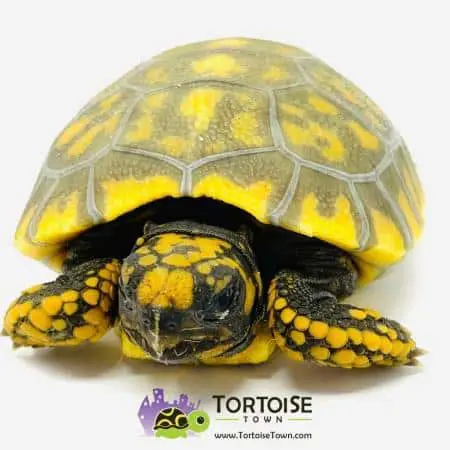
What makes the red footed tortoise instantly recognizable are the brilliant red, orange, or yellow scales that adorn their legs, head, and sometimes tail. These colorful markings can vary significantly between individuals, with some displaying deep crimson hues while others show more subdued orange or yellow tones. The intensity and pattern of these colors often depend on the tortoise’s geographic origin, diet, and individual genetics.
The shell, or carapace, of a red footed tortoise is typically dark brown to black with yellow or tan markings along the growth rings of each scute. Adult tortoises usually measure between 12-16 inches in length, though some exceptional individuals can reach up to 20 inches. Males tend to be larger than females and develop a more pronounced concave plastron (bottom shell) and longer tail as they mature.
Subspecies and Regional Variations
Herpetologists recognize several regional forms of red footed tortoises, though the exact subspecies classification remains a subject of ongoing scientific debate. The most commonly recognized forms include the Northern red foot (C. c. carbonarius) and the Southern or Cherry-head red foot (C. c. denticulatus). The Cherry-head variety is particularly prized by collectors for its more vibrant red coloration and slightly different shell shape.
These regional variations developed as populations became isolated in different geographic areas over thousands of years. Understanding these differences is important for keepers, as tortoises from different regions may have slightly different care requirements and temperaments.
Red Footed Tortoise Care: Creating the Perfect Environment
Successful red footed tortoise keeping begins with understanding their specific environmental needs. Unlike many other tortoise species that come from arid environments, red foots require high humidity, warm temperatures, and plenty of space to roam. Creating the right environment is crucial for their physical health, mental well-being, and overall longevity.
The foundation of proper red footed tortoise care lies in replicating their natural tropical forest environment as closely as possible. This means maintaining consistent warmth, high humidity levels, and providing plenty of hiding spots and enrichment opportunities. Many new tortoise keepers underestimate the complexity of these requirements, leading to health issues that could have been easily prevented with proper setup.
Indoor Habitat Requirements
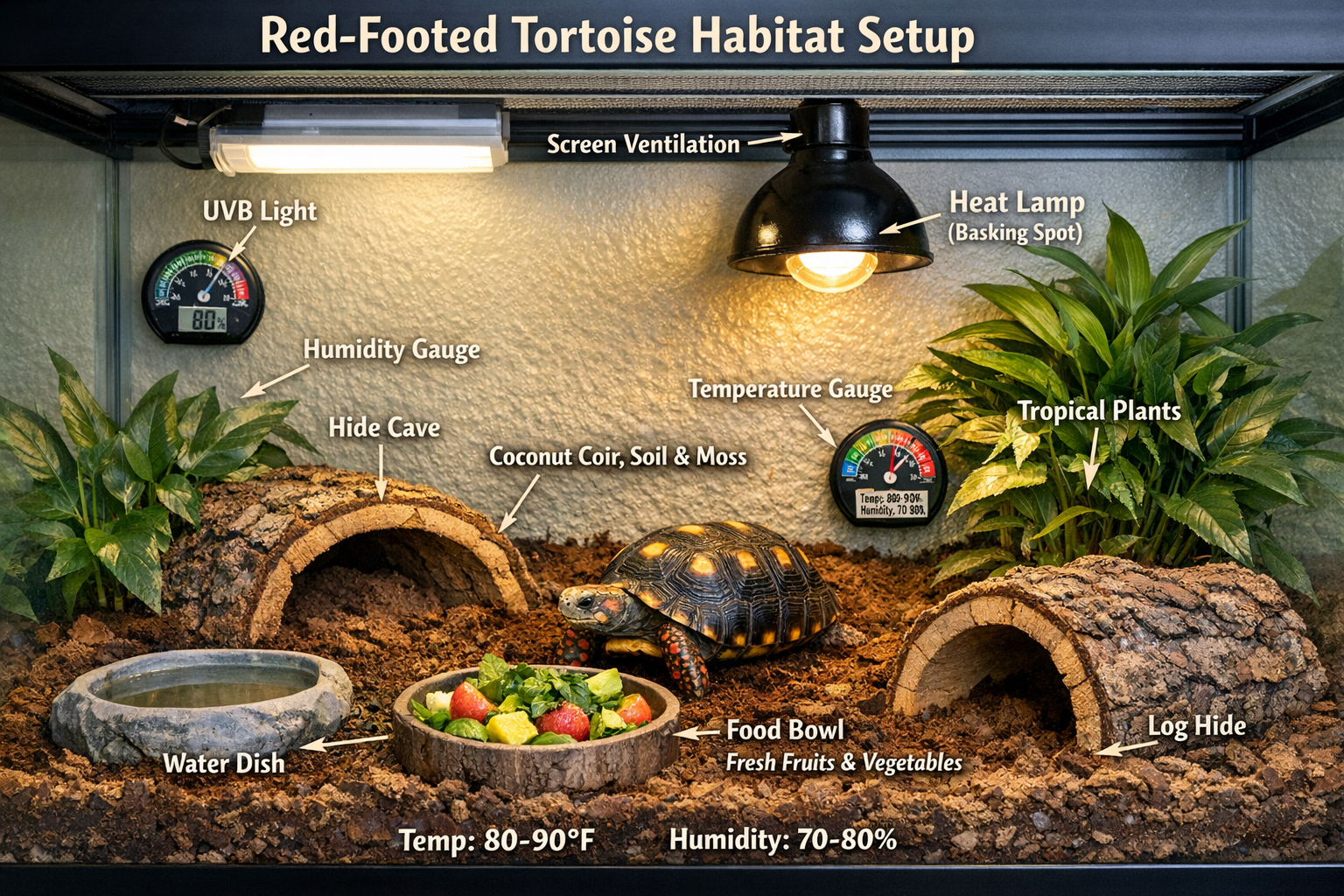
For indoor housing, a red footed tortoise requires a substantial amount of space to thrive. The minimum enclosure size for an adult should be 8 feet by 4 feet, though larger is always better. Many successful keepers use custom-built enclosures or convert entire rooms to house their tortoises, providing even more space for natural behaviors.
The substrate choice is critical for maintaining proper humidity levels. Cypress mulch, coconut coir, or a mixture of both work excellently for red footed tortoise enclosures. The substrate should be deep enough (4-6 inches) to allow for natural digging behaviors and help maintain humidity. Avoid substrates like sand or wood shavings that can cause impaction if ingested.
Temperature control requires careful attention to both ambient and basking temperatures. The cool side of the enclosure should maintain 75-80°F, while the basking area should reach 85-90°F. Nighttime temperatures can safely drop to 70-75°F. Use ceramic heat emitters or radiant heat panels for ambient heating, combined with a basking bulb for the warm spot.
Lighting and UVB Requirements
Proper lighting is absolutely essential for red footed tortoise health. These tortoises require UVB lighting to synthesize vitamin D3, which is crucial for calcium absorption and shell development. Use a high-quality UVB bulb (10-12% UVB) positioned 12-18 inches above the basking area, depending on the manufacturer’s recommendations.
The photoperiod should mimic natural conditions, with 12 hours of light and 12 hours of darkness year-round, since red foots come from equatorial regions. Many keepers use timers to ensure consistent lighting schedules. Replace UVB bulbs every 6-12 months, as their UV output diminishes over time even when they still produce visible light.
For more detailed information about proper lighting setups, you can explore specialized lighting guides that cover various tortoise species’ needs.
Humidity Control for Red Footed Tortoises
Maintaining proper humidity is perhaps the most challenging aspect of red footed tortoise care for many keepers. These tortoises require humidity levels between 80-90%, which is significantly higher than most homes naturally provide. Low humidity can lead to respiratory issues, shell problems, and difficulty shedding.
Several methods can help maintain appropriate humidity levels. Large water dishes, regular misting, and humid substrate all contribute to overall enclosure humidity. Some keepers use ultrasonic humidifiers or foggers to maintain consistent levels. Monitor humidity with reliable digital hygrometers placed at tortoise level, not at the top of the enclosure where readings may be inaccurate.
Creating microclimates within the enclosure allows tortoises to self-regulate their humidity exposure. Provide both humid hiding spots (using moss or damp substrate) and slightly drier areas where the tortoise can choose its preferred conditions. This natural variation is important for their behavioral and physiological well-being.
For comprehensive humidity management techniques, refer to detailed humidity control guides specifically designed for red footed tortoises.
Outdoor Habitat Considerations
When weather permits, outdoor housing provides numerous benefits for red footed tortoise health and behavior. Natural sunlight provides unfiltered UVB radiation, fresh air improves respiratory health, and varied terrain encourages natural exercise and foraging behaviors.
Outdoor enclosures should be escape-proof with walls at least 18 inches high and buried 6 inches deep to prevent digging out. Provide both sunny and shaded areas, as red foots need to thermoregulate throughout the day. Include hiding spots, water features, and varied substrate materials to create an enriching environment.
Weather protection is crucial, as red footed tortoises should not be exposed to temperatures below 65°F or above 95°F for extended periods. Many keepers use heated shelters or bring their tortoises indoors during extreme weather conditions.
Consider predator protection when designing outdoor enclosures. Depending on your location, threats may include dogs, cats, birds of prey, or wild animals. Secure fencing and covered areas help protect these valuable animals from potential dangers.
Feeding Your Red Footed Tortoise: Nutrition and Diet
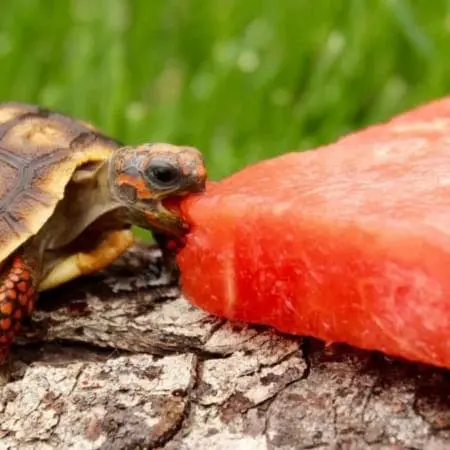
The red footed tortoise is unique among tortoise species for being truly omnivorous. In the wild, they consume a varied diet including fallen fruits, flowers, leaves, mushrooms, carrion, and even small animals. This dietary diversity is one reason they’re often considered more engaging pets than strictly herbivorous species, as they show enthusiasm for a wider variety of foods.
Understanding proper nutrition is crucial for red footed tortoise health and longevity. Many health problems in captive tortoises stem from inappropriate diets, either too high in protein, lacking in variety, or nutritionally imbalanced. Creating a proper feeding schedule and menu requires careful consideration of their natural dietary habits and nutritional needs.
Daily Feeding Requirements
Adult red footed tortoises should be fed every other day, while juveniles require daily feeding due to their rapid growth rates. A typical meal should consist of approximately 80% plant matter and 20% protein sources, though this ratio can vary slightly based on the individual tortoise’s age, size, and activity level.
The plant portion should include a variety of dark leafy greens, colorful vegetables, and fruits. Excellent choices include collard greens, mustard greens, dandelion greens, hibiscus flowers, squash, bell peppers, and tropical fruits like papaya, mango, and figs. Avoid iceberg lettuce, spinach in large quantities, and any plants that may be toxic to tortoises.
Protein sources can include high-quality commercial tortoise pellets, occasional pinkie mice for adults, hard-boiled eggs, or specialized protein supplements. Some keepers also offer insects like crickets or roaches, though these should be gut-loaded and dusted with calcium powder before feeding.
For comprehensive feeding guidelines, consult detailed red footed tortoise diet that provide extensive food lists and feeding schedules.
Hand Feeding and Bonding
One of the most rewarding aspects of red footed tortoise ownership is their willingness to interact during feeding time. Unlike many reptiles, red foots often learn to recognize their keepers and may approach when they see their favorite foods. Hand feeding can strengthen the bond between tortoise and keeper while providing mental stimulation for the animal.
Start hand feeding with favorite foods like berries or flowers, holding them steady while the tortoise approaches. Move slowly and speak softly to avoid startling the animal. Over time, many red footed tortoises become comfortable taking food directly from their keeper’s hand and may even follow them around the enclosure during feeding time.
This interaction also provides excellent opportunities to observe the tortoise’s health and behavior closely. Changes in appetite, eating habits, or enthusiasm for food can be early indicators of health issues that require attention.
Supplements and Calcium Requirements
Proper supplementation is essential for red footed tortoise health, particularly for growing juveniles and reproductive females. Calcium supplementation should be provided 2-3 times per week by dusting food with calcium carbonate powder. Use calcium with vitamin D3 sparingly if the tortoise receives adequate UVB lighting, as over-supplementation can cause health problems.
A high-quality multivitamin should be provided once weekly to ensure adequate intake of vitamins A, E, and other essential nutrients. Many commercial tortoise supplements are available, but choose products specifically formulated for tortoises rather than general reptile supplements.
Monitor your tortoise’s shell growth and overall condition to assess whether supplementation levels are appropriate. Rapid growth, shell deformities, or soft shell areas may indicate nutritional imbalances that require veterinary attention and dietary adjustments.
For specific information about tortoise-safe foods and supplements, explore comprehensive tortoise food guides that cover nutritional requirements in detail.
Handling and Behavior: Understanding Your Red Footed Tortoise
The red footed tortoise is renowned for having one of the most engaging personalities among tortoise species. Unlike many reptiles that remain aloof and defensive, red foots often display curiosity about their environment and keepers, making them particularly rewarding pets for those who appreciate reptilian intelligence and behavior.
Understanding red footed tortoise behavior is key to successful keeping and building a positive relationship with these remarkable animals. They exhibit complex social behaviors in the wild and retain many of these traits in captivity, including recognition of familiar individuals, territorial behaviors, and even what appears to be play behavior in some circumstances.
Safe Handling Techniques
While red footed tortoises are generally more tolerant of handling than many other species, proper technique is essential to avoid injury to both tortoise and handler. Always support the tortoise’s full body weight when lifting, using both hands to hold the shell securely. Never lift by the legs, tail, or head, as this can cause serious injury.
Adult red footed tortoises can be quite heavy (10-30 pounds), so ensure you can safely support their weight before attempting to lift them. For larger individuals, consider using a towel or blanket to provide better grip and protect your hands from their strong claws.
When handling, move slowly and speak softly to avoid startling the tortoise. Many red foots will retreat into their shells initially but often become more comfortable with gentle, consistent handling over time. Some individuals even seem to enjoy being petted on their shells or heads, though this varies greatly between individual animals.
Recognizing Stress and Comfort Signals
Red footed tortoises communicate their comfort level through various behavioral cues that observant keepers can learn to recognize. A relaxed, comfortable tortoise will have its head and legs extended, move purposefully around its enclosure, and show interest in food and environmental changes.
Signs of stress include prolonged hiding, loss of appetite, excessive pacing along enclosure walls, and remaining withdrawn in the shell for extended periods. Environmental factors like incorrect temperature, humidity, or lighting often cause these stress behaviors, though illness or inadequate space can also be contributing factors.
Healthy red footed tortoises are naturally curious and will investigate new objects, foods, or changes in their environment. This exploratory behavior is a positive sign that indicates good mental and physical health. Encourage this natural curiosity by occasionally rearranging enclosure furniture or providing new, safe objects to investigate.
Social Behavior and Intelligence
Research has shown that red footed tortoises possess remarkable cognitive abilities for reptiles, including the ability to learn and remember complex tasks, recognize individual humans, and even demonstrate what appears to be problem-solving behavior. Some studies suggest they can navigate mazes and remember solutions to environmental challenges.
In captivity, red foots often develop routines and preferences that reflect their individual personalities. Some become more active during certain times of day, show preferences for specific foods or locations within their enclosure, or even appear to anticipate feeding times or keeper interactions.
Multiple red footed tortoises can sometimes be housed together successfully, though this requires careful consideration of space, resources, and individual temperaments. Territorial disputes can occur, particularly during breeding season, so adequate space and multiple feeding/basking areas are essential when keeping groups.
Health and Veterinary Care for Red Footed Tortoises
Maintaining the health of a red footed tortoise requires understanding both preventive care and recognition of common health issues. These long-lived animals can thrive for decades with proper care, but they’re susceptible to various health problems, particularly when their environmental or nutritional needs aren’t met adequately.
Establishing a relationship with a qualified reptile veterinarian before health problems arise is crucial for red footed tortoise owners. Many general practice veterinarians have limited experience with reptiles, so finding a specialist who understands chelonian medicine is worth the investment in your tortoise’s long-term health.
Common Health Issues
Respiratory infections are among the most common health problems affecting red footed tortoises, often resulting from inadequate humidity, poor ventilation, or temperature fluctuations. Symptoms include wheezing, mouth breathing, nasal discharge, and lethargy. These infections require immediate veterinary attention and antibiotic treatment.
Shell problems, including shell rot and pyramiding, can occur due to poor husbandry conditions. Shell rot typically results from excessive moisture combined with poor hygiene, while pyramiding (abnormal shell growth) usually stems from improper diet, inadequate UVB lighting, or incorrect humidity levels during the critical growth period.
Parasites, both internal and external, can affect red footed tortoises, particularly those that are wild-caught or housed in unsanitary conditions. Regular fecal examinations by a qualified veterinarian can detect internal parasites before they become serious health threats.
Preventive Health Measures
Regular health monitoring is essential for early detection of potential problems. Weigh your red footed tortoise monthly and keep detailed records of weight, appetite, behavior, and any changes in appearance. Sudden weight loss, changes in eating habits, or behavioral abnormalities often indicate developing health issues.
Quarantine procedures are crucial when introducing new tortoises to your collection. New animals should be isolated for at least 90 days and examined by a veterinarian before being housed with other tortoises. This prevents the spread of diseases and parasites that could affect your entire collection.
Maintain detailed records of your tortoise’s health, including veterinary visits, treatments, diet changes, and environmental modifications. This information is invaluable for veterinarians when diagnosing problems and can help identify patterns that might contribute to health issues.
Finding the Right Veterinarian
Locating a qualified reptile veterinarian should be a priority before acquiring a red footed tortoise. Look for veterinarians who are members of the Association of Reptilian and Amphibian Veterinarians (ARAV) or have specific experience with chelonian medicine.
Schedule an initial wellness examination soon after acquiring your tortoise, even if the animal appears healthy. This establishes baseline health parameters and allows the veterinarian to identify any potential issues early. Many health problems are more easily treated when caught in their initial stages.
Discuss preventive care schedules with your veterinarian, including recommended examination frequency, parasite screening protocols, and emergency contact procedures. Having a plan in place before problems arise can be crucial for successful treatment outcomes.
Breeding Red Footed Tortoises: Advanced Considerations
Breeding red footed tortoises represents the pinnacle of successful tortoise keeping, requiring extensive knowledge, proper facilities, and significant commitment. While not recommended for beginners, experienced keepers who have mastered the species’ basic care requirements may eventually consider breeding as a way to contribute to captive populations and further their understanding of these remarkable animals.
Successful red footed tortoise breeding requires mature animals (typically 8-15 years old), optimal environmental conditions, and careful attention to seasonal cycling. The process involves complex behaviors, specific environmental triggers, and requires substantial space and resources to accommodate breeding groups and eventual offspring.
Breeding Requirements and Setup
Mature red footed tortoises require specific environmental conditions to trigger breeding behaviors. This typically involves seasonal temperature and humidity cycling that mimics natural conditions in their native habitat. Many successful breeders provide a cooler, slightly drier period during winter months followed by increased warmth and humidity during spring.
Breeding groups require substantial space, with recommendations of at least 200-400 square feet for a group of 2-3 adult tortoises. Multiple hiding spots, varied terrain, and separate feeding areas help reduce territorial conflicts and provide options for animals to avoid unwanted interactions.
Nutrition becomes even more critical during breeding season, with females requiring increased calcium and protein to support egg development. Breeding males may become more aggressive and territorial, requiring careful monitoring to ensure all animals remain healthy and unstressed.
Egg Incubation and Hatchling Care
Female red footed tortoises typically lay 4-8 eggs per clutch and may produce multiple clutches per year under optimal conditions. Eggs require careful incubation at specific temperatures (84-88°F) and humidity levels (80-90%) for approximately 150-200 days.
Hatchling red footed tortoises require specialized care with even higher humidity requirements than adults (90-95%) and more frequent feeding. Their enclosures should provide multiple microclimates and be designed to prevent injury from falls or getting stuck in tight spaces.
For detailed information about breeding and hatchling care, specialized guides like baby red foot tortoise care provide comprehensive information for those considering breeding projects.
Choosing Your Red Footed Tortoise: Where to Find Quality Animals
When you’re ready to add a red footed tortoise to your family, choosing a reputable source is crucial for ensuring you receive a healthy, well-cared-for animal. The source of your tortoise can significantly impact its long-term health, temperament, and your overall success as a keeper.
Captive-bred red footed tortoises are strongly preferred over wild-caught specimens for numerous reasons. Captive-bred animals are typically healthier, free from parasites, already acclimated to captive conditions, and don’t contribute to pressure on wild populations. They also tend to have better temperaments and are more likely to thrive in home environments.
Selecting a Reputable Breeder
When searching for a red footed tortoise, research potential sources thoroughly. Reputable breeders will provide detailed care information, health guarantees, and be available for ongoing support and advice. They should be able to provide information about the tortoise’s parentage, hatching date, and care history.
Visit the facility if possible to observe the conditions where the tortoises are kept. Clean, well-maintained enclosures with appropriate environmental conditions indicate a breeder who prioritizes animal welfare. Avoid sources where animals appear crowded, stressed, or kept in poor conditions.
Ask about health testing, quarantine procedures, and what support is provided after purchase. The best breeders often maintain relationships with their customers and are interested in the long-term welfare of the animals they produce.
For those seeking a quality tortoise for sale, reputable online retailers with established track records can provide excellent animals with proper shipping and health guarantees.
What to Look for in a Healthy Tortoise
A healthy red footed tortoise should be alert and active, with clear, bright eyes and no discharge from the nose or mouth. The shell should be firm and well-formed without soft spots, cracks, or signs of rot. Check for parasites, injuries, or abnormal growths on the skin and shell.
Observe the tortoise’s movement and behavior. Healthy animals move purposefully, hold their heads up, and show interest in their surroundings. Avoid tortoises that appear lethargic, have difficulty walking, or remain withdrawn in their shells for extended periods.
Ask about the tortoise’s feeding history and observe it eating if possible. A healthy red footed tortoise should show enthusiasm for food and eat readily. Be wary of animals that refuse food or show little interest in eating.
Understanding Costs and Long-term Commitment
The initial purchase price of a red footed tortoise is just the beginning of the financial commitment involved in proper care. Factor in costs for appropriate housing, lighting, heating, veterinary care, and food over the animal’s potentially 50+ year lifespan.
High-quality captive-bred red footed tortoises typically cost more initially than wild-caught specimens, but this investment pays dividends in terms of health, temperament, and long-term success. Consider the total cost of ownership rather than just the initial purchase price.
Plan for the long-term commitment involved in tortoise keeping. These animals can outlive their original owners and may require provisions in wills or estate planning to ensure their continued care throughout their extended lifespans.
Conclusion: Embracing Life with a Red Footed Tortoise
The red footed tortoise represents one of the most rewarding species for dedicated reptile enthusiasts willing to meet their specific care requirements. These remarkable animals offer a unique combination of stunning beauty, engaging personality, and fascinating behaviors that can provide decades of enjoyment for committed keepers.
Success with red footed tortoises requires dedication to proper husbandry, including maintaining appropriate temperature and humidity levels, providing varied nutrition, and creating enriching environments that support their natural behaviors. The investment in proper setup and care pays dividends in the form of healthy, long-lived animals that become true companions.
As you embark on your journey with these incredible creatures, remember that continuous learning and adaptation are key to successful tortoise keeping. Environmental needs may change as your tortoise grows and ages, and staying informed about the latest care techniques and research will benefit both you and your animal.
Whether you’re drawn to their vibrant coloration, curious personalities, or the challenge of creating the perfect tropical habitat, red footed tortoises offer a unique opportunity to connect with one of nature’s most ancient and fascinating creatures. With proper care, dedication, and respect for their needs, these remarkable animals can become lifelong companions that enrich your understanding of the natural world.
Take the time to thoroughly prepare before acquiring your red footed tortoise, ensure you have the proper facilities and knowledge, and connect with experienced keepers and veterinarians who can support your success. The reward of successfully keeping these magnificent animals is an experience that will last a lifetime.
🐢 Red Footed Tortoise Care Calculator
Calculate optimal enclosure size, heating costs, and feeding requirements for your red footed tortoise
📊 Your Red Footed Tortoise Care Plan
References
[1] Ernst, C. H., & Barbour, R. W. (1989). Turtles of the World. Smithsonian Institution Press.
[2] Moskovits, D. K. (1985). The behavior and ecology of the two Amazonian tortoises, Geochelone carbonaria and Geochelone denticulata, in northwestern Brazil. University of Chicago.
[3] Vinke, T., & Vinke, S. (2008). Rainforest Tortoises: Central and South American Red-footed and Yellow-footed Tortoises. Living Art Publishing.
[4] Highfield, A. C. (1996). Practical Encyclopedia of Keeping and Breeding Tortoises and Freshwater Turtles. Carapace Press.
[5] Bonin, F., Devaux, B., & Dupré, A. (2006). Turtles of the World. Johns Hopkins University Press.