
Pink Belly Snapping Turtle Care Guide: Tank, Diet, Safety and Growth
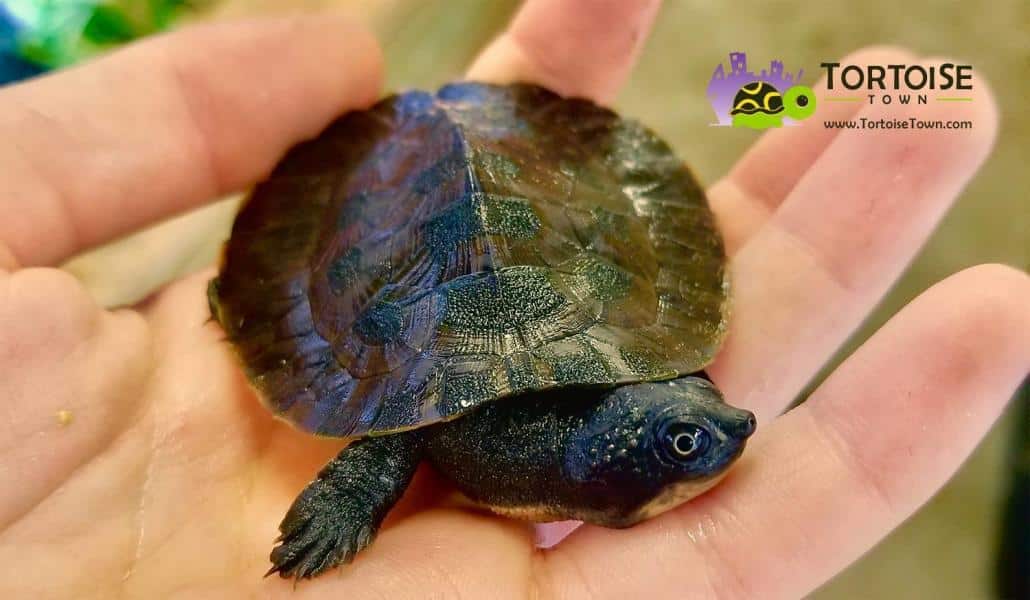
The pink belly snapping turtle is a color-leaning form of the common snapping turtle (Chelydra serpentina), a prehistoric-looking freshwater turtle with a long tail, a ridged shell and powerful jaws. They look fierce, yet hatchlings are surprisingly manageable and fascinating to watch. They are also a species that needs respect, because adults grow large and strong. This guide covers how to plan for one, and you can see our captive-bred pink belly snapping turtle at www.TortoiseTown.com.
Natural History
Common snapping turtles live in ponds, lakes, slow rivers and marshes across much of North America. They spend most of their time in the water, often partly buried in mud with only their eyes and nostrils showing. They are ambush hunters and scavengers, eating fish, amphibians, insects, plants and carrion. They only leave the water to nest, and they bask less than many other turtles.
Appearance
A snapping turtle has a thick, ridged shell, a long tail with a saw-like crest, a hooked beak and a head that looks large for its body. The pink belly description refers to the lighter, pinkish underside of the shell, and the overall look is a mix of olive, tan, brown and cream. Hatchlings have three distinct keels, or ridges, down the shell, which often smooth out with age.

Size and Lifespan
Babies are small enough to fit in a palm, but growth is steady. Adult shells commonly reach 8 to 14 inches, and heavy adults can weigh many pounds. Lifespans of several decades are possible. That size and longevity are the reason a snapping turtle should be a planned commitment, not an impulse choice. Check your local rules before bringing one home, as regulations on snapping turtles differ by area.
Temperament and Safety
Snapping turtles have a reputation for being defensive. Out of the water they can stretch their necks surprisingly far and snap quickly. Handling should be kept to a minimum. If a turtle must be moved, use a firm container or a net rather than lifting it by the tail, which can injure its spine. Never leave a snapping turtle unsupervised around children, and always wash your hands after cleaning the tank.
Enclosure
Snapping turtles are poor swimmers compared with many aquatic species, and they like to walk along the bottom. Provide:

- Moderate water depth: for hatchlings, about the turtle’s shell width at first, then deeper as the turtle grows, so it can reach the surface easily
- Large footprint: a 40 gallon tank is a starting point for a juvenile, and adults need a large stock tank or pond-style setup
- Heavy-duty filtration: snapping turtles produce a lot of waste
- Soft substrate and cover: sand and plants or smooth rocks for hiding
- Easy exit: a ramp or sloped rock for resting
- Secure lid: because strong turtles can push on weak tops
Heat, Light and Basking
Keep the water at roughly 75 to 80 degrees Fahrenheit with a basking area in the high 80s. Snapping turtles bask less than sliders, but providing a dry area and a UVB light helps shell and bone development. Use a reliable thermometer and monitor the lights daily.
Diet and Feeding
Snappers are opportunistic omnivores. For hatchlings and juveniles, use a high-quality aquatic turtle pellet, like the type pictured below, together with items such as earthworms, insects, small fish and aquatic plants. Feed juveniles daily or every other day, and adults a few times a week, offering only what they eat quickly. Obesity is a common problem in captivity, so avoid constant feeding. Remove leftovers promptly, as water quality drops quickly.

Water Quality and Routine Care
Perform partial water changes weekly and clean the filter regularly. Healthy turtles have clear eyes, a smooth shell and an interest in food. Cloudy eyes, soft shell patches or poor appetite are reasons to contact a reptile veterinarian.
Why Captive-Bred Matters
Captive-bred snapping turtles are raised in clean conditions, accept prepared foods and avoid taking animals from wild populations. If you want a smaller aquatic turtle that is easier to handle, consider the baby snapping turtle for comparison or the red eared slider turtle for a more active, basking-oriented animal.
Pink Belly Snapping Turtle FAQ
Are snapping turtles dangerous?
They can bite hard, so respect and minimal handling are essential, especially with adults.
How big do they get?
Adult shells commonly reach 8 to 14 inches, and the turtle becomes heavy, so long-term space planning is important.
Do snapping turtles need a basking spot?
A dry spot and UVB light are recommended, even though snappers bask less than many other turtles.
What is the best way to move one?
Use a sturdy container, net or shovel-style support, and avoid lifting by the tail.
Learn More
If you are ready for a long-term, fascinating species, see the pink belly snapping turtle page and explore our captive-bred turtles at www.TortoiseTown.com.


Leave a Reply
Want to join the discussion?Feel free to contribute!