

Southern Painted Turtle Care Guide: Tank, Basking, UVB and Diet
The southern painted turtle (Chrysemys picta dorsalis) is a small, colorful freshwater turtle that is active, hardy and fun to watch. It is recognized by the single red or orange stripe running down the center of its shell and the bright yellow lines on its head and legs. Like all aquatic turtles, it needs a roomy tank, good filtration and proper light. This guide walks through the essentials, and you can see our captive-bred southern painted turtle at www.TortoiseTown.com.
Natural History
Painted turtles are among the most widespread turtles in North America. The southern painted turtle lives in the southern United States, in slow rivers, ponds, ditches and marshes with soft bottoms, plenty of plants and many basking logs. They are daytime animals that bask for hours, forage in shallow water and sleep underwater at night. Imitating that mix of sun, shallow water and cover is the best way to keep one healthy.
Appearance
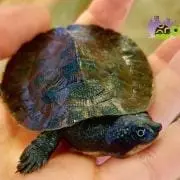
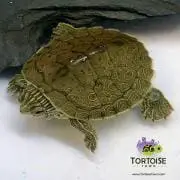
Look for a dark olive to black shell with lighter seams, a distinctive reddish stripe running along the center and a head striped with yellow. The underside, called the plastron, is often yellow and plain. Hatchlings are tiny and bright, and the pattern gets richer as they grow. Females are usually larger than males, and males often have longer front claws.

Size and Lifespan
Adults typically reach about 5 to 7 inches in shell length, with females at the larger end. With proper care, a lifespan of 20 to 30 years is possible, so a painted turtle is a long commitment even though it stays small. Good lighting, a clean tank and a balanced diet are the keys to reaching those years.
Temperament
Painted turtles are alert and shy at first. They often dive when approached but gradually recognize the person who feeds them and will swim to the glass at mealtime. They are not cuddly pets, and handling should be limited to moving them for cleaning or health checks. Always wash your hands after contact with the turtle or the water.
Enclosure
A good rule is to provide about 10 gallons of water per inch of shell, which means an adult ideally needs a 40 to 75 gallon tank. Beginners often start with a hatchling in a smaller tank and move up as it grows. Include:

- Deep water: enough that the turtle can swim and turn over freely
- Powerful filter: turtles are messy, so choose a canister filter rated for a larger tank
- Dry dock: a stable platform where the turtle can climb completely out of the water, such as a floating turtle dock or a stacked-rock ramp
- Plants and hiding places: to give a sense of cover
- Secure top: to keep curious animals safe and the light fixtures dry
Basking, UVB and Temperature
Basking is essential. The water should be kept at about 74 to 80 degrees Fahrenheit, and the dry basking area should reach roughly 88 to 92 degrees. A UVB bulb placed above the basking spot helps the turtle process calcium and keep its shell strong. Replace the bulb as recommended by its manufacturer, since the output fades long before the light stops glowing. A turtle that never leaves the water may be too cold, too stressed or uncomfortable with its dock.

Diet and Feeding
Young painted turtles eat more protein, and adults shift toward plants. A good staple is a quality aquatic turtle pellet, supplemented with leafy greens, aquatic plants and occasional live or frozen foods such as insects, snails or small feeder items. Feed hatchlings daily and adults a few times each week, offering only what they can finish in a few minutes. Feeding in a separate container can help keep the main tank clean.
Water Quality and Routine Care
Remove waste, replace part of the water weekly and rinse filter media in used tank water rather than tap water. Check temperatures daily. Look for clear eyes, a smooth shell and an active appetite. Soft shell, swollen eyes or a turtle that floats lopsided deserves a visit to a reptile veterinarian.
Why Captive-Bred Matters
Captive-bred turtles are raised on prepared diets, start with a healthier foundation and take pressure off wild populations. If you enjoy active aquatic species, the red eared slider turtle has similar care needs with a different look.
Southern Painted Turtle FAQ
How big of a tank does a painted turtle need?
A hatchling can start in a smaller tank, but plan on a 40 gallon tank or larger for an adult, with more space being better.
Do painted turtles need UVB?
Yes. UVB light supports calcium use and shell health, so provide it over the basking area every day.
Can painted turtles live together?
They can often share a large tank, but watch for bullying and give each animal its own space to bask.
What do painted turtles eat?
A mix of aquatic turtle pellets, leafy greens, aquatic plants and occasional insects or snails.
Learn More
To see the turtles themselves, visit the southern painted turtle page and explore our captive-bred turtles and tortoises at www.TortoiseTown.com.

Leave a Reply
Want to join the discussion?Feel free to contribute!