
Medium Tortoises: The Complete Guide to Popular Pet Species in 2026
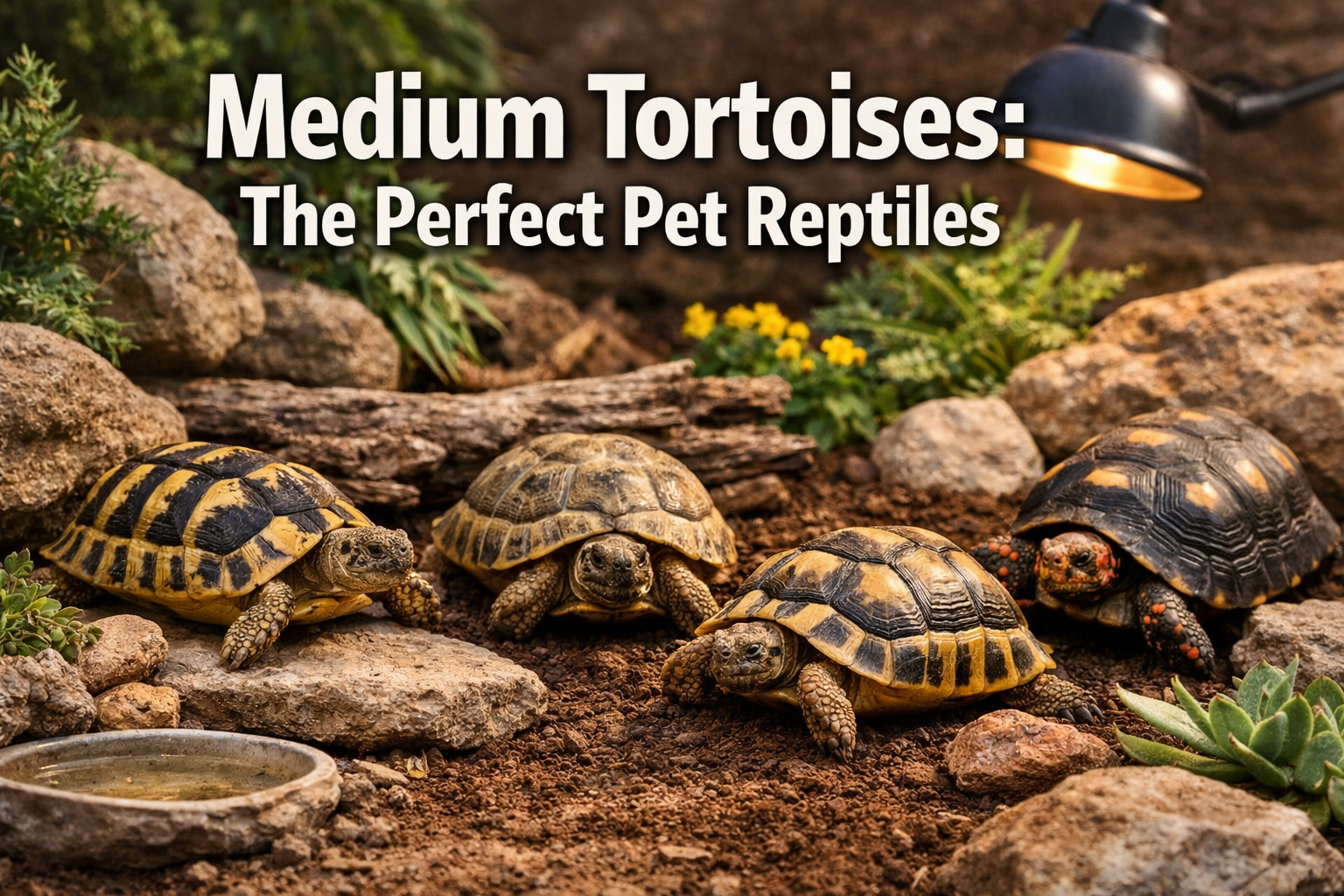
Picture this: you’re walking through your backyard on a sunny morning when you spot your Hermann’s tortoise slowly munching on dandelions, completely content in its outdoor enclosure. There’s something deeply satisfying about watching these ancient creatures go about their daily routines with such peaceful determination. Medium tortoises have captured the hearts of reptile enthusiasts worldwide, offering the perfect balance between the charm of smaller species and the impressive presence of giants like Sulcatas.
Unlike their massive cousins that can grow to over 100 pounds, medium tortoises typically reach manageable sizes between 6-14 inches and weights of 2-15 pounds, making them ideal companions for dedicated keepers who want a substantial pet without the extreme space requirements of larger species.
- Display 9 Products per page
Key Takeaways
• Medium tortoises include seven popular species perfect for dedicated keepers: Hermann’s, Greek, Russian, Red-footed, Leopard, Indian Star, and Pancake tortoises
• These species typically reach 6-14 inches in length and require specialized care including proper UVB lighting, temperature gradients, and species-specific diets
• Indoor and outdoor housing options both work well, with outdoor enclosures providing the most natural experience during suitable weather
• Captive-bred specimens from reputable sources offer the best health outcomes and legal compliance compared to wild-caught animals
• Proper handling, nutrition, and environmental setup are crucial for long-term success with medium tortoise species
Understanding Medium Tortoise Species: The Top 7 Choices
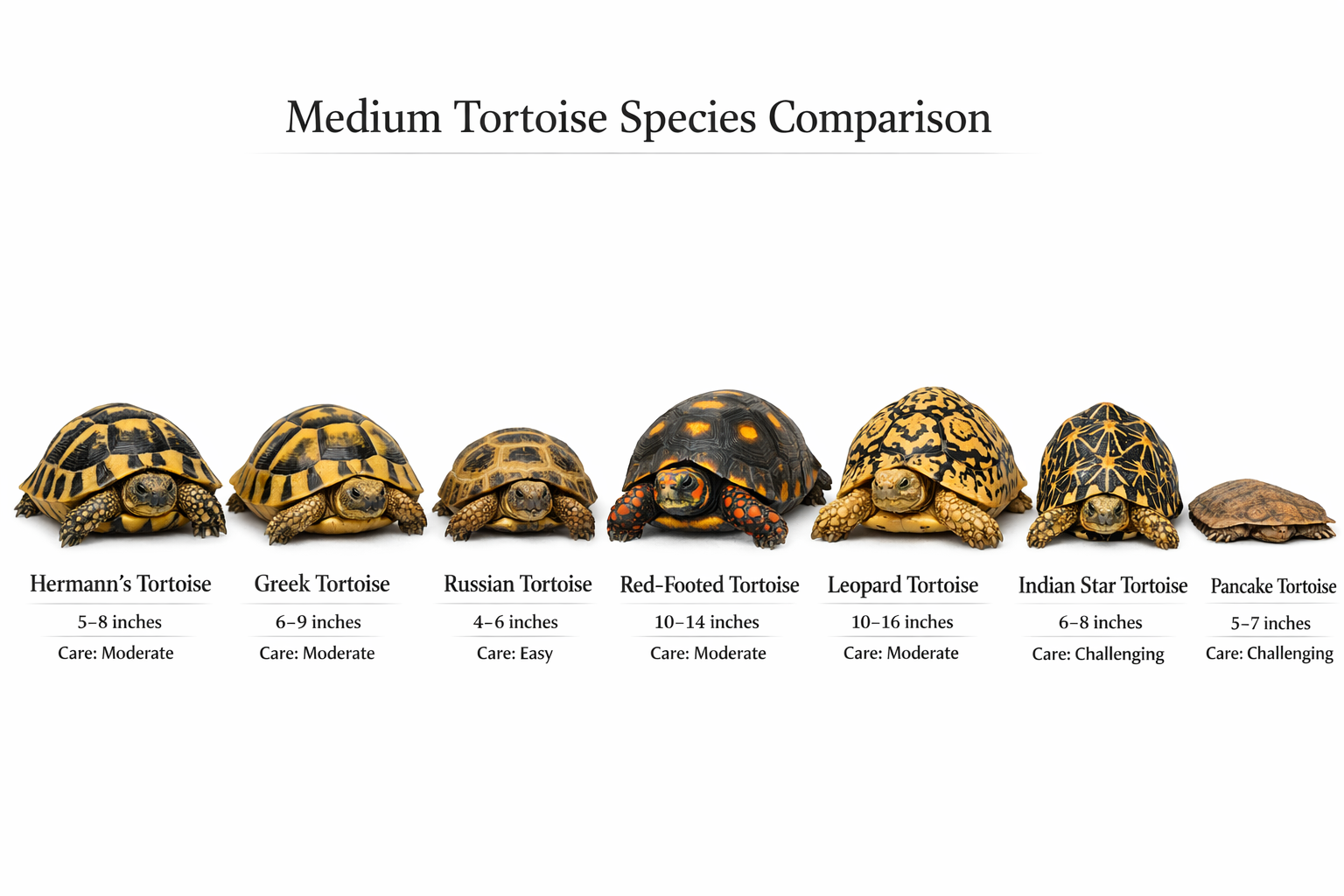
When I first started researching medium tortoises for my own collection, I was amazed by the diversity of species available to dedicated keepers. Each species brings its own unique characteristics, care requirements, and personality traits that make them special companions.
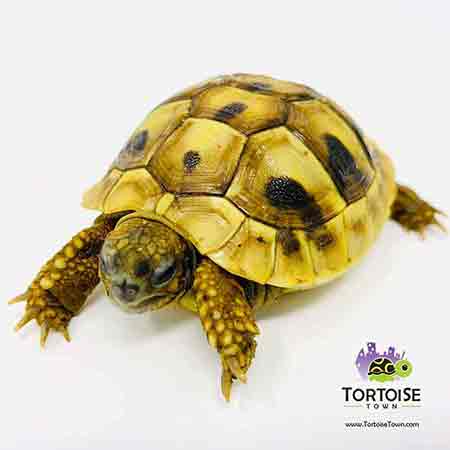
Hermann’s Tortoise (Testudo hermanni)
Hermann’s tortoises represent one of the most popular medium tortoise choices among European and American keepers. These Mediterranean natives typically reach 6-8 inches in length and display beautiful yellow and black shell patterns that intensify with age.
Key Characteristics:
- Adult size: 6-8 inches (15-20 cm)
- Weight: 2-4 pounds
- Lifespan: 50-80 years
- Origin: Southern Europe
- Temperament: Generally calm and personable
Hermann’s tortoises are known for their hardy nature and adaptability to various climates. They hibernate naturally during winter months, which makes them excellent choices for keepers in temperate regions. Their diet consists primarily of grasses, weeds, and flowers, making them relatively easy to feed with proper knowledge of safe plants for tortoises.
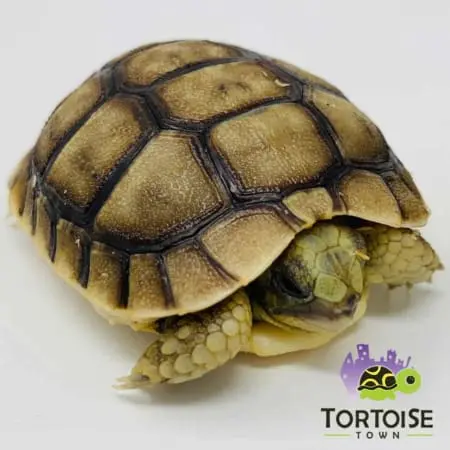
Greek Tortoise (Testudo graeca)
Often confused with Hermann’s tortoises, Greek tortoises are slightly larger and more robust. These medium tortoises showcase incredible diversity across their subspecies, with some forms displaying stunning golden coloration.
Key Characteristics:
- Adult size: 7-10 inches (18-25 cm)
- Weight: 3-6 pounds
- Lifespan: 60-100+ years
- Origin: Mediterranean, North Africa, Middle East
- Temperament: Active and curious
Greek tortoises are excellent diggers and require secure enclosures with buried barriers. They’re known for their longevity, with some specimens living well over a century. For detailed care information, check out our comprehensive Greek tortoise care guide.
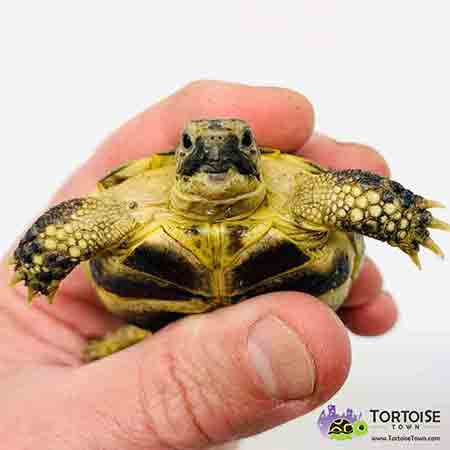
Russian Tortoise (Testudo horsfieldii)
Russian tortoises, also called Horsfield’s tortoises, are among the hardiest medium tortoise species available. These Central Asian natives can tolerate temperature extremes better than most other tortoise species.
Key Characteristics:
- Adult size: 6-10 inches (15-25 cm)
- Weight: 2-5 pounds
- Lifespan: 40-75 years
- Origin: Central Asia, Russia
- Temperament: Active and sometimes feisty
These tortoises are exceptional diggers and hibernate for extended periods in the wild. They’re perfect for keepers in colder climates who want to provide natural hibernation experiences. Learn more about their specific needs in our Russian tortoise diet guide.
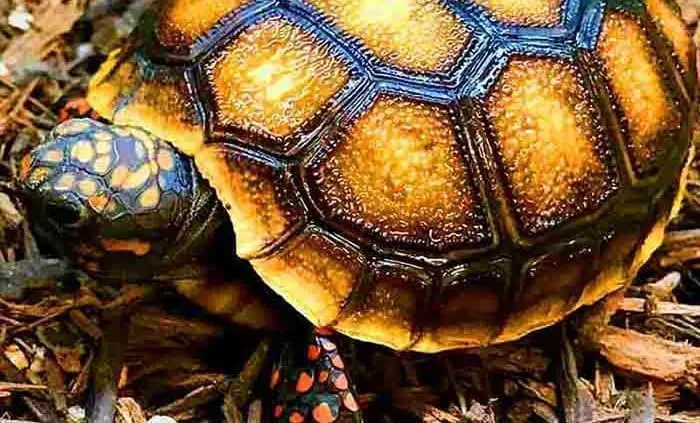
Red-footed Tortoise (Chelonoidis carbonarius)
Red-footed tortoises bring tropical beauty to the medium tortoise category. These South American natives display vibrant red, orange, and yellow markings on their legs and head, making them among the most colorful tortoise species.
Key Characteristics:
- Adult size: 10-14 inches (25-35 cm)
- Weight: 8-15 pounds
- Lifespan: 50-90 years
- Origin: South America
- Temperament: Calm and social
Unlike Mediterranean species, Red-footed tortoises don’t hibernate and require consistent warmth and humidity year-round. They’re omnivorous, accepting fruits, vegetables, and occasional protein sources. Our Red-footed tortoise habitat guide provides essential setup information.
Leopard Tortoise (Stigmochelys pardalis)
Leopard tortoises are among the larger medium tortoises, though some individuals can grow quite substantial. These African grassland species display beautiful spotted shell patterns that give them their name.
Key Characteristics:
- Adult size: 10-16 inches (25-40 cm)
- Weight: 10-25 pounds (some larger)
- Lifespan: 50-100 years
- Origin: Eastern and Southern Africa
- Temperament: Generally docile
Leopard tortoises are grazers that require high-fiber diets and plenty of space to roam. They’re excellent choices for keepers with large outdoor areas. For comprehensive care information, visit our Leopard tortoise care guide.
Indian Star Tortoise (Geochelone elegans)
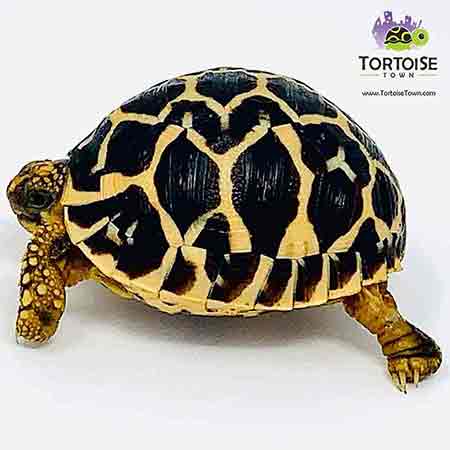
Indian Star tortoises are arguably the most beautiful medium tortoise species, with intricate star patterns radiating across each shell scute. These Asian natives require specialized care but reward dedicated keepers with stunning appearance and interesting behaviors.
Key Characteristics:
- Adult size: 6-12 inches (15-30 cm)
- Weight: 3-8 pounds
- Lifespan: 30-80 years
- Origin: India, Sri Lanka
- Temperament: Shy but personable
Star tortoises require consistent warmth and moderate humidity. They’re more sensitive than Mediterranean species but thrive under proper care. Check our Indian Star tortoise care guide for detailed husbandry information.
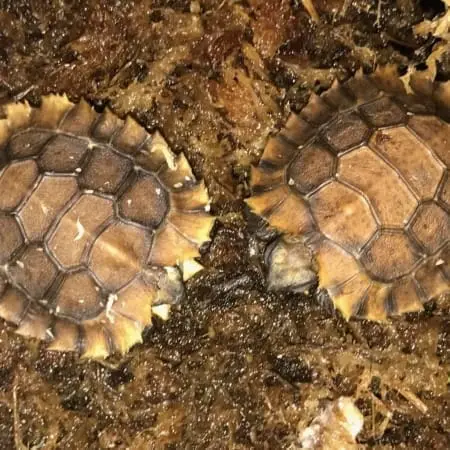
Pancake Tortoise (Malacochersus tornieri)
Pancake tortoises are the most unique medium tortoise species, with flattened shells that allow them to squeeze into rock crevices. These East African specialists require specific care but offer fascinating behaviors.
Key Characteristics:
- Adult size: 6-8 inches (15-20 cm)
- Weight: 1-2 pounds
- Lifespan: 25-50 years
- Origin: East Africa
- Temperament: Active and agile
Pancake tortoises are excellent climbers and require vertical space in their enclosures. They’re more active than most tortoise species and provide endless entertainment for their keepers.
Essential Care Requirements for Medium Tortoises
Successful medium tortoise keeping requires understanding and providing for their specific environmental, nutritional, and health needs. After years of working with these species, I’ve learned that attention to detail makes the difference between surviving and thriving tortoises.
Housing: Indoor vs. Outdoor Setups
The housing decision significantly impacts your tortoise’s quality of life and your daily care routine. Both indoor and outdoor setups have advantages, and many keepers use combination approaches based on seasonal conditions.
Indoor Housing Essentials
Indoor enclosures provide complete environmental control and year-round accessibility to your medium tortoise. Here’s what you’ll need:
Enclosure Size Requirements:
- Minimum: 4×8 feet for most medium species
- Preferred: 6×12 feet or larger
- Height: 18-24 inches to prevent escaping
- Substrate: Cyprus mulch, coco coir, or organic topsoil
Essential Equipment:
- UVB lighting: 10-12% UVB fluorescent or LED fixtures
- Heat sources: Ceramic heat emitters or halogen bulbs
- Thermostats: Digital controllers for temperature regulation
- Hiding spots: Multiple shelters for security
- Water dishes: Shallow, easy-to-clean containers
Temperature gradients are crucial for medium tortoises. Provide basking spots of 85-95°F (29-35°C) with cool areas around 70-75°F (21-24°C). Nighttime temperatures can drop to 65-70°F (18-21°C) for most species.
Outdoor Housing Benefits
Outdoor enclosures provide the most natural environment for medium tortoises during suitable weather. Natural sunlight, varied terrain, and seasonal changes promote natural behaviors and optimal health.
Outdoor Enclosure Requirements:
- Security: Buried barriers 12+ inches deep
- Fencing: 18-24 inches high with smooth surfaces
- Shelter: Multiple hiding spots and weather protection
- Drainage: Proper grading to prevent flooding
- Predator protection: Overhead screening in some areas
Many keepers use portable outdoor pens during good weather, bringing their medium tortoises inside during extreme temperatures or overnight.
Nutrition and Feeding
Proper nutrition forms the foundation of successful medium tortoise care. Different species have varying dietary requirements, but all need balanced nutrition with appropriate calcium-to-phosphorus ratios.
Mediterranean Species Diet (Hermann’s, Greek, Russian)
These medium tortoise species are primarily herbivorous grazers that thrive on high-fiber, low-protein diets:
Primary Foods (80-90% of diet):
- Grasses and hay
- Dandelions and plantain
- Clover and alfalfa
- Wild weeds and flowers
Supplemental Foods (10-20% of diet):
- Leafy greens (collards, mustard greens)
- Vegetables (squash, bell peppers)
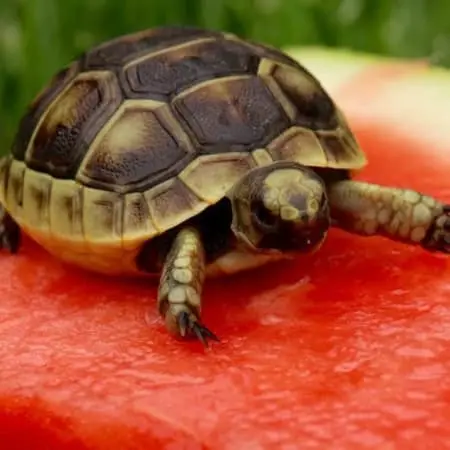
- Occasional fruits (berries, melon)
For comprehensive plant lists, reference our guide on edible plants for tortoises.
Tropical Species Diet (Red-footed, Star)
Tropical medium tortoises accept more varied diets including fruits and occasional protein:
Staple Foods:
- Mixed greens and vegetables
- Tropical fruits (papaya, mango, figs)
- Flowers and edible plants
- Commercial tortoise pellets (high-quality)
Occasional Protein (Red-footed only):
- Earthworms
- Snails
- Commercial tortoise protein supplements
Feeding Schedule and Techniques
Frequency:
- Juveniles: Daily feeding
- Adults: Every other day or daily small amounts
- Seasonal adjustments: Reduced feeding before hibernation
Hand-feeding Benefits:
Hand-feeding creates strong bonds with your medium tortoise and allows for health monitoring. Start with favorite foods and gradually introduce new items. Always wash hands before and after handling food.
Supplements and Calcium
Medium tortoises require calcium supplementation, especially growing juveniles and breeding females:
Calcium Sources:
- Cuttlebone pieces
- Calcium carbonate powder
- Natural limestone
- Calcium-rich plants (dandelions, mustard greens)
Dust food with calcium powder 2-3 times weekly for juveniles, 1-2 times weekly for adults. Provide constant access to cuttlebone or calcium blocks.
Lighting and Environmental Control
Proper lighting is absolutely critical for medium tortoise health. UVB radiation enables vitamin D3 synthesis, which facilitates calcium absorption and prevents metabolic bone disease.
UVB Lighting Requirements
UVB Specifications:
- Strength: 10-12% UVB output
- Coverage: Full enclosure length
- Distance: 12-18 inches from basking spots
- Duration: 10-14 hours daily
- Replacement: Every 6-12 months
Quality Brands:
- Arcadia T5 HO systems
- Zoo Med ReptiSun 10.0
- Exo Terra ReptiGlo 10.0
For species-specific lighting information, check our leopard tortoise UVB lighting guide.
Temperature and Humidity Control
Different medium tortoise species require specific environmental parameters:
Mediterranean Species:
- Basking: 85-90°F (29-32°C)
- Cool side: 70-75°F (21-24°C)
- Humidity: 40-60%
Tropical Species:
- Basking: 88-95°F (31-35°C)
- Cool side: 75-80°F (24-27°C)
- Humidity: 60-80%
Use digital thermometers and hygrometers to monitor conditions accurately. Automated misting systems help maintain humidity for tropical species.
Health Monitoring and Veterinary Care
Regular health monitoring helps catch problems early in medium tortoise care. Establish relationships with reptile-experienced veterinarians before you need emergency care.
Daily Health Checks
Visual Inspection:
- Clear, bright eyes
- Clean nose and mouth
- Firm, proportional shell
- Normal walking gait
- Regular eating and elimination
Common Health Issues
Shell Problems:
- Pyramiding from poor diet or humidity
- Shell rot from excessive moisture
- Injuries from falls or predators
Respiratory Issues:
- Runny nose or mouth breathing
- Wheezing or clicking sounds
- Lethargy and reduced appetite
Digestive Problems:
- Diarrhea or constipation
- Parasites (common in wild-caught specimens)
- Impaction from inappropriate substrate
Preventive Care
Quarantine Protocols:
Always quarantine new medium tortoises for 60-90 days before introducing them to existing collections. This prevents disease transmission and allows health assessment.
Regular Veterinary Checkups:
Schedule annual examinations with reptile veterinarians. Bring fresh fecal samples for parasite screening and discuss any behavioral changes.
Handling and Interaction
Proper handling techniques ensure safety for both you and your medium tortoise while building positive relationships.
Safe Handling Practices
Basic Techniques:
- Support the shell with both hands
- Avoid grabbing legs or head
- Move slowly and deliberately
- Keep tortoises close to the ground
When to Handle:
- Health examinations
- Enclosure cleaning
- Supervised outdoor time
- Weighing and measuring
Stress Reduction:
Many medium tortoises become comfortable with gentle handling over time. Start with brief sessions and gradually increase duration as your tortoise adapts.
Building Relationships
Recognition Training:
Medium tortoises can learn to recognize their keepers and may approach for food or attention. Consistent feeding schedules and gentle interactions build trust over time.
Environmental Enrichment:
Provide varied terrain, hiding spots, and climbing opportunities. Rotate decorations periodically to maintain interest and encourage natural behaviors.
Seasonal Care and Long-term Commitment

Owning medium tortoises requires understanding their seasonal needs and making long-term commitments to their care. These remarkable reptiles can live 50-100+ years, making them true lifetime companions.
Hibernation Management
Many medium tortoise species naturally hibernate during winter months. Proper hibernation management is crucial for their health and longevity.
Species That Hibernate
Natural Hibernators:
- Hermann’s tortoises
- Greek tortoises
- Russian tortoises
- Some Leopard tortoise populations
Non-hibernating Species:
- Red-footed tortoises
- Indian Star tortoises
- Pancake tortoises
Hibernation Preparation
Pre-hibernation Protocol:
- Health assessment: Veterinary checkup 4-6 weeks before
- Weight monitoring: Only healthy, well-weight tortoises should hibernate
- Fasting period: 2-4 weeks without food before hibernation
- Temperature reduction: Gradual cooling over several weeks
Hibernation Setup:
- Temperature: 35-45°F (2-7°C)
- Location: Refrigerator, garage, or basement
- Container: Ventilated box with substrate
- Duration: 8-16 weeks depending on species
Winter Care for Non-hibernating Species
Tropical medium tortoise species require consistent care throughout winter:
Indoor Winter Setup:
- Maintain summer temperatures and lighting
- Provide adequate humidity
- Continue regular feeding schedules
- Monitor for seasonal behavioral changes
For detailed winter care information, visit our leopard tortoise winter care guide.
Breeding Considerations
Many dedicated medium tortoise keepers eventually consider breeding their animals. Successful breeding requires extensive preparation and long-term commitment.
Breeding Requirements
Prerequisites:
- Mature, healthy breeding stock
- Appropriate group dynamics
- Adequate space and resources
- Experience with species husbandry
- Plans for offspring placement
Breeding Season:
Most medium tortoise species breed in spring and early summer following hibernation or seasonal cooling periods.
Egg Incubation and Hatchling Care
Incubation Parameters:
- Temperature: 82-88°F (28-31°C)
- Humidity: 70-80%
- Duration: 60-120 days depending on species
- Substrate: Vermiculite or perlite mixture
Hatchling Care:
Baby medium tortoises require specialized care with higher humidity, frequent feeding, and careful monitoring. Check our species-specific hatchling guides for detailed information:
- Hermann’s tortoise hatchling care
- Russian tortoise hatchling care
- Red-footed tortoise hatchling care
Legal Considerations and Acquisition
Acquiring medium tortoises requires understanding legal requirements and choosing reputable sources for healthy, legally-obtained animals.
Legal Requirements
CITES Regulations:
Many medium tortoise species are protected under international wildlife treaties. Ensure any tortoise you acquire has proper documentation and legal origin.
State and Local Laws:
Research local regulations regarding tortoise ownership, as some areas have restrictions or permit requirements.
Choosing Quality Sources
Captive-bred vs. Wild-caught:
Always choose captive-bred medium tortoises when possible. Captive-bred animals offer numerous advantages:
- Better health and parasite-free status
- Adaptation to captive conditions
- Known age and history
- Legal compliance
- Support for conservation efforts
Reputable Dealers:
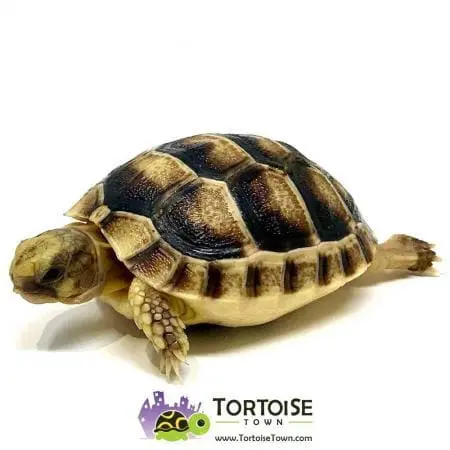
When looking for a quality tortoise for sale, choose established dealers with good reputations and health guarantees. Tortoise Town has been a leading source for captive-bred tortoises for over two decades.
Pre-purchase Preparation
Setup Completion:
Have your enclosure completely ready before acquiring your medium tortoise. This includes:
- Proper heating and lighting
- Appropriate substrate and furnishing
- Food and supplement supplies
- Veterinary contact information
Species Research:
Thoroughly research your chosen species’ specific requirements. Each medium tortoise species has unique needs that must be understood before acquisition.
Cost Considerations
Medium tortoise ownership involves significant initial and ongoing costs that potential keepers should understand.
Initial Setup Costs
Basic Indoor Setup: $500-1,500
- Enclosure materials
- Lighting and heating equipment
- Thermostats and monitoring devices
- Substrate and furnishings
Advanced Outdoor Setup: $1,000-5,000+
- Fencing and barriers
- Shelter construction
- Landscaping and drainage
- Security features
Ongoing Expenses
Annual Costs: $300-800
- Food and supplements
- Electricity for lighting/heating
- Veterinary care
- Equipment replacement
- Substrate and bedding
Emergency Funds:
Maintain emergency funds for unexpected veterinary expenses, which can range from $200-2,000+ depending on the issue.
🐢 Medium Tortoise Species Comparison Tool
| Species | Adult Size | Weight | Lifespan | Care Level | Hibernation | Origin |
|---|---|---|---|---|---|---|
| Hermann’s Tortoise | 6-8 inches | 2-4 lbs | 50-80 years | Beginner | ✅ Yes | Southern Europe |
| Greek Tortoise | 7-10 inches | 3-6 lbs | 60-100+ years | Beginner | ✅ Yes | Mediterranean |
| Russian Tortoise | 6-10 inches | 2-5 lbs | 40-75 years | Beginner | ✅ Yes | Central Asia |
| Red-footed Tortoise | 10-14 inches | 8-15 lbs | 50-90 years | Intermediate | ❌ No | South America |
| Leopard Tortoise | 10-16 inches | 10-25 lbs | 50-100 years | Intermediate | ✅ Yes | Eastern Africa |
| Indian Star Tortoise | 6-12 inches | 3-8 lbs | 30-80 years | Advanced | ❌ No | India, Sri Lanka |
| Pancake Tortoise | 6-8 inches | 1-2 lbs | 25-50 years | Advanced | ❌ No | East Africa |
Conclusion
Medium tortoises represent the perfect balance for dedicated reptile keepers seeking substantial, long-lived companions without the extreme space requirements of giant species. The seven species covered in this guide—Hermann’s, Greek, Russian, Red-footed, Leopard, Indian Star, and Pancake tortoises—each offer unique characteristics and care requirements that can match different keeper preferences and experience levels.
Success with medium tortoises depends on understanding their specific needs for proper housing, nutrition, lighting, and environmental control. Whether you choose an indoor setup with precise climate control or an outdoor enclosure that provides natural sunlight and seasonal variation, the key is consistency and attention to detail.
Remember that these remarkable reptiles are lifetime commitments, often living 50-100+ years with proper care. This longevity makes them truly special companions but also requires serious consideration of your long-term ability to provide excellent care.
Next Steps for Prospective Medium Tortoise Keepers
- Research thoroughly: Choose a species that matches your experience level, climate, and available space
- Prepare completely: Set up your enclosure with proper equipment before acquiring your tortoise
- Find quality sources: Seek captive-bred animals from reputable dealers with health guarantees
- Establish veterinary care: Locate reptile-experienced veterinarians in your area
- Connect with communities: Join tortoise keeper groups for ongoing support and advice
For those ready to welcome a medium tortoise into their lives, remember that proper preparation and ongoing dedication will reward you with decades of companionship from one of nature’s most ancient and fascinating creatures. The investment in time, resources, and care will provide immeasurable returns in the form of a unique, long-lived companion that will become a cherished member of your family.
Whether you’re drawn to the hardy nature of Mediterranean species, the colorful beauty of Red-footed tortoises, or the striking patterns of Star tortoises, there’s a medium tortoise species perfectly suited to your situation. Take time to make an informed decision, and you’ll enjoy many years of successful tortoise keeping ahead.
References
[1] Ernst, C.H. & Lovich, J.E. (2009). Turtles of the United States and Canada. Johns Hopkins University Press.
[2] Highfield, A.C. (2020). Practical Encyclopedia of Keeping and Breeding Tortoises and Freshwater Turtles. Carapace Press.
[3] Willemsen, R.E. & Hailey, A. (2003). Sexual dimorphism of body size and shell shape in European tortoises. Journal of Zoology, 260(4), 353-365.
[4] Bonin, F., Devaux, B. & Dupré, A. (2006). Turtles of the World. Johns Hopkins University Press.
[5] Reptile Database. (2026). Species accounts for Testudines. Retrieved from reptile-database.org