
Geoffroy’s Side-Necked Turtle Care Guide: Tank, Basking, Water and Diet
Geoffroy’s side-necked turtle (Phrynops geoffroanus) is a strong-swimming, alert South American turtle with a flattened shell and a bold, striped head. Like all side-necked turtles, it tucks its head sideways under the edge of its shell rather than pulling it straight back. It is an excellent choice for keepers who enjoy an active aquatic turtle and can provide plenty of swimming room. You can meet our Geoffroy’s side-necked turtle at www.TortoiseTown.com.
Natural History
This species has a wide range across South America, including much of Brazil and parts of Colombia, Venezuela, Peru, Paraguay and northern Argentina. It lives in rivers, streams, lakes and marshes, and it is known for adapting to many types of waterways. Geoffroy’s side-necked turtles spend most of their time in the water, leaving it mainly to bask and to nest. Side-necked turtles belong to an ancient group called pleurodires, which differ from most turtles kept as pets.
Appearance
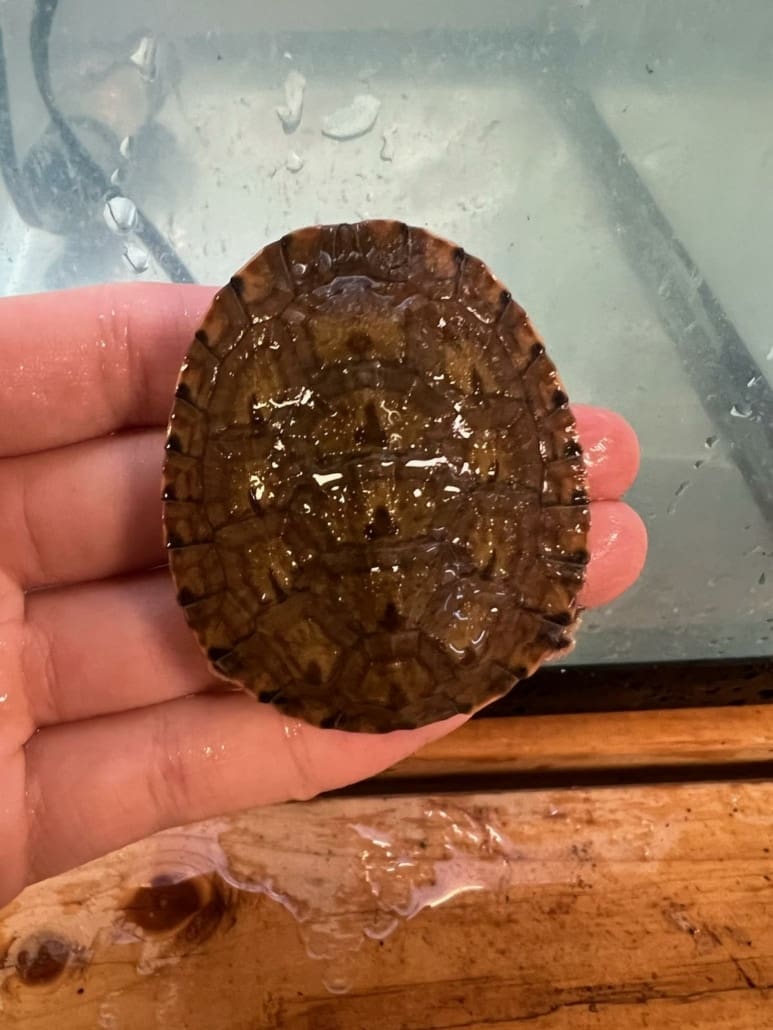
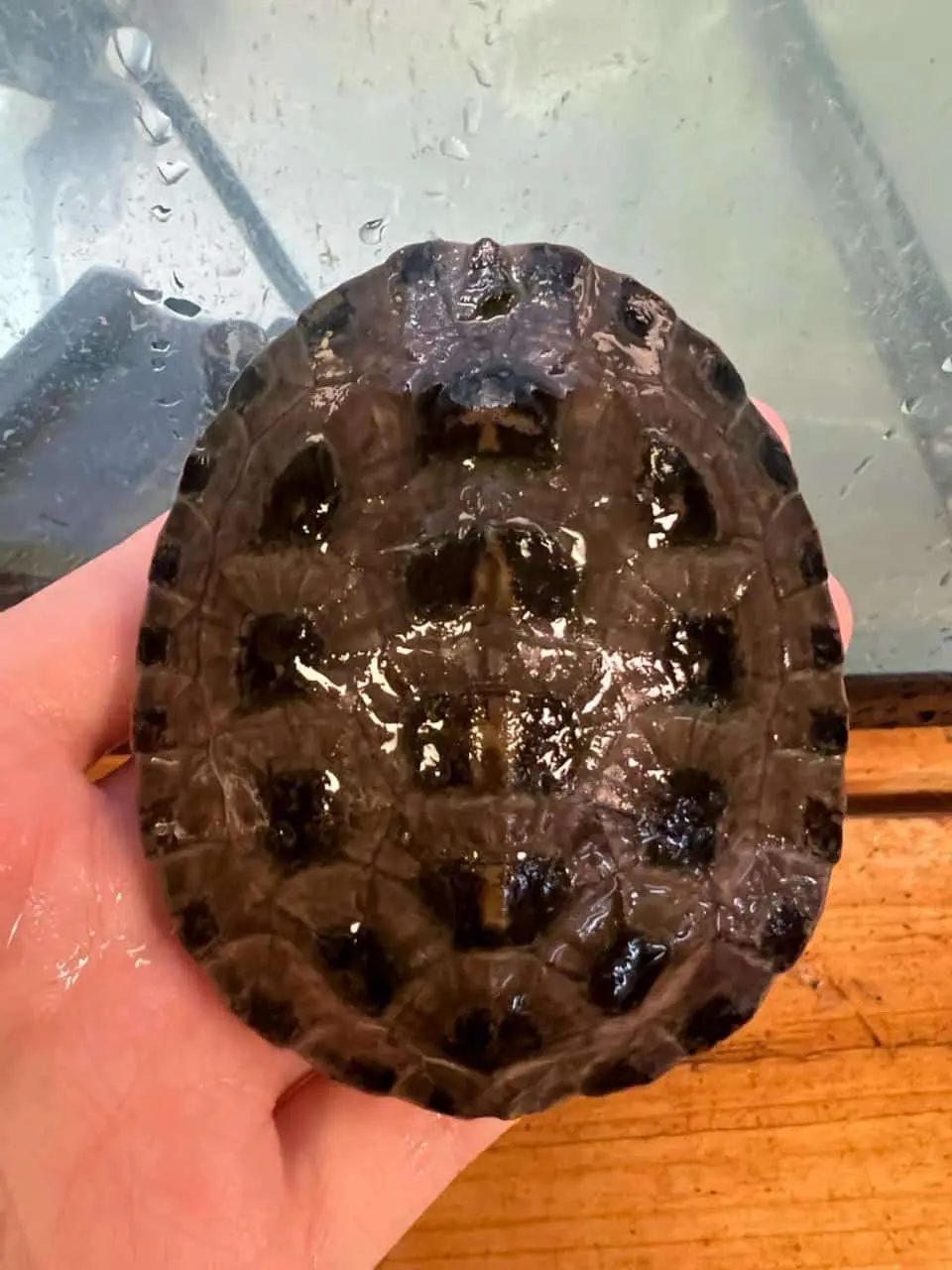
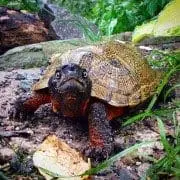
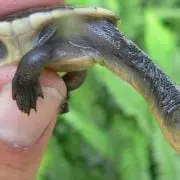
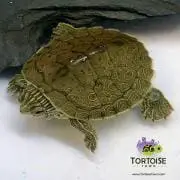
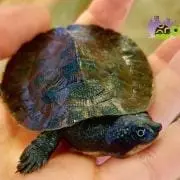
The carapace is broad, low and fairly flat, usually brown to dark gray, which helps the turtle move easily through water. The head and neck are marked with black and white stripes, and many young turtles have a plastron patterned with red or pink and dark blotches that tends to fade with age. The long neck folds sideways to tuck under the shell.
Size and Lifespan
Hatchlings are small, but this is a medium to large turtle as an adult. Adults commonly measure around 10 inches or more in shell length, and females are usually the larger sex. With good care, Geoffroy’s side-necked turtles can live for decades, so plan for a long-term commitment and a tank that grows with your turtle.
Temperament
These turtles are curious and very aware of their surroundings, often watching their keepers and coming forward at feeding time. They are best enjoyed as display animals. Larger turtles can bite when handled roughly, and it is best to house them singly or only with compatible turtles in a very large setup.
Aquarium Setup
Swimming space and deep water are the priorities. A 40 to 75 gallon aquarium works for a juvenile, while adults need 125 gallons or more, or a large indoor pond. Provide water deep enough for the turtle to swim and dive freely, with rocks or sturdy decor so it can rest near the surface. Use a powerful canister filter rated well above the tank volume and change part of the water weekly, because these turtles produce a lot of waste.
Heat, Basking and UVB
Keep the water around the mid 70s to about 80°F using a submersible heater with a guard. Above the water, provide a dry basking area such as a floating dock or stable platform with a basking spot of about 88 to 92°F. A quality UVB bulb is essential for calcium absorption and shell health, so keep it on 10 to 12 hours a day and replace it on schedule.

Diet
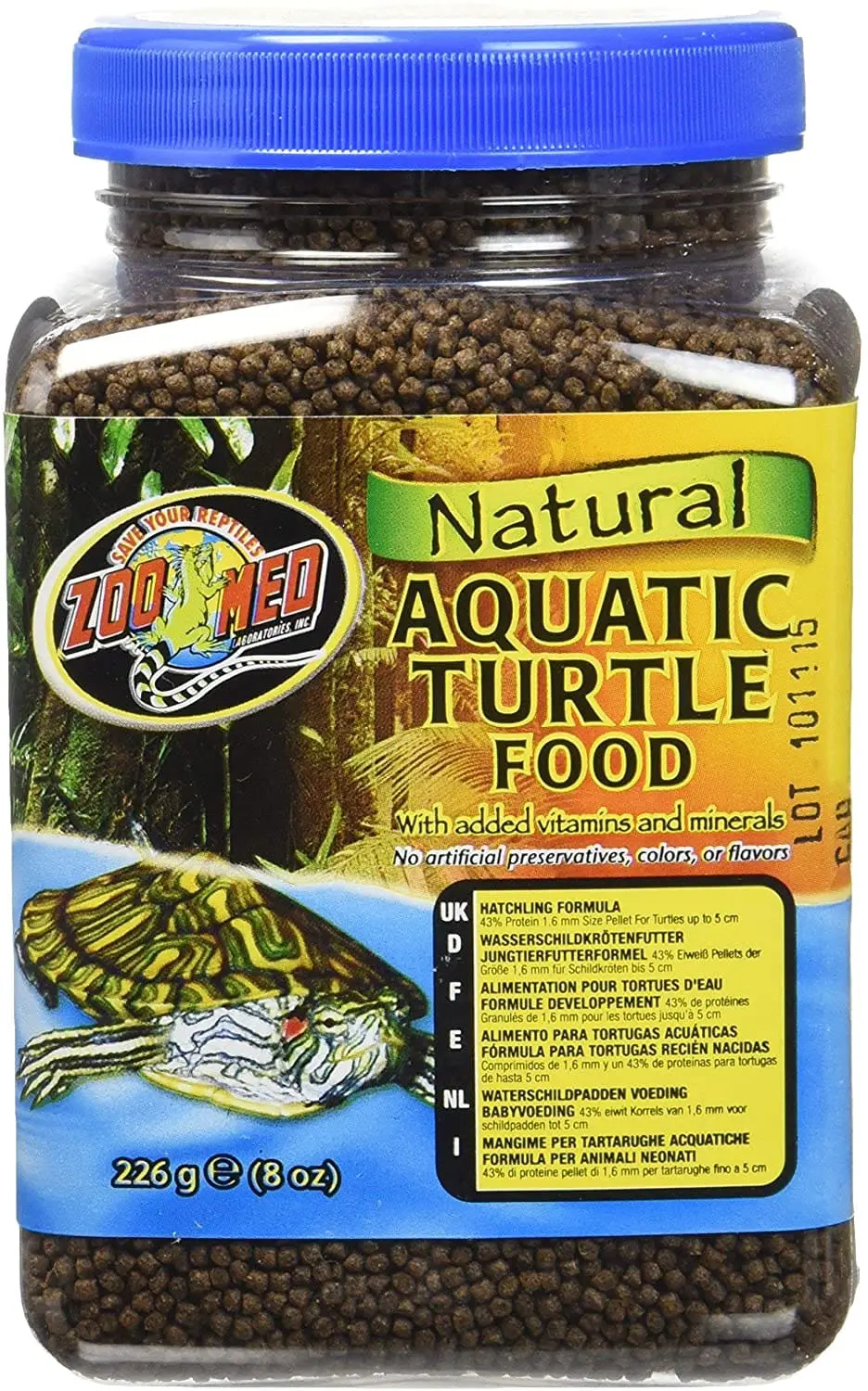
In the wild, Geoffroy’s side-necked turtles eat mostly animal foods such as fish, insects, snails, worms and crustaceans. In captivity, feed a quality aquatic turtle pellet as a staple, along with earthworms, shrimp, snails and occasional feeder fish. Avoid goldfish and rosy red minnows as regular feeders. Feed hatchlings daily and adults several times a week, and add calcium through cuttlebone or supplements.
Handling
Keep handling to a minimum. When you need to move the turtle, support the shell from behind with both hands and keep fingers away from the head. Always wash your hands after touching any turtle or its water, since all reptiles can carry Salmonella.
Why Captive-Bred Matters
Common Health Concerns
Most issues in aquatic turtles relate to water quality, basking and diet. Poor filtration can lead to shell rot, skin infections and eye problems, so test the water and keep up with partial changes. Soft shells or deformed growth can point to too little UVB or calcium. A turtle that floats unevenly, breathes with its mouth open, has bubbles from the nose or refuses food for an extended period may have a respiratory infection and should see a reptile vet. Watch for white patches or pitting on the shell, which can be early signs of shell rot, and make sure the turtle can fully dry off while basking.
Captive-bred turtles are usually healthier, free of the stress of collection and accustomed to captive foods. They also help reduce pressure on wild populations.
Geoffroy’s Side-Necked Turtle FAQ
Why does my turtle tuck its head sideways?
That is normal. Side-necked turtles fold the neck sideways under the shell instead of pulling it straight back.
How deep should the water be?
Deep enough for the turtle to swim and dive comfortably, with places to rest near the surface.
Do they need UVB?
Yes. UVB and a warm basking spot are essential for long-term health.
Can they live with other turtles?
Only in very large setups and with careful monitoring, since competition and nipping can occur.
Meet Our Geoffroy’s Side-Necked Turtles
If you love unusual aquatic turtles, also explore our snake neck turtle and East African serrated side-necked turtle. Learn more and meet our Geoffroy’s side-necked turtle at www.TortoiseTown.com.

Leave a Reply
Want to join the discussion?Feel free to contribute!