

Elongated Tortoise Care Guide: Humidity, Diet, Lighting and Enclosure
Overview
The elongated tortoise is a medium-sized forest tortoise from South and Southeast Asia, known for its butter-yellow head, honey-toned shell and calm, curious personality. It needs warmth, humidity and a more varied diet than the dry-grassland tortoises many keepers start with. Once those basics are in place, it is a hardy and rewarding species. This elongated tortoise care guide covers housing, humidity, lighting, diet and common questions for keepers looking at our elongated tortoise hatchlings.
Natural History
Elongated tortoises (Indotestudo elongata) range from northern India and Nepal through Myanmar, Thailand, Laos, Cambodia, Vietnam and northern Malaysia. They live in hilly deciduous and evergreen forests, where heat, heavy monsoon rains and a drier season come and go through the year. They are most active in the early morning, late afternoon and after rain, and they spend the hottest hours tucked into leaf litter. Hunting and habitat loss have seriously reduced wild populations, so captive breeding is important for this species.
Appearance
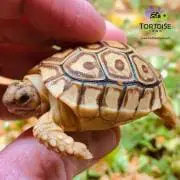
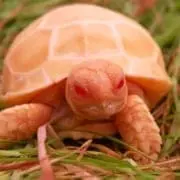
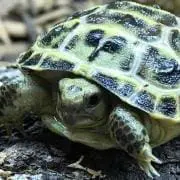
The carapace is long and fairly flat on top, as the species name suggests. Its color ranges from straw-yellow to tan or olive, usually with a black blotch in the center of each scute. Hatchlings and juveniles are often lighter, with softer markings. The head is pale yellow to cream. During breeding season, both males and females develop pinkish skin around the eyes and nostrils, which is normal and not a sign of illness. Adult males usually have longer, thicker tails and a concave plastron.

Size and Lifespan
Most adults reach 10 to 12 inches in shell length, which makes them a manageable middle size between small Mediterranean species and giant tortoises. With proper care, elongated tortoises can live for several decades, so plan for long-term housing as they grow.
Temperament
Captive-bred elongated tortoises are usually confident, food-driven and inquisitive. They quickly learn feeding routines and will come out to investigate their keepers. Hatchlings can be shy at first and spend a lot of time burrowed in moist substrate. That’s normal, as long as they come out to eat and bask.
Enclosure Setup
A hatchling can start in a closed-chamber enclosure or a large tortoise table of about 4 x 2 feet that holds humidity well. An adult needs at least 8 x 4 feet of floor space, or a secure outdoor pen with shelter in warm, humid climates.
- Substrate: 3 to 4 inches of a moisture-holding mix such as cypress mulch, Zoo Med Forest Floor bedding, coconut coir or topsoil, kept damp but not waterlogged.
- Hides: a warm hide and a humid hide, plus leaf litter, cork bark and plants for cover.
- Water: a shallow, easy-access dish such as the Zoo Med XL Reptile Ramp water bowl, cleaned daily. Forest tortoises drink and soak often.
Heat, UVB and Humidity
Keep daytime temperatures in the enclosure between 78 and 85°F, with a basking area near 90°F, and don’t let nights drop below about 70°F. Provide UVB for 12 hours a day with a quality linear tube over the basking zone, and give the tortoise shaded areas so it can control its exposure, as it would on a forest floor.
Humidity matters most for this species. Aim for 60 to 80 percent overall, with a damp microclimate in the substrate and hides. Mist in the morning, keep the substrate moist and soak hatchlings in shallow lukewarm water two or three times a week. Low humidity can lead to dehydration and uneven shell growth.
Diet
Elongated tortoises are omnivores, and they need more variety than grazing species:

- Base: dark leafy greens, edible weeds, dandelion, mulberry and hibiscus leaves and flowers.
- Extras: squash, mushrooms and modest amounts of fruit such as papaya, mango or berries.
- Protein: occasional earthworms, snails or soaked high-quality pellets.
- Pellets: a soaked, high-fiber commercial tortoise diet such as Mazuri Tortoise Diet to round out nutrition.
Feed hatchlings daily and adults five or six days a week. Dust food with calcium a few times a week, and use a multivitamin occasionally. Keep fruit and protein as treats, not the main part of the diet.
Handling
Pick the tortoise up with both hands under the plastron and keep it close to the ground. Handle it briefly, mainly for soaks, health checks and weight tracking. Weighing a growing hatchling monthly is one of the best ways to catch problems early.

Why Captive-Bred Matters
Wild elongated tortoises are under serious pressure from collection and habitat loss. Captive-bred hatchlings have no impact on those populations, usually arrive eating well and are free of the parasites and stress common in imported animals. If you’re comparing forest tortoises, the red-footed tortoise has similar warm, humid care needs.
Frequently Asked Questions
Why is my elongated tortoise’s nose turning pink?
Pink skin around the eyes and nostrils is a normal seasonal change in mature elongated tortoises, especially around breeding season.
How big do elongated tortoises get?
Adults usually reach 10 to 12 inches in shell length.
Do elongated tortoises need high humidity?
Yes. They do best between 60 and 80 percent humidity, with moist substrate and a humid hide.
Can elongated tortoises eat fruit?
Yes, in moderation. As a forest species, they can have more fruit than desert tortoises, but greens and weeds should still be most of the diet.
Meet our captive-bred elongated tortoises and discover more tortoise species at www.TortoiseTown.com.


Leave a Reply
Want to join the discussion?Feel free to contribute!