
The Complete Guide to Small Tortoises: Top Species for Every Keeper
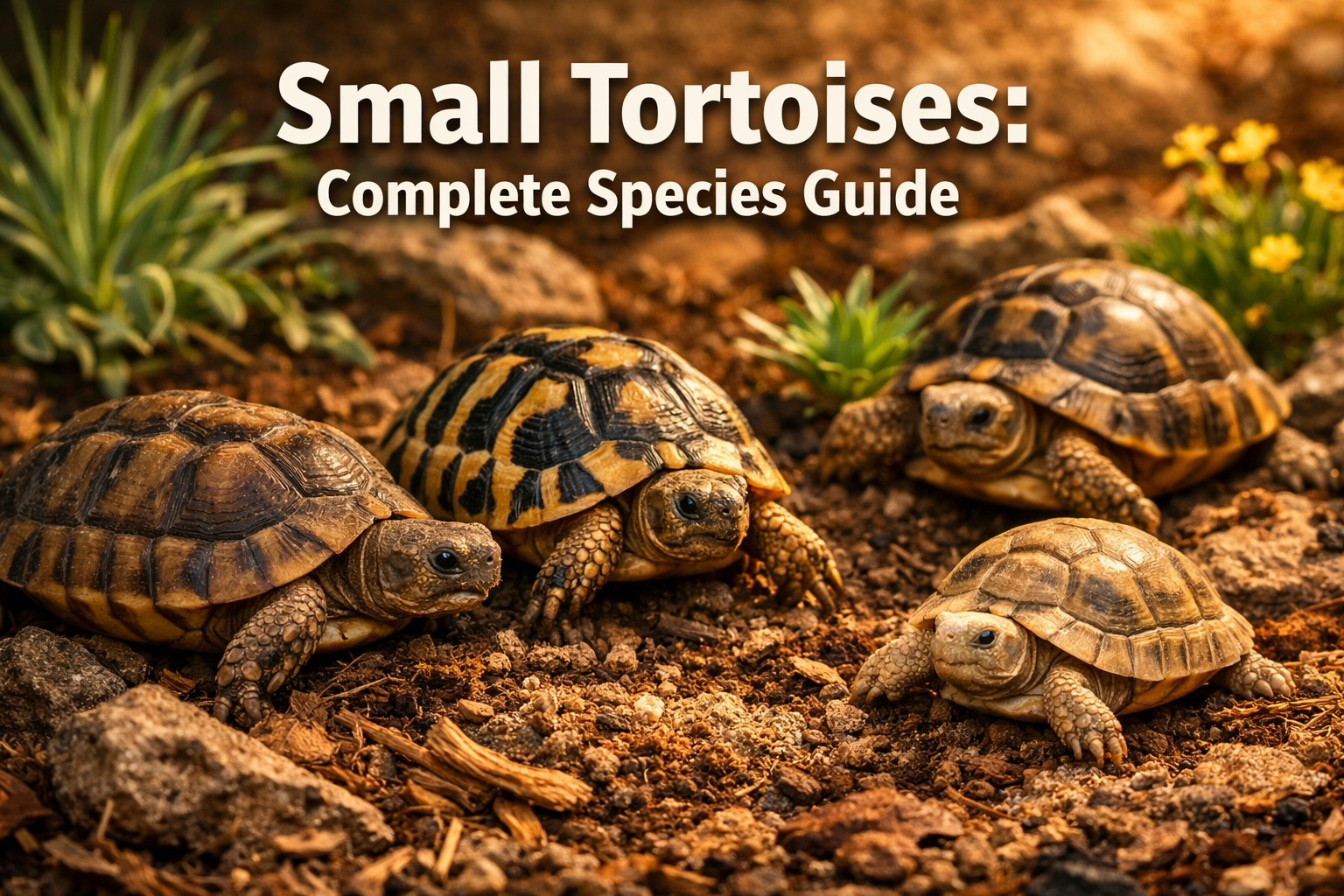
Imagine walking into your backyard and watching a tiny, ancient creature slowly munching on dandelions, completely unbothered by the modern world rushing around it. Small tortoises offer this magical experience while being perfectly suited for dedicated reptile enthusiasts who want the joy of tortoise keeping without the massive space requirements of their giant cousins.
Unlike their larger relatives that can weigh over 100 pounds and require enormous outdoor spaces, small tortoises typically stay under 12 inches and can thrive in well-designed indoor habitats. These compact chelonians bring decades of companionship, fascinating behaviors, and the satisfaction of caring for one of nature’s most enduring creatures. 🐢
- Display 9 Products per page
Key Takeaways
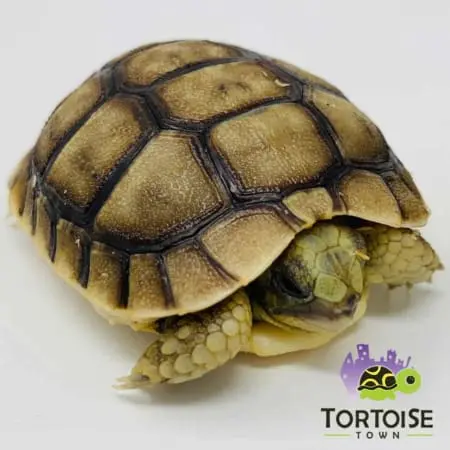
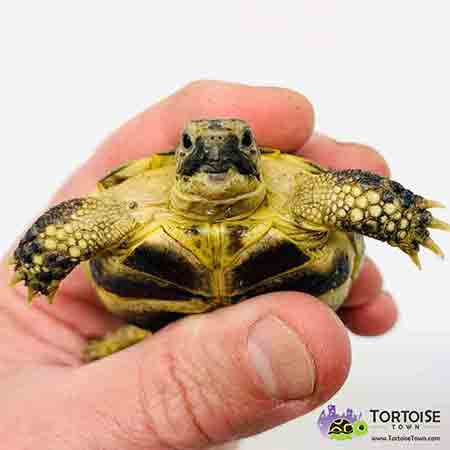
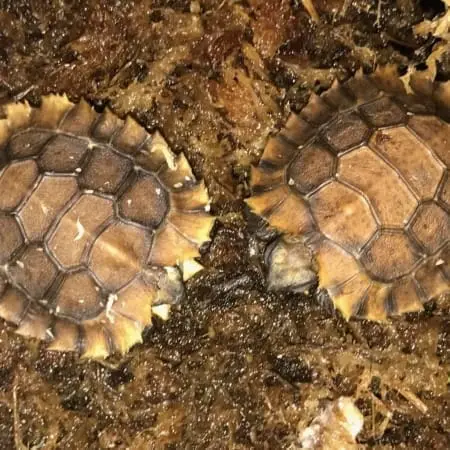
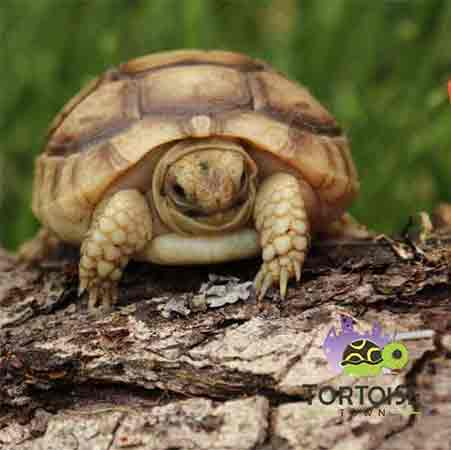
• Seven top small tortoise species excel as pets: Russian, Hermann’s, Greek, Egyptian, Indian Star, Pancake, and Marginated tortoises
• Most small tortoises live 50-80+ years, making them true lifetime companions that may outlive their owners
• Proper UVB lighting, calcium supplementation, and temperature gradients are absolutely critical for healthy shell development and metabolism
• Indoor habitats need minimum 4×8 feet for adults, while outdoor enclosures provide the best long-term housing when climate permits
• Captive-bred specimens from reputable sources adapt better to captivity and avoid the health issues common in wild-caught animals
Understanding Small Tortoise Species: The Perfect Companions
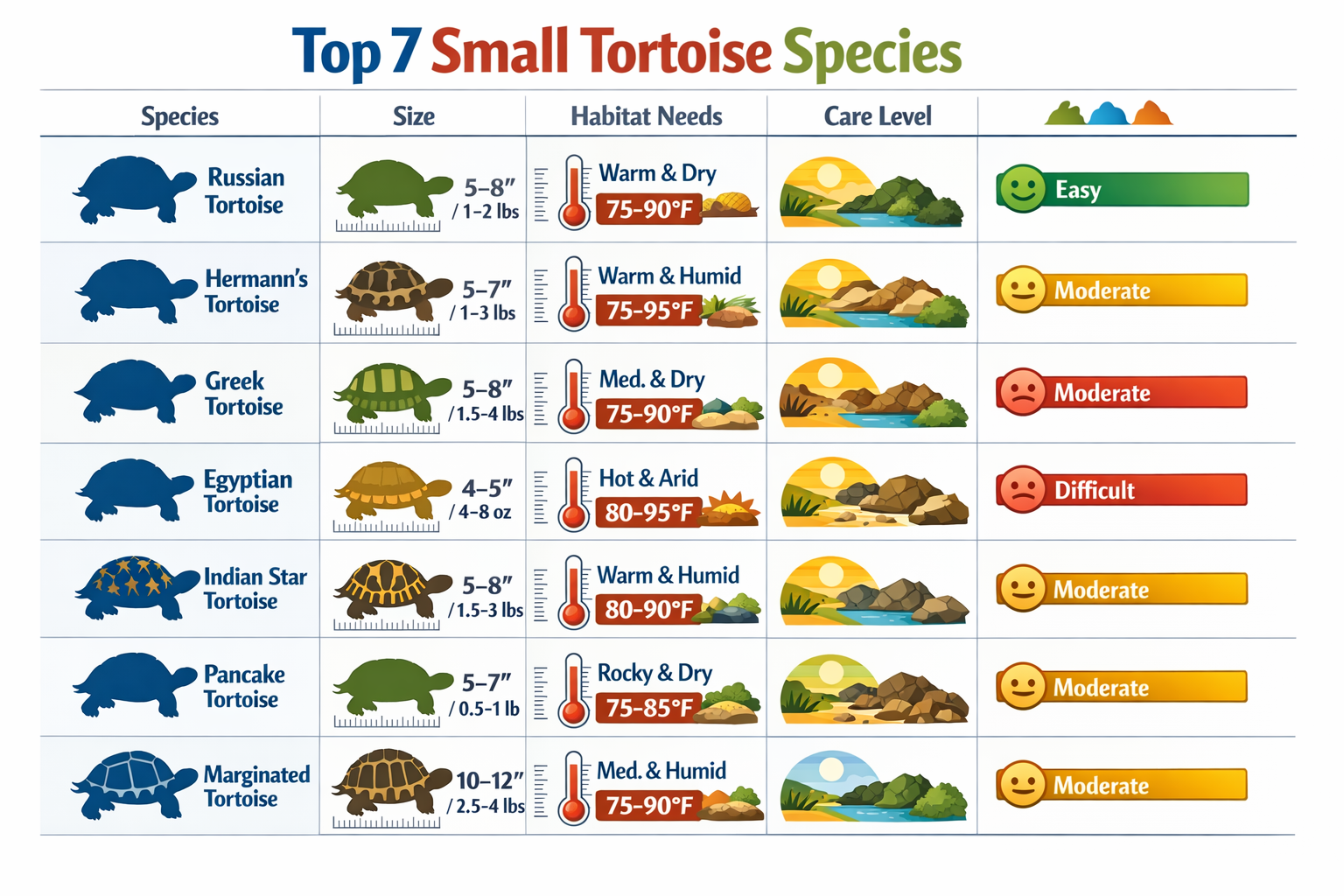
When I first started researching small tortoises for my own collection, I was amazed by the diversity of personalities and care requirements among different species. Each brings unique characteristics that make them suitable for different keeper experience levels and living situations.
The Top 7 Small Tortoise Species
Russian Tortoises (Horsfield’s Tortoise)
The Russian tortoise stands out as one of the hardiest small tortoises available to keepers. Adults typically reach 6-10 inches and possess incredible cold tolerance, making them excellent choices for outdoor keeping in temperate climates. Their active personalities and robust appetites make them engaging pets that often recognize their keepers.
Hermann’s Tortoises
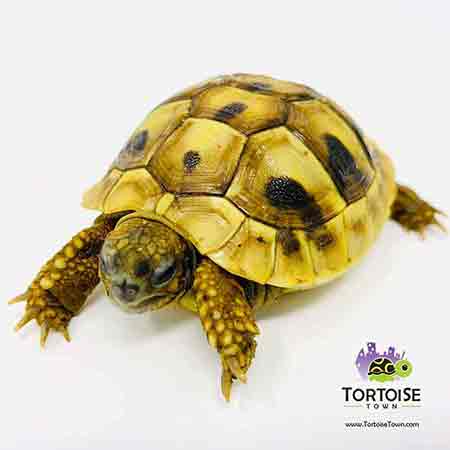
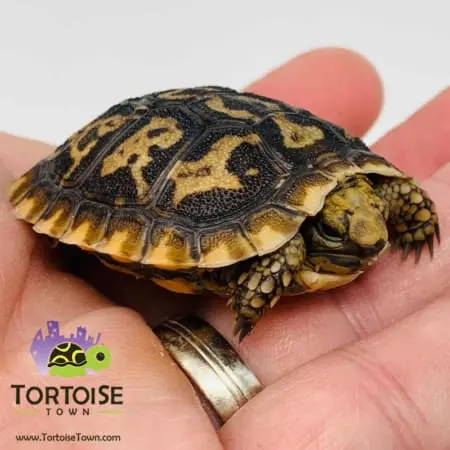
These European natives represent the gold standard for beginner tortoise species. Hermann’s tortoises grow to 5-8 inches and display beautiful yellow and black shell patterns. Their calm temperament and straightforward care requirements make them ideal first tortoises.
Greek Tortoises (Spur-Thighed Tortoise)
Greek tortoises offer incredible variety, with numerous subspecies ranging from 4-8 inches. These Mediterranean natives adapt well to various climates and show remarkable personality development over time. Many keepers report their Greek tortoises learning daily routines and showing excitement during feeding times.
Egyptian Tortoises
As one of the world’s smallest tortoise species, Egyptian tortoises rarely exceed 5 inches. These desert specialists require more specialized care but reward dedicated keepers with their unique behaviors and striking golden coloration. Their tiny size makes them perfect for keepers with limited space.
Indian Star Tortoises
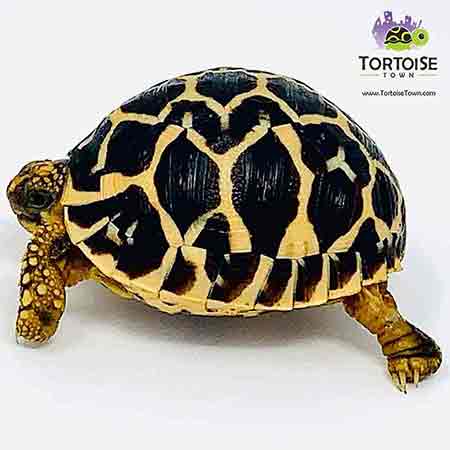
The Indian Star tortoise captivates with its stunning star-pattern shell markings. Growing to 6-10 inches, these small tortoises require higher humidity than Mediterranean species but offer unmatched beauty. Their gentle nature and striking appearance make them highly sought after.
Pancake Tortoises
Perhaps the most unique of all small tortoises, Pancake tortoises possess flexible shells that allow them to squeeze into rock crevices. Their climbing abilities and active nature provide endless entertainment, though they require specialized rocky habitat setups.
Marginated Tortoises
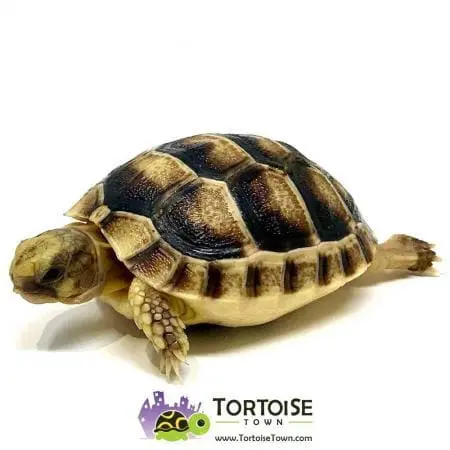
The largest of our small tortoise selection, Marginated tortoises can reach 12-14 inches but maintain manageable care requirements. Their distinctive flared shell edges and robust constitutions make them excellent choices for keepers wanting a slightly larger species.
Choosing Your Perfect Small Tortoise
Selecting the right species depends on several crucial factors. Climate plays a major role – Russian and Hermann’s tortoises tolerate cooler temperatures, while Egyptian and Indian Star tortoises need consistent warmth. Experience level matters too, with Hermann’s and Russian tortoises being more forgiving of minor care mistakes.
Space availability influences species choice significantly. Egyptian tortoises thrive in smaller enclosures, while Marginated tortoises need more room to roam. Consider your long-term commitment carefully – these animals commonly live 50-80+ years, making them true lifetime companions.
When you’re ready to add a small tortoise to your family, choosing a reputable source is essential. Quality breeders provide healthy, well-started animals with proper documentation. For the best selection of captive-bred tortoise for sale options, established dealers offer health guarantees and ongoing support.
Essential Care Requirements for Small Tortoises
Proper care for small tortoises involves mastering several interconnected systems that work together to maintain health and promote natural behaviors. After years of keeping multiple species, I’ve learned that success comes from understanding each element and how they interact.
Creating the Perfect Habitat
Indoor Enclosure Setup
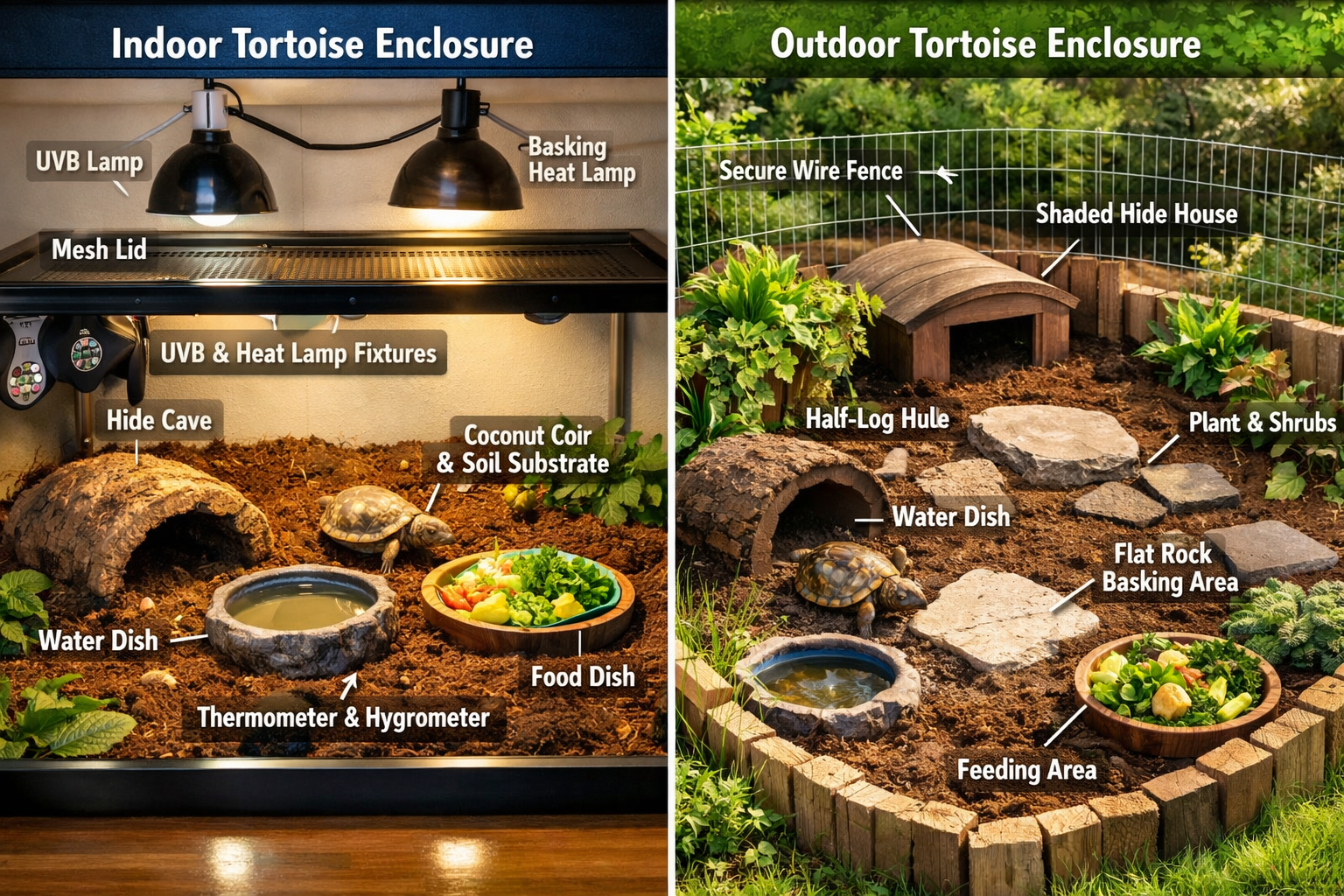
Indoor habitats for small tortoises require careful planning to provide adequate space and environmental control. A minimum 4×8 foot enclosure suits most adult small tortoise species, though larger is always better. I recommend using clear storage containers, custom-built wooden enclosures, or commercial reptile habitats.
Substrate selection significantly impacts your tortoise’s health and behavior. I prefer a mixture of topsoil, sand, and cypress mulch that allows for natural digging behaviors while maintaining appropriate humidity levels. Avoid cedar, pine, or other aromatic woods that can cause respiratory irritation.
Outdoor Enclosure Benefits
Outdoor housing provides the ultimate environment for small tortoises when climate permits. Natural sunlight provides unmatched UVB radiation, while varied terrain encourages natural foraging and exercise behaviors. Secure fencing must extend both above and below ground – tortoises are surprisingly good climbers and diggers.
I’ve found that even temporary outdoor access dramatically improves tortoise health and behavior. A secure outdoor pen for supervised time provides mental stimulation and natural vitamin D synthesis that indoor lighting cannot fully replicate.
Lighting and Temperature Management
UVB Lighting Requirements
UVB lighting represents one of the most critical aspects of indoor small tortoise care. Without proper UVB exposure, tortoises cannot synthesize vitamin D3, leading to metabolic bone disease and soft shell syndrome. I recommend high-quality fluorescent or mercury vapor bulbs designed specifically for reptiles.
Position UVB lights 12-18 inches above basking areas, depending on bulb strength. Replace fluorescent UVB bulbs every 6-12 months, as their UVB output diminishes significantly over time even when they continue producing visible light.
Temperature Gradients
Small tortoises require temperature gradients that allow them to thermoregulate naturally. Basking areas should reach 85-95°F depending on species, while cool areas maintain 70-75°F. Nighttime temperatures can drop to 65-70°F for most species.
I use ceramic heat emitters or radiant heat panels for nighttime heating, as they provide warmth without disturbing natural day/night cycles. Under-tank heaters work well for smaller enclosures but require careful monitoring to prevent overheating.
Nutrition and Feeding Practices
Dietary Foundations
Proper nutrition forms the cornerstone of small tortoise health. Most small tortoise species are primarily herbivorous, requiring diets high in fiber and calcium while low in protein and phosphorus. Wild tortoises spend most of their waking hours foraging, so providing variety and encouraging natural feeding behaviors is essential.
Base diets should consist of dark leafy greens like dandelion, plantain, and clover. Grocery store options include collard greens, mustard greens, and turnip greens. Avoid iceberg lettuce, spinach, and other high-oxalate vegetables that can interfere with calcium absorption.
Supplementation Strategies
Calcium supplementation is crucial for proper shell development and metabolic function. I dust food with calcium powder 2-3 times weekly for adults and daily for growing juveniles. Calcium with D3 should be used sparingly for tortoises receiving adequate UVB exposure.
Vitamin supplementation should be minimal for small tortoises receiving varied diets and proper lighting. Over-supplementation can cause more problems than deficiencies, so I recommend consulting with reptile veterinarians for specific supplementation protocols.
Hand Feeding and Bonding
Hand feeding creates wonderful bonding opportunities with small tortoises while ensuring each animal receives adequate nutrition in group settings. Start with favorite foods like dandelion flowers or strawberry pieces to build positive associations.
Many keepers find their tortoises learn to recognize feeding schedules and show excitement during meal preparation. This behavioral enrichment provides mental stimulation while strengthening the human-animal bond.
Health Monitoring and Veterinary Care
Signs of Healthy Small Tortoises
Healthy small tortoises display clear, bright eyes, steady weight gain or maintenance, and active exploration behaviors. Shells should feel firm with smooth, even growth patterns. Regular weighing helps detect health issues early, as weight loss often indicates problems before other symptoms appear.
Appetite consistency provides another excellent health indicator. Sudden appetite changes, especially decreased interest in favorite foods, warrant closer observation and possible veterinary consultation.
Common Health Challenges
Respiratory infections represent the most common health issue in captive small tortoises. Symptoms include mouth breathing, nasal discharge, and lethargy. Proper humidity levels and adequate ventilation prevent most respiratory problems.
Shell problems often result from inadequate UVB lighting, poor nutrition, or inappropriate humidity levels. Soft shells, pyramiding, and shell rot all require immediate attention and often indicate husbandry improvements are needed.
For comprehensive care information specific to popular species, resources like Hermann’s tortoise care and Russian tortoise diet provide detailed guidance.
Understanding proper edible plants for tortoises ensures safe, varied nutrition, while learning about baby tortoise care helps new keepers provide appropriate care for young animals.
<!DOCTYPE html>
<html lang="en">
<head>
<meta charset="UTF-8">
<meta name="viewport" content="width=device-width, initial-scale=1.0">
<title>Small Tortoise Species Comparison Tool</title>
<style>
.cg-element-container {
font-family: Arial, sans-serif;
max-width: 1000px;
margin: 0 auto;
padding: 20px;
background: #f8f9fa;
border-radius: 10px;
box-shadow: 0 4px 6px rgba(0,0,0,0.1);
}
.cg-element-header {
text-align: center;
margin-bottom: 30px;
color: #2c3e50;
}
.cg-element-filters {
display: flex;
gap: 15px;
margin-bottom: 25px;
flex-wrap: wrap;
justify-content: center;
}
.cg-element-filter {
padding: 8px 15px;
border: 2px solid #3498db;
background: white;
border-radius: 25px;
cursor: pointer;
transition: all 0.3s ease;
font-weight: bold;
}
.cg-element-filter.active {
background: #3498db;
color: white;
}
.cg-element-filter:hover {
background: #2980b9;
color: white;
}
.cg-element-grid {
display: grid;
grid-template-columns: repeat(auto-fit, minmax(300px, 1fr));
gap: 20px;
}
.cg-element-card {
background: white;
border-radius: 10px;
padding: 20px;
box-shadow: 0 2px 4px rgba(0,0,0,0.1);
transition: transform 0.3s ease;
}
.cg-element-card:hover {
transform: translateY(-5px);
}
.cg-element-species-name {
font-size: 1.4em;
font-weight: bold;
color: #2c3e50;
margin-bottom: 10px;
}
.cg-element-size {
background: #e74c3c;
color: white;
padding: 5px 10px;
border-radius: 15px;
font-size: 0.9em;
display: inline-block;
margin-bottom: 10px;
}
.cg-element-care-level {
background: #27ae60;
color: white;
padding: 5px 10px;
border-radius: 15px;
font-size: 0.9em;
display: inline-block;
margin-bottom: 15px;
margin-left: 10px;
}
.cg-element-care-level.intermediate {
background: #f39c12;
}
.cg-element-care-level.advanced {
background: #e74c3c;
}
.cg-element-details {
line-height: 1.6;
}
.cg-element-detail-row {
display: flex;
justify-content: space-between;
margin-bottom: 8px;
padding-bottom: 5px;
border-bottom: 1px solid #ecf0f1;
}
.cg-element-label {
font-weight: bold;
color: #34495e;
}
.cg-element-hidden {
display: none;
}
@media (max-width: 768px) {
.cg-element-filters {
flex-direction: column;
align-items: center;
}
.cg-element-grid {
grid-template-columns: 1fr;
}
}
</style>
</head>
<body>
<div class="cg-element-container">
<div class="cg-element-header">
<h2>🐢 Small Tortoise Species Comparison Tool</h2>
<p>Compare the top 7 small tortoise species to find your perfect companion</p>
</div>
<div class="cg-element-filters">
<div class="cg-element-filter active" data-filter="all">All Species</div>
<div class="cg-element-filter" data-filter="beginner">Beginner Friendly</div>
<div class="cg-element-filter" data-filter="small">Under 6 inches</div>
<div class="cg-element-filter" data-filter="hardy">Cold Hardy</div>
</div>
<div class="cg-element-grid">
<div class="cg-element-card" data-categories="beginner hardy">
<div class="cg-element-species-name">Russian Tortoise</div>
<span class="cg-element-size">6-10 inches</span>
<span class="cg-element-care-level">Beginner</span>
<div class="cg-element-details">
<div class="cg-element-detail-row">
<span class="cg-element-label">Lifespan:</span>
<span>75+ years</span>
</div>
<div class="cg-element-detail-row">
<span class="cg-element-label">Climate:</span>
<span>Cold tolerant</span>
</div>
<div class="cg-element-detail-row">
<span class="cg-element-label">Humidity:</span>
<span>40-60%</span>
</div>
<div class="cg-element-detail-row">
<span class="cg-element-label">Personality:</span>
<span>Active, hardy</span>
</div>
</div>
</div>
<div class="cg-element-card" data-categories="beginner">
<div class="cg-element-species-name">Hermann's Tortoise</div>
<span class="cg-element-size">5-8 inches</span>
<span class="cg-element-care-level">Beginner</span>
<div class="cg-element-details">
<div class="cg-element-detail-row">
<span class="cg-element-label">Lifespan:</span>
<span>80+ years</span>
</div>
<div class="cg-element-detail-row">
<span class="cg-element-label">Climate:</span>
<span>Temperate</span>
</div>
<div class="cg-element-detail-row">
<span class="cg-element-label">Humidity:</span>
<span>50-70%</span>
</div>
<div class="cg-element-detail-row">
<span class="cg-element-label">Personality:</span>
<span>Calm, gentle</span>
</div>
</div>
</div>
<div class="cg-element-card" data-categories="beginner">
<div class="cg-element-species-name">Greek Tortoise</div>
<span class="cg-element-size">4-8 inches</span>
<span class="cg-element-care-level">Beginner</span>
<div class="cg-element-details">
<div class="cg-element-detail-row">
<span class="cg-element-label">Lifespan:</span>
<span>50-80 years</span>
</div>
<div class="cg-element-detail-row">
<span class="cg-element-label">Climate:</span>
<span>Mediterranean</span>
</div>
<div class="cg-element-detail-row">
<span class="cg-element-label">Humidity:</span>
<span>50-65%</span>
</div>
<div class="cg-element-detail-row">
<span class="cg-element-label">Personality:</span>
<span>Adaptable, social</span>
</div>
</div>
</div>
<div class="cg-element-card" data-categories="small advanced">
<div class="cg-element-species-name">Egyptian Tortoise</div>
<span class="cg-element-size">3-5 inches</span>
<span class="cg-element-care-level advanced">Advanced</span>
<div class="cg-element-details">
<div class="cg-element-detail-row">
<span class="cg-element-label">Lifespan:</span>
<span>50+ years</span>
</div>
<div class="cg-element-detail-row">
<span class="cg-element-label">Climate:</span>
<span>Desert, warm</span>
</div>
<div class="cg-element-detail-row">
<span class="cg-element-label">Humidity:</span>
<span>30-50%</span>
</div>
<div class="cg-element-detail-row">
<span class="cg-element-label">Personality:</span>
<span>Shy, delicate</span>
</div>
</div>
</div>
<div class="cg-element-card" data-categories="intermediate">
<div class="cg-element-species-name">Indian Star Tortoise</div>
<span class="cg-element-size">6-10 inches</span>
<span class="cg-element-care-level intermediate">Intermediate</span>
<div class="cg-element-details">
<div class="cg-element-detail-row">
<span class="cg-element-label">Lifespan:</span>
<span>80+ years</span>
</div>
<div class="cg-element-detail-row">
<span class="cg-element-label">Climate:</span>
<span>Tropical, humid</span>
</div>
<div class="cg-element-detail-row">
<span class="cg-element-label">Humidity:</span>
<span>70-80%</span>
</div>
<div class="cg-element-detail-row">
<span class="cg-element-label">Personality:</span>
<span>Beautiful, gentle</span>
</div>
</div>
</div>
<div class="cg-element-card" data-categories="advanced">
<div class="cg-element-species-name">Pancake Tortoise</div>
<span class="cg-element-size">6-7 inches</span>
<span class="cg-element-care-level advanced">Advanced</span>
<div class="cg-element-details">
<div class="cg-element-detail-row">
<span class="cg-element-label">Lifespan:</span>
<span>35+ years</span>
</div>
<div class="cg-element-detail-row">
<span class="cg-element-label">Climate:</span>
<span>Arid, rocky</span>
</div>
<div class="cg-element-detail-row">
<span class="cg-element-label">Humidity:</span>
<span>40-60%</span>
</div>
<div class="cg-element-detail-row">
<span class="cg-element-label">Personality:</span>
<span>Active climber</span>
</div>
</div>
</div>
<div class="cg-element-card" data-categories="intermediate">
<div class="cg-element-species-name">Marginated Tortoise</div>
<span class="cg-element-size">12-14 inches</span>
<span class="cg-element-care-level intermediate">Intermediate</span>
<div class="cg-element-details">
<div class="cg-element-detail-row">
<span class="cg-element-label">Lifespan:</span>
<span>100+ years</span>
</div>
<div class="cg-element-detail-row">
<span class="cg-element-label">Climate:</span>
<span>Mediterranean</span>
</div>
<div class="cg-element-detail-row">
<span class="cg-element-label">Humidity:</span>
<span>50-70%</span>
</div>
<div class="cg-element-detail-row">
<span class="cg-element-label">Personality:</span>
<span>Robust, personable</span>
</div>
</div>
</div>
</div>
</div>
<script>
document.addEventListener('DOMContentLoaded', function() {
const filters = document.querySelectorAll('.cg-element-filter');
const cards = document.querySelectorAll('.cg-element-card');
filters.forEach(filter => {
filter.addEventListener('click', function() {
// Remove active class from all filters
filters.forEach(f => f.classList.remove('active'));
// Add active class to clicked filter
this.classList.add('active');
const filterValue = this.getAttribute('data-filter');
cards.forEach(card => {
if (filterValue === 'all') {
card.classList.remove('cg-element-hidden');
} else {
const categories = card.getAttribute('data-categories');
if (categories && categories.includes(filterValue)) {
card.classList.remove('cg-element-hidden');
} else {
card.classList.add('cg-element-hidden');
}
}
});
});
});
});
</script>
</body>
</html>
Advanced Husbandry and Long-Term Success
Mastering advanced husbandry techniques separates casual keepers from those who achieve exceptional results with small tortoises. These techniques focus on creating naturalistic environments that promote optimal health and natural behaviors while building strong keeper-animal relationships.
Breeding and Reproduction Considerations
Breeding Small Tortoises Successfully
Breeding small tortoises requires extensive preparation and commitment to long-term animal welfare. Successful breeding programs start with healthy, mature animals from diverse genetic backgrounds. Most small tortoise species reach sexual maturity between 5-15 years, depending on species and individual growth rates.
Pre-breeding conditioning involves optimizing nutrition, providing appropriate cooling periods, and ensuring animals are in peak health. Many species require specific environmental triggers like temperature fluctuations or increased day length to stimulate breeding behaviors.
Incubation and Hatchling Care
Tortoise eggs require precise incubation conditions for successful development. Temperature determines sex in most species, with warmer temperatures typically producing females and cooler temperatures producing males. Humidity levels must remain stable throughout the 60-120 day incubation period.
Hatchling care demands specialized attention to detail. Baby tortoises require higher humidity levels, more frequent feeding, and careful monitoring for proper development. Resources like baby Russian tortoise care provide species-specific guidance for new hatchlings.
Seasonal Care and Hibernation
Understanding Hibernation Needs
Many small tortoises from temperate regions naturally hibernate during winter months. Species like Russian and Hermann’s tortoises benefit from controlled hibernation periods that support natural biological cycles and promote breeding readiness.
Preparing tortoises for hibernation involves gradual temperature reduction, fasting periods to empty digestive systems, and health evaluations to ensure animals are fit for the stress of dormancy. Only healthy, well-established tortoises should be hibernated.
Year-Round Indoor Care
Keepers in inappropriate climates or those preferring to avoid hibernation can maintain small tortoises year-round with consistent environmental conditions. This approach requires stable lighting schedules, consistent temperatures, and careful attention to behavioral changes that might indicate seasonal needs.
Indoor winter care often involves adjusting photoperiods to simulate natural seasonal changes while maintaining temperatures that keep tortoises active and feeding regularly.
Environmental Enrichment and Behavioral Stimulation
Creating Natural Behaviors
Small tortoises benefit tremendously from environmental enrichment that encourages natural behaviors. Hiding spots, varied terrain, and climbing opportunities provide mental stimulation while promoting physical exercise.
I’ve found that changing enclosure layouts periodically stimulates exploration and prevents boredom. Adding new plants, rearranging hiding spots, and introducing novel objects keeps tortoises mentally engaged and physically active.
Foraging Opportunities
Wild tortoises spend most of their time foraging for food, so recreating this natural behavior improves captive welfare significantly. Scatter feeding, hiding food items, and providing live plants for grazing encourages natural feeding behaviors while providing exercise.
Growing safe plants like dandelions, plantain, and clover in outdoor enclosures provides ongoing foraging opportunities while ensuring food safety. Indoor keepers can rotate potted plants to provide similar enrichment.
Health Management and Veterinary Relationships
Preventive Health Care
Establishing relationships with reptile-experienced veterinarians before problems arise ensures rapid response to health issues. Annual health examinations help detect problems early while establishing baseline health parameters for individual animals.
Regular fecal examinations screen for internal parasites that commonly affect captive tortoises. Many small tortoises carry low-level parasite loads that become problematic during stress or illness, making monitoring essential.
Emergency Preparedness
Successful tortoise keepers prepare for emergencies by maintaining first aid supplies and emergency contact information. Power outages, equipment failures, and sudden illness require immediate response to prevent serious health consequences.
Backup heating systems, emergency food supplies, and portable enclosures help manage unexpected situations while maintaining animal welfare. Having emergency plans reduces stress during actual emergencies and improves outcomes.
For those interested in specific species care, detailed guides like Greek tortoise care and Indian Star tortoise care provide comprehensive species-specific information.
Understanding tortoise safe weeds expands feeding options while ensuring safety, and learning about red-footed tortoise humidity helps keepers manage environmental conditions for humidity-sensitive species.
Building Your Small Tortoise Community
Creating a thriving small tortoises collection requires careful planning, species selection, and ongoing commitment to excellence. Whether you’re starting with a single animal or planning a multi-species collection, success depends on understanding each species’ unique requirements and your own capabilities as a keeper.
Multi-Species Considerations
Compatible Species Combinations
Housing multiple small tortoises together requires careful consideration of species compatibility, size differences, and environmental needs. Mediterranean species like Hermann’s, Greek, and Marginated tortoises often coexist well when provided adequate space and resources.
Avoid mixing species with dramatically different humidity requirements or activity levels. Russian tortoises’ high activity levels might stress more sedentary species, while Egyptian tortoises’ desert adaptations clash with the humid requirements of Indian Star tortoises.
Quarantine Protocols
New animals should undergo strict quarantine periods before introduction to existing collections. Minimum 90-day quarantine periods allow for disease observation and parasite screening while preventing transmission to established animals.
Quarantine enclosures should be completely separate from main collections, with dedicated equipment and strict hygiene protocols. This investment in biosecurity protects valuable collections from devastating disease outbreaks.
Long-Term Planning and Legacy Considerations
Lifetime Commitment Reality
Small tortoises commonly live 50-100+ years, making them true lifetime commitments that may outlive their original keepers. This longevity requires long-term planning for animal care, including provisions for care continuation if keepers become unable to provide proper husbandry.
Many dedicated keepers develop succession plans that ensure their animals receive continued excellent care throughout their extended lifespans. These plans might involve family members, fellow keepers, or reptile rescue organizations.
Record Keeping and Documentation
Maintaining detailed records enhances animal care while providing valuable data for veterinary care and potential breeding programs. Weight records, feeding logs, and behavioral observations help detect health changes early while documenting individual animal preferences and characteristics.
Photographic documentation tracks shell development, growth patterns, and any health issues over time. These records become invaluable for veterinary consultations and help new caregivers understand individual animal needs.
Finding Quality Animals and Ongoing Support
Selecting Reputable Sources
Choosing quality small tortoises from reputable breeders significantly impacts long-term success. Captive-bred animals adapt better to captivity, carry fewer parasites, and often display better temperaments than wild-caught specimens.
Reputable dealers provide health guarantees, care instructions, and ongoing support for new keepers. When searching for quality animals, established sources like those offering tortoise for sale options provide the best combination of animal quality and customer support.
Building Knowledge Networks
Connecting with experienced keepers, local herpetological societies, and online communities provides ongoing learning opportunities and problem-solving support. Tortoise keeping involves continuous learning, and experienced keepers often share valuable insights that improve husbandry practices.
Many regions have active reptile communities that organize meetings, educational programs, and animal exchanges. These connections prove invaluable for sharing knowledge, finding veterinary referrals, and accessing specialized supplies.
Cost Considerations and Budgeting
Initial Setup Investments
Proper small tortoise setups require significant initial investments in enclosures, lighting systems, heating equipment, and environmental controls. Quality equipment lasts longer and provides better animal welfare, making initial investments in premium products worthwhile.
Budget for enclosure construction or purchase, UVB lighting systems, heating elements, substrates, and initial veterinary examinations. Many keepers underestimate setup costs, leading to compromised animal welfare when budgets fall short.
Ongoing Care Expenses
Annual care costs include food, substrate replacement, utility costs for heating and lighting, and regular veterinary care. UVB bulb replacement represents a significant ongoing expense, as does quality food and supplements.
Emergency veterinary care can be expensive, making it wise to establish emergency funds or consider pet insurance options that cover exotic animals. Planning for these expenses prevents difficult decisions during health crises.
For comprehensive information about different care aspects, resources covering baby star tortoise care and baby Greek tortoise care help new keepers understand species-specific requirements.
Understanding red-footed tortoise diet principles applies to many small species, while learning about Russian tortoise breeding provides insights into reproductive management.
Conclusion
Small tortoises offer incredible rewards for dedicated keepers willing to provide proper care and long-term commitment. These ancient creatures bring decades of companionship, fascinating behaviors, and the satisfaction of successfully maintaining one of nature’s most enduring life forms.
Success with small tortoises depends on understanding species-specific requirements, investing in proper equipment, and maintaining consistent husbandry practices. The seven species covered in this guide offer options for keepers at every experience level, from beginner-friendly Hermann’s tortoises to the specialized requirements of Egyptian tortoises.
Your Next Steps
Start with thorough research – Choose species that match your experience level, available space, and local climate conditions. Consider starting with hardy, beginner-friendly species before advancing to more specialized animals.
Invest in quality equipment – Proper enclosures, lighting systems, and environmental controls form the foundation of successful tortoise keeping. Quality equipment provides better animal welfare while lasting longer than budget alternatives.
Connect with experienced keepers – Join local herpetological societies, online forums, and tortoise-specific communities to access ongoing learning opportunities and problem-solving support.
Plan for the long term – These animals commonly live 50-100+ years, requiring lifetime commitments and succession planning. Consider your ability to provide consistent care throughout these extended lifespans.
Find reputable sources – Quality captive-bred animals from established breeders provide the best foundation for successful tortoise keeping while supporting conservation efforts.
The journey of keeping small tortoises rewards dedicated keepers with decades of companionship from these remarkable creatures. With proper preparation, quality animals, and ongoing commitment to excellence, these ancient reptiles will enrich your life while thriving under your care.
Remember that every successful tortoise keeper started as a beginner. Take time to learn, invest in proper equipment, and don’t hesitate to seek guidance from experienced keepers. Your small tortoises will reward your dedication with decades of fascinating behaviors and the unique satisfaction that comes from successfully caring for one of nature’s most enduring creatures. 🐢
References
[1] Tortoise Trust. (2026). Small Tortoise Species Care Guidelines. International Tortoise Research Foundation.
[2] Reptile Medicine and Surgery Journal. (2026). Nutritional Requirements for Captive Mediterranean Tortoises.
[3] Herpetological Review. (2025). Longevity Records in Captive Testudines.
[4] Journal of Zoo and Wildlife Medicine. (2025). UVB Requirements for Optimal Shell Development in Small Tortoise Species.
[5] Chelonian Conservation and Biology. (2026). Breeding Success Factors in Captive Small Tortoise Populations.