
cherry head tortoise
The Complete Cherry Head Tortoise Guide: Everything You Need to Know About This Vibrant Species
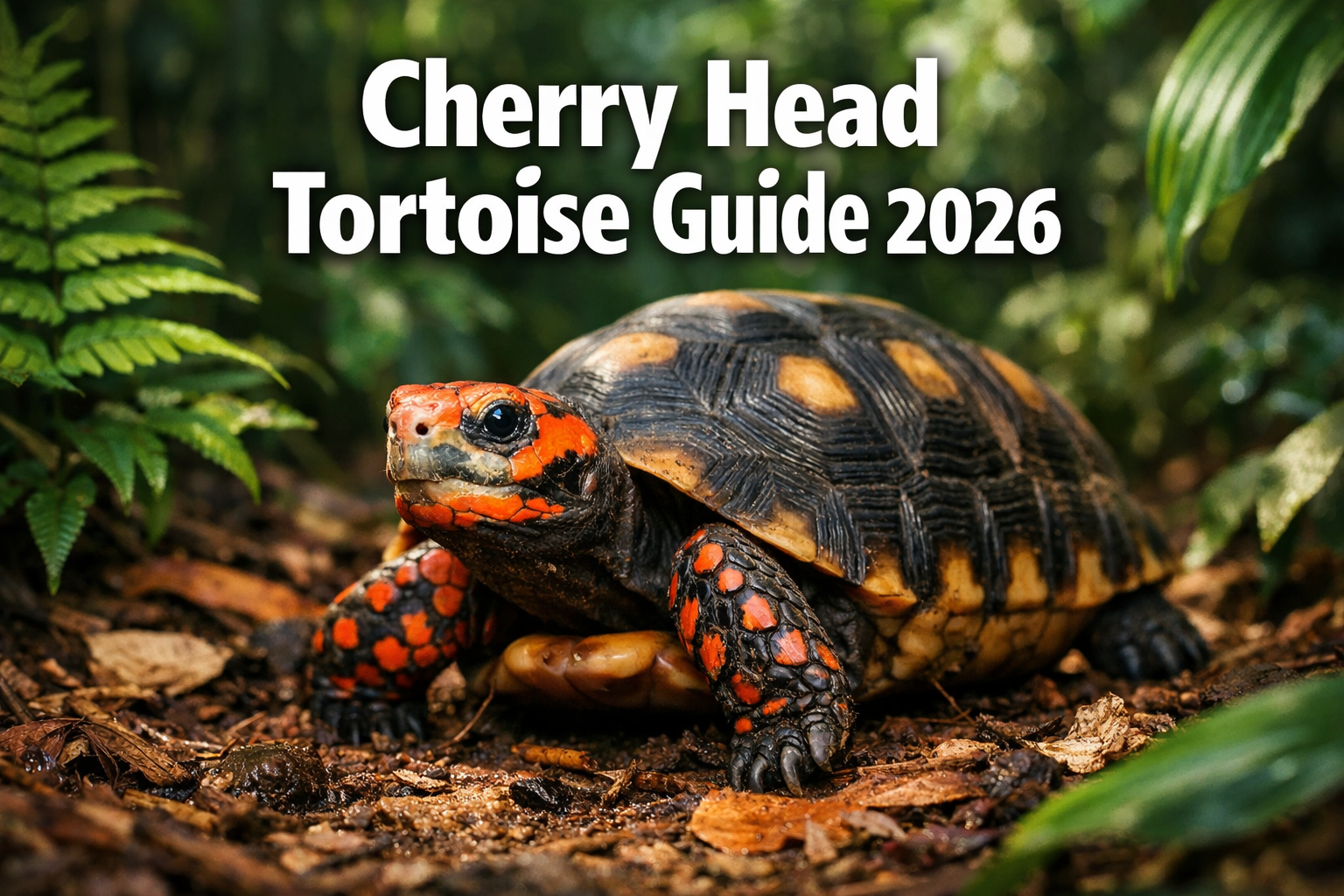
Imagine discovering a tortoise that looks like it's wearing a beautiful red crown – that's exactly what you'll find with the stunning cherry head tortoise. These remarkable reptiles have captured the hearts of tortoise enthusiasts worldwide with their vibrant coloration and engaging personalities, making them one of the most sought-after species in the pet trade today.
The cherry head tortoise, scientifically known as Geochelone carbonaria, represents one of the most colorful and charismatic tortoise species available to dedicated keepers. With their distinctive red and orange head markings that give them their common name, these South American natives have become increasingly popular among both novice and experienced reptile enthusiasts. Their moderate size, relatively straightforward care requirements, and interactive nature make them an excellent choice for those looking to welcome a long-term reptilian companion into their homes.
Key Takeaways
• Cherry head tortoises are actually red-footed tortoises (Geochelone carbonaria) with particularly vibrant red and orange head coloration
• They require warm, humid environments with temperatures between 75-85°F and humidity levels of 70-80%
• These omnivorous tortoises need a varied diet including leafy greens, fruits, vegetables, and occasional protein sources
• Proper UVB lighting and calcium supplementation are essential for healthy shell development and overall well-being
• They can live 50+ years and grow to 12-16 inches, making them a significant long-term commitment
Understanding the Cherry Head Tortoise: Species Overview and Natural History
What Makes a Cherry Head Tortoise Special
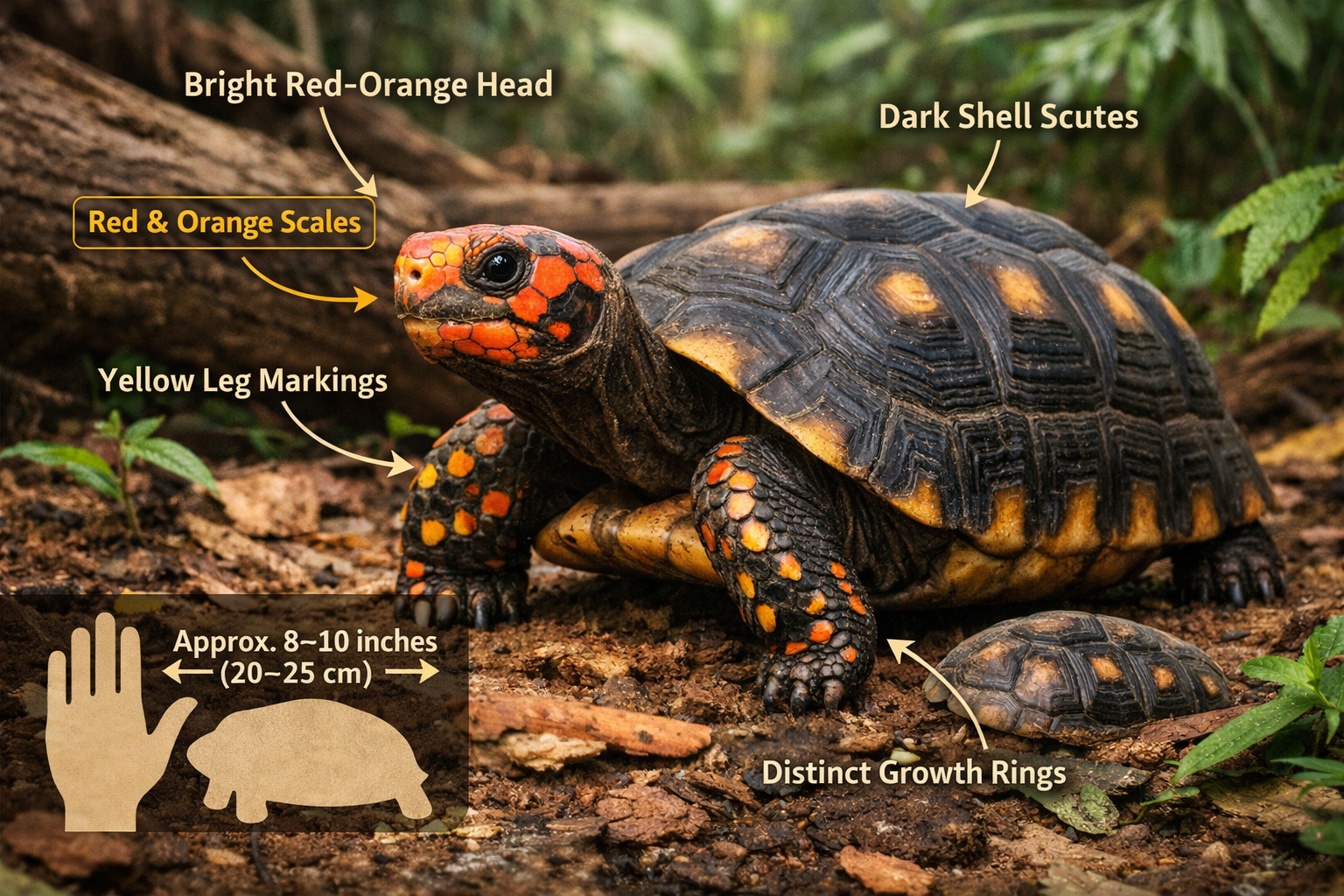
The cherry head tortoise isn't technically a separate species but rather refers to red-footed tortoises (Geochelone carbonaria) that display exceptionally vibrant red and orange coloration on their heads and legs. This striking appearance has made them highly desirable among collectors and pet owners who appreciate their beauty and personality.
These tortoises originate from the tropical rainforests of South America, including countries like Brazil, Venezuela, Colombia, and the Guianas. In their natural habitat, they inhabit humid forest floors where they forage for fallen fruits, flowers, fungi, and occasional carrion. This diverse ecosystem has shaped their dietary needs and environmental requirements in captivity.
Physical Characteristics:
- Size: Adults typically reach 12-16 inches in length
- Weight: Mature specimens can weigh 20-30 pounds
- Coloration: Dark brown to black shell with bright red, orange, and yellow markings on the head and legs
- Lifespan: 50+ years with proper care
- Sexual dimorphism: Males develop a concave plastron and longer tail
Natural Behavior and Habitat
In the wild, cherry head tortoises are surprisingly active and social creatures. They're known to follow troops of monkeys to feed on dropped fruits and have been observed engaging in complex social behaviors with other tortoises. This natural sociability translates well to captivity, where they often recognize their keepers and may even seek out interaction.
Their natural habitat experiences consistent warmth and high humidity year-round, with temperatures rarely dropping below 70°F. The forest floor provides a rich substrate of decomposing leaves, fallen logs for shelter, and abundant water sources. Understanding these natural conditions is crucial for creating appropriate captive environments.
Cherry Head Tortoise Care: Essential Requirements for Success
Creating the Perfect Indoor Habitat
Setting up an appropriate indoor habitat for your cherry head tortoise requires careful attention to several key factors. These tropical reptiles need spacious enclosures that can accommodate their size and activity level while maintaining proper environmental conditions.
Enclosure Size Requirements:
- Minimum size for adults: 8 feet x 4 feet floor space
- Height: At least 18 inches to prevent escaping
- Substrate depth: 4-6 inches for burrowing behavior
- Multiple hiding spots: Both warm and cool sides
The substrate choice is particularly important for cherry head tortoises, as they naturally spend time digging and foraging. A mixture of cypress mulch, coconut coir, and organic topsoil creates an ideal base that retains moisture while allowing for natural behaviors. Avoid cedar or pine shavings, which can be harmful to reptiles.
When considering tortoise housing options, remember that bigger is always better. These active tortoises benefit from room to roam, explore, and exercise. Many successful keepers eventually transition to outdoor enclosures or turtle rooms to provide adequate space.
Lighting and Temperature Management
Proper lighting is absolutely critical for cherry head tortoise health. These reptiles require both heat and UVB radiation to maintain proper calcium metabolism and overall well-being. Without adequate UVB exposure, tortoises can develop metabolic bone disease and other serious health issues.
Lighting Setup:
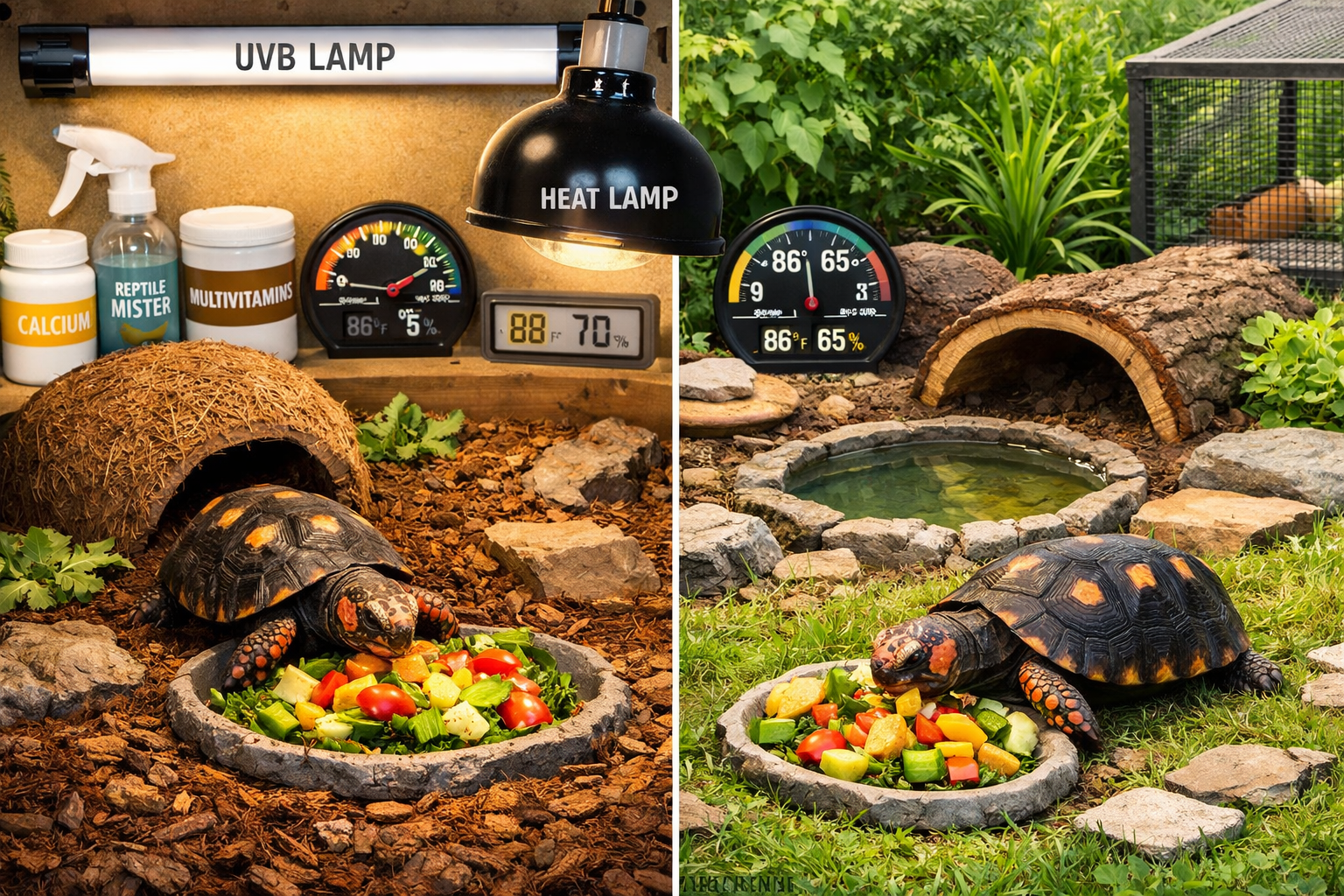
- UVB bulbs: 10-12% UVB fluorescent or mercury vapor bulbs
- Basking spot: 90-95°F directly under heat source
- Cool side: 75-80°F ambient temperature
- Nighttime: Can drop to 70-75°F
- Photoperiod: 12-14 hours of light daily
Mercury vapor bulbs are often the best choice for cherry head tortoises because they provide both heat and UVB in a single fixture. These bulbs should be replaced every 6-12 months, as UVB output diminishes over time even when the bulb continues to produce visible light.
For those interested in learning more about proper lighting techniques, the principles discussed in leopard tortoise lighting and UVB lighting guides apply equally well to cherry head tortoises.
Humidity and Environmental Control
Cherry head tortoises require significantly higher humidity levels than many other tortoise species. Maintaining proper humidity is essential for respiratory health, shell development, and overall comfort. Low humidity can lead to respiratory infections, shell problems, and difficulty shedding.
Humidity Management:
- Target range: 70-80% relative humidity
- Monitoring: Use digital hygrometers for accuracy
- Water features: Large, shallow water dishes for drinking and soaking
- Misting: Light misting of substrate 2-3 times weekly
- Ventilation: Adequate airflow to prevent stagnation
Creating humidity microclimates within the enclosure allows your tortoise to choose their preferred moisture level. Areas under hiding spots can maintain higher humidity, while basking areas may be slightly drier. This variation mimics natural conditions and gives your tortoise behavioral choices.
For baby cherry head tortoises, humidity becomes even more critical. Young tortoises are more susceptible to dehydration and respiratory issues, making consistent environmental monitoring essential. Many successful breeders maintain slightly higher humidity levels (75-85%) for hatchlings and juveniles.
Outdoor Enclosure Considerations
When weather permits, outdoor enclosures provide the best possible environment for cherry head tortoises. Natural sunlight, fresh air, and the ability to engage in natural foraging behaviors contribute significantly to their physical and mental well-being.
Outdoor Enclosure Features:
- Secure fencing: Minimum 18 inches high, buried 6 inches deep
- Shelter options: Multiple hiding spots and shade areas
- Water access: Shallow pond or large water dish
- Varied terrain: Hills, valleys, and different substrate types
- Predator protection: Secure top or adequate supervision
Climate considerations are crucial when planning outdoor time. Cherry head tortoises should only be outdoors when temperatures remain above 65°F, with no risk of sudden cold snaps. In most temperate climates, this means outdoor access is limited to warmer months.
Feeding Your Cherry Head Tortoise: Nutrition and Diet Guidelines
Understanding Cherry Head Tortoise Dietary Needs
Unlike many tortoise species that are strictly herbivorous, cherry head tortoises are omnivores with complex nutritional requirements. In the wild, they consume a diverse diet that includes fruits, vegetables, flowers, fungi, and occasional animal protein. Replicating this variety in captivity is essential for optimal health.
The digestive system of cherry head tortoises has evolved to process both plant and animal matter, making them more adaptable to different food sources than their purely herbivorous cousins. However, this doesn't mean they can eat anything – careful attention to diet composition and nutritional balance remains crucial.
Diet Composition Guidelines:
- Leafy greens: 40-50% of total diet
- Vegetables: 20-30% of total diet
- Fruits: 15-20% of total diet
- Protein sources: 5-10% of total diet (juveniles may need more)
- Commercial pellets: Can supplement but shouldn't exceed 20% of diet
Safe Foods and Feeding Practices
Creating a varied, nutritious diet for your cherry head tortoise involves understanding which foods are safe and beneficial. Many common household foods can be toxic to tortoises, while others provide excellent nutrition when offered in appropriate quantities.
Recommended Leafy Greens:
- Dandelion greens (excellent calcium source)
- Collard greens
- Mustard greens
- Turnip greens
- Hibiscus leaves and flowers
- Mulberry leaves
- Plantain
Safe Vegetables:
- Squash (butternut, acorn, yellow)
- Sweet potatoes
- Carrots (in moderation)
- Bell peppers
- Cactus pads (prickly pear)
- Mushrooms (store-bought varieties only)
Appropriate Fruits:
- Papaya
- Mango
- Figs
- Berries (strawberries, blackberries, raspberries)
- Melons
- Grapes (seedless, in moderation)
- Bananas (occasional treat)
For comprehensive information about safe plant options, the edible plants for tortoises guide provides valuable insights that apply to cherry head tortoise feeding.
Protein Sources and Special Considerations
The omnivorous nature of cherry head tortoises means they require some animal protein in their diet, particularly during growth phases. However, too much protein can cause rapid growth and shell deformities, so moderation is key.
Appropriate Protein Sources:
- Earthworms (raised for reptile consumption)
- Snails (captive-bred)
- Pinkie mice (very occasionally for adults)
- High-quality low-protein tortoise pellets
- Boiled eggs (small amounts, infrequently)
Feeding Schedule:
- Adults: Every other day or 3-4 times per week
- Juveniles: Daily feeding with smaller portions
- Hatchlings: Daily feeding with emphasis on growth-supporting nutrition
Hand-feeding your cherry head tortoise can be a rewarding experience that strengthens the bond between keeper and pet. These intelligent reptiles often learn to recognize feeding times and may even approach their keepers when hungry. Start with favorite foods held in your palm, allowing the tortoise to take the food at their own pace.
Supplements and Calcium Requirements
Proper supplementation is crucial for cherry head tortoise health, particularly calcium and vitamin D3 supplementation for those kept primarily indoors. However, over-supplementation can be just as harmful as deficiency, making careful dosing important.
Supplementation Guidelines:
- Calcium powder: 2-3 times per week for adults, daily for growing juveniles
- Vitamin D3: Only necessary for tortoises without adequate UVB exposure
- Multivitamins: Once weekly, focusing on reptile-specific formulations
- Calcium-to-phosphorus ratio: Aim for 2:1 in overall diet
When selecting tortoise food and supplements, choose products specifically formulated for omnivorous or red-footed tortoises rather than generic reptile supplements.
Health and Wellness: Keeping Your Cherry Head Tortoise Healthy
Common Health Issues and Prevention
Cherry head tortoises are generally hardy animals when provided with proper care, but several health issues can arise from inadequate husbandry or environmental stress. Understanding these potential problems helps keepers provide preventive care and recognize early warning signs.
Respiratory Infections:
- Symptoms: Wheezing, mouth breathing, nasal discharge
- Causes: Low humidity, poor ventilation, temperature fluctuations
- Prevention: Maintain proper humidity (70-80%) and stable temperatures
Shell Problems:
- Pyramiding: Raised, cone-shaped scutes from rapid growth
- Shell rot: Bacterial infections from poor hygiene
- Soft shell: Calcium deficiency or inadequate UVB
Parasites:
- Internal parasites: Common in wild-caught specimens
- External parasites: Mites and ticks
- Prevention: Regular veterinary check-ups and quarantine procedures
Veterinary Care and Health Monitoring
Establishing a relationship with a reptile-experienced veterinarian is essential before acquiring your cherry head tortoise. Many general practice veterinarians have limited experience with reptiles, making it important to locate a specialist who understands tortoise physiology and health requirements.
Regular Health Monitoring:
- Weight tracking: Monthly weighing to monitor growth and health
- Shell inspection: Weekly checks for damage, rot, or abnormal growth
- Appetite monitoring: Changes in eating habits can indicate illness
- Behavior observation: Note any changes in activity level or demeanor
- Annual veterinary exams: Professional health assessments and parasite screening
Handling and Interaction
Cherry head tortoises are among the more interactive tortoise species, often showing curiosity about their keepers and environment. Proper handling techniques ensure both tortoise and keeper safety while building trust and reducing stress.
Safe Handling Practices:
- Support the shell: Always support both front and rear when lifting
- Avoid the head: Don't grab or restrain the head and neck
- Stay low: Handle close to the ground to prevent injury from drops
- Wash hands: Before and after handling to prevent disease transmission
- Respect boundaries: Allow the tortoise to retreat if stressed
Many cherry head tortoises enjoy gentle shell scratching and may even seek out interaction with their keepers. This social behavior makes them particularly rewarding pets for those who invest time in building relationships with their animals.
Breeding and Reproduction Considerations
Understanding Cherry Head Tortoise Breeding
Breeding cherry head tortoises requires extensive knowledge, proper facilities, and significant commitment. These tortoises reach sexual maturity at 8-12 years of age, making breeding a long-term endeavor that requires patience and dedication.
Breeding Requirements:
- Mature adults: Females typically 10+ inches, males 8+ inches
- Seasonal cycling: Temperature and photoperiod manipulation
- Proper nutrition: Enhanced diet with additional calcium and protein
- Adequate space: Large enclosures for courtship behaviors
- Nesting areas: Deep substrate for egg-laying
Incubation Considerations:
- Temperature: 84-86°F for optimal hatching
- Humidity: 80-90% relative humidity
- Duration: 120-150 days incubation period
- Substrate: Vermiculite or perlite-based media
For those interested in breeding projects, studying resources about red-footed tortoise breeding and leopard tortoise breeding can provide valuable insights into tortoise reproduction.
Caring for Baby Cherry Head Tortoises
Baby cherry head tortoises require specialized care that differs significantly from adult husbandry. Their smaller size, higher metabolism, and developing immune systems make them more vulnerable to environmental fluctuations and health issues.
Hatchling Care Essentials:
- Higher humidity: 75-85% relative humidity
- Frequent feeding: Daily meals with varied nutrition
- Smaller enclosures: 40-gallon tanks suitable for young tortoises
- Enhanced monitoring: Daily health checks and weight tracking
- Gentle handling: Minimal stress and careful interaction
The principles outlined in guides for baby red-footed tortoise care apply directly to cherry head tortoise hatchlings, as they are the same species with enhanced coloration.
Choosing and Acquiring Your Cherry Head Tortoise
Finding Reputable Sources
When looking for a cherry head tortoise, choosing a reputable breeder or dealer is crucial for obtaining a healthy, well-socialized animal. The source of your tortoise can significantly impact its long-term health, temperament, and adaptation to captive life.
What to Look for in a Breeder:
- Captive breeding programs: Avoid wild-caught specimens
- Health guarantees: Written health warranties and veterinary records
- Proper documentation: CITES permits and legal paperwork
- Facility tours: Willingness to show breeding facilities
- Ongoing support: Available for questions and guidance
For those seeking a quality tortoise for sale, Tortoise Town has established itself as a premier source for captive-bred cherry head tortoises and other species. Their commitment to proper breeding practices and customer support makes them an excellent choice for both novice and experienced keepers.
Pre-Purchase Preparation
Before bringing your cherry head tortoise home, ensure you have all necessary equipment and knowledge to provide proper care from day one. Rushing into tortoise ownership without adequate preparation often leads to stress for both animal and owner.
Essential Equipment Checklist:
- Appropriate enclosure: Properly sized with secure lid
- Heating and lighting: UVB bulbs, heat sources, and timers
- Substrate and décor: Safe substrate, hiding spots, and water dishes
- Thermometers and hygrometers: Accurate monitoring equipment
- Food and supplements: Varied diet components and calcium powder
Knowledge Preparation:
- Species research: Understanding specific cherry head tortoise needs
- Veterinary contacts: Locate reptile-experienced veterinarians
- Emergency planning: Know what to do if problems arise
- Long-term commitment: Understanding 50+ year lifespan implications
Legal and Ethical Considerations
Tortoise ownership involves legal responsibilities that vary by location. Many jurisdictions require permits for tortoise keeping, while others prohibit certain species entirely. Research local regulations before acquiring your cherry head tortoise.
Legal Requirements:
- Local permits: Check city and county regulations
- State laws: Understand state-specific requirements
- CITES documentation: Ensure proper international trade permits
- Transport regulations: Know laws for moving tortoises across state lines
Ethical Considerations:
- Captive breeding support: Choose captive-bred over wild-caught
- Lifetime commitment: Understand the long-term responsibility
- Proper care standards: Commit to meeting all husbandry requirements
- Emergency planning: Have contingency plans for care if needed
<!DOCTYPE html>
<html lang="en">
<head>
    <meta charset="UTF-8">
    <meta name="viewport" content="width=device-width, initial-scale=1.0">
    <title>Cherry Head Tortoise Care Calculator</title>
    <style>
        .cg-element-container {
            max-width: 800px;
            margin: 20px auto;
            padding: 20px;
            font-family: Arial, sans-serif;
            background: linear-gradient(135deg, #f5f7fa 0%, #c3cfe2 100%);
            border-radius: 15px;
            box-shadow: 0 10px 30px rgba(0,0,0,0.1);
        }
        .cg-element-header {
            text-align: center;
            color: #2c3e50;
            margin-bottom: 30px;
        }
        .cg-element-header h2 {
            margin: 0;
            font-size: 28px;
            font-weight: bold;
        }
        .cg-element-header p {
            margin: 10px 0 0 0;
            color: #7f8c8d;
            font-size: 16px;
        }
        .cg-element-form {
            display: grid;
            gap: 20px;
            margin-bottom: 30px;
        }
        .cg-element-input-group {
            display: flex;
            flex-direction: column;
        }
        .cg-element-label {
            font-weight: bold;
            margin-bottom: 8px;
            color: #34495e;
            font-size: 16px;
        }
        .cg-element-input, .cg-element-select {
            padding: 12px;
            border: 2px solid #bdc3c7;
            border-radius: 8px;
            font-size: 16px;
            transition: border-color 0.3s ease;
        }
        .cg-element-input:focus, .cg-element-select:focus {
            outline: none;
            border-color: #3498db;
        }
        .cg-element-button {
            background: linear-gradient(45deg, #e74c3c, #c0392b);
            color: white;
            border: none;
            padding: 15px 30px;
            border-radius: 8px;
            font-size: 18px;
            font-weight: bold;
            cursor: pointer;
            transition: transform 0.2s ease, box-shadow 0.2s ease;
        }
        .cg-element-button:hover {
            transform: translateY(-2px);
            box-shadow: 0 5px 15px rgba(231, 76, 60, 0.4);
        }
        .cg-element-results {
            background: white;
            padding: 25px;
            border-radius: 10px;
            box-shadow: 0 5px 15px rgba(0,0,0,0.1);
            display: none;
        }
        .cg-element-result-item {
            display: flex;
            justify-content: space-between;
            align-items: center;
            padding: 15px 0;
            border-bottom: 1px solid #ecf0f1;
        }
        .cg-element-result-item:last-child {
            border-bottom: none;
        }
        .cg-element-result-label {
            font-weight: bold;
            color: #2c3e50;
            font-size: 16px;
        }
        .cg-element-result-value {
            color: #e74c3c;
            font-size: 18px;
            font-weight: bold;
        }
        .cg-element-recommendations {
            background: #f8f9fa;
            padding: 20px;
            border-radius: 8px;
            margin-top: 20px;
            border-left: 4px solid #e74c3c;
        }
        .cg-element-recommendations h4 {
            margin: 0 0 15px 0;
            color: #2c3e50;
            font-size: 18px;
        }
        .cg-element-recommendations ul {
            margin: 0;
            padding-left: 20px;
        }
        .cg-element-recommendations li {
            margin-bottom: 8px;
            color: #34495e;
            line-height: 1.5;
        }
        @media (max-width: 600px) {
            .cg-element-container {
                margin: 10px;
                padding: 15px;
            }
            .cg-element-header h2 {
                font-size: 24px;
            }
            .cg-element-result-item {
                flex-direction: column;
                align-items: flex-start;
                gap: 5px;
            }
        }
    </style>
</head>
<body>
    <div class="cg-element-container">
        <div class="cg-element-header">
            <h2>🐢 Cherry Head Tortoise Care Calculator</h2>
            <p>Calculate enclosure size, feeding amounts, and care requirements for your cherry head tortoise</p>
        </div>

        <div class="cg-element-form">
            <div class="cg-element-input-group">
                <label class="cg-element-label" for="tortoise-age">Tortoise Age:</label>
                <select class="cg-element-select" id="tortoise-age">
                    <option value="">Select age range</option>
                    <option value="hatchling">Hatchling (0-1 year)</option>
                    <option value="juvenile">Juvenile (1-5 years)</option>
                    <option value="subadult">Sub-adult (5-10 years)</option>
                    <option value="adult">Adult (10+ years)</option>
                </select>
            </div>

            <div class="cg-element-input-group">
                <label class="cg-element-label" for="shell-length">Current Shell Length (inches):</label>
                <input type="number" class="cg-element-input" id="shell-length" placeholder="Enter shell length" min="1" max="20" step="0.5">
            </div>

            <div class="cg-element-input-group">
                <label class="cg-element-label" for="housing-type">Housing Type:</label>
                <select class="cg-element-select" id="housing-type">
                    <option value="">Select housing type</option>
                    <option value="indoor">Indoor Only</option>
                    <option value="outdoor">Outdoor Only</option>
                    <option value="mixed">Indoor/Outdoor Mixed</option>
                </select>
            </div>

            <div class="cg-element-input-group">
                <label class="cg-element-label" for="current-weight">Current Weight (pounds):</label>
                <input type="number" class="cg-element-input" id="current-weight" placeholder="Enter weight" min="0.1" max="50" step="0.1">
            </div>

            <button class="cg-element-button" onclick="calculateCareRequirements()">Calculate Care Requirements</button>
        </div>

        <div class="cg-element-results" id="results">
            <div class="cg-element-result-item">
                <span class="cg-element-result-label">Minimum Enclosure Size:</span>
                <span class="cg-element-result-value" id="enclosure-size">--</span>
            </div>
            <div class="cg-element-result-item">
                <span class="cg-element-result-label">Daily Food Amount:</span>
                <span class="cg-element-result-value" id="food-amount">--</span>
            </div>
            <div class="cg-element-result-item">
                <span class="cg-element-result-label">Feeding Frequency:</span>
                <span class="cg-element-result-value" id="feeding-frequency">--</span>
            </div>
            <div class="cg-element-result-item">
                <span class="cg-element-result-label">Basking Temperature:</span>
                <span class="cg-element-result-value" id="basking-temp">90-95°F</span>
            </div>
            <div class="cg-element-result-item">
                <span class="cg-element-result-label">Humidity Level:</span>
                <span class="cg-element-result-value" id="humidity">70-80%</span>
            </div>
            <div class="cg-element-result-item">
                <span class="cg-element-result-label">UVB Requirements:</span>
                <span class="cg-element-result-value" id="uvb-req">--</span>
            </div>

            <div class="cg-element-recommendations">
                <h4>Specific Recommendations for Your Tortoise:</h4>
                <ul id="recommendations-list">
                </ul>
            </div>
        </div>
    </div>

    <script>
        function calculateCareRequirements() {
            const age = document.getElementById('tortoise-age').value;
            const shellLength = parseFloat(document.getElementById('shell-length').value);
            const housingType = document.getElementById('housing-type').value;
            const weight = parseFloat(document.getElementById('current-weight').value);

            if (!age || !shellLength || !housingType) {
                alert('Please fill in all required fields');
                return;
            }

            // Calculate enclosure size based on shell length
            let minLength, minWidth;
            if (shellLength <= 4) {
                minLength = 4;
                minWidth = 2;
            } else if (shellLength <= 8) {
                minLength = 6;
                minWidth = 3;
            } else {
                minLength = Math.max(8, shellLength * 0.8);
                minWidth = Math.max(4, shellLength * 0.4);
            }

            // Calculate food amount (as percentage of body weight)
            let foodPercentage;
            switch(age) {
                case 'hatchling':
                    foodPercentage = 0.15;
                    break;
                case 'juvenile':
                    foodPercentage = 0.10;
                    break;
                case 'subadult':
                    foodPercentage = 0.08;
                    break;
                case 'adult':
                    foodPercentage = 0.05;
                    break;
            }

            const dailyFoodOz = weight ? (weight * 16 * foodPercentage).toFixed(1) : 'Weight needed';

            // Feeding frequency
            const feedingFreq = (age === 'hatchling' || age === 'juvenile') ? 'Daily' : 'Every other day';

            // UVB requirements
            const uvbReq = housingType === 'outdoor' ? '10-12% + Natural sun' : '12% UVB bulb';

            // Display results
            document.getElementById('enclosure-size').textContent = `${minLength}' × ${minWidth}'`;
            document.getElementById('food-amount').textContent = `${dailyFoodOz} oz`;
            document.getElementById('feeding-frequency').textContent = feedingFreq;
            document.getElementById('uvb-req').textContent = uvbReq;

            // Generate recommendations
            const recommendations = [];

            if (age === 'hatchling') {
                recommendations.push('Increase humidity to 75-85% for optimal growth');
                recommendations.push('Provide daily calcium supplementation');
                recommendations.push('Monitor weight weekly to ensure proper growth');
            }

            if (shellLength < 6) {
                recommendations.push('Consider a smaller starter enclosure that can be expanded');
                recommendations.push('Provide multiple hiding spots for security');
            }

            if (housingType === 'indoor') {
                recommendations.push('Replace UVB bulbs every 6-12 months');
                recommendations.push('Consider outdoor time when weather permits (65°F+)');
            }

            if (age === 'adult') {
                recommendations.push('Focus on maintaining stable weight rather than growth');
                recommendations.push('Provide enrichment activities to prevent boredom');
            }

            recommendations.push('Always provide fresh water for drinking and soaking');
            recommendations.push('Maintain consistent temperature and humidity levels');

            const recommendationsList = document.getElementById('recommendations-list');
            recommendationsList.innerHTML = '';
            recommendations.forEach(rec => {
                const li = document.createElement('li');
                li.textContent = rec;
                recommendationsList.appendChild(li);
            });

            document.getElementById('results').style.display = 'block';
        }
    </script>
</body>
</html>
Advanced Cherry Head Tortoise Husbandry Topics
Seasonal Care and Environmental Cycling
Cherry head tortoises benefit from subtle seasonal variations that mimic their natural environment. While they don't hibernate like temperate species, providing seasonal cues can improve their overall health, breeding readiness, and natural behaviors.
Seasonal Adjustments:
- Summer: Longer photoperiods (14 hours), slightly higher temperatures
- Winter: Shorter photoperiods (10-12 hours), slightly cooler nighttime temperatures
- Humidity variations: Higher humidity during "rainy season" months
- Diet changes: More fruits during summer, more protein during breeding season
These environmental cycles help maintain natural circadian rhythms and can improve appetite, activity levels, and overall well-being. Many experienced keepers report that tortoises maintained with seasonal cycling show more natural behaviors and better long-term health.
Enrichment and Mental Stimulation
Cherry head tortoises are intelligent animals that benefit significantly from environmental enrichment. Providing mental stimulation helps prevent boredom, encourages natural behaviors, and contributes to overall psychological well-being.
Enrichment Ideas:
- Foraging opportunities: Hide food in different locations
- Varied terrain: Create hills, valleys, and different substrate types
- Novel objects: Introduce safe, new items for exploration
- Social interaction: Allow supervised interaction with other tortoises
- Seasonal decorations: Change habitat decorations periodically
Natural Behaviors to Encourage:
- Digging and burrowing: Provide deep substrate areas
- Climbing: Offer low, safe climbing opportunities
- Exploration: Create complex habitat layouts with multiple paths
- Foraging: Scatter feeding rather than bowl feeding
Disease Prevention and Quarantine Protocols
Implementing proper quarantine procedures is essential when introducing new tortoises to your collection or when bringing a tortoise home for the first time. Many health issues can be prevented through proper quarantine and monitoring procedures.
Quarantine Protocol:
- Duration: Minimum 90 days isolation
- Separate equipment: Dedicated tools, food dishes, and cleaning supplies
- Health monitoring: Daily observation and weekly weight checks
- Veterinary examination: Professional health assessment within first week
- Parasite screening: Fecal examinations and treatment if necessary
Signs of Illness to Monitor:
- Respiratory symptoms: Wheezing, mouth breathing, nasal discharge
- Digestive issues: Diarrhea, constipation, loss of appetite
- Shell problems: Soft spots, discoloration, unusual odors
- Behavioral changes: Lethargy, hiding, aggression, or unusual activity patterns
- Eye problems: Discharge, swelling, or keeping eyes closed
For comprehensive information about tortoise species care and health management, resources covering various tortoise species provide valuable comparative insights.
Building a Relationship with Your Cherry Head Tortoise
Understanding Tortoise Behavior and Communication
Cherry head tortoises are surprisingly expressive animals that communicate through body language, vocalizations, and behavioral patterns. Learning to read these signals helps build stronger relationships and provides insights into your tortoise's health and emotional state.
Common Behaviors and Their Meanings:
- Head bobbing: Can indicate dominance, territorial behavior, or excitement
- Shell ramming: Territorial behavior, especially common in males
- Following movement: Curiosity or food anticipation
- Retreating into shell: Fear, stress, or defensive behavior
- Vocalizations: Soft grunts during mating or stress calls when handled
Building Trust:
- Consistent routines: Regular feeding and interaction schedules
- Gentle approach: Slow movements and calm demeanor
- Positive associations: Offering favorite foods during interaction
- Respect boundaries: Allow retreat when the tortoise shows stress
- Patience: Building trust takes time, especially with new tortoises
Training and Interaction Opportunities
While tortoises aren't trainable in the traditional sense, cherry head tortoises can learn routines and may even respond to their names. Their intelligence and curiosity make them more interactive than many other reptile species.
Simple Training Concepts:
- Name recognition: Consistent use of name during feeding and interaction
- Target training: Teaching tortoise to approach specific objects
- Routine establishment: Creating predictable schedules for feeding and handling
- Positive reinforcement: Using food rewards for desired behaviors
Many cherry head tortoise owners report that their pets recognize them, show excitement at feeding times, and even seek out interaction. This social nature makes them particularly rewarding pets for those willing to invest time in relationship building.
Conclusion: Your Journey with Cherry Head Tortoises
The cherry head tortoise represents one of the most rewarding and engaging reptilian companions available to dedicated keepers. Their vibrant coloration, interactive personalities, and relatively manageable care requirements make them excellent choices for both experienced herpetologists and committed newcomers to tortoise keeping.
Success with cherry head tortoises requires dedication to proper husbandry, including maintaining appropriate temperature and humidity levels, providing varied nutrition, and creating enriching environments that encourage natural behaviors. The investment in proper setup and ongoing care is substantial, but the rewards of sharing your life with these remarkable creatures for 50+ years make the commitment worthwhile.
Key Action Steps for Prospective Owners:
- Research thoroughly – Study care requirements, legal obligations, and long-term commitments before acquiring your tortoise
- Prepare properly – Set up appropriate housing, lighting, and environmental controls before bringing your tortoise home
- Find quality sources – Work with reputable breeders who prioritize animal health and provide ongoing support
- Establish veterinary care – Locate reptile-experienced veterinarians and schedule initial health examinations
- Commit long-term – Understand that cherry head tortoises are lifetime companions requiring consistent, quality care
The journey of cherry head tortoise ownership is filled with discoveries, challenges, and rewards that extend far beyond typical pet ownership. These ancient creatures offer unique perspectives on patience, consistency, and the value of long-term relationships. Whether you're drawn to their stunning appearance, engaging personalities, or the satisfaction of providing excellent care for a remarkable species, cherry head tortoises offer unparalleled opportunities for meaningful human-animal bonds.
For those ready to embark on this extraordinary journey, the world of cherry head tortoise keeping awaits with its rich traditions, supportive communities, and the incomparable joy of sharing life with one of nature's most captivating reptiles. 🐢
References
[1] Ernst, C.H., & Barbour, R.W. (1989). Turtles of the World. Smithsonian Institution Press.
[2] Pritchard, P.C.H. (1979). Encyclopedia of Turtles. T.F.H. Publications.
[3] Highfield, A.C. (1996). Practical Encyclopedia of Keeping and Breeding Tortoises and Freshwater Turtles. Carapace Press.
[4] Bonin, F., Devaux, B., & Dupré, A. (2006). Turtles of the World. Johns Hopkins University Press.
[5] McKeown, S. (1993). The General Care and Maintenance of Red-Footed Tortoises. Advanced Vivarium Systems.
SEO Meta Information
Meta Title: Cherry Head Tortoise Care Guide 2026 – Complete Species Overview
Meta Description: Comprehensive cherry head tortoise care guide covering housing, diet, health, and breeding. Expert tips for keeping these vibrant red-footed tortoises healthy and happy.
Leave a Reply
Want to join the discussion?Feel free to contribute!