
adult tortoises
The Complete Guide to Adult Tortoises: Top 7 Species for Dedicated Keepers in 2026
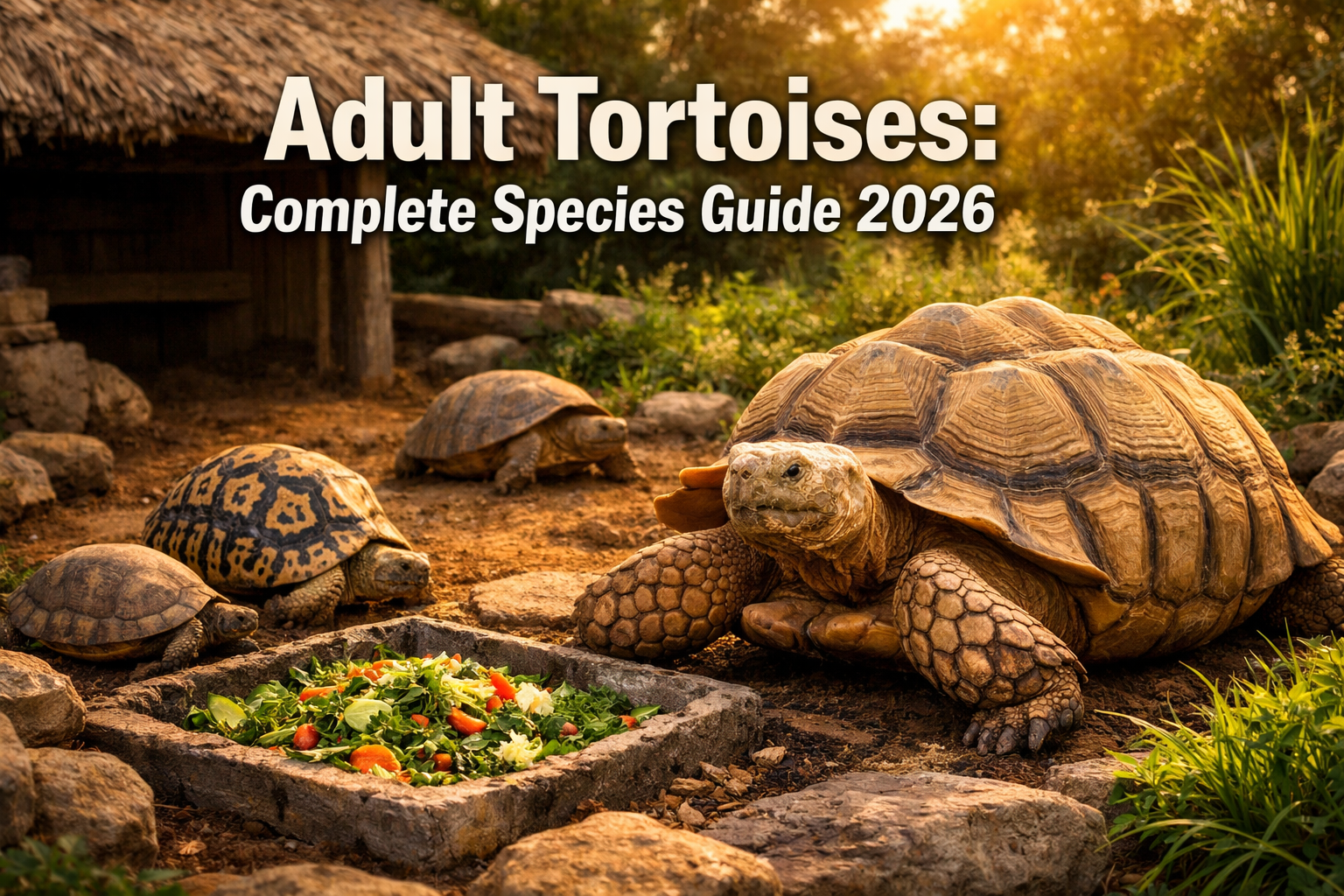
Imagine walking into your backyard and being greeted by a gentle giant that could outlive your grandchildren—a magnificent creature that has roamed the Earth for over 200 million years. Adult tortoises represent some of the most rewarding and fascinating reptilian companions you can welcome into your life, combining prehistoric majesty with surprisingly engaging personalities that develop over decades of careful stewardship.
Whether you're considering your first tortoise or looking to expand your collection, understanding the unique needs and characteristics of different adult tortoises is crucial for providing proper care. These remarkable reptiles require long-term commitment, specialized habitats, and species-specific care that can span several human generations. In this comprehensive guide, I'll walk you through the seven most popular tortoise species among dedicated keepers, sharing insights from years of experience in tortoise husbandry and care.
Key Takeaways
• Adult tortoises require species-specific care with proper UVB lighting, temperature gradients, and dietary considerations that vary significantly between desert and forest species
• The seven most popular species for keepers include Sulcata, Leopard, Russian, Hermann's, Greek, Red-footed, and Egyptian tortoises, each with unique habitat and care requirements
• Indoor and outdoor housing setups must accommodate adult sizes ranging from 6 inches to over 24 inches, with some species requiring year-round climate control
• Proper nutrition involves hand-feeding safe vegetation, calcium supplementation, and avoiding harmful foods that can cause serious health issues
• Long-term commitment is essential, as most tortoise species live 50-100+ years and require consistent, knowledgeable care throughout their extended lifespans
Understanding Adult Tortoise Species: The Magnificent Seven
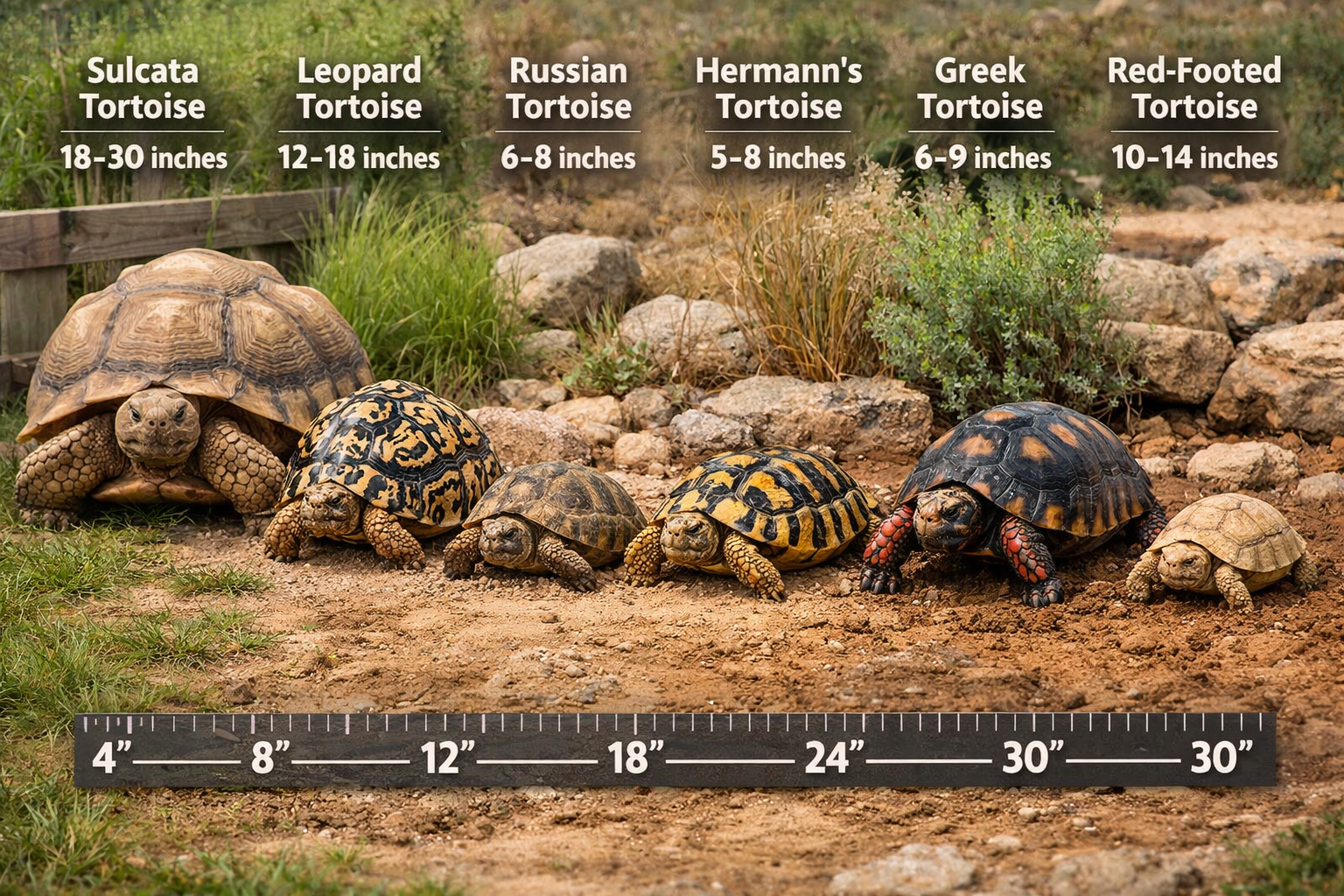
When selecting adult tortoises for your collection, understanding the distinct characteristics and requirements of each species is paramount. The seven most popular species among dedicated tortoise keepers represent a diverse range of sizes, temperaments, and care requirements that can suit various living situations and experience levels.
Sulcata Tortoises: The Gentle Giants 🐢
African Sulcata tortoises stand as the third-largest tortoise species in the world, with adults reaching impressive sizes of 18-24 inches and weights exceeding 100 pounds. These magnificent creatures originate from the Sahel region of Africa and have adapted to thrive in arid environments with minimal water sources.
Adult Sulcatas require substantial outdoor space, ideally with access to both sunny basking areas and shaded retreats. Their powerful digging instincts mean they'll excavate extensive burrow systems, which actually helps them regulate body temperature naturally. Understanding proper sulcata tortoise care becomes crucial as these giants can live over 70 years with appropriate husbandry.
Diet and Nutrition: Sulcatas are primarily grazers, requiring a high-fiber, low-protein diet consisting of grasses, weeds, and hay. Avoid fruits and high-protein foods that can cause pyramiding and other health issues. Proper sulcata tortoise breeding requires understanding their seasonal behaviors and providing appropriate nesting areas.
Leopard Tortoises: Beautiful Grassland Grazers
Leopard tortoises captivate keepers with their stunning shell patterns and gentle dispositions. Adults typically reach 12-18 inches, making them more manageable than Sulcatas while still providing an impressive presence. These South African natives thrive in grassland environments and exhibit excellent foraging behaviors.
Leopard tortoise care involves providing proper temperature gradients and humidity levels that mimic their natural habitat. Their beautiful spotted shells require specific humidity management to prevent respiratory issues while maintaining proper shell development.
Housing Requirements: Adult leopard tortoises need spacious enclosures with multiple microclimates. Indoor housing for leopard tortoises should include UVB lighting, heating elements, and adequate ventilation to prevent humidity-related health problems.
Russian Tortoises: Hardy Desert Survivors
Russian tortoises represent excellent choices for beginners due to their hardy nature and manageable size of 6-10 inches as adults. These Central Asian natives demonstrate remarkable adaptability to temperature fluctuations and can even hibernate in appropriate climates.
Russian tortoise diet focuses on desert vegetation, including dandelions, plantain, and various grasses. Their natural hibernation behaviors require careful monitoring and preparation, especially for keepers in temperate climates.
Cold Weather Adaptations: Unlike tropical species, Russian tortoises can tolerate cooler temperatures and may benefit from controlled hibernation periods. Russian tortoise breeding typically occurs following hibernation cycles that trigger reproductive behaviors.
Hermann's Tortoises: European Classics
Hermann's tortoises offer the perfect balance of manageable size and engaging personality. Adults reach 6-8 inches and display remarkable intelligence and curiosity about their surroundings. These Mediterranean natives require specific temperature and humidity parameters to thrive in captivity.
Hermann's tortoise care involves creating environments that replicate the Mediterranean climate with warm, dry summers and cooler winters. Their omnivorous tendencies allow for more dietary variety than strict herbivores.
Greek Tortoises: Mediterranean Marvels
Greek tortoises share many characteristics with Hermann's tortoises but display unique shell patterns and slightly different care requirements. Greek tortoise care focuses on providing proper basking temperatures and avoiding excessive humidity that can lead to respiratory infections.
Red-footed Tortoises: Tropical Forest Dwellers
Red-footed tortoises stand apart from their desert-dwelling cousins with their preference for higher humidity and more varied diets. Red-footed tortoise habitat requirements include maintaining 60-80% humidity levels and providing both plant and occasional animal protein sources.
Red-footed tortoise humidity management becomes critical for preventing shell and respiratory problems. These South American natives thrive in forest-like environments with plenty of hiding spots and varied terrain.
Egyptian Tortoises: Tiny Desert Gems
Egyptian tortoises represent the smallest species on our list, with adults reaching only 4-5 inches. Egyptian tortoise care requires attention to detail due to their small size and specific environmental needs.
Despite their diminutive stature, Egyptian tortoises require the same level of commitment and proper care as their larger cousins. Their desert origins mean they need hot, dry conditions with minimal humidity.
Essential Care Requirements for Adult Tortoises
Caring for adult tortoises involves understanding and implementing complex husbandry requirements that vary significantly between species. Success in tortoise keeping depends on creating appropriate environments, providing proper nutrition, and maintaining consistent care routines that support long-term health and wellbeing.
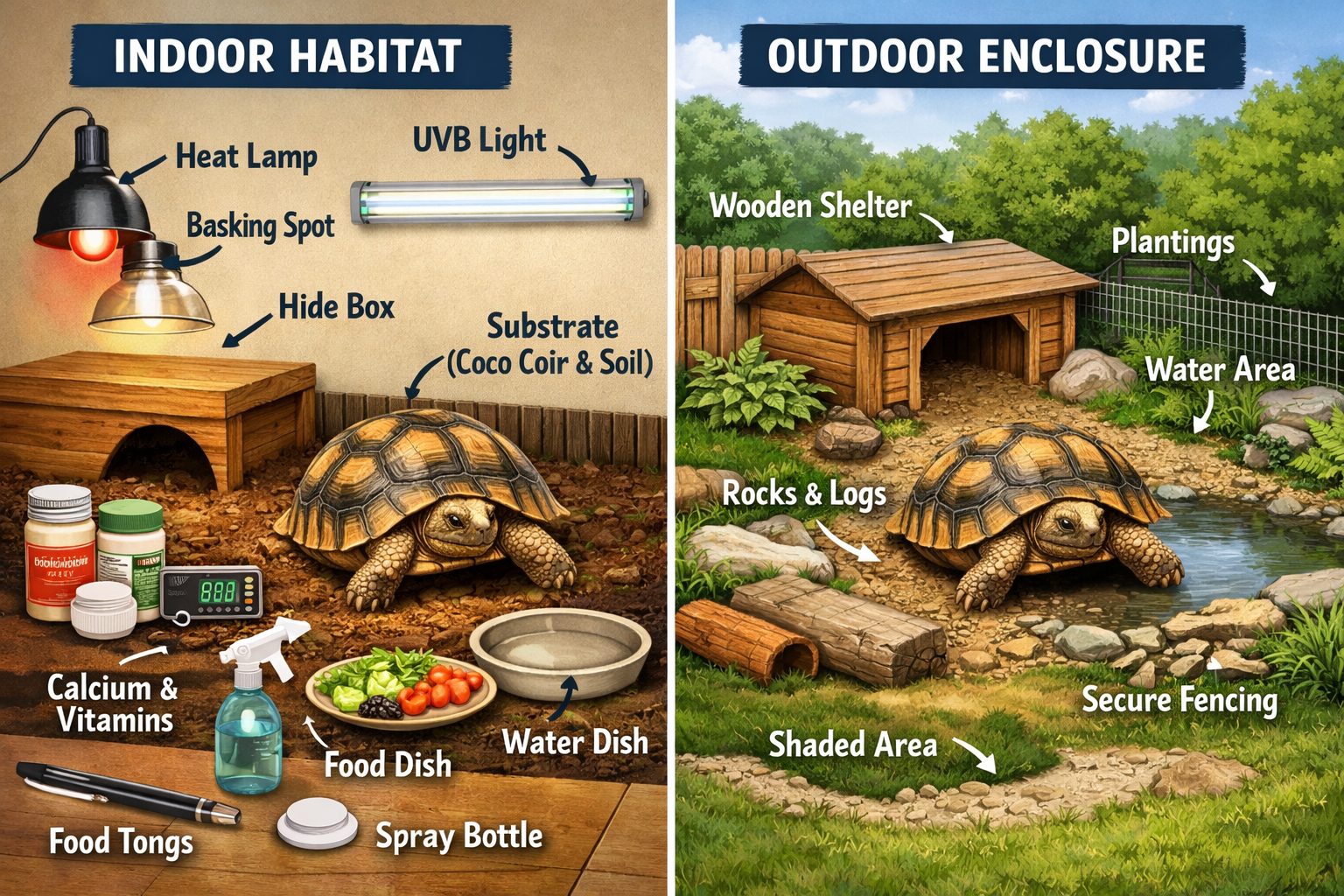
Indoor Housing for Adult Tortoises
Indoor habitats for adult tortoises must accommodate both their physical size and behavioral needs. Large tortoise housing becomes essential as these animals require substantial floor space to exercise and exhibit natural behaviors.
Enclosure Size Guidelines:
- Small species (Egyptian, Russian): Minimum 4×8 feet
- Medium species (Hermann's, Greek): Minimum 6×12 feet
- Large species (Sulcata, Leopard): Minimum 8×16 feet or larger
Essential Indoor Equipment:
- High-quality UVB lighting systems (10-12% UVB output)
- Ceramic heat emitters for nighttime warmth
- Digital thermometers and hygrometers
- Appropriate substrate materials
- Hide boxes and shelter areas
- Food and water dishes
Sulcata tortoise indoor habitats require particularly robust construction due to these animals' strength and size. Adult Sulcatas can easily damage inadequate enclosures and may injure themselves in the process.
UVB Lighting: The Foundation of Health
UVB lighting represents perhaps the most critical aspect of indoor tortoise care. Without proper UVB exposure, tortoises cannot synthesize vitamin D3, leading to metabolic bone disease and other serious health problems.
Leopard tortoise UVB lighting requirements include providing 10-12% UVB bulbs positioned 12-18 inches above basking areas. These bulbs must be replaced every 6-12 months, as their UVB output diminishes over time even when they continue producing visible light.
UVB Setup Best Practices:
- Use T5 HO fluorescent or high-quality LED UVB fixtures
- Position lights to create UVB gradients across the enclosure
- Provide 10-14 hours of daily UVB exposure
- Replace bulbs according to manufacturer recommendations
- Use UVB meters to verify proper output levels
Temperature Management and Heating
Temperature gradients allow tortoises to thermoregulate naturally by moving between warmer and cooler areas of their enclosure. Most species require basking temperatures of 95-105°F with ambient temperatures of 75-85°F during the day.
Heating Equipment Options:
- Ceramic heat emitters for ambient warming
- Halogen flood bulbs for basking spots
- Radiant heat panels for large enclosures
- Under-tank heaters for nighttime warmth
Nighttime temperatures can drop to 65-75°F for most species, though tropical species like red-footed tortoises prefer warmer nighttime conditions.
Outdoor Enclosures: Natural Paradise
Outdoor housing provides the most natural environment for adult tortoises when climate conditions permit. Properly designed outdoor enclosures offer numerous benefits including natural UVB exposure, varied terrain, and opportunities for natural foraging behaviors.
Outdoor Enclosure Requirements:
- Secure fencing buried 6-12 inches underground
- Multiple shelter options for temperature regulation
- Varied terrain with hills, valleys, and obstacles
- Natural or artificial shade structures
- Secure water sources
- Predator-proof design
Fencing Considerations:
- Height should be 2-3 times the tortoise's shell length
- Smooth surfaces prevent climbing attempts
- Underground barriers prevent digging escapes
- Gates and latches must be secure and predator-proof
Nutrition and Feeding Adult Tortoises
Proper nutrition forms the cornerstone of tortoise health, with dietary requirements varying significantly between species. Tortoise-safe foods include a wide variety of weeds, grasses, and vegetables that provide essential nutrients without harmful additives.
Hand-Feeding Techniques:
Hand-feeding adult tortoises strengthens the bond between keeper and animal while allowing for close health monitoring. Most tortoises readily accept food from their keepers' hands, though some may be initially cautious.
Safe Hand-Feeding Practices:
- Wash hands thoroughly before and after feeding
- Offer food on flat palms to prevent accidental bites
- Use feeding tongs for nervous or aggressive individuals
- Monitor eating behaviors for signs of illness
- Provide variety to prevent dietary boredom
Edible plants for tortoises include dandelions, plantain, hibiscus, prickly pear cactus, and various grasses. Avoid iceberg lettuce, spinach, and other foods high in oxalates or low in nutritional value.
Calcium Supplementation and Shell Health
Calcium supplementation prevents metabolic bone disease and supports proper shell development in growing tortoises. Adult tortoises require regular calcium supplementation, particularly females during egg-laying season.
Supplementation Guidelines:
- Dust food with calcium powder 2-3 times weekly
- Provide cuttlebone or calcium blocks for self-regulation
- Use calcium with D3 for indoor tortoises without UVB
- Monitor for signs of over-supplementation
Shell Health Indicators:
- Smooth, firm shell texture
- Normal growth patterns without pyramiding
- Healthy coloration without discoloration
- No soft spots or abnormal growths
Humidity Management for Different Species
Humidity requirements vary dramatically between desert and forest species. Desert species like Russian and Egyptian tortoises require low humidity (30-50%), while forest species like red-footed tortoises need higher humidity (60-80%).
Humidity Control Methods:
- Substrate selection affects ambient humidity
- Water features increase local humidity
- Ventilation systems regulate air circulation
- Misting systems provide temporary humidity spikes
Handling and Interaction with Adult Tortoises
Proper handling techniques ensure both keeper and tortoise safety while building trust and facilitating necessary care procedures. Adult tortoises can be surprisingly heavy and may struggle when lifted, requiring secure grips and confident handling.
Safe Handling Practices:
- Support the tortoise's body weight evenly
- Avoid grabbing the shell edges or limbs
- Move slowly and deliberately
- Allow the tortoise to feel secure during handling
- Limit handling duration to reduce stress
Building Trust:
- Approach slowly and speak softly
- Offer favorite foods during interactions
- Respect the tortoise's comfort zones
- Establish consistent routines
- Allow the tortoise to initiate contact when possible
Many adult tortoises develop distinct personalities and preferences over time. Some enjoy gentle shell scratching, while others prefer minimal physical contact. Observing individual behaviors helps keepers understand their tortoises' unique personalities and preferences.
<!DOCTYPE html>
<html lang="en">
<head>
    <meta charset="UTF-8">
    <meta name="viewport" content="width=device-width, initial-scale=1.0">
    <title>Adult Tortoise Species Comparison Tool</title>
    <style>
        .cg-element-container {
            max-width: 1000px;
            margin: 20px auto;
            font-family: Arial, sans-serif;
            background: #f9f9f9;
            border-radius: 10px;
            padding: 20px;
            box-shadow: 0 4px 6px rgba(0,0,0,0.1);
        }
        .cg-element-header {
            text-align: center;
            margin-bottom: 30px;
        }
        .cg-element-title {
            color: #2c5530;
            font-size: 24px;
            margin-bottom: 10px;
        }
        .cg-element-subtitle {
            color: #666;
            font-size: 14px;
        }
        .cg-element-filters {
            display: flex;
            gap: 15px;
            margin-bottom: 20px;
            flex-wrap: wrap;
            justify-content: center;
        }
        .cg-element-filter {
            display: flex;
            flex-direction: column;
            align-items: center;
        }
        .cg-element-filter label {
            font-weight: bold;
            margin-bottom: 5px;
            color: #2c5530;
        }
        .cg-element-filter select {
            padding: 8px;
            border: 2px solid #2c5530;
            border-radius: 5px;
            background: white;
        }
        .cg-element-table {
            width: 100%;
            border-collapse: collapse;
            background: white;
            border-radius: 8px;
            overflow: hidden;
            box-shadow: 0 2px 4px rgba(0,0,0,0.1);
        }
        .cg-element-table th {
            background: #2c5530;
            color: white;
            padding: 15px 10px;
            text-align: left;
            font-weight: bold;
        }
        .cg-element-table td {
            padding: 12px 10px;
            border-bottom: 1px solid #eee;
            vertical-align: top;
        }
        .cg-element-table tr:nth-child(even) {
            background: #f8f8f8;
        }
        .cg-element-table tr:hover {
            background: #e8f5e8;
        }
        .cg-element-size-small { color: #28a745; font-weight: bold; }
        .cg-element-size-medium { color: #ffc107; font-weight: bold; }
        .cg-element-size-large { color: #dc3545; font-weight: bold; }
        .cg-element-care-easy { color: #28a745; }
        .cg-element-care-moderate { color: #ffc107; }
        .cg-element-care-advanced { color: #dc3545; }
        .cg-element-hidden {
            display: none;
        }
        .cg-element-reset {
            background: #6c757d;
            color: white;
            border: none;
            padding: 8px 15px;
            border-radius: 5px;
            cursor: pointer;
            margin-left: 10px;
        }
        .cg-element-reset:hover {
            background: #5a6268;
        }
        @media (max-width: 768px) {
            .cg-element-filters {
                flex-direction: column;
                align-items: center;
            }
            .cg-element-table {
                font-size: 12px;
            }
            .cg-element-table th,
            .cg-element-table td {
                padding: 8px 5px;
            }
        }
    </style>
</head>
<body>
    <div class="cg-element-container">
        <div class="cg-element-header">
            <h2 class="cg-element-title">Adult Tortoise Species Comparison Tool</h2>
            <p class="cg-element-subtitle">Compare the top 7 tortoise species to find your perfect match</p>
        </div>

        <div class="cg-element-filters">
            <div class="cg-element-filter">
                <label for="sizeFilter">Filter by Size:</label>
                <select id="sizeFilter">
                    <option value="all">All Sizes</option>
                    <option value="small">Small (4-8")</option>
                    <option value="medium">Medium (8-15")</option>
                    <option value="large">Large (15"+ )</option>
                </select>
            </div>
            <div class="cg-element-filter">
                <label for="careFilter">Filter by Care Level:</label>
                <select id="careFilter">
                    <option value="all">All Levels</option>
                    <option value="easy">Beginner Friendly</option>
                    <option value="moderate">Moderate</option>
                    <option value="advanced">Advanced</option>
                </select>
            </div>
            <div class="cg-element-filter">
                <label for="climateFilter">Filter by Climate:</label>
                <select id="climateFilter">
                    <option value="all">All Climates</option>
                    <option value="desert">Desert</option>
                    <option value="mediterranean">Mediterranean</option>
                    <option value="tropical">Tropical</option>
                </select>
            </div>
            <button class="cg-element-reset" onclick="resetFilters()">Reset Filters</button>
        </div>

        <table class="cg-element-table">
            <thead>
                <tr>
                    <th>Species</th>
                    <th>Adult Size</th>
                    <th>Lifespan</th>
                    <th>Care Level</th>
                    <th>Climate Type</th>
                    <th>Space Needed</th>
                    <th>Key Features</th>
                </tr>
            </thead>
            <tbody id="tortoiseTable">
                <tr data-size="large" data-care="moderate" data-climate="desert">
                    <td><strong>Sulcata</strong></td>
                    <td class="cg-element-size-large">18-24"</td>
                    <td>70+ years</td>
                    <td class="cg-element-care-moderate">Moderate</td>
                    <td>Desert</td>
                    <td>Very Large Yard</td>
                    <td>Gentle giants, excellent diggers, need warm climate</td>
                </tr>
                <tr data-size="medium" data-care="moderate" data-climate="desert">
                    <td><strong>Leopard</strong></td>
                    <td class="cg-element-size-medium">12-18"</td>
                    <td>80+ years</td>
                    <td class="cg-element-care-moderate">Moderate</td>
                    <td>Desert</td>
                    <td>Large Yard</td>
                    <td>Beautiful patterns, good grazers, docile nature</td>
                </tr>
                <tr data-size="small" data-care="easy" data-climate="desert">
                    <td><strong>Russian</strong></td>
                    <td class="cg-element-size-small">6-10"</td>
                    <td>75+ years</td>
                    <td class="cg-element-care-easy">Beginner Friendly</td>
                    <td>Desert</td>
                    <td>Medium Yard</td>
                    <td>Hardy, can hibernate, good for beginners</td>
                </tr>
                <tr data-size="small" data-care="easy" data-climate="mediterranean">
                    <td><strong>Hermann's</strong></td>
                    <td class="cg-element-size-small">6-8"</td>
                    <td>80+ years</td>
                    <td class="cg-element-care-easy">Beginner Friendly</td>
                    <td>Mediterranean</td>
                    <td>Medium Yard</td>
                    <td>Intelligent, personable, moderate climate needs</td>
                </tr>
                <tr data-size="small" data-care="easy" data-climate="mediterranean">
                    <td><strong>Greek</strong></td>
                    <td class="cg-element-size-small">6-8"</td>
                    <td>100+ years</td>
                    <td class="cg-element-care-easy">Beginner Friendly</td>
                    <td>Mediterranean</td>
                    <td>Medium Yard</td>
                    <td>Long-lived, attractive shells, adaptable</td>
                </tr>
                <tr data-size="medium" data-care="advanced" data-climate="tropical">
                    <td><strong>Red-footed</strong></td>
                    <td class="cg-element-size-medium">10-14"</td>
                    <td>50+ years</td>
                    <td class="cg-element-care-advanced">Advanced</td>
                    <td>Tropical</td>
                    <td>Large Indoor/Outdoor</td>
                    <td>High humidity needs, omnivorous, colorful</td>
                </tr>
                <tr data-size="small" data-care="advanced" data-climate="desert">
                    <td><strong>Egyptian</strong></td>
                    <td class="cg-element-size-small">4-5"</td>
                    <td>100+ years</td>
                    <td class="cg-element-care-advanced">Advanced</td>
                    <td>Desert</td>
                    <td>Small Indoor</td>
                    <td>Smallest species, rare, precise care requirements</td>
                </tr>
            </tbody>
        </table>
    </div>

    <script>
        function filterTable() {
            const sizeFilter = document.getElementById('sizeFilter').value;
            const careFilter = document.getElementById('careFilter').value;
            const climateFilter = document.getElementById('climateFilter').value;
            const rows = document.querySelectorAll('#tortoiseTable tr');

            rows.forEach(row => {
                let showRow = true;

                if (sizeFilter !== 'all' && row.dataset.size !== sizeFilter) {
                    showRow = false;
                }

                if (careFilter !== 'all' && row.dataset.care !== careFilter) {
                    showRow = false;
                }

                if (climateFilter !== 'all' && row.dataset.climate !== climateFilter) {
                    showRow = false;
                }

                if (showRow) {
                    row.classList.remove('cg-element-hidden');
                } else {
                    row.classList.add('cg-element-hidden');
                }
            });
        }

        function resetFilters() {
            document.getElementById('sizeFilter').value = 'all';
            document.getElementById('careFilter').value = 'all';
            document.getElementById('climateFilter').value = 'all';
            filterTable();
        }

        document.getElementById('sizeFilter').addEventListener('change', filterTable);
        document.getElementById('careFilter').addEventListener('change', filterTable);
        document.getElementById('climateFilter').addEventListener('change', filterTable);
    </script>
</body>
</html>
Advanced Husbandry Considerations for Adult Tortoises
Successfully maintaining adult tortoises requires understanding advanced husbandry concepts that go beyond basic care requirements. These sophisticated aspects of tortoise keeping often determine the difference between surviving and thriving animals, particularly as tortoises age and their needs become more complex.
Breeding and Reproductive Health
Breeding adult tortoises represents one of the most rewarding aspects of advanced tortoise keeping, though it requires extensive knowledge and preparation. Leopard tortoise breeding involves understanding seasonal cycles, providing appropriate nesting areas, and managing gravid females throughout the egg-laying process.
Pre-Breeding Considerations:
- Verify the health and genetic quality of breeding stock
- Ensure adequate space for territorial behaviors
- Provide proper nutrition for reproductive success
- Understand species-specific breeding seasons and triggers
Nesting Requirements:
Most female tortoises require specific substrate conditions for successful egg-laying. Sandy, well-draining soil that can be easily excavated yet holds its shape during digging provides ideal nesting conditions. Nesting boxes should be:
- Large enough for the female to turn around completely
- Filled with appropriate substrate 12-18 inches deep
- Located in quiet, secure areas away from disturbances
- Maintained at proper moisture levels for digging
Health Monitoring and Veterinary Care
Preventive healthcare forms the foundation of successful long-term tortoise keeping. Regular health assessments help identify potential problems before they become serious, life-threatening conditions.
Weekly Health Checks:
- Monitor eating and drinking behaviors
- Check for changes in activity levels
- Examine shell condition and growth patterns
- Assess breathing patterns and nasal discharge
- Evaluate waste production and consistency
Annual Veterinary Examinations:
Finding a reptile-experienced veterinarian is crucial for maintaining tortoise health. Annual checkups should include:
- Complete physical examination
- Fecal parasite screening
- Weight and growth assessment
- Shell and skin evaluation
- Blood work for older animals
Common Health Issues in Adult Tortoises:
- Respiratory infections from improper humidity or temperature
- Shell rot from excessive moisture or poor hygiene
- Parasitic infections from contaminated food or substrate
- Metabolic bone disease from inadequate UVB or calcium
- Kidney disease from improper diet or dehydration
Seasonal Care Adjustments
Seasonal management becomes particularly important for outdoor-housed tortoises and species that naturally experience hibernation or brumation periods. Understanding and accommodating these natural cycles supports overall health and longevity.
Spring Preparation:
- Gradually increase daylight hours for indoor animals
- Begin transitioning outdoor animals to extended enclosure access
- Increase feeding frequency as activity levels rise
- Perform thorough health assessments after winter periods
Summer Management:
- Provide adequate shade and cooling options
- Increase water availability during hot weather
- Monitor for signs of overheating or dehydration
- Adjust feeding schedules to cooler parts of the day
Fall Transition:
- Begin reducing daylight hours for species requiring hibernation
- Gradually decrease feeding frequency for hibernating species
- Perform pre-hibernation health checks and weight assessments
- Prepare hibernation facilities for appropriate species
Winter Care:
- Maintain consistent temperatures for non-hibernating species
- Monitor hibernating animals for signs of premature awakening
- Adjust indoor lighting schedules to match natural photoperiods
- Increase heating costs and energy efficiency considerations
Environmental Enrichment and Mental Stimulation
Adult tortoises benefit significantly from environmental enrichment that encourages natural behaviors and provides mental stimulation. These intelligent reptiles can become bored and stressed in sterile environments lacking complexity and variety.
Physical Enrichment:
- Varied terrain with hills, valleys, and obstacles
- Multiple hiding spots and shelter options
- Different substrate textures throughout the enclosure
- Climbing opportunities for appropriate species
- Digging areas with suitable substrate
Feeding Enrichment:
- Scatter feeding to encourage foraging behaviors
- Hide food items throughout the enclosure
- Provide whole plants for natural grazing
- Use puzzle feeders for concentrated foods
- Vary feeding locations and times
Social Enrichment:
While many tortoise species are solitary, some benefit from carefully managed social interactions:
- Compatible species may cohabitate successfully
- Supervised interactions between individuals
- Visual barriers to reduce stress in group settings
- Separate feeding areas to prevent competition
Long-term Planning and Legacy Care
Tortoise ownership represents a multi-generational commitment that often outlasts the original keeper's lifetime. Planning for the long-term care of these animals ensures their wellbeing throughout their extended lifespans.
Estate Planning Considerations:
- Designate responsible caregivers in wills and trusts
- Provide detailed care instructions and veterinary contacts
- Establish funding mechanisms for ongoing care expenses
- Connect with reputable rescue organizations as backup plans
Record Keeping:
Maintaining detailed records throughout a tortoise's life provides valuable information for future caregivers:
- Medical history including veterinary visits and treatments
- Growth records with regular weight and size measurements
- Breeding history for reproductively active animals
- Behavioral observations and personality traits
- Dietary preferences and feeding schedules
Specialized Equipment and Technology
Modern tortoise keeping benefits from technological advances that improve monitoring and care capabilities. These tools help keepers maintain optimal conditions while reducing daily maintenance requirements.
Monitoring Technology:
- Digital thermostats for precise temperature control
- Wireless monitoring systems for remote habitat assessment
- Automated misting systems for humidity control
- Timer-controlled lighting for consistent photoperiods
- Security cameras for behavioral observation
Advanced Heating and Lighting:
- Radiant heat panels for efficient, long-lasting warmth
- LED UVB systems with programmable intensity controls
- Ceramic heat emitters with thermostat integration
- Solar-powered systems for outdoor enclosures
Working with Tortoise Town: Your Trusted Source
When considering adding adult tortoises to your collection, working with reputable breeders ensures healthy, well-socialized animals with known genetic backgrounds. Tortoise Town has established itself as the premier source for tortoise for sale online, offering captive-bred animals with comprehensive health guarantees and ongoing support.
Benefits of Captive-Bred Tortoises:
- Known genetic backgrounds and health histories
- Adaptation to captive conditions from birth
- Reduced risk of parasites and diseases
- Support for conservation through reduced wild collection
- Access to breeder expertise and ongoing guidance
Shipping and Acclimation:
Professional shipping services ensure safe transport of adult tortoises to their new homes. Proper acclimation procedures help newly arrived animals adjust to their new environments with minimal stress.
The commitment to keeping adult tortoises extends far beyond initial setup and basic care requirements. These remarkable animals reward dedicated keepers with decades of companionship, unique personalities, and the satisfaction of successfully maintaining one of nature's most ancient and enduring creatures. Through careful attention to their complex needs and long-term planning for their care, tortoise keepers become stewards of living history that connects us to the prehistoric past while enriching our daily lives.
Conclusion
Embarking on the journey of keeping adult tortoises represents one of the most rewarding and challenging commitments in the reptile-keeping world. These magnificent creatures, with their ancient wisdom and gentle dispositions, offer unique companionship that can span multiple human generations. Throughout this comprehensive guide, we've explored the fascinating world of the seven most popular tortoise species, from the gentle giants like Sulcatas to the diminutive Egyptian tortoises, each bringing their own special requirements and characteristics to dedicated keepers.
The key to successful tortoise husbandry lies in understanding that these animals require species-specific care that goes far beyond basic pet keeping. Whether you're providing proper UVB lighting, creating appropriate temperature gradients, or hand-feeding safe, nutritious foods, every aspect of care must be tailored to your tortoise's natural history and biological needs.
Your Next Steps:
- Research thoroughly before committing to any tortoise species, considering your long-term living situation, climate, and available space
- Connect with experienced keepers and join tortoise communities to learn from others' experiences and challenges
- Prepare your habitat completely before acquiring your tortoise, ensuring all equipment is tested and functioning properly
- Establish a relationship with a reptile-experienced veterinarian in your area before you need emergency care
- Consider starting with beginner-friendly species like Russian or Hermann's tortoises to develop your skills before advancing to more challenging species
Remember that choosing to keep adult tortoises means accepting responsibility for animals that may outlive you, requiring careful planning for their long-term care and wellbeing. When you're ready to welcome one of these remarkable creatures into your life, trust reputable sources like Tortoise Town to provide healthy, captive-bred animals with the support and guidance you need for success.
The ancient wisdom carried in every tortoise shell reminds us that the best things in life require patience, dedication, and respect for the natural world. By providing excellent care for these prehistoric survivors, we become part of their incredible story while enriching our own lives immeasurably.
References
[1] Ernst, C.H. & Lovich, J.E. (2009). Turtles of the United States and Canada. Johns Hopkins University Press.
[2] Bonin, F., Devaux, B., & Dupré, A. (2006). Turtles of the World. Johns Hopkins University Press.
[3] Highfield, A.C. (2020). Practical Encyclopedia of Keeping and Breeding Tortoises and Freshwater Turtles. Carapace Press.
[4] McArthur, S., Wilkinson, R., & Meyer, J. (2004). Medicine and Surgery of Tortoises and Turtles. Blackwell Publishing.
[5] Pursall, B. (2018). Mediterranean Tortoises: Natural History, Captive Care and Breeding. Living Art Publishing.
SEO Meta Information:
Leave a Reply
Want to join the discussion?Feel free to contribute!