

Ivory Sulcata Tortoise Care: Space, Grazing and the Pale Color Trait
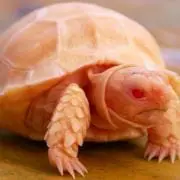
An ivory sulcata looks almost carved from pale stone: a creamy carapace, light skin and soft tan growth rings on a body that will one day be one of the largest tortoises on earth. The color is unusual, but the husbandry is the same demanding, grassland routine every African spurred tortoise needs. This guide covers that routine and the Ivory sulcata tortoises available at www.TortoiseTown.com.
A Grassland Giant
The sulcata, Centrochelys sulcata, also called the African spurred tortoise, comes from the Sahel along the southern edge of the Sahara. It lives in open, hot country where grasses and thorny scrub dominate and the only reliable shelter is a burrow the tortoise digs itself. Those burrows can run many feet into the ground, giving the animal a humid retreat from brutal midday heat and a buffer against cooler nights.

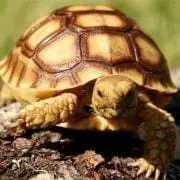
Ivory is a captive color trait, not a separate species. Fully expressed ivory animals have a much lighter shell and body than the usual tan-and-brown sulcata. Related lines include animals that carry the trait without showing it, and the even brighter albino sulcata tortoise. The pale skin can be a little more prone to sunburn in harsh, shade-free yards, so an outdoor pen must always include deep shade, but the animal is otherwise as robust as a normally colored sibling.
Size, Growth and Lifespan
A hatchling may be no larger than a small apple. Growth is rapid when heat, UVB and food are right, and an adult male commonly exceeds 24 inches in shell length and 100 pounds. Some animals grow larger still. Lifespan is commonly 50 to 80 years, and many well-kept sulcatas live longer. Before bringing one home, be honest about future space: a yearling that fits on a table will not stay that size.
Temperament
Sulcatas are confident, nosy and persistent. They patrol their territory, follow the person who brings weeds and will shove against fences, doors and water tubs with surprising strength. They are not aggressive in the way a predator is, but they are powerful, and two males may ram each other. Keep handling to health checks and short, well-supported lifts, especially as the tortoise gains weight.
Housing: Think Ahead
Hatchlings and young juveniles can live in a large tortoise table, at least 4 by 2 feet to start, with tall solid sides. A mix of topsoil and coconut fiber several inches deep lets them dig. Provide a hide at each end, a shallow water pan and plenty of floor space rather than climbing furniture.

As soon as weather allows, move the tortoise to a secure outdoor pen. Adults need a genuinely large yard area with buried fencing, because sulcatas are champion diggers and ramblers. A sturdy, insulated house with a safe heat source is essential wherever nights cool into the 60s or below. Glass tanks are a poor choice at every age: they limit floor space and confuse a tortoise that cannot read a clear wall.
The same space rules apply to a normally colored sulcata tortoise. Color does not reduce the adult size you must plan for.
Heat, UVB and Humidity
Offer a basking area of about 95 to 100°F and a warm ambient range in the 80s during the day. Nights should stay above the mid 60s. A long UVB tube, or a quality outdoor photoperiod with unfiltered sunlight, is not optional; without it, shells and bones develop poorly.
Hatchlings need a slightly more humid microclimate than adults to support smooth shell growth. Keep part of the substrate faintly damp below the surface, offer soaks in shallow warm water several times a week, and never leave a baby on bone-dry bedding under constant heat. Adults from arid country still drink and soak, but their main enclosure can be drier as long as water is always available.
Diet: Graze, Don’t Treat
Ivory sulcatas are grazers. The daily menu should look like a dry grassland:

- Grasses and grass hay as the foundation
- Weeds such as dandelion, plantain, clover and sow thistle
- Opuntia cactus pads and other tortoise-safe, fibrous greens
- A measured amount of a grass-based tortoise pellet if fresh forage is thin
Fruit, animal protein and frequent rich produce lead to soft shells, pyramiding and digestive trouble. Calcium supplementation a few times a week is important, especially for growing animals and females.
Handling and Safety
Support the whole plastron with both hands and keep the tortoise close to the ground. Never lift a large sulcata by the shell edges alone, and never leave one unattended on a table. Outdoors, check fencing often and watch for dogs, flooding and escape tunnels.
A Note on Captive-Bred Stock
Because sulcatas grow so large, responsible homes matter as much as responsible breeding. Captive-bred ivory animals are raised on the right diet and lighting from the start, and choosing them avoids any demand for wild-collected stock. You can see the Ivory sulcata tortoises at www.TortoiseTown.com when you are ready to plan for the long term.
Frequently Asked Questions
Is an ivory sulcata harder to keep than a normal sulcata?
No. Care is the same. Provide shade outdoors so the lighter skin is not exposed to harsh sun all day.
How large will an ivory sulcata get?
Adults commonly pass 24 inches and 100 pounds. Plan housing for a very large tortoise, not a hatchling.
Can I keep an ivory sulcata indoors forever?
Only the first stage of life fits a typical indoor table. Growing and adult animals need a large, secure outdoor pen and a heated shelter.
What should I feed most often?
Grasses, hay and weeds. Keep fruit and protein off the regular menu.
Meet our captive-bred ivory sulcata tortoises at www.TortoiseTown.com.


Leave a Reply
Want to join the discussion?Feel free to contribute!